 Pin it
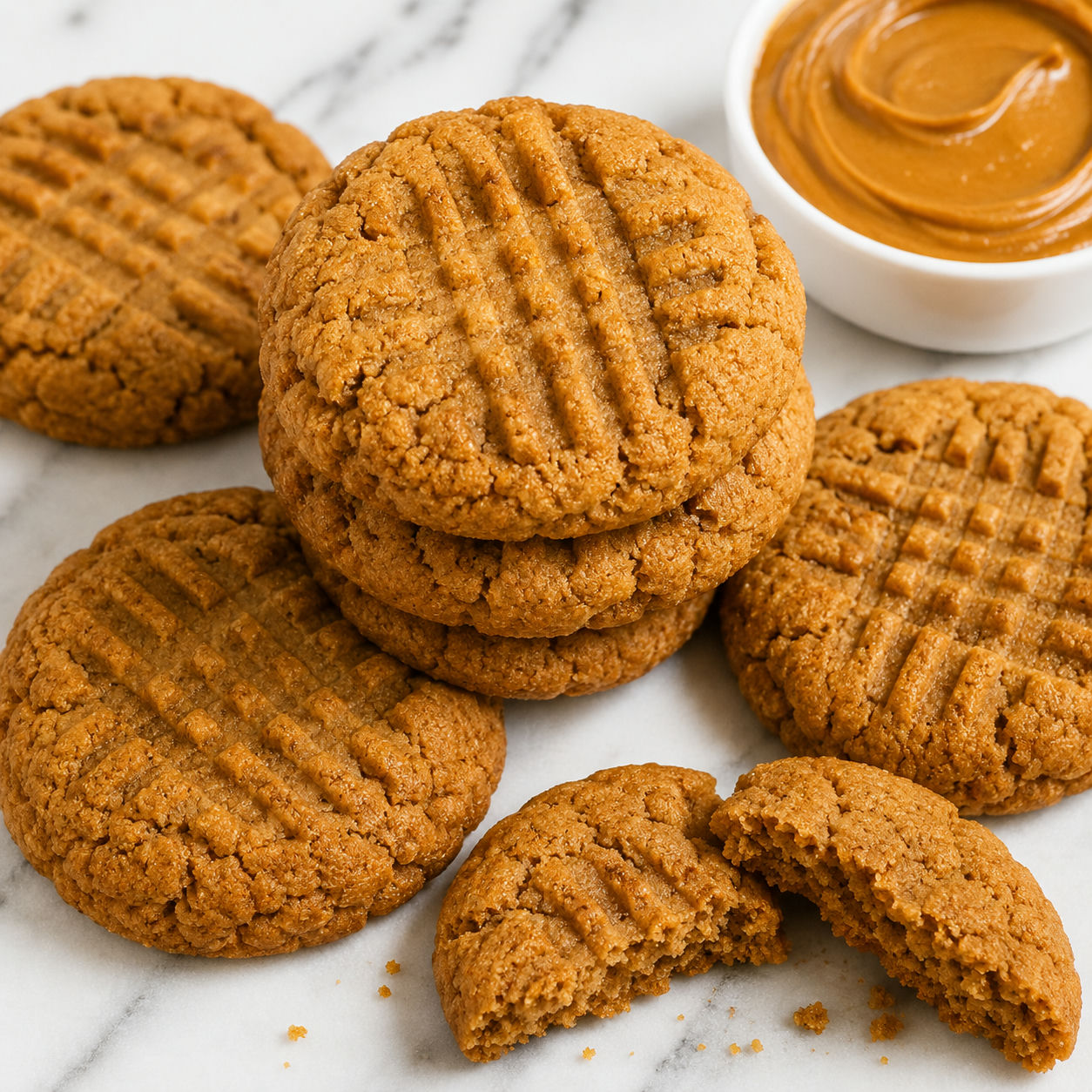
These 3-Ingredient Biscoff Cookies are what I bake when I want a real cookie without hauling out butter, brown sugar, baking soda, and half the pantry. The cookie butter brings the sweetness, fat, and warm caramel spice all at once.
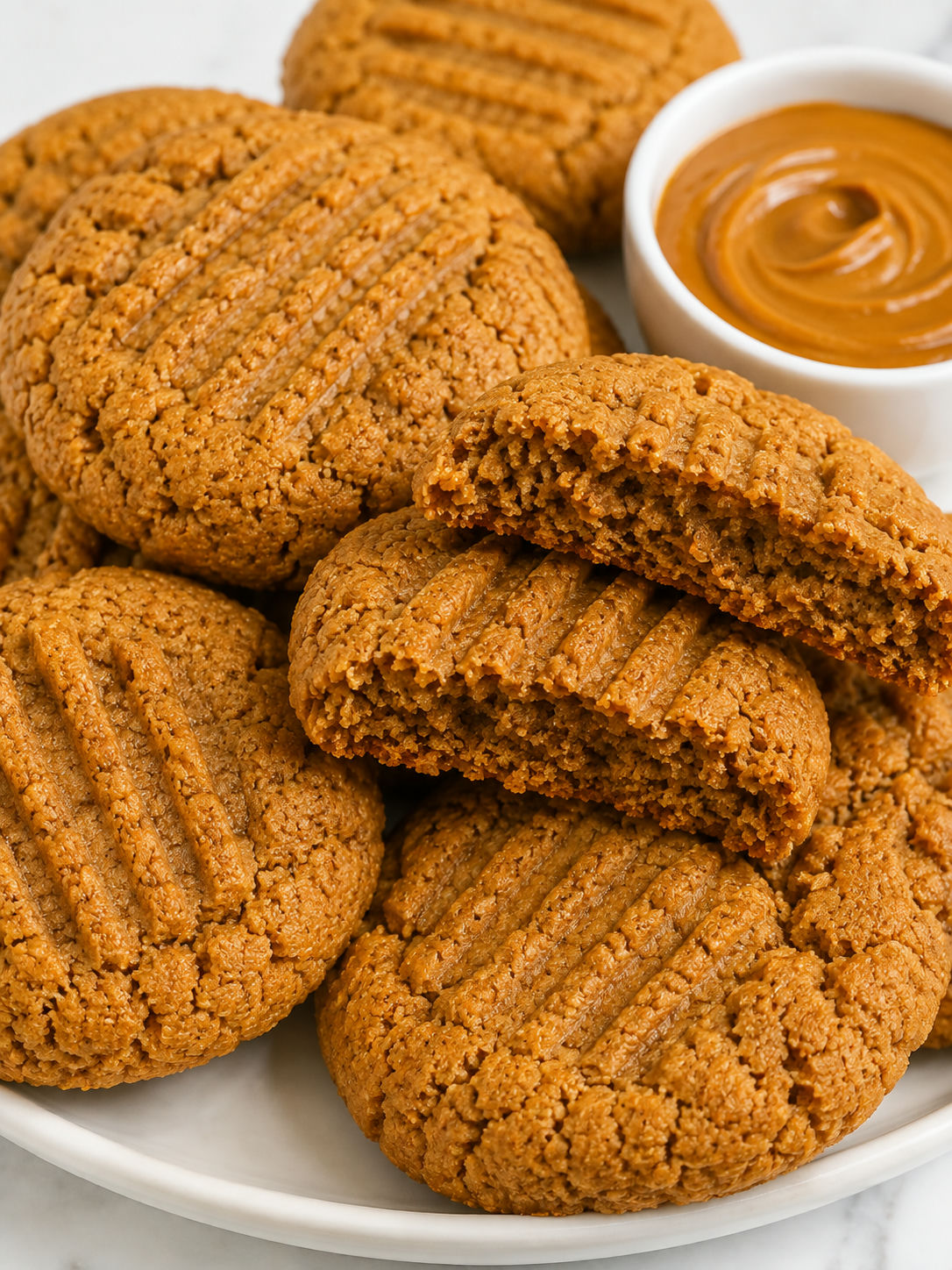
The dough is thick and a little sticky at first, then it firms up as the flour hydrates. A fork press gives the tops a craggy bakery look and helps the cookies bake evenly.
They are best the day they are made, when the edges still have a light snap and the centers stay soft. A cup of coffee next to them is not required, but it makes sense.
What 3-Ingredient Biscoff Cookies Need
Use a smooth, scoopable cookie butter for the cleanest dough. Flour should be measured lightly, because packed flour is the fastest way to make these cookies heavy.
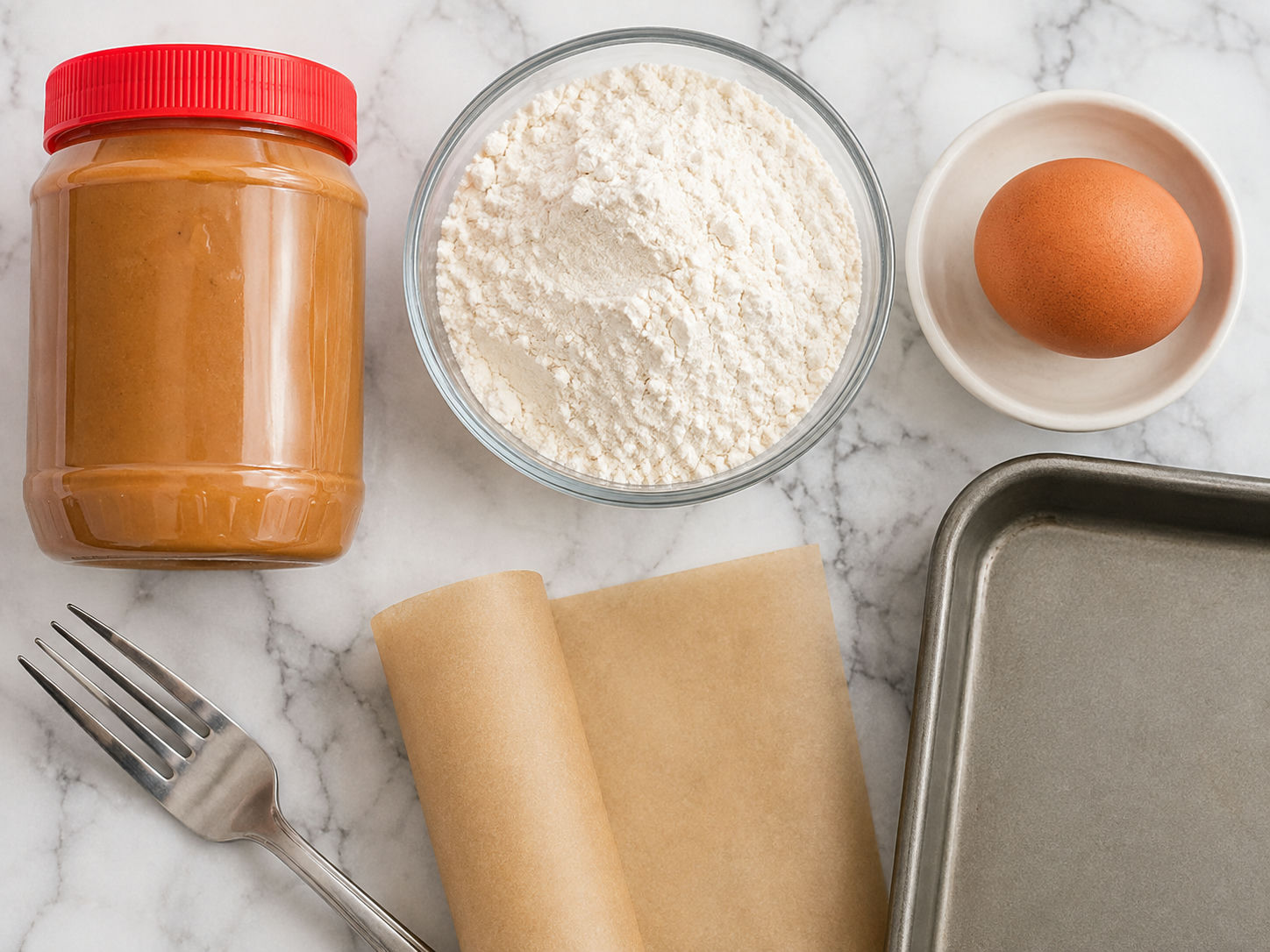
- Biscoff cookie butter. Gives the cookies their caramelized spice flavor, sweetness, and fat.
- All-purpose flour. Turns the spread into a proper dough and keeps the cookies from spreading too thin.
- Large egg. Binds the dough and gives the centers a soft, chewy set.
Shape and Bake the Cookies
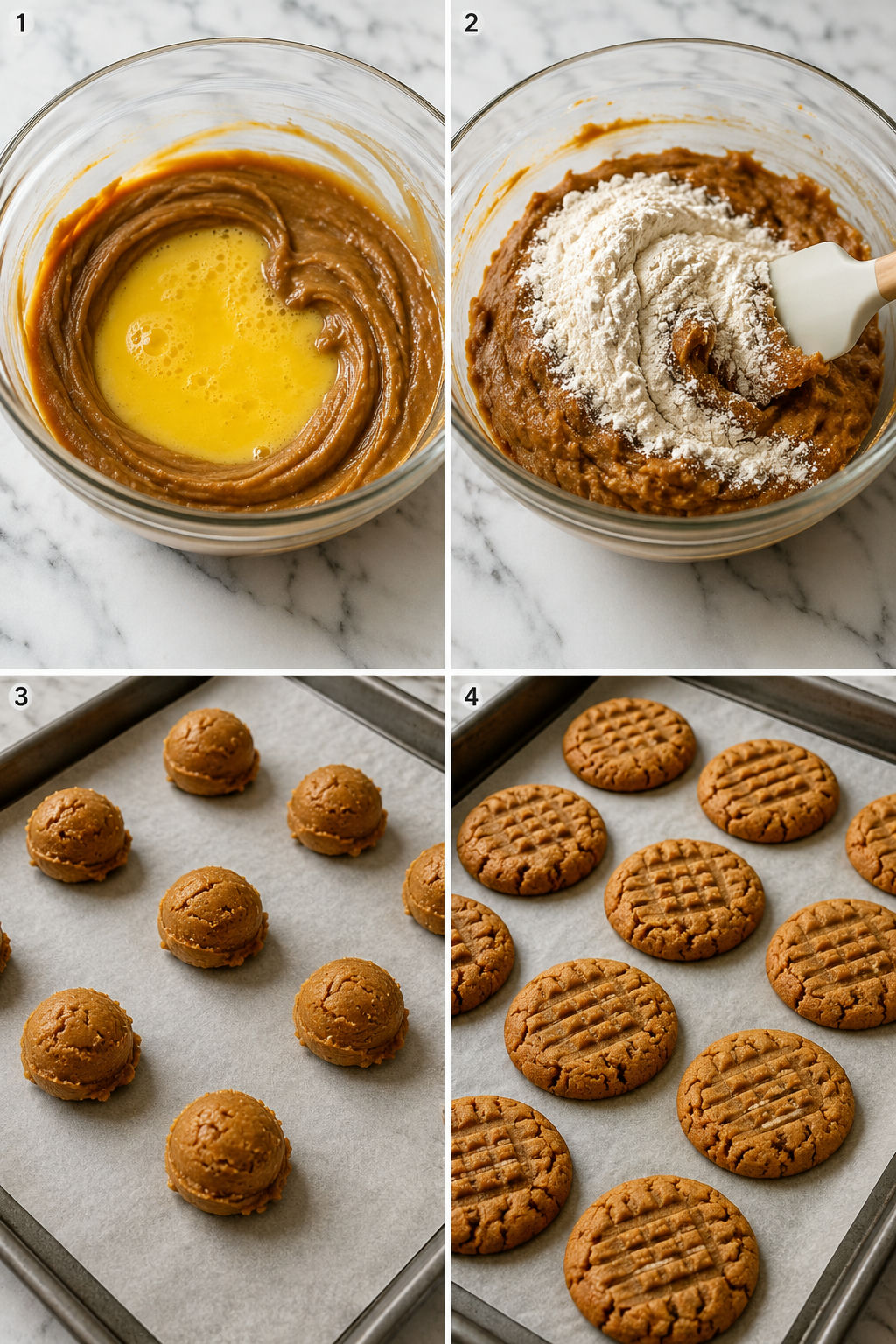
- Heat the oven. Set the oven to 350°F (175°C) and line a baking sheet with parchment paper.
- Mix the dough. Beat the egg in a medium bowl, then stir in the Biscoff spread until glossy. Add the flour and mix until no dry streaks remain.
- Scoop the cookies. Portion the dough into 1-tablespoon balls and set them 2 inches apart on the baking sheet.
- Press the tops. Gently flatten each ball with a fork. Dip the fork in a little flour if it sticks.
- Bake until set. Bake for 9-11 minutes, until the edges look dry and lightly darker but the centers are still soft.
- Cool before moving. Rest the cookies on the pan for 8 minutes, then move them to a wire rack. They firm as they cool.
The Texture Sweet Spot
The best batch lands between crisp and fudgy. The edges should look slightly wrinkled and dry, while the middle still gives a little when you lift the tray. If you wait until the whole cookie looks firm in the oven, it will taste drier once cool.
Small cookies help here. A heaping tablespoon bakes more evenly than a large scoop, and it gives you more of those caramelized edges. If you like soft bakes such as Soft Honey Oat Muffins, stay closer to 9 minutes. For a snappier cookie, press the dough a touch flatter and bake the full 11 minutes.
Measure Flour Lightly
Because there are only three ingredients, the flour matters more than usual. If you scoop straight from the bag with a measuring cup, you can pack in too much. King Arthur Baking recommends using a scale for accuracy or spooning flour into the cup before leveling it, which you can see in its flour measuring guide.
If the dough feels greasy, give it 3 minutes to sit before adding anything. Cookie butter thickens as it meets the flour. If it still slumps badly, add flour 1 teaspoon at a time.
Small Swaps That Work
Smooth Biscoff spread gives the neatest cookie, but crunchy cookie butter adds little toasted bits that are pleasant. You can add a pinch of flaky salt on top before baking if you want the sweetness to feel sharper. That would technically make it four ingredients, so keep it optional.
Do not swap the egg for water. The egg is doing real work here. For egg-free testing, a commercial egg replacer is more reliable than applesauce because it sets better in a low-ingredient dough. For egg handling basics, the guide on how to store eggs the right way is a useful kitchen habit to keep.
Bake With a Calm Kitchen
This is a quick recipe, so set up before you start. Line the pan, clear a cooling rack, and check that the oven is fully heated. A cool oven can make the cookies spread before the edges set.
Since these bake fast, stay nearby for the last few minutes. If your kitchen runs busy with small appliances, this is also a good time to review simple habits for reducing plugged-in appliance risk, like the reminders in this kitchen appliance safety guide.
Storage and Freezer Notes
Let the cookies cool completely before storing. Warm cookies release steam in a closed container, which softens the edges. Once cool, keep them airtight at room temperature for 4-5 days.
For longer storage, freeze the baked cookies in a snug container with parchment between layers. Thaw at room temperature for 20-30 minutes. The texture comes back nicely, especially if you warm one cookie for 8 seconds in the microwave. If you like planning treats ahead, the same freezer mindset works for basics like storing bread in the freezer safely.
How to Serve Them
These cookies are rich, so small is good. Serve them with coffee, black tea, cold milk, or vanilla ice cream. I also like them tucked into lunch boxes because they hold together better than a frosted cookie.
For a simple dessert plate, add sliced apples or strawberries on the side. Their fresh acidity cuts through the cookie butter sweetness and keeps the plate from feeling too heavy.
Summary
A quick cookie-butter cookie with three ingredients, no chilling, and a soft chewy texture.
Frequently Asked Questions
- Can I make 3-Ingredient Biscoff Cookies without flour?
-
This version needs flour because it gives the cookie structure and keeps the centers chewy instead of candy-like. A sugar-and-egg version can work, but it spreads differently and has a softer, more fragile bite.
- Can I use another cookie butter?
-
Yes. Any smooth speculoos or cookie butter spread works. If your spread is very loose and pourable, add 1 extra tablespoon of flour so the dough can hold a scooped shape.
- Why did my Biscoff cookies turn dry?
-
The usual causes are too much flour or too much oven time. Spoon and level the flour, or weigh it if you can. Pull the cookies when the edges are set and the centers still look slightly soft.
- Can I make the dough ahead?
-
Yes. Scoop the dough balls and chill them in an airtight container for up to 2 days. Let them sit at room temperature for 10 minutes, then press with a fork and bake.
- How should I store Biscoff cookies?
-
Keep cooled cookies in an airtight tin or container at room temperature for 4-5 days. Add a small piece of bread to the container if you want them to stay softer.
- Can I freeze these cookies?
-
Yes. Freeze baked cookies for up to 2 months, well wrapped. You can also freeze pressed dough balls and bake from frozen, adding 1-2 minutes to the baking time.
- Are these cookies dairy-free?
-
The basic recipe has no added dairy, and many cookie butter spreads are dairy-free. Check your jar if allergies matter, since brands can change ingredients and cross-contact warnings.