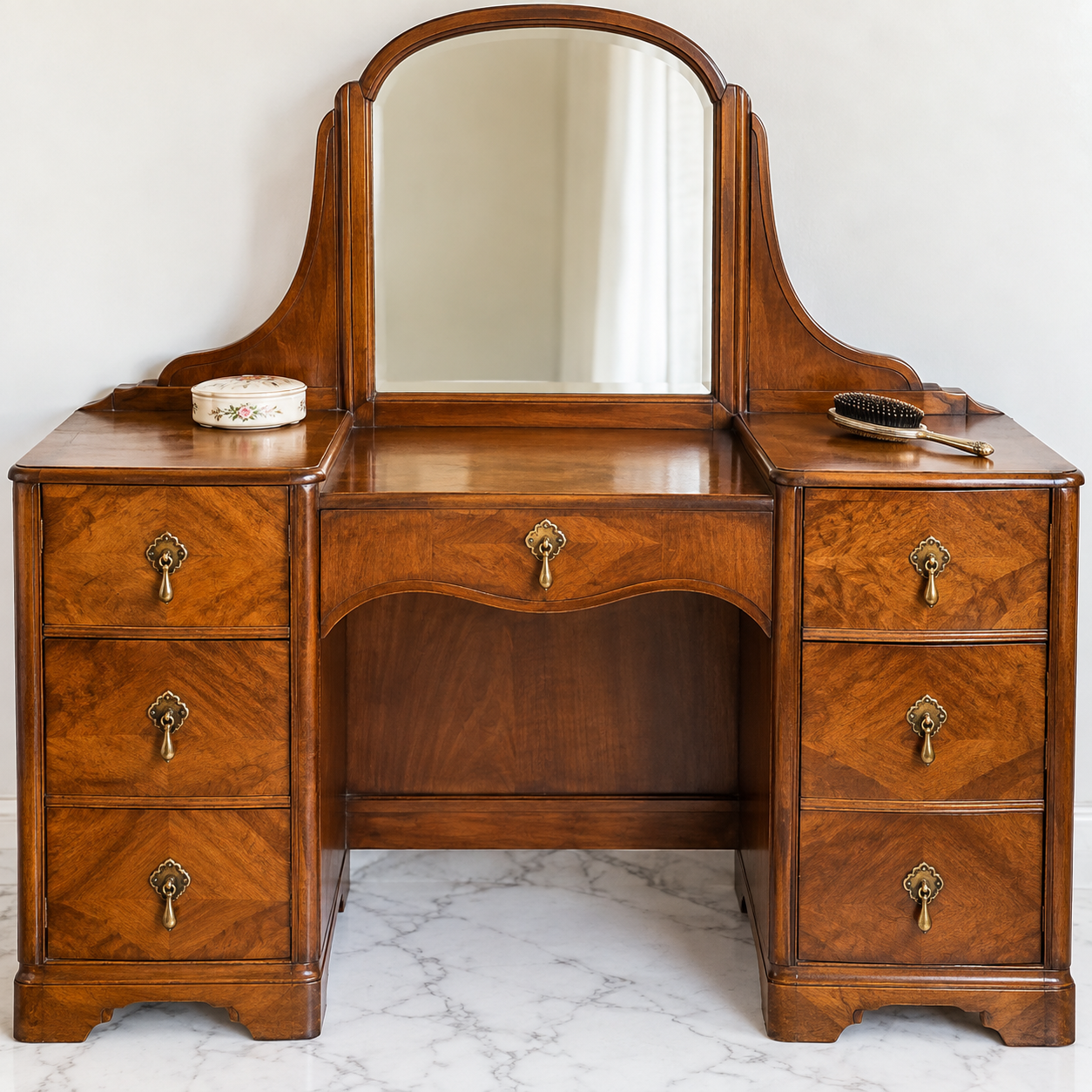
A practical guide to restoring a 1942 vanity table with careful prep, veneer work, stain, satin polyurethane, and original hardware cleaning.
Clear, practical ideas for a safer, calmer home and a better-working kitchen. Start with one useful change and adapt it to your home.
50 results in this collection. (Page 1 of 5)
Updated on August 23, 2026
A practical guide to restoring a 1942 vanity table with careful prep, veneer work, stain, satin polyurethane, and original hardware cleaning.
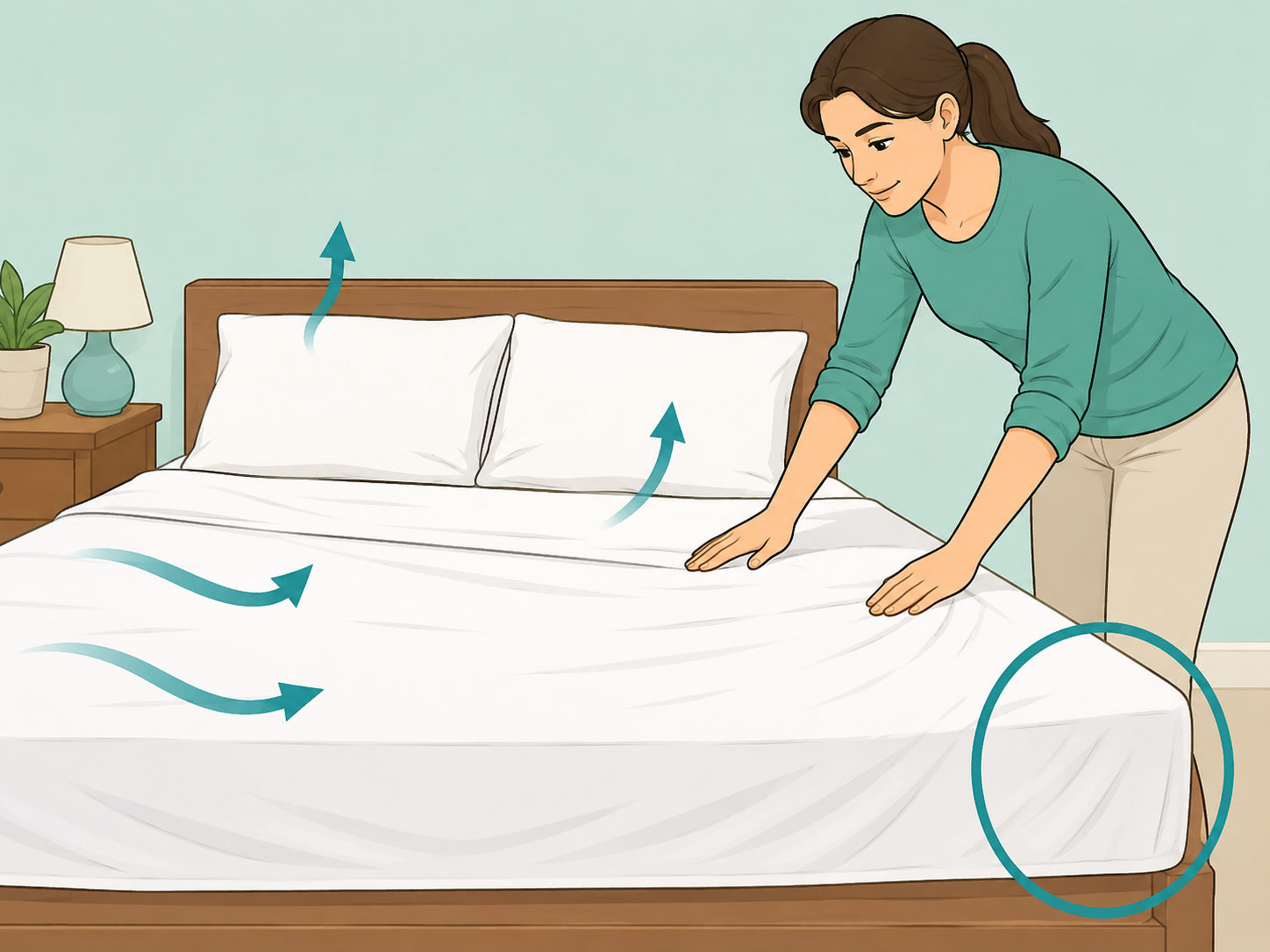
The slightly damp sheets trick can help bedding look smoother, but it only works safely when sheets are barely damp and dry quickly.
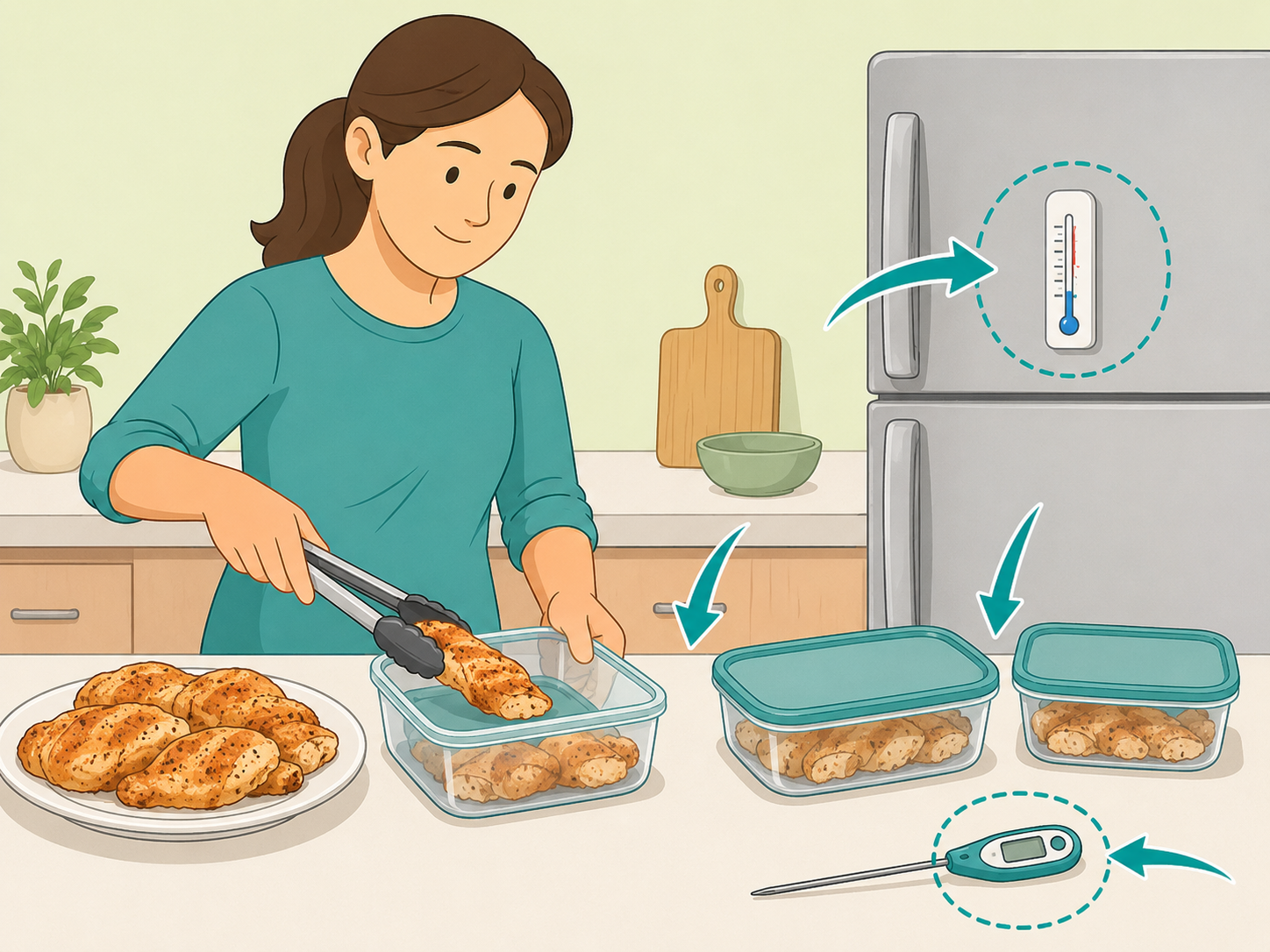
Store cooked chicken safely by cooling it quickly, refrigerating it on time, using shallow containers, and reheating leftovers properly.
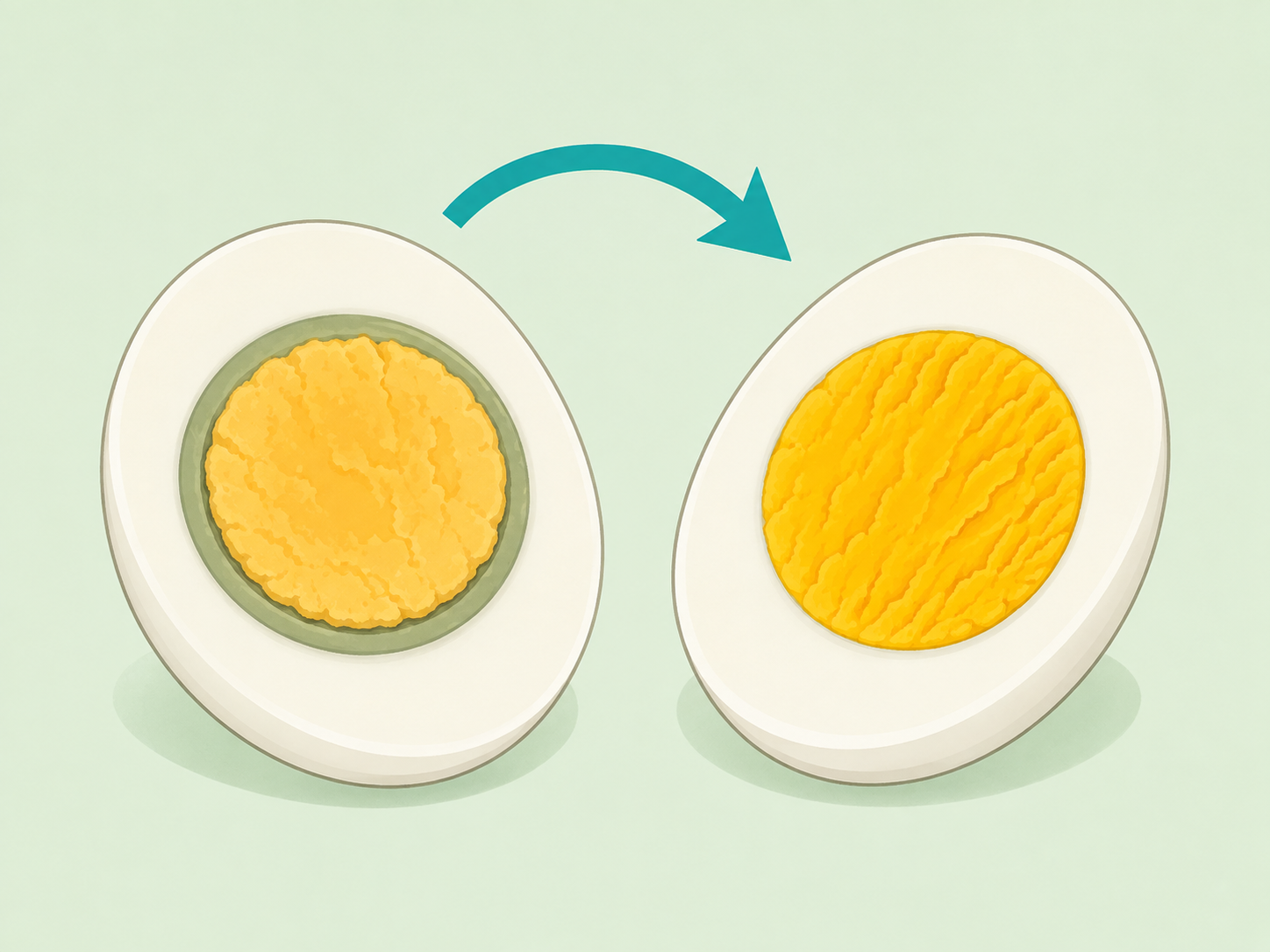
The green ring around a hard-boiled egg yolk comes from heat, time, and a harmless sulfur-iron reaction. Here is how to understand it and prevent it.
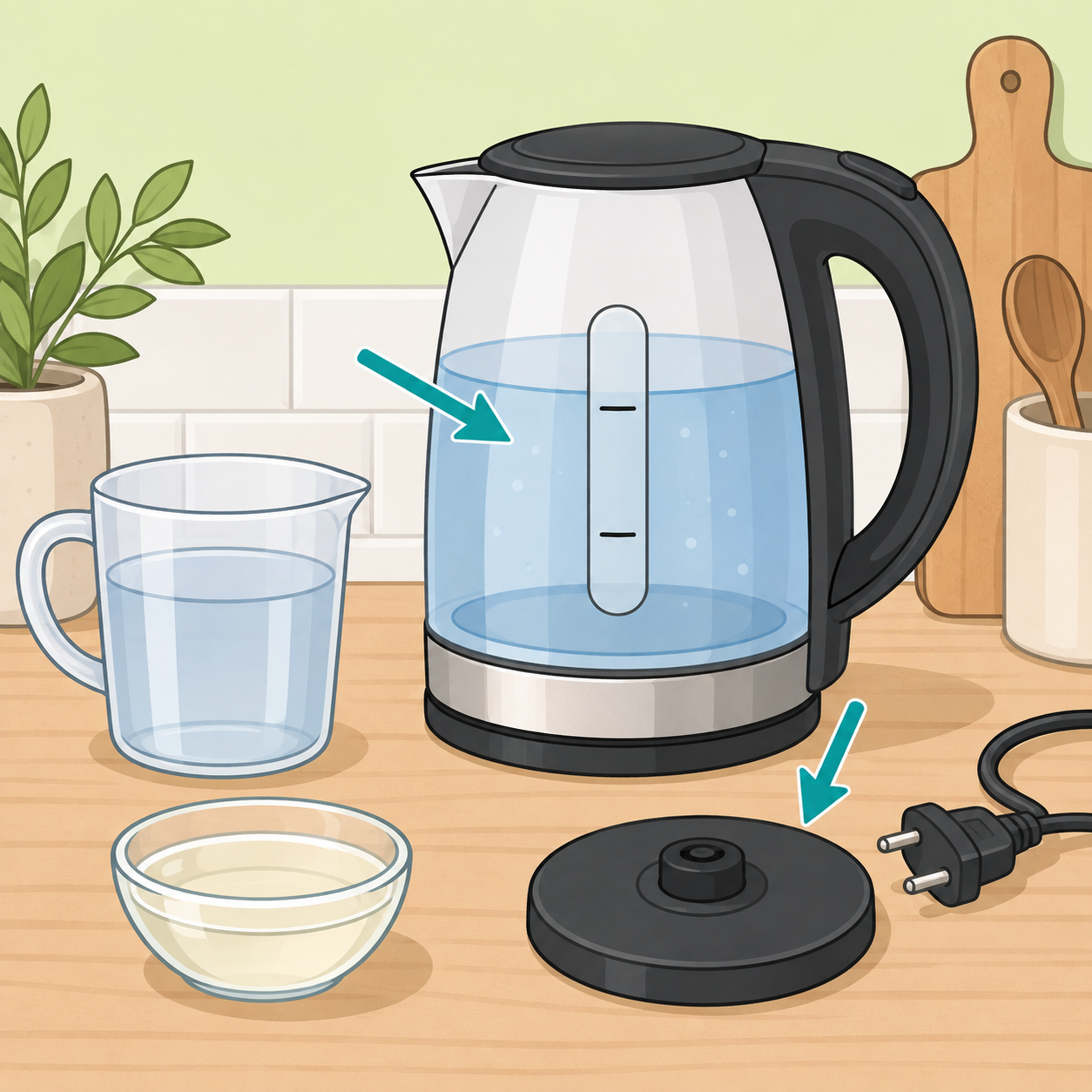
Use an electric kettle safely by measuring water, respecting the fill lines, keeping the base dry, pouring carefully, and cleaning scale regularly.
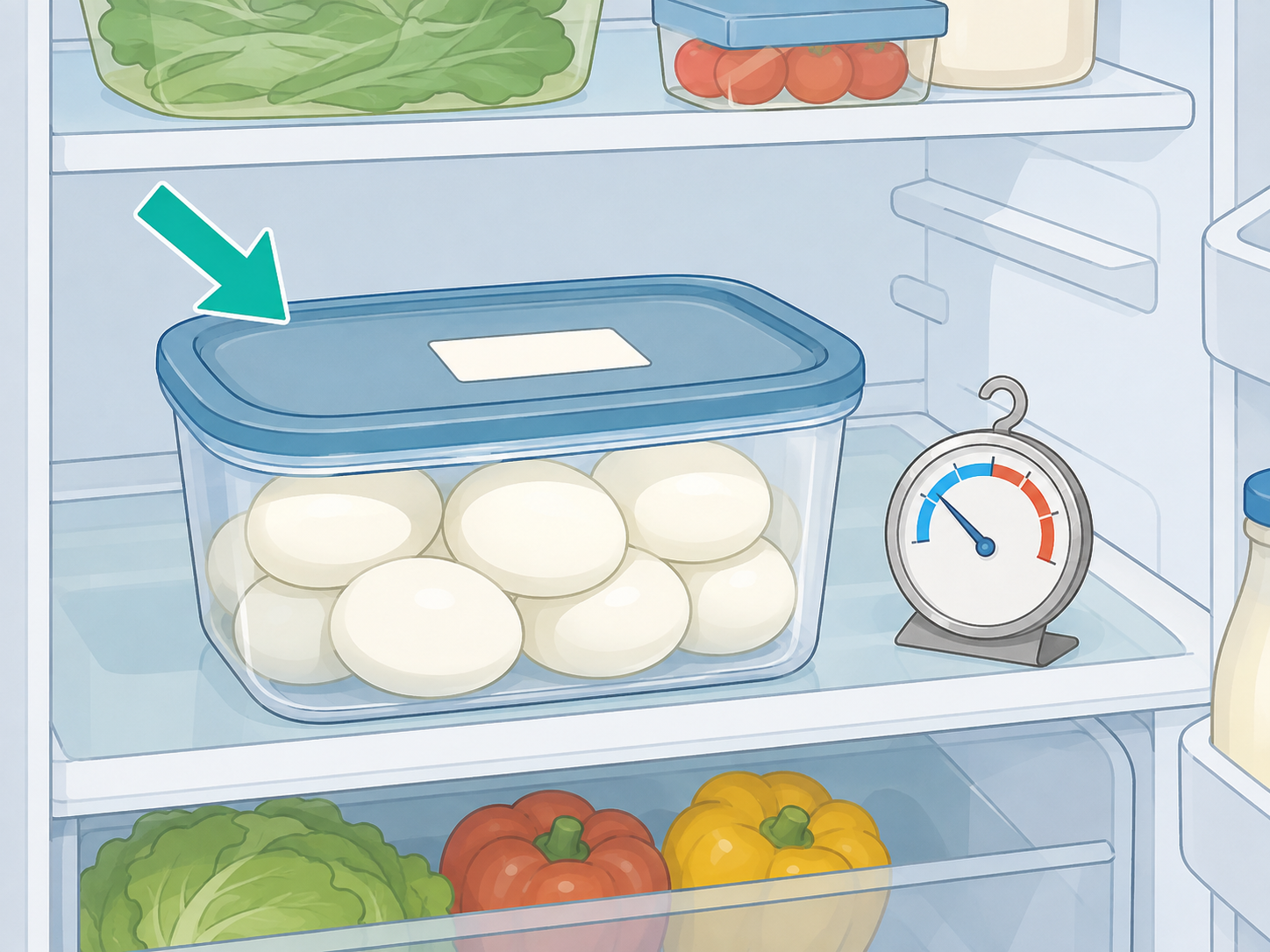
Hard-boiled eggs last up to 1 week in the refrigerator when they are cooled, covered, and kept cold. Use these storage tips to keep them fresher and safer.
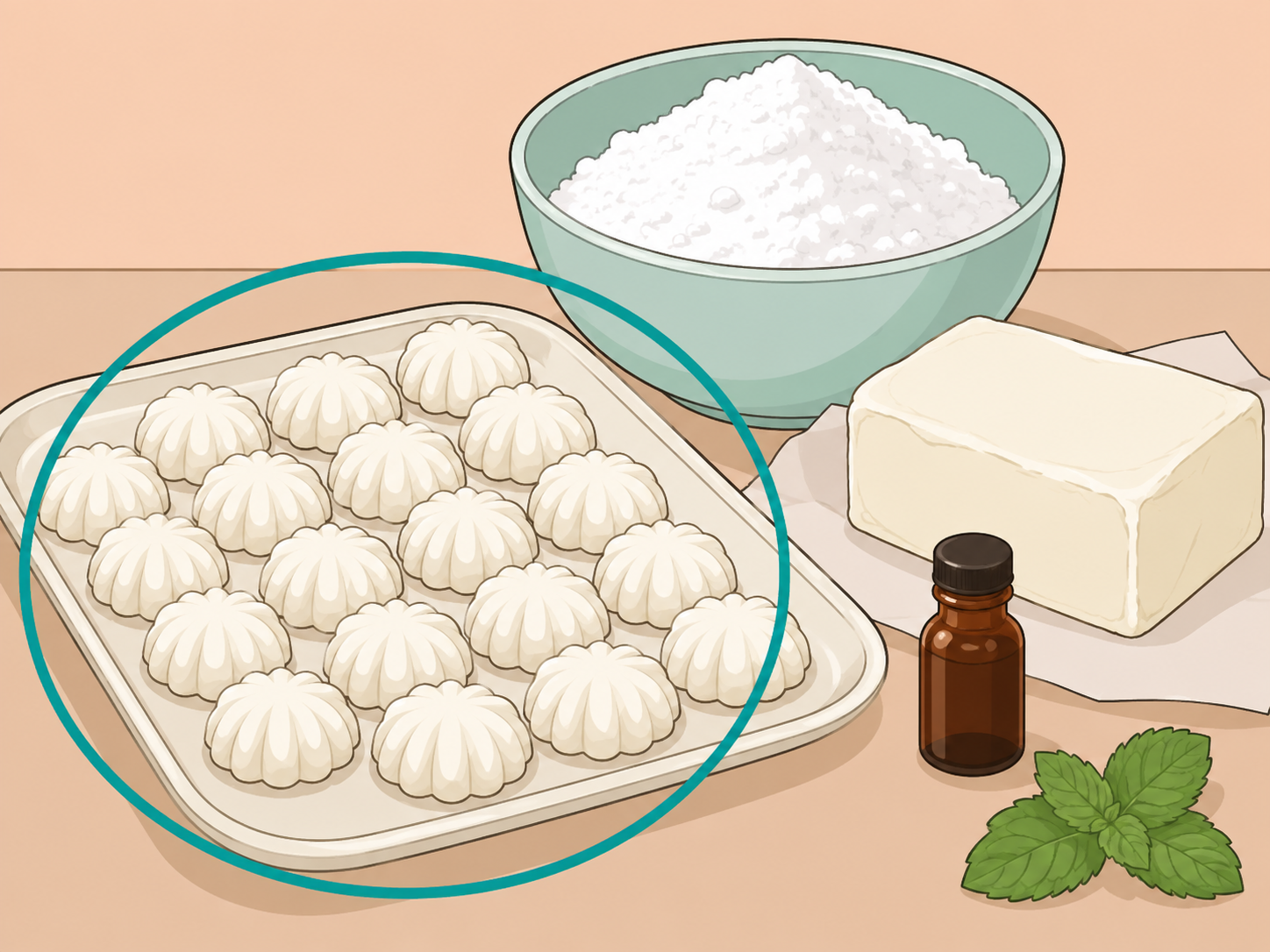
Make classic wedding mints with cream cheese, powdered sugar, and peppermint extract, then chill and serve them safely for a party.
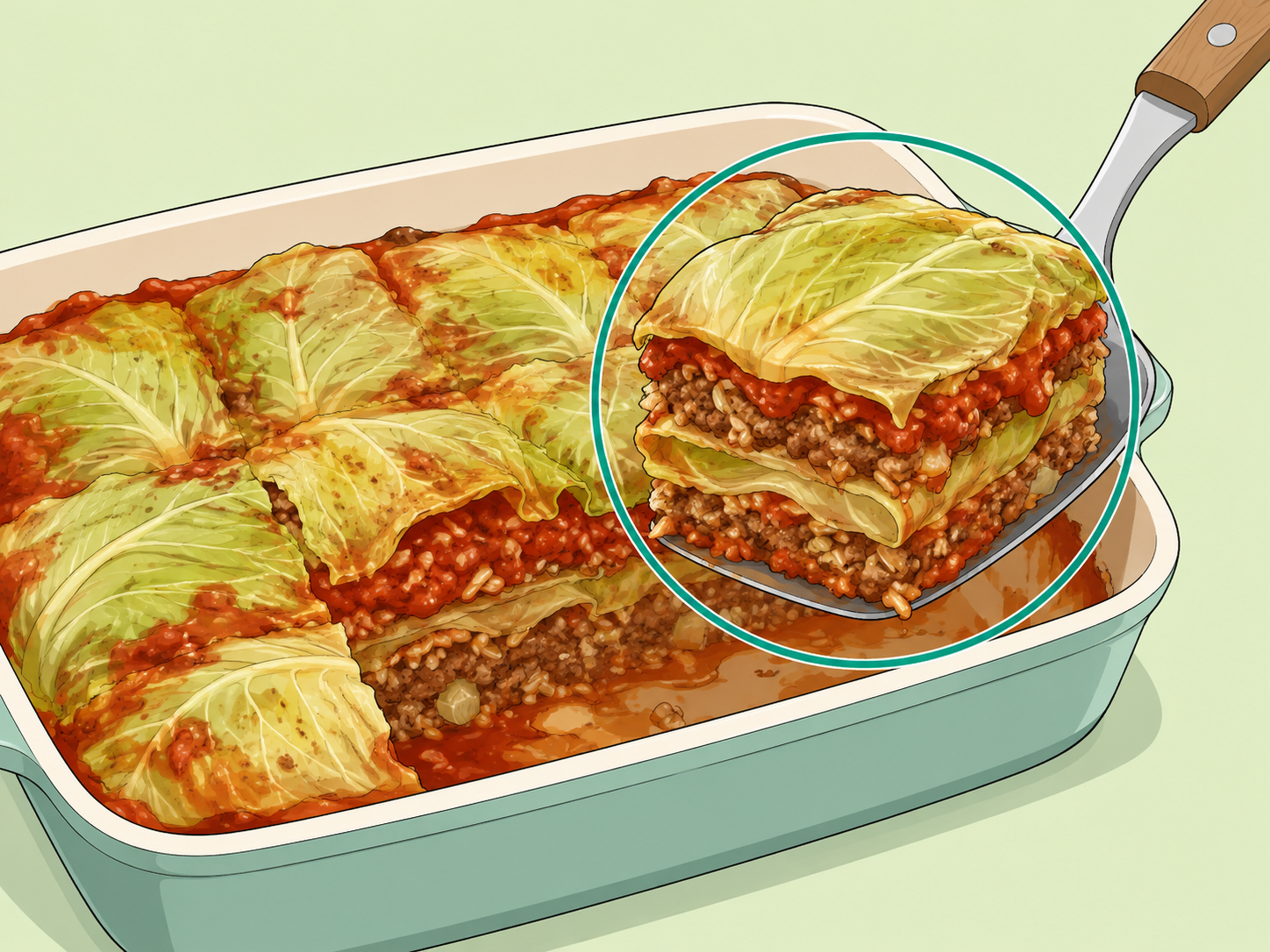
Turn stuffed cabbage roll flavors into an easier oven-baked casserole with chopped cabbage, beef, rice, and tomato sauce.
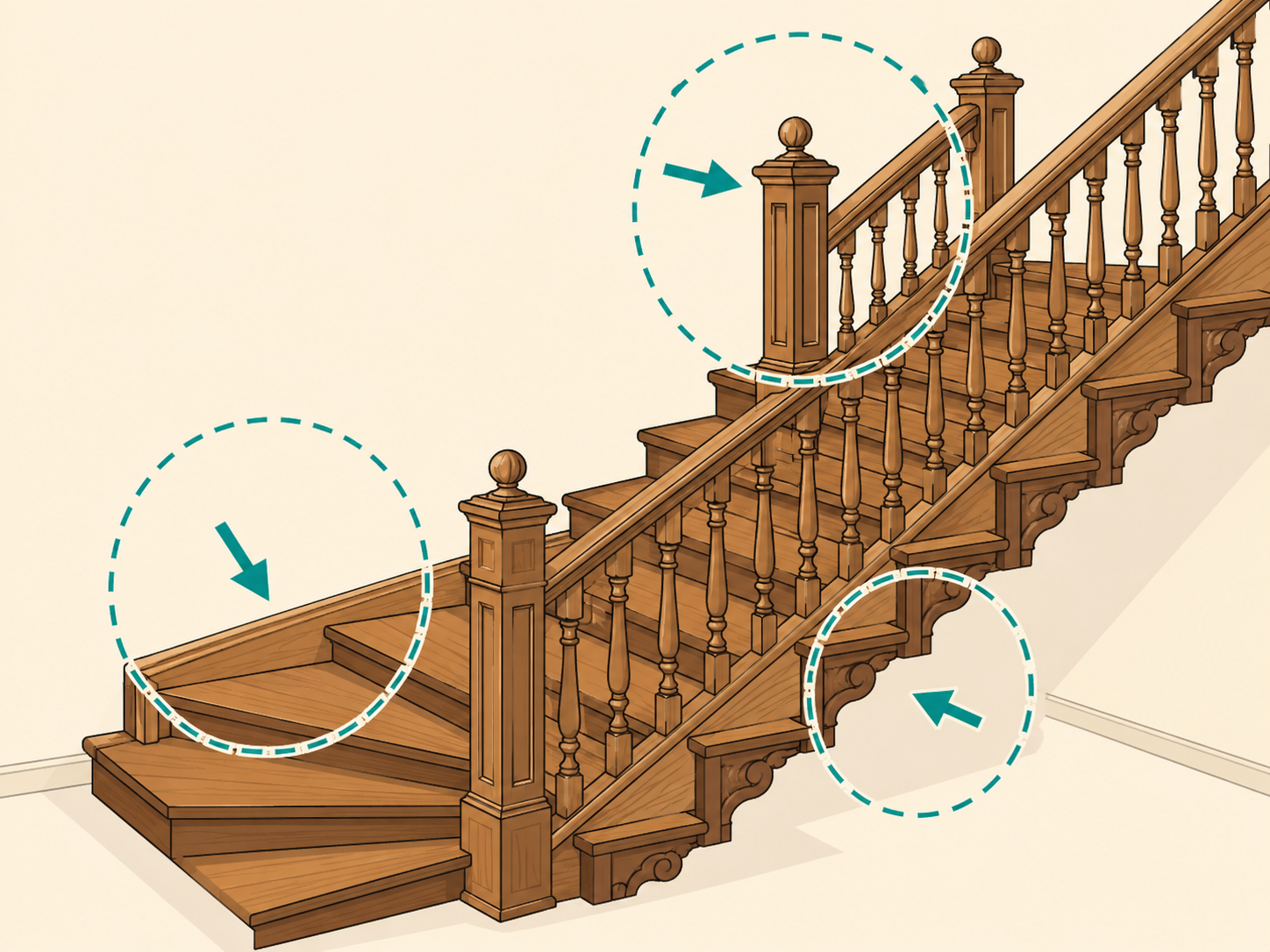
Learn how to recognize three distinctive staircase feature groups in historic homes: winder turns, open or closed strings, and crafted posts, rails, and balusters.
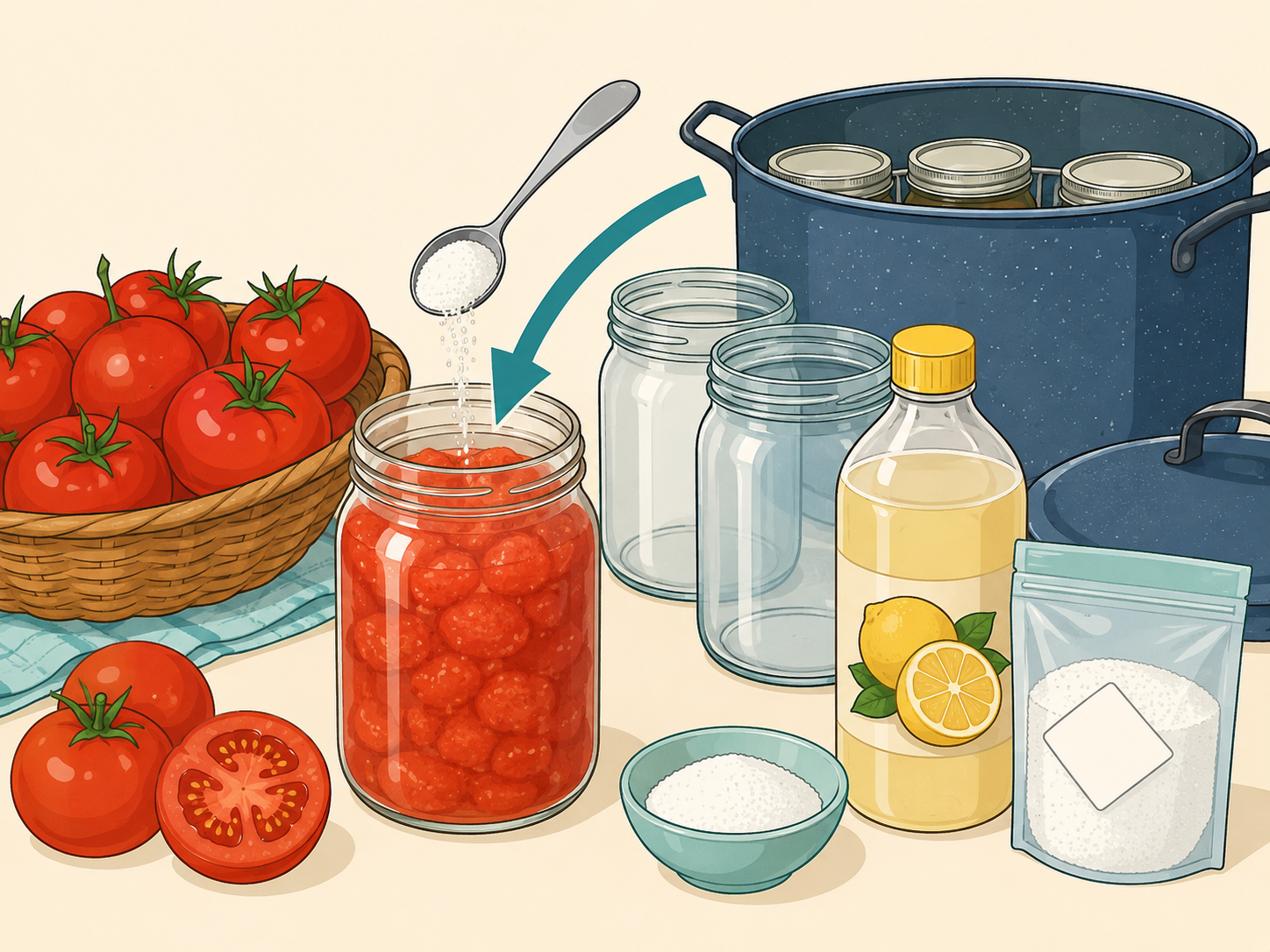
Preserve tomatoes in their own juice for winter while following tested canning safety steps.
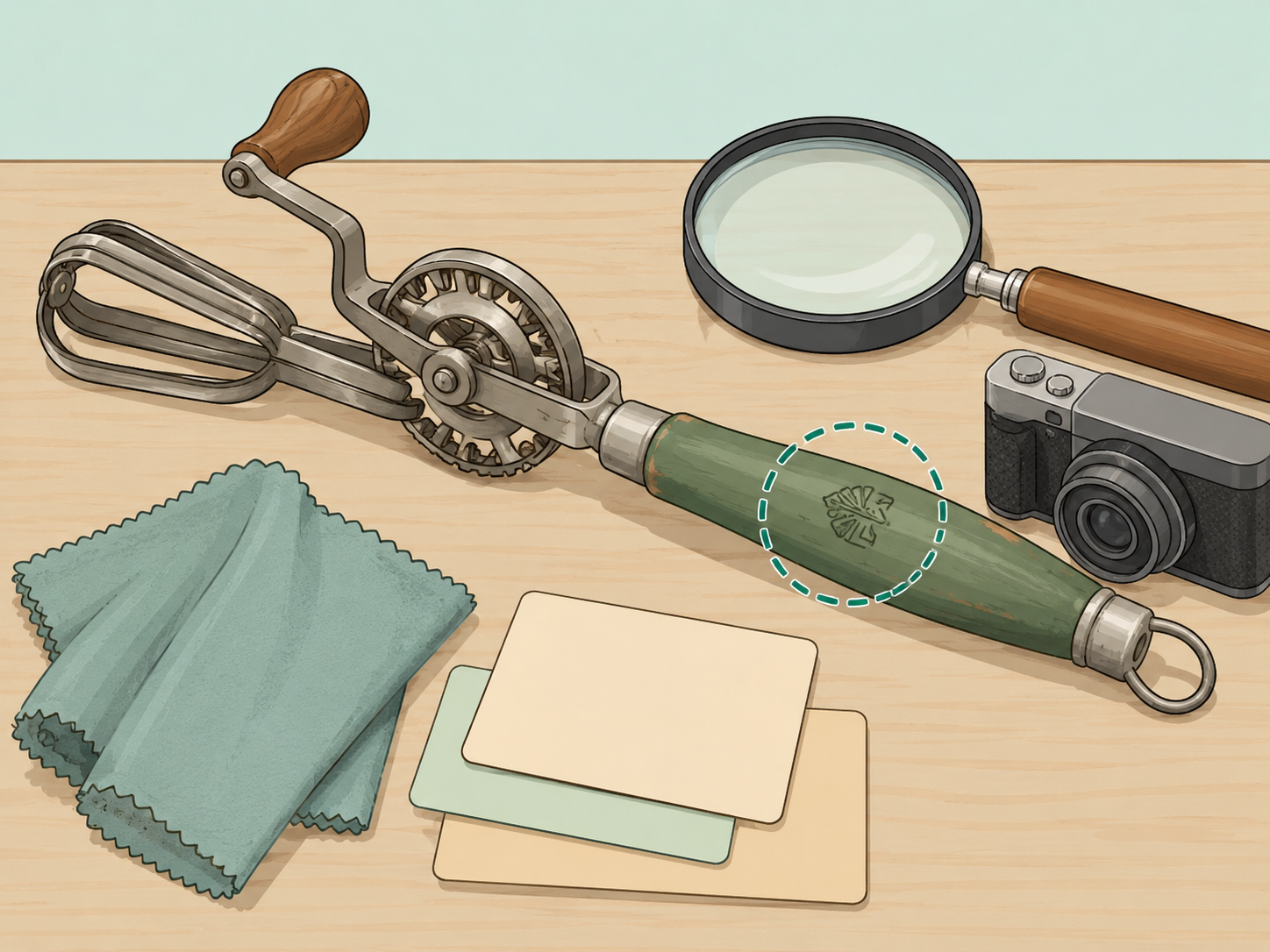
Use the utensil's shape, working end, maker marks, and material to figure out what it was made to do before you clean or use it.
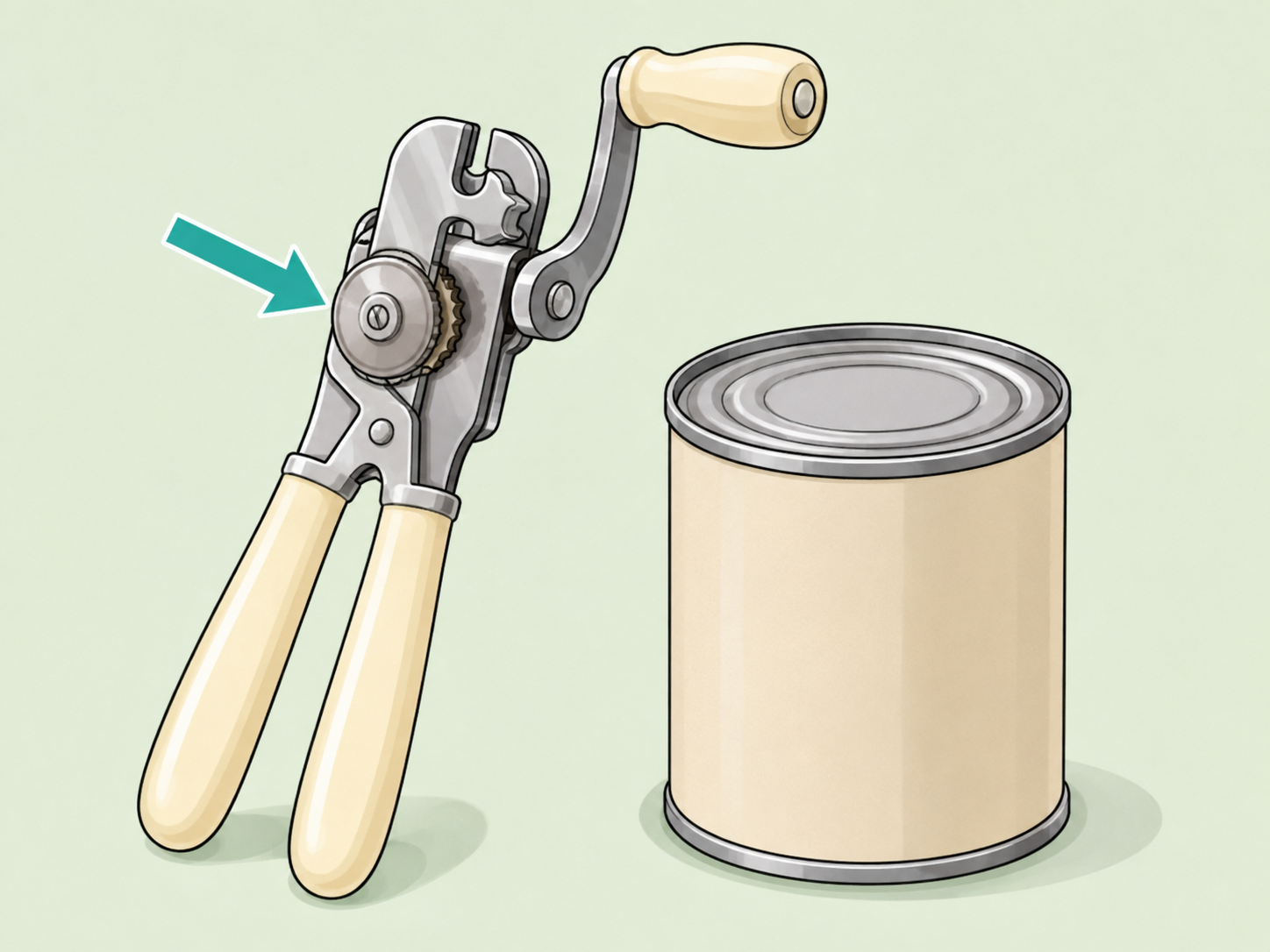
The familiar kitchen classic is the can opener. Here is how to identify, clean, use, and preserve one safely.