
 Pin it
Hard-boiled eggs are easy to prep ahead, but they do not keep as long as raw eggs. According to FDA egg-safety guidance, hard-cooked eggs should be used within 1 week after cooking. This guide explains how to store them, when to toss them, and what symptoms mean you should get medical help.
Use hard-boiled eggs within 1 week
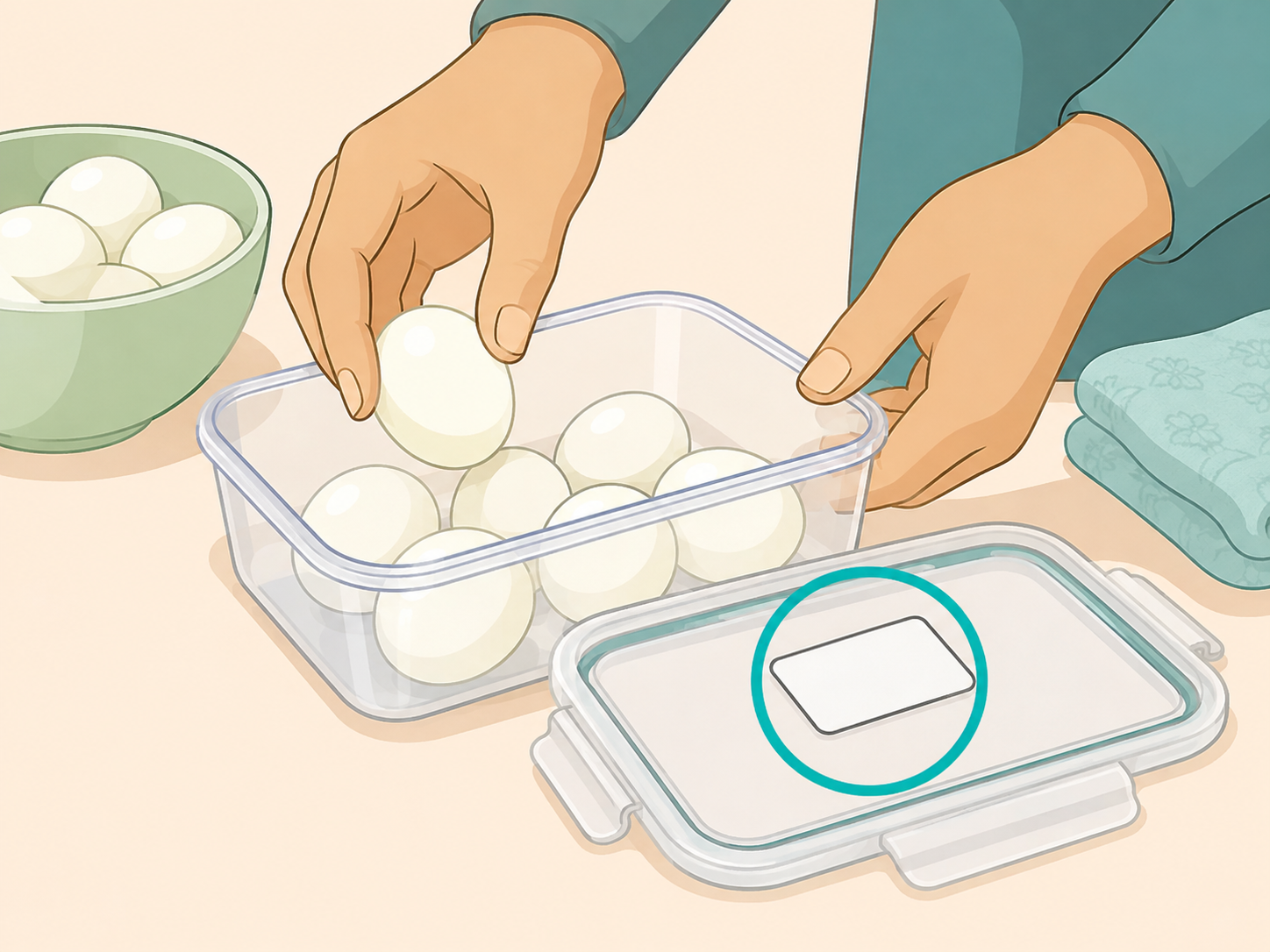
Count the storage time from the day you cook the eggs, not from the day you bought the raw eggs. The FDA says hard-cooked eggs, peeled or unpeeled, should be eaten within 1 week after cooking. Write the cook date on the container so you do not have to guess later.
Refrigerate eggs within 2 hours
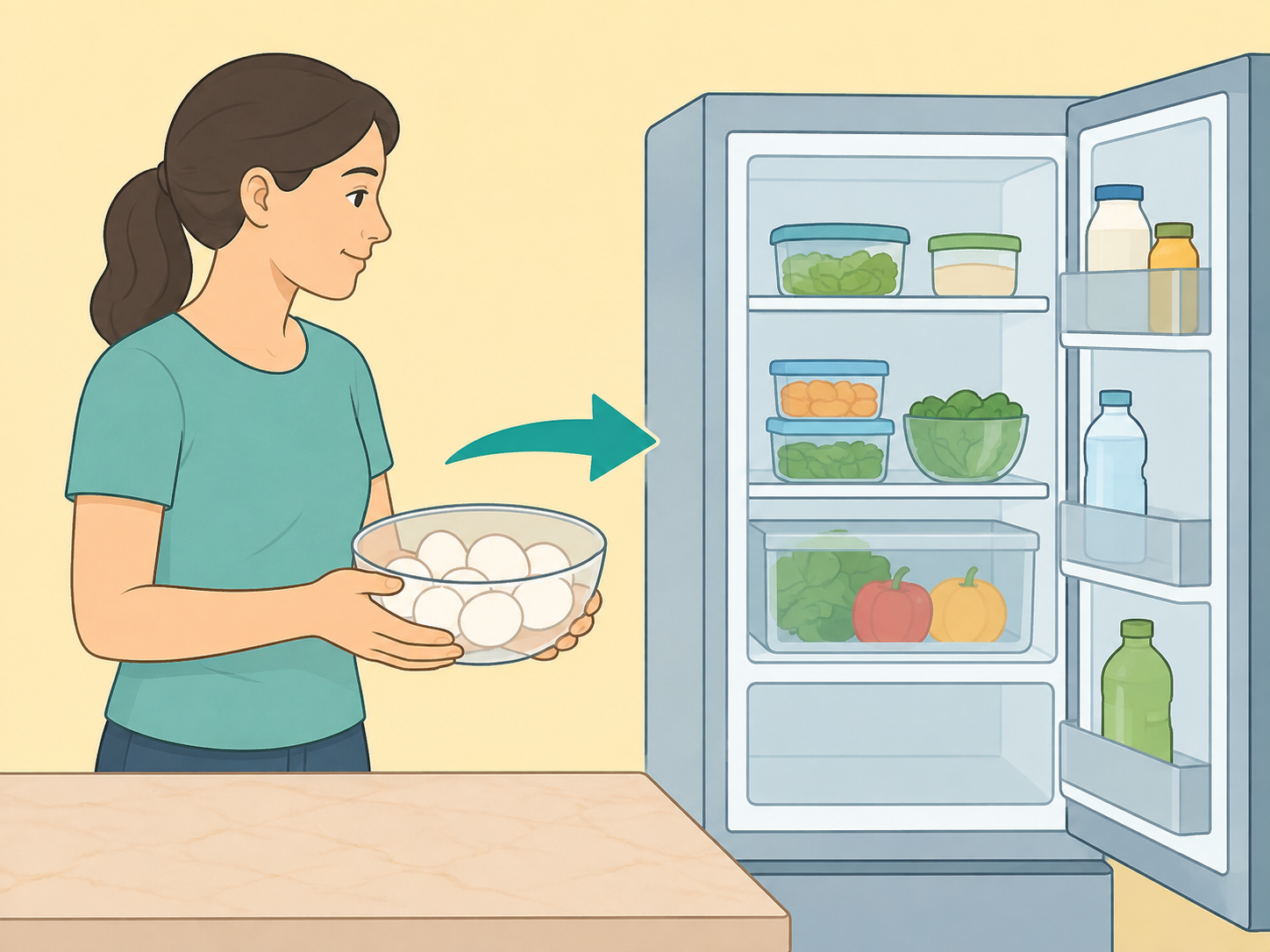
Put hard-boiled eggs in the refrigerator within 2 hours after cooking, or within 1 hour if they have been in heat above 90 F. FoodSafety.gov gives this timing because bacteria can grow faster when cooked eggs sit warm. Cool the eggs after cooking, then move them into a covered container instead of leaving them on the counter.
Keep the refrigerator at 40 F or below
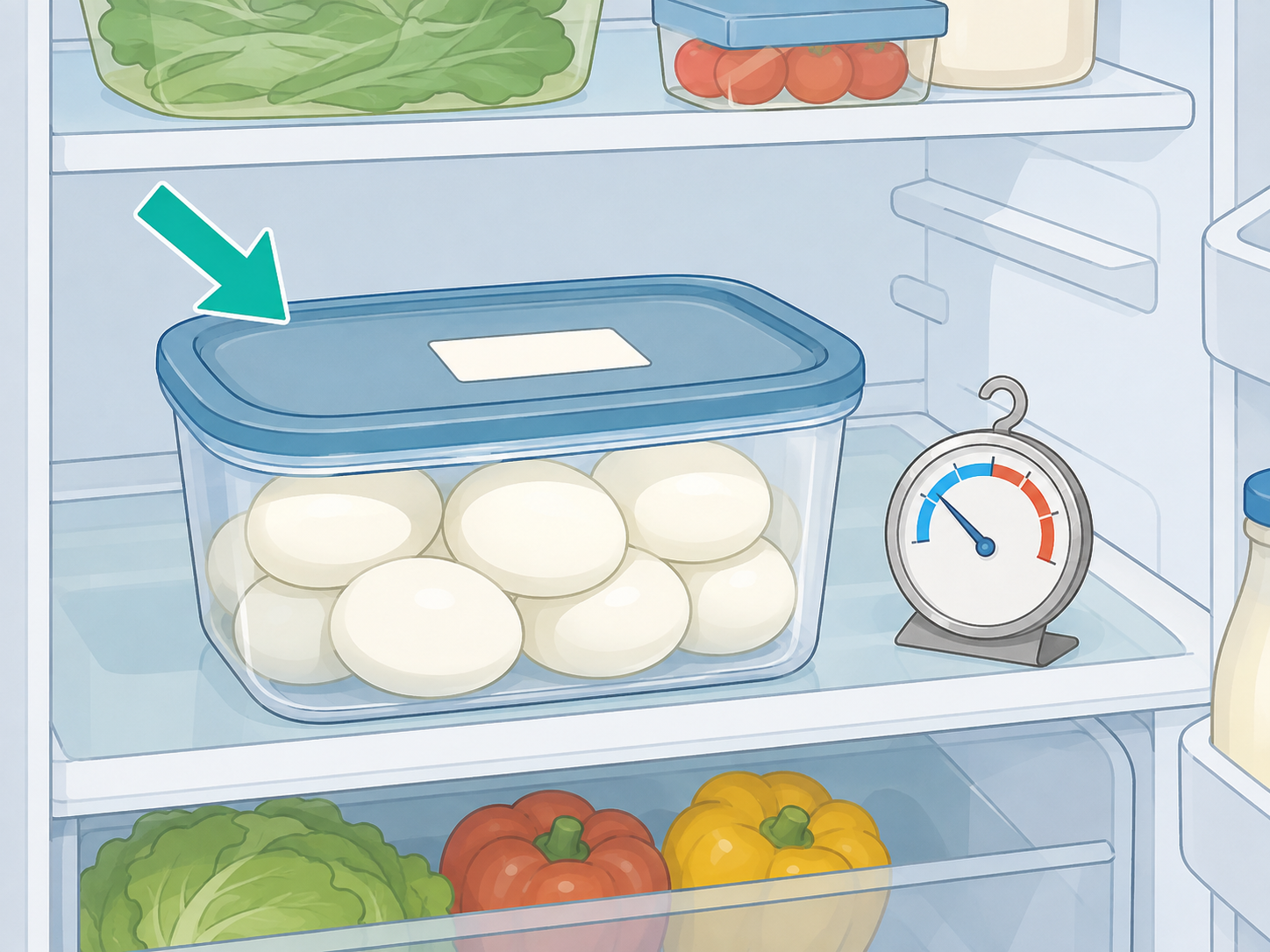
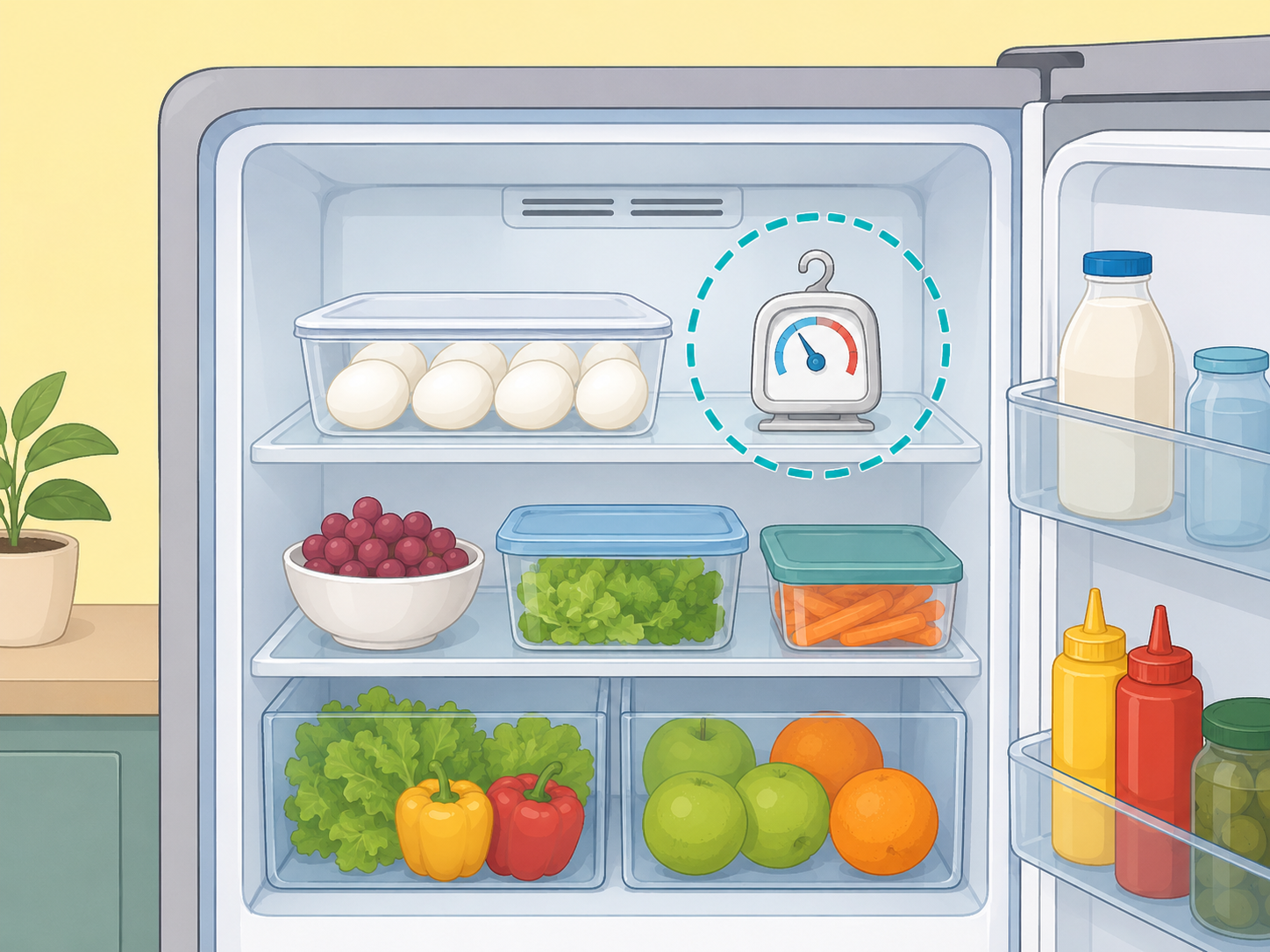
Use a refrigerator thermometer if you are not sure your fridge is cold enough. The FDA recommends keeping refrigerated foods at 40 F or below to slow the growth of foodborne bacteria. Store the container on an inside shelf rather than in the door, where temperatures can fluctuate more.
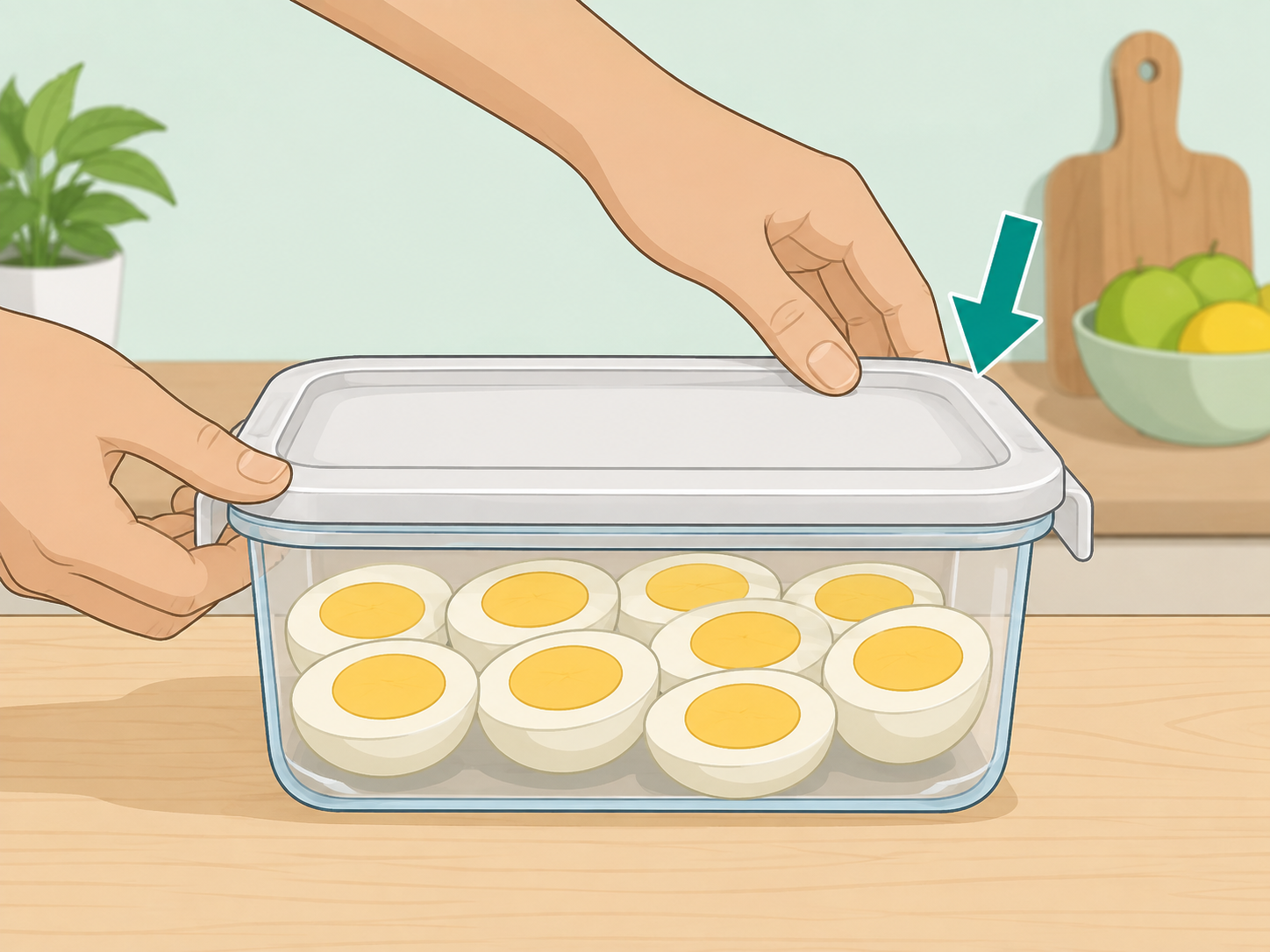
Store eggs in a covered container
Place unpeeled or peeled hard-boiled eggs in a clean covered container before refrigerating them. Health Canada also advises storing hard-boiled eggs in a sealed container in the refrigerator for up to 1 week. Keeping them covered helps protect them from drying out and from picking up odors from other foods.
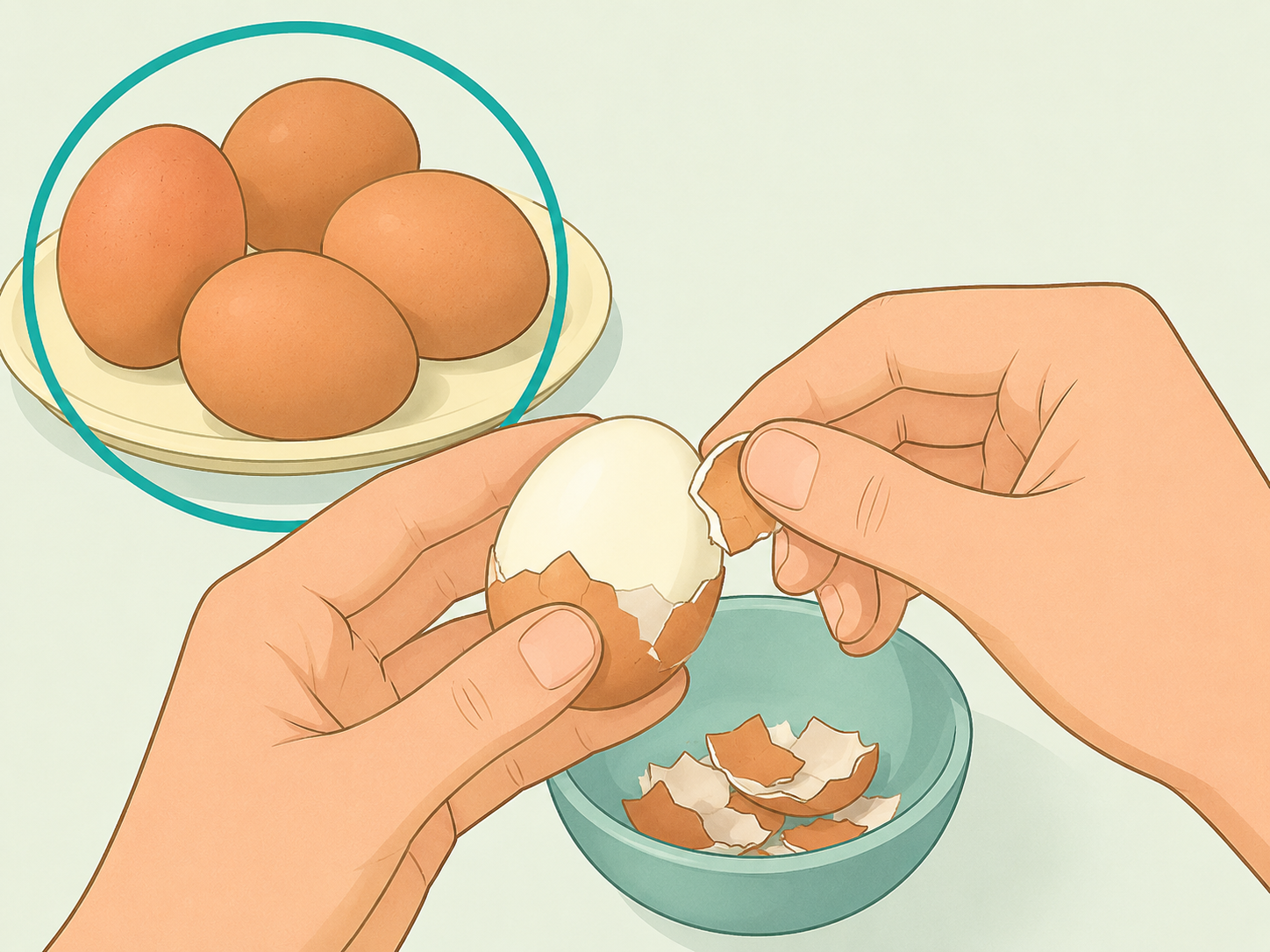
Peel eggs only when you need them
Leave the shell on until you are ready to eat or use the egg when you can. The shell gives the cooked egg a little extra protection, and Health Canada advises not cracking an egg until you are ready to use it. If you already peeled the eggs, keep them covered and follow the same 1-week limit.
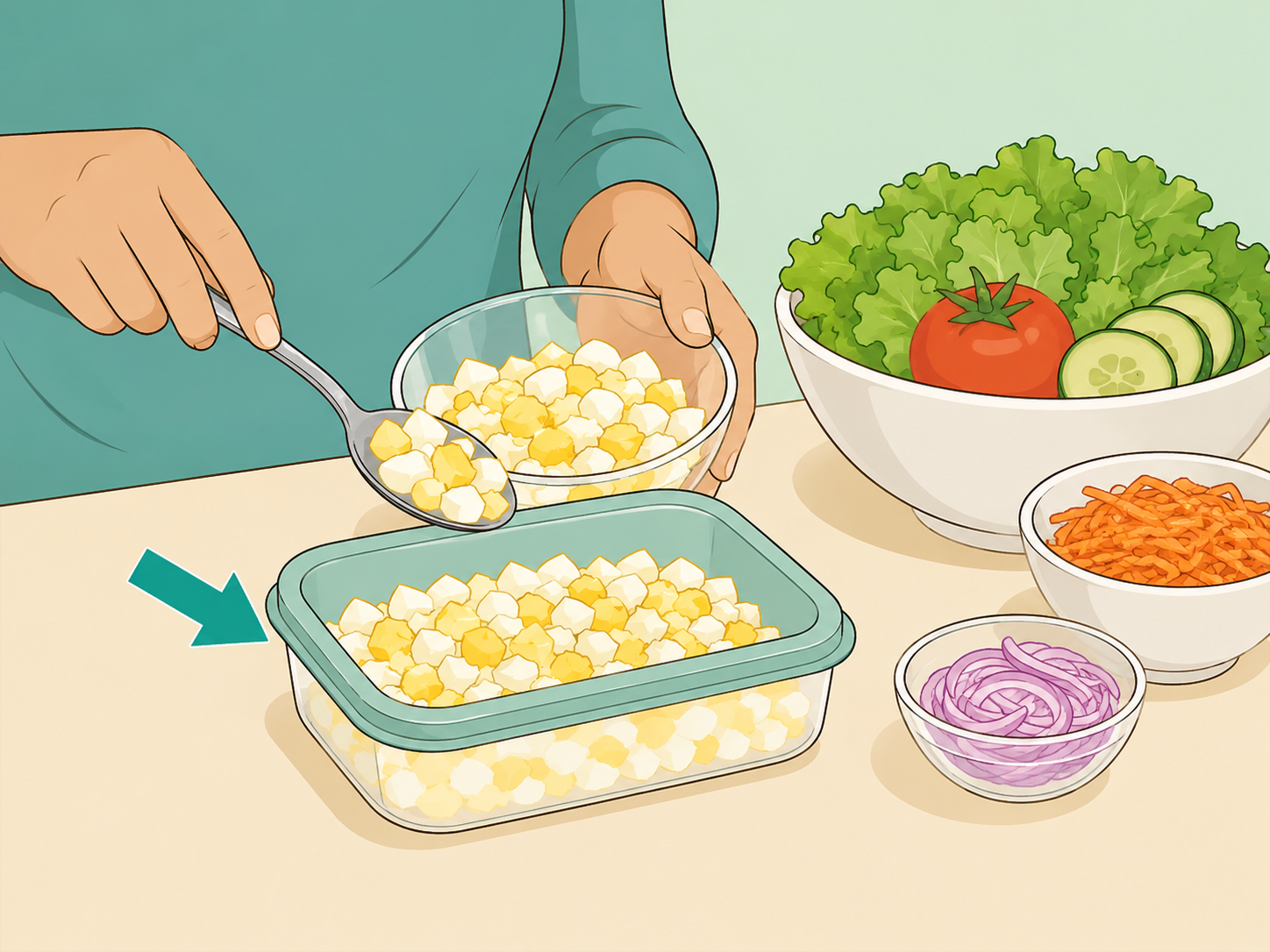
Use chopped or mixed egg leftovers sooner
Once hard-boiled eggs are chopped into egg salad, added to a lunch bowl, or mixed into another cooked egg dish, follow the shorter leftover timeline. The FDA recommends using refrigerated leftover cooked egg dishes within 3 to 4 days. Store these mixtures in shallow, covered containers so they cool quickly and stay cold.
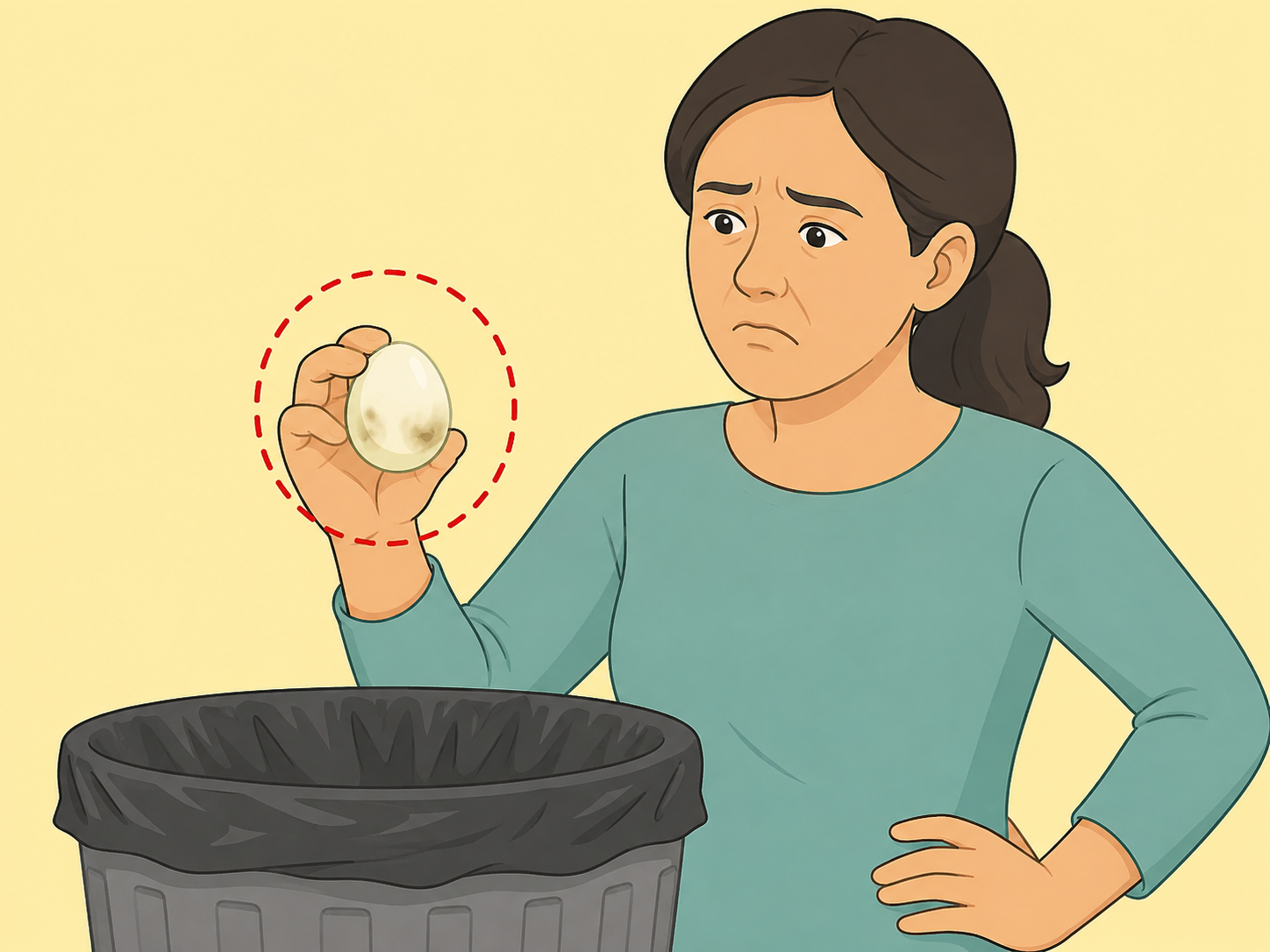
Throw away questionable eggs
Discard a hard-boiled egg if it smells unpleasant, looks unusual, feels slimy, or has been stored longer than the safe window. The FDA says suspicious-looking or suspicious-smelling food should be thrown out, and food can sometimes make you sick even when it does not look spoiled. A green ring around the yolk can be from overcooking, but Iowa State University Extension notes that pink or iridescent egg white is unsafe.
Seek medical help for severe symptoms
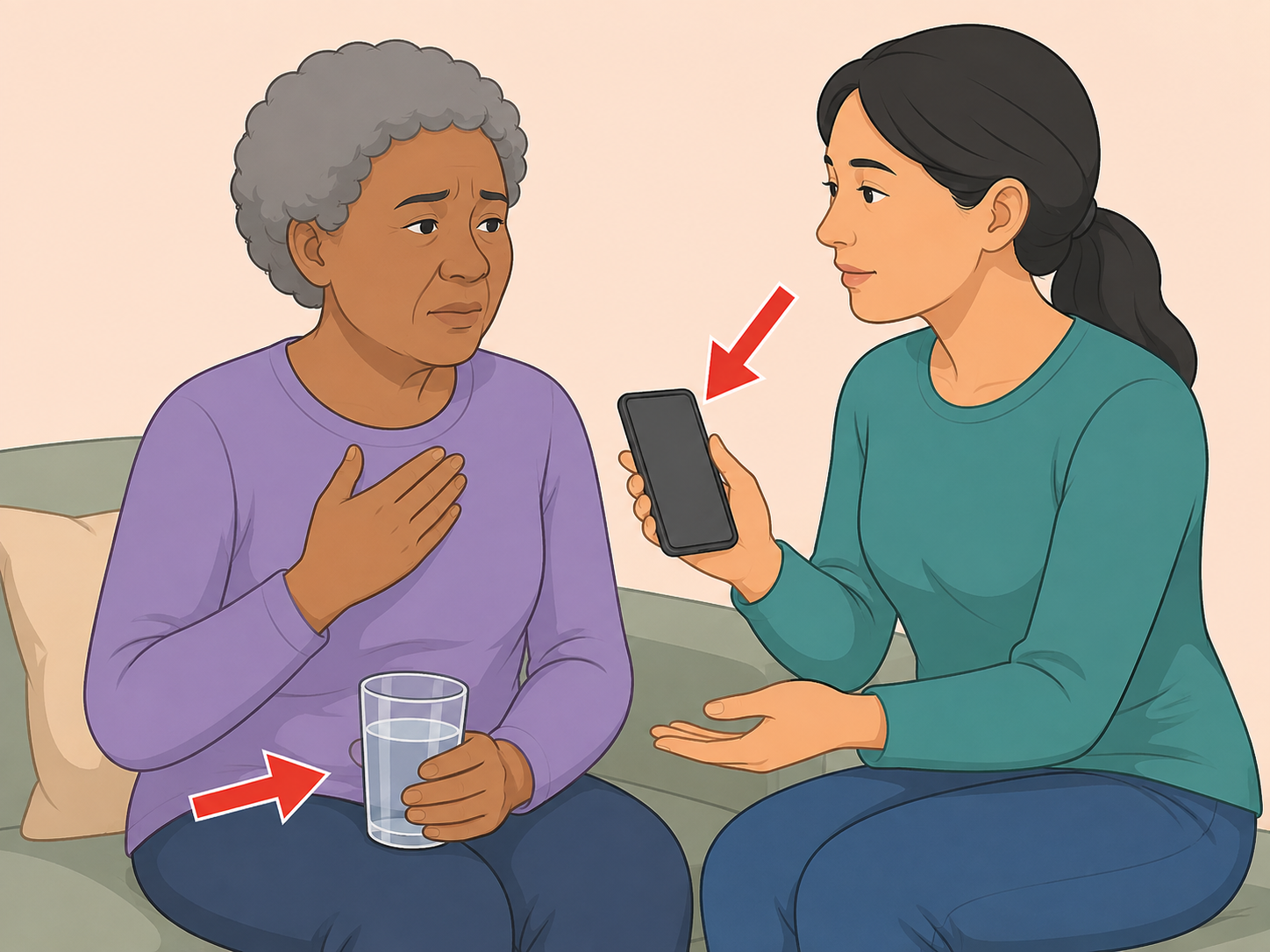
If you think a stored egg made someone sick, watch for diarrhea, stomach cramps, nausea, vomiting, or fever. The CDC says to see a doctor for severe food poisoning symptoms, including bloody diarrhea, diarrhea lasting more than 3 days, fever over 102 F, repeated vomiting, or signs of dehydration. Pregnant people, young children, older adults, and people with weakened immune systems should be especially cautious about foodborne illness.
Summary
The bottom line: keep hard-boiled eggs covered, refrigerated at 40 F or below, and use them within 1 week of cooking. If they sat out too long, look or smell suspicious, or are past the safe window, throw them away.
Frequently Asked Questions
- How long do hard-boiled eggs last in the fridge?
Hard-boiled eggs last up to 1 week in the refrigerator when they are refrigerated promptly and kept cold. The FDA gives the same 1-week limit for peeled and unpeeled hard-cooked eggs.
- Do peeled hard-boiled eggs go bad faster?
Peeled eggs still fall under the same 1-week FDA limit, but they dry out more easily. Keep them in a covered container and use them as soon as you reasonably can.
- Can I eat hard-boiled eggs left out overnight?
No. Eggs and egg foods should not sit at room temperature for more than 2 hours, or more than 1 hour in temperatures above 90 F. Throw them away if they were left out overnight.
- Is a green ring around the yolk unsafe?
A green or gray-green ring around the yolk is usually from overcooking or minerals in the cooking water, not spoilage. If the egg also smells bad, looks unusual, or has been stored too long, discard it.
- Should hard-boiled eggs be stored in the fridge door?
An inside refrigerator shelf is better because the door warms up more often. Keep the eggs in a covered container toward the back or middle of the fridge.
- Can hard-boiled eggs make you sick even if they look normal?
Yes. Foodborne germs are not always visible, and an egg can look normal but still be unsafe if it was handled or stored improperly. Follow the time and temperature rules instead of relying only on appearance.
References
Reliable references aided in composing and refining this content.
- https://www.fda.gov/food/buy-store-serve-safe-food/what-you-need-know-about-egg-safety
- https://www.fda.gov/consumers/consumer-updates/are-you-storing-food-safely
- https://www.foodsafety.gov/blog/salmonella-and-eggs
- https://www.foodsafety.gov/keep-food-safe/4-steps-to-food-safety
- https://www.cdc.gov/food-safety/signs-symptoms
- https://extension.uconn.edu/publication/your-essential-guide-to-egg-safety
- https://blogs.extension.iastate.edu/answerline/2026/03/31/egg-safety-2
- https://www.canada.ca/en/health-canada/services/meat-poultry-fish-seafood-safety/eggs.html