
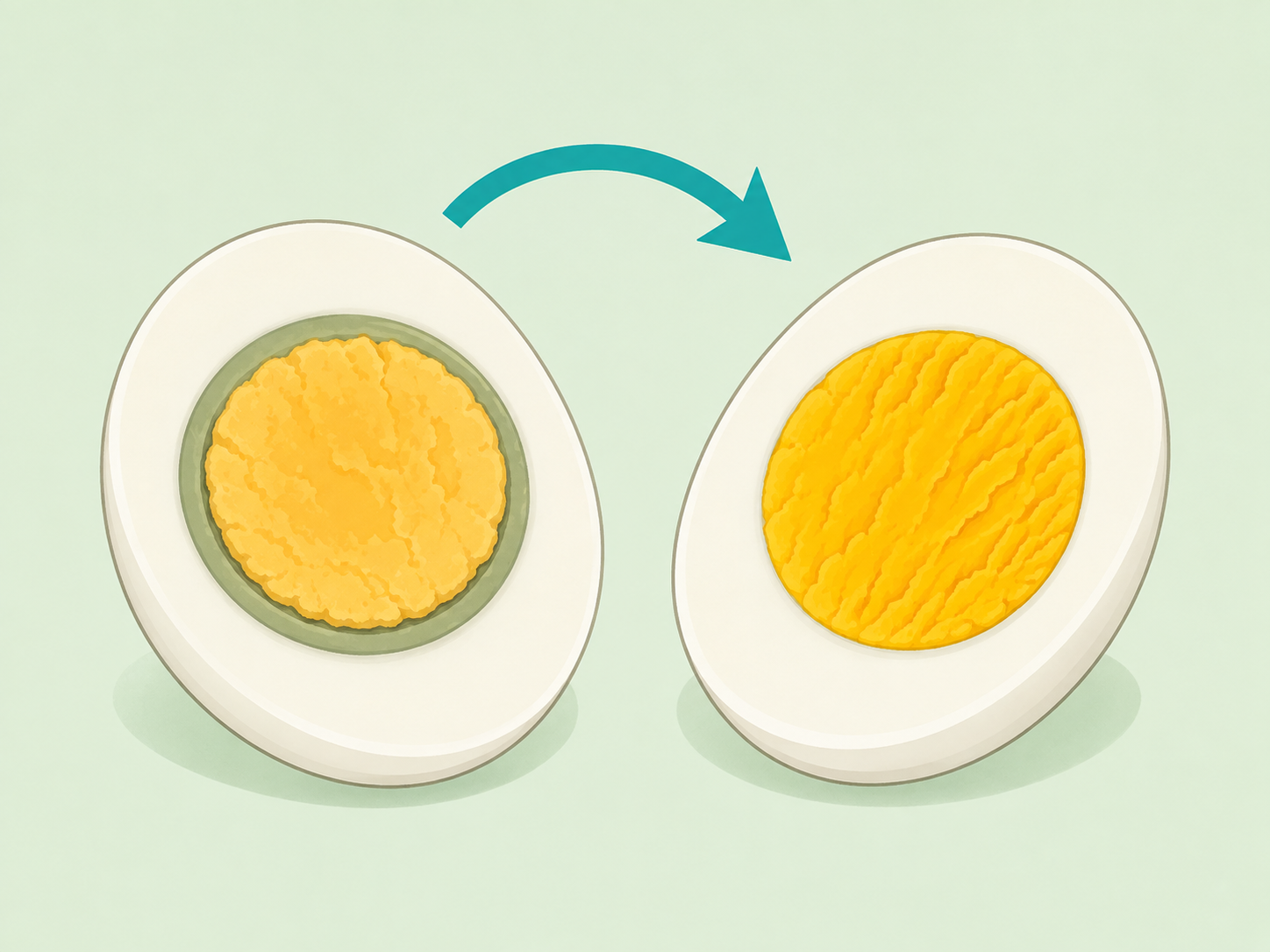
 Pin it
A green or gray-green ring around a hard-boiled egg yolk looks odd, but it usually has a simple cooking-related cause. This guide explains what the ring is, why it forms where the yolk meets the white, and how to keep your yolks bright yellow. It also covers when the egg is still safe to eat and how to store hard-cooked eggs properly.

Recognize the ring as a heat reaction
The green-gray ring around a hard-boiled egg yolk is usually caused by sulfur compounds in the white reacting with iron compounds near the yolk surface. USDA Food Safety and Inspection Service guidance says this most often happens when eggs are overcooked.

Know that the color is not spoilage by itself
A green ring can look unappetizing, but it does not automatically mean the egg is bad. The University of Illinois Extension notes that the sulfur and iron compounds formed at the yolk surface do not affect the egg's wholesomeness.
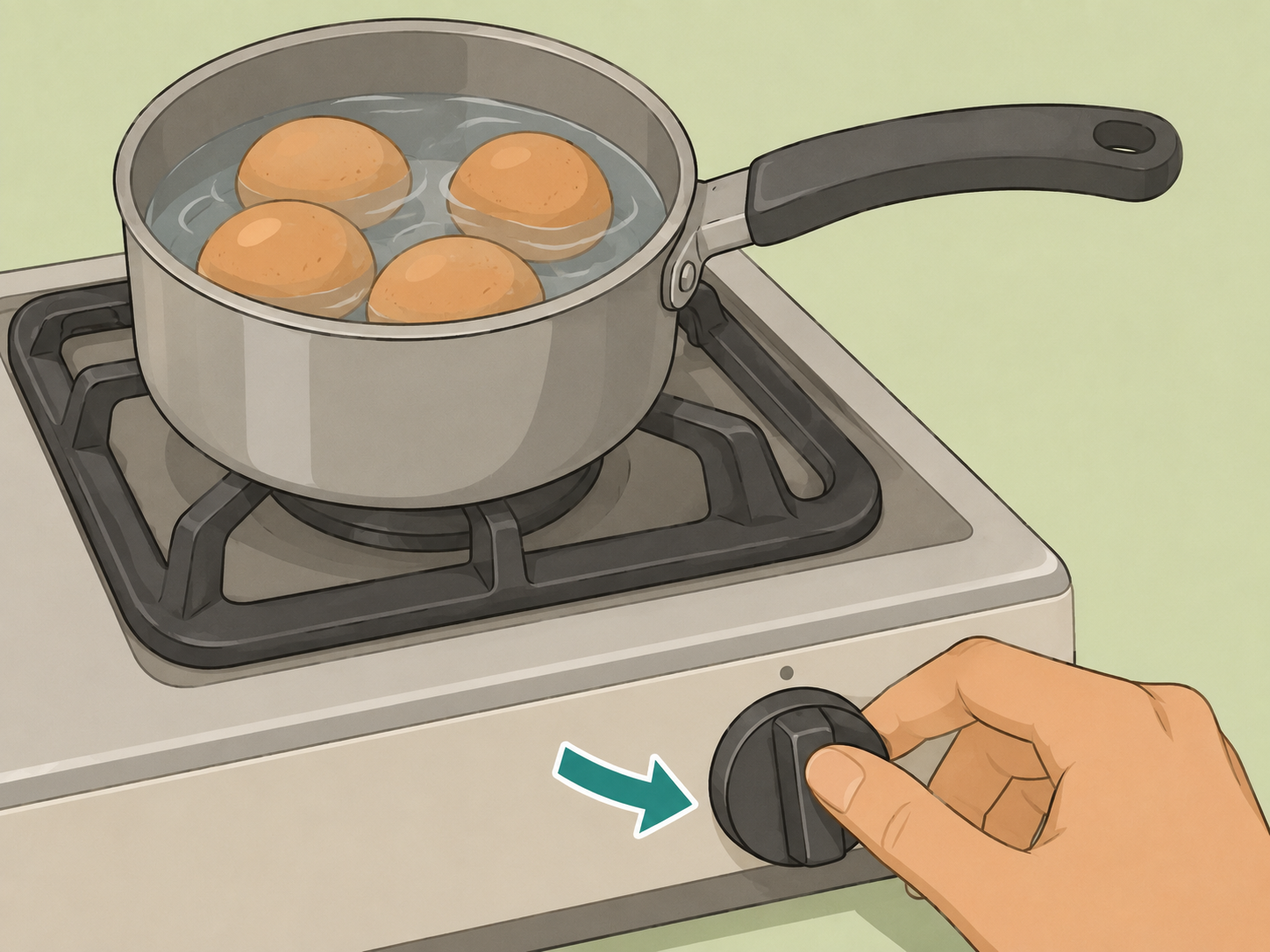
Cook eggs gently instead of hard-boiling them continuously
Place eggs in a single layer, cover them with cold water by about 1 inch, bring the water just to a boil, then turn off the heat and let them stand covered. The USDA hard-cooking method gives timing by egg size, which helps prevent long exposure to high heat.
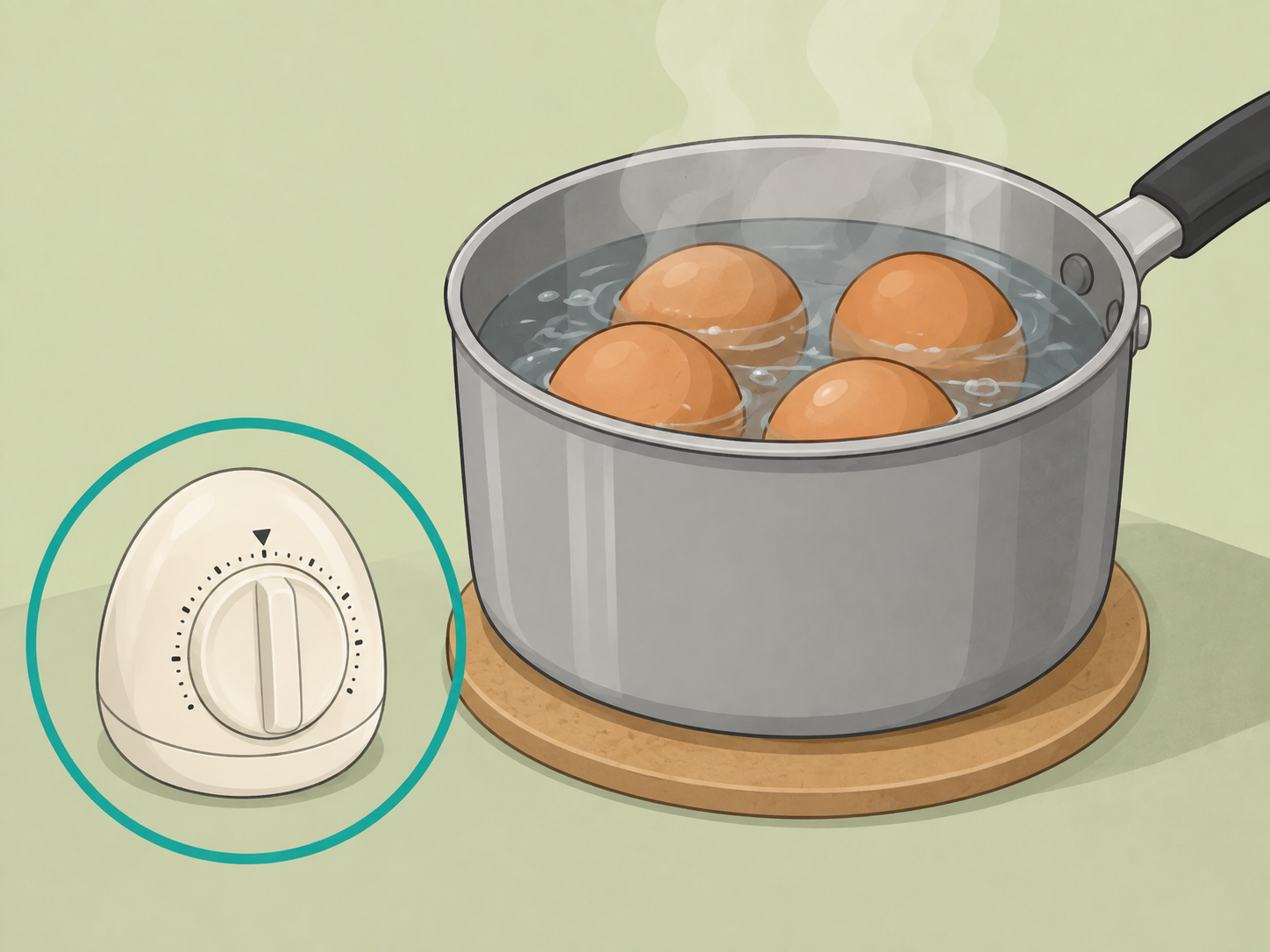
Set a timer for the egg size you are using
Do not guess the cooking time, especially when you are making a full batch. The USDA suggests covered standing times of about 12 minutes for medium eggs, 15 minutes for large eggs, and 18 minutes for extra-large eggs after the water reaches boiling. A timer helps avoid the extra minutes that create rubbery whites and darker yolk rings.
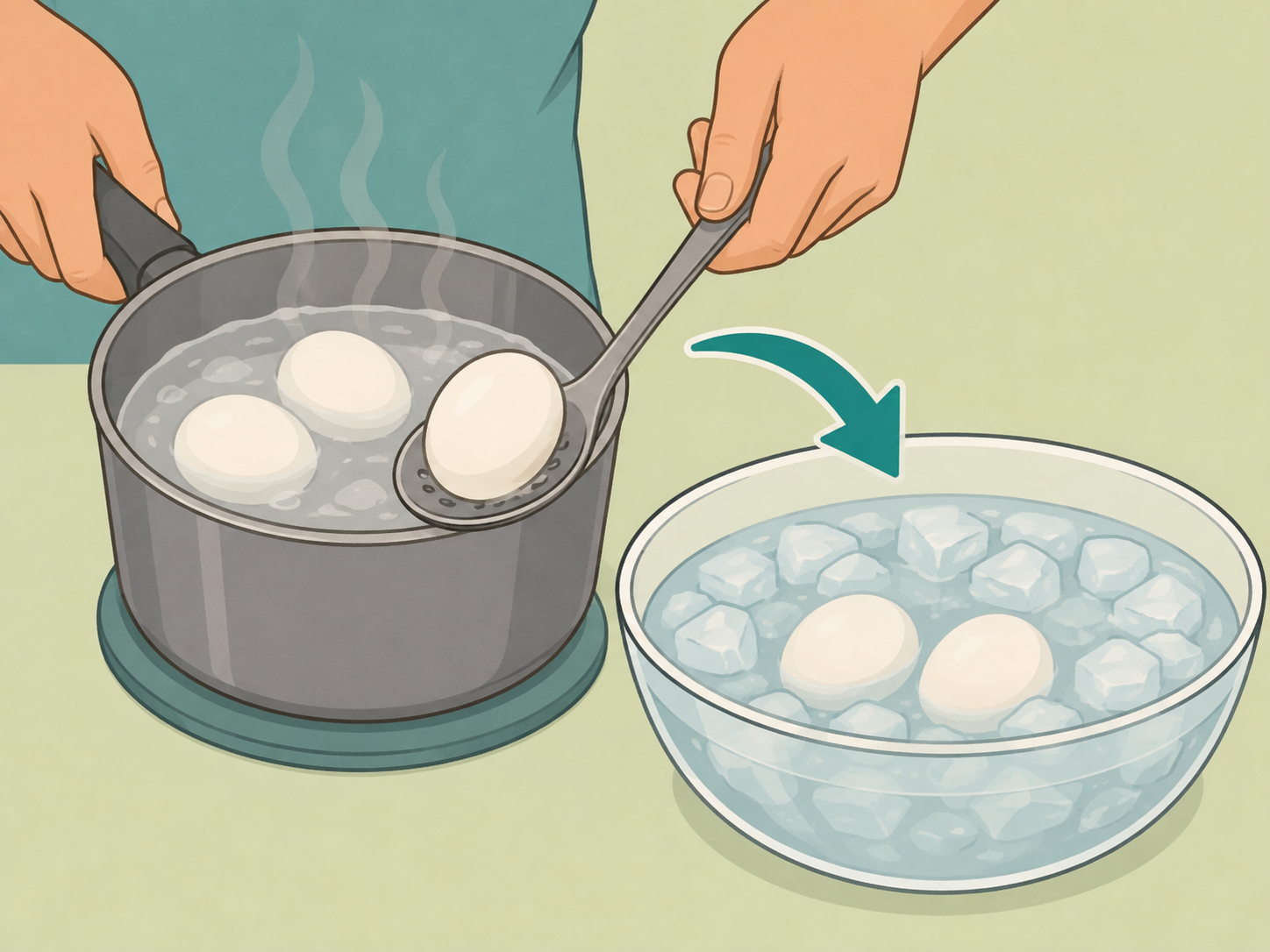
Cool the eggs immediately after cooking
As soon as the timer ends, drain the hot water and run cold tap water over the eggs or move them into a bowl of ice water. USDA instructions say to cool eggs right away after hard cooking, and quick cooling helps stop the heat-driven reaction that forms the green ring.
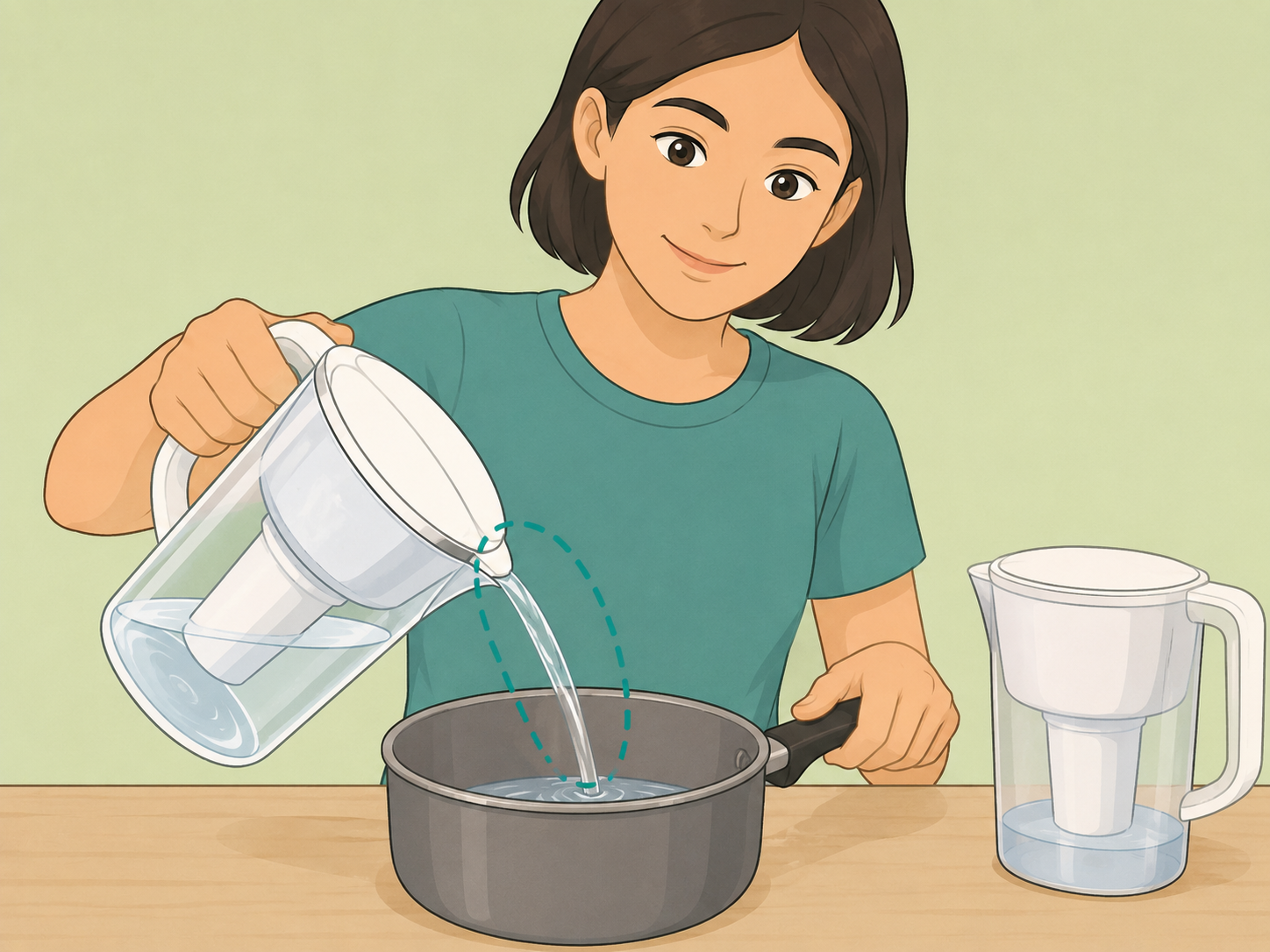
Consider water and cookware if rings keep appearing
If your timing is careful but the ring still shows up often, your cooking water may be part of the issue. The USDA notes that high iron in cooking water can also contribute to the green color, and eggs held too long in hot metal cookware can discolor as well.
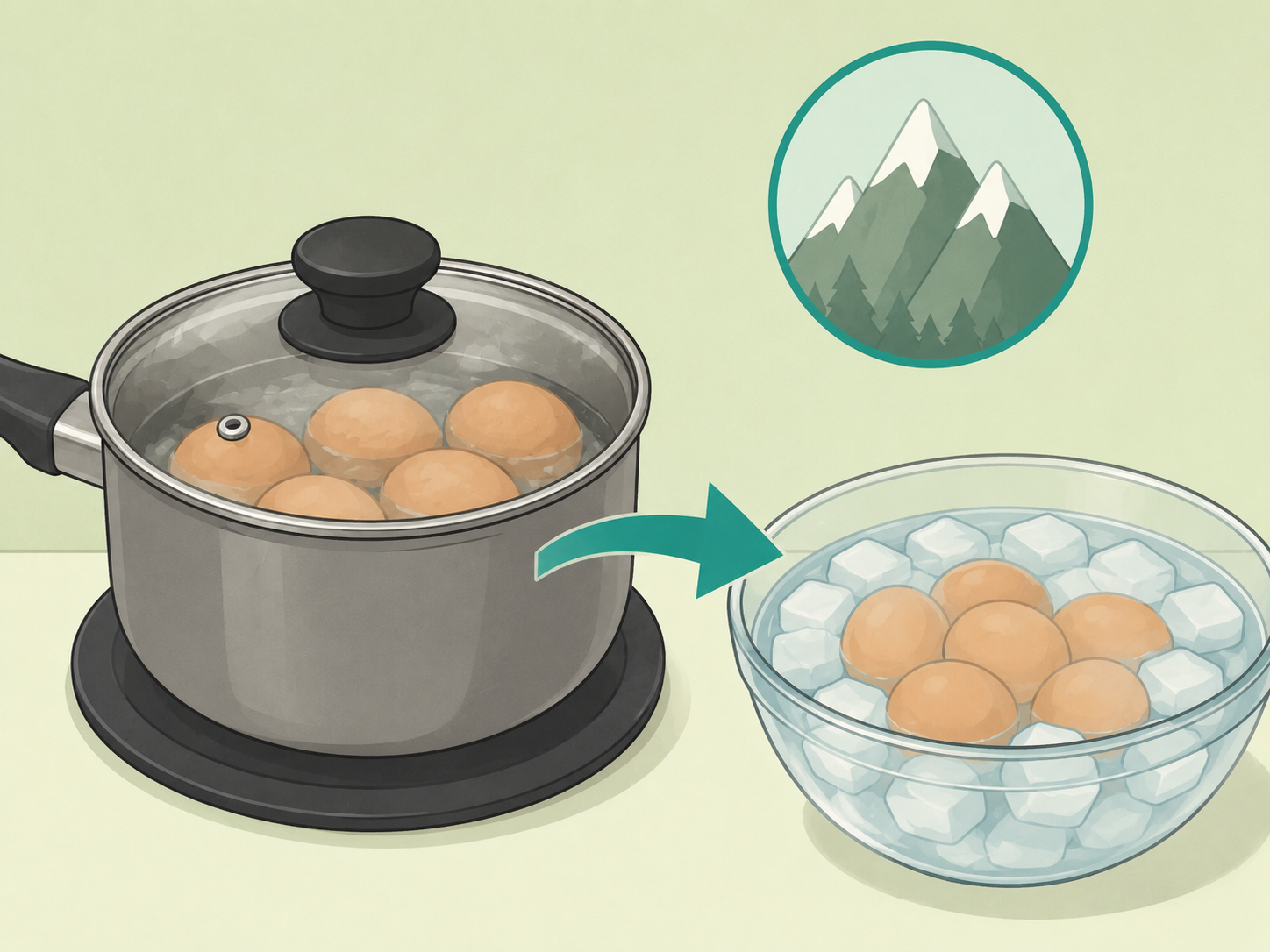
Adjust the method at high elevation
Water boils at a lower temperature as elevation rises, so hard-cooked eggs may need a different timing pattern in high-altitude kitchens. Colorado State University Extension recommends testing a high-elevation method and cooling cooked eggs completely under cold running water or in iced water.
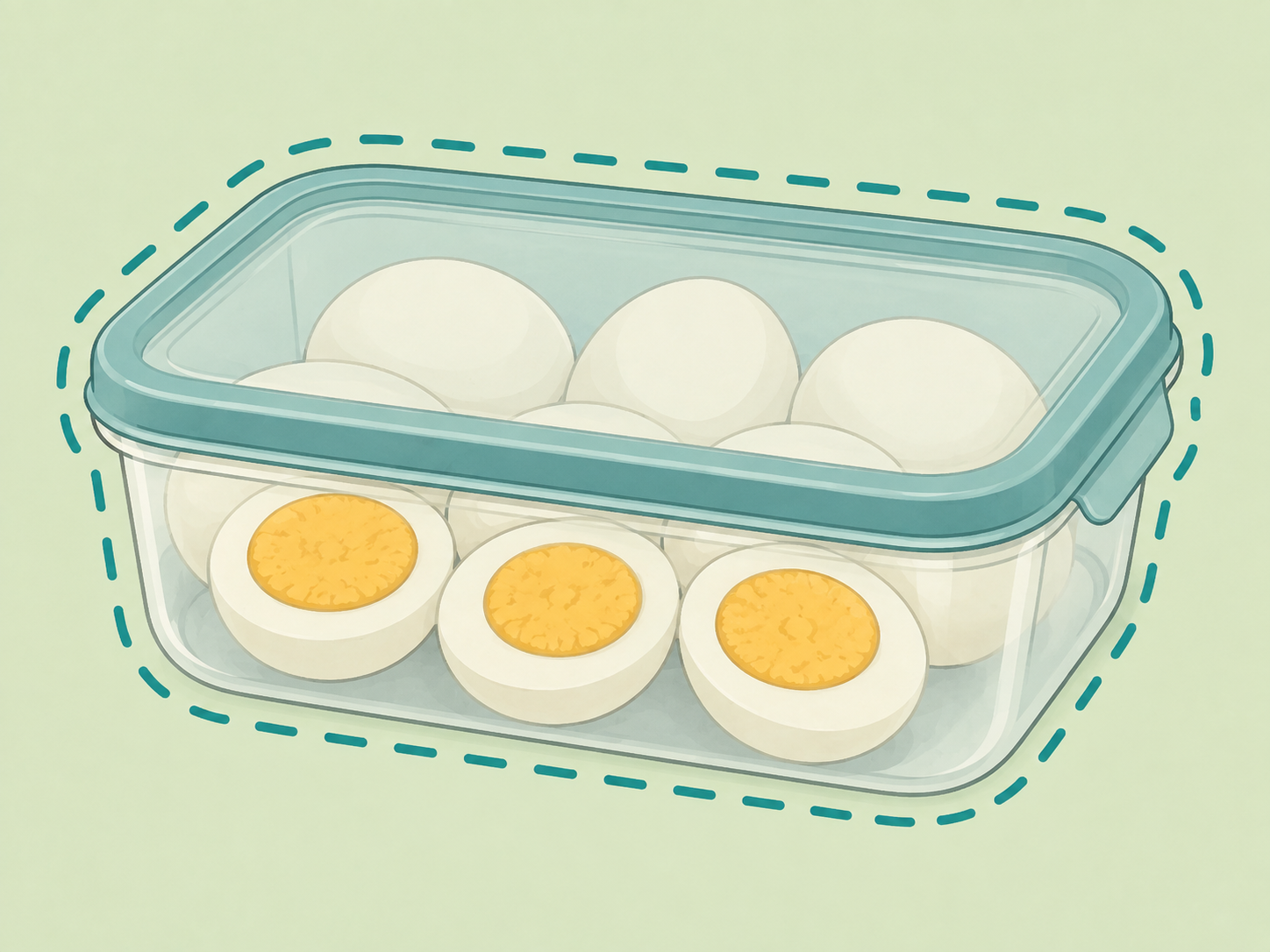
Store hard-cooked eggs safely afterward
Refrigerate hard-cooked eggs within 2 hours and use them within 1 week. The FDA egg safety guide recommends keeping eggs refrigerated at 40 degrees F or below and cooking eggs until both yolks and whites are firm.
Summary
The bottom line: the green ring is usually a harmless sign of overcooking or slow cooling, not spoilage. Cook eggs gently, stop the heat with cold water or an ice bath, and refrigerate hard-cooked eggs promptly.
Frequently Asked Questions
- Is a hard-boiled egg with a green ring safe to eat?
Usually, yes. The USDA explains that the green color from the sulfur-and-iron reaction is safe to consume, as long as the egg was cooked, cooled, and stored safely.
- Why is the ring only around the yolk?
The color forms where sulfur compounds from the white meet iron compounds near the yolk surface. That boundary is why the discoloration appears as a ring instead of spreading evenly through the whole egg.
- Does the green ring mean the egg was old?
No. It most often means the egg was cooked too long, cooked too hot, or cooled too slowly. Egg age can affect peeling and quality, but the green ring itself is mainly a cooking reaction.
- Can an ice bath prevent the green ring?
Yes. Moving eggs into cold water or ice water right after cooking stops carryover heat, which helps limit the reaction that makes the ring.
- Can water cause a green ring around egg yolks?
Sometimes. USDA notes that a high amount of iron in the cooking water can also contribute to the green color.
- How long can I keep hard-boiled eggs?
The FDA and USDA recommend refrigerating hard-cooked eggs within 2 hours and using them within 1 week, whether they are peeled or still in the shell.
References
Reliable references aided in composing and refining this content.
- https://ask.fsis.usda.gov/article/What-causes-a-green-ring-around-the-yolk-of-a-hard-cooked-egg
- https://extension.illinois.edu/consumer-concerns
- https://ask.fsis.usda.gov/article/How-long-does-it-take-to--hard-cook-an-egg
- https://www.fda.gov/food/buy-store-serve-safe-food/what-you-need-know-about-egg-safety
- https://extension.colostate.edu/resource/high-altitude-hard-cooked-eggs
- https://www.fsis.usda.gov/food-safety/safe-food-handling-and-preparation/eggs/shell-eggs-farm-table