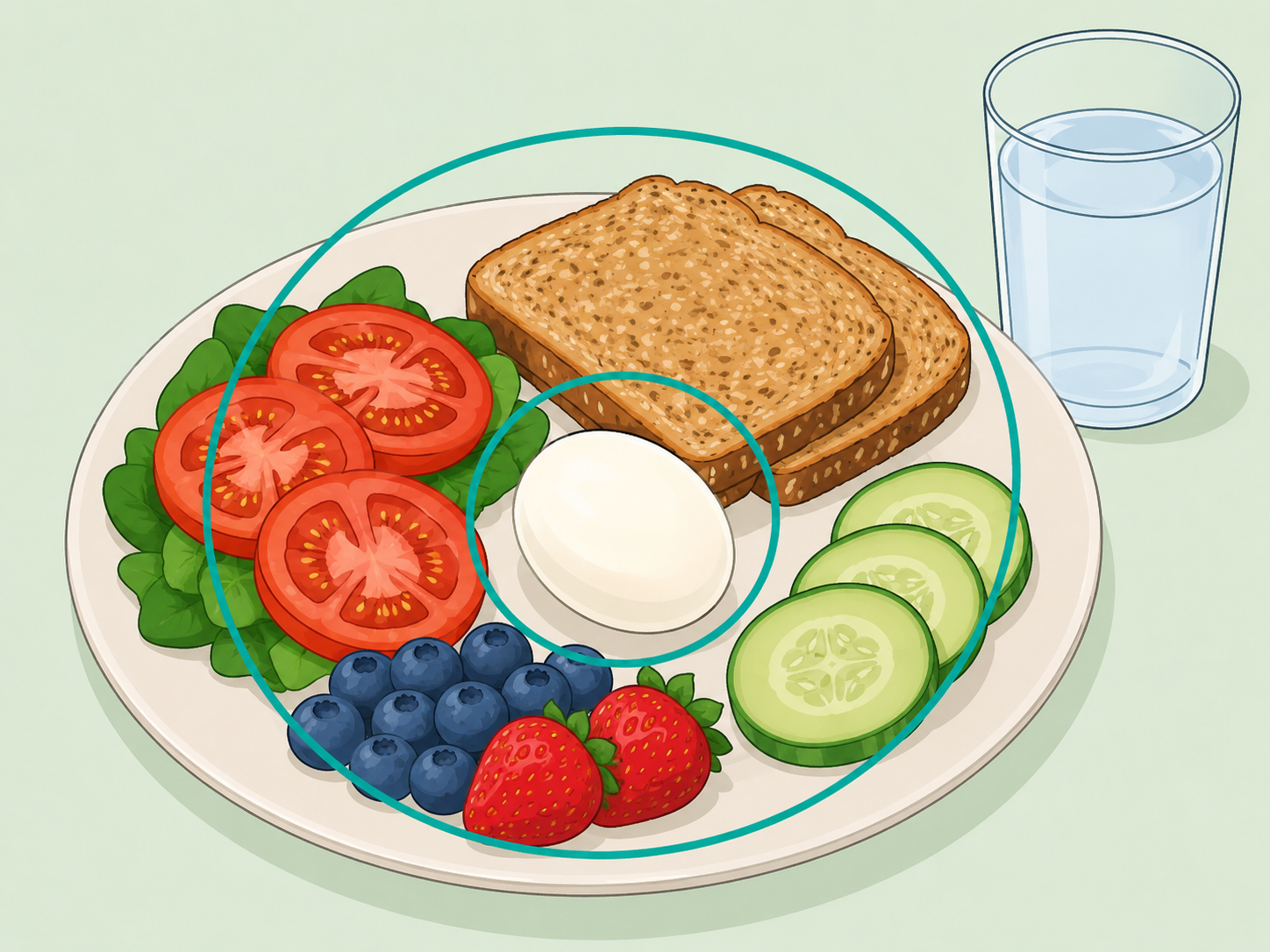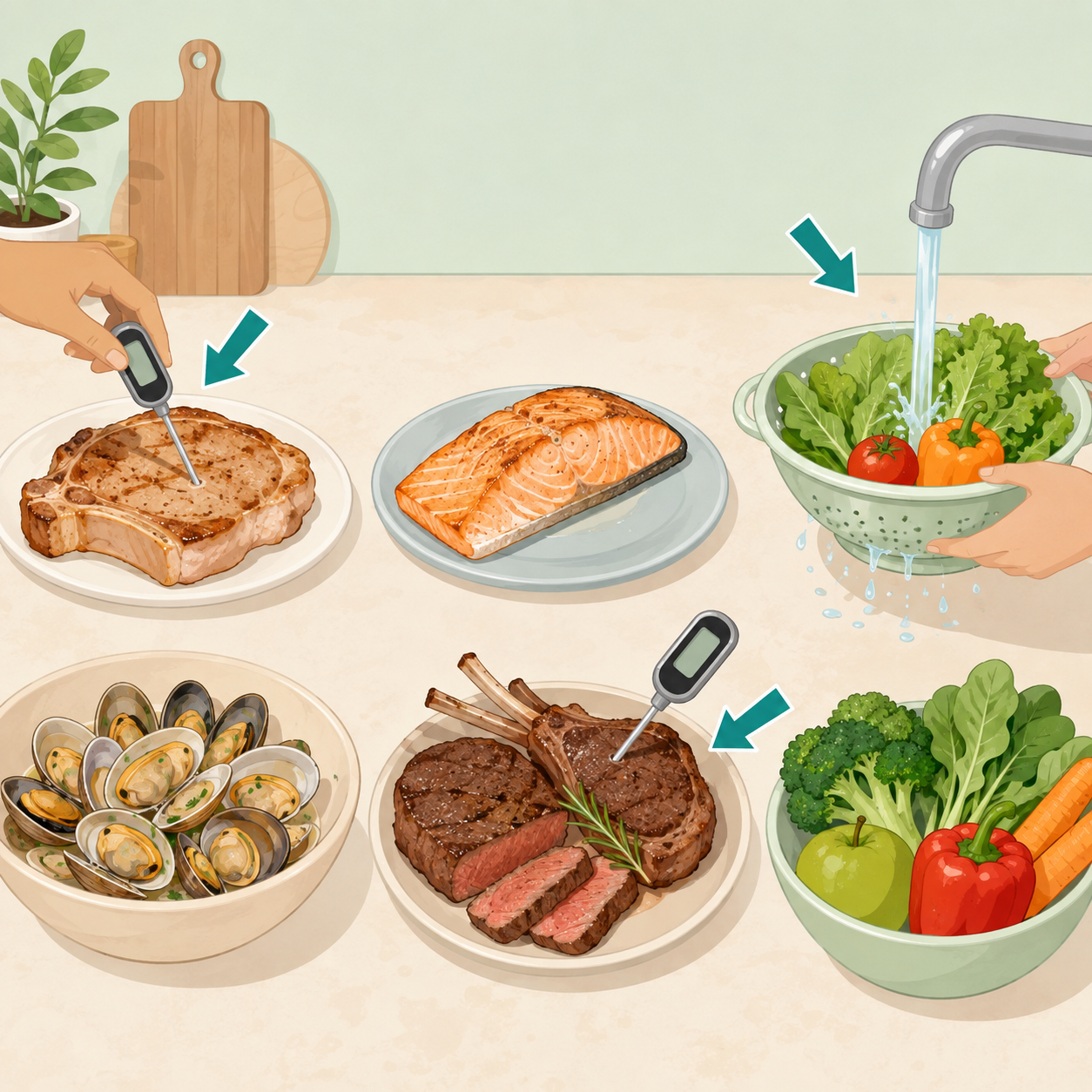
Five everyday food groups can carry parasite risks when they are raw, undercooked, or poorly washed. Here is how to prepare them more safely.
16 results in this collection. (Page 1 of 2)
Updated on October 14, 2026
Five everyday food groups can carry parasite risks when they are raw, undercooked, or poorly washed. Here is how to prepare them more safely.
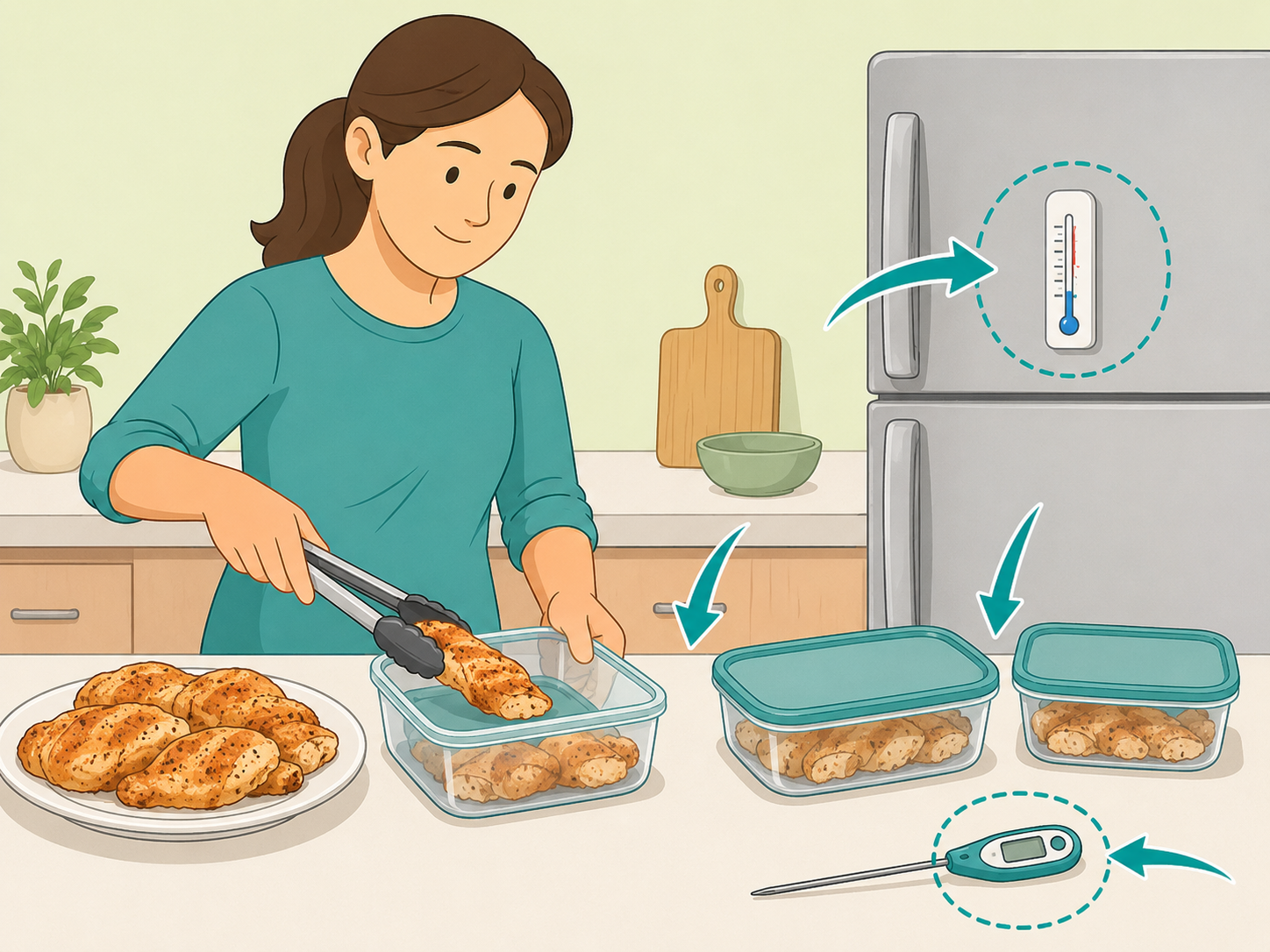
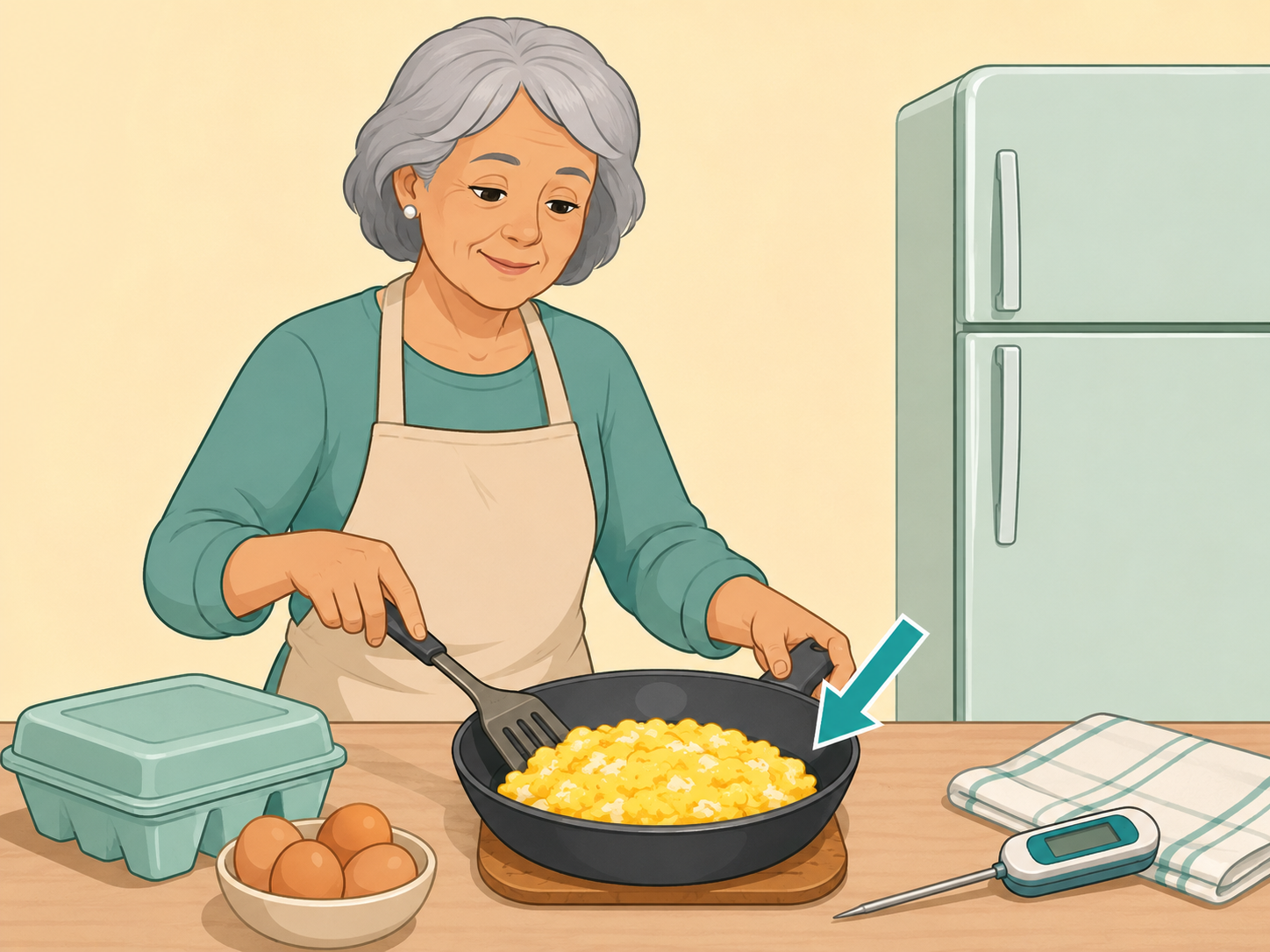
Eggs are not automatically dangerous, but raw, undercooked, poorly stored, or mishandled eggs can raise food-safety risks.
Store cooked chicken safely by cooling it quickly, refrigerating it on time, using shallow containers, and reheating leftovers properly.
Eggs can fit into many healthy diets, but older adults need to be extra careful with storage, cooking, and runny yolks.
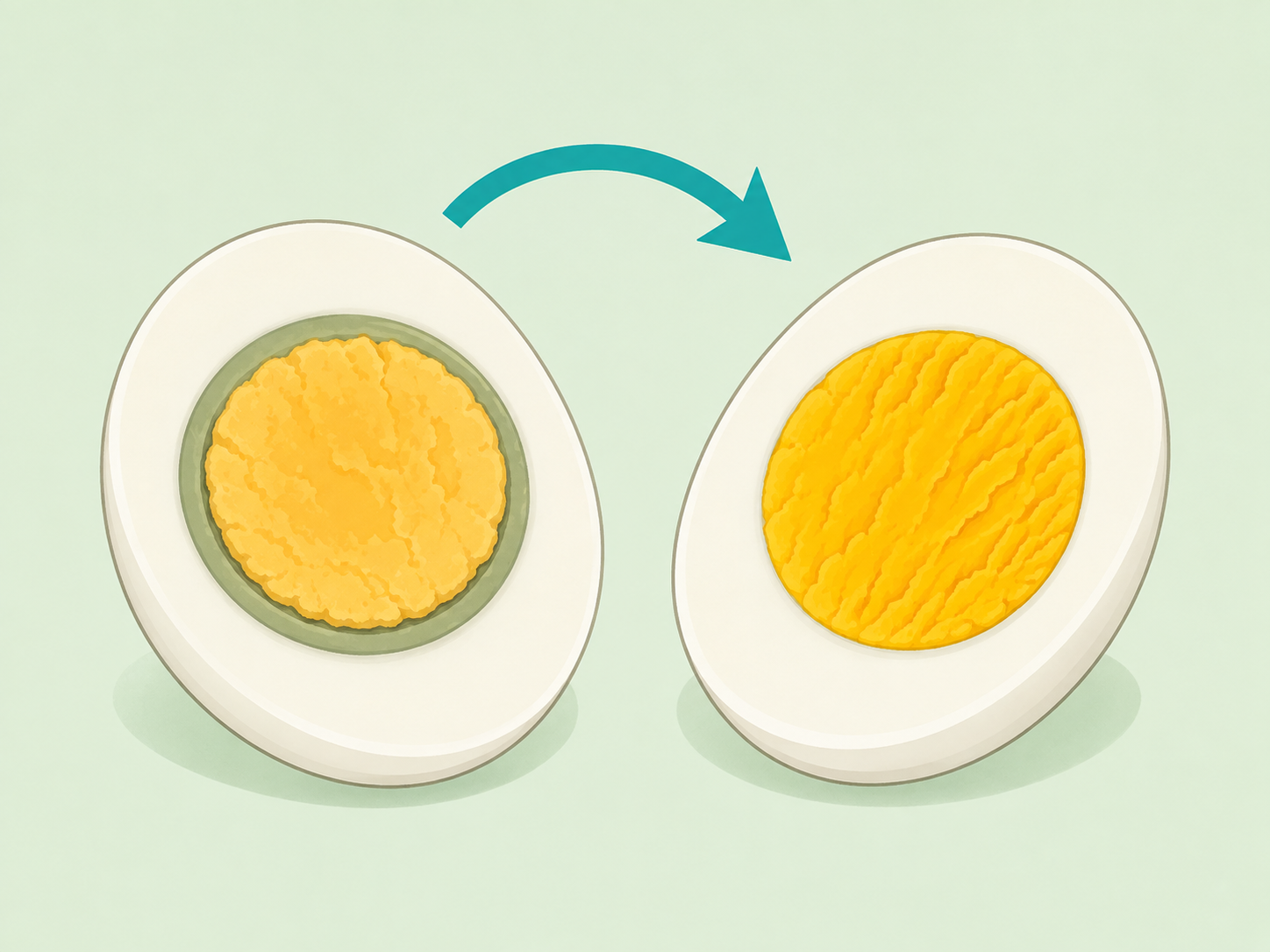
The green ring around a hard-boiled egg yolk comes from heat, time, and a harmless sulfur-iron reaction. Here is how to understand it and prevent it.
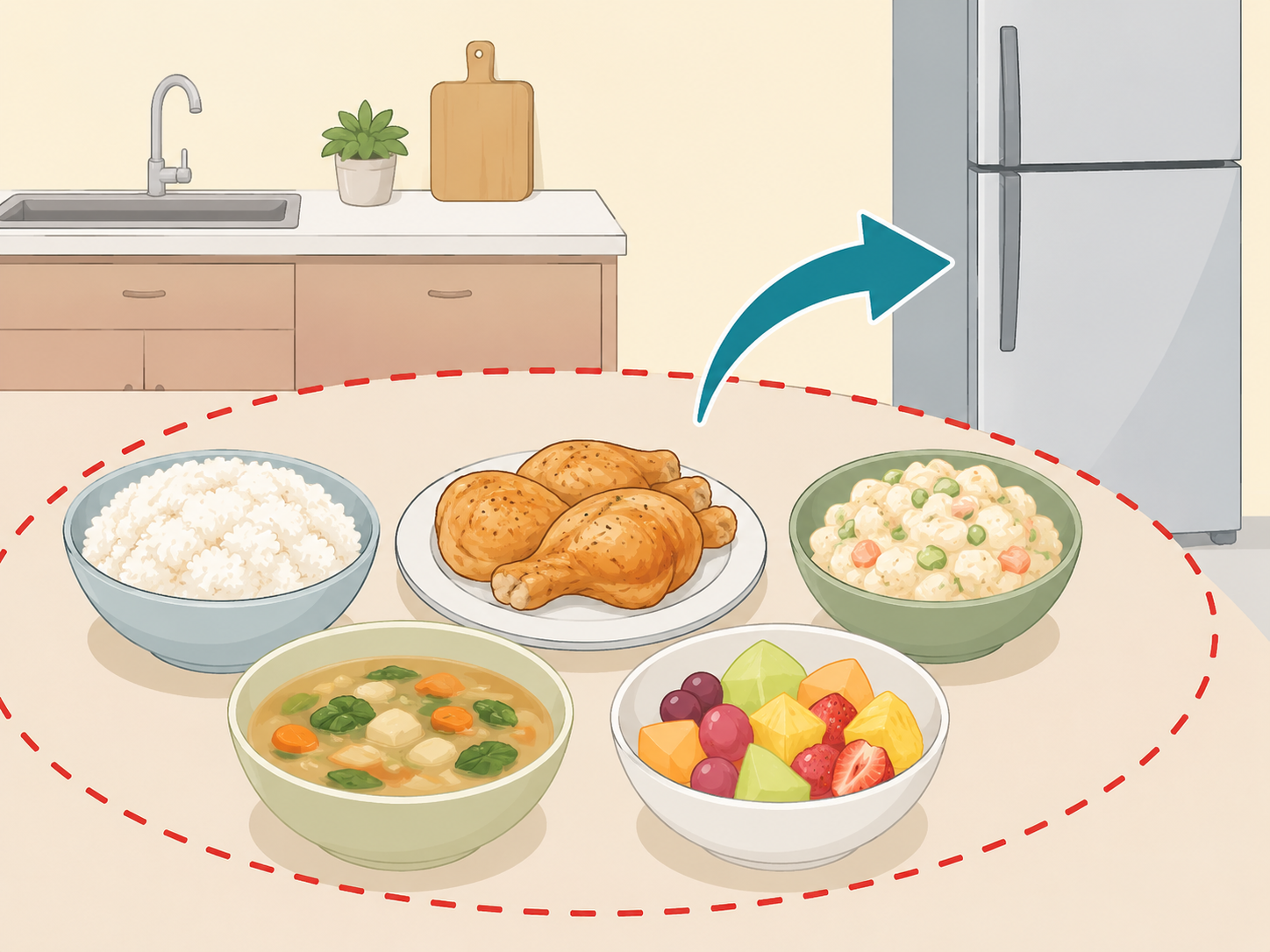
A simple food-safety guide to the foods you should not leave out overnight, when to discard them, and how to store leftovers safely.
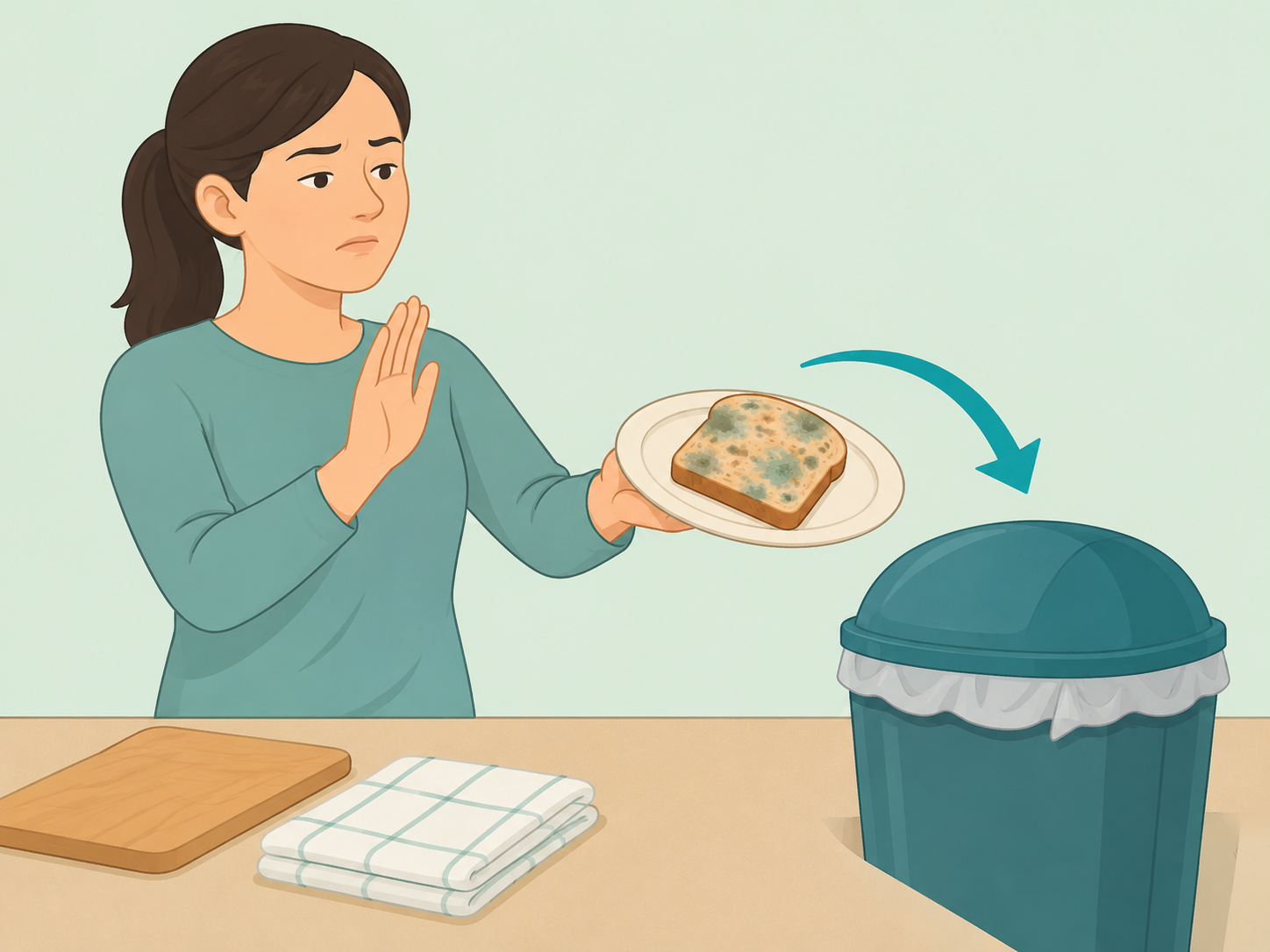
Moldy food is not something to taste-test. Learn when to discard it, when firm foods may be trimmed, and how to prevent foodborne illness.
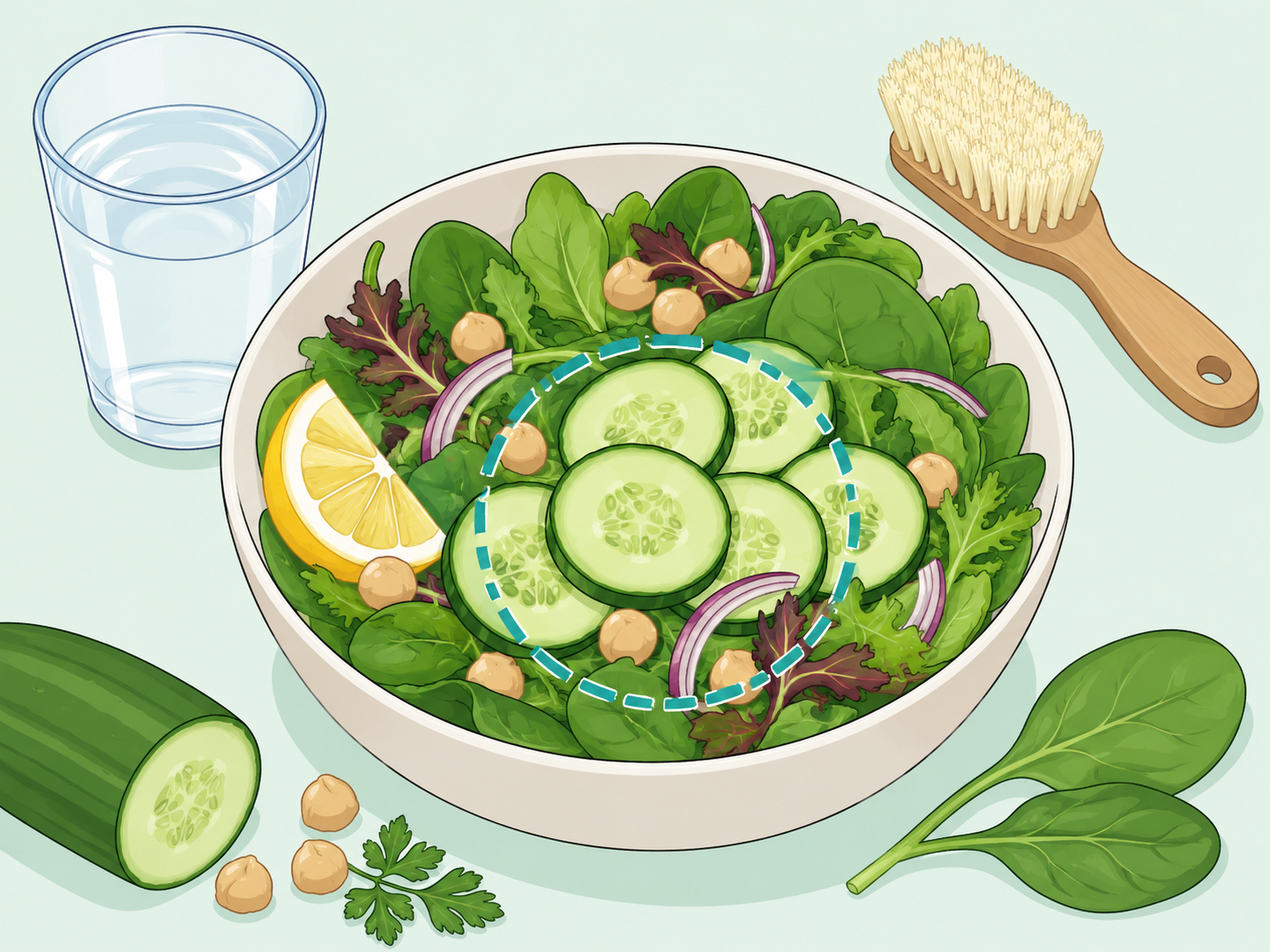
Cucumber can be a refreshing part of a healthy salad, but it is not a beauty cure. Learn how to prepare, pair, and store it safely.
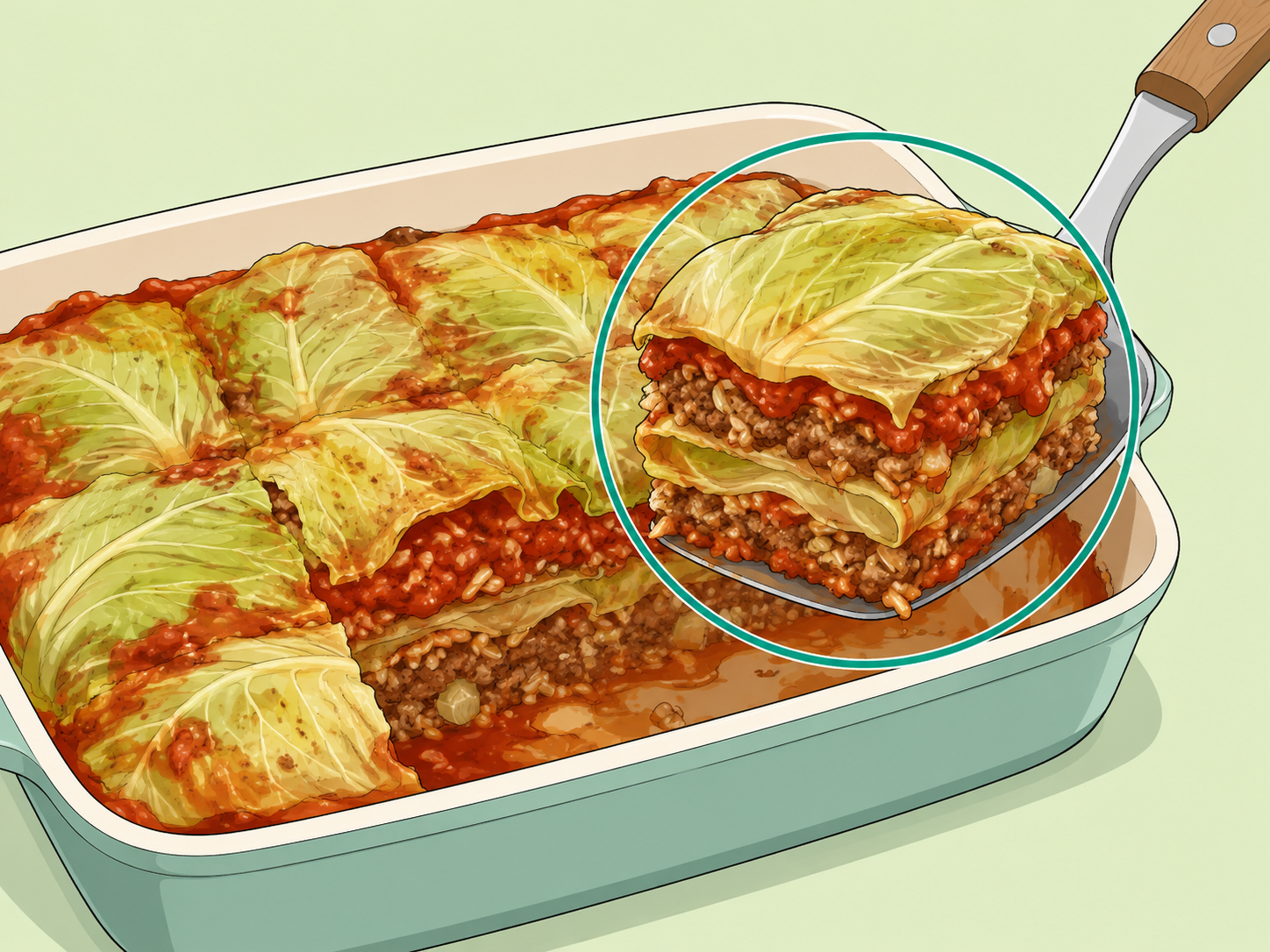
Turn stuffed cabbage roll flavors into an easier oven-baked casserole with chopped cabbage, beef, rice, and tomato sauce.
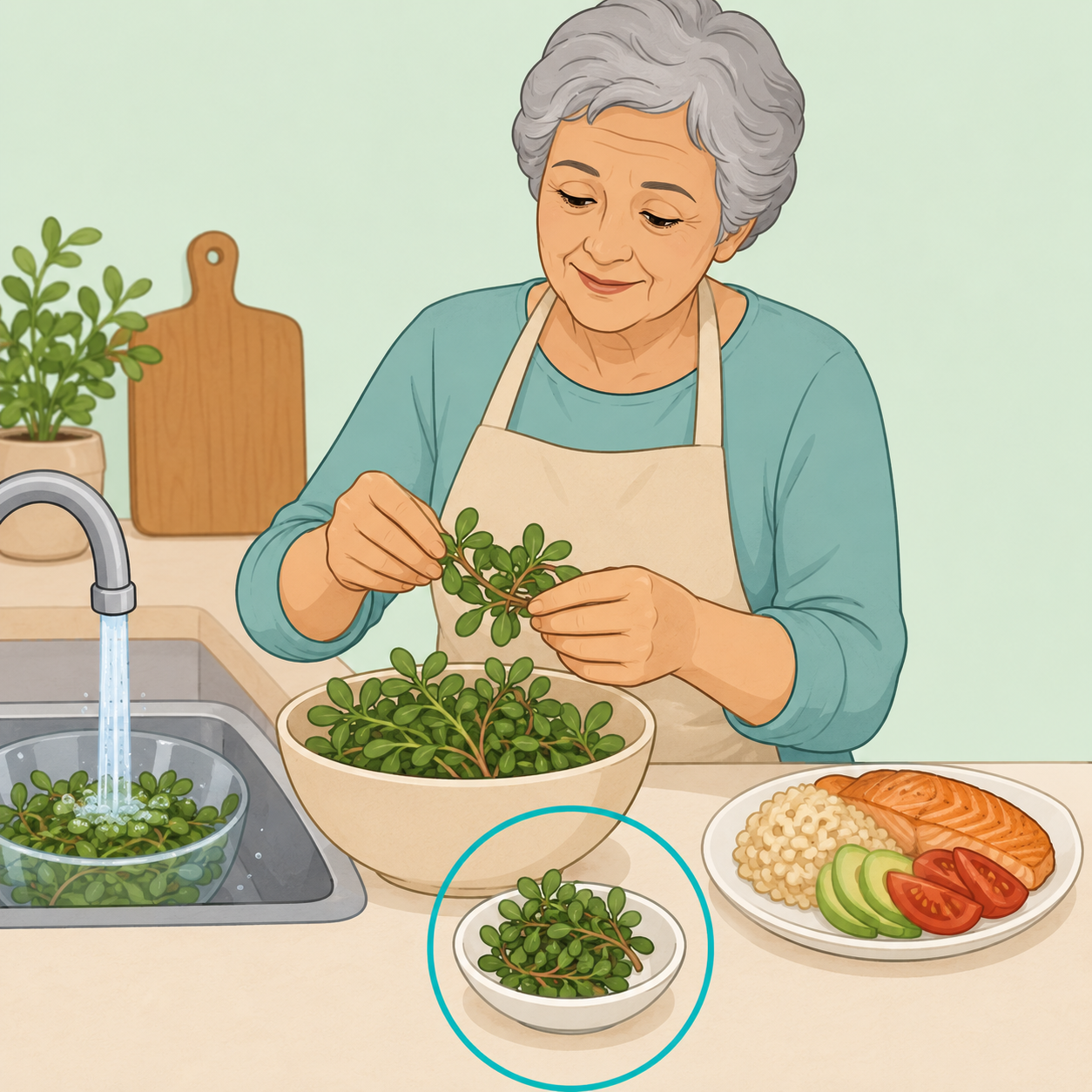
Purslane can add useful nutrients to your meals, but daily use after 60 should be moderate and tailored to your kidney health and medications.
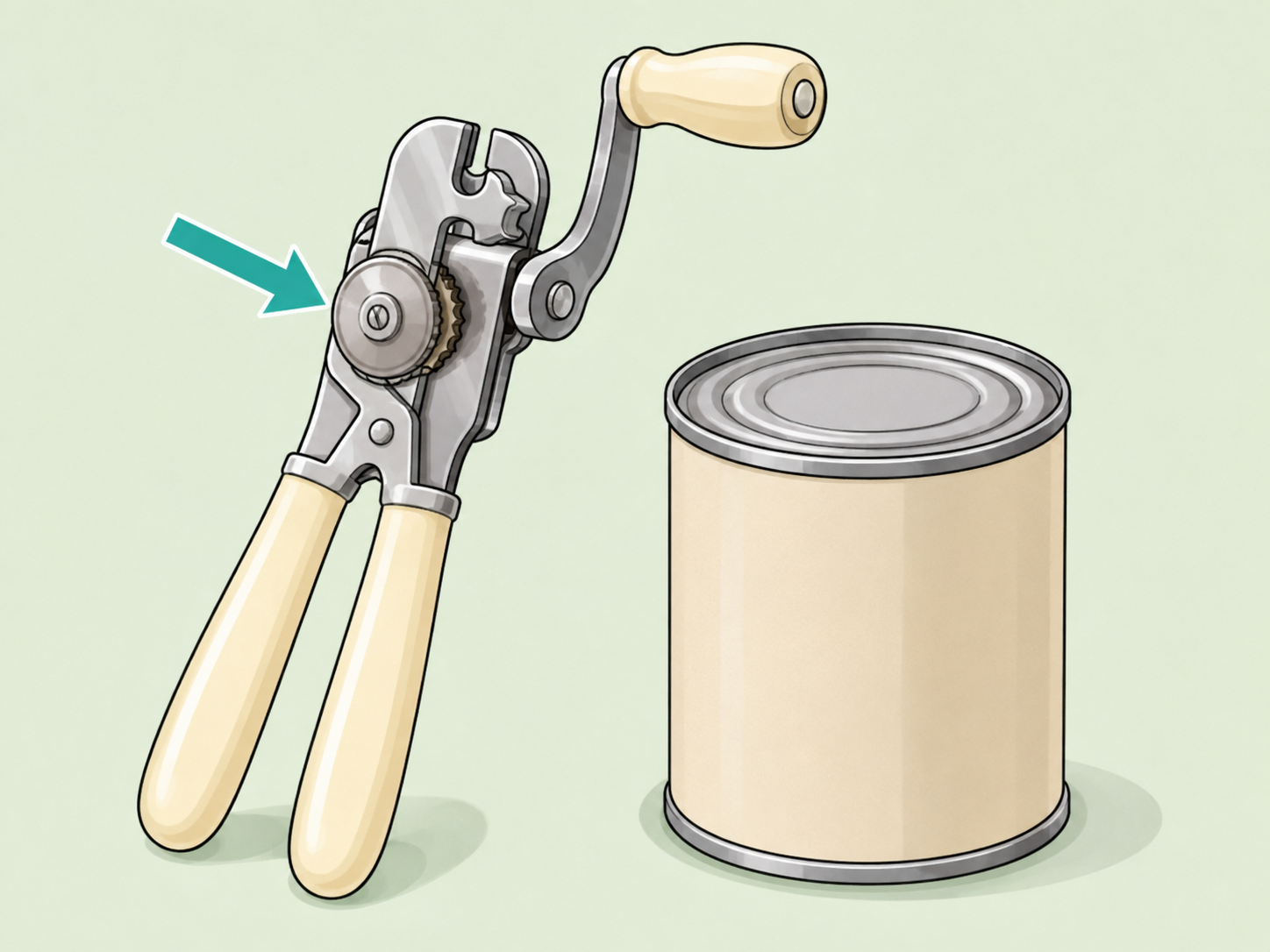
The familiar kitchen classic is the can opener. Here is how to identify, clean, use, and preserve one safely.
Boiled eggs can be part of a balanced morning meal when you cook them safely, watch portions, and pair them with fiber-rich foods.