
 Pin it
Alarming stories about eggs and stroke can make a simple breakfast feel confusing. The better way to think about eggs after 65 is to separate food safety from long-term heart health: clean-looking eggs can still carry Salmonella, and adults 65 and older are more likely to get seriously ill from foodborne germs. This guide explains how to buy, cook, and serve eggs more safely.
Separate food safety from stroke risk
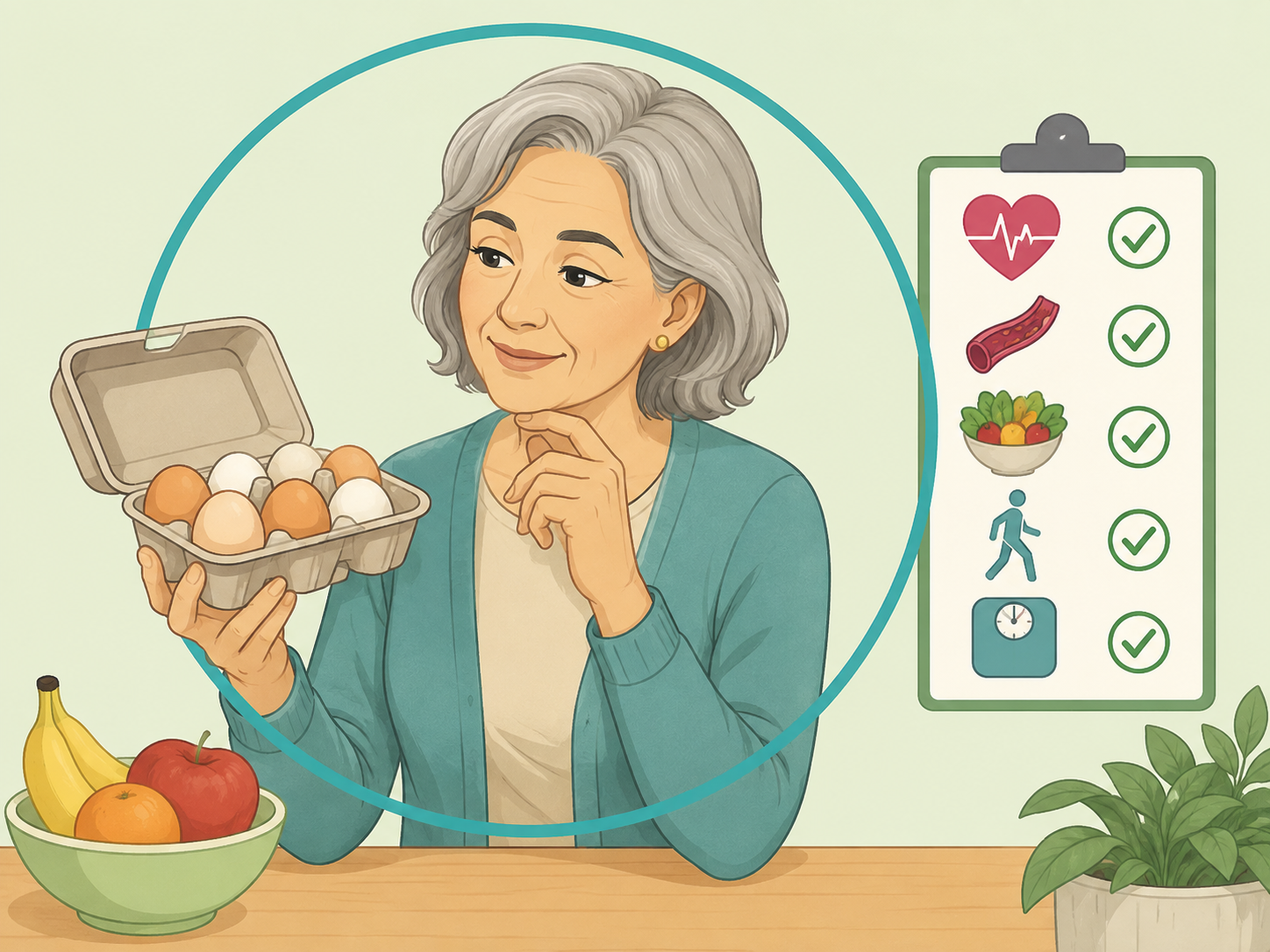
Do not assume that one alarming story proves eggs directly caused a stroke. Food safety and stroke risk are different issues: undercooked eggs mainly raise concern for Salmonella, while stroke risk depends on factors such as blood pressure, cholesterol, diabetes, smoking, and medical history. The American Heart Association advises looking at eggs within the overall diet, not treating them as a single cause.
Buy only cold, clean, uncracked eggs
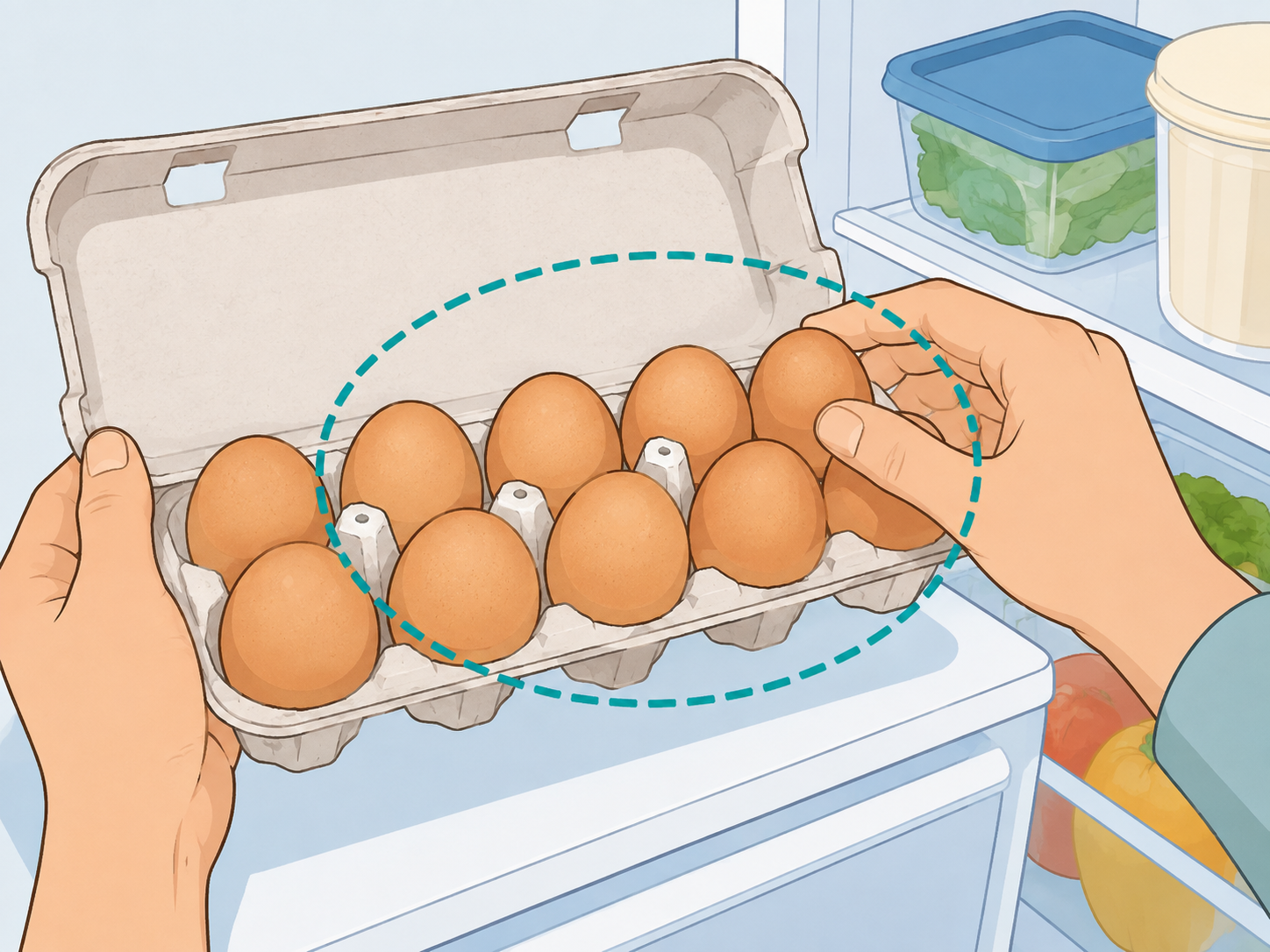
Choose eggs from a refrigerated case, open the carton, and skip any carton with dirty or cracked shells. The FDA explains that even eggs with clean shells may contain Salmonella, so safe handling starts before you leave the store. Check the carton and keep eggs separate from foods you will eat raw in your shopping bag.
Refrigerate eggs as soon as you get home
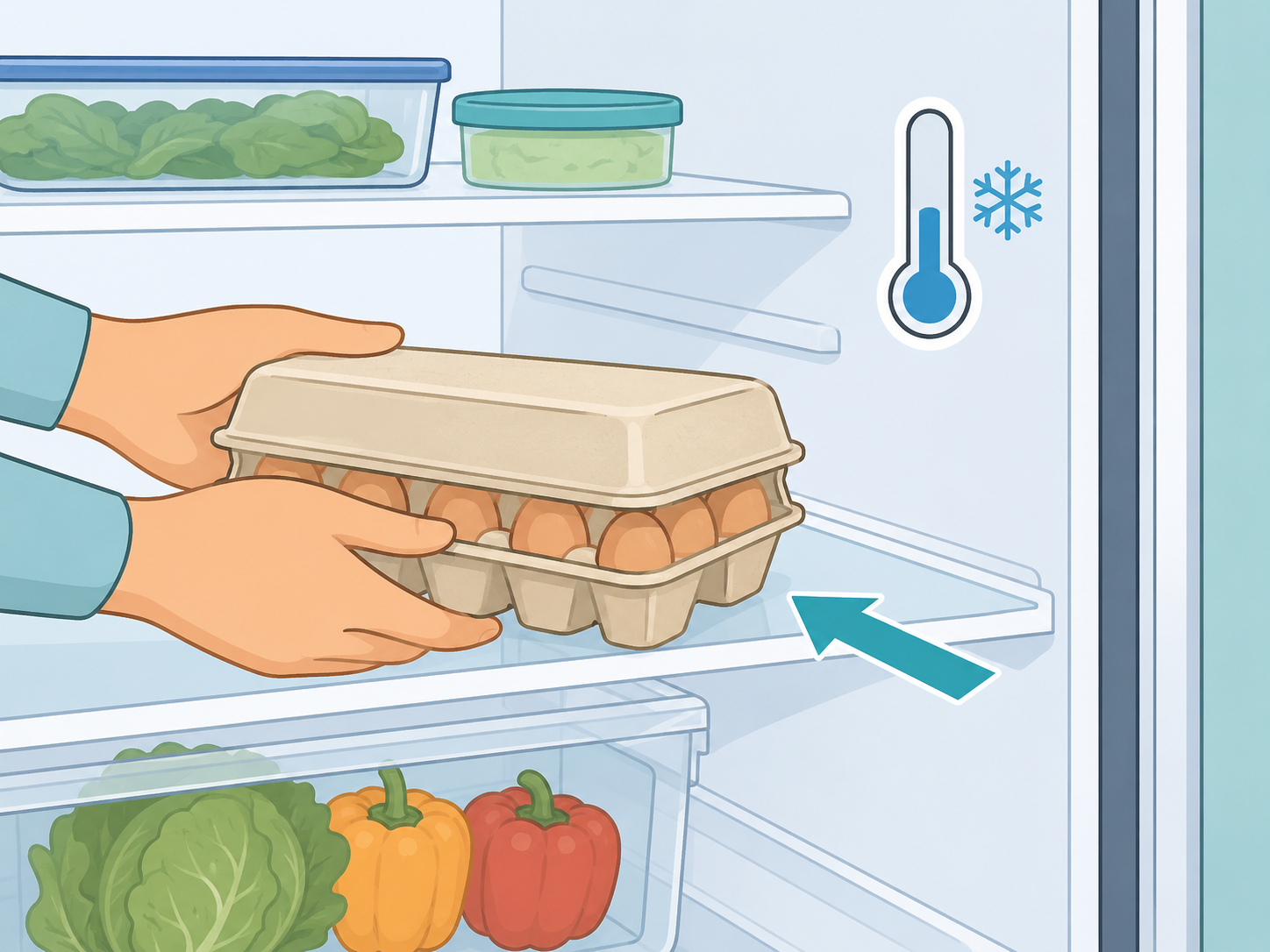
Put eggs in a refrigerator set to 40°F or below, ideally in their original carton. The FDA egg safety guidance recommends using shell eggs within 3 weeks for best quality and eating hard-cooked eggs within 1 week. A simple refrigerator thermometer helps confirm the temperature is cold enough.

Cook eggs until the yolk and white are firm
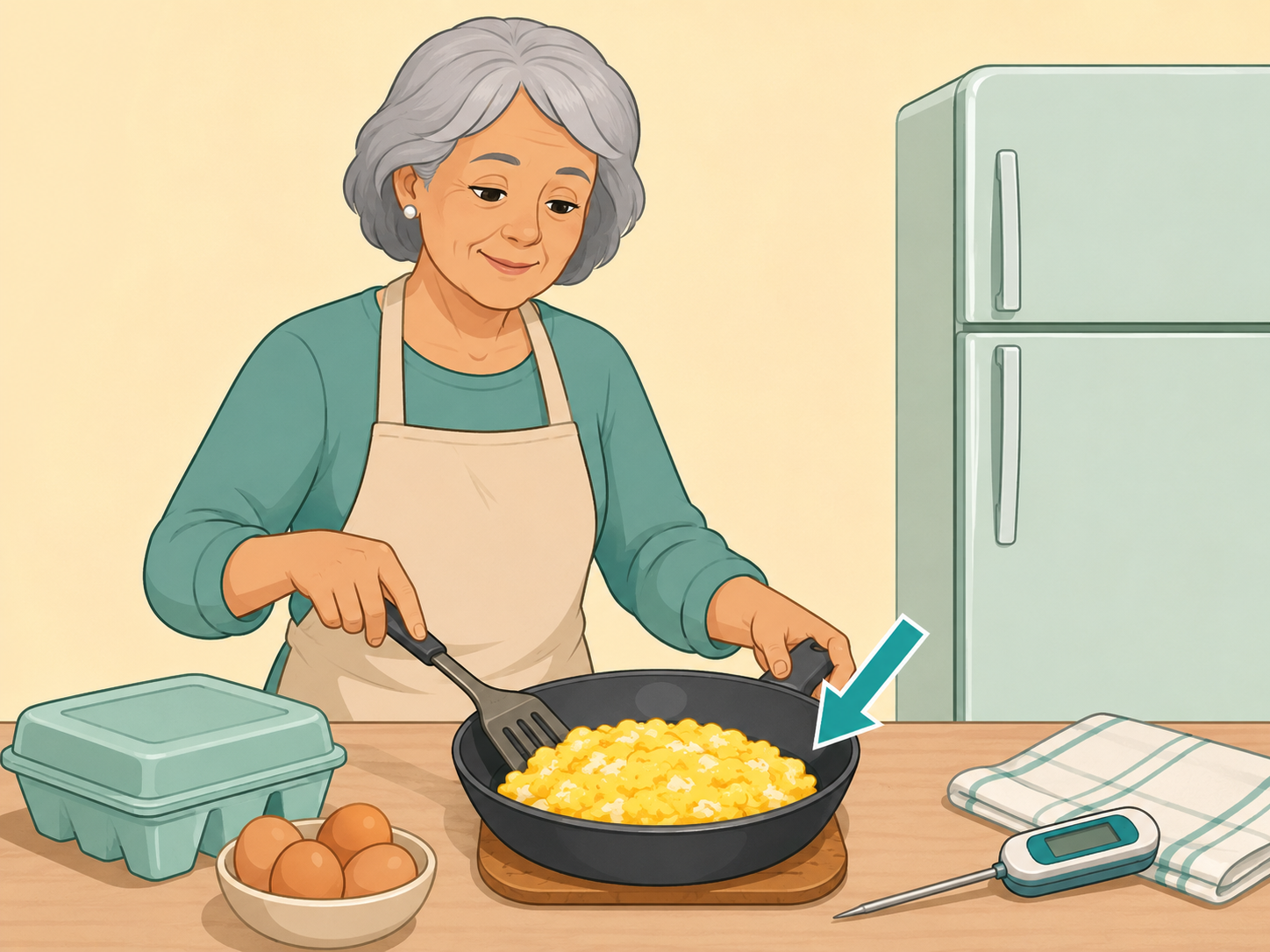
For fried, boiled, poached, or scrambled eggs, cook until the whites and yolks are firm and scrambled eggs are not runny. FoodSafety.gov lists raw eggs as safe when yolks and whites are firm, and egg dishes such as frittatas should reach 160°F. This is especially important if you are 65 or older or have a weakened immune system.
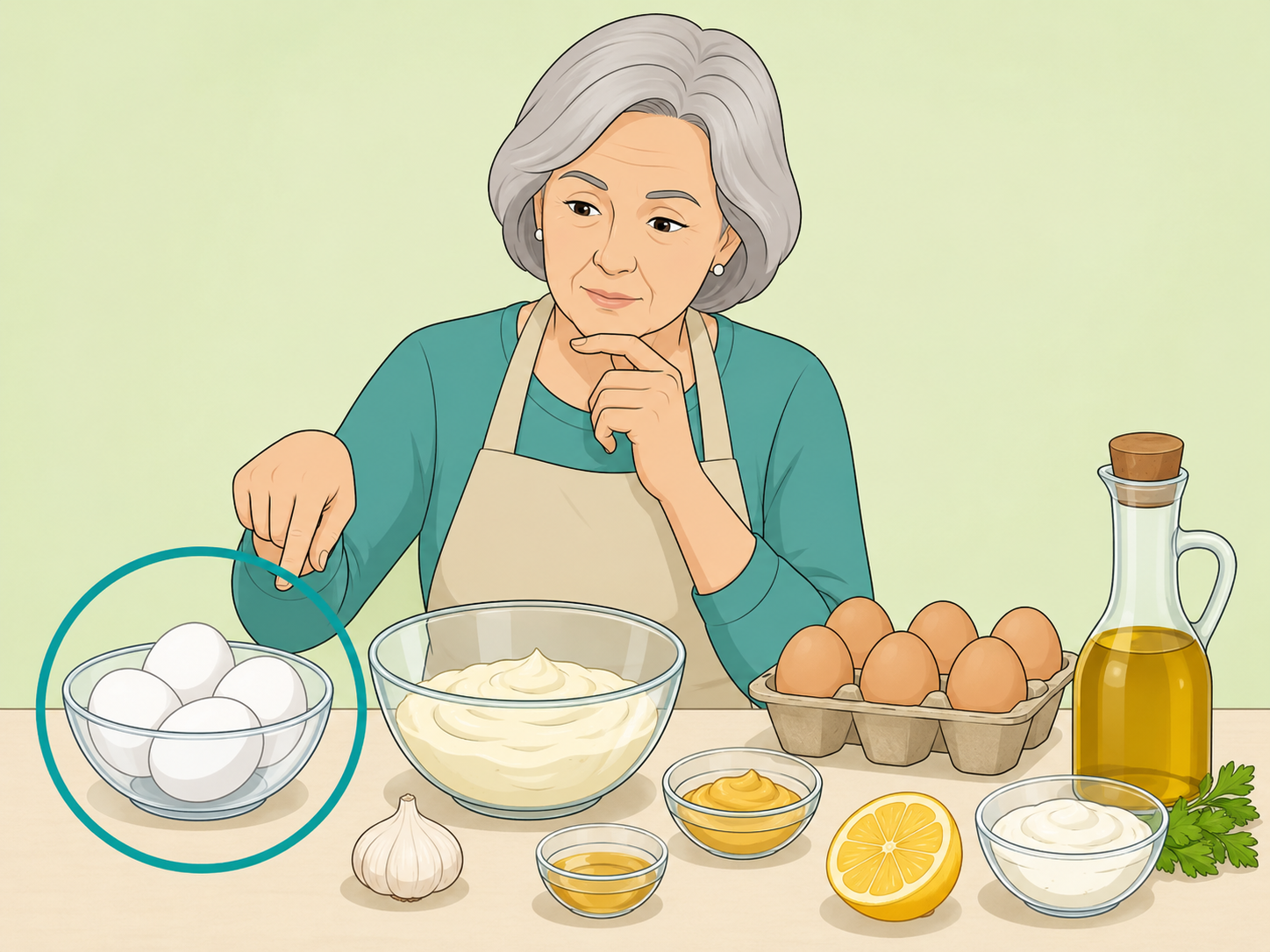
Use pasteurized eggs for raw-style recipes
For Caesar dressing, homemade mayonnaise, tiramisu, eggnog, or other foods that are served raw or lightly cooked, use pasteurized shell eggs or pasteurized egg products. The CDC lists raw or runny eggs as a riskier choice for adults 65 and older. If pasteurized eggs are not available, choose a recipe that cooks the eggs thoroughly.
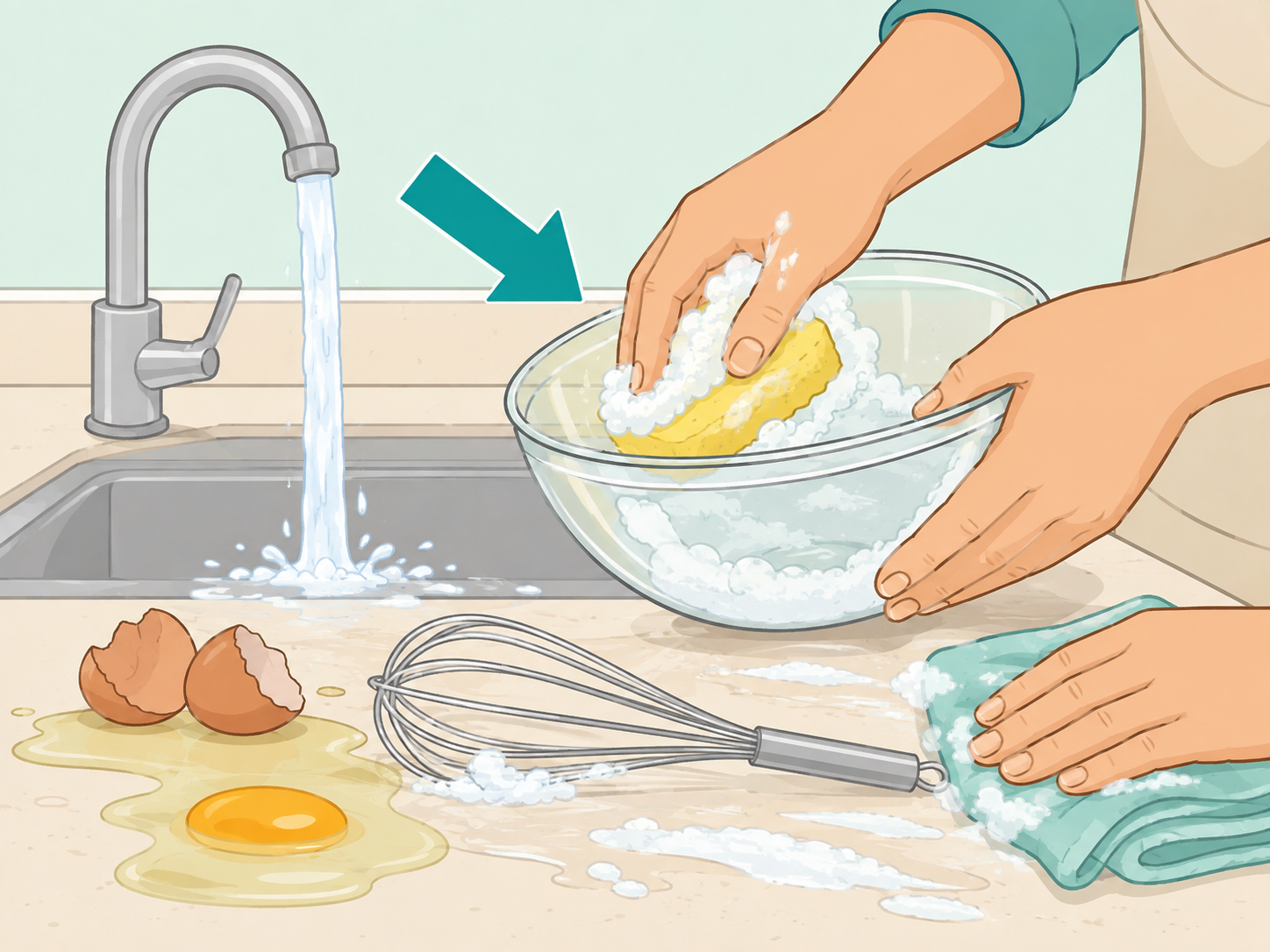
Keep raw egg from spreading around the kitchen
Wash your hands, utensils, counters, and cutting boards with hot, soapy water after they touch raw egg. Keep raw eggs and raw egg mixtures away from salads, toast, fruit, and other ready-to-eat foods. The CDC's food poisoning prevention steps emphasize clean, separate, cook, and chill.
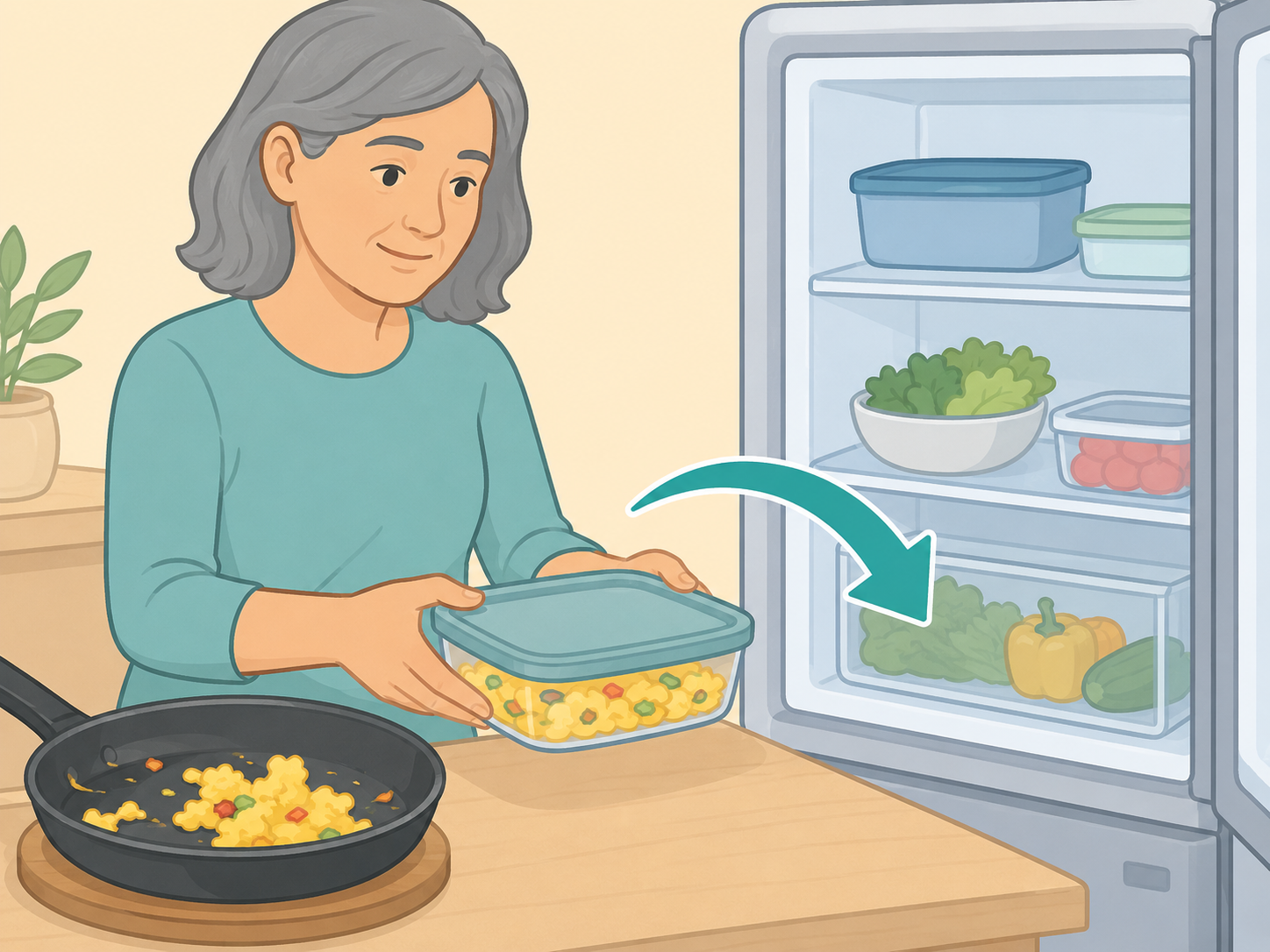
Serve eggs promptly and chill leftovers fast
Eat cooked eggs soon after cooking, or refrigerate them within 2 hours. If the food is outdoors, in a hot car, or in temperatures above 90°F, refrigerate it within 1 hour. The FDA also recommends reheating cooked egg dishes to 165°F before serving them again.
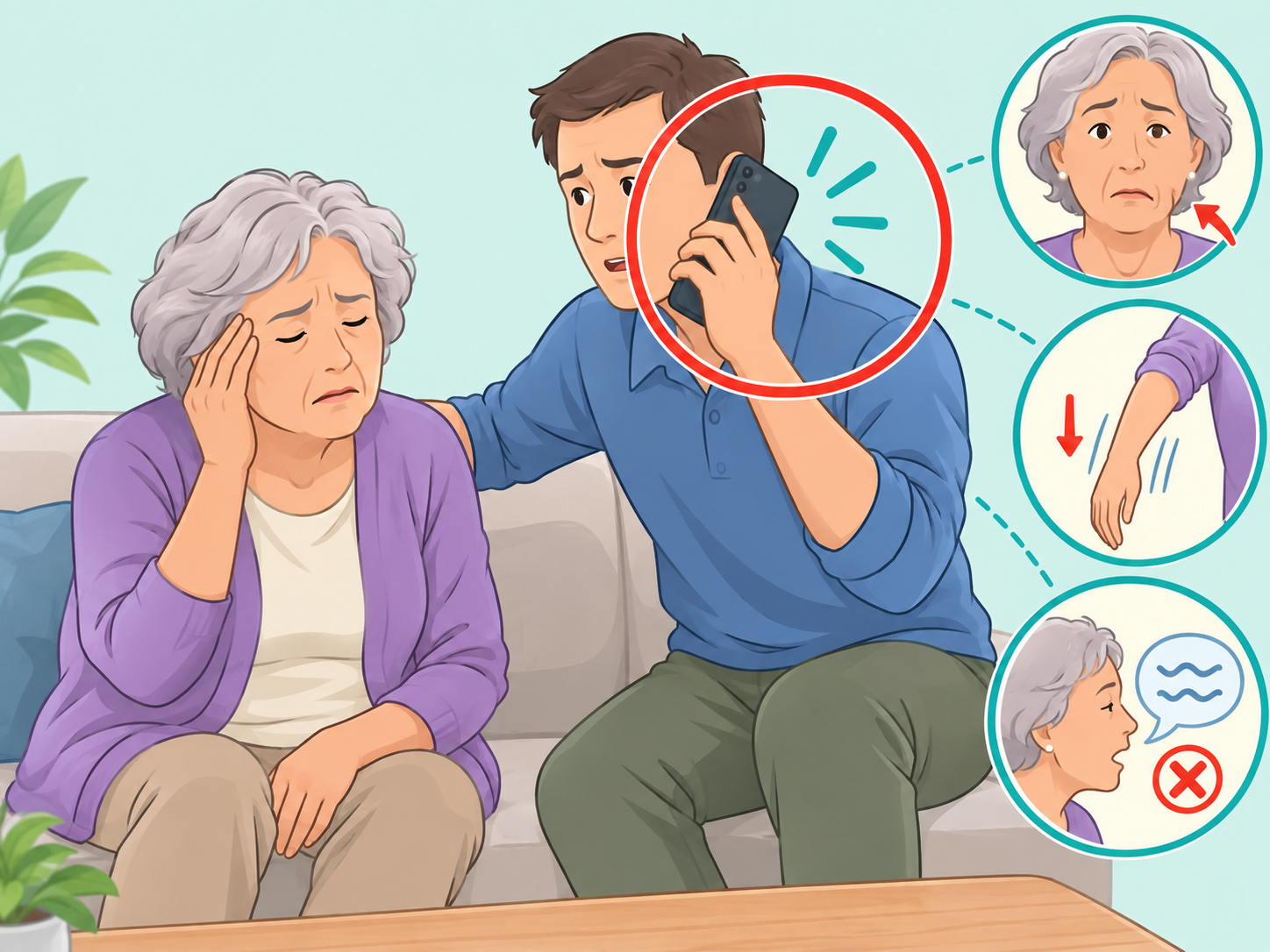
Seek medical help for severe illness or stroke signs
Call a doctor promptly if you suspect food poisoning and symptoms are severe, persistent, or happening in an older adult or someone with a weakened immune system. For possible stroke symptoms, call 911 right away for sudden face drooping, arm weakness, speech trouble, vision changes, severe headache, dizziness, or loss of balance; the CDC says fast treatment can reduce brain damage. Do not wait to see whether stroke-like symptoms pass.
Summary
The bottom line: the overlooked egg mistake is usually eating or serving eggs undercooked, unrefrigerated, or cross-contaminated. Keep eggs cold, cook them thoroughly, choose pasteurized eggs for raw-style recipes, and treat sudden stroke symptoms as an emergency.
Frequently Asked Questions
- Are eggs unsafe after age 65?
- No. Eggs are not automatically unsafe after 65, but older adults should be stricter about avoiding raw or undercooked eggs because they have a higher risk of serious foodborne illness.
- Is it safe to eat runny eggs every day?
- Runny eggs are riskier than fully cooked eggs because the yolk or white may not have reached a germ-killing temperature. The FDA advises cooking eggs until both yolks and whites are firm.
- Do eggs cause strokes?
- A single food does not determine stroke risk by itself. The American Heart Association says egg advice should be considered within the whole diet, especially saturated fat intake, LDL cholesterol, diabetes, and other personal risk factors.
- How long can eggs stay in the refrigerator?
- The FDA recommends storing eggs in their original carton and using them within 3 weeks for best quality. Hard-cooked eggs should be eaten within 1 week.
- What temperature should egg dishes reach?
- Egg dishes such as frittatas and quiches should reach 160°F, according to FoodSafety.gov safe temperature guidance.
- What should I do if eggs were left out overnight?
- Throw them away. Perishable foods such as eggs should not sit out for more than 2 hours, or more than 1 hour when the temperature is above 90°F.
References
Reliable references aided in composing and refining this content.
- https://www.fda.gov/food/buy-store-serve-safe-food/what-you-need-know-about-egg-safety
- https://www.cdc.gov/food-safety/foods/adults-65-older.html
- https://www.foodsafety.gov/food-safety-charts/safe-minimum-internal-temperatures
- https://www.cdc.gov/food-safety/prevention/index.html
- https://www.cdc.gov/stroke/signs-symptoms/index.html
- https://www.heart.org/en/news/2023/08/25/heres-the-latest-on-dietary-cholesterol-and-how-it-fits-in-with-a-healthy-diet