
 Pin it
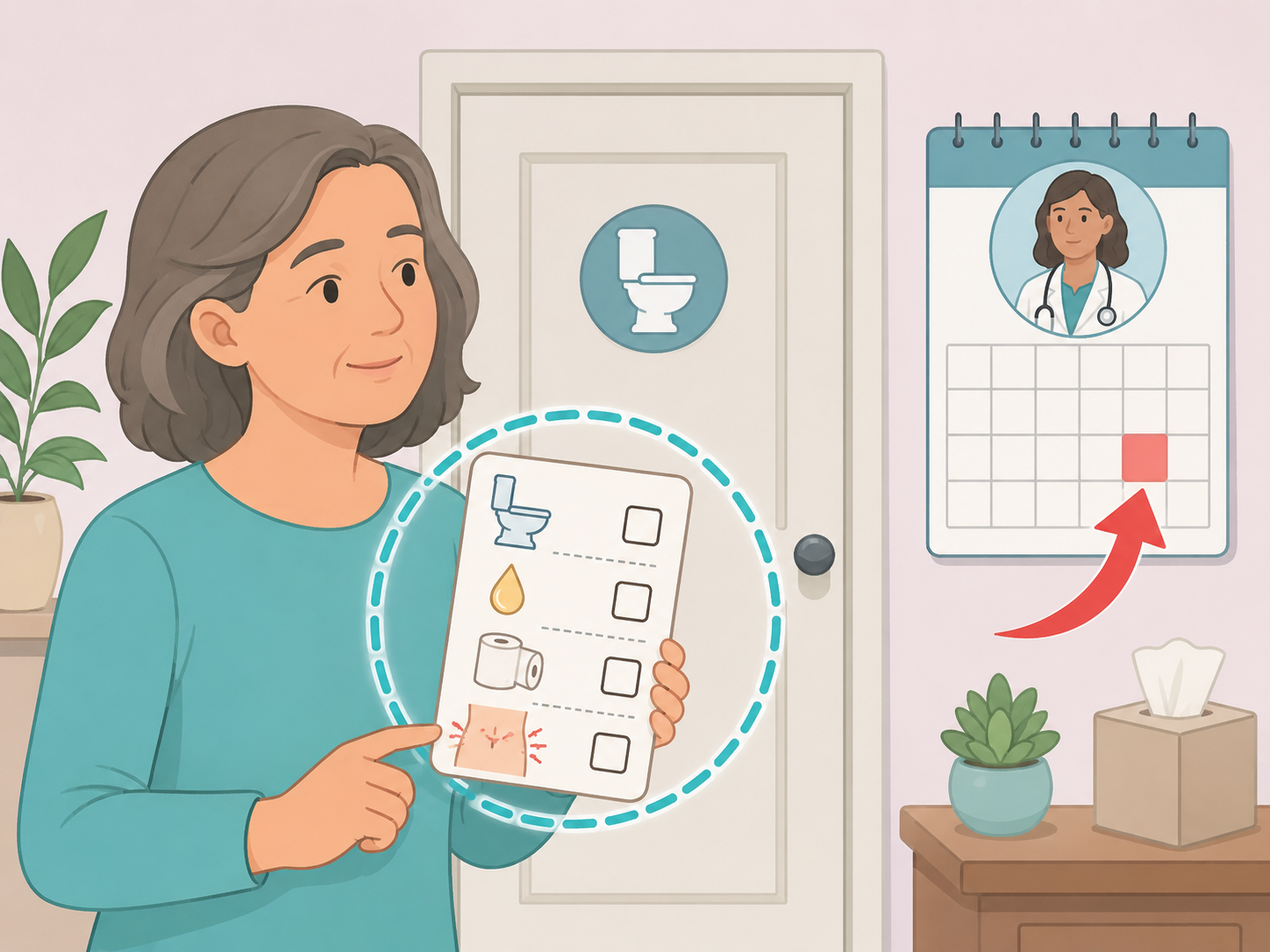
Colon polyps usually do not cause symptoms, so screening is still the most reliable way to find them early. When symptoms do appear, changes during bowel movements can sometimes be a warning sign of a larger polyp or another condition that needs care. This guide explains what to watch for and when to contact a doctor.
Remember that most colon polyps have no symptoms
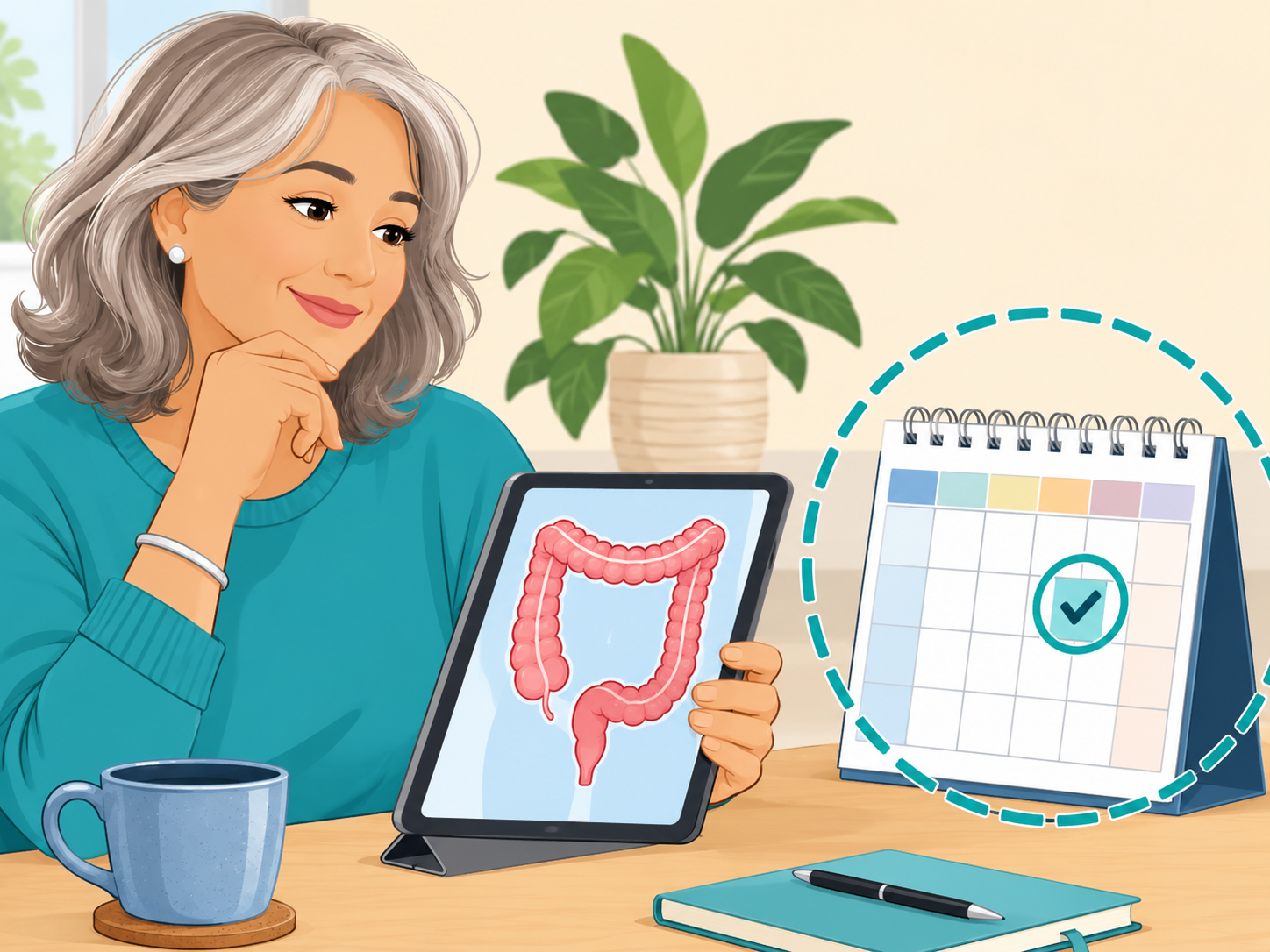
Do not rely on how you feel to know whether you have colon polyps. Most colon polyps do not cause symptoms, and they are often found during routine colorectal cancer screening.
Look for red blood after a bowel movement
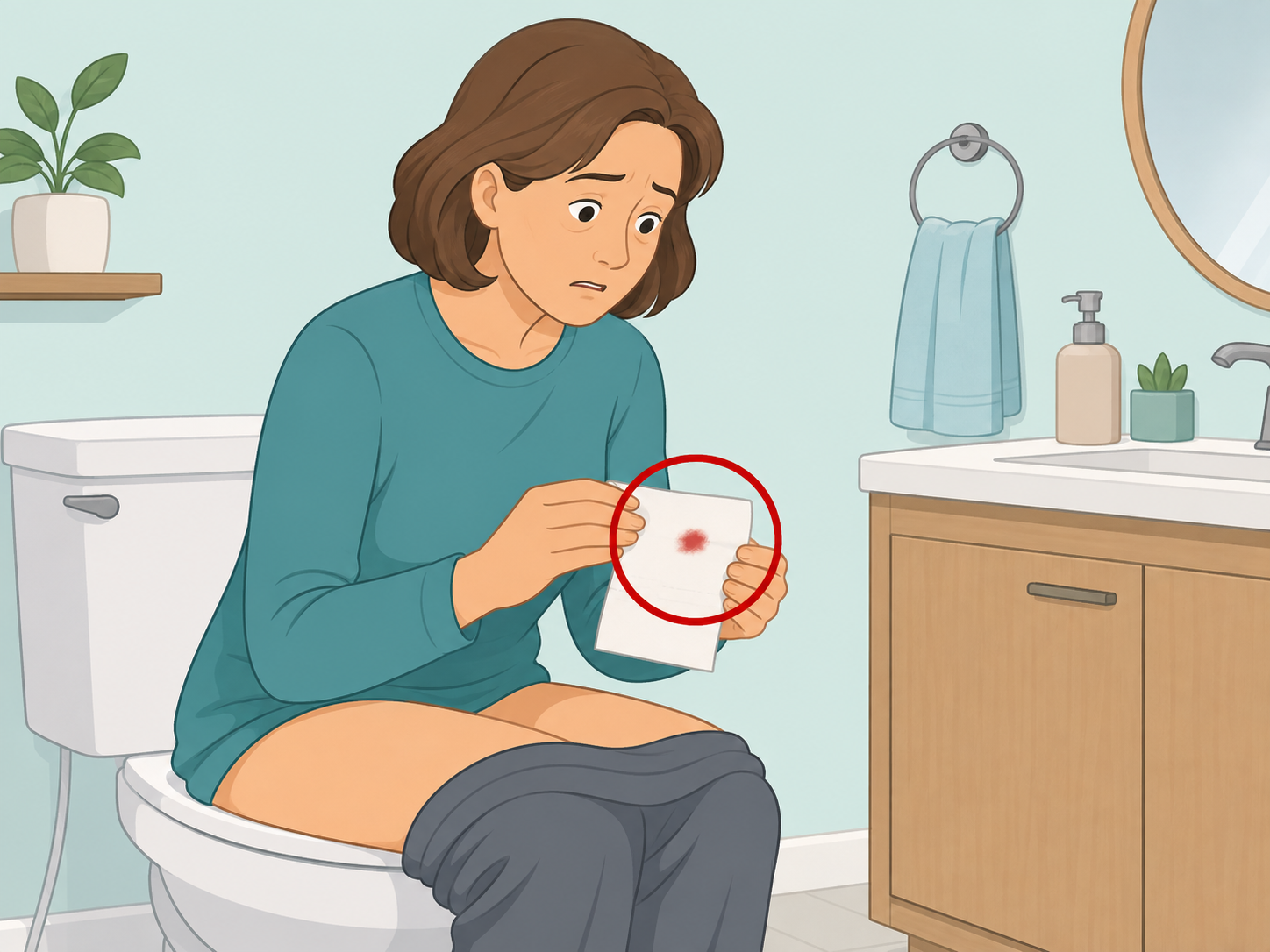
Check the toilet water, the outside of the stool, your underwear, and toilet paper for bright red blood. NIDDK lists rectal bleeding and blood in stool as possible symptoms of colon polyps, but other conditions can also cause bleeding.
Notice black or dark red stool
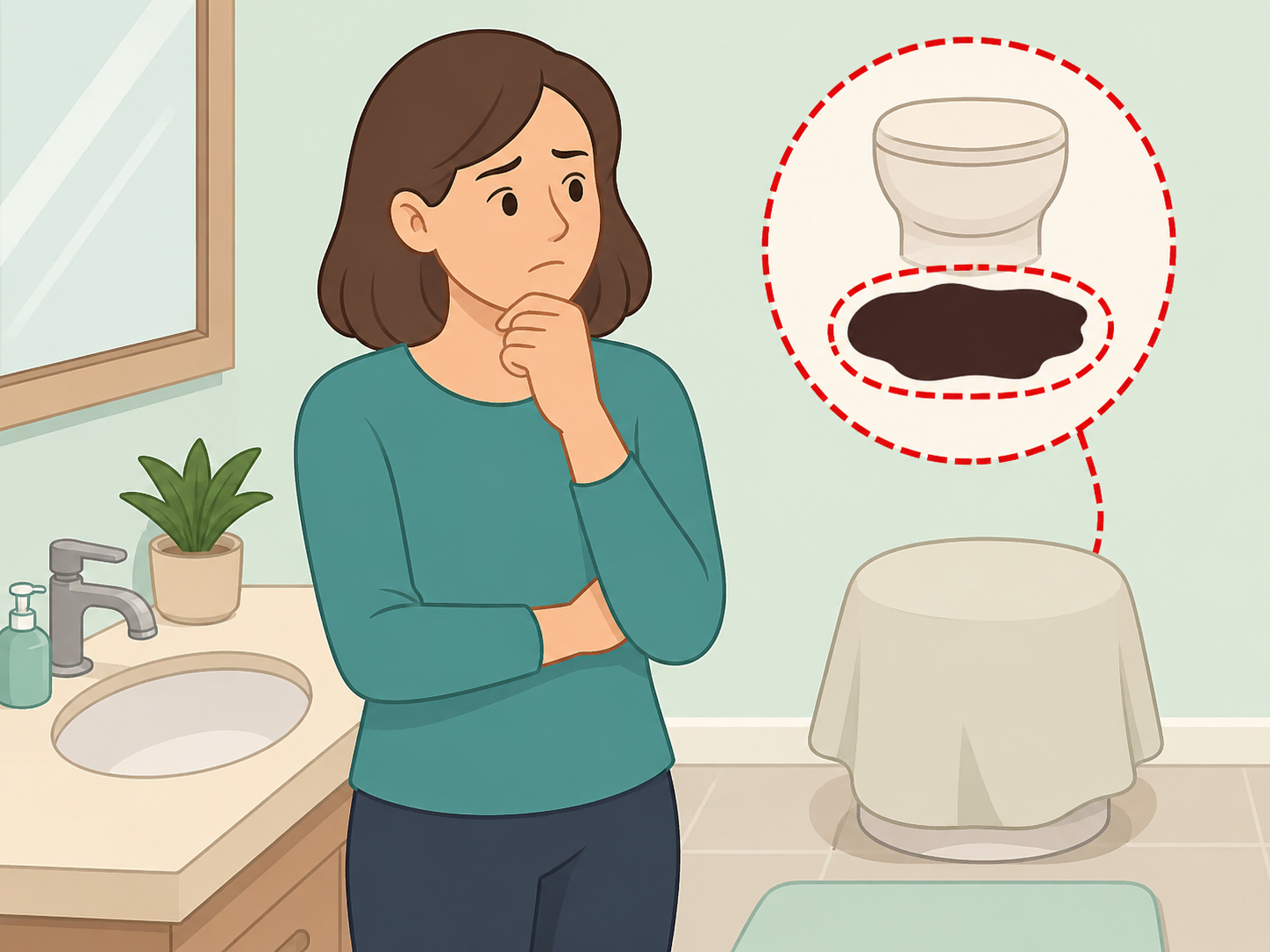
Pay attention if your stool becomes black, tar-like, or dark red, especially when the change is not explained by foods, iron, or medicines. Mayo Clinic notes that blood can show up as red streaks or make stool look black.
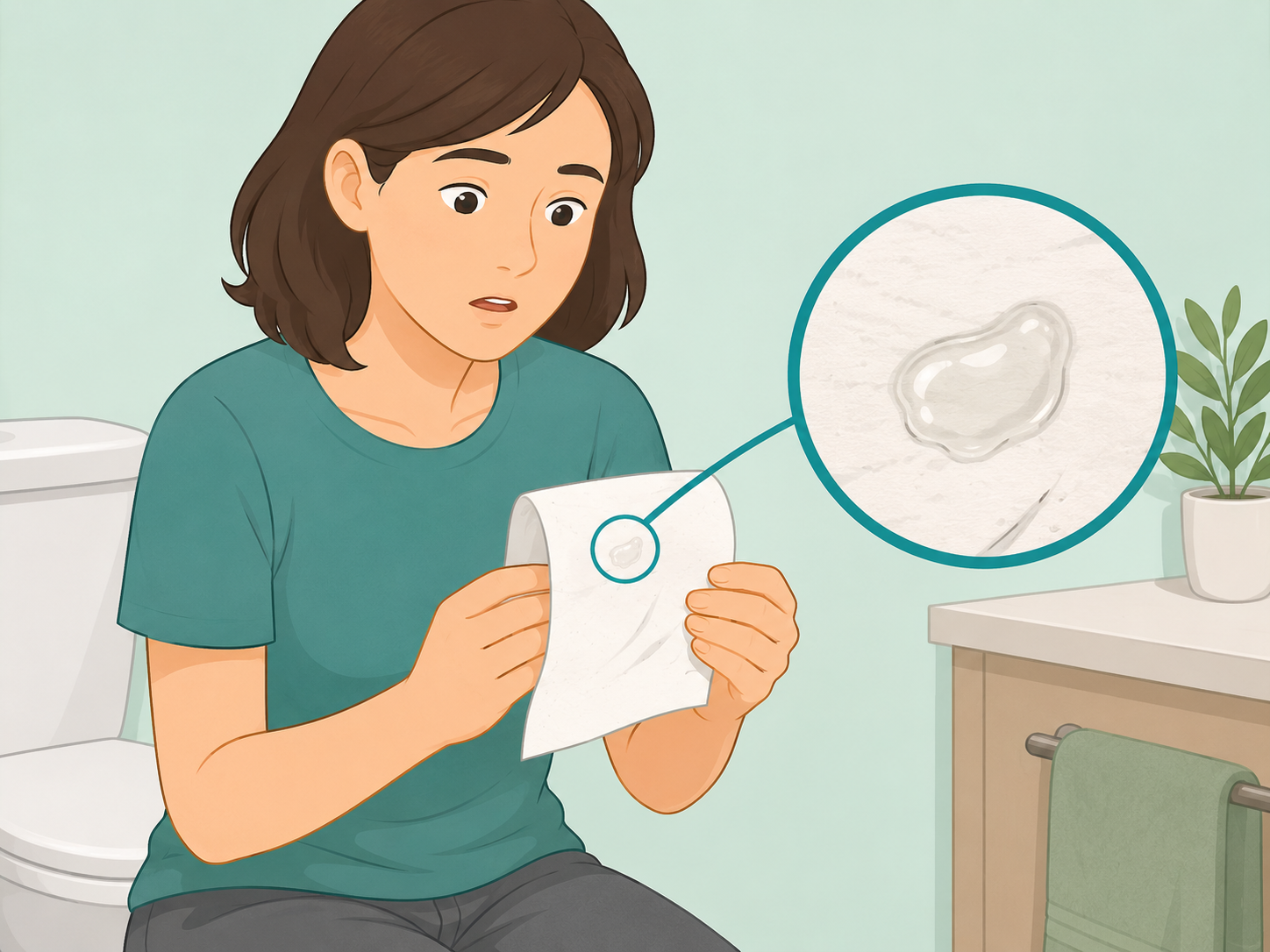
Watch for unusual mucus with stool
A small amount of mucus can be normal, but a new or increased amount of jelly-like mucus is worth noting. The NHS says larger bowel polyps can rarely cause mucus or blood in stool, especially along with other bowel changes.
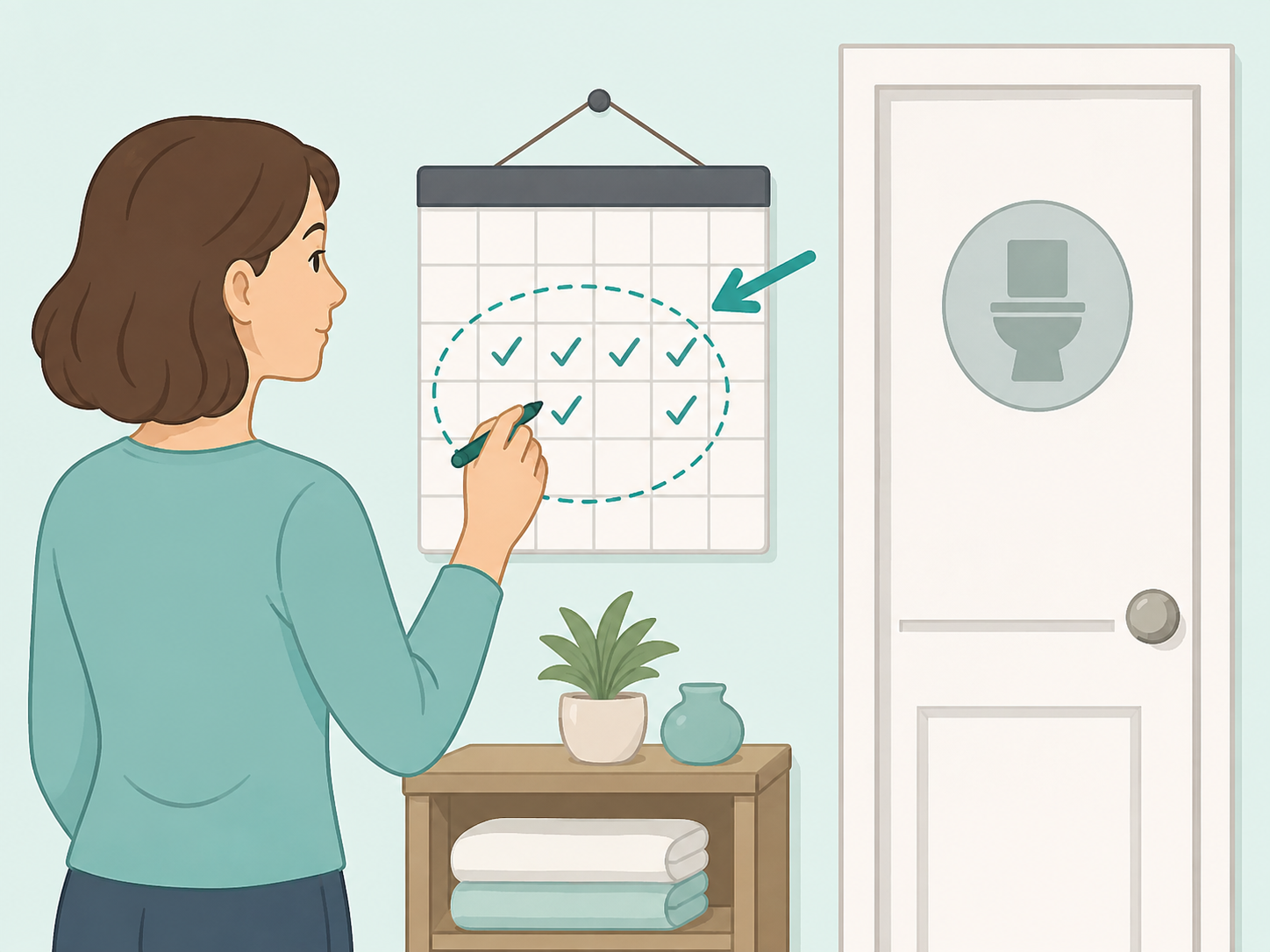
Track diarrhea, constipation, or incomplete emptying
Write down bowel changes that last more than a few days, especially diarrhea, constipation, or feeling that you still need to go after a bowel movement. The CDC lists changes in bowel habits and a feeling that the bowel does not empty as symptoms to discuss with a doctor.
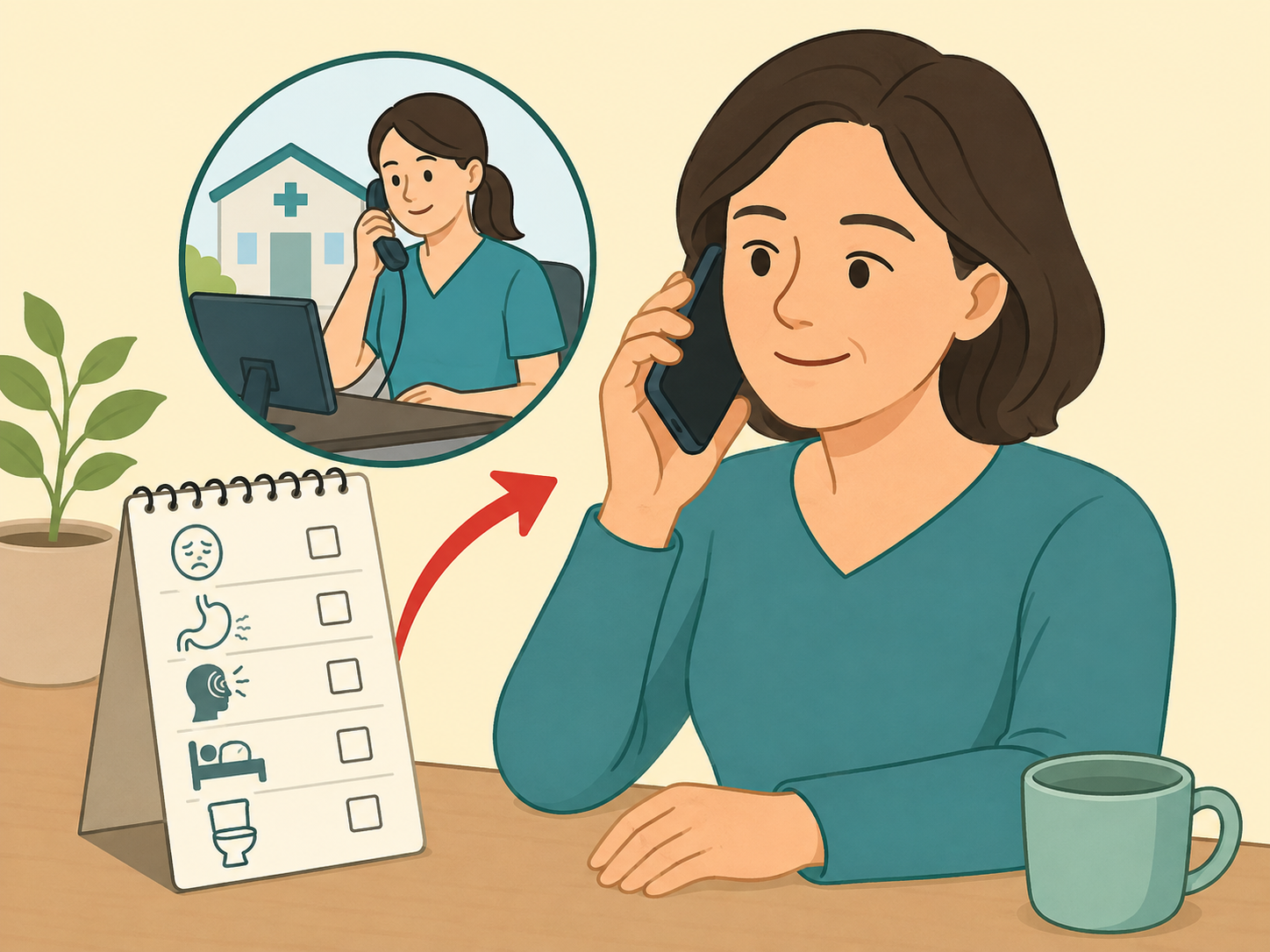
Call a doctor if symptoms persist or bleeding appears
Make an appointment if you see blood in your stool, have belly pain, lose weight without trying, or have bowel habit changes that last longer than a week. Mayo Clinic recommends seeing a health professional for these symptoms.
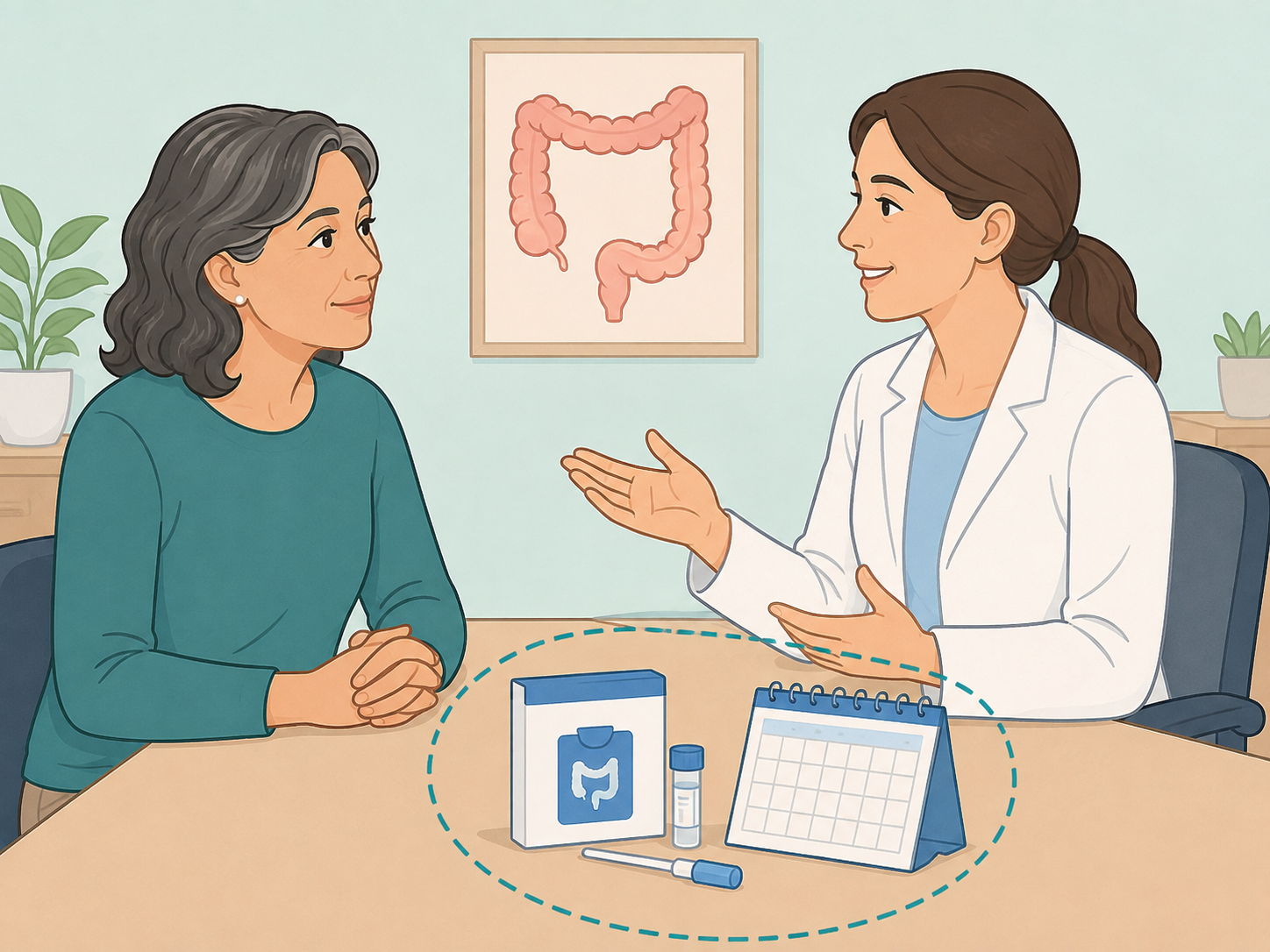
Ask about screening even if you feel fine
Screening is important because polyps and colorectal cancer may not cause symptoms at first. The CDC recommends colorectal cancer screening for most adults from age 45 to 75, with earlier or more frequent screening for some people at higher risk.
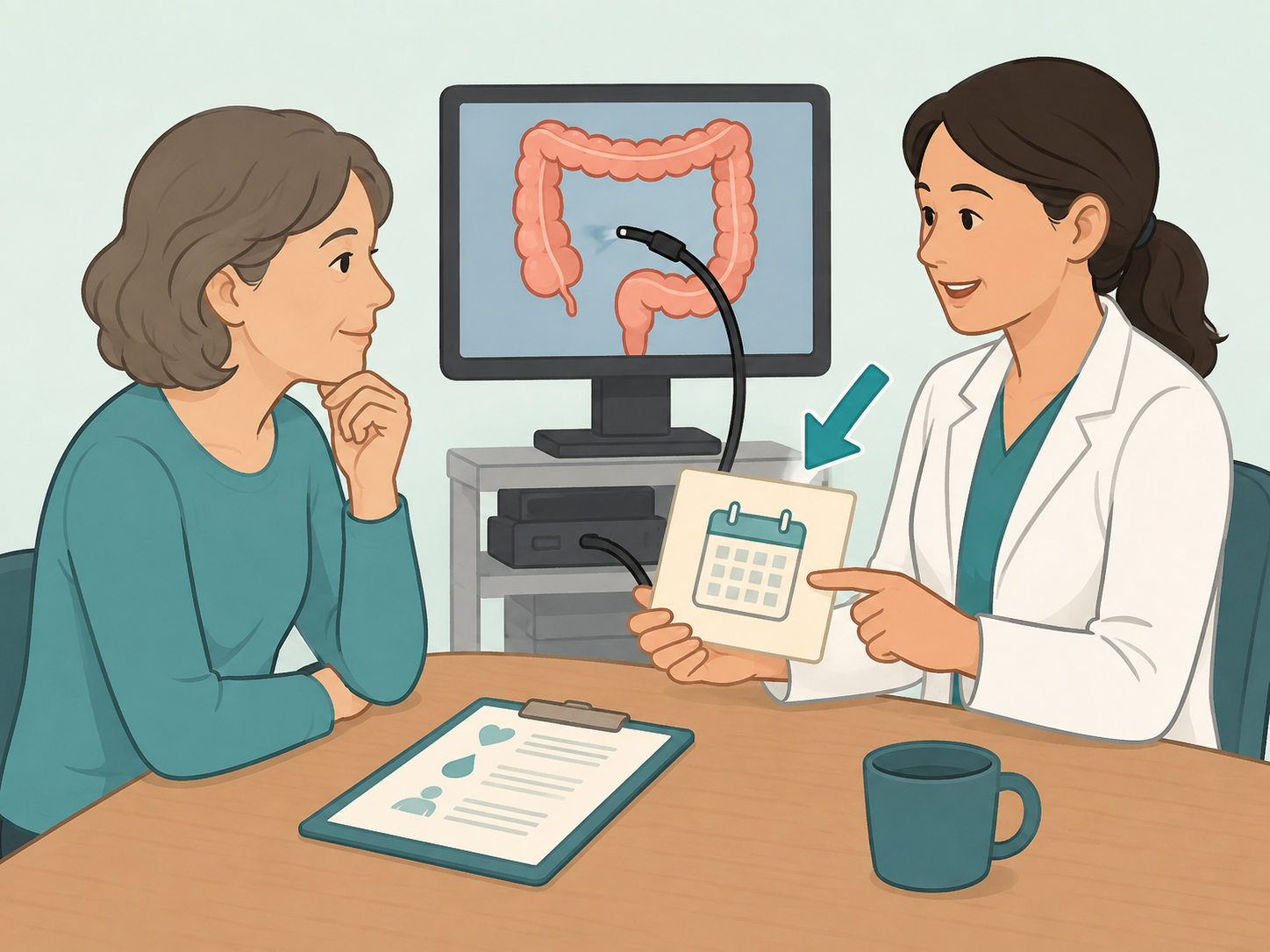
Follow through on colonoscopy or test results
If a stool test is abnormal or a doctor recommends a colonoscopy, schedule the follow-up instead of waiting for symptoms to change. Colonoscopy can examine the colon and remove many polyps during the same procedure.
Summary
The bottom line: do not try to diagnose colon polyps from symptoms alone. If you notice blood, black or dark red stool, unusual mucus, or bowel habit changes that last, contact a health professional and keep up with colorectal cancer screening.
Frequently Asked Questions
- Can you feel colon polyps during a bowel movement?
Usually, no. Mayo Clinic explains that most people with colon polyps have no symptoms, which is why screening matters.
- Does blood in stool always mean colon polyps or cancer?
No. Blood can come from several causes, including hemorrhoids or small tears, but NIDDK advises contacting a doctor right away if you have rectal bleeding or blood in your stool.
- Which bowel changes should I not ignore?
Call a doctor about blood in or on stool, black or dark red stool, lasting diarrhea or constipation, a feeling that the bowel does not empty, or belly pain that does not go away. The CDC lists these as symptoms that should be checked.
- Can a stool test replace a colonoscopy?
Stool tests are useful screening tools, but an abnormal non-colonoscopy screening test usually needs a colonoscopy to complete the evaluation, according to the CDC screening guidance.
- At what age should average-risk adults start colorectal cancer screening?
The CDC says most adults should start colorectal cancer screening at age 45, while people with higher risk may need to start earlier or screen more often.
- What happens if a doctor finds a colon polyp?
During a colonoscopy, doctors can often remove polyps and send them to a lab for testing. Mayo Clinic notes that follow-up timing depends on the number, size, and lab features of any polyps found.
References
Reliable references aided in composing and refining this content.
- https://www.mayoclinic.org/diseases-conditions/colon-polyps/symptoms-causes/syc-20352875
- https://www.niddk.nih.gov/health-information/digestive-diseases/colon-polyps/symptoms-causes
- https://www.cdc.gov/colorectal-cancer/symptoms/index.html
- https://www.cdc.gov/colorectal-cancer/screening/index.html
- https://www.mayoclinic.org/tests-procedures/colonoscopy/about/pac-20393569
- https://www.nhs.uk/conditions/bowel-polyps