
 Pin it
Dates, including dried dates, fresh dates, and Medjool dates, can be a useful sweet food in a balanced diet. They provide fiber, minerals, natural carbohydrates, and plant compounds, but they are also calorie-dense and naturally high in sugar. This guide explains how to use dates for realistic health benefits without treating them as a cure or miracle beauty food.
Choose whole dates instead of date sweets
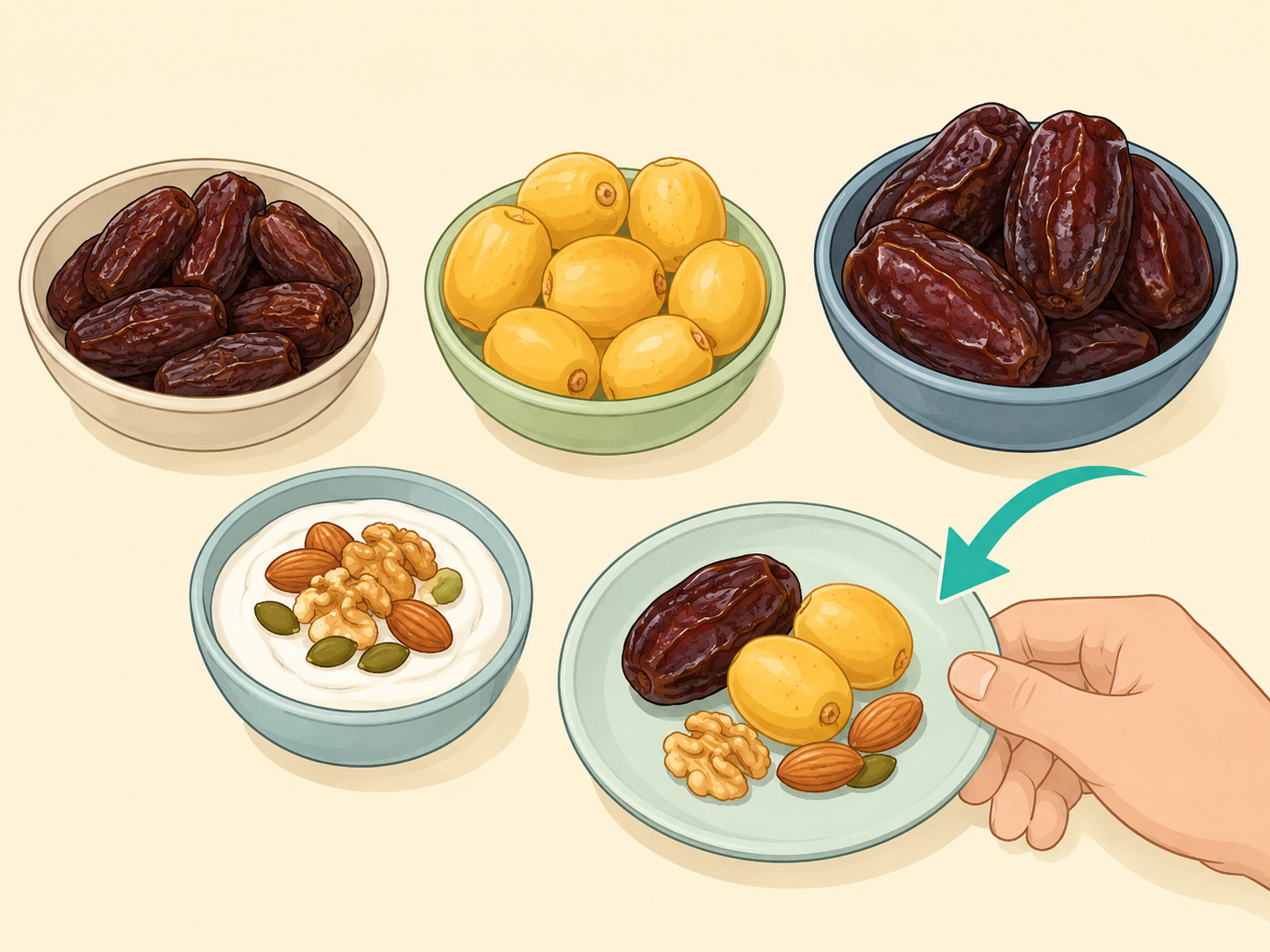
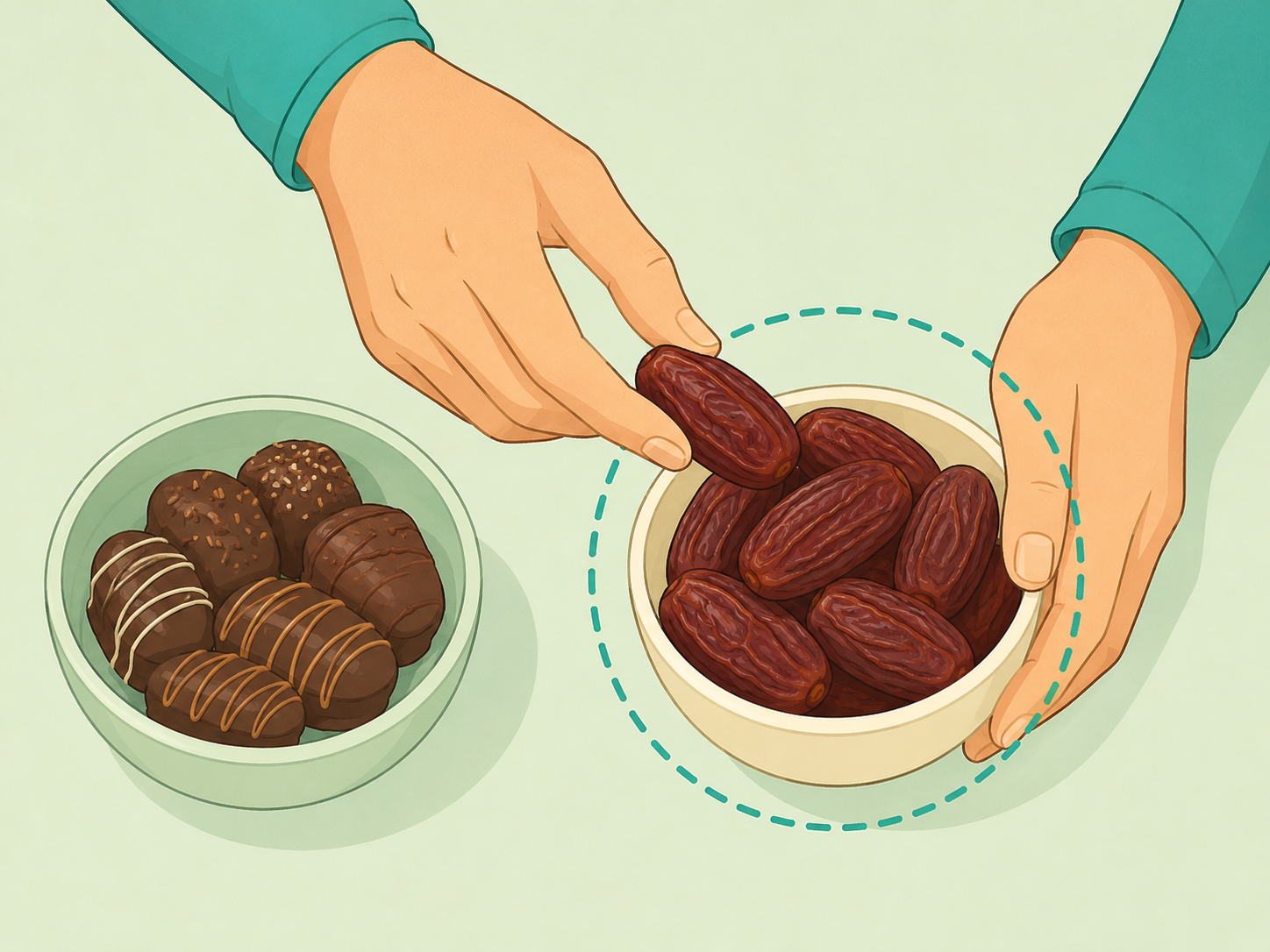
Start with plain whole dates, whether they are dried, fresh, Medjool, or Deglet Noor. Dates provide fiber, vitamin B6, potassium, magnesium, and other minerals, according to the American Heart Association and Cleveland Clinic. Avoid candied dates, chocolate-covered dates, and date products with added syrups if your goal is everyday nutrition.
Keep your portion modest
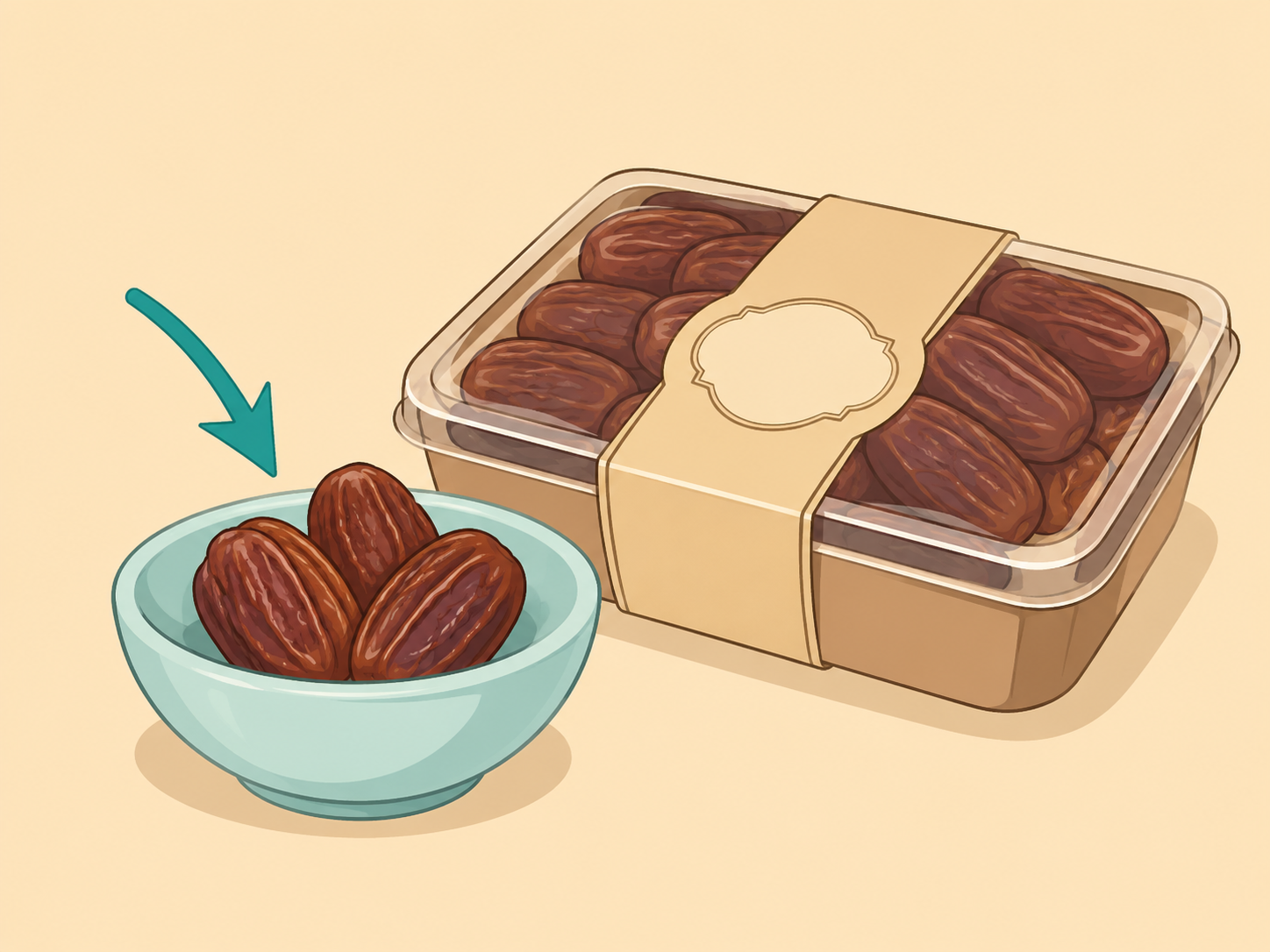
Treat dates as a concentrated fruit, not an unlimited health food. One Medjool date can contain about 16 grams of natural sugar, so a small serving can satisfy sweetness without turning into a large sugar load. Put your portion in a bowl instead of eating from the package so it is easier to stop.
Use dates to add fiber for digestion
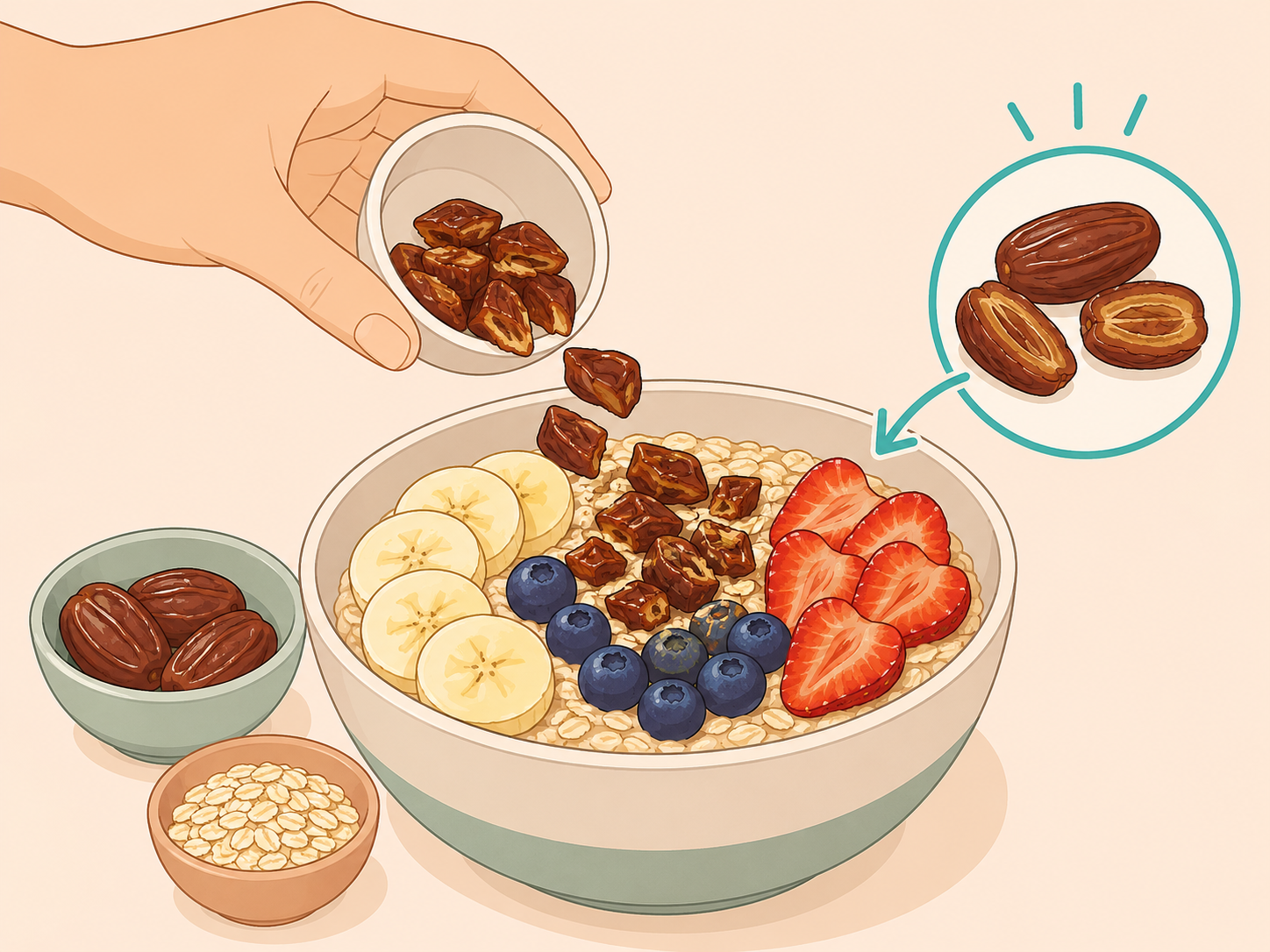
Dates can help you add more dietary fiber to meals and snacks. Fiber supports bowel regularity and may help prevent or relieve constipation, as explained by Mayo Clinic and MedlinePlus. Increase fiber gradually and drink water, because adding too much fiber too quickly can cause gas, bloating, or cramps.
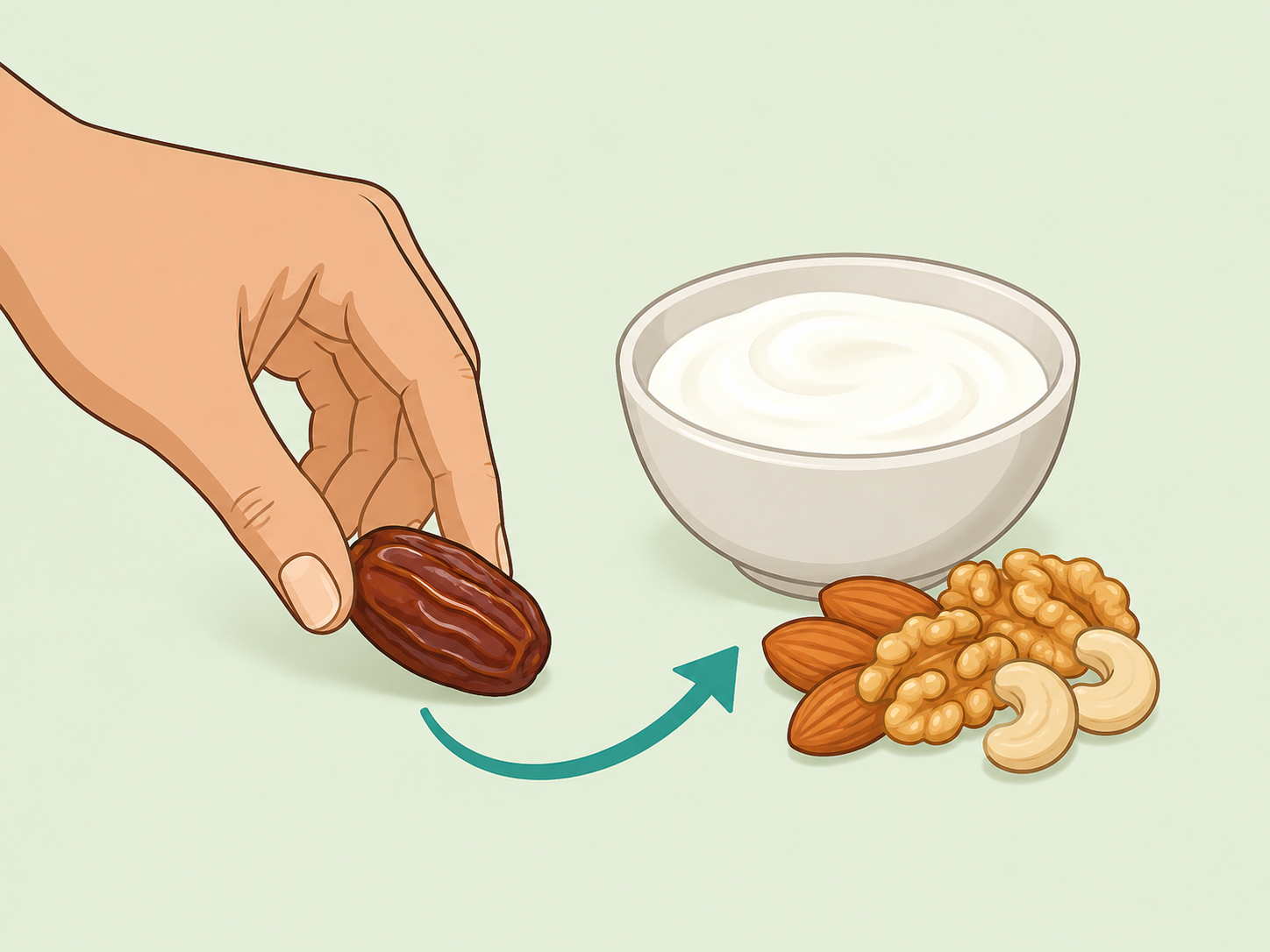
Pair dates with protein or fat
Eat dates with foods such as plain yogurt, nuts, seeds, or nut butter when you want a steadier snack. The CDC explains that sugars and starches raise blood sugar while fiber does not, so pairing carbohydrate foods thoughtfully can make portions easier to manage. This is especially useful if you notice hunger or energy dips after eating sweet foods alone.
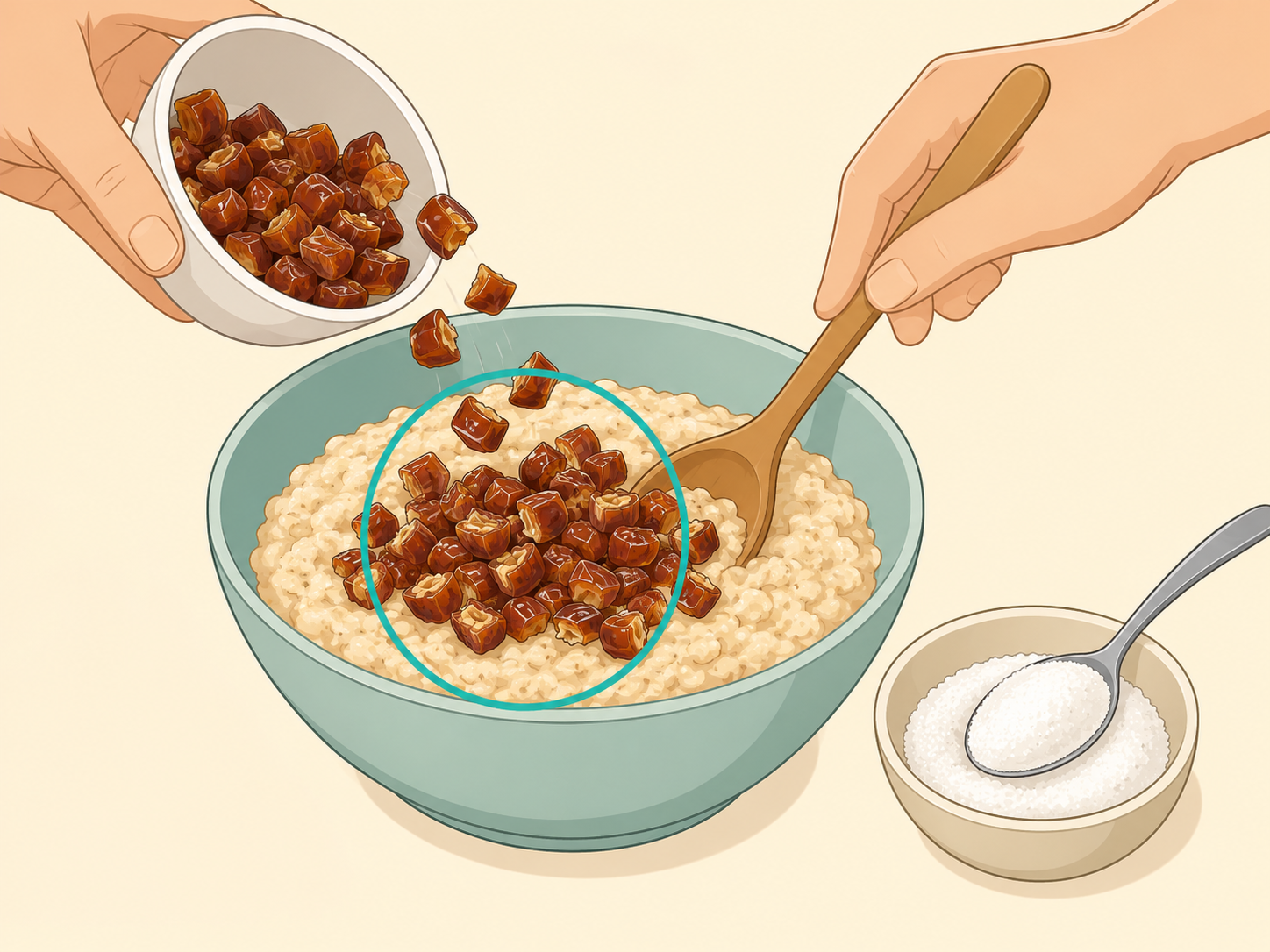
Swap dates for refined sweets when it fits
Use chopped dates or date paste when you want sweetness plus some fiber and minerals. This can be a better choice than candy or refined sugar in some snacks, but it is still a source of carbohydrates and calories. Keep the rest of the meal balanced instead of adding dates on top of other sweeteners.
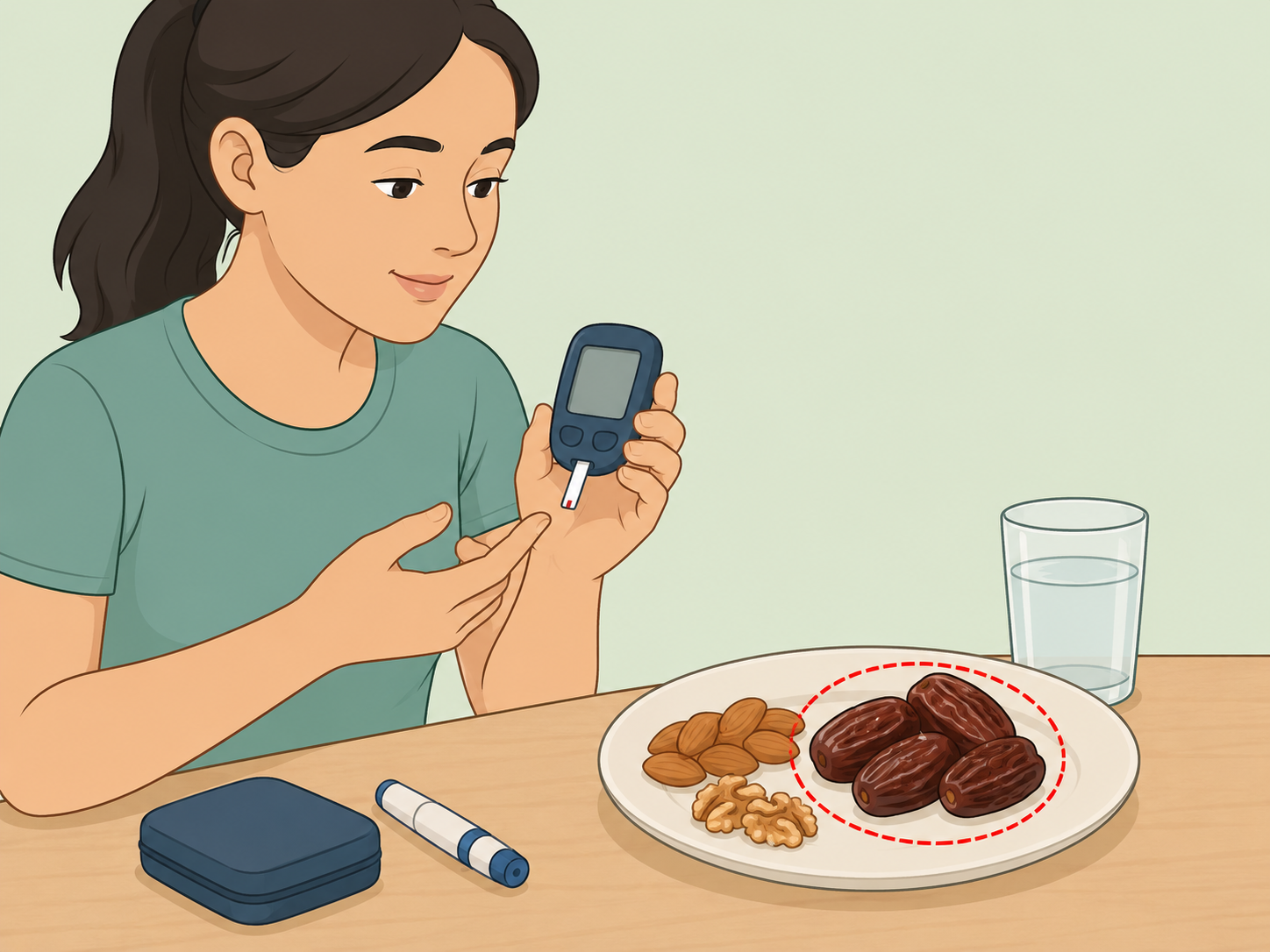
Count carbohydrates if you have diabetes
If you have diabetes, prediabetes, or gestational diabetes, include dates in your carbohydrate count and check how your own body responds. A 2023 narrative review found that date varieties have varying glycemic index values and that the evidence is limited by study size and duration. A randomized clinical trial in people with type 2 diabetes found no harmful effect on glycemic control from 60 grams daily over 12 weeks, but it did not show broad therapeutic benefits either.
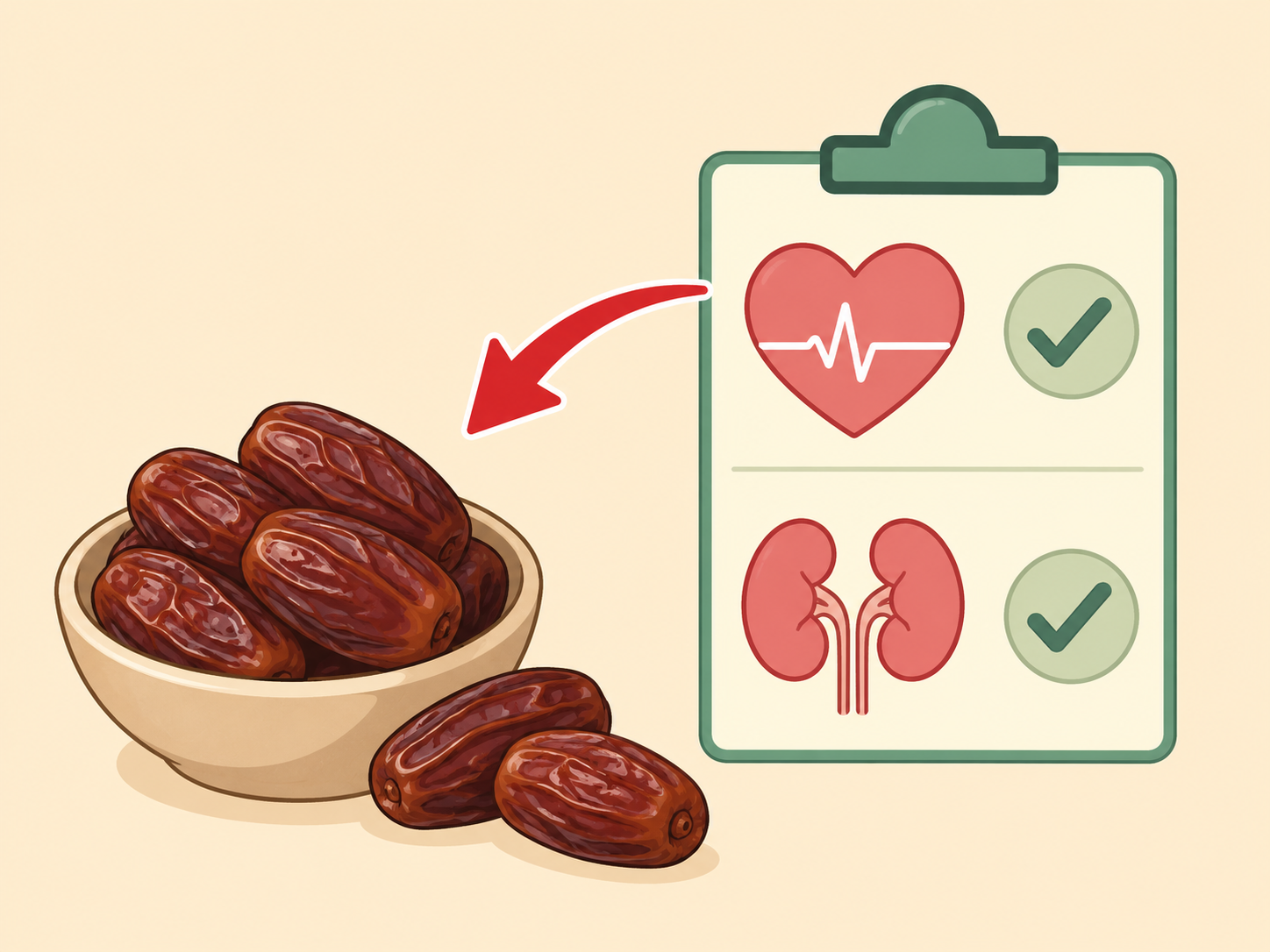
Use potassium benefits cautiously
Dates can contribute potassium, a mineral involved in blood pressure control and sodium balance. The American Heart Association notes that potassium-rich foods may help manage high blood pressure for some adults, but too much potassium can be harmful for people with kidney disease or certain medications. Do not use dates or potassium-rich foods as a substitute for prescribed blood pressure treatment.
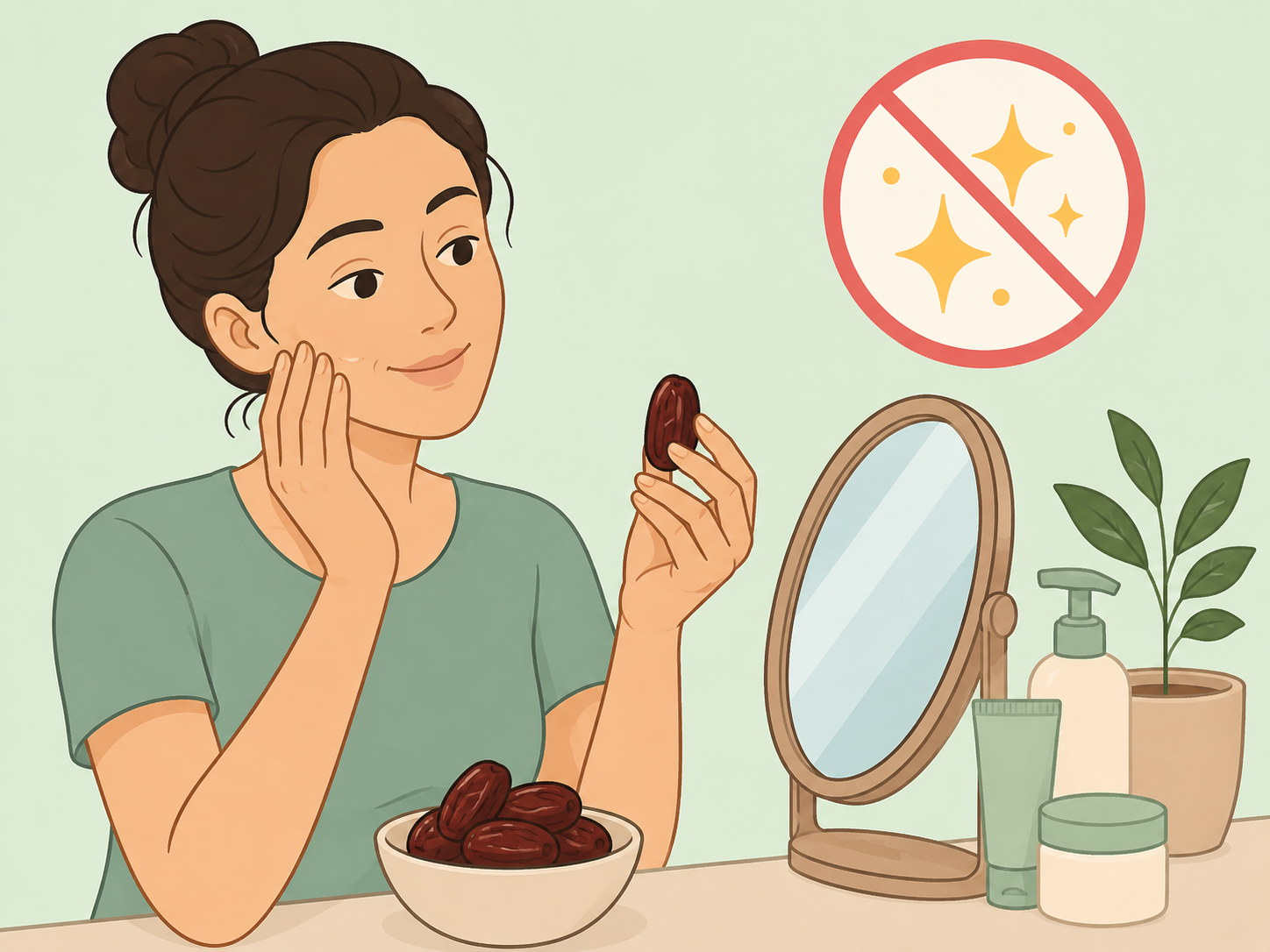
Be realistic about beauty claims
Dates contain antioxidants and plant compounds, and research reviews describe dates as a source of phenolics, flavonoids, carotenoids, and other bioactive compounds. That does not mean eating dates will erase wrinkles, cure acne, or replace sunscreen and evidence-based skin care. Think of dates as a nourishing food that can support overall diet quality, not as a proven anti-aging treatment.

See a doctor for diet-sensitive conditions
Talk to a doctor, registered dietitian, or qualified health professional before making dates a daily habit if you have diabetes, kidney disease, a potassium-restricted diet, digestive disorders, food allergies, or trouble managing blood sugar. Also get medical advice if dates seem to trigger repeated stomach pain, diarrhea, constipation, or unusual symptoms. Food choices can support health, but they should fit your personal medical needs.
Summary
The bottom line: dates are a nutrient-rich fruit that can support digestion, potassium intake, and a healthier sweet swap when portions are modest. Enjoy them with balanced meals, count the carbohydrates if needed, and ask a health professional if you have diabetes, kidney disease, or another condition that affects your diet.
Frequently Asked Questions
- Are dried dates as healthy as fresh dates?
- Dried and fresh dates both provide fiber, minerals, and natural sugars. Dried dates are more concentrated by weight because much of the water has been removed, so portions matter more.
- Are Medjool dates dried or fresh?
- Medjool dates are often sold soft and are commonly described as a fresh date variety, even though they can look like dried fruit. They are larger than many Deglet Noor dates, so count them by portion rather than assuming one date is always the same size.
- How many dates should I eat per day?
- There is no proven perfect number. For many adults, 1 to 3 dates can fit as a snack or sweetener, but your best portion depends on your calorie needs, carbohydrate goals, activity level, and medical history.
- Can dates help constipation?
- Dates can contribute dietary fiber, and fiber-rich foods can help prevent or relieve constipation when added gradually with enough fluids. See a health professional if constipation is persistent, painful, or comes with blood, vomiting, or no bowel movement for several days.
- Are dates safe for people with diabetes?
- Dates contain carbohydrates and natural sugars, so people with diabetes should count them in their meal plan. Some studies suggest dates may fit safely in controlled portions, but individual blood sugar responses vary.
- Do dates improve skin or make you look younger?
- Dates contain antioxidants and nutrients, but eating dates has not been proven to erase wrinkles or replace skin care, sunscreen, sleep, or medical treatment. Treat any beauty claim about dates cautiously.
References
Reliable references aided in composing and refining this content.
- https://health.clevelandclinic.org/benefits-of-dates
- https://www.heart.org/en/news/2023/03/20/whats-in-a-date-history-health-and-sweetness
- https://www.mayoclinic.org/healthy-lifestyle/nutrition-and-healthy-eating/in-depth/fiber/art-20043983
- https://medlineplus.gov/ency/patientinstructions/000120.htm
- https://www.heart.org/en/health-topics/high-blood-pressure/changes-you-can-make-to-manage-high-blood-pressure/how-potassium-can-help-control-high-blood-pressure
- https://www.cdc.gov/diabetes/healthy-eating/carb-counting-manage-blood-sugar.html
- https://pubmed.ncbi.nlm.nih.gov/36702045
- https://pubmed.ncbi.nlm.nih.gov/36079749