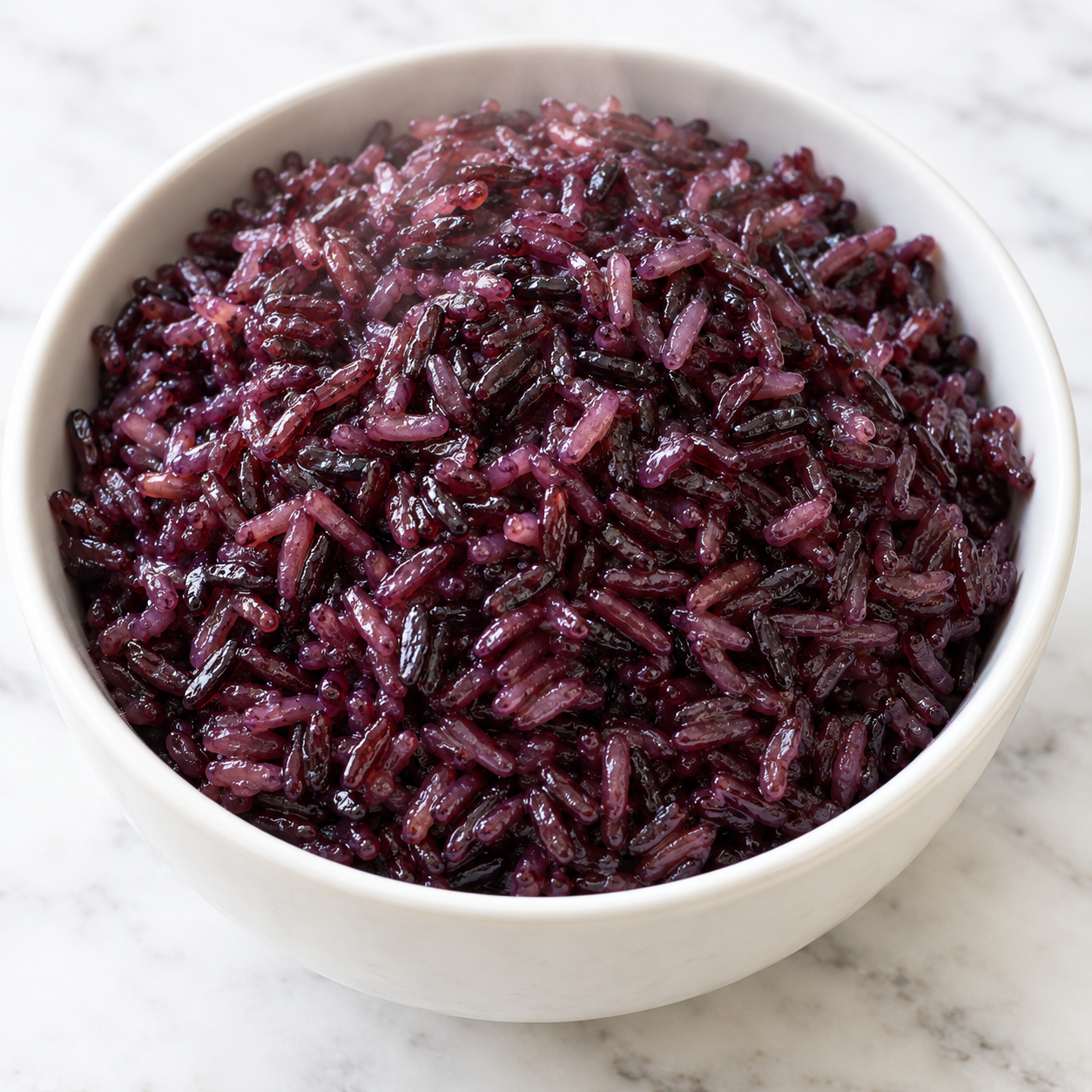
Purple rice is a chewy whole grain rich in anthocyanins, fiber, minerals, and plant compounds that may support heart, gut, and metabolic health.
20 results in this collection. (Page 1 of 2)
Updated on October 14, 2026
Purple rice is a chewy whole grain rich in anthocyanins, fiber, minerals, and plant compounds that may support heart, gut, and metabolic health.
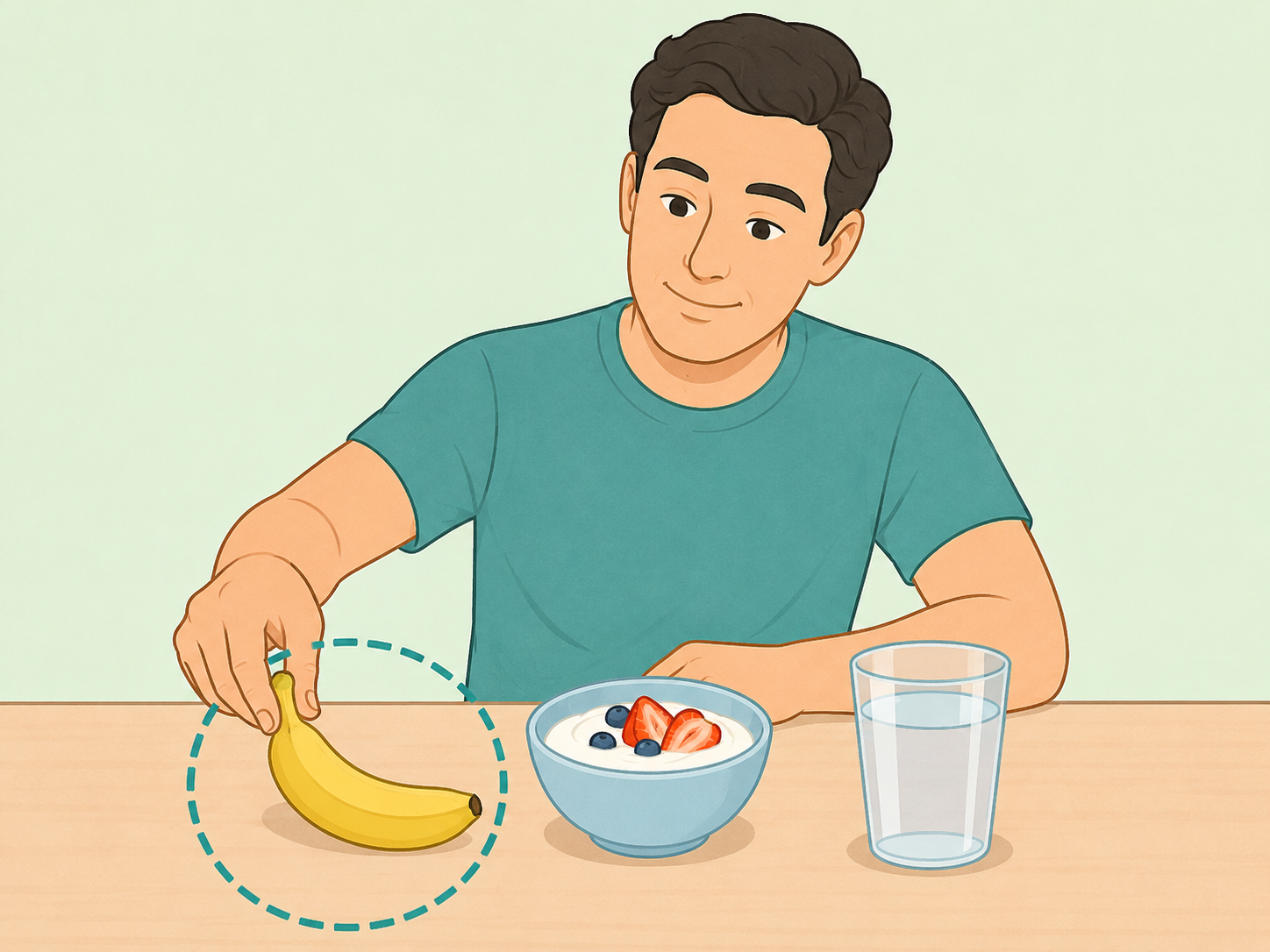
Use bananas as a simple evening snack without turning a healthy fruit into an oversized habit.
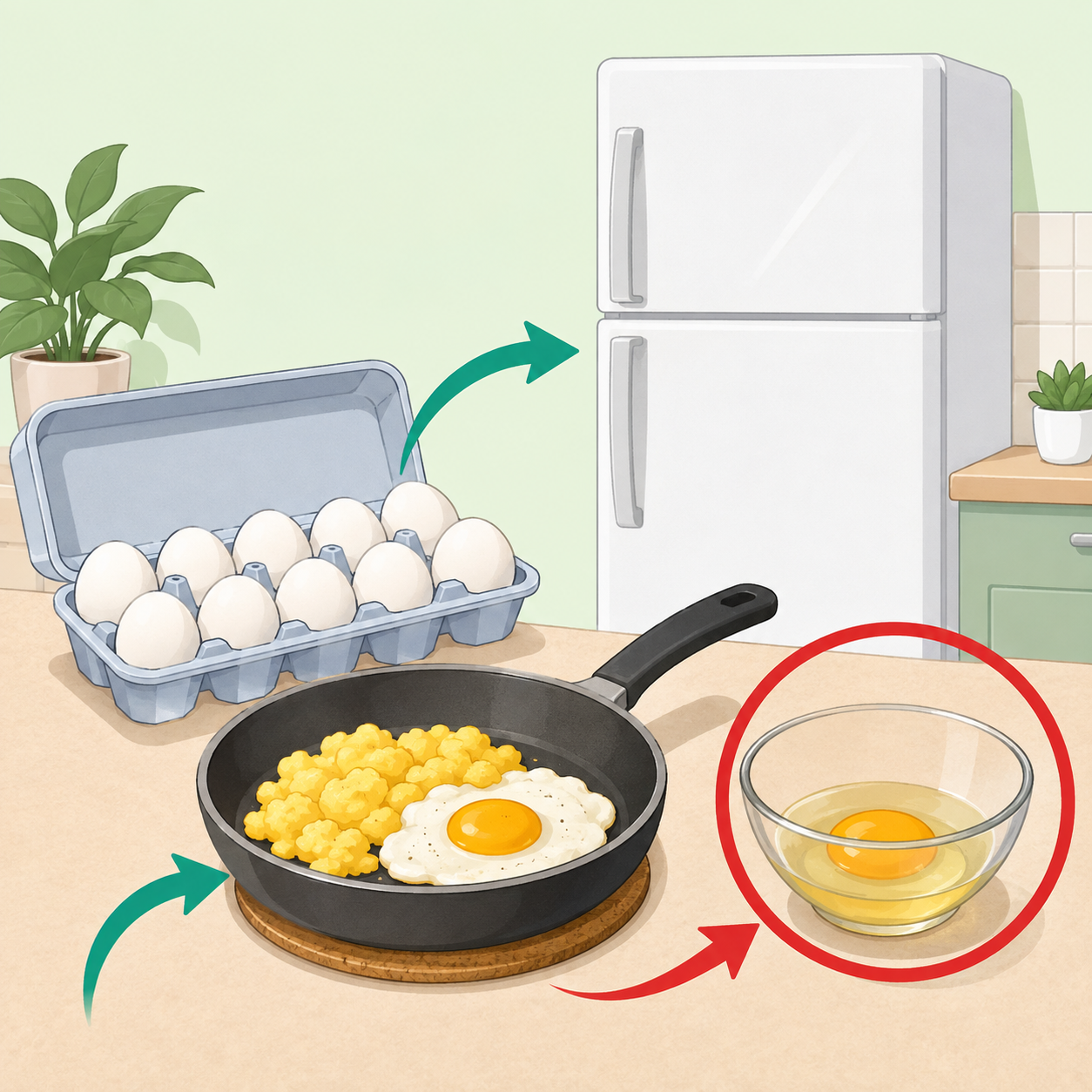
Eggs are not automatically dangerous, but raw, undercooked, poorly stored, or mishandled eggs can raise food-safety risks.
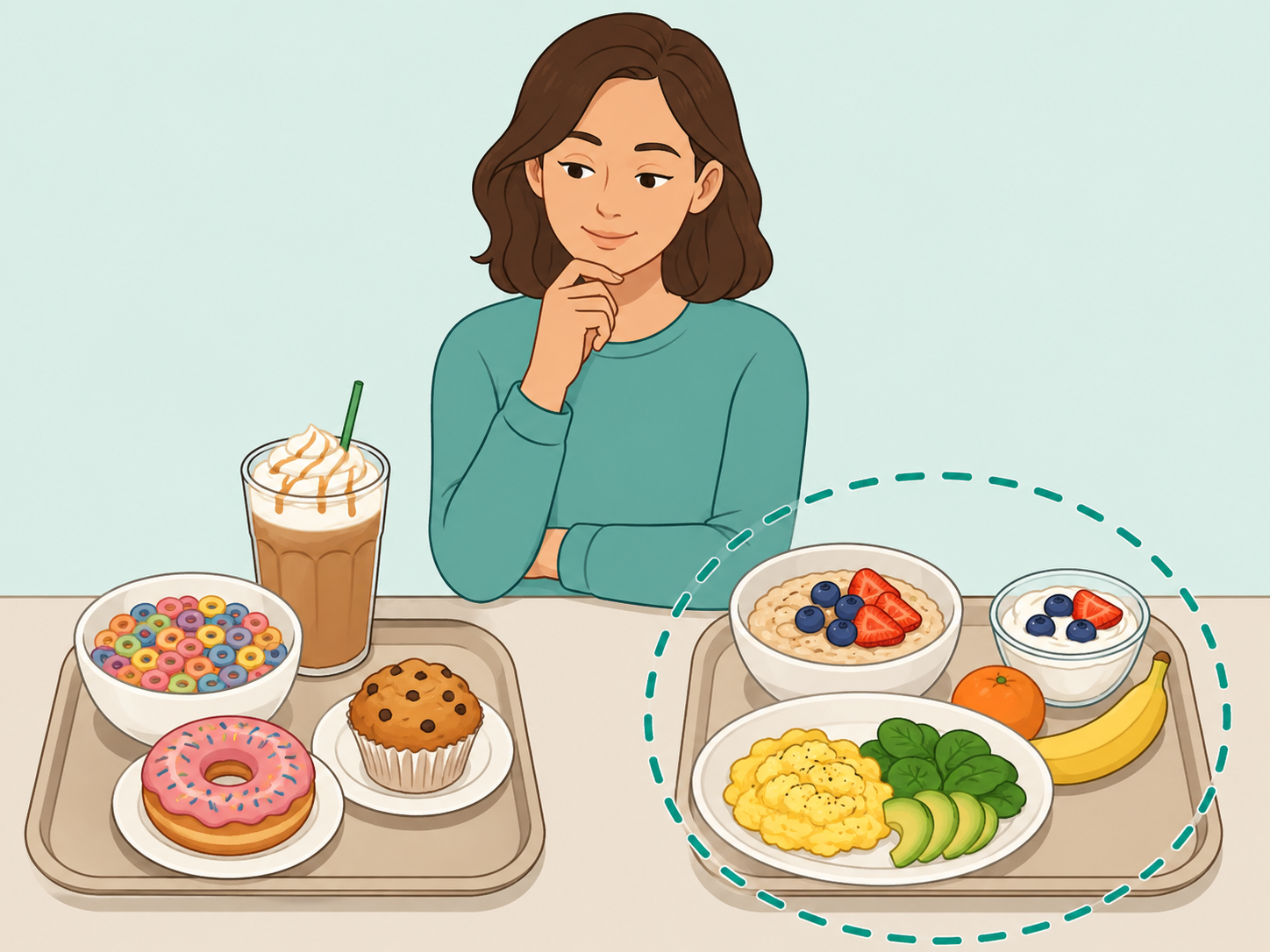
A sugary breakfast does not ruin your skin overnight, but cutting back on added sugar and refined carbs can support steadier mornings and healthier habits.
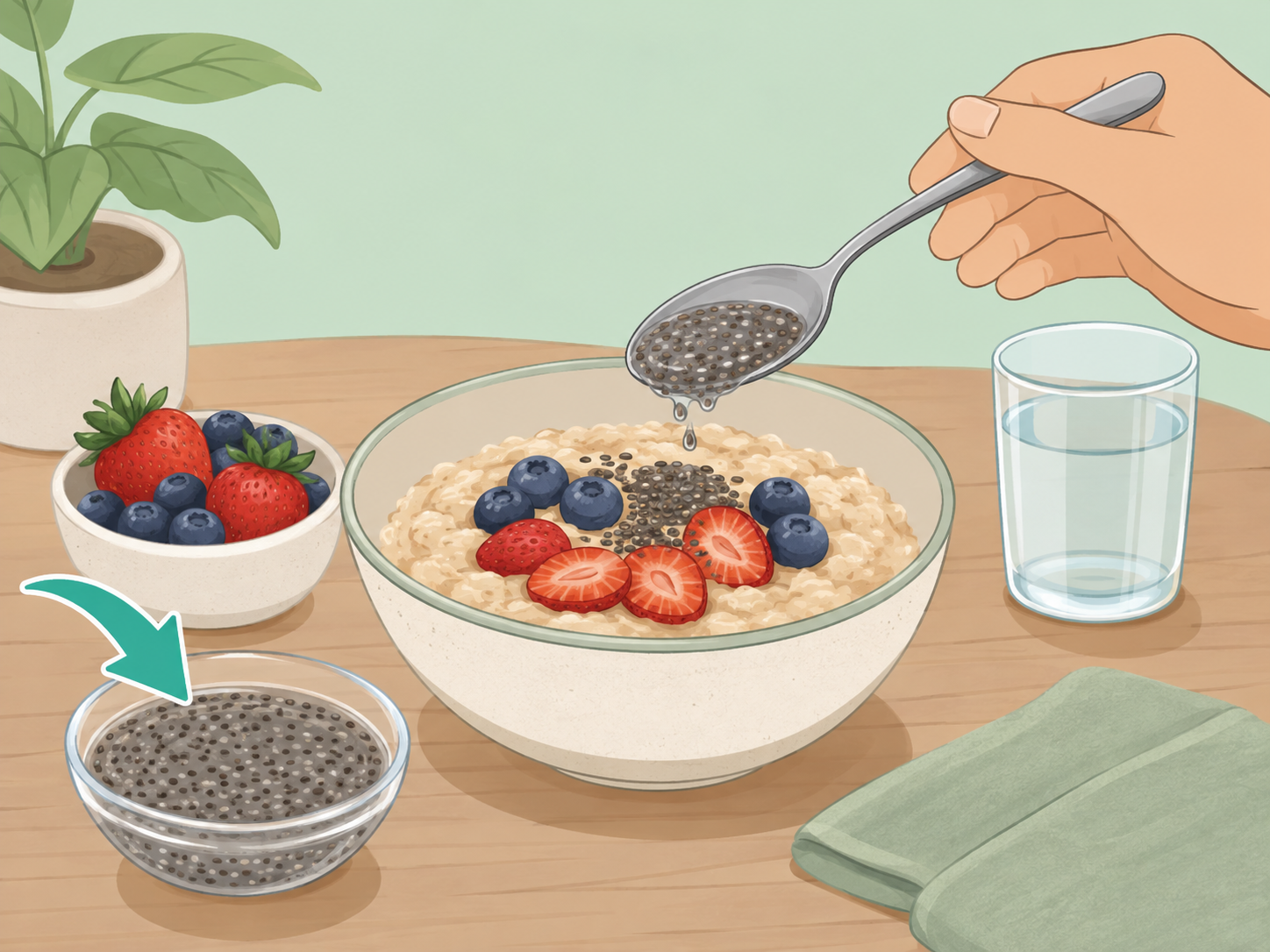
Chia seeds can be a useful, fiber-rich addition to a balanced diet. Here is how to use them safely and keep health and beauty claims realistic.
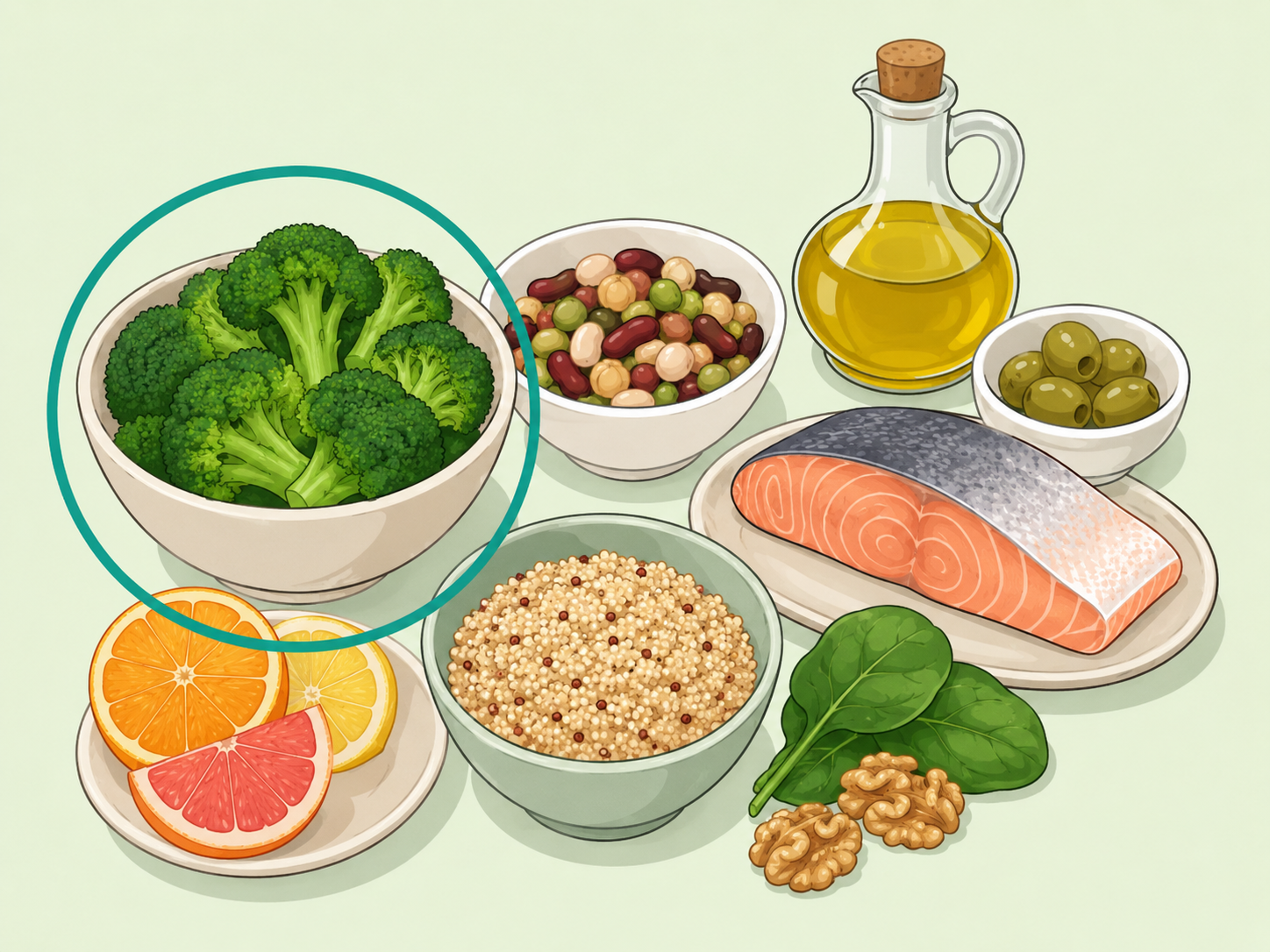
Broccoli can support a balanced, skin-friendly diet, but it is not a beauty cure. Here is how to eat it safely and realistically.
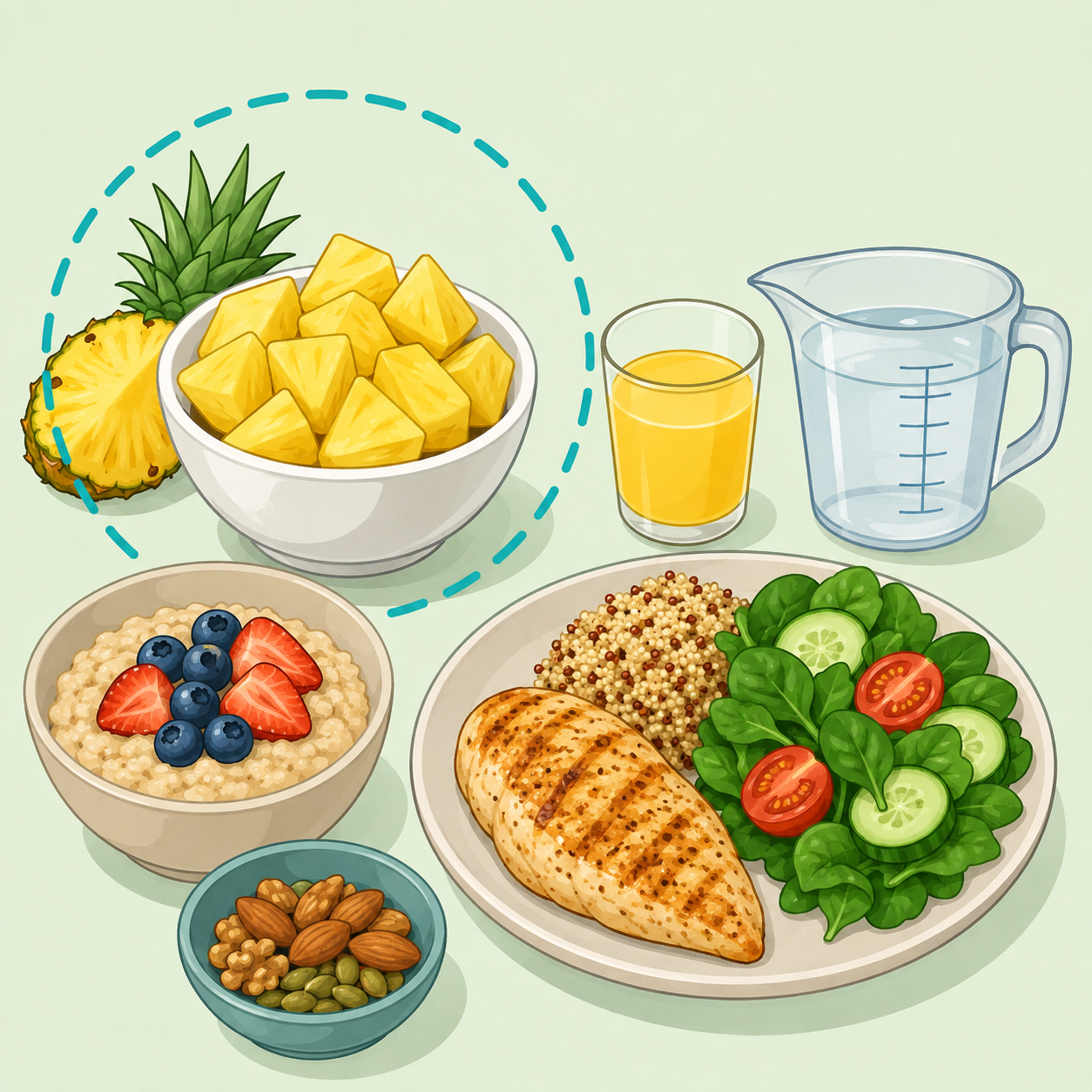
Pineapple can fit into a healthy routine when you keep portions sensible, choose whole fruit often, and treat juice and bromelain claims carefully.
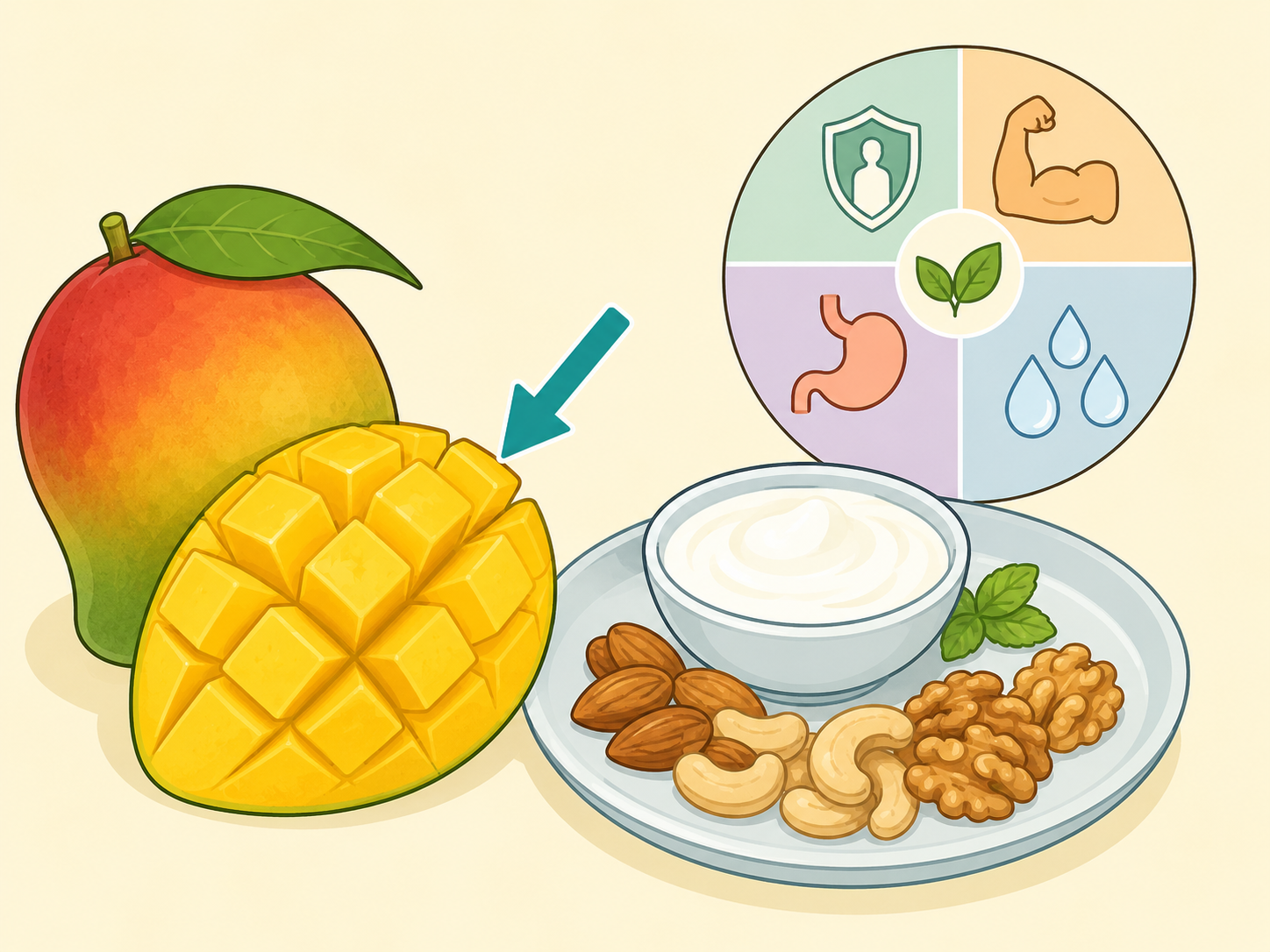
Mango can support a healthy diet with vitamin C, carotenoids, fiber, and natural sweetness, but it is not a cure or beauty treatment.
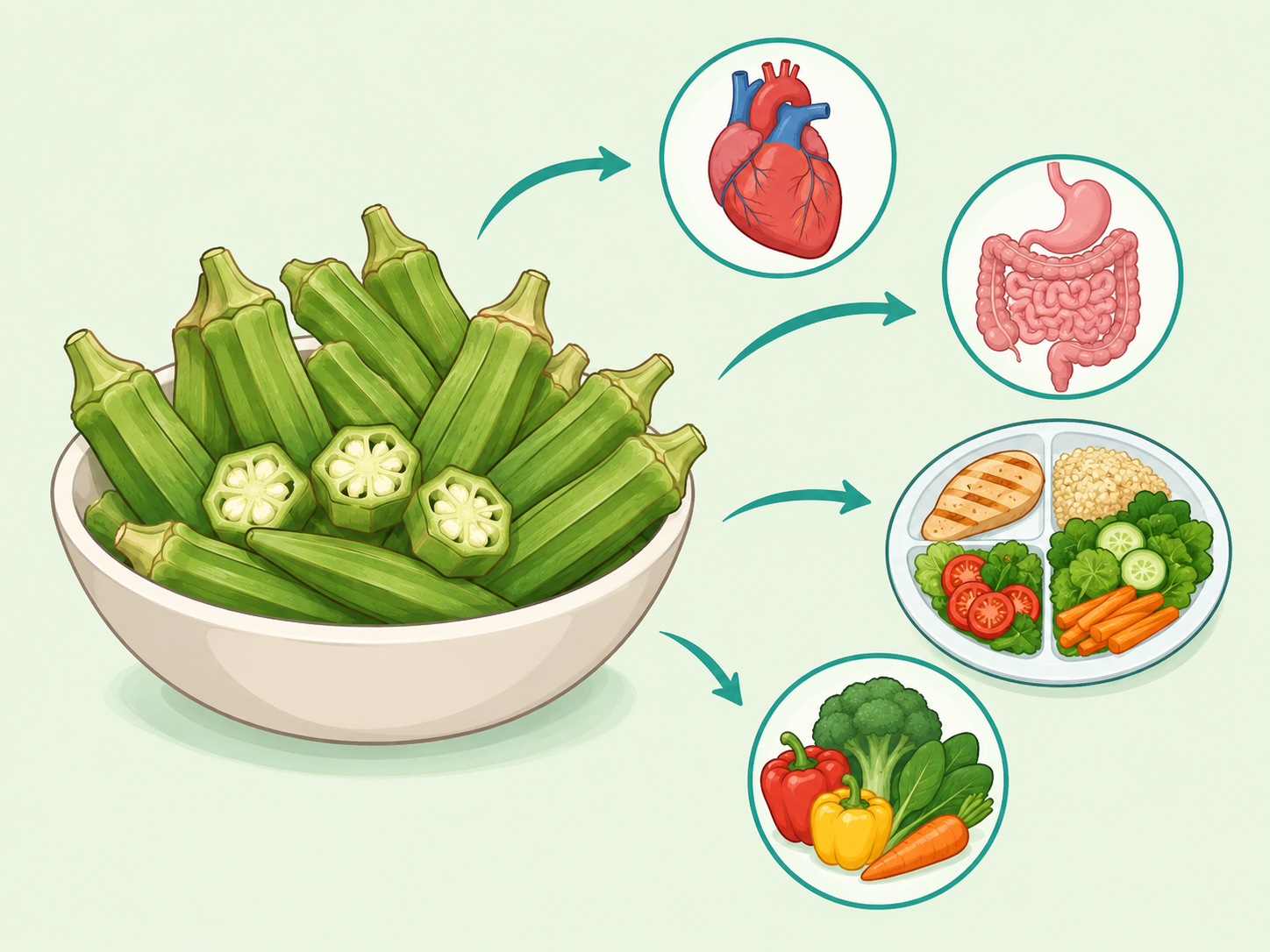
Okra is a low-calorie vegetable with fiber, vitamin C, folate, vitamin K, and minerals. Here is what the science supports and what to be cautious about.
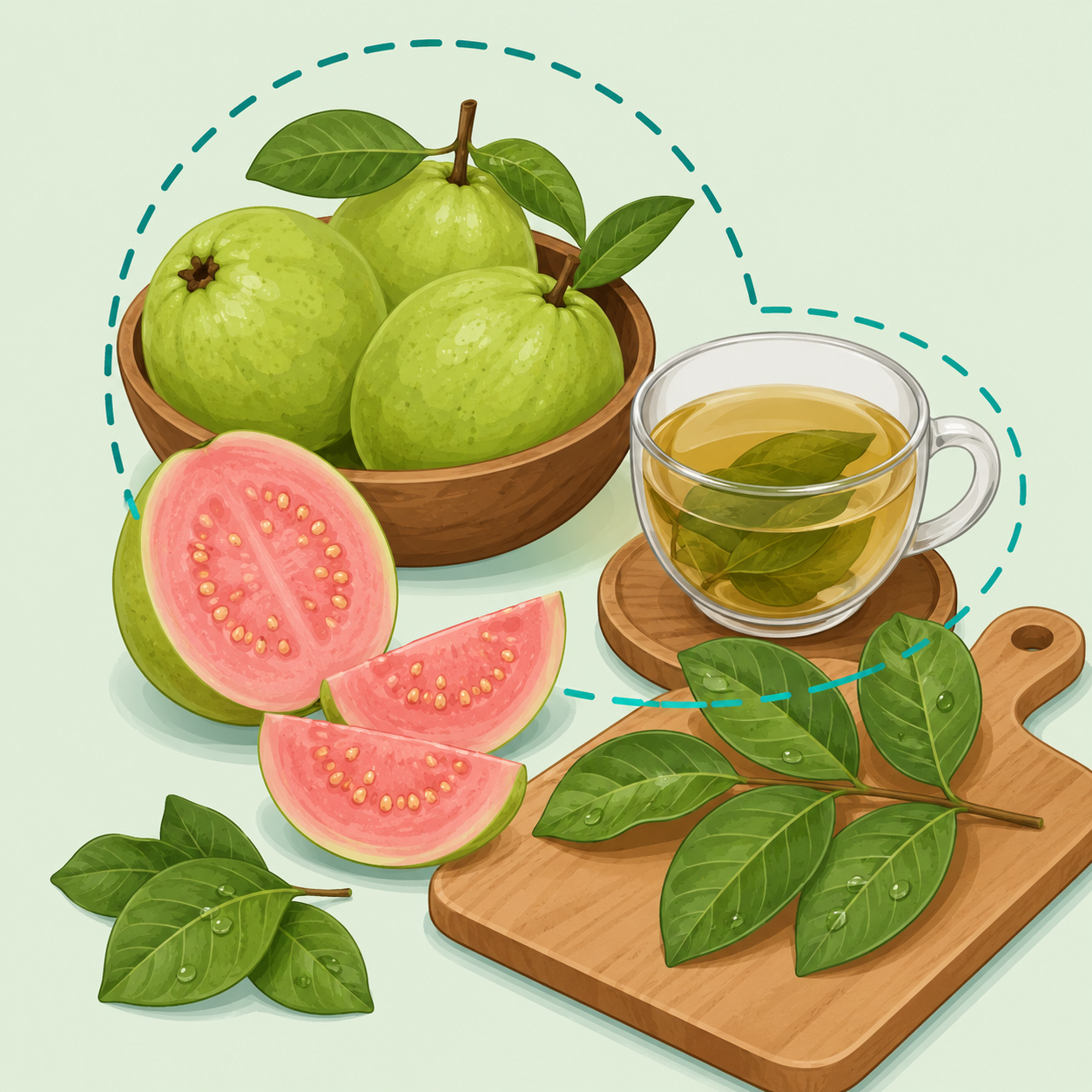
Guava can be a nutritious fruit, and guava leaves are often used as tea. Here is how to enjoy both safely without treating them like medicine.
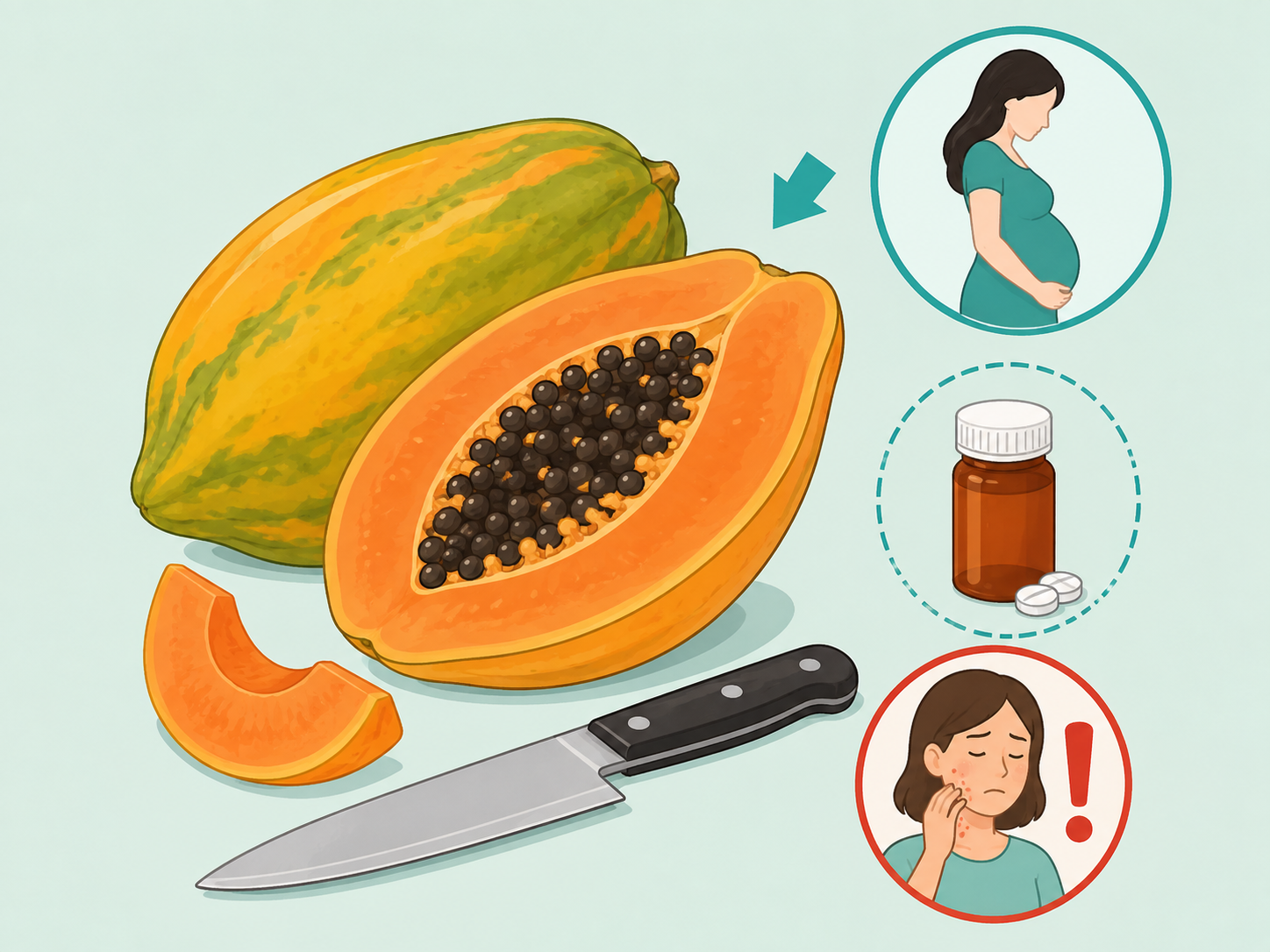
Papaya can be a healthy fruit, but it is not right for everyone. Learn the main risks, safety steps, and when to ask a doctor.
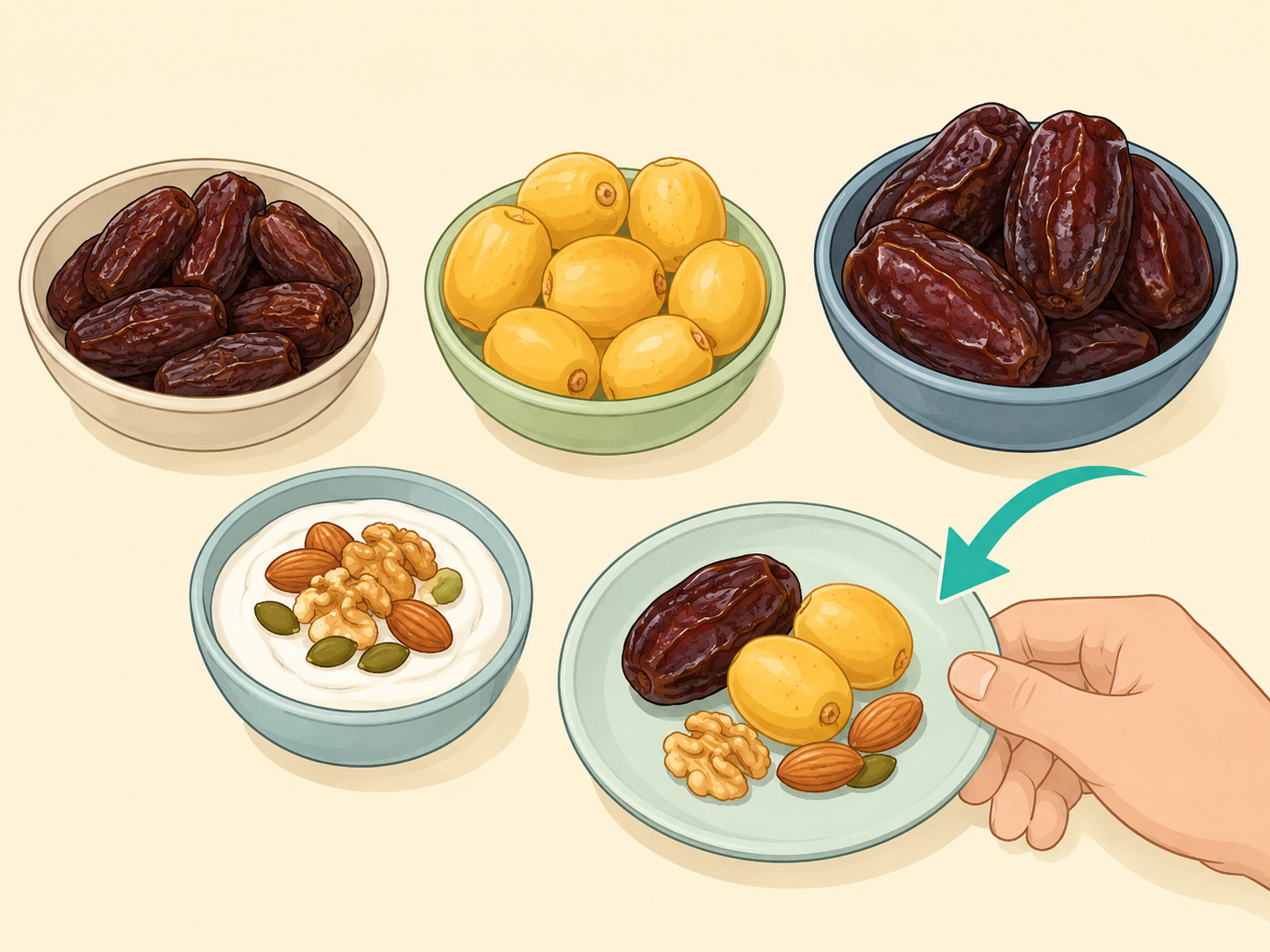
Dates can be a nutritious sweet food when you keep portions sensible and treat them as fruit, not medicine.