
 Pin it
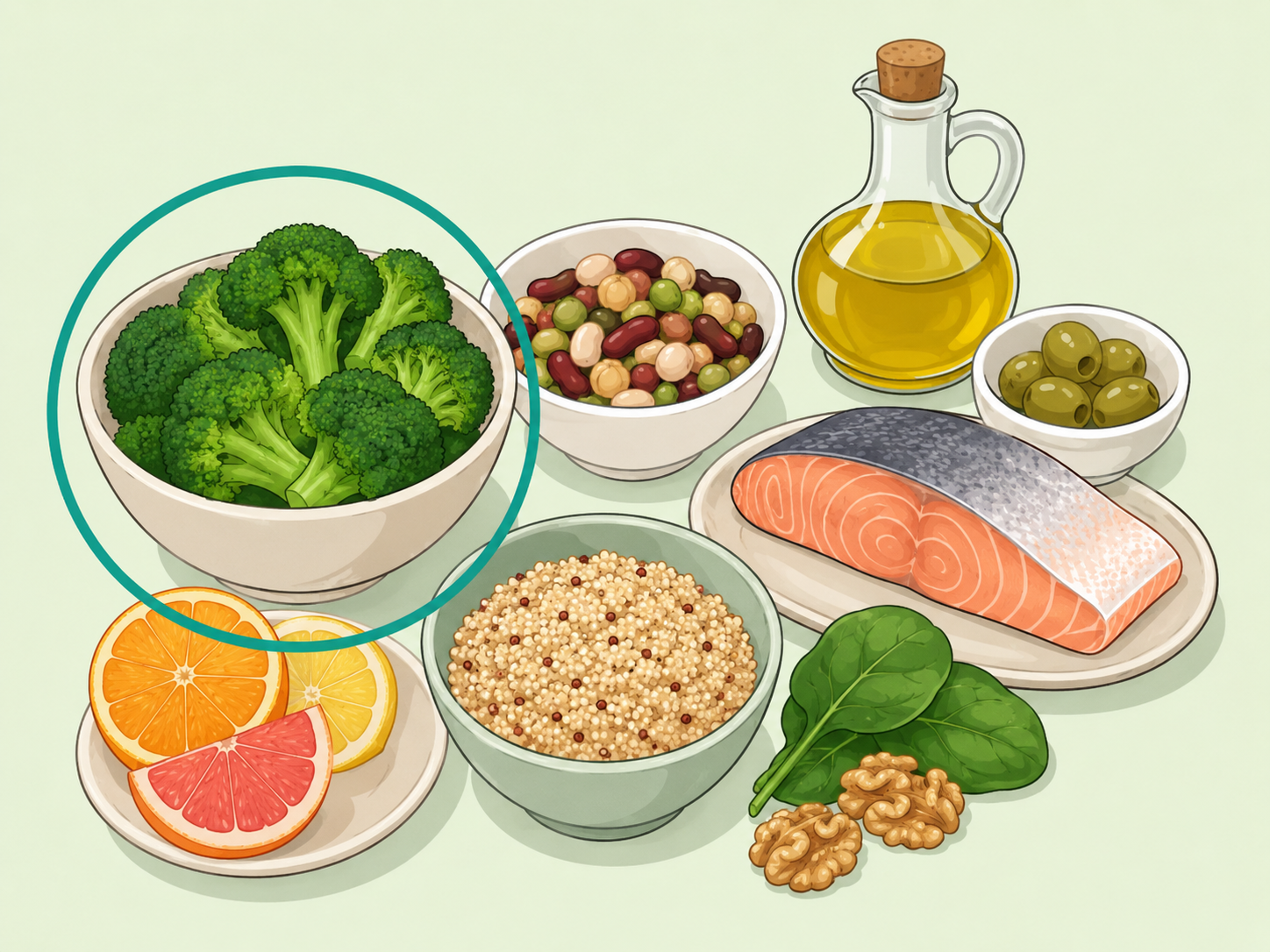
Broccoli is often promoted with dramatic beauty claims, but the reliable message is simpler: it is a nutrient-rich vegetable that can fit into a balanced, skin-friendly diet. It provides vitamin C, fiber, folate, vitamin K, and plant compounds found in cruciferous vegetables. This guide explains how to include broccoli safely, prepare it well, and keep expectations realistic.
Treat broccoli as support, not a beauty cure
Broccoli can be part of a skin-friendly eating pattern because it provides fiber, folate, vitamin C, vitamin K, and other nutrients, but it does not directly cure acne, wrinkles, or hair loss. The American Academy of Dermatology recommends meeting nutrient needs through a balanced diet when possible instead of relying on beauty supplements.
Add broccoli to a varied vegetable routine
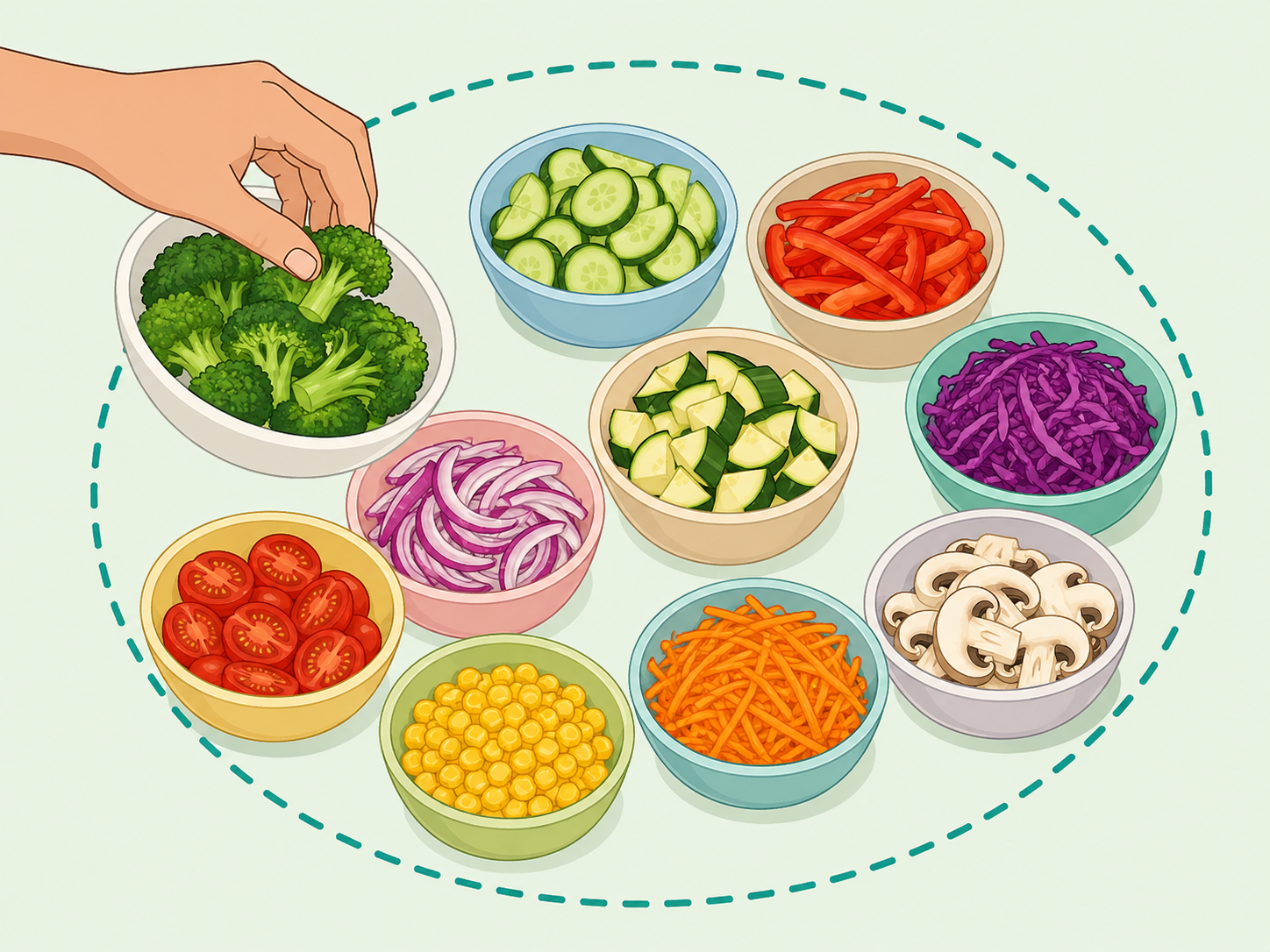
Use broccoli as one vegetable in a wider mix of greens, peppers, carrots, beans, fruit, whole grains, and protein foods. MyPlate counts 1 cup of chopped or floreted broccoli as 1 cup from the vegetable group and recommends varying your vegetables for different nutrients.
Use vitamin C-rich foods to support normal skin function
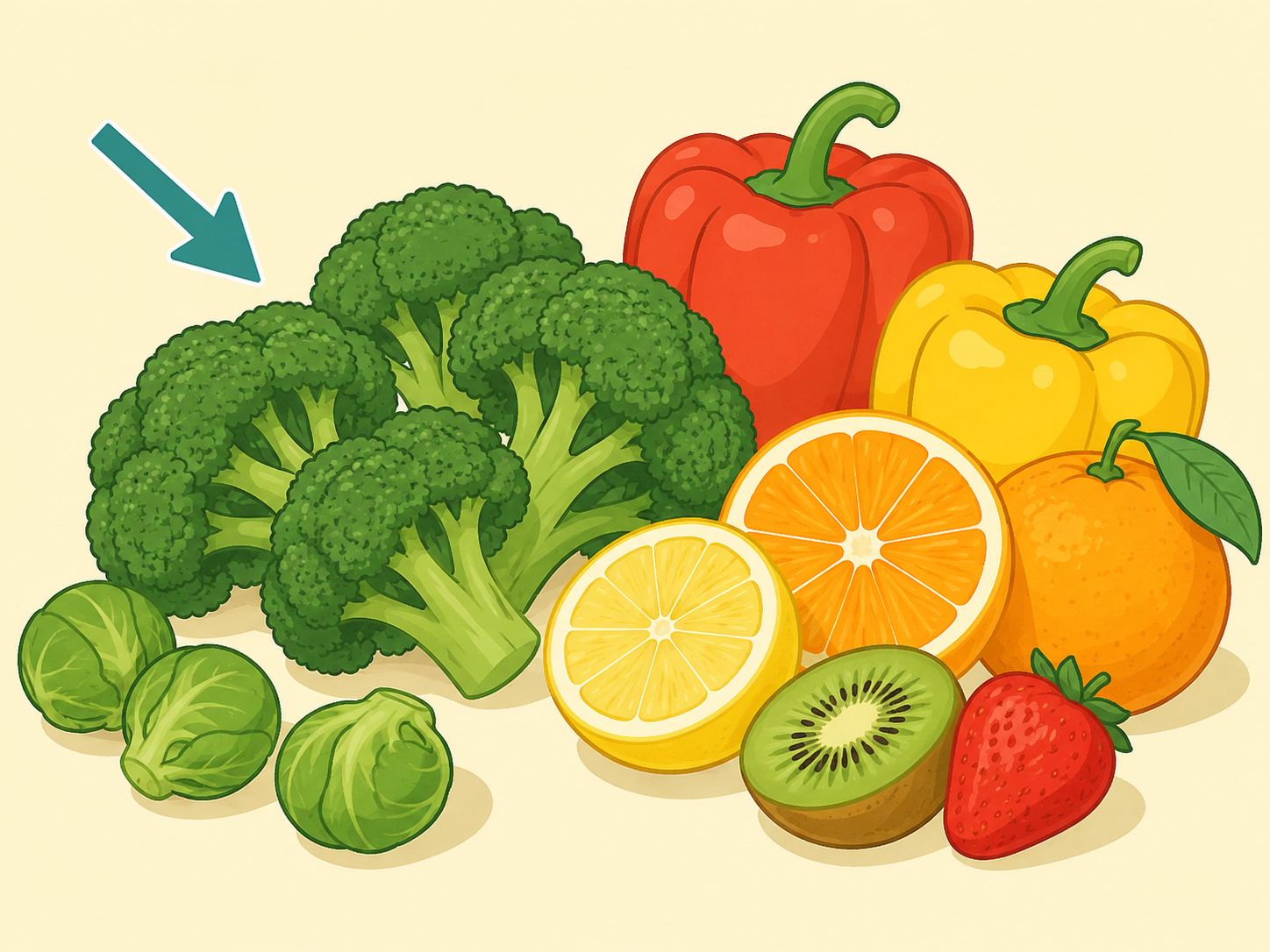
Broccoli is a source of vitamin C, a nutrient involved in collagen formation, wound healing, and antioxidant protection. The NIH Office of Dietary Supplements lists broccoli among good food sources of vitamin C and notes that heat and long storage can reduce vitamin C content.
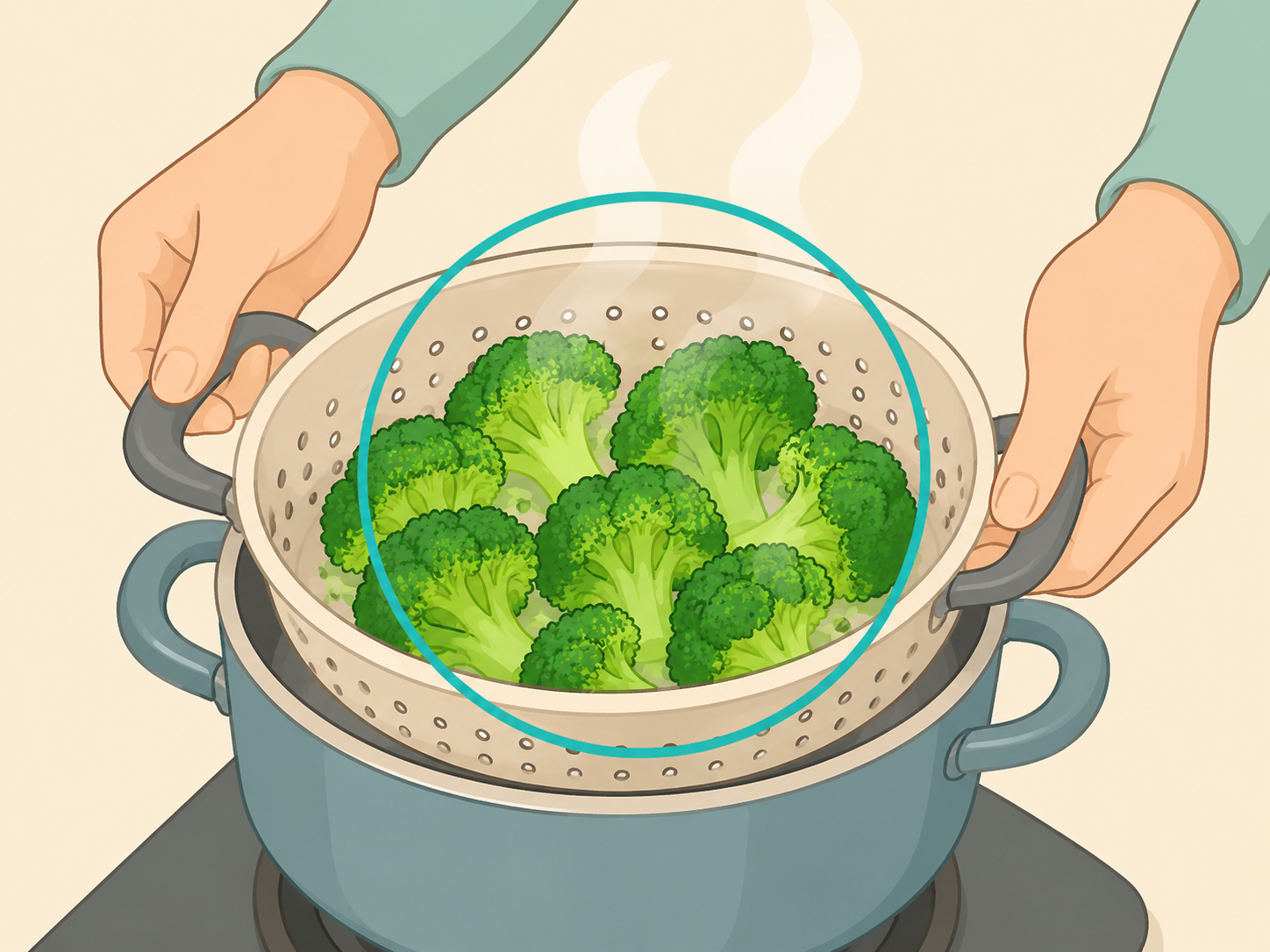
Choose gentle cooking methods
Steam, microwave, roast, or quickly saute broccoli until it is bright green and tender-crisp instead of boiling it for a long time. This keeps the texture pleasant and may help preserve more heat-sensitive nutrients, while still making the vegetable easier to chew and digest.
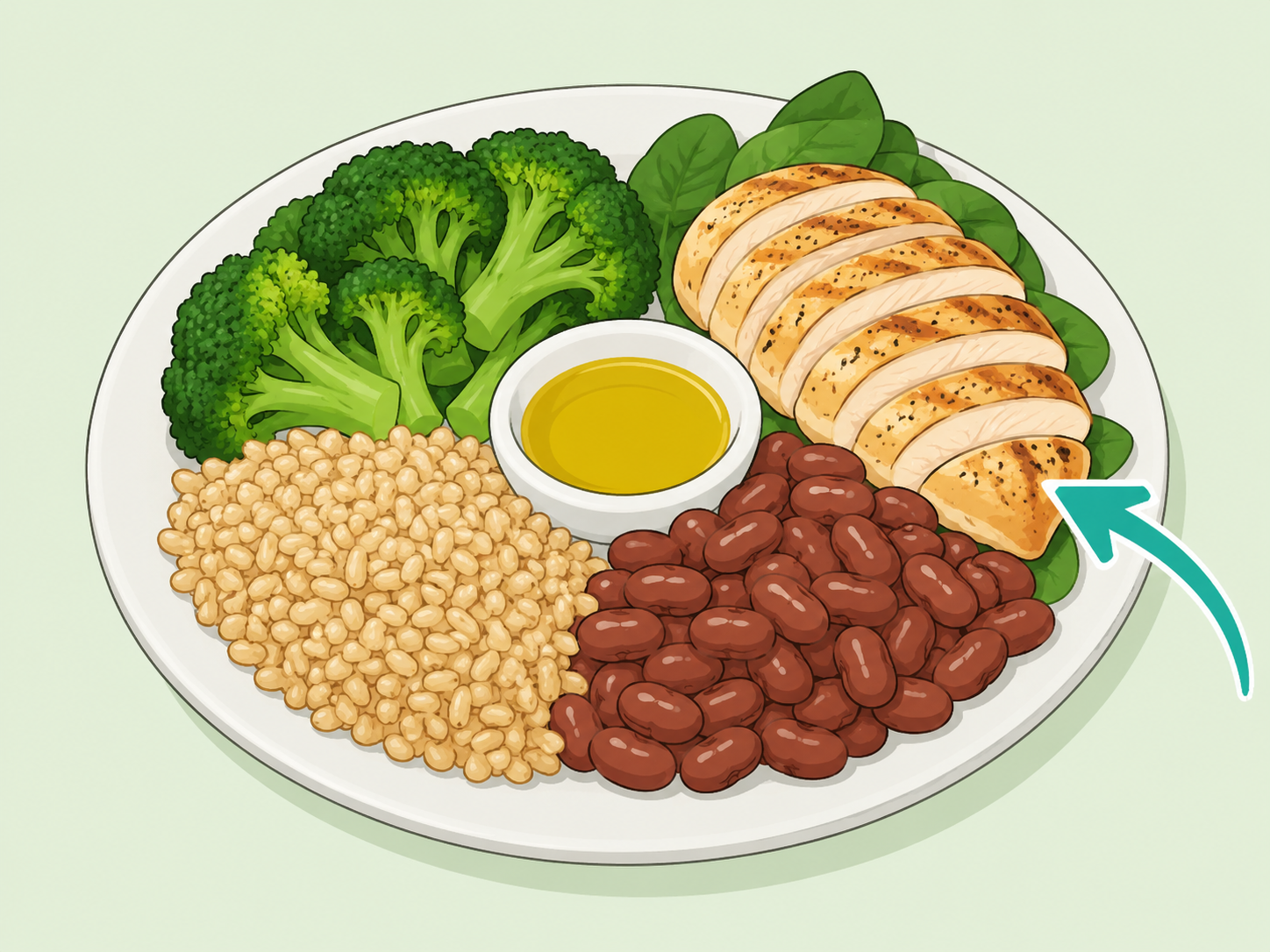
Pair broccoli with protein and healthy fats
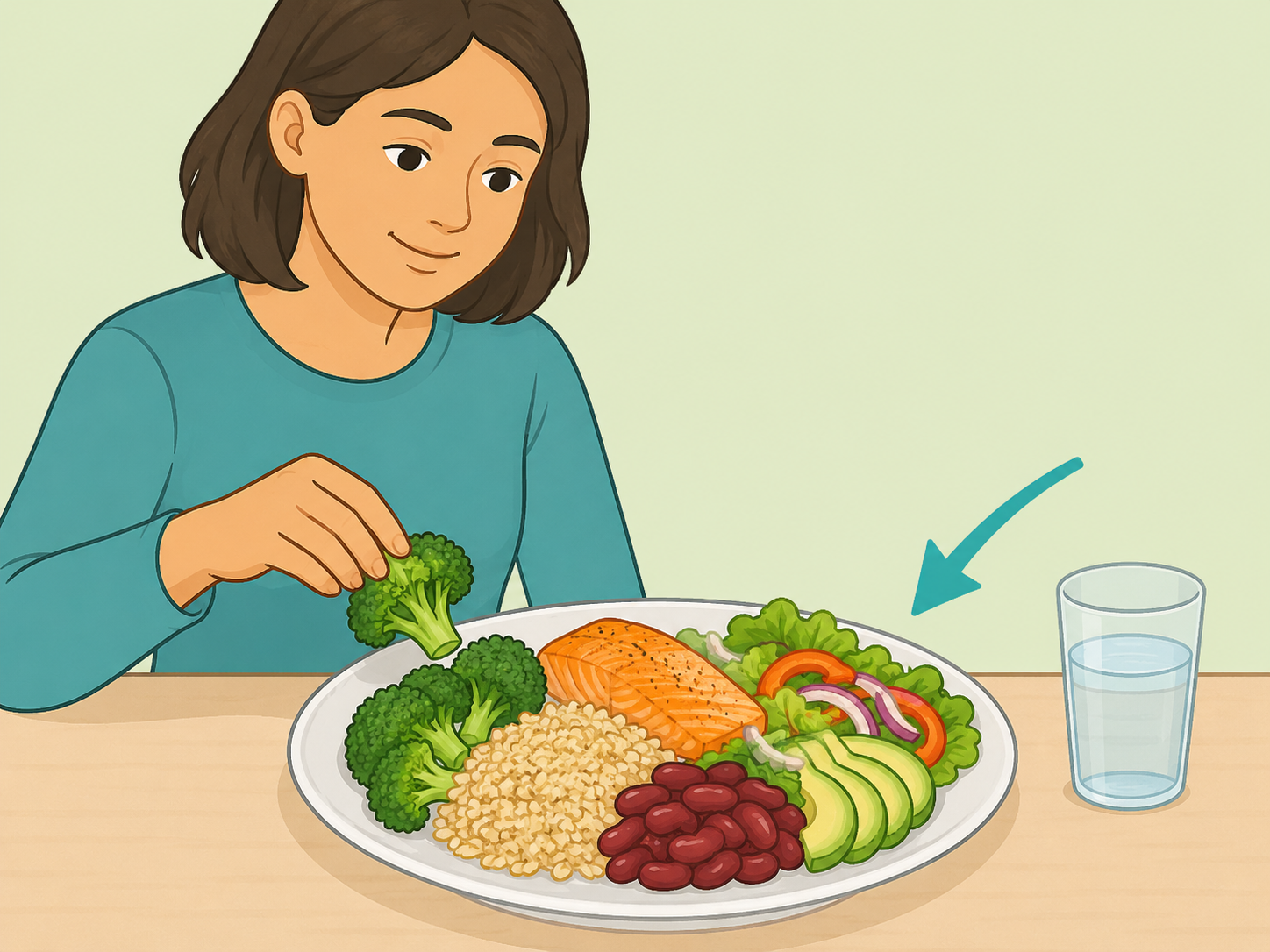
Make broccoli part of a balanced meal by serving it with foods such as fish, beans, tofu, eggs, yogurt, nuts, seeds, olive oil, or whole grains. Skin health depends on an overall pattern of adequate nutrients, and the AAD cautions that supplements are not a shortcut for everyone.
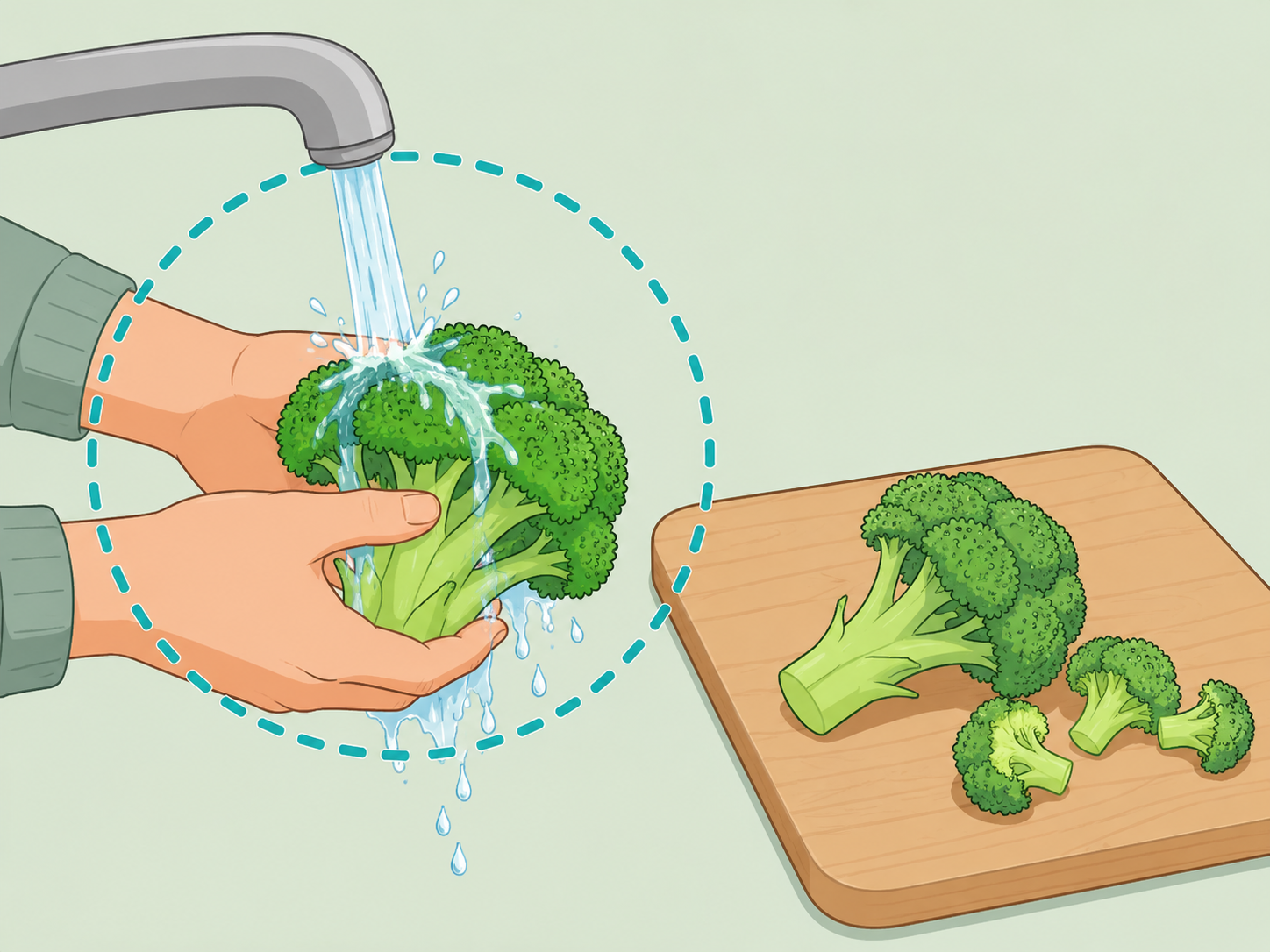
Wash and store broccoli safely
Rinse fresh broccoli under running water before cutting or cooking it, and keep it separate from raw meat, poultry, seafood, and eggs. The CDC recommends the food safety steps clean, separate, cook, and chill to lower the risk of foodborne illness.
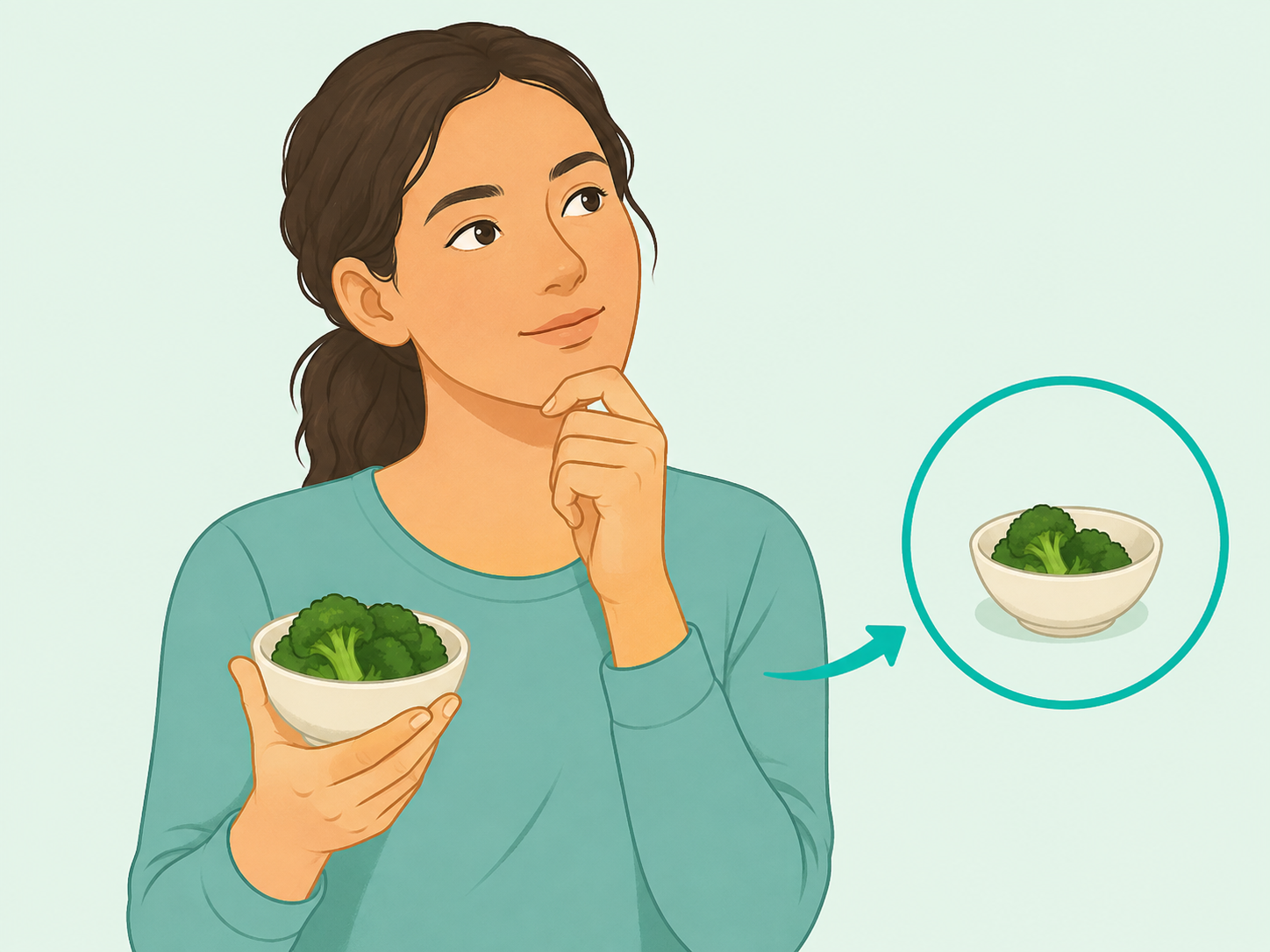
Watch how your body responds
Broccoli is a cruciferous vegetable, a group that includes cabbage, cauliflower, kale, and Brussels sprouts, and these vegetables contain fiber and natural sulfur-containing compounds. The National Cancer Institute explains that cruciferous vegetables contain glucosinolates, which can contribute to their strong flavor and smell; if broccoli causes gas or bloating, try smaller portions or cooked broccoli.
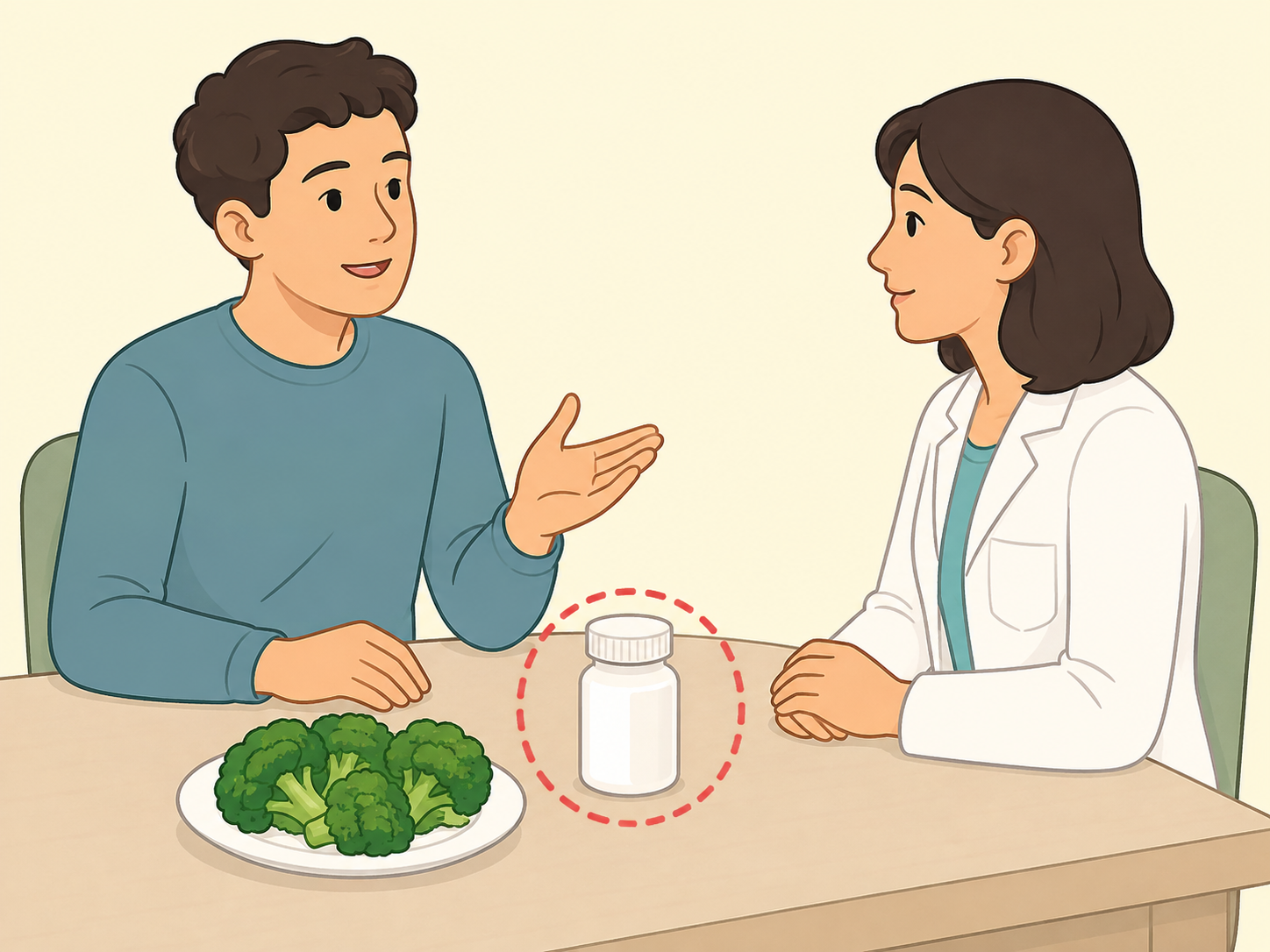
Talk to a doctor if you take blood thinners or have symptoms
Ask a doctor or pharmacist before making big changes to your broccoli intake if you take warfarin or have been told to monitor vitamin K. MedlinePlus notes that vitamin K helps blood clot and that sudden changes in vitamin K foods can affect how warfarin works; also seek medical care for persistent rashes, sudden hair loss, painful skin changes, or signs of allergy.
Summary
The bottom line: eat broccoli because it is a healthy, versatile vegetable, not because it promises instant beauty results. Pair it with a varied diet, safe food handling, and medical care when needed.
Frequently Asked Questions
- Does broccoli make your skin clear?
- Broccoli does not guarantee clear skin. It contains nutrients that support overall health, but acne, rashes, and other skin concerns can have many causes and may need medical treatment.
- Is raw broccoli better than cooked broccoli?
- Both can fit into a healthy diet. Raw broccoli keeps more heat-sensitive vitamin C, while lightly steamed broccoli may be easier for some people to digest.
- Can I eat broccoli every day?
- Many people can eat broccoli regularly as part of a varied diet. If it causes gas, bloating, or discomfort, eat smaller portions or rotate it with other vegetables.
- Should I take broccoli supplements for beauty?
- It is usually better to get nutrients from foods unless a doctor recommends a supplement. Supplements can interact with health conditions or medicines and may not deliver the results they claim.
- Can broccoli affect blood thinners?
- Broccoli contains vitamin K, which can affect warfarin. If you take warfarin or another blood-thinning medicine, ask your doctor how consistent your vitamin K intake should be.
- How much broccoli counts as a vegetable serving?
- According to MyPlate, 1 cup of chopped or floreted raw, cooked, frozen, or canned broccoli counts as 1 cup from the vegetable group.
References
Reliable references aided in composing and refining this content.
- https://health.clevelandclinic.org/broccoli-benefits
- https://www.cancer.gov/about-cancer/causes-prevention/risk/diet/cruciferous-vegetables-fact-sheet
- https://ods.od.nih.gov/factsheets/VitaminC-HealthProfessional
- https://www.aad.org/public/everyday-care/skin-care-secrets/routine/supplements-for-your-skin
- https://www.medlineplus.gov/ency/article/002407.htm
- https://www.cdc.gov/food-safety/prevention/index.html
- https://www.myplate.gov/web/web/eat-healthy/vegetables