
 Pin it
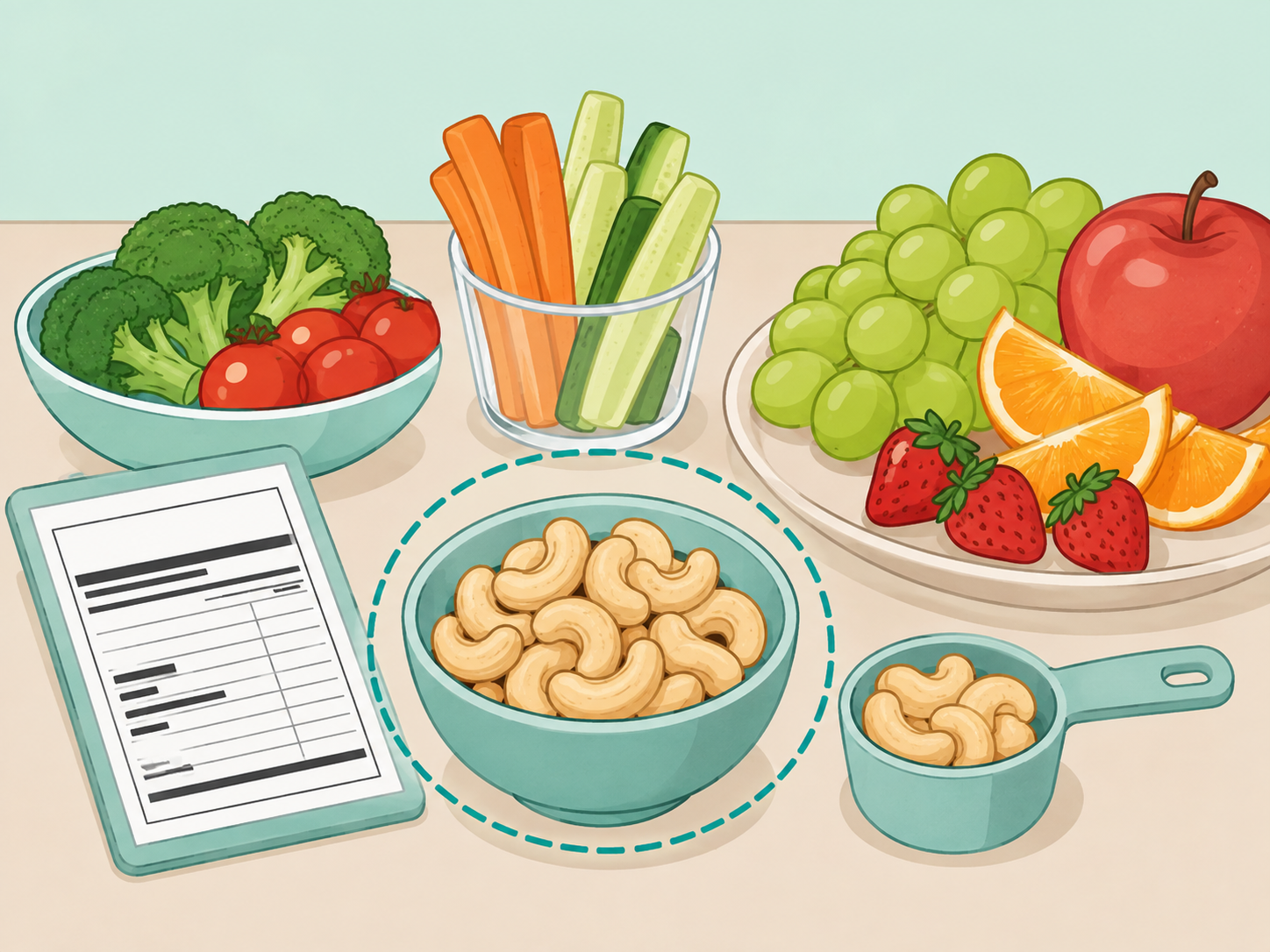
Cashews are creamy, versatile nuts that provide fat, protein, minerals, and calories in a small serving. This guide explains how to look at their nutrition facts, possible benefits, beauty-related claims, and safety cautions without treating any food as a cure. Use it to decide whether cashews make sense for your everyday diet.
Start with a 1-ounce serving
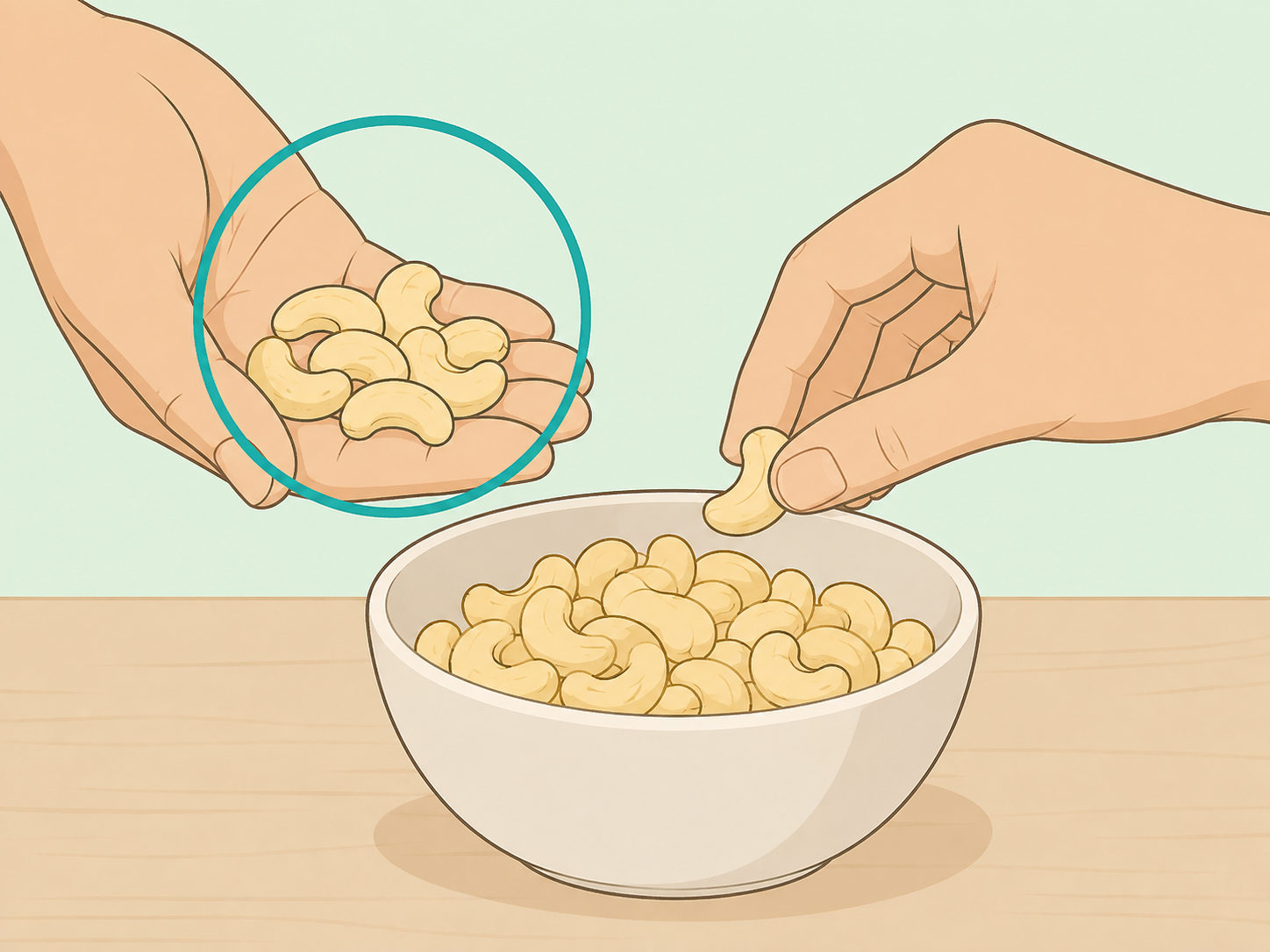
Use about 1 ounce of cashews, which is roughly 18 nuts, as your basic serving. Cleveland Clinic lists a 1-ounce serving at about 163 calories, 13.2 grams of fat, 4.34 grams of protein, and 9.27 grams of carbohydrate. Measuring once or twice helps you learn what a real portion looks like.
Read the label before you buy
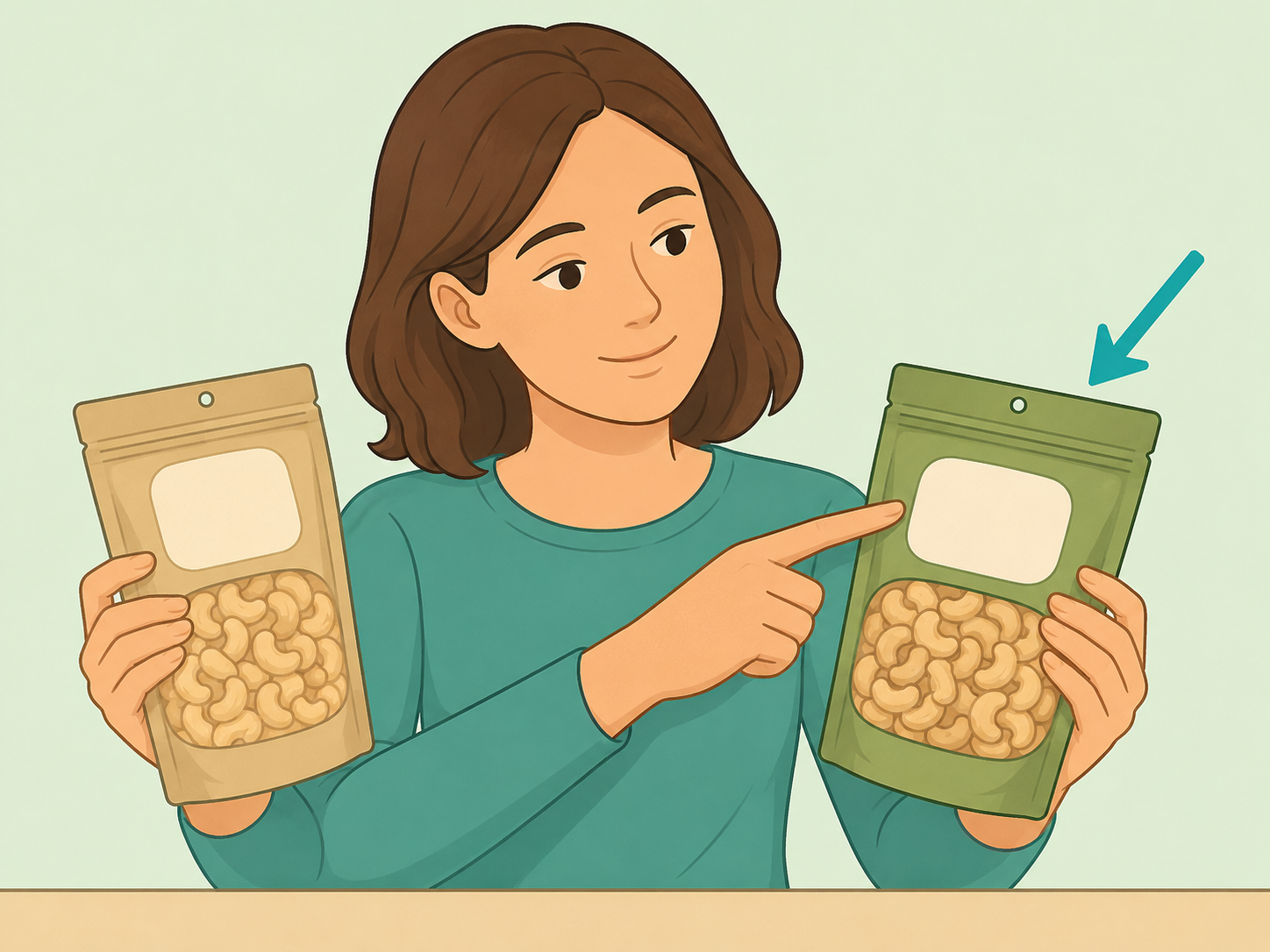
Choose cashews with a short ingredient list, ideally cashews alone or cashews with a little salt. The American Heart Association suggests comparing labels and choosing nut products with lower sodium and little or no added tropical oils or sugars. This matters most if cashews are a regular snack for you.
Count them as nutrient-dense, not low-calorie
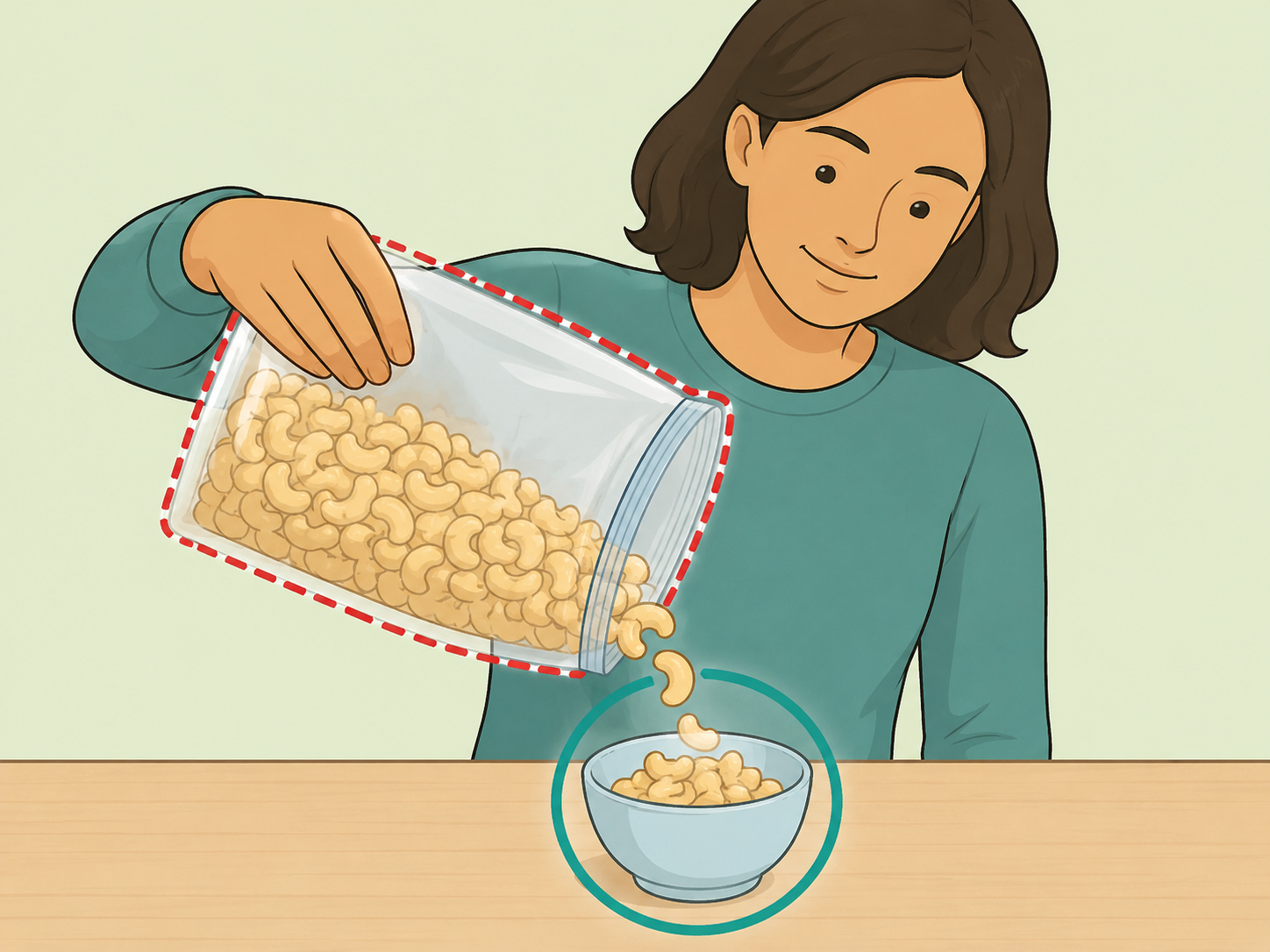
Cashews can be filling because they contain fat and protein, but they are still easy to overeat. Cleveland Clinic notes that nuts are calorie-dense and that serving size matters, especially for people watching calories, fat, or sodium. Put a portion in a bowl instead of eating straight from the bag.
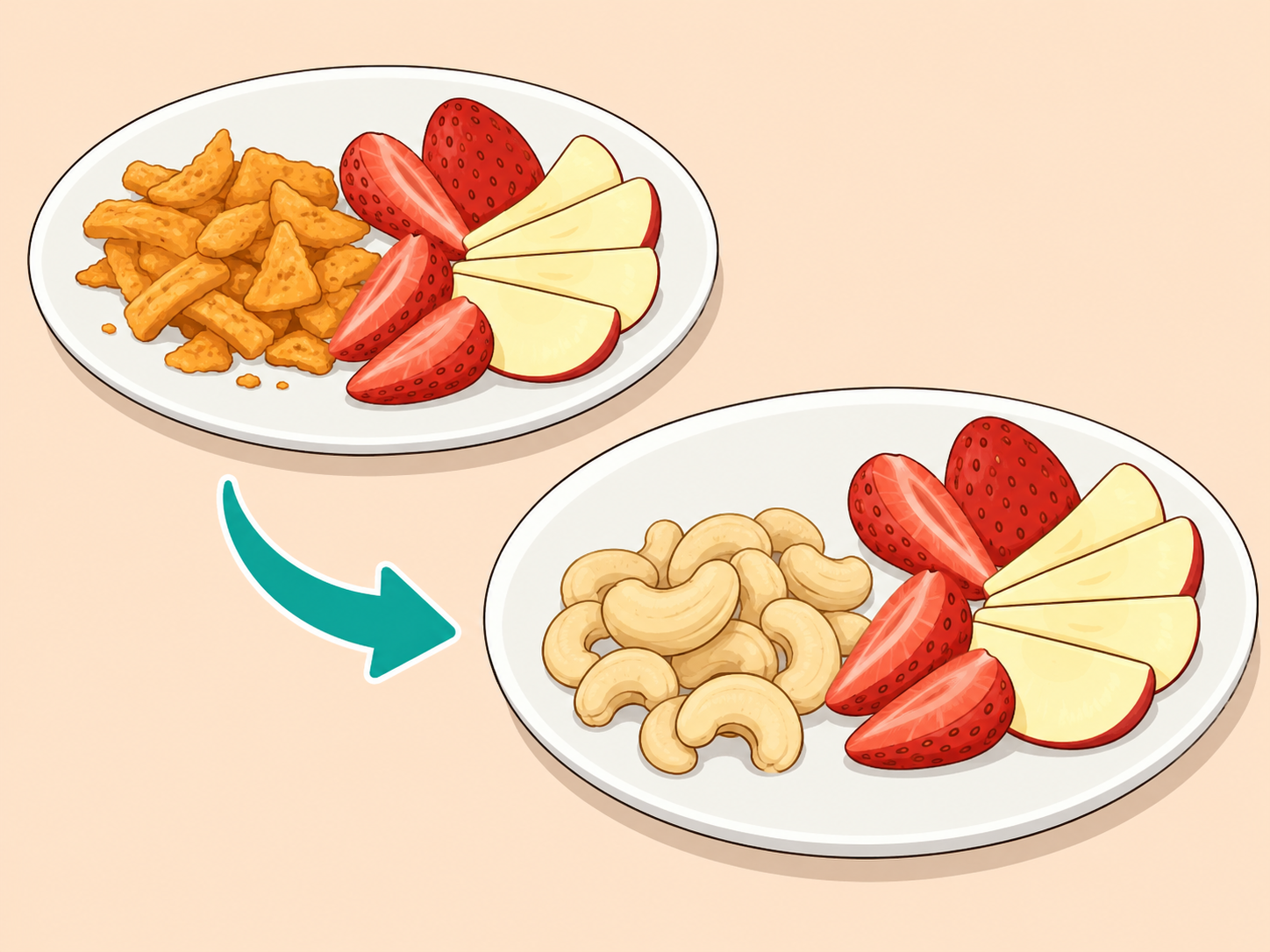
Use cashews as a healthier fat swap
Cashews fit best when they replace less helpful snacks or saturated-fat-heavy foods, not when they are simply added on top of everything else. The American Heart Association recommends replacing saturated and trans fats with foods that contain monounsaturated and polyunsaturated fats, including nuts and seeds. Try cashews with fruit, oatmeal, salads, or stir-fries.
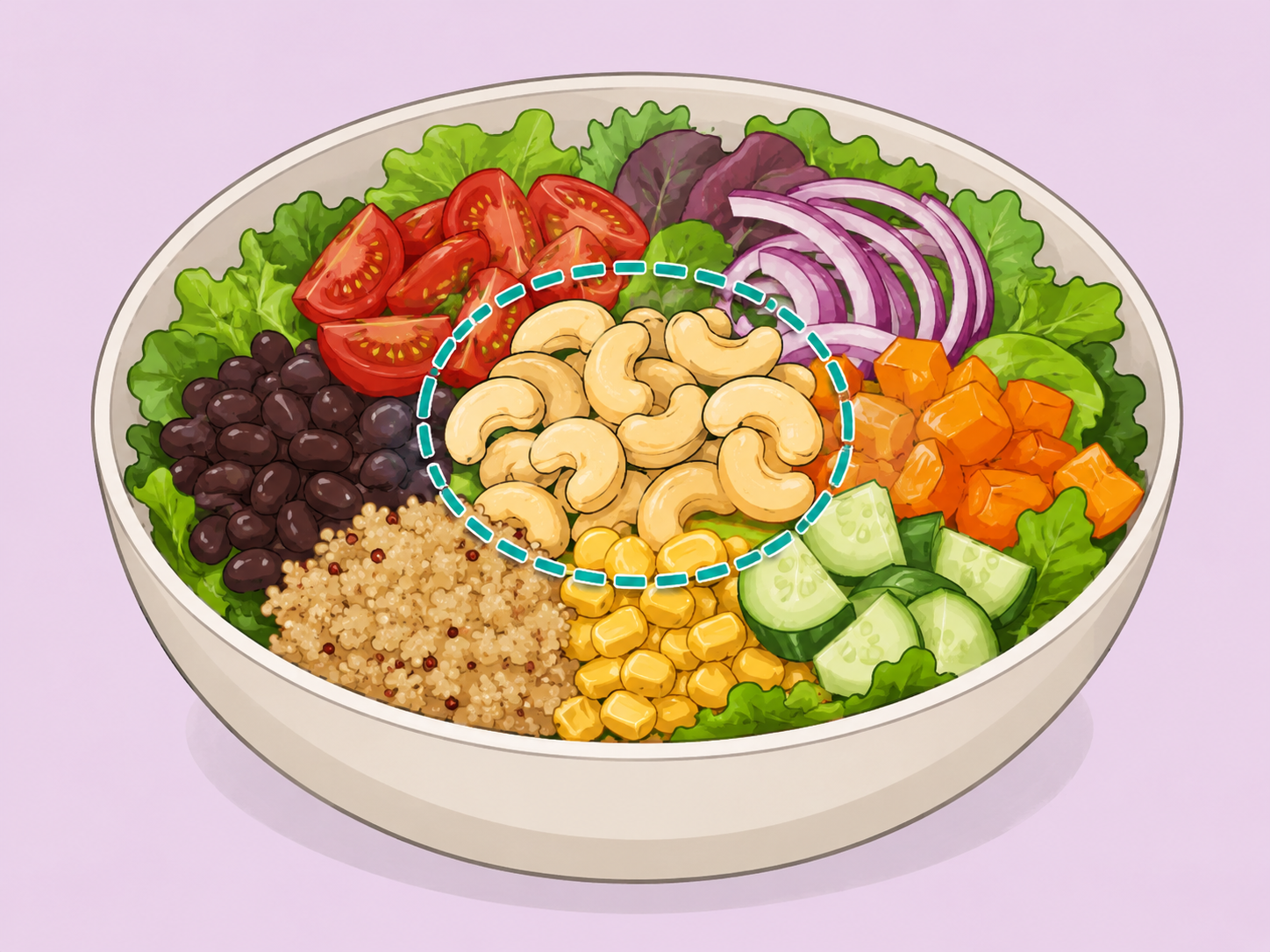
Use them for minerals in a varied diet
Cashews are especially notable for minerals such as copper, magnesium, zinc, iron, phosphorus, and vitamin K, according to Cleveland Clinic's nutrition overview. They should still be one part of a varied diet that includes fruits, vegetables, whole grains, beans, and other protein foods. No single food covers all of your nutrition needs.
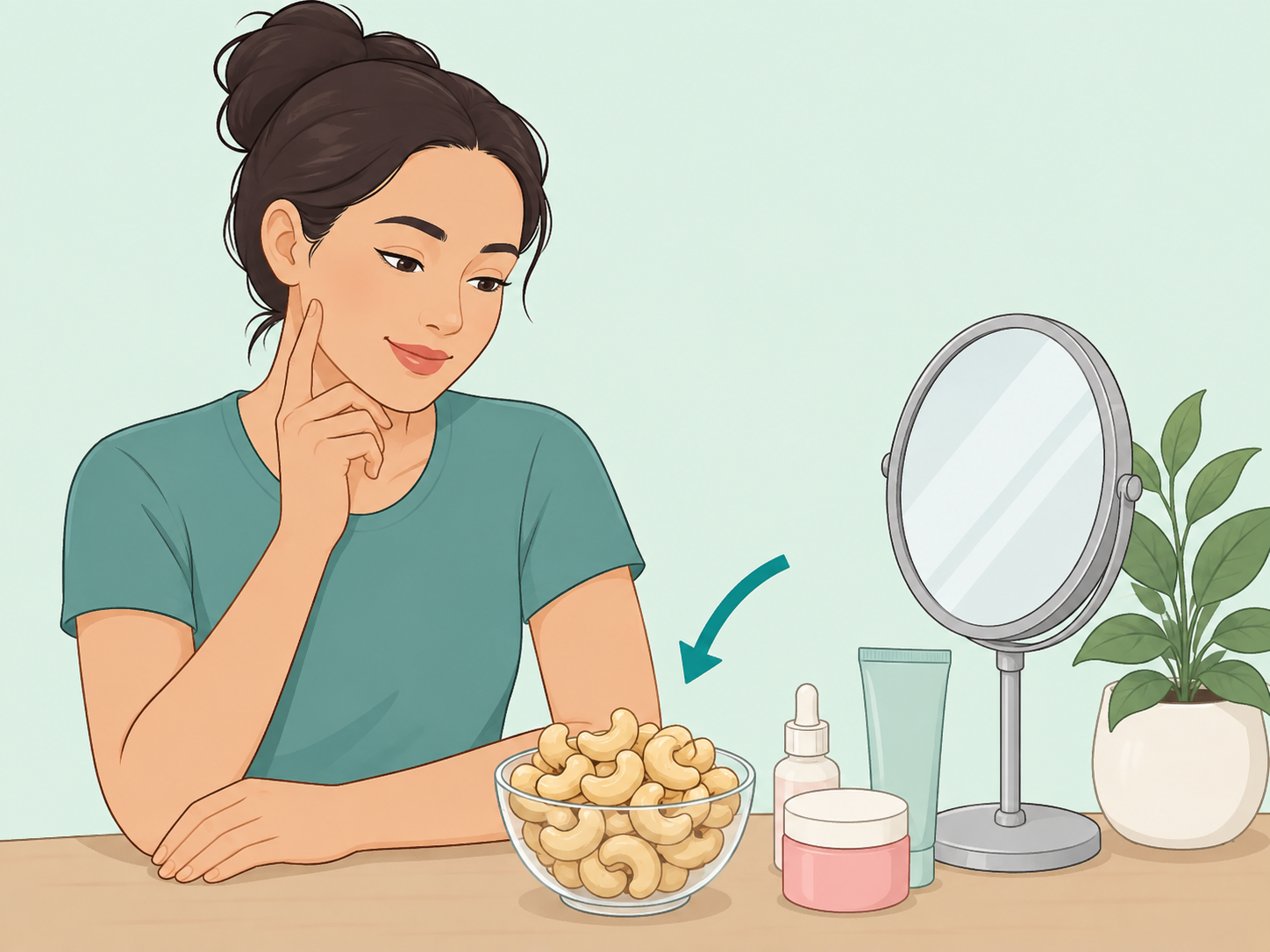
Keep beauty claims realistic
Treat cashews as supportive nutrition, not a skin or hair cure. NIH says copper helps the body make connective tissue, and NIH also says zinc helps wounds heal, but eating cashews will not guarantee clearer skin or faster hair growth. The American Academy of Dermatology notes that diet may affect acne for some people, while acne care often needs skin care and medication too.
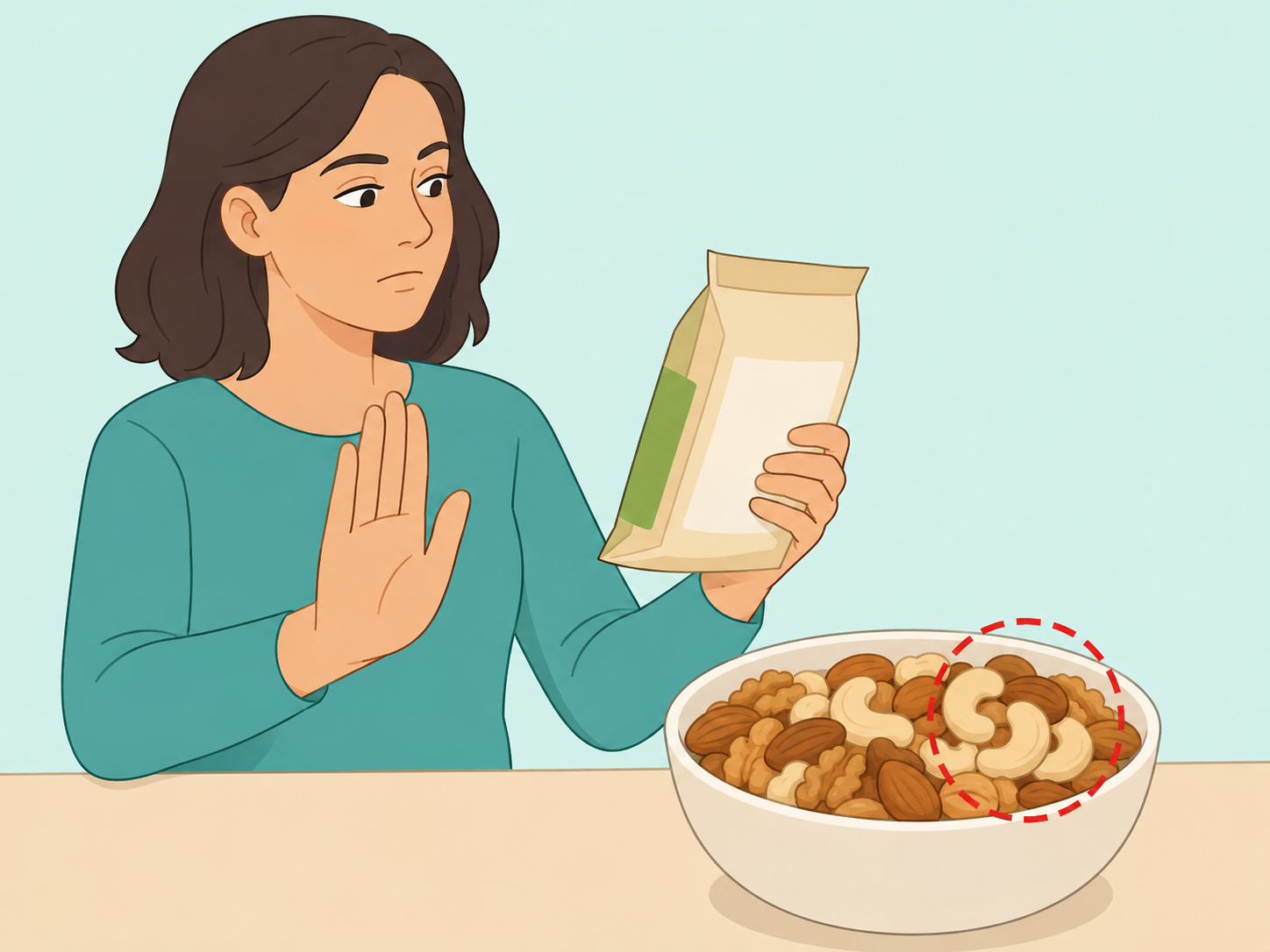
Avoid cashews if you may be allergic
Do not eat cashews if you have been told to avoid tree nuts or if you have had symptoms after eating cashews or mixed nuts. Mayo Clinic explains that food allergy symptoms can include rash, swelling, stomach symptoms, wheezing, dizziness, and anaphylaxis. Check labels carefully because cashews may appear in sauces, vegan dairy substitutes, snack mixes, and desserts.
Ask a professional when cashews affect your health plan
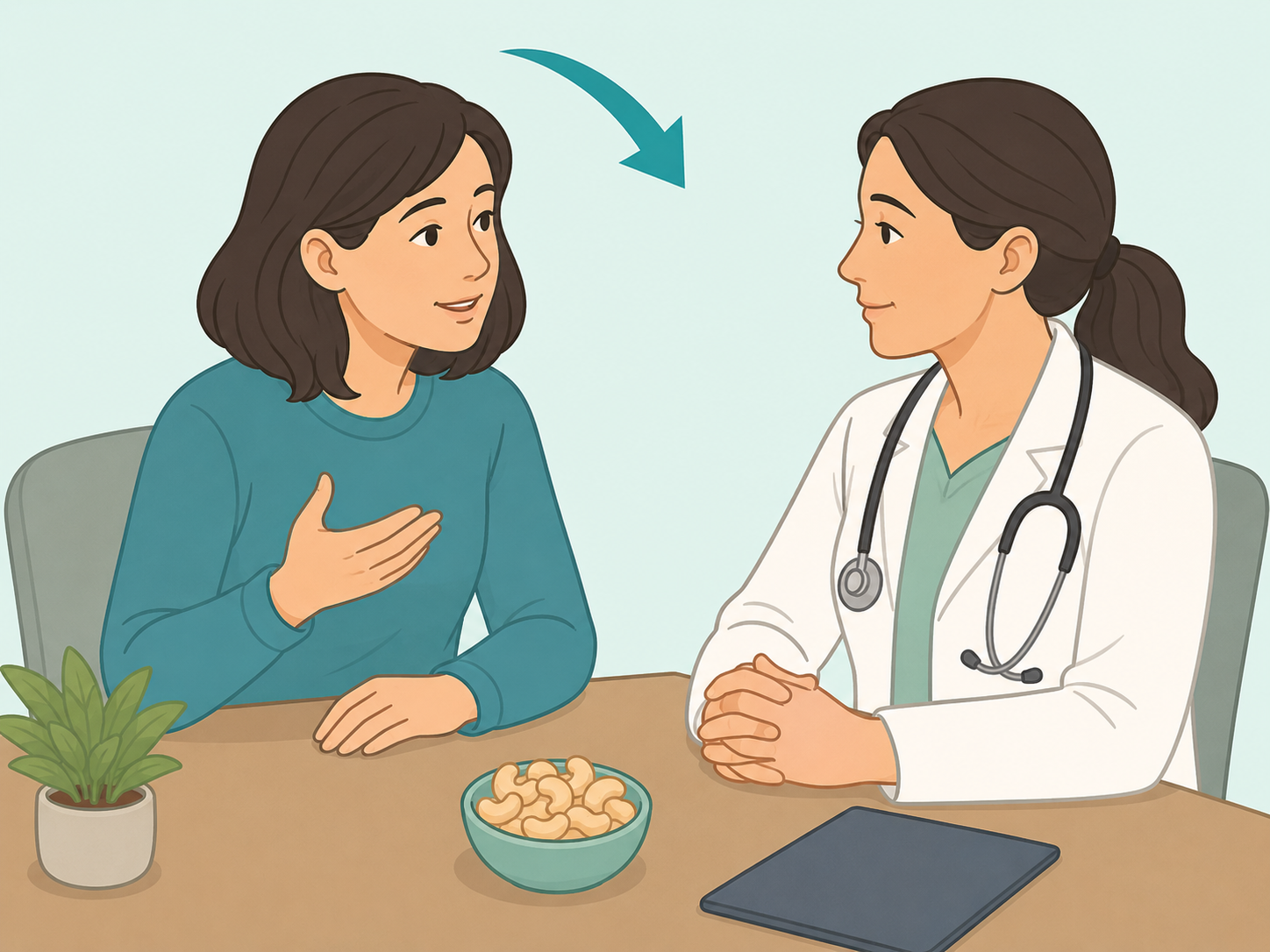
Talk to a doctor, allergist, or registered dietitian if you have food allergy symptoms, manage diabetes or cholesterol, have kidney disease, or need a specific eating plan. Get emergency care for symptoms of anaphylaxis, since Mayo Clinic says emergency treatment is critical for severe food allergy reactions. Do not use cashews or supplements as a substitute for prescribed treatment.
Summary
The bottom line: cashews can be good for you when they are eaten in modest portions as part of a varied diet. Choose plain or lightly roasted unsalted cashews most often, and treat skin or hair claims as general nutrition support rather than guaranteed results.
Frequently Asked Questions
- Are cashews good for you?
Yes, cashews can be good for you in reasonable portions. They provide plant-based protein, mostly unsaturated fat, and minerals, but they are also calorie-dense.
- How many cashews should you eat in a day?
A practical serving is about 1 ounce, or roughly 18 cashews. That amount is enough to enjoy the nutrients without accidentally turning a snack into a large calorie load.
- Are cashews good for skin and hair?
Cashews provide nutrients such as copper and zinc that support normal body functions, but they are not a skin or hair treatment. If you have acne, hair loss, slow wound healing, or a rash, look at your whole routine and ask a health professional when symptoms persist.
- Are salted cashews bad for you?
Salted cashews are not automatically bad, but they can add extra sodium quickly. If you eat cashews often or need to limit sodium, choose unsalted or lightly salted versions most of the time.
- Can people with diabetes eat cashews?
Many people with diabetes can include nuts in a balanced eating plan, but portion size still matters. If you manage diabetes, ask your doctor or registered dietitian how cashews fit with your carbohydrate targets, calories, and medications.
- Should you eat raw or roasted cashews?
Either can fit into a healthy diet. The bigger difference is usually whether the cashews are unsalted and whether extra oil, sugar, or flavor coatings were added.
References
Reliable references aided in composing and refining this content.
- https://health.clevelandclinic.org/are-cashews-good-for-you
- https://www.heart.org/en/healthy-living/healthy-eating/eat-smart/fats/go-nuts-but-just-a-little
- https://www.heart.org/en/healthy-living/healthy-eating/eat-smart/fats/fats-in-foods
- https://ods.od.nih.gov/factsheets/Copper-Consumer
- https://ods.od.nih.gov/factsheets/Zinc-Consumer
- https://www.aad.org/public/diseases/acne/causes/diet
- https://www.mayoclinic.org/diseases-conditions/food-allergy/symptoms-causes/syc-20355095