
 Pin it
Online stories about one “common breakfast habit” often sound dramatic, but the practical issue is usually much simpler: starting most mornings with added sugar and refined carbohydrates. This guide explains how to spot hidden sugar in breakfast foods, make balanced swaps, and watch how your skin and energy respond without treating food as a cure or a diagnosis.

Name the sugary breakfast habit you want to change
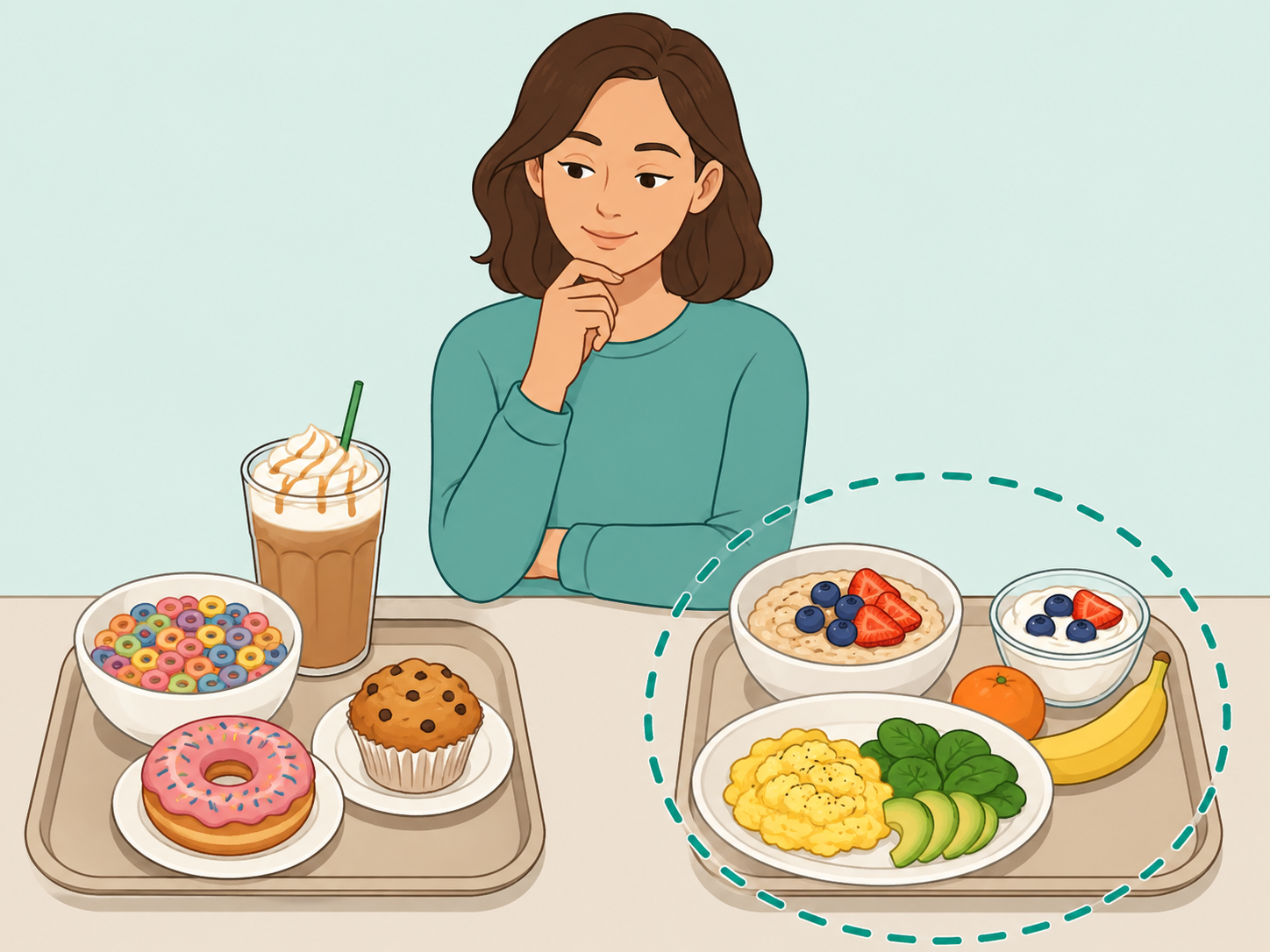
Start by looking at what you actually eat or drink most mornings: sweet cereal, pastries, flavored coffee, instant oatmeal, granola, sweetened yogurt, or juice. The CDC notes that added sugar can hide in everyday breakfast foods, including granola, instant oatmeal, breakfast cereals, flavored milks, coffee drinks, and nut butters.
Check the added sugar line before you buy
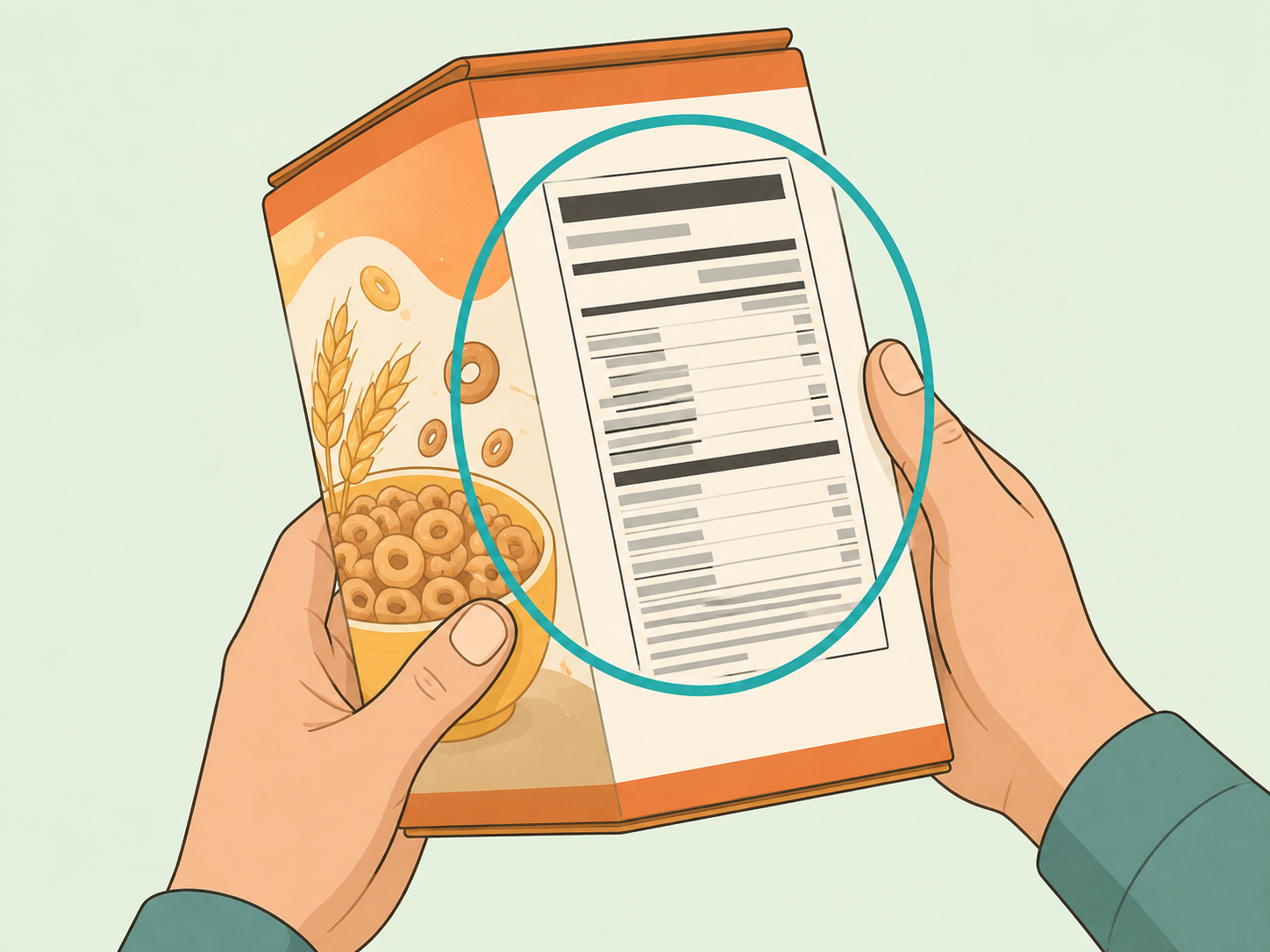
Turn the package around and read the Nutrition Facts label instead of relying on front-of-box claims. The CDC explains that the label lists added sugars, while the American Heart Association recommends checking both labels and ingredient lists for sweeteners such as syrups, honey, molasses, and words ending in “ose.”
Replace refined carbs with slower breakfast carbs
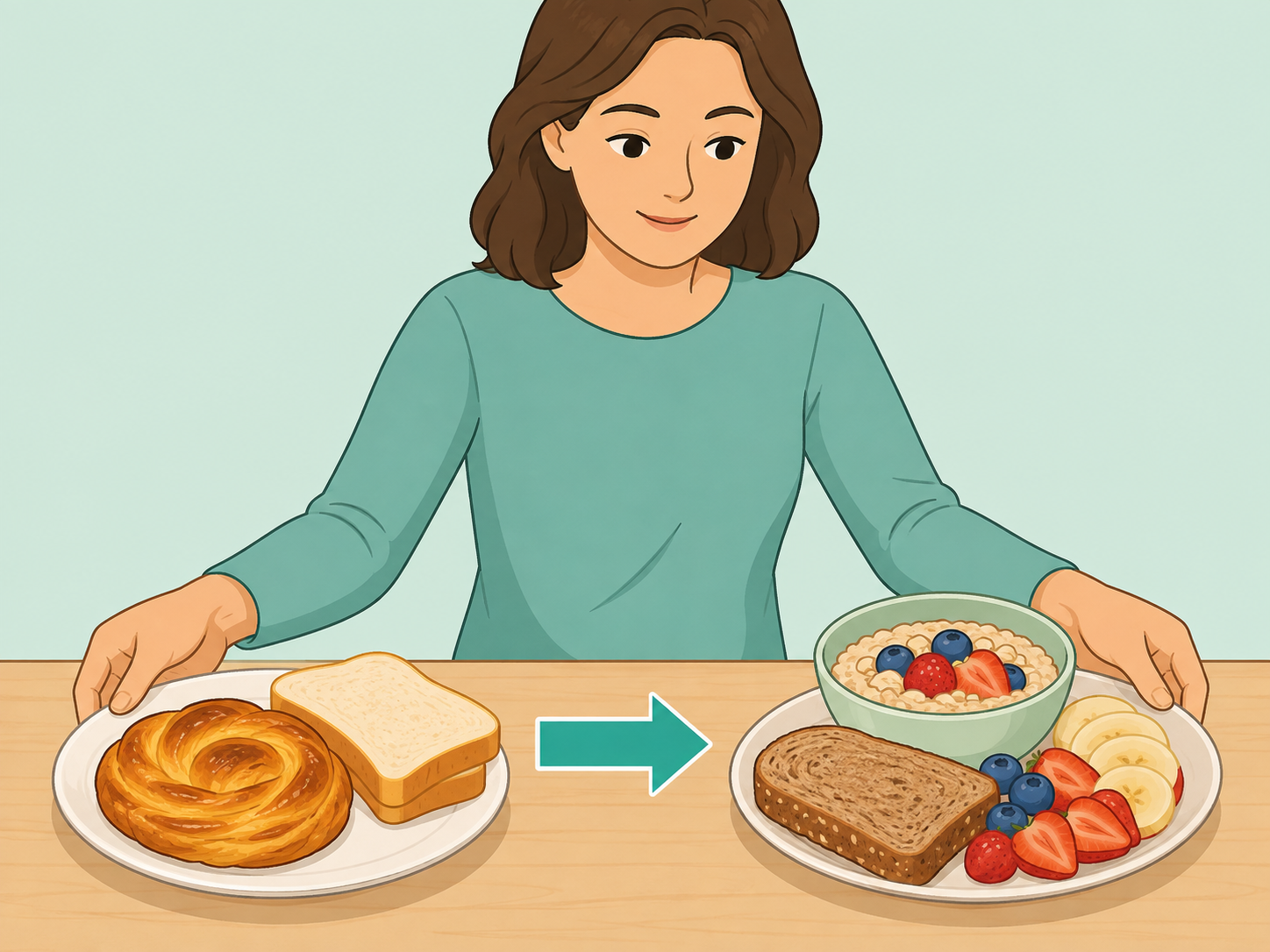
Swap sugary cereal, white toast, doughnuts, or sweet pastries for foods such as steel-cut oats, whole-grain toast, beans, or fruit with skin when they fit your routine. The American Academy of Dermatology says high-glycemic foods may worsen acne in some people, although diet is only one possible factor.
Add protein to make breakfast more balanced
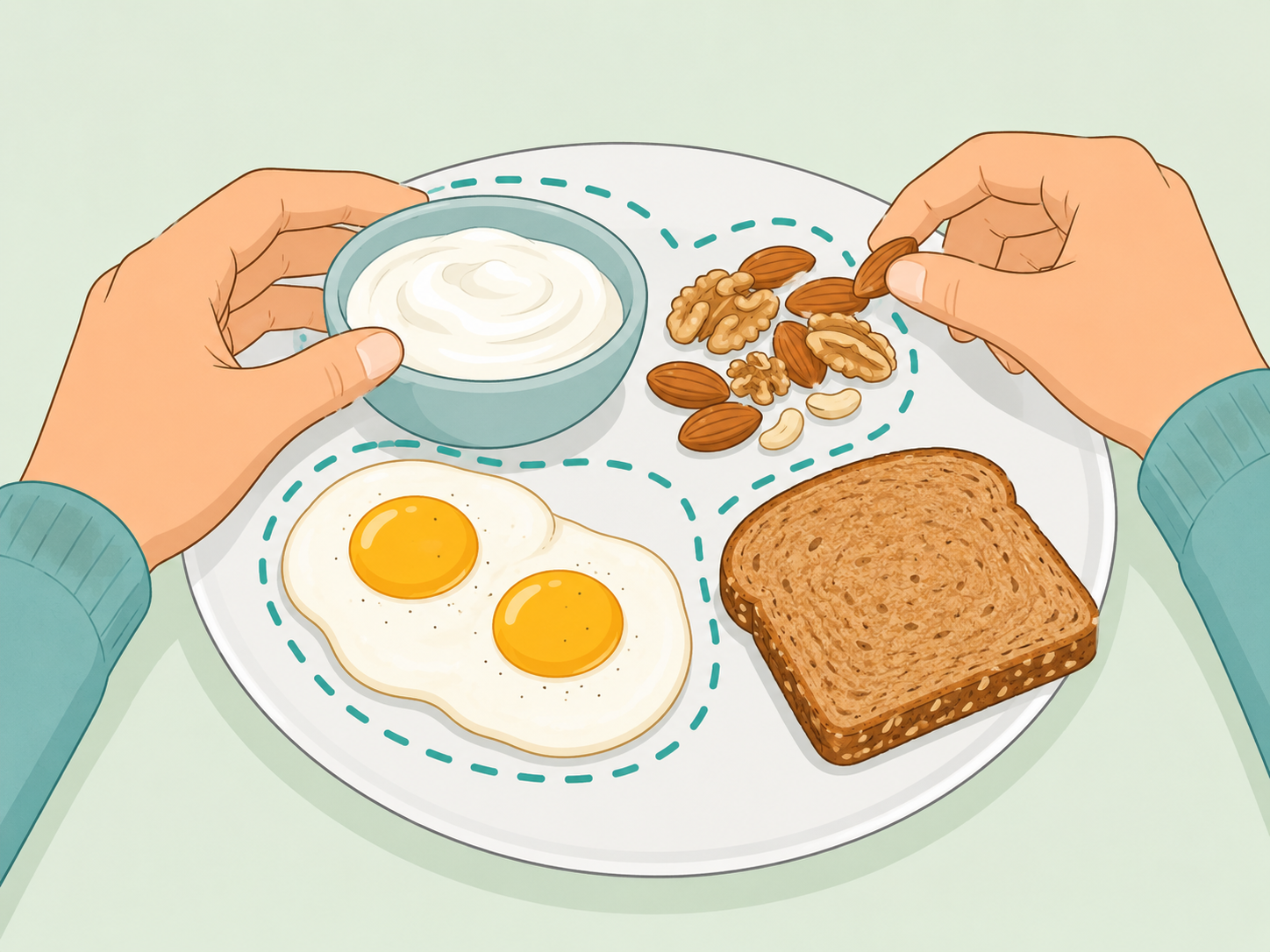
Include a protein source such as eggs, plain Greek yogurt, cottage cheese, tofu, beans, nuts, or nut butter with little or no added sugar. Mayo Clinic Connect describes a healthy breakfast as one that combines complex carbohydrates, fiber, protein, and a small amount of healthy fat.
Choose whole fruit instead of syrupy sweetness
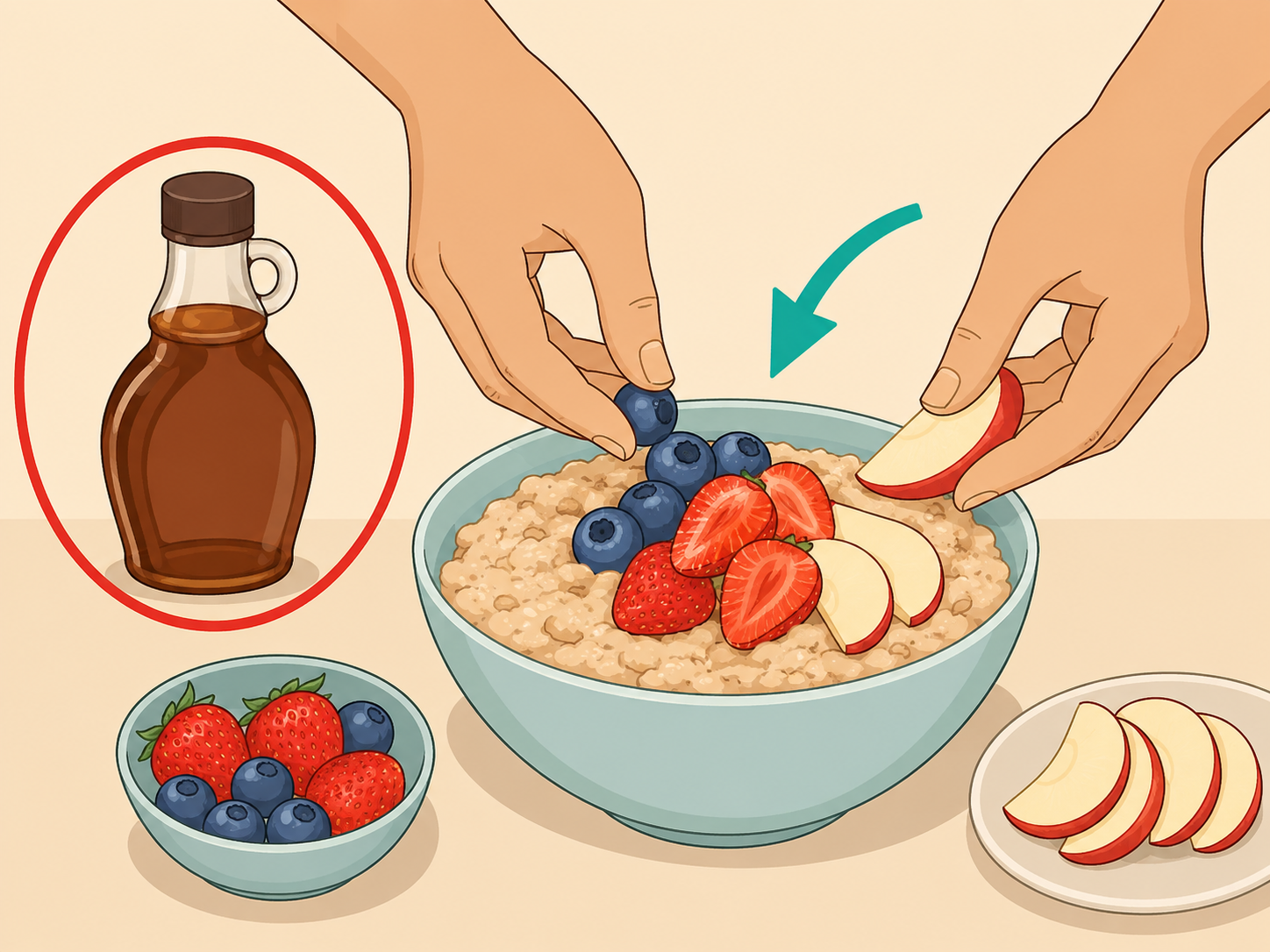
Use berries, apple slices, banana, citrus, or unsweetened frozen fruit to sweeten oatmeal, yogurt, or cereal. Dermatologists at the American Academy of Dermatology recommend a healthy, well-balanced diet and note that lots of sugar or refined carbohydrates may contribute to premature skin aging.
Keep coffee simple if it is part of breakfast
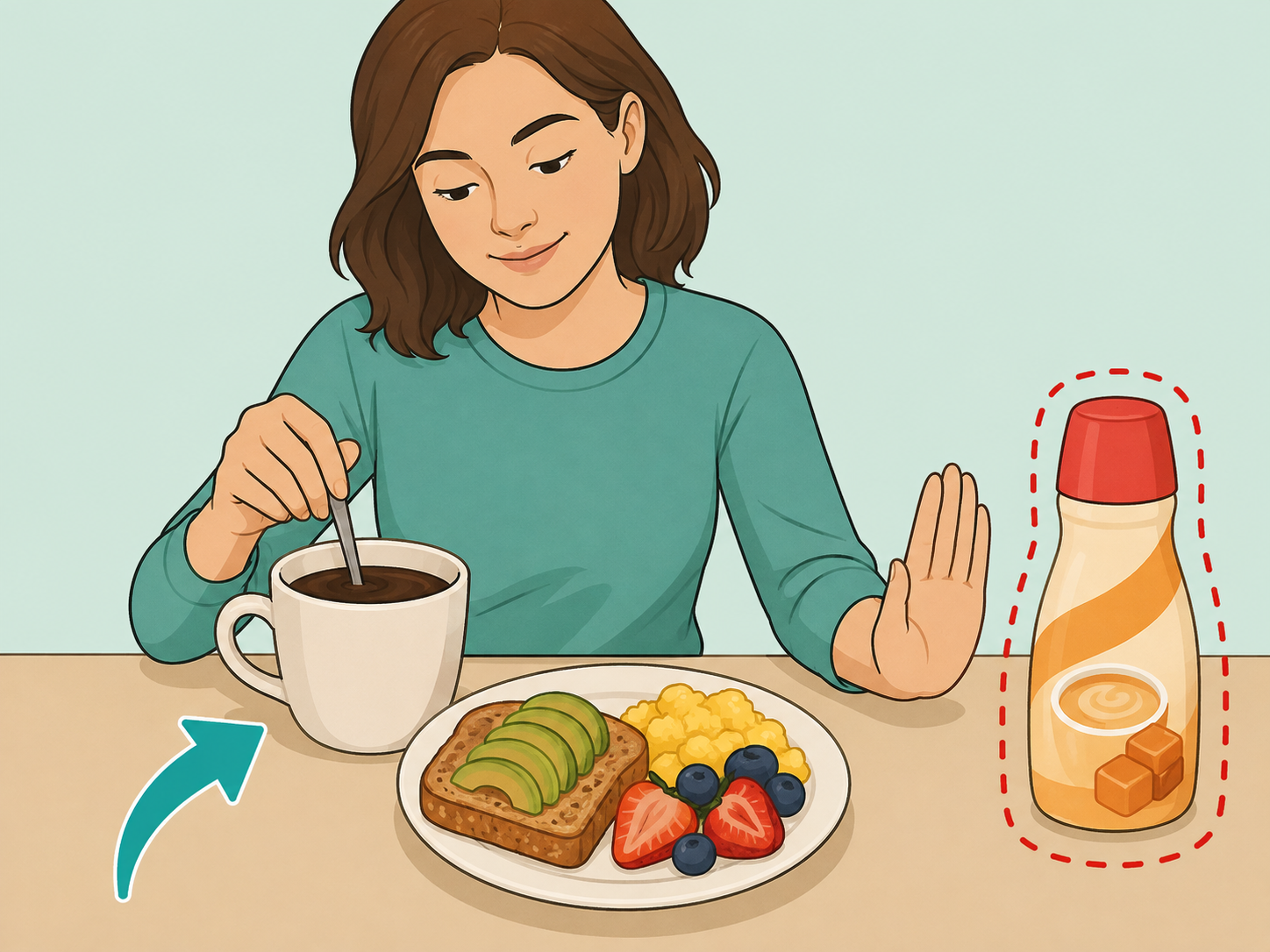
Coffee itself is not automatically a problem for most people, but sweetened creamers, syrups, and large flavored drinks can turn it into a sugary breakfast. Cleveland Clinic notes that coffee on an empty stomach is usually fine for most people, but eating with it may help if caffeine makes you jittery or worsens heartburn.

Track your skin and energy without self-diagnosing
For 2 to 4 weeks, write down your usual breakfast, energy crashes, cravings, breakouts, and any digestive symptoms. The AAD suggests paying attention to whether a food or drink seems to trigger breakouts, but avoid assuming breakfast is the only cause because hormones, stress, sleep, medications, and skin care products can also matter.
Talk to a professional if symptoms persist
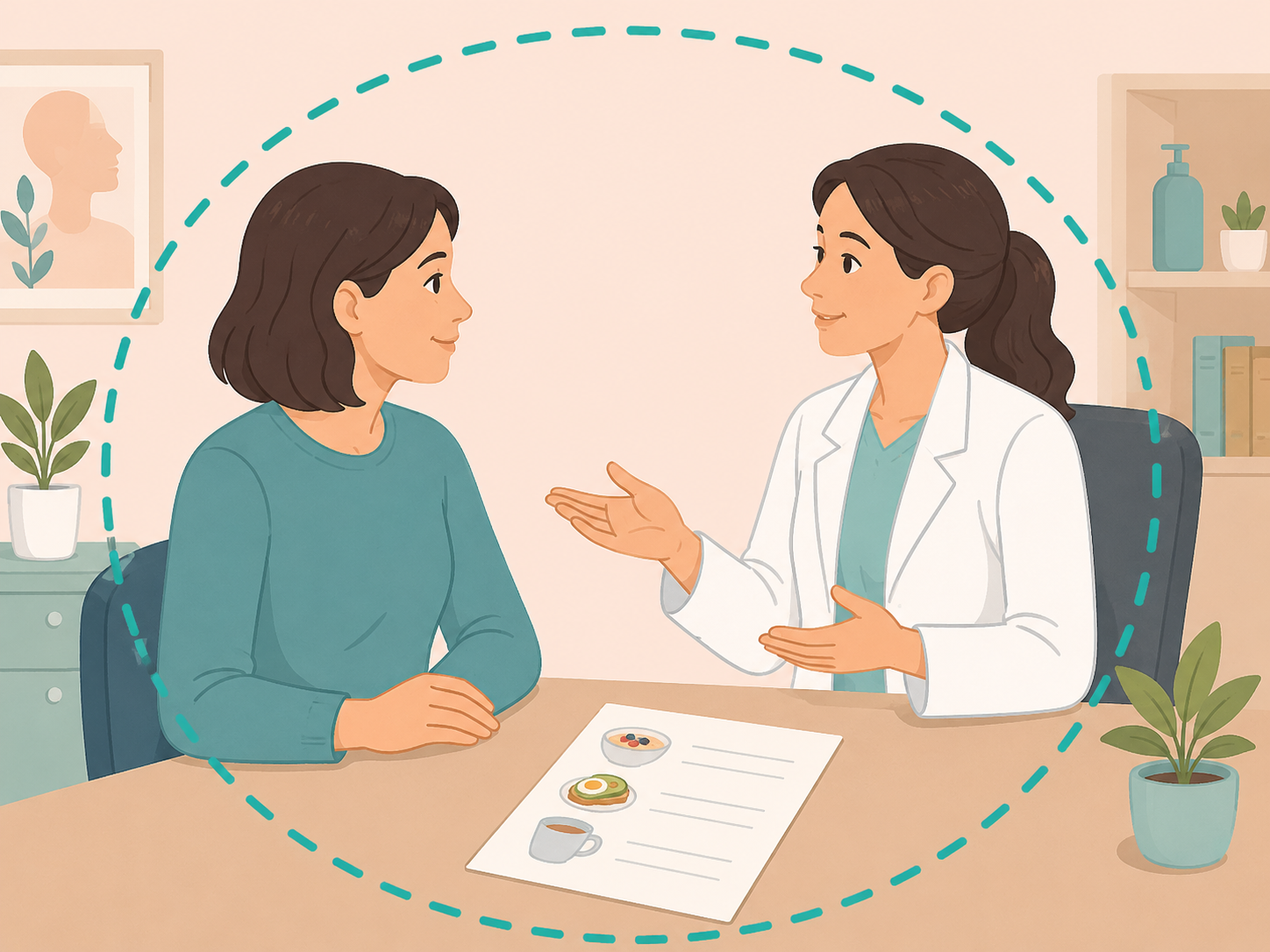
See a doctor, registered dietitian, or dermatologist if you have sudden skin changes, painful acne, scarring, unexplained weight change, frequent shakiness, excessive thirst, or concerns about blood sugar. Food changes can support overall health, but they should not replace diagnosis, acne treatment, or care for diabetes, reflux, eating disorders, or other medical conditions.
Summary
The bottom line: you do not need a perfect breakfast, but you can make your usual morning meal much gentler on your body by cutting hidden added sugar, choosing whole grains, and adding protein, fiber, and healthy fat.
Frequently Asked Questions
- Is sugar definitely bad for my skin?
No single food is guaranteed to cause skin problems. Dermatology sources say high-glycemic foods and diets high in sugar may worsen acne for some people, and more research is still needed.
- Do I have to stop eating cereal?
No. Choose cereals with whole grains, more fiber, and little or no added sugar, then pair them with protein such as plain yogurt, milk, nuts, or eggs.
- Is fruit too sugary for breakfast?
Whole fruit contains natural sugars along with water, fiber, vitamins, and minerals. The habit to limit is usually added sugar in packaged foods and sweetened drinks, not whole fruit.
- Can I still drink coffee in the morning?
Most people can drink coffee in the morning. If coffee makes you jittery, worsens heartburn, or leads you to add several spoonfuls of sugar, try drinking it with food and reducing sweeteners gradually.
- How long should I track breakfast changes before judging my skin?
Give the change a few weeks and look for patterns rather than one-day changes. Acne, irritation, sleep, stress, hormones, medications, and skin care products can all affect how your skin looks.
- When should I see a dermatologist?
See a dermatologist if acne is painful, scarring, sudden, persistent, or affecting your confidence. Diet changes can support overall health, but they are not a replacement for medical skin care.
References
Reliable references aided in composing and refining this content.
- https://www.cdc.gov/diabetes/healthy-eating/spotting-hidden-sugars-in-everyday-foods.html
- https://www.cdc.gov/healthy-weight-growth/healthy-eating/nutrition-label.html
- https://www.heart.org/en/healthy-living/healthy-eating/eat-smart/sugar/sugar-101
- https://www.aad.org/public/diseases/acne/causes/diet
- https://www.aad.org/public/everyday-care/skin-care-secrets/anti-aging/reduce-premature-aging-skin
- https://connect.mayoclinic.org/blog/take-charge-healthy-aging/newsfeed-post/start-your-day-right
- https://health.clevelandclinic.org/coffee-on-empty-stomach