
 Pin it
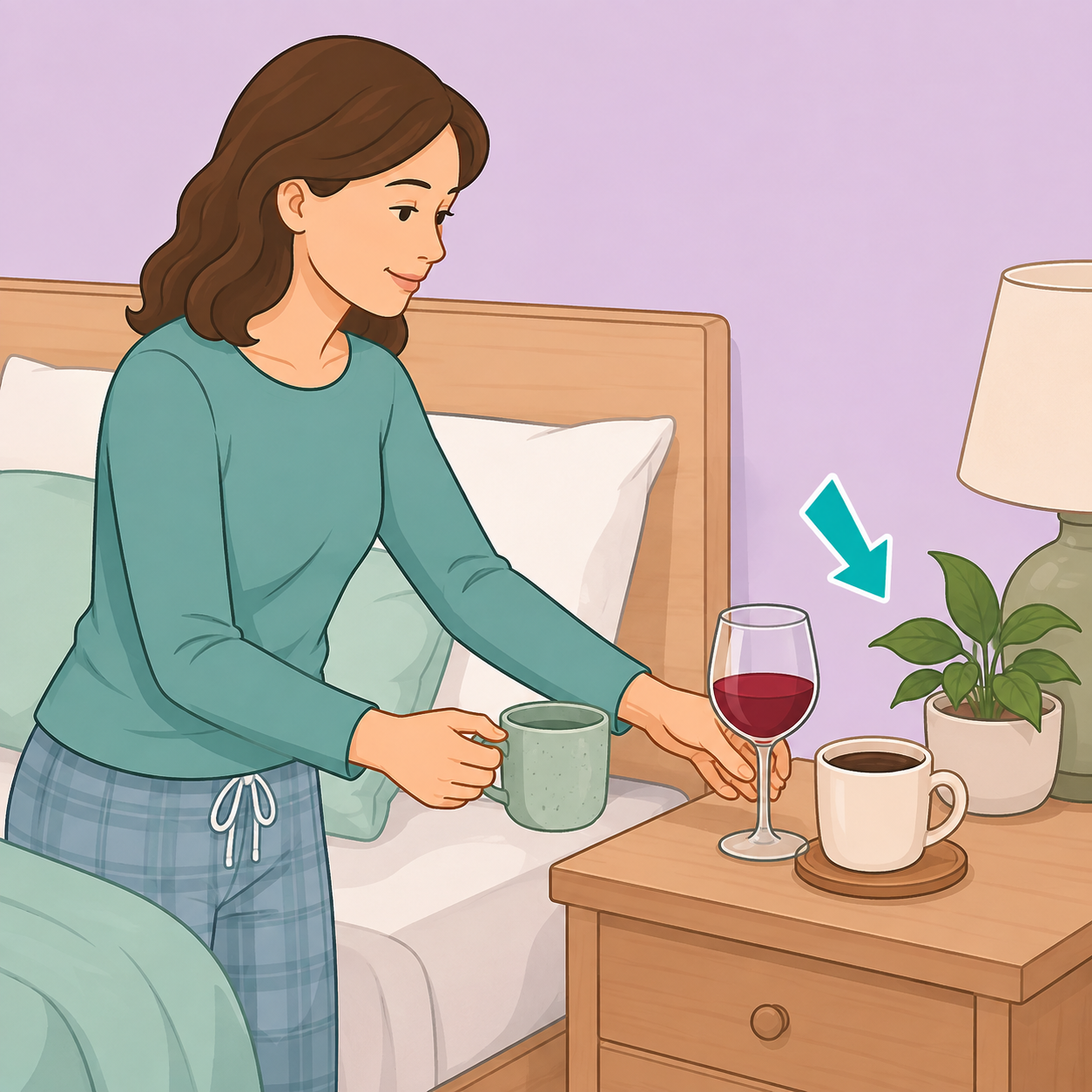
Stories about sudden overnight strokes can be frightening, but one case does not prove that a single drink caused a stroke. What experts do agree on is that alcohol and caffeine can affect sleep, blood pressure, heart rhythm, and nighttime waking in some people. This guide explains how to limit those drinks before bed while staying alert to stroke warning signs.
Treat viral stroke stories as a reminder, not a diagnosis
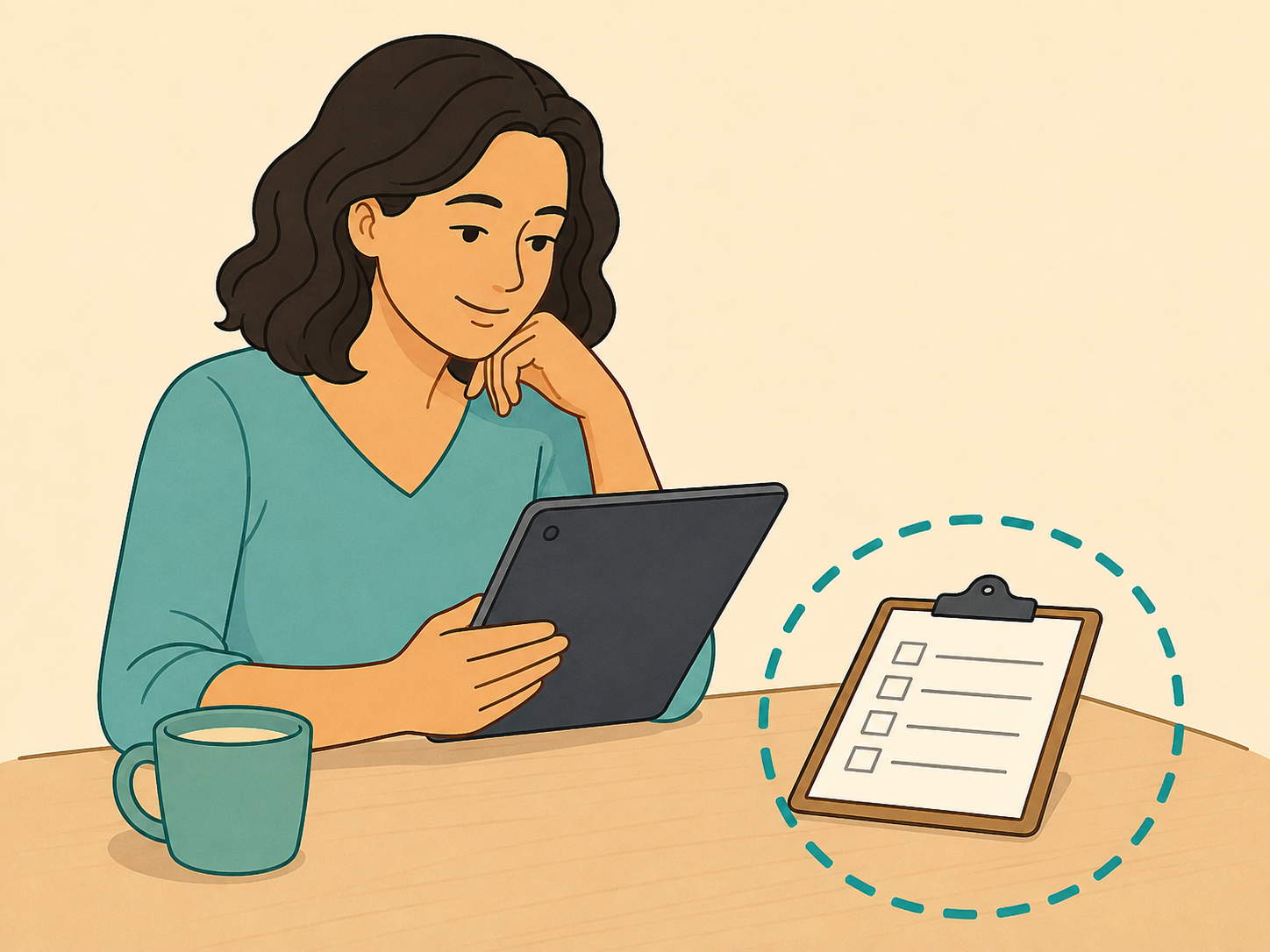
Do not assume an overnight stroke was caused by one bedtime drink or one beauty habit. The CDC lists stroke risk factors that include high blood pressure, diabetes, heart disease, smoking, high cholesterol, age, and drinking too much alcohol. Use the story as a prompt to review your own habits and medical risks calmly.
Identify alcohol and caffeine in your evening routine
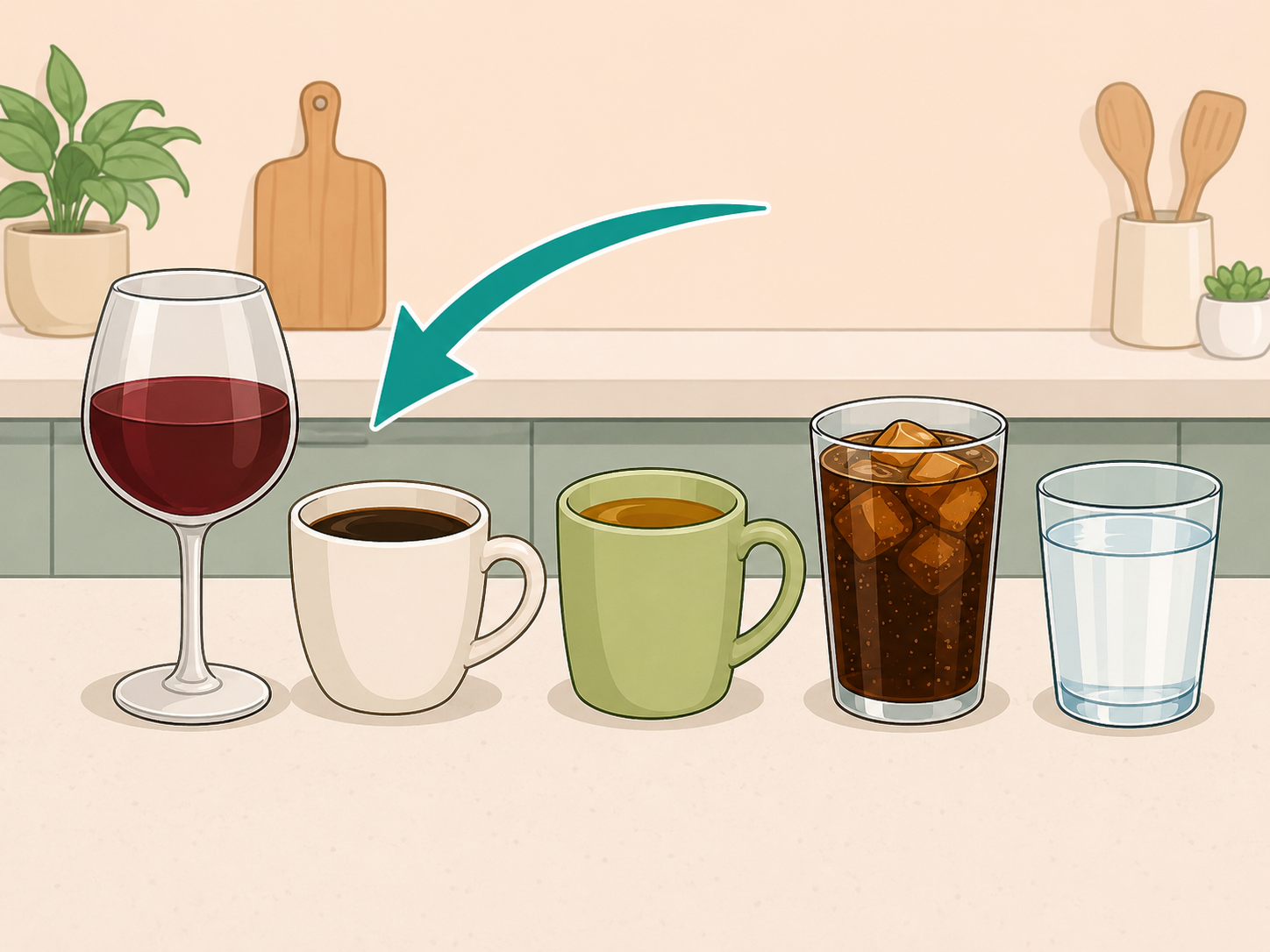
Look for wine, beer, cocktails, coffee, black or green tea, cola, energy drinks, and some chocolate drinks after dinner. MedlinePlus sleep guidance recommends avoiding caffeine in the afternoon and evening and avoiding alcoholic drinks before bed. Write down what you drink for a week so patterns are easier to spot.
Set a firm caffeine cutoff
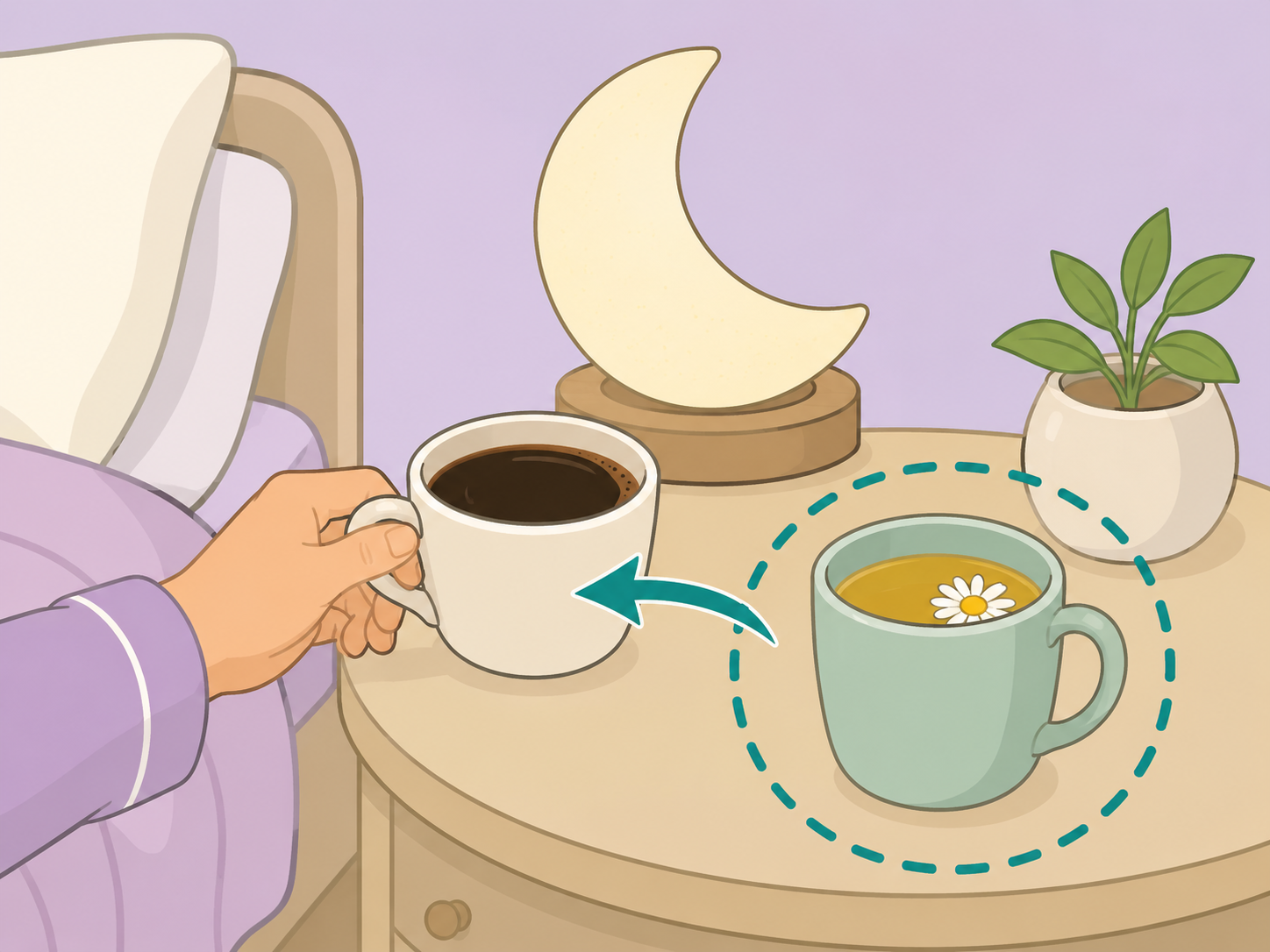
Caffeine is a stimulant, and MedlinePlus notes that people with sleep disorders, anxiety, migraines, GERD, ulcers, or heart rhythm problems may need to limit it. A practical cutoff is early afternoon, or earlier if you are sensitive. Switch to decaf or caffeine-free drinks after your cutoff time.
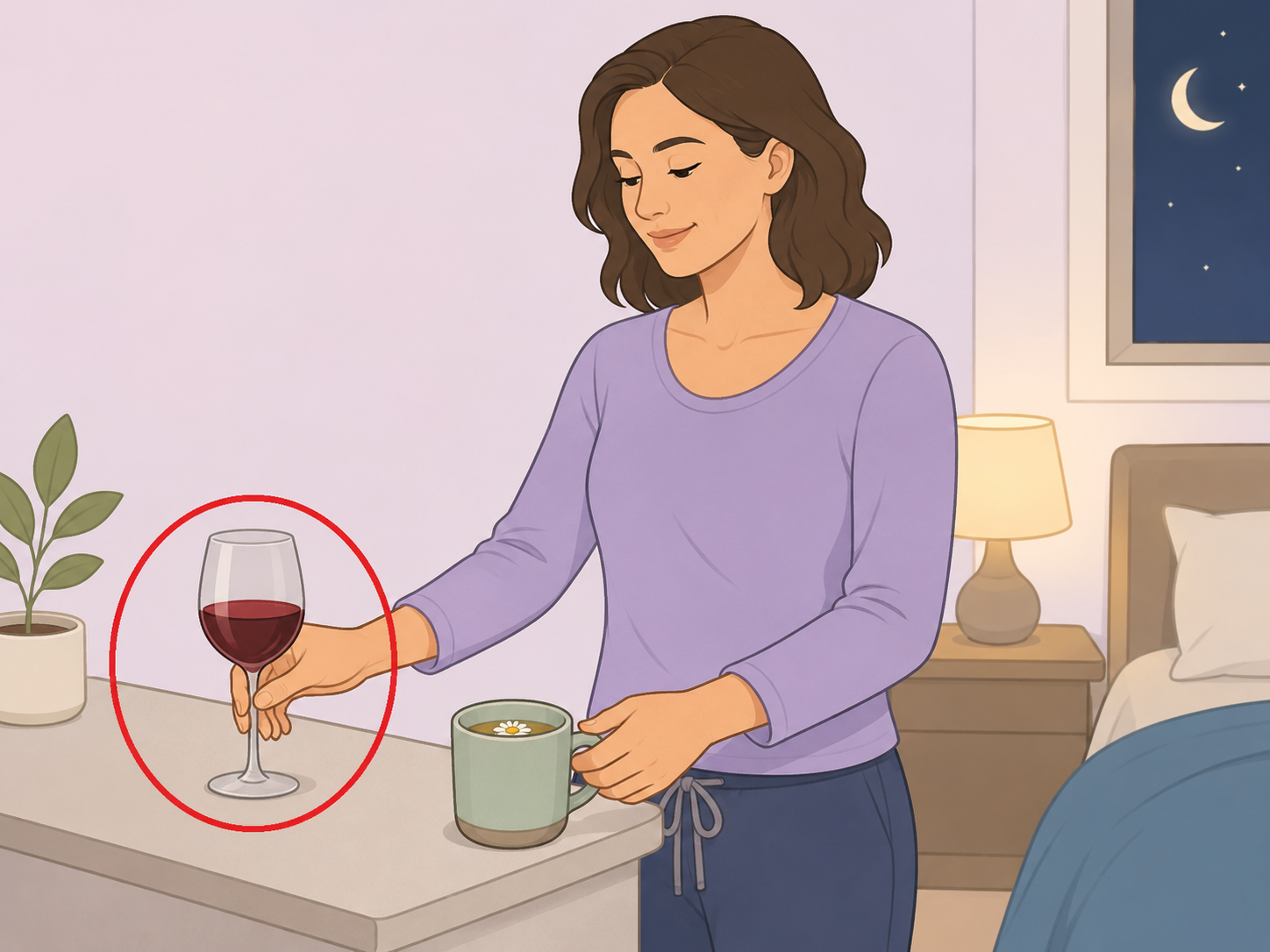
Avoid using alcohol as a sleep aid
Alcohol may make you feel sleepy at first, but it can disturb sleep later in the night. Mayo Clinic advises people with insomnia to limit alcohol to one drink at least four hours before bedtime and avoid caffeine after noon. If you regularly need alcohol to fall asleep, talk with a health professional.
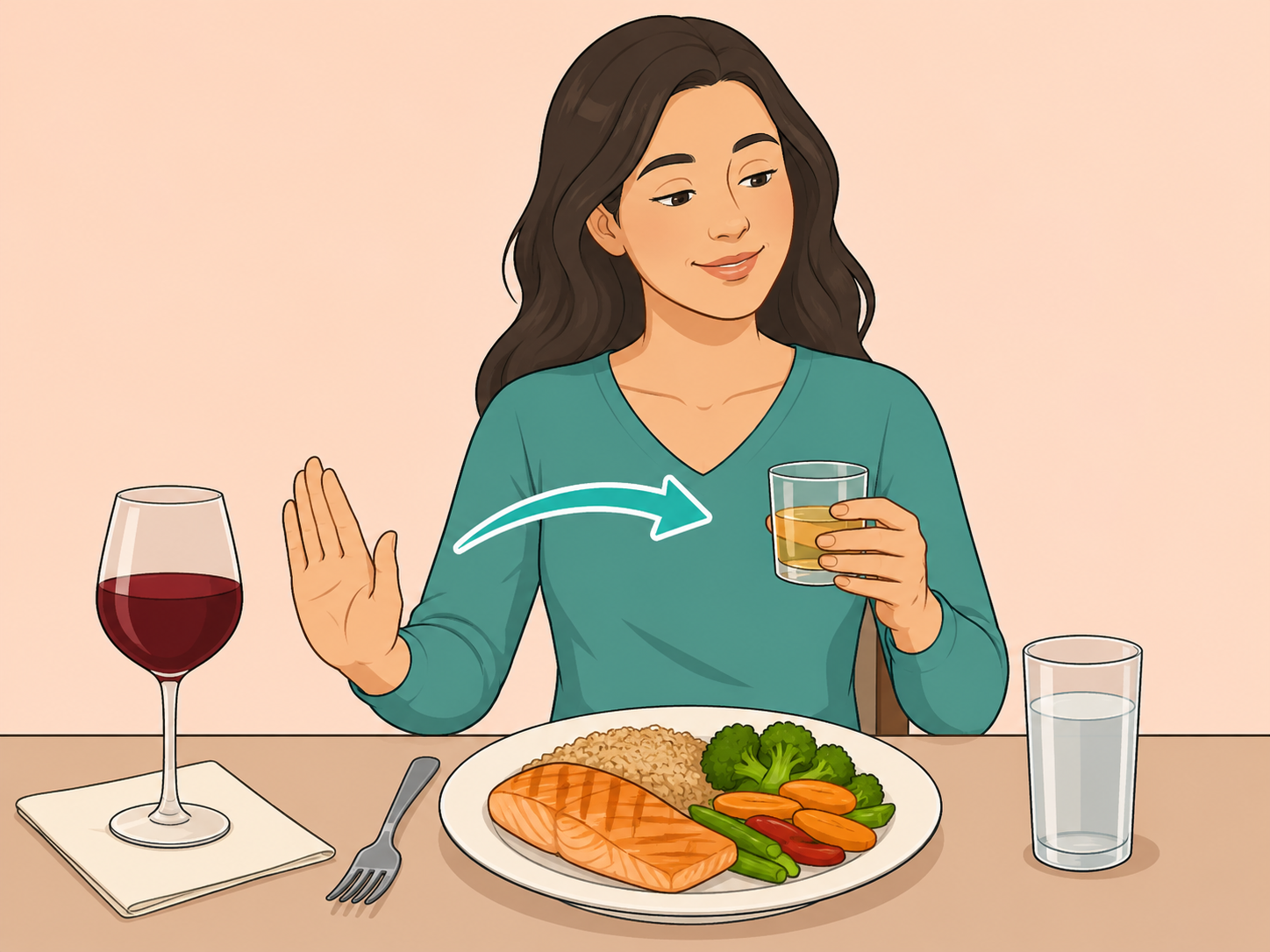
Keep alcohol within heart-health limits
If you drink alcohol, keep it moderate and avoid saving drinks for bedtime. The American Heart Association says too much alcohol can raise blood pressure and recommends no more than one drink per day for women and two for men. The CDC also links drinking too much alcohol with higher blood pressure and stroke risk.
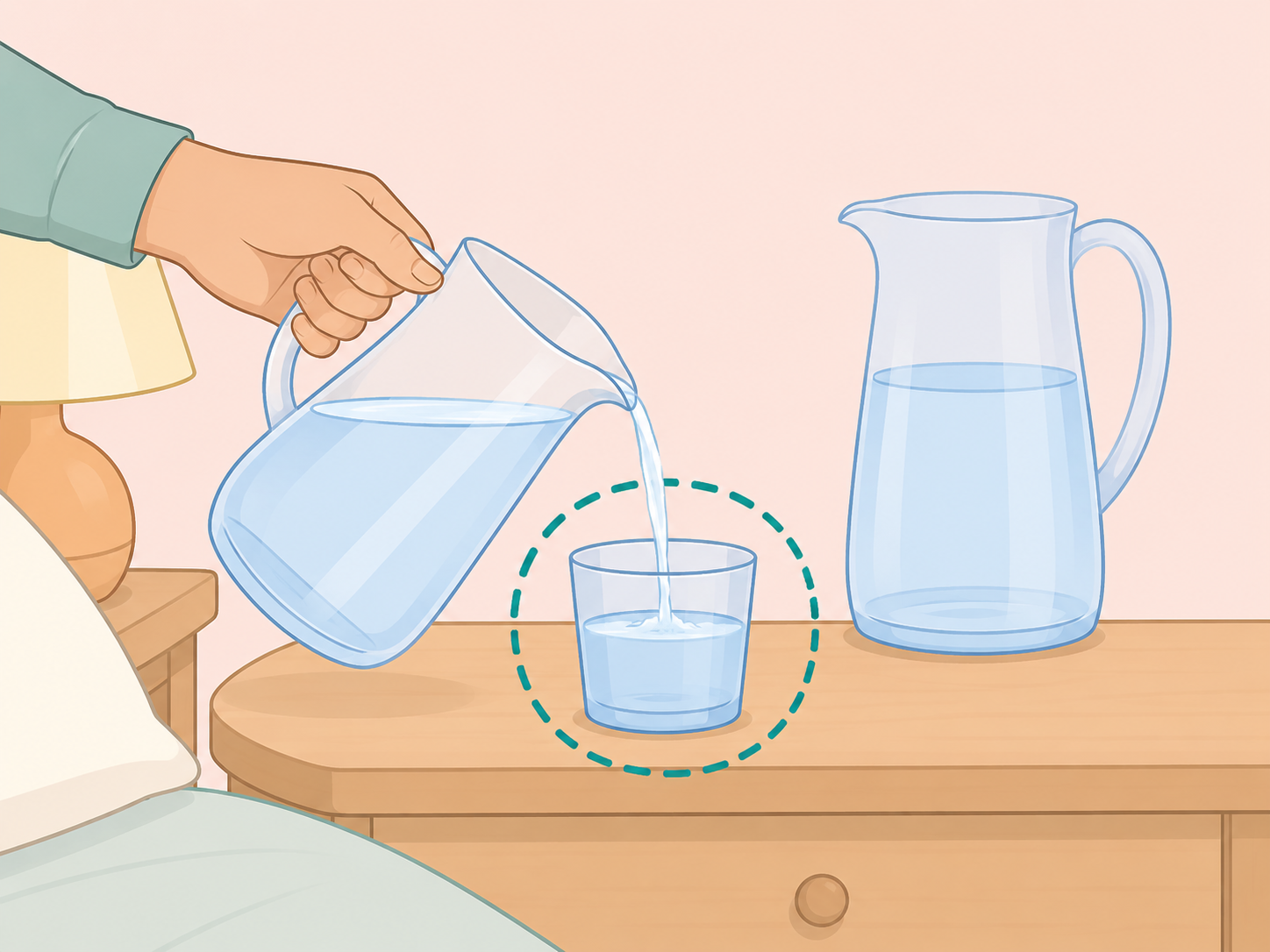
Stop large drinks close to bedtime
Even healthy drinks can wake you if you drink a lot late at night. Try keeping most hydration earlier in the day, then have only a small drink near bed if you are thirsty. Better sleep supports steadier daily routines, and MedlinePlus recommends avoiding large drinks late at night.
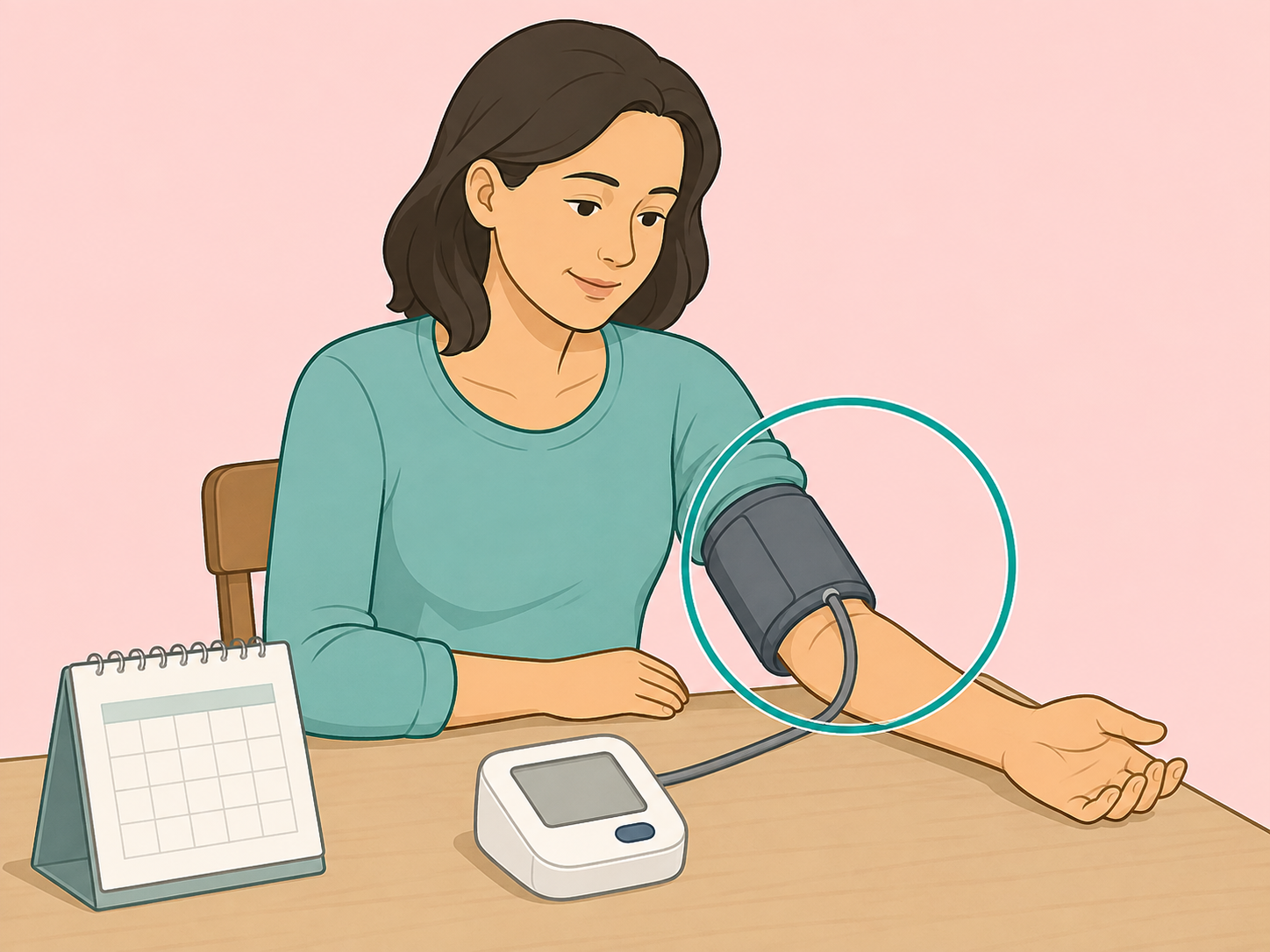
Check your blood pressure and risk factors
High blood pressure often has no symptoms, but it raises the risk of heart disease and stroke. The CDC recommends working with a health care team on blood pressure, diet, physical activity, smoking, alcohol, weight, stress, and medication when needed. Do not stop or change prescribed medicine because of something you read online.
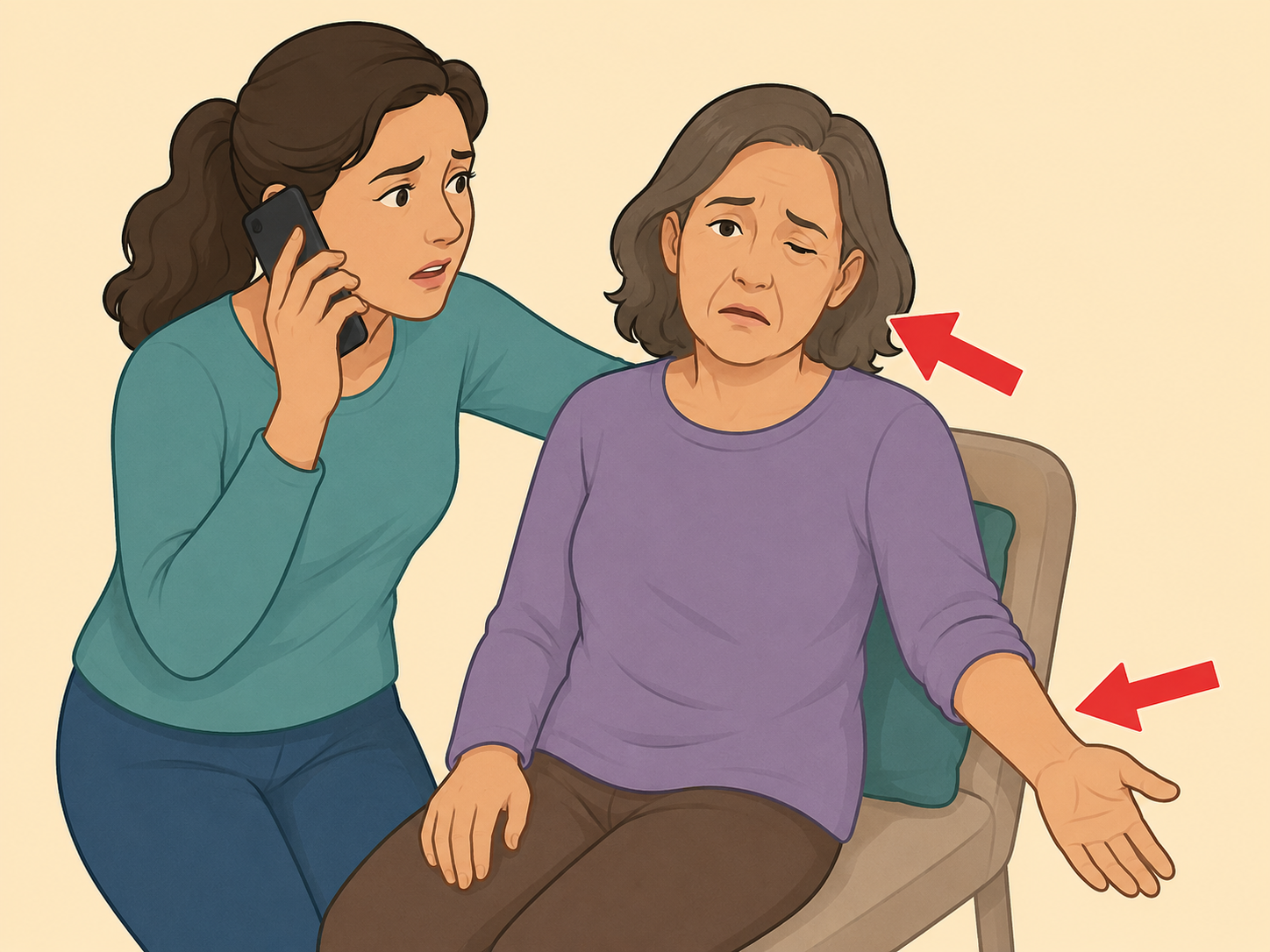
Seek emergency help for stroke warning signs
Call emergency services right away for sudden face drooping, arm weakness, speech trouble, confusion, vision changes, loss of balance, dizziness, or a severe headache with no known cause. The CDC says stroke treatment is time-sensitive, and symptoms that go away can still be a transient ischemic attack that needs urgent medical care. Do not wait to see whether symptoms improve overnight.
Summary
The bottom line: alcohol and caffeine are the two bedtime drink categories worth limiting if you are protecting sleep and watching cardiovascular risk. Pair that habit with regular blood pressure care, routine medical follow-up, and immediate emergency help for stroke symptoms.
Frequently Asked Questions
- Are alcohol and caffeine the two drinks to limit before bed?
Yes. For sleep and heart-health awareness, alcoholic drinks and caffeinated drinks are the two main categories to limit in the evening. They affect people differently, so pay attention to your own sleep, blood pressure, and symptoms.
- Can one drink before bed cause a stroke?
A single drink cannot be blamed for a stroke without medical evaluation. Stroke risk is usually shaped by several factors, including blood pressure, heart disease, diabetes, smoking, cholesterol, age, and alcohol intake over time.
- How late is too late for caffeine?
Many health sources advise avoiding caffeine in the afternoon or evening, especially if you have insomnia or light sleep. If you are sensitive to caffeine, set your cutoff earlier and switch to caffeine-free drinks.
- Is red wine safer before bed than other alcohol?
Red wine is still alcohol. The American Heart Association says it is not a miracle drink for heart health, and moderation still matters if you choose to drink.
- What should I drink before bed instead?
Try a small amount of water, warm milk, or a caffeine-free herbal tea. Keep the serving modest so you are less likely to wake up to urinate during the night.
- What stroke symptoms should never wait until morning?
Call emergency services right away for sudden face drooping, arm weakness, speech trouble, vision changes, balance problems, confusion, or a severe headache with no known cause. Do not drive yourself to the hospital.
References
Reliable references aided in composing and refining this content.
- https://www.cdc.gov/stroke/signs-symptoms/index.html
- https://www.cdc.gov/stroke/risk-factors/index.html
- https://www.cdc.gov/stroke/prevention/index.html
- https://www.cdc.gov/high-blood-pressure/about/index.html
- https://medlineplus.gov/healthysleep.html
- https://medlineplus.gov/caffeine.html
- https://www.heart.org/en/health-topics/high-blood-pressure/changes-you-can-make-to-manage-high-blood-pressure/limiting-alcohol-to-manage-high-blood-pressure
- https://www.mayoclinic.org/diseases-conditions/insomnia/expert-answers/insomnia/faq-20057824