
 Pin it
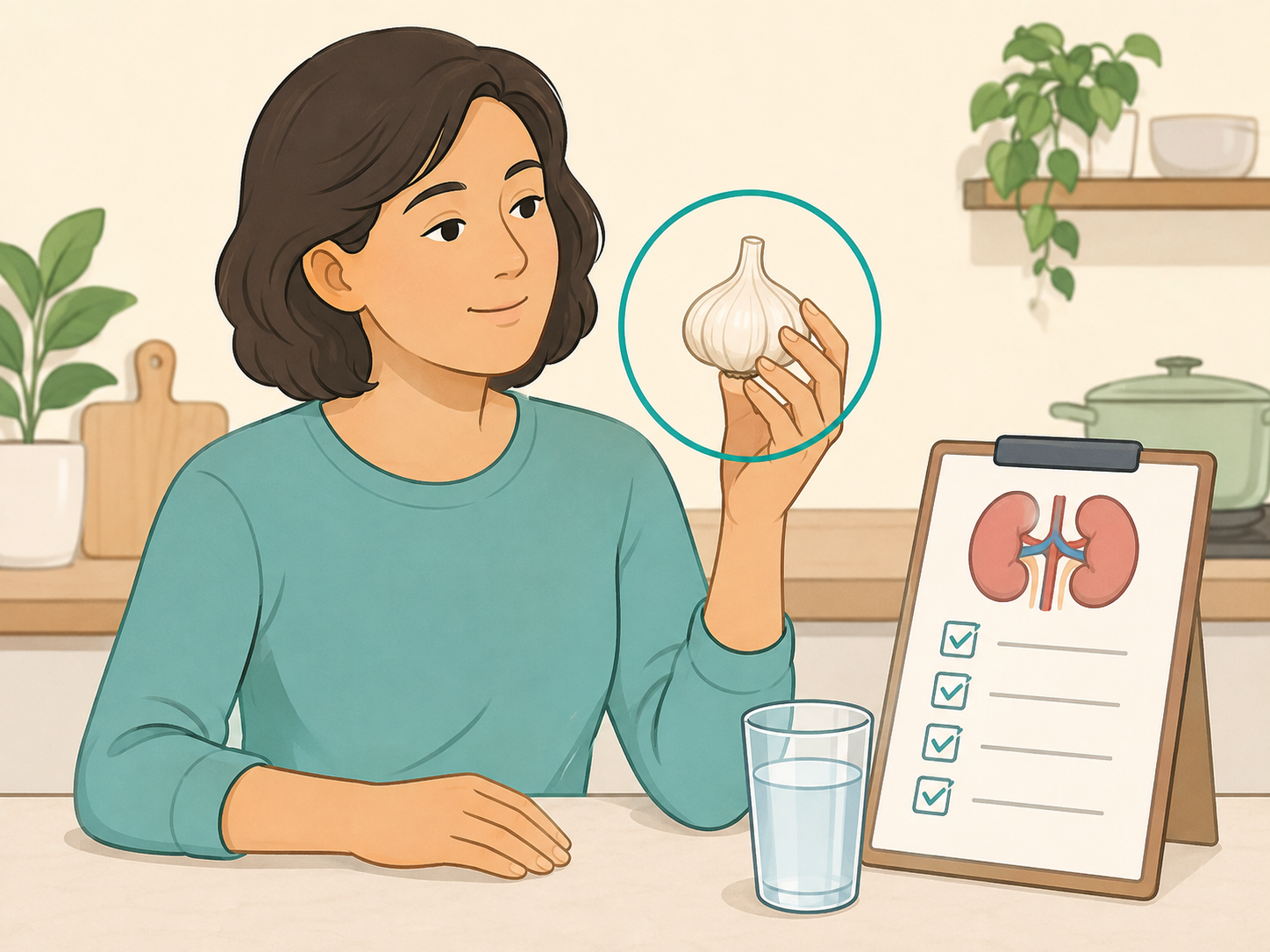
Garlic is often shared online as a dramatic health remedy, but kidney health needs a calmer, evidence-based approach. This guide explains how to use garlic safely, what to watch for with supplements and medicines, and when kidney symptoms or risk factors should be checked by a health professional.
Question dramatic garlic claims first
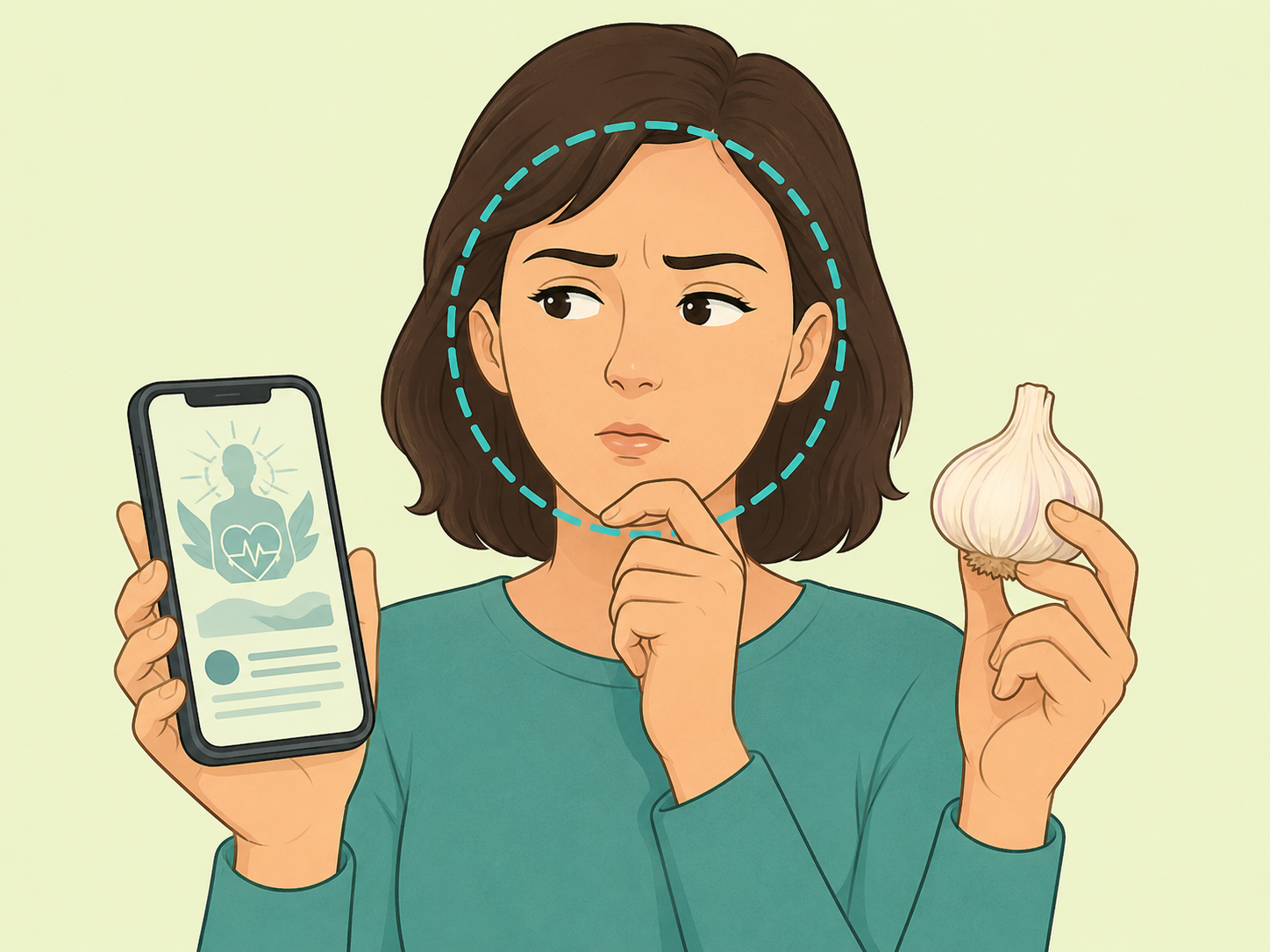
Treat stories about someone eating garlic daily and shocking doctors as anecdotes, not proof. The National Center for Complementary and Integrative Health notes that garlic supplements have been studied for cholesterol, blood pressure, and blood sugar, but the effects are limited and garlic is not a proven kidney treatment.
Use garlic mainly as a food
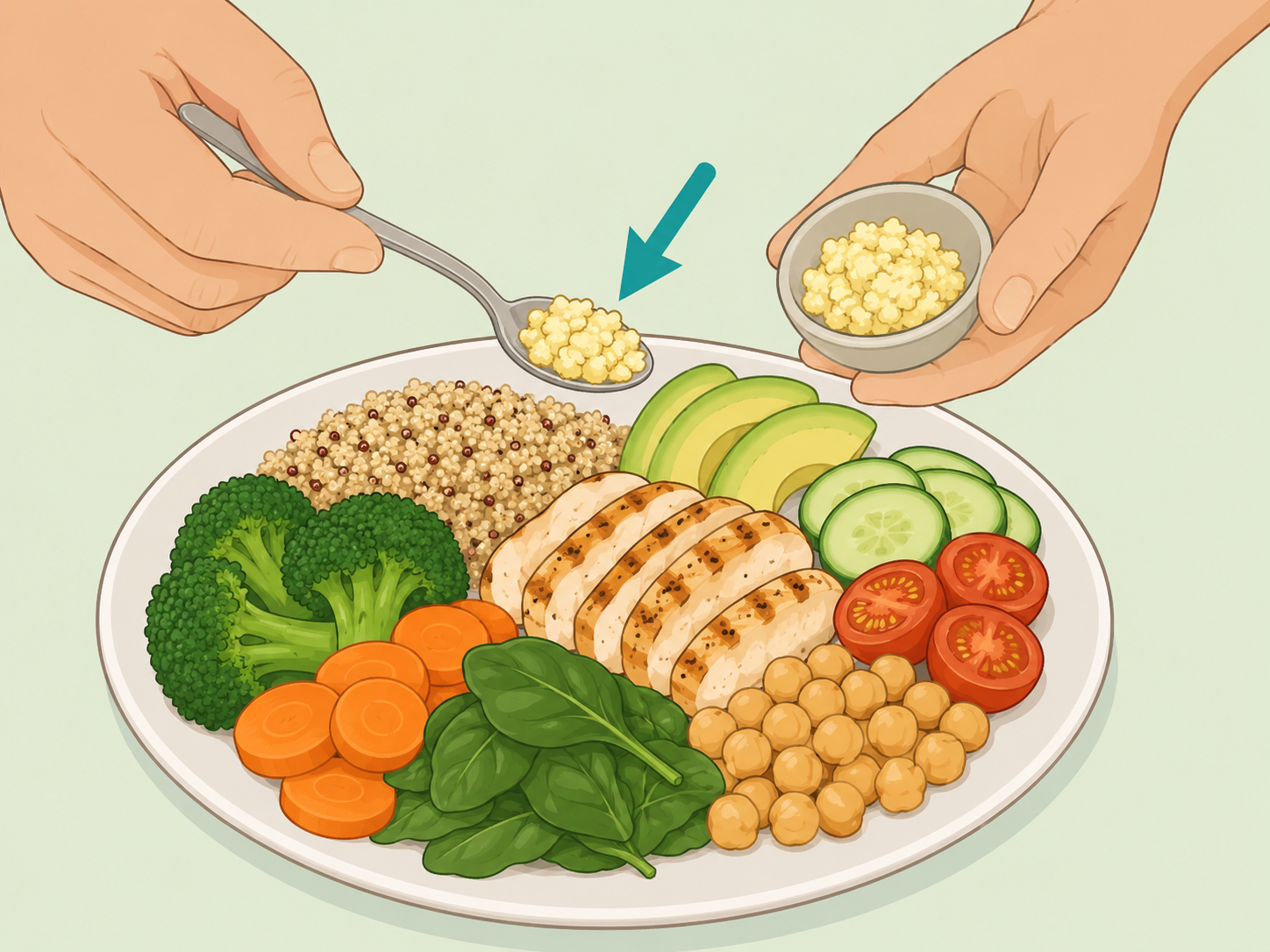
Add fresh garlic or garlic powder to meals for flavor instead of treating it like medicine. Food amounts are different from concentrated capsules, extracts, or oils, and the NCCIH garlic safety review lists possible side effects such as body odor, abdominal discomfort, gas, nausea, and allergic reactions.
Avoid garlic supplements without medical advice
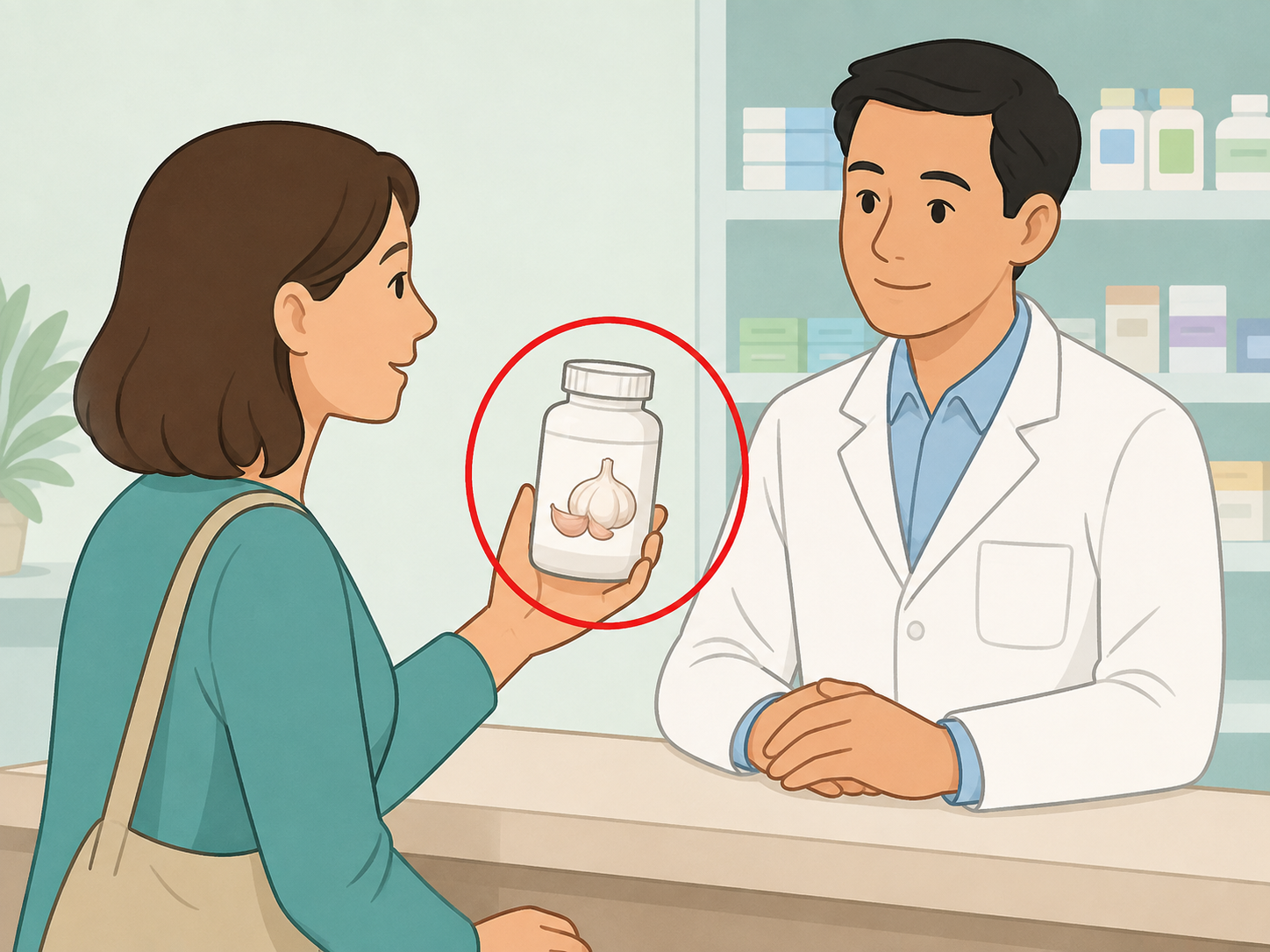
Talk with a doctor or pharmacist before taking garlic pills, especially if you take aspirin, anticoagulants, blood pressure medicine, diabetes medicine, or any regular prescription. Garlic supplements may increase bleeding risk, and the NIDDK advises people with kidney concerns to ask about medicines and supplements because interactions can matter.
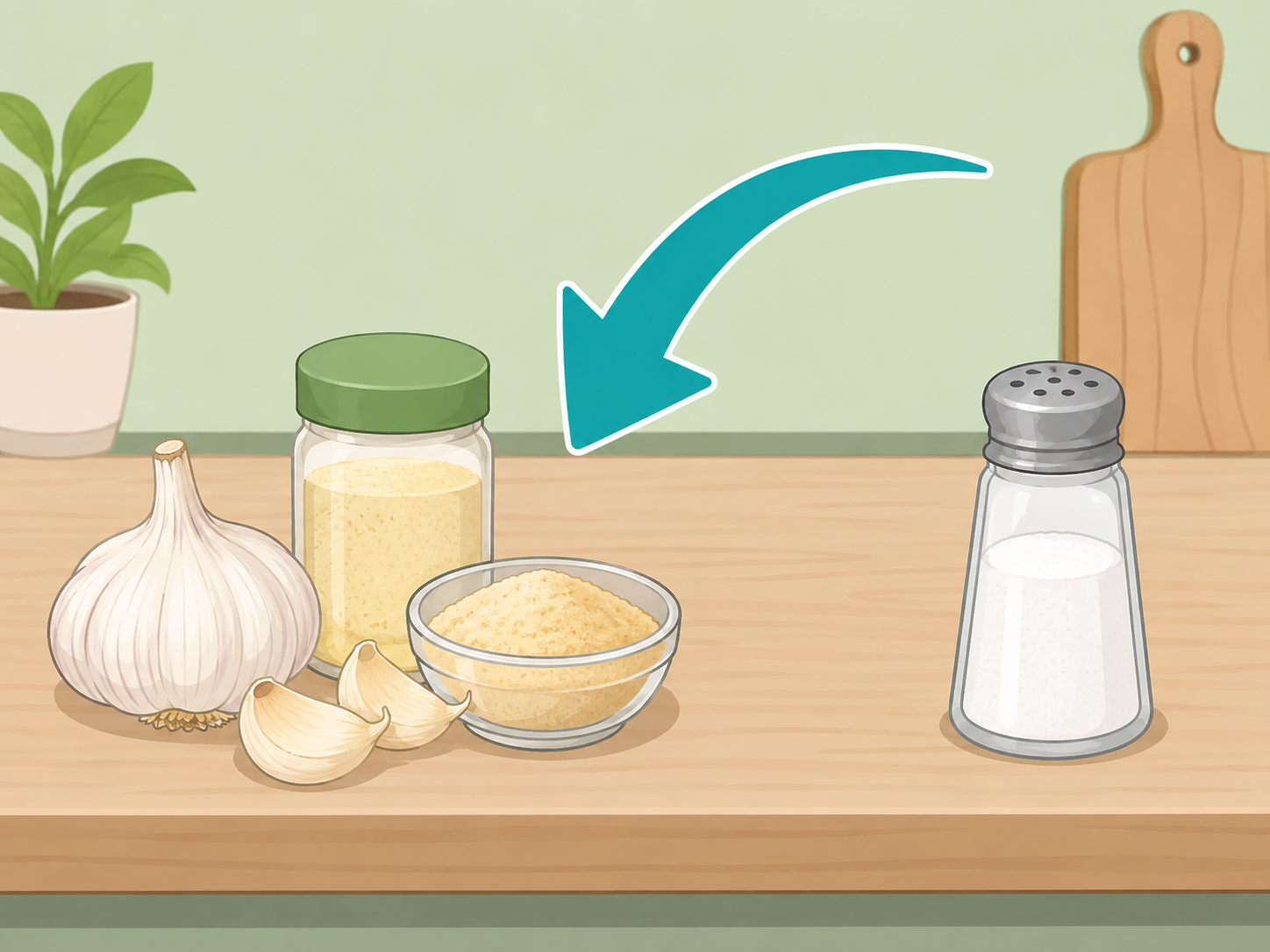
Choose garlic powder instead of garlic salt
If you are trying to protect your kidneys or manage blood pressure, use fresh garlic, garlic powder, onion, herbs, citrus, vinegar, or salt-free blends instead of garlic salt. The National Kidney Foundation recommends lower-sodium choices for many adults with chronic kidney disease and cautions that salt substitutes may contain potassium.
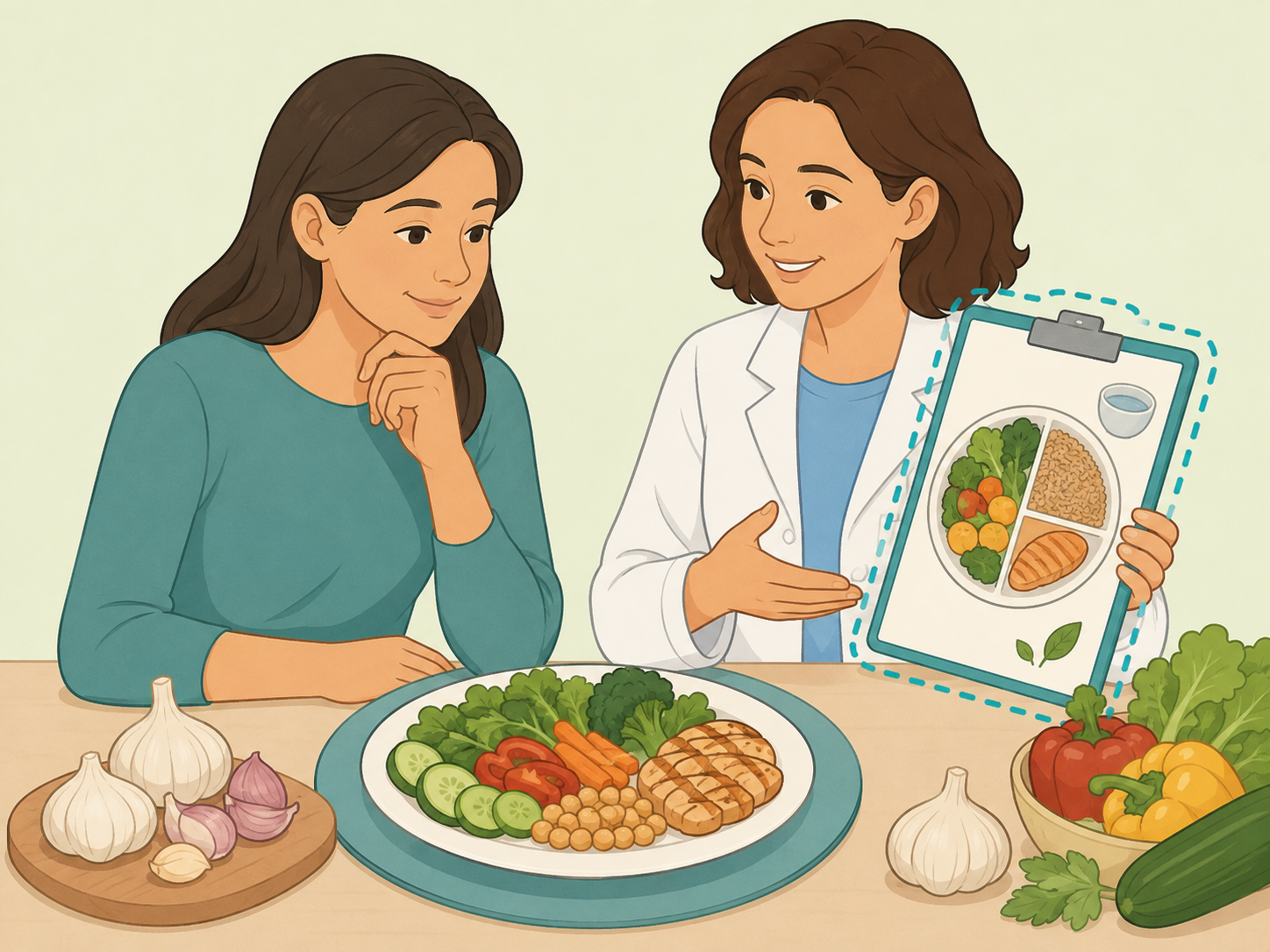
Follow your personal kidney diet plan
If you already have chronic kidney disease, do not assume one food rule fits everyone. Your potassium, phosphorus, protein, fluid, and sodium needs can depend on your lab results, medicines, diabetes status, and stage of kidney disease, so use garlic only within the plan your care team gives you.
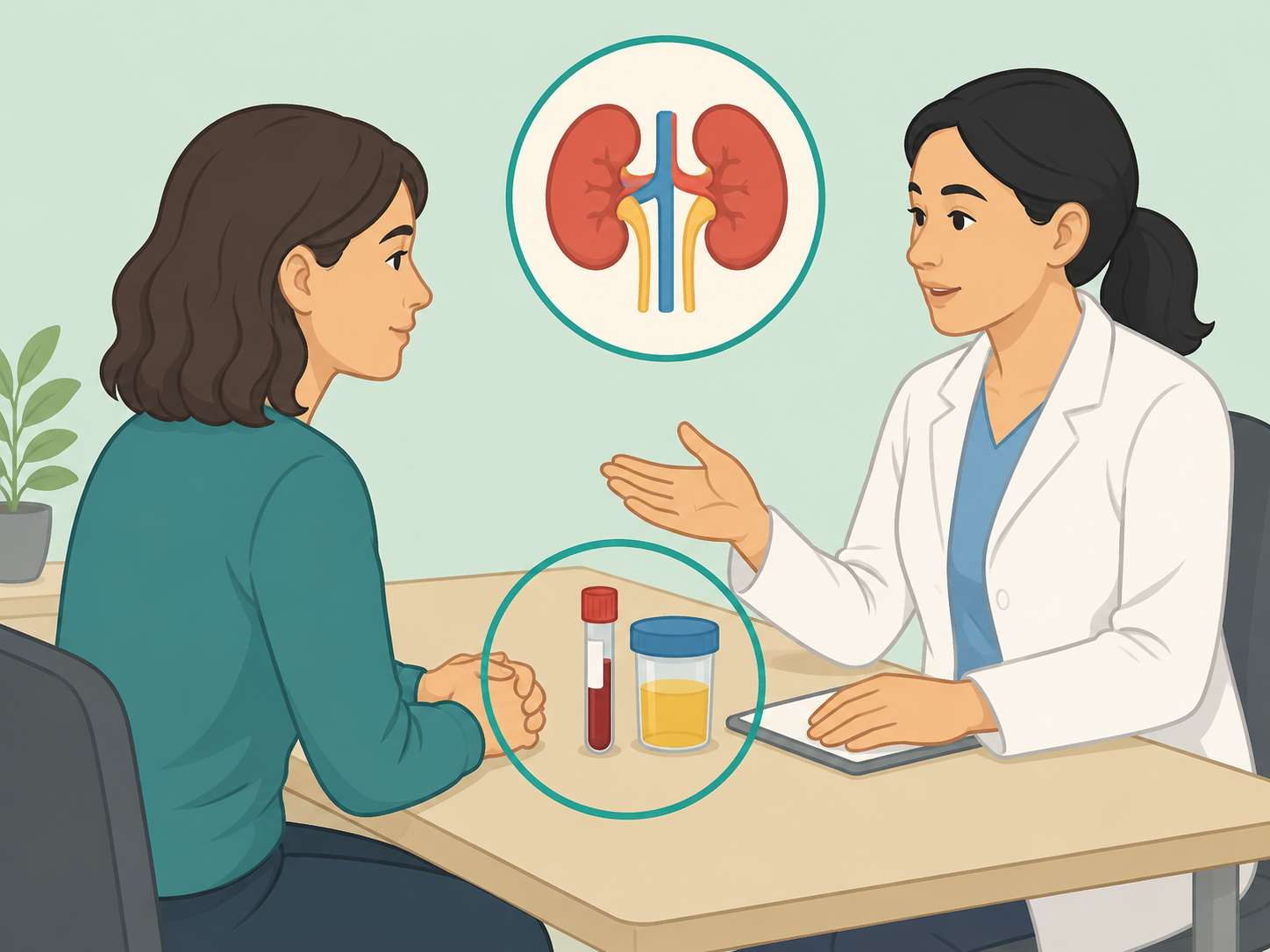
Get tested if you have kidney risk factors
Ask about kidney testing if you have diabetes, high blood pressure, heart failure, a family history of kidney disease, or a previous abnormal kidney test. The CDC explains that blood and urine tests are the way to know how well your kidneys are working, because symptoms may not appear early.
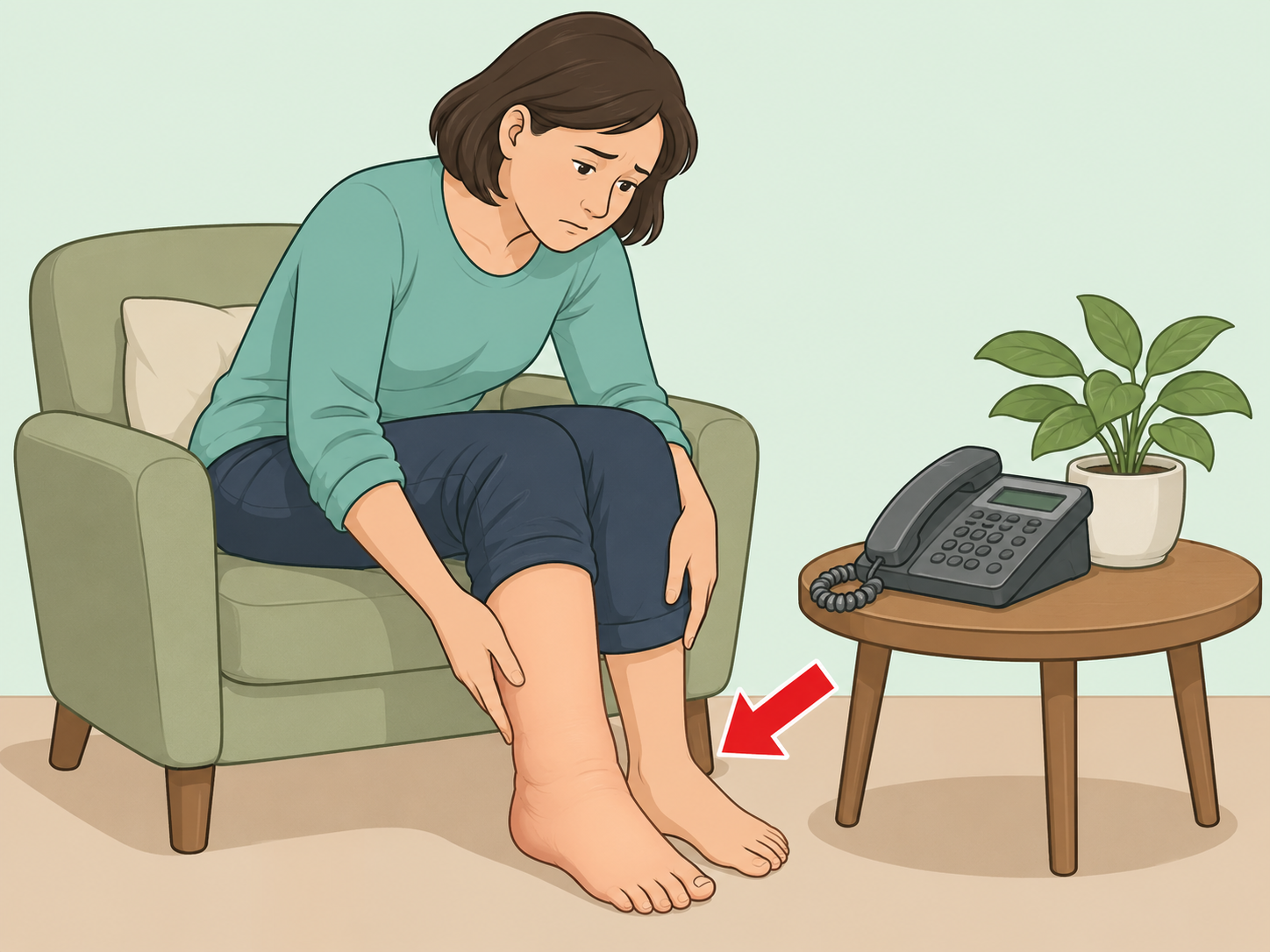
Watch for symptoms that need care
Make an appointment if you notice swelling in your feet or ankles, foamy urine, changes in urination, persistent fatigue, nausea, shortness of breath, itching, muscle cramps, or blood pressure that is hard to control. Mayo Clinic notes that chronic kidney disease symptoms can be vague, so testing and medical review are important when concerns persist.

Build kidney-safe habits beyond garlic
Keep the focus on proven kidney-protective habits: manage blood pressure, manage blood sugar if you have diabetes, avoid smoking, stay active as advised, and use over-the-counter pain medicines only as directed. The CDC describes chronic kidney disease as a condition that can often be managed better when found and treated early.
Summary
The bottom line: garlic is best treated as a food and a salt-free seasoning, not as a kidney treatment. If you have kidney disease, diabetes, high blood pressure, unusual symptoms, or take blood thinners, ask a qualified health professional before using garlic supplements or making major diet changes.
Frequently Asked Questions
- Can garlic clean or detox the kidneys?
No. Your kidneys filter waste from your blood, and there is no good evidence that garlic detoxes or cleans them. Kidney health is best checked with medical blood and urine tests.
- Is it safe to eat garlic every day?
Food amounts of garlic are generally safe for many people, but they can cause bad breath, stomach upset, gas, nausea, or allergic reactions. Supplements are more concentrated and need more caution.
- Can garlic supplements hurt my kidneys?
Garlic supplements are not known as a common direct cause of kidney damage, but they can interact with medicines and increase bleeding risk. If you have kidney disease or take regular medication, ask your doctor or pharmacist first.
- Is garlic powder better than garlic salt for kidney health?
Garlic powder is usually the better choice if you are limiting sodium because garlic salt adds salt. People with chronic kidney disease may also need individualized limits for sodium, potassium, phosphorus, protein, or fluids.
- How do I know if my kidneys are healthy?
You usually cannot tell by symptoms alone. Blood tests such as creatinine and eGFR, plus urine tests for protein or albumin, are common ways clinicians check kidney function.
- When should I get medical help for possible kidney problems?
Contact a health professional if you have swelling, foamy urine, major changes in urination, unusual fatigue, nausea, shortness of breath, or high blood pressure that is hard to control. Seek urgent care for severe symptoms or sudden worsening.
References
Reliable references aided in composing and refining this content.
- https://www.nccih.nih.gov/health/garlic
- https://www.cdc.gov/kidney-disease/about/index.html
- https://www.cdc.gov/kidney-disease/testing/index.html
- https://www.kidney.org/kidney-topics/creating-kidney-friendly-plate?page=0
- https://www.niddk.nih.gov/health-information/kidney-disease/keeping-kidneys-safe
- https://www.mayoclinic.org/diseases-conditions/chronic-kidney-disease/symptoms-causes/syc-20354521?p=1&sf187055194=1