
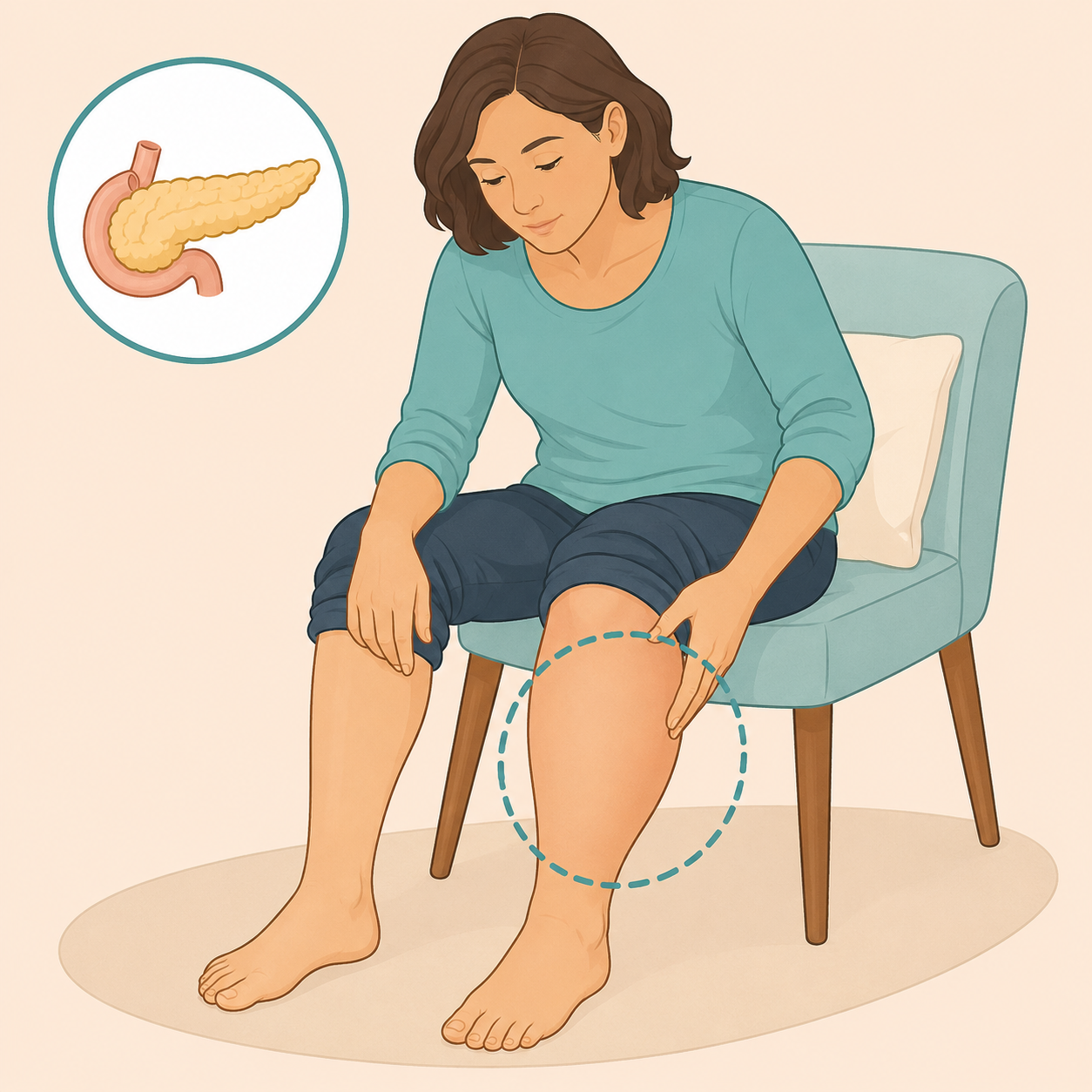
 Pin it
Leg symptoms are not a simple way to judge pancreatic health, and most leg changes are caused by something else. Still, sudden swelling or pain in one leg can be a warning sign of a blood clot, and trusted medical sources list arm or leg pain and swelling among possible symptoms connected with pancreatic cancer. This guide explains what to watch for, when to seek help, and how to describe your symptoms clearly to a health professional.
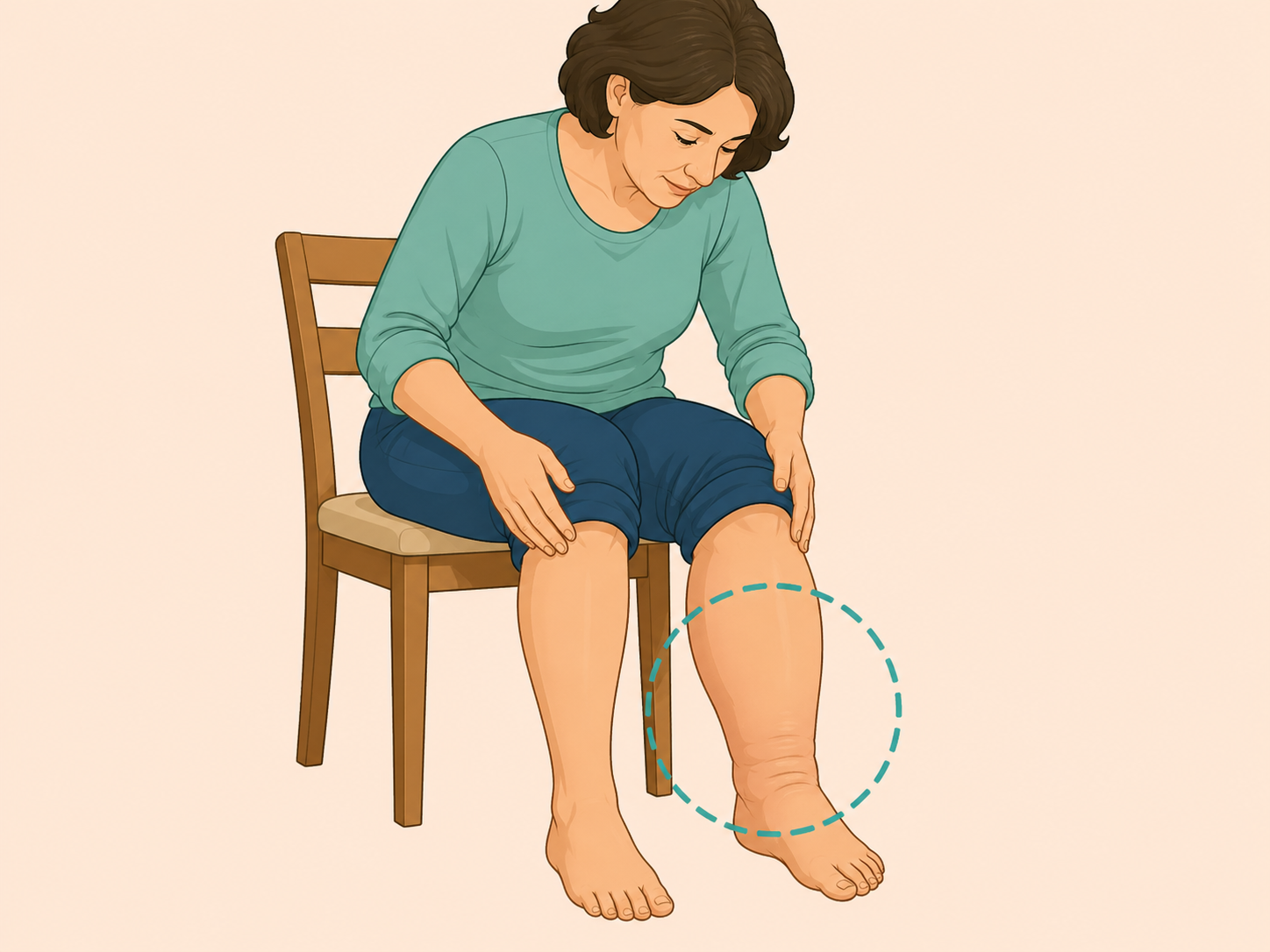
Notice sudden one-sided swelling
Compare both legs and pay attention to swelling that appears suddenly, affects mainly one side, or does not improve with rest and elevation. The Mayo Clinic lists pain and swelling in an arm or leg as a possible pancreatic cancer symptom because it may be caused by a blood clot, but this symptom alone cannot tell you the cause.

Check for calf pain, warmth, or color change
Look for calf cramping, soreness, tenderness, warmth, or red or purple color changes, especially when they affect one leg more than the other. These are common warning signs of deep vein thrombosis, a clot that often forms in deep veins of the leg and needs medical attention.
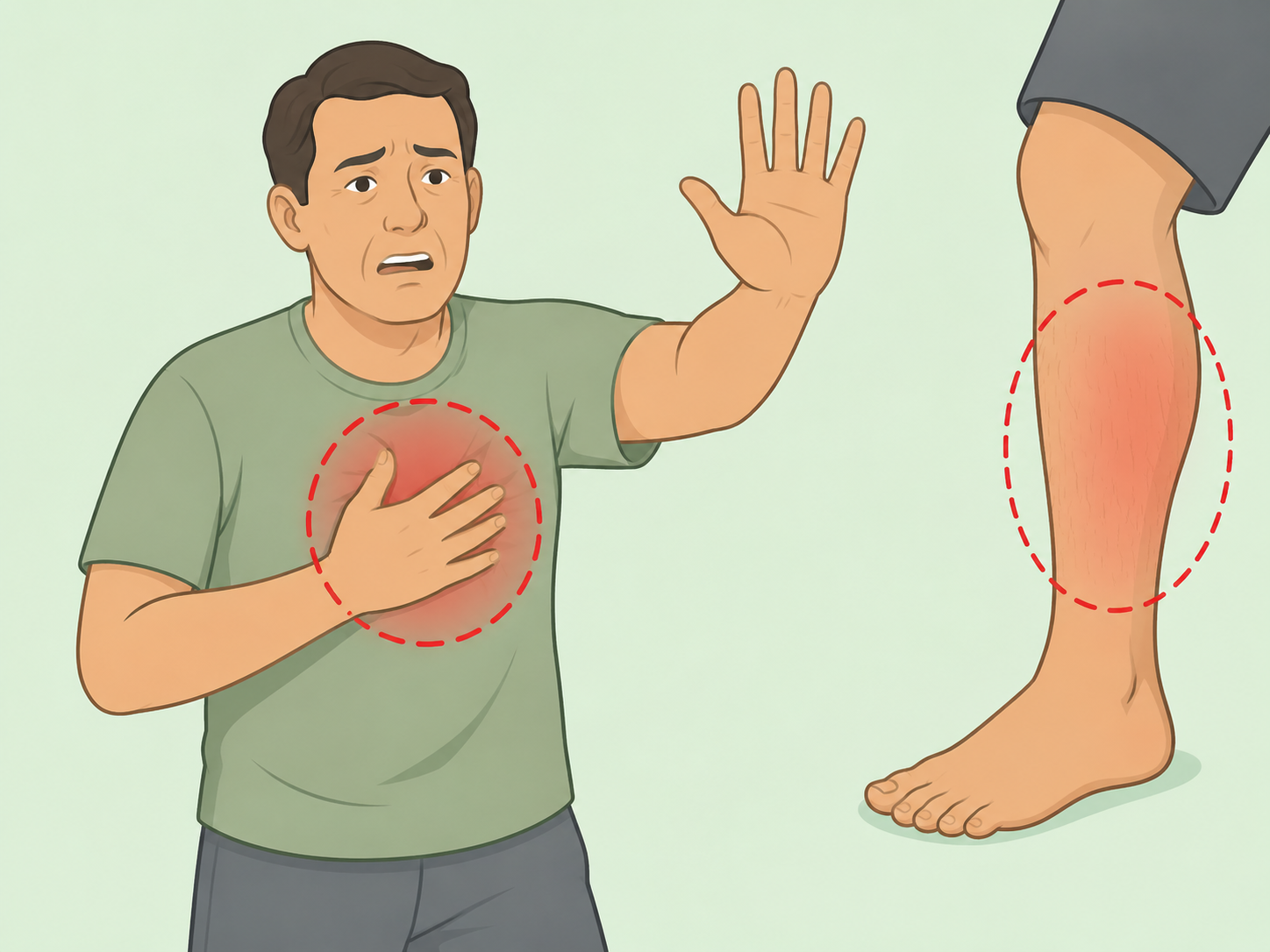
Treat breathing symptoms as an emergency
Get emergency help if leg symptoms are joined by sudden shortness of breath, chest pain, fainting, rapid breathing, a fast pulse, or coughing up blood. A clot in the leg can sometimes travel to the lungs, and MedlinePlus explains that pulmonary embolism can block blood flow in the lungs.
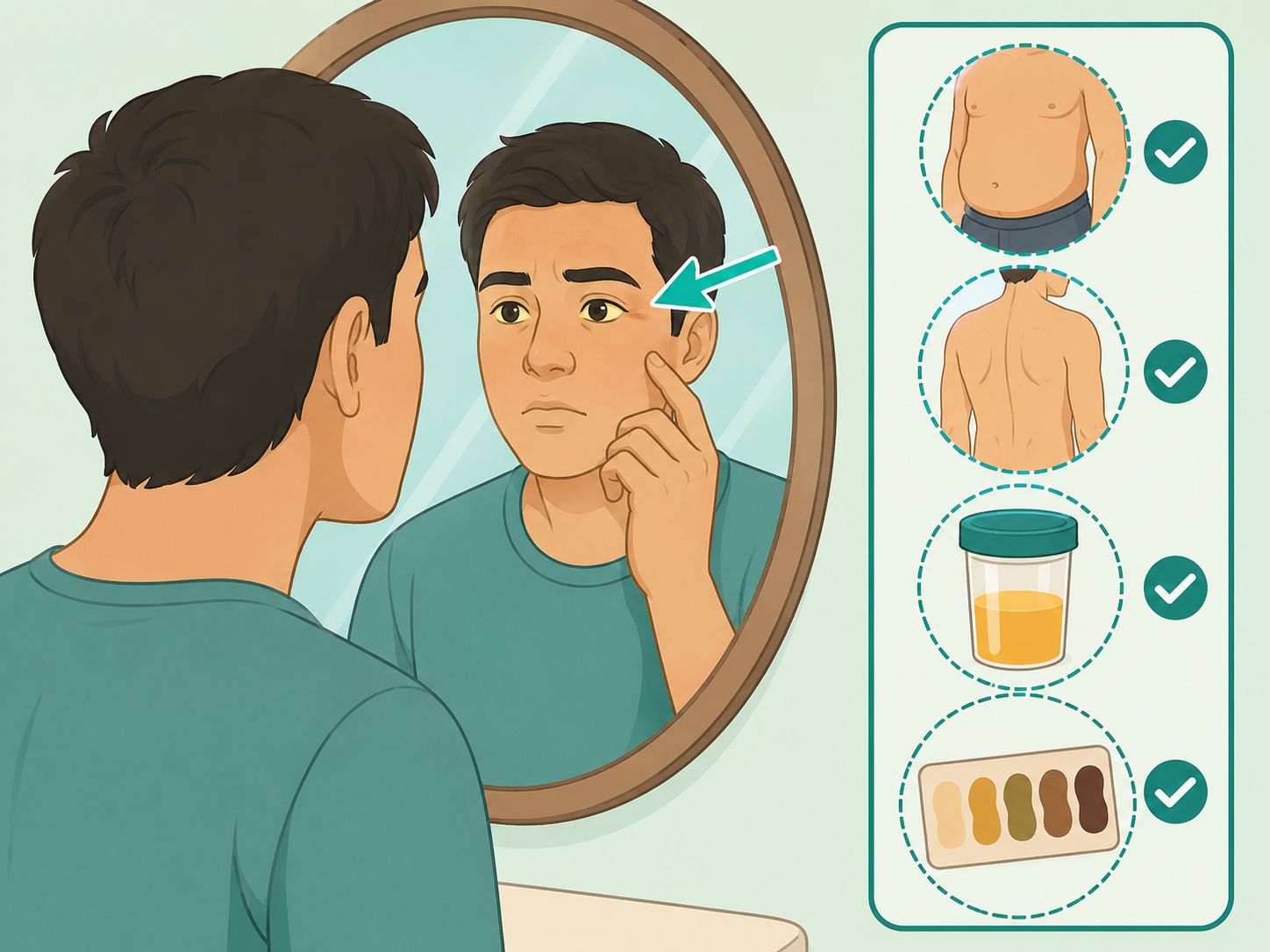
Look for pancreatic symptoms outside the legs
Leg symptoms matter more when they appear with changes such as yellowing of the skin or eyes, dark urine, pale or greasy stools, itching, upper belly pain that spreads to the back, unexplained weight loss, poor appetite, or unusual fatigue. MedlinePlus notes that pancreatic cancer symptoms are often vague, while the National Cancer Institute lists jaundice, pain, weight loss, appetite loss, and fatigue among symptoms to discuss with a doctor.

Separate clot signs from pancreatitis pain
Do not assume every concerning symptom points to the same condition. Acute pancreatitis usually causes sudden, severe abdominal pain that may spread to the back, and the NHS says it needs urgent hospital treatment; a painful swollen leg is a different warning pattern that may point toward a clot or another vascular problem.
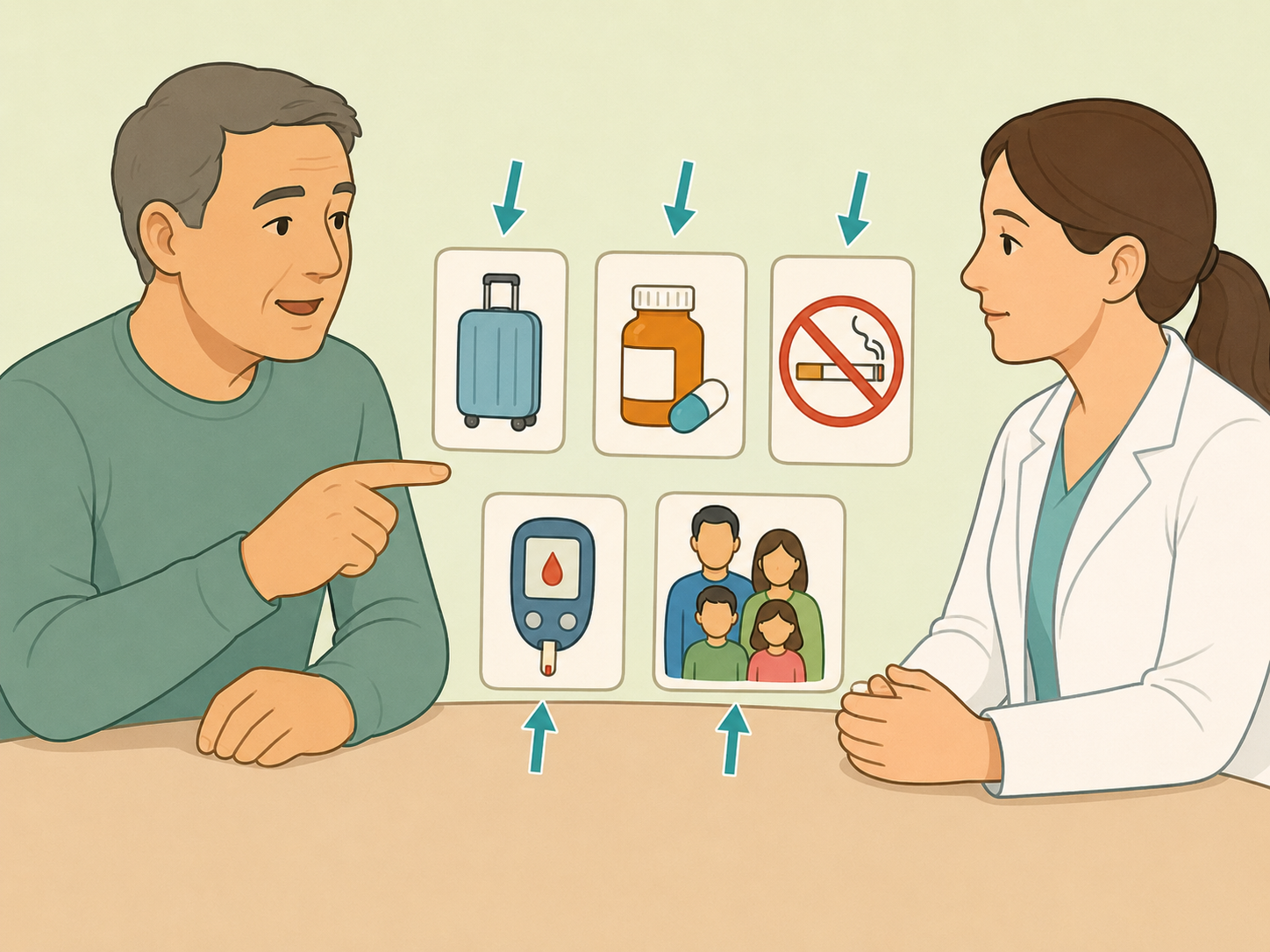
Review your clot and pancreatic risk factors
Tell a clinician if you have cancer or cancer treatment, recent surgery, long travel or bed rest, smoking, pregnancy or recent birth, estrogen-containing medicines, obesity, diabetes, chronic pancreatitis, or a family history of pancreatic cancer. MedlinePlus lists cancer, smoking, some medicines, and staying in one position among clot risk factors, and pancreatic cancer risk factors include smoking, diabetes, chronic pancreatitis, family history, obesity, and older age.
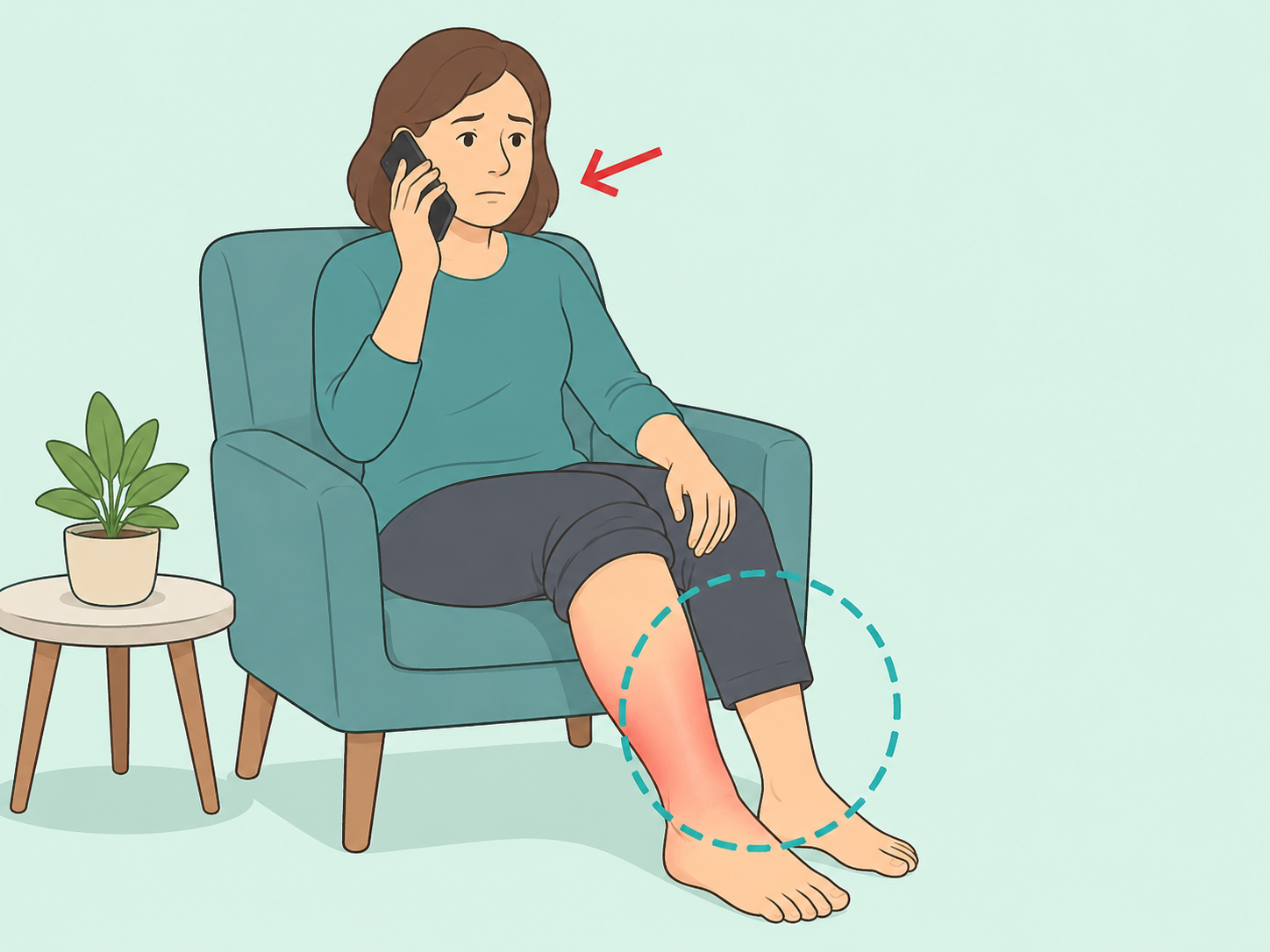
Call a doctor when symptoms are new, sudden, or unexplained
Contact a doctor promptly for new one-sided swelling, persistent calf pain, warmth, tenderness, or color change, even if you feel otherwise well. Do not try to diagnose the cause at home; a health professional can decide whether the symptoms fit a clot, infection, injury, circulation problem, medication effect, or another condition.
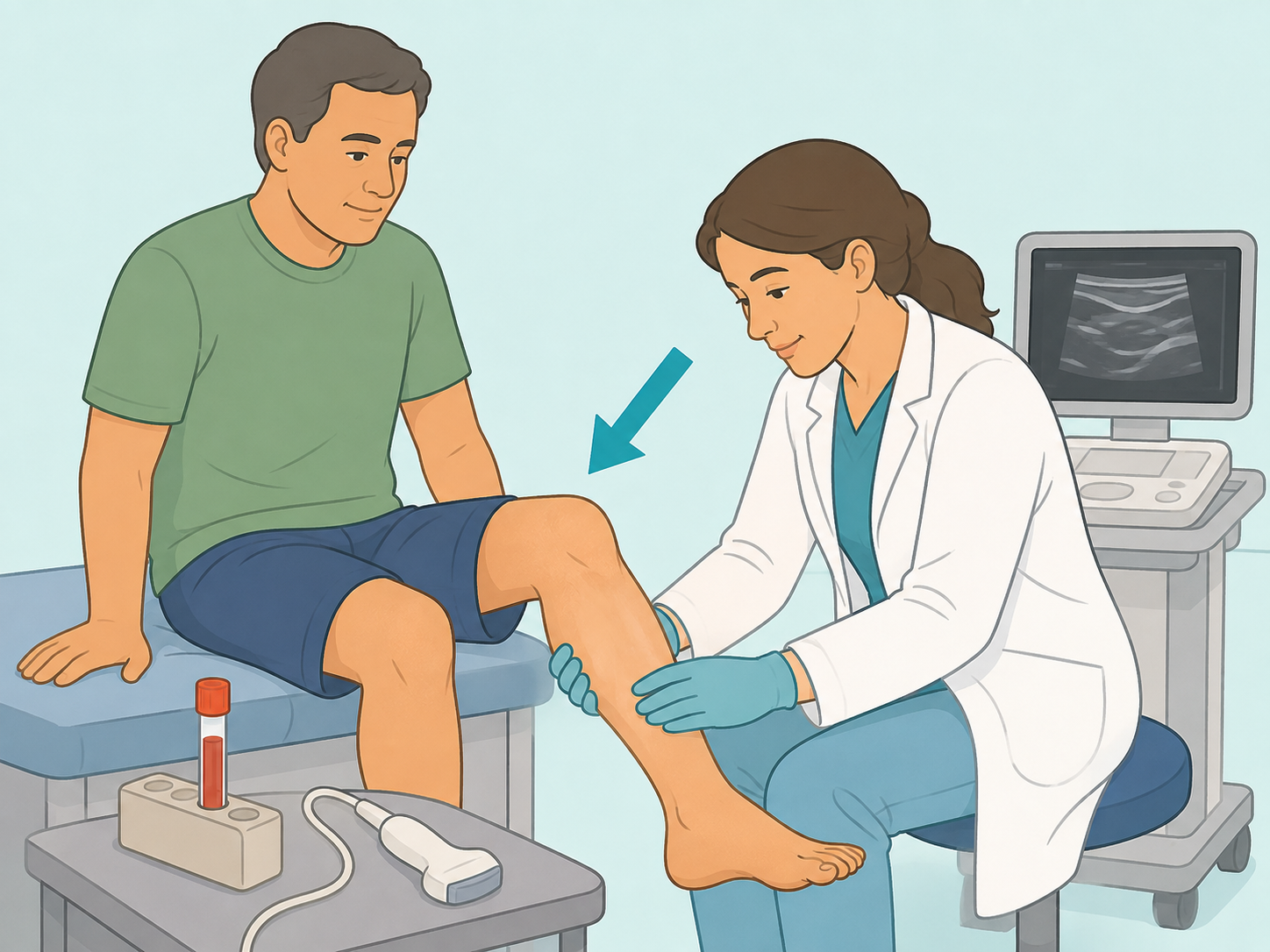
Let clinicians decide which tests are needed
Expect questions about your symptoms, medical history, medicines, and recent travel or procedures. A clinician may use an exam and tests, and MedlinePlus says a D-dimer test can help determine whether more testing is needed for clotting disorders such as DVT or pulmonary embolism.
Summary
The bottom line: do not panic over ordinary leg changes, but do not ignore sudden one-sided swelling, calf pain, warmth, or color change. If those symptoms appear with jaundice, unexplained weight loss, upper belly or back pain, dark urine, pale stools, or breathing symptoms, get medical advice promptly.
Frequently Asked Questions
- Can leg swelling be a sign of pancreatic cancer?
- It can be related in some cases because pancreatic cancer may be associated with blood clots, and a clot can cause pain or swelling in a limb. Leg swelling has many more common causes, so it should be checked rather than treated as a diagnosis.
- Is every swollen leg a blood clot?
- No. Leg swelling can come from injury, infection, vein problems, medication effects, heart or kidney issues, and other causes. Sudden one-sided swelling, especially with calf pain, warmth, or color change, deserves prompt medical advice.
- What symptoms mean I should seek emergency help?
- Seek emergency care for sudden shortness of breath, chest pain that worsens with deep breathing or coughing, fainting, rapid breathing, a fast pulse, or coughing up blood. These can be warning signs of a pulmonary embolism.
- Can pancreatitis cause leg symptoms?
- Leg symptoms are not the main sign of acute pancreatitis. Acute pancreatitis usually causes sudden, severe upper abdominal pain that may spread to the back, often with nausea, vomiting, or fever.
- What should I tell my doctor about leg symptoms?
- Tell them when the symptom started, whether one leg is more swollen than the other, whether there is pain, warmth, tenderness, or skin color change, and whether you also have jaundice, dark urine, pale stools, weight loss, belly pain, back pain, or a new diabetes diagnosis.
- Should I wait to see if a painful swollen leg improves?
- Do not wait if the swelling is sudden, one-sided, painful, warm, discolored, or unexplained. Contact a health professional promptly, and seek emergency care if breathing or chest symptoms occur.
References
Reliable references aided in composing and refining this content.
- https://www.mayoclinic.org/diseases-conditions/pancreatic-cancer/symptoms-causes/syc-20355421?p=1
- https://medlineplus.gov/pancreaticcancer.html
- https://www.cancer.gov/types/pancreatic/patient/pancreatic-treatment-pdq
- https://www.mayoclinic.org/diseases-conditions/deep-vein-thrombosis/symptoms-causes/syc-20352557
- https://medlineplus.gov/bloodclots.html
- https://medlineplus.gov/lab-tests/d-dimer-test
- https://www.nhs.uk/conditions/acute-pancreatitis