
 Pin it
Life support decisions can feel overwhelming, especially when a loved one cannot speak for themselves. Viral stories about last words or sudden changes can add emotion, but real choices should be guided by the medical team, the person's wishes, and careful family communication. This guide explains how to ask clear questions, support comfort, and care for yourself through the process.

Ask what each life support treatment is doing
Ask the doctor or nurse to name each treatment and explain whether it is supporting breathing, nutrition, kidney function, circulation, or another body system. Cleveland Clinic explains that life support can help during serious illness or injury, but it may also become burdensome when recovery is not likely.

Request a clear medical outlook
Ask what the team expects over the next hours, days, and weeks if treatment continues, and what may happen if it is stopped. The National Institute on Aging recommends asking direct questions about likely outcomes, comfort, hospice, and whether treatments will provide meaningful quality time.

Look for written wishes or an advance directive
Check whether your loved one has a living will, health care proxy, durable power of attorney for health care, DNR order, or other advance care document. MedlinePlus describes advance directives as documents that help explain care wishes when someone is too ill or injured to speak for themselves.
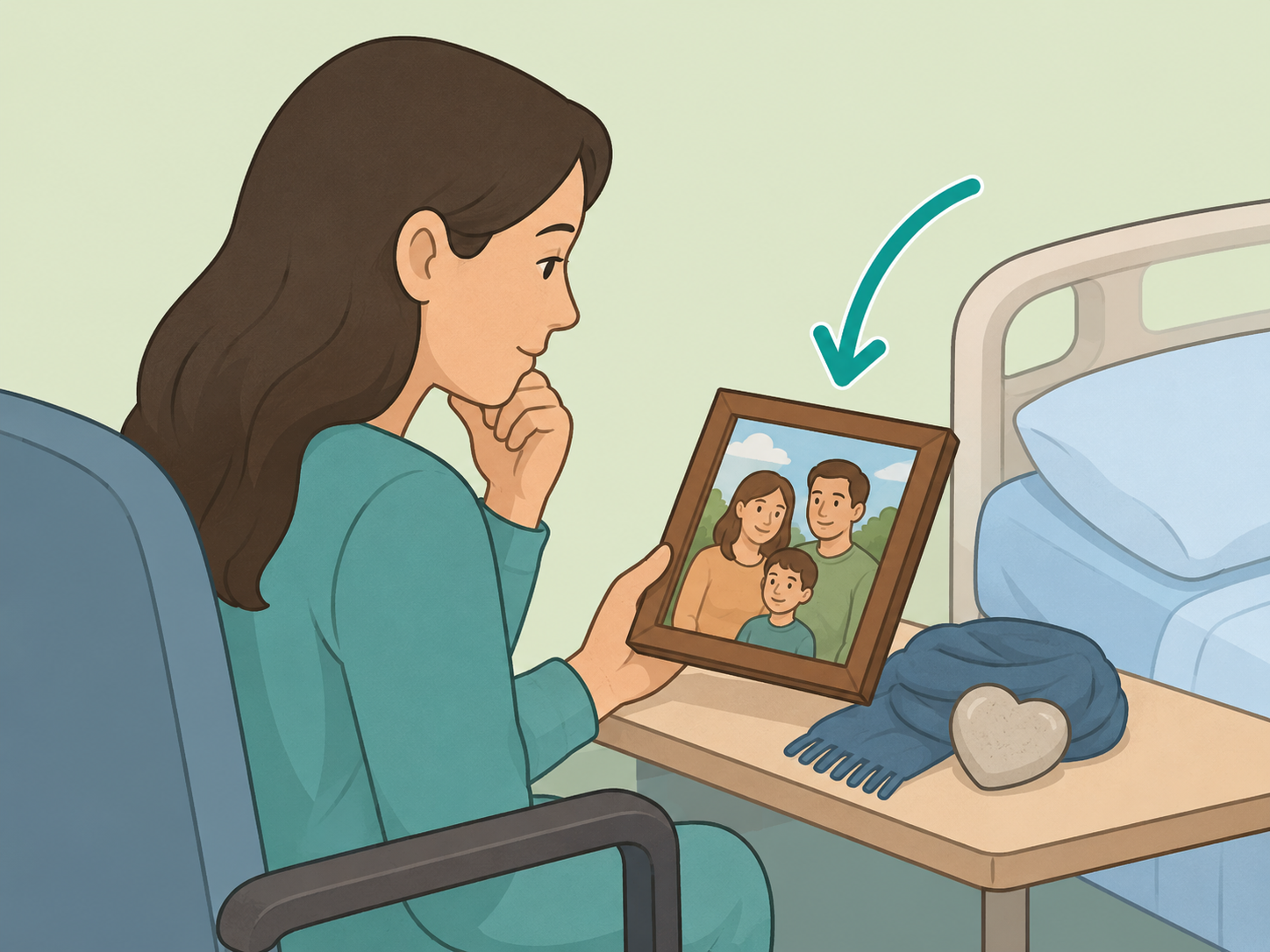
Use the person's values to guide choices
If there is no written instruction, think about what your loved one said in the past about independence, suffering, faith, family, or medical treatment. The National Institute on Aging describes using substituted judgment, meaning you try to choose as the person would have chosen if they could speak.

Bring the key people into one conversation
Ask for a family meeting with the doctor, nurse, social worker, chaplain, or palliative care team so everyone hears the same information. If relatives disagree, keep the conversation focused on the patient's known wishes and ask the hospital whether a mediator, ethics consult, or palliative care clinician can help.

Ask how comfort will be protected
Before any treatment is withdrawn, ask exactly how pain, breathing discomfort, anxiety, dry mouth, and restlessness will be managed. The NHS notes that when life-sustaining treatment is withdrawn, the healthcare team should make the person as comfortable as possible during the dying process.

Make space for words, touch, and rituals
If the care team says it is safe, sit close, hold a hand, speak calmly, play meaningful music, pray, or follow family and cultural traditions. NIA guidance on end-of-life comfort encourages checking with the health care team and focusing on simple actions that may help the person feel cared for.
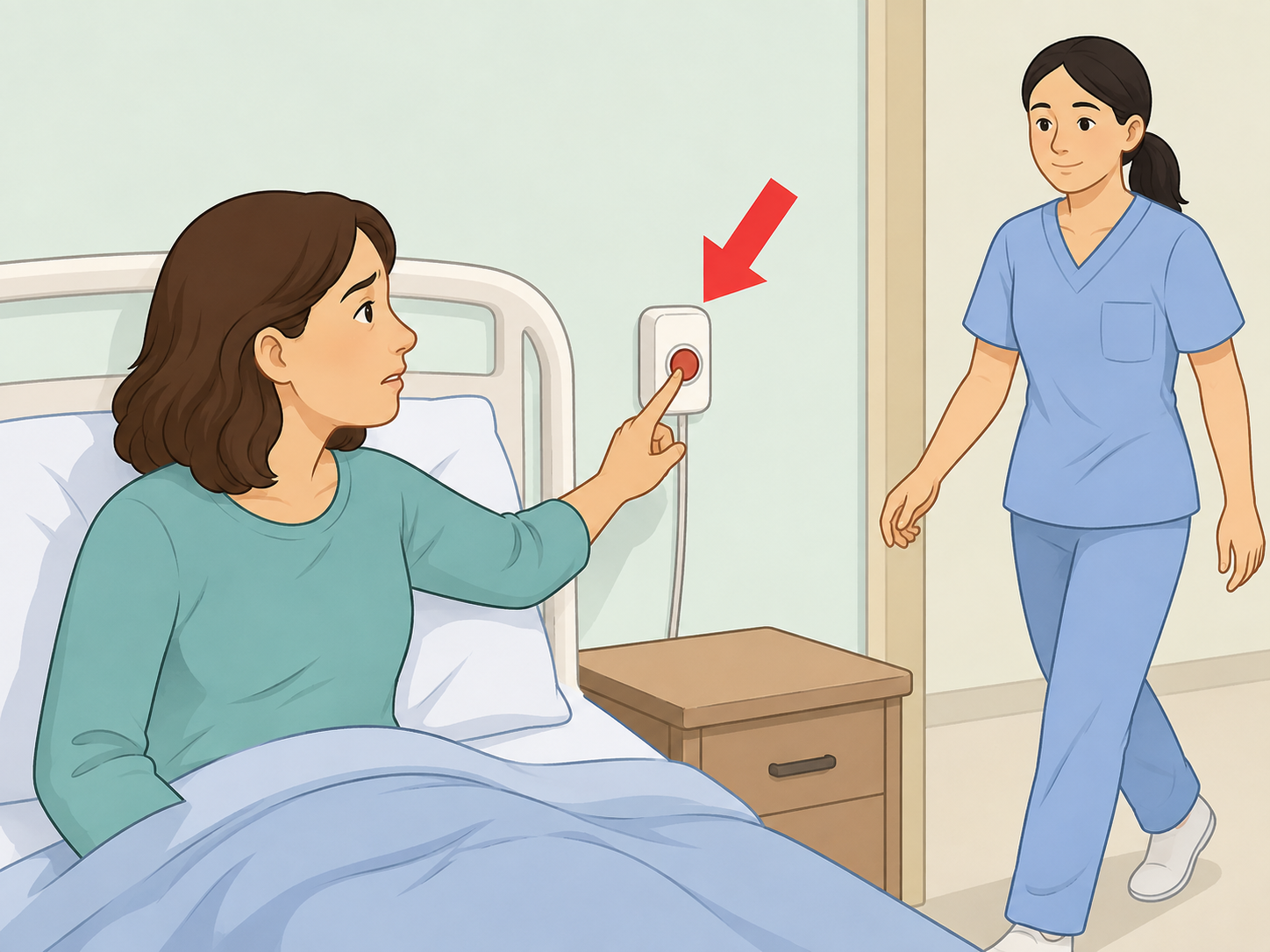
Ask for help when symptoms or distress escalate
Contact the doctor, nurse, hospice team, or hospital staff right away if your loved one seems uncomfortable, breathing changes worry you, family conflict becomes unmanageable, or you do not understand what is happening. If your own grief or panic feels unsafe or you have thoughts of harming yourself, seek emergency help immediately.
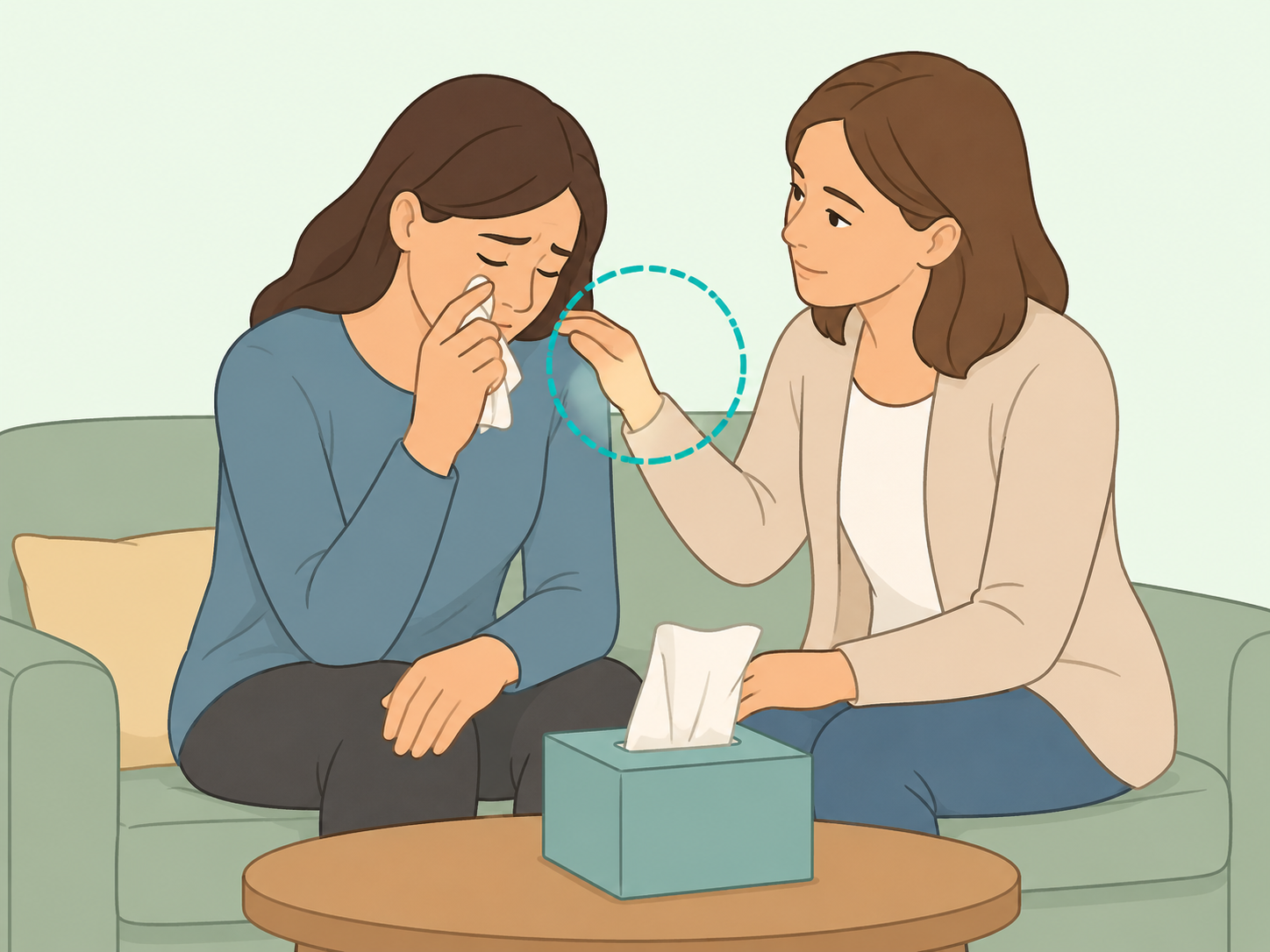
Get support for grief after the decision
Grief can bring sadness, anger, guilt, relief, numbness, or a mix of emotions, and people do not all grieve in the same way. Cleveland Clinic advises staying connected with supportive people and considering professional help if grief is interfering with daily life or not improving over time.

Write down your own wishes when you are ready
After a crisis, consider documenting your own preferences so your family is not left guessing in the future. Mayo Clinic explains that advance directives can name a health care decision-maker and describe treatments you would or would not want if you could not speak for yourself.
Summary
The bottom line: slow the conversation down, ask the care team what each treatment is doing, and use your loved one's values or advance directives as the guide. You do not have to handle the medical, emotional, or grief side alone.
Frequently Asked Questions
- What does life support usually mean?
Life support can include treatments such as a ventilator, dialysis, tube feeding, or other medical support that helps keep the body functioning during a serious illness or injury.
- Who decides whether life support continues?
The answer depends on the patient's condition, decision-making ability, written directives, local law, and the medical team's assessment. If the patient cannot decide, doctors usually work with the legal decision-maker and family to understand the patient's wishes.
- Is stopping life support the same as causing death?
Medical ethics sources describe the underlying illness or injury as the cause of death when a non-beneficial treatment is withdrawn. The care team should still provide comfort-focused care.
- What should I ask before life support is withdrawn?
Ask what recovery is realistically possible, what symptoms may happen, how pain or breathing discomfort will be managed, who can be present, and what signs should prompt you to call the care team.
- Can a person wake up after life support decisions are discussed?
Medical situations vary, and families should not rely on viral stories or rare anecdotes. Ask the treating doctors to explain your loved one's diagnosis, test results, level of awareness, and realistic outlook.
- How can I cope after making this kind of decision?
Stay connected with people you trust, accept practical help, and consider a grief counselor or therapist if grief is interfering with daily life or not easing over time.
References
Reliable references aided in composing and refining this content.
- https://my.clevelandclinic.org/health/treatments/12362-life-support-measures
- https://www.nhs.uk/tests-and-treatments/end-of-life-care/your-wellbeing/withdrawing-treatment
- https://www.nia.nih.gov/health/end-life/making-decisions-someone-end-life
- https://www.nia.nih.gov/health/providing-comfort-end-life
- https://www.mayoclinic.org/healthy-lifestyle/consumer-health/in-depth/living-wills/art-20046303
- https://medlineplus.gov/advancedirectives.html
- https://my.clevelandclinic.org/health/diseases/24787-grief