
 Pin it
Pineapple is a sweet tropical fruit that can support a balanced diet, but it is not a cure or a shortcut for skin, digestion, or weight goals. This guide explains the real health and beauty benefits, how many calories to expect, when pineapple juice can help, and when to be cautious. Use it as practical food guidance, not as medical advice.
Start with a normal serving
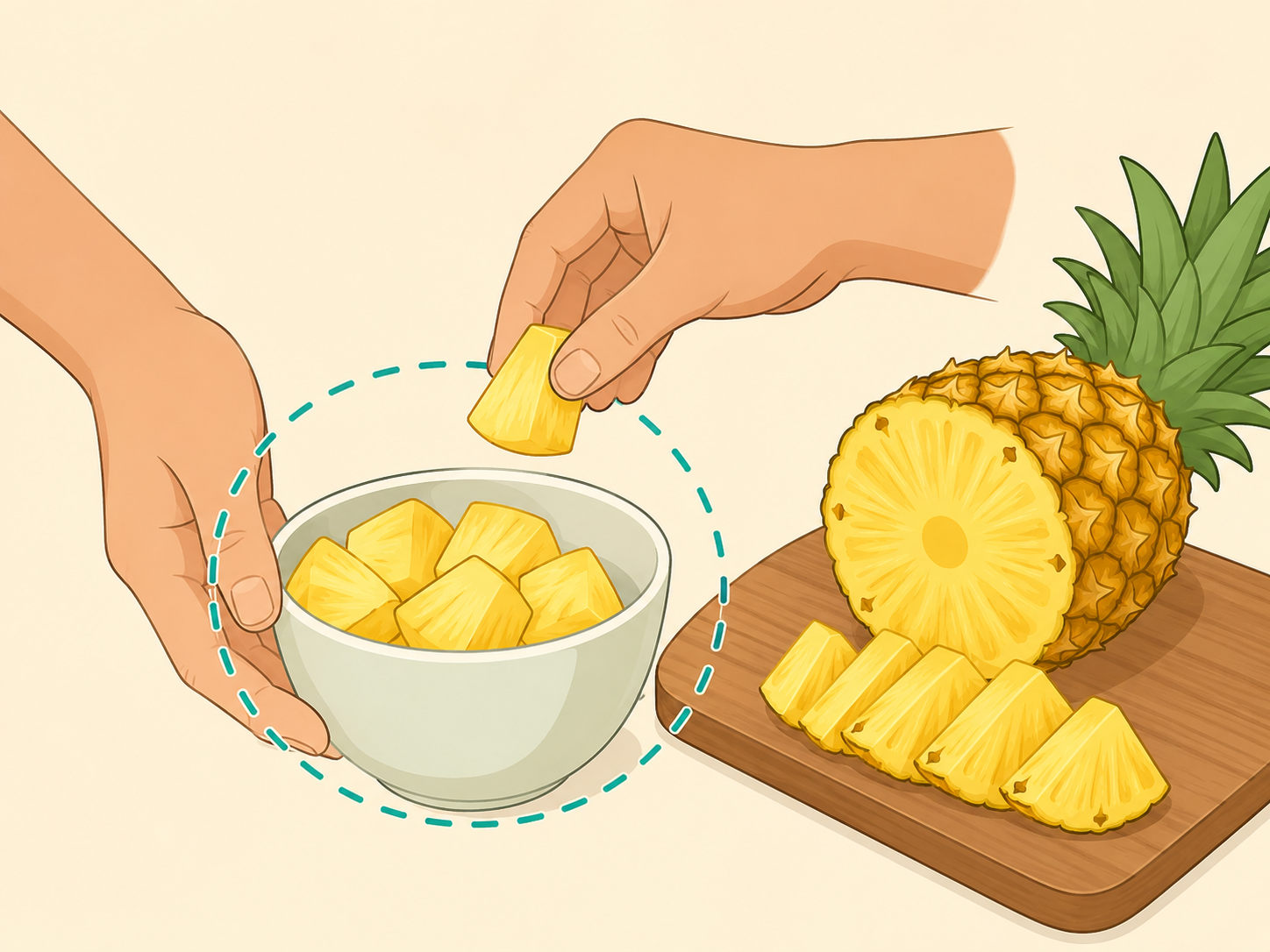
Use about 1 cup of pineapple chunks as a simple everyday portion. Cleveland Clinic notes that a 1-cup serving is low in calories, with about 75 calories and no cholesterol, sodium, or fat. A measured serving helps you enjoy the sweetness without turning fruit into a large dessert.
Choose whole pineapple most often
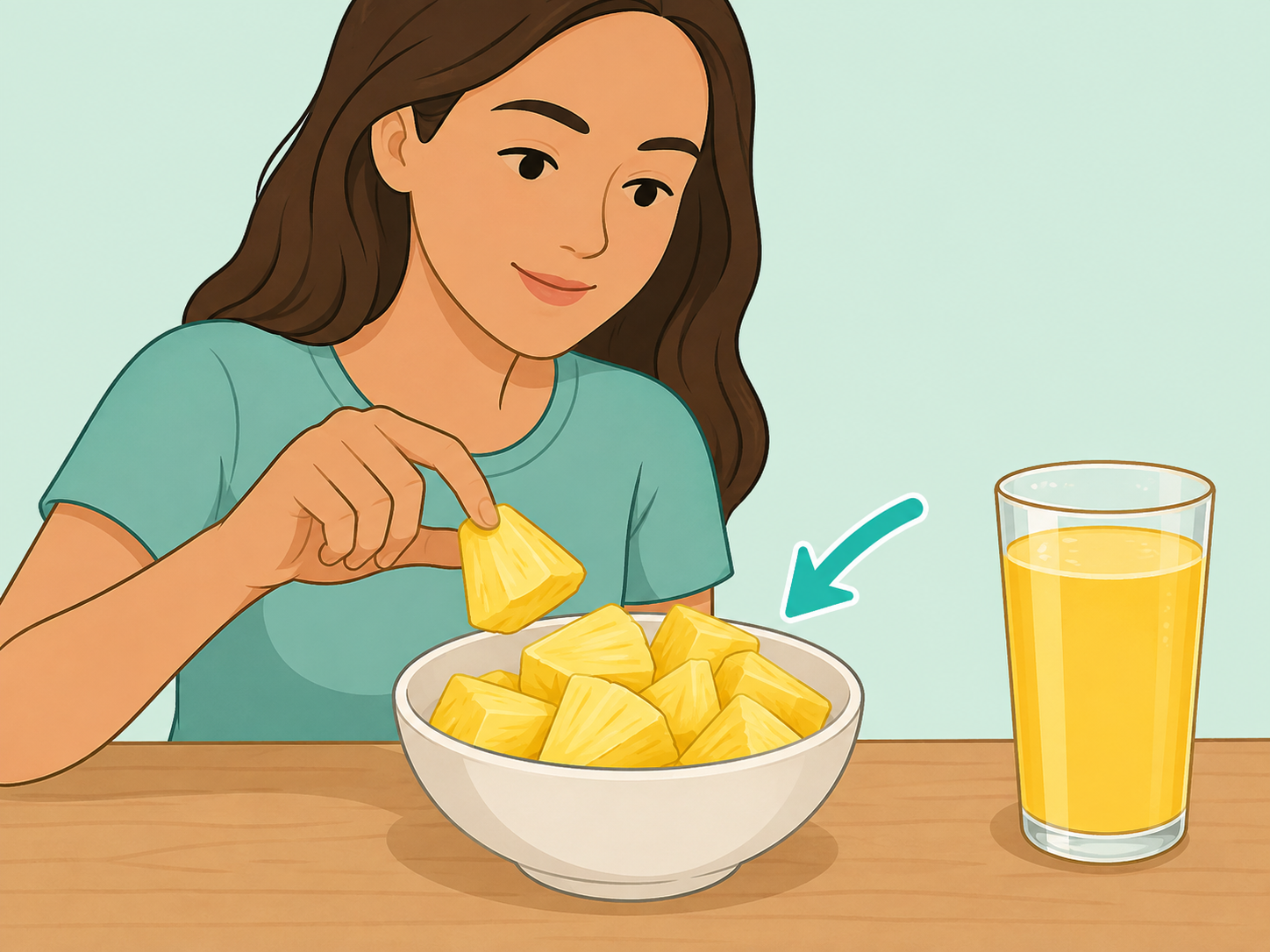
Pick fresh, frozen, or canned pineapple packed in its own juice instead of syrup. Whole pineapple gives you fiber along with vitamins and minerals, while Mayo Clinic explains that most juicing removes much of the fiber from fruits and vegetables. Fiber helps make fruit more filling and supports digestive health.
Use pineapple as a vitamin C food
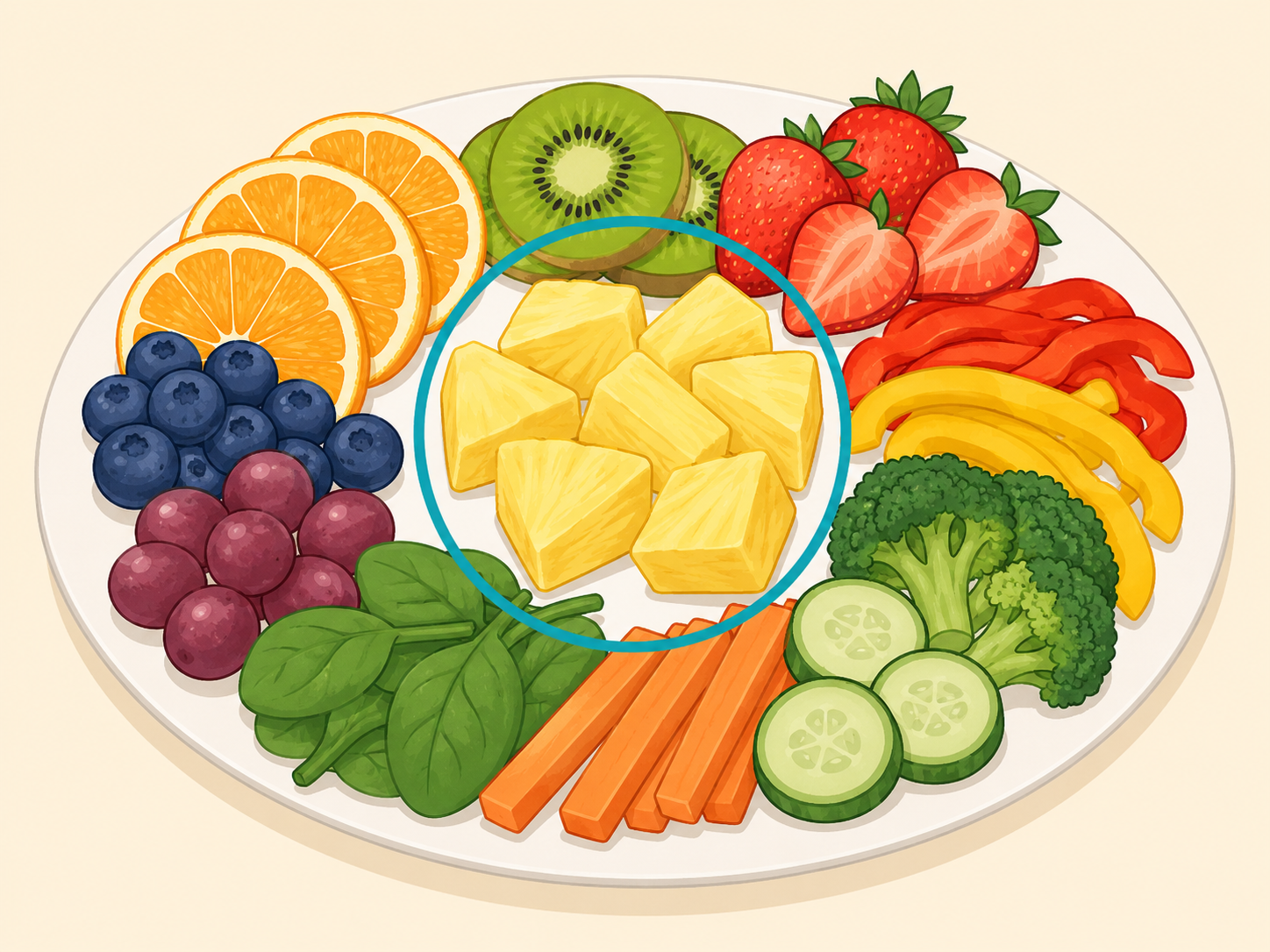
Pineapple is one of the fruits listed by MedlinePlus as a good source of vitamin C. Vitamin C helps the body form collagen, repair tissue, heal wounds, and absorb iron. For the best overall nutrition, eat pineapple as one part of a varied diet with other fruits, vegetables, proteins, whole grains, and healthy fats.
Connect the beauty claims to nutrition
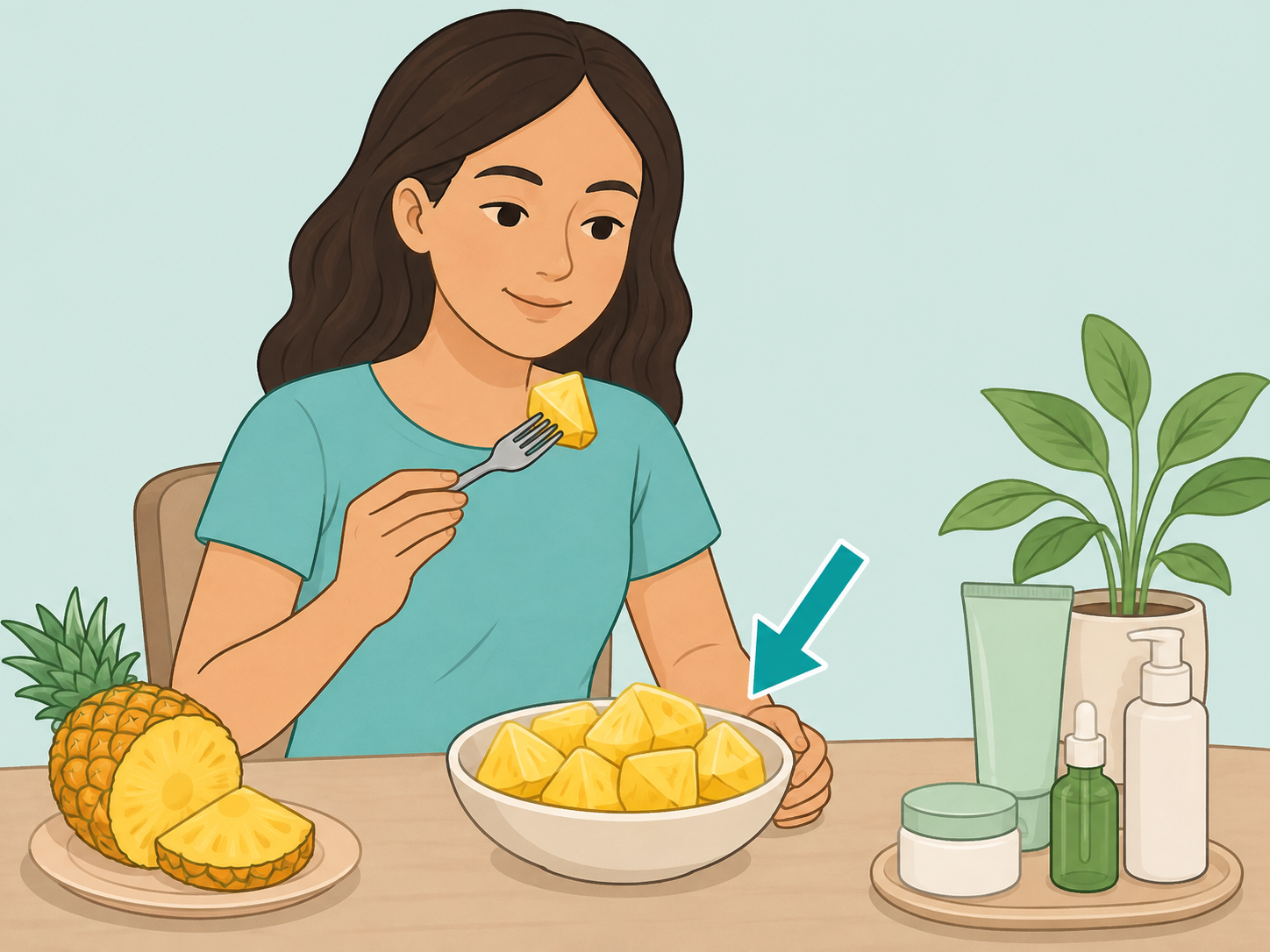
Think of pineapple as skin-supportive food, not a beauty treatment. The American Academy of Dermatology says healthy adults should generally try to meet skin, hair, and nail nutrient needs through a balanced diet, and it lists vitamin C as a nutrient involved in collagen formation. Pineapple can help contribute to that pattern, but it will not erase wrinkles, cure acne, or replace daily skin care.
Be cautious with bromelain claims
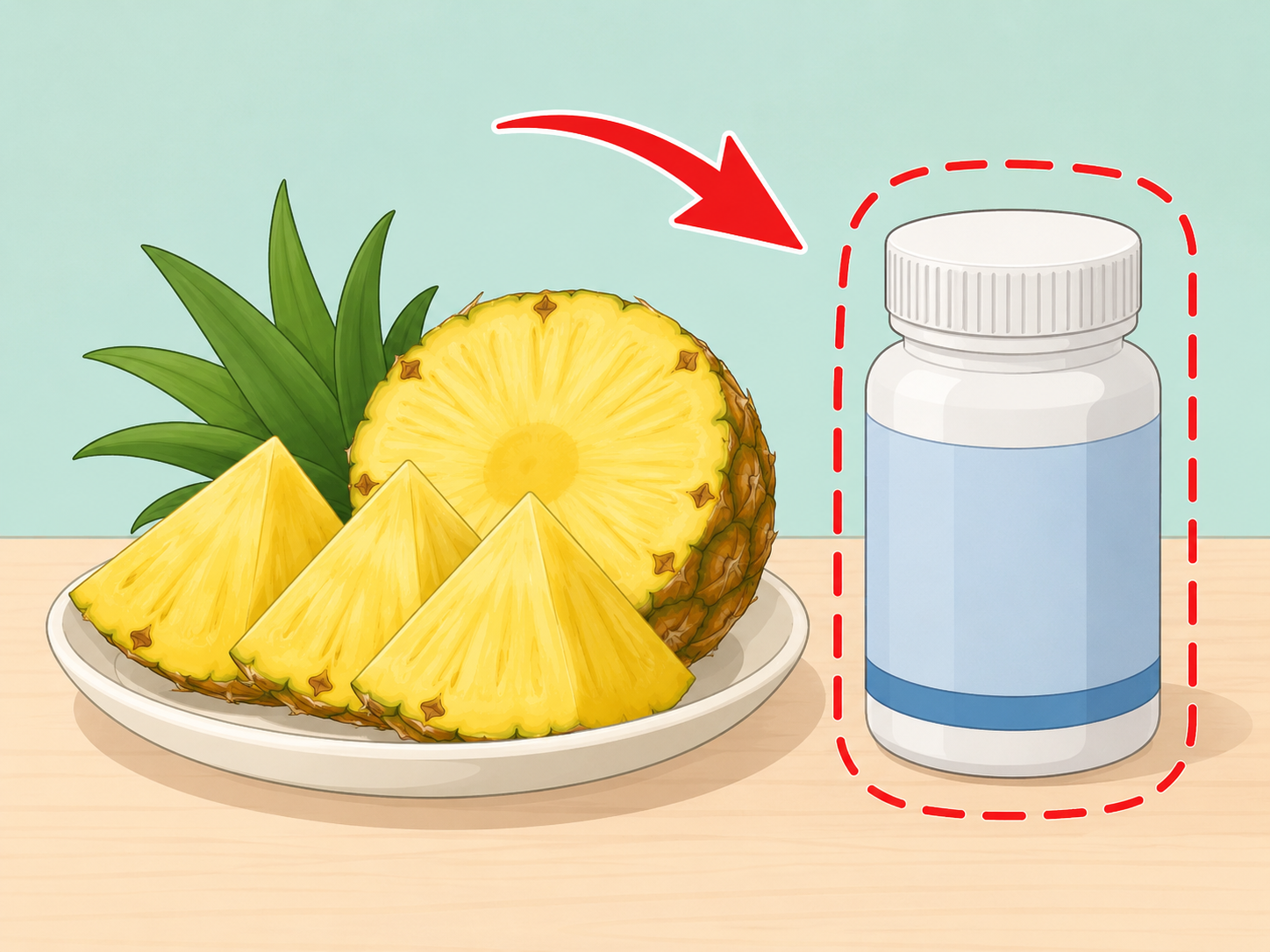
Bromelain is an enzyme mixture found in pineapple, and it is often promoted for inflammation, soreness, and digestion. NCCIH says there is limited research for many oral bromelain uses and not enough high-quality evidence to recommend it for some claims. Eating pineapple is different from taking a concentrated bromelain supplement, so do not use pineapple or bromelain to replace prescribed care.
Keep pineapple juice portions small
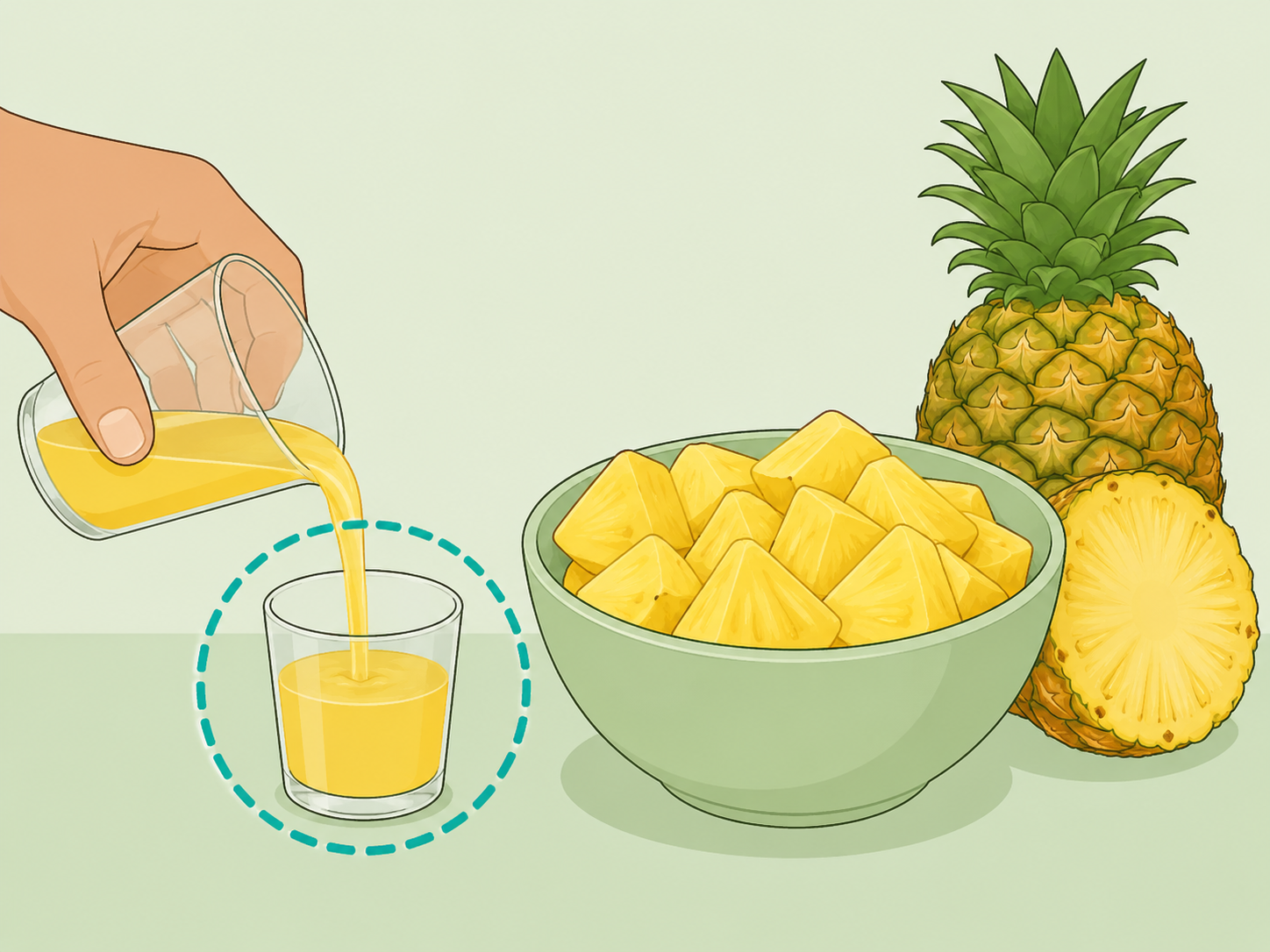
Pineapple juice can be useful when you want a quick fruit flavor or have trouble eating solid fruit, but it is still a concentrated source of natural sugar. Mayo Clinic says juicing is not healthier than eating whole fruits and vegetables, and whole produce usually keeps more fiber. Choose 100% juice, skip added sweeteners, and pour a small glass instead of sipping from a large bottle.
Pair pineapple with balanced meals
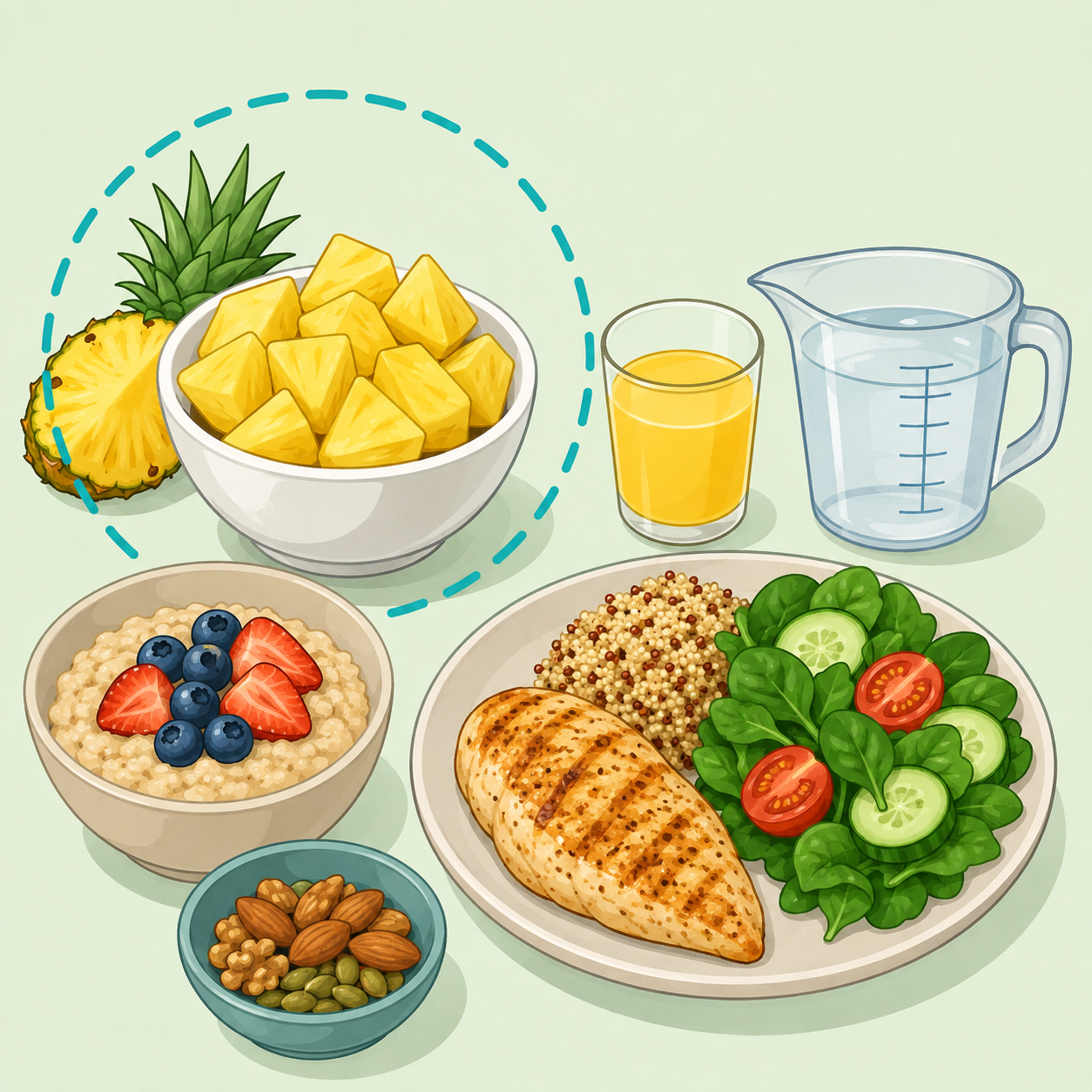
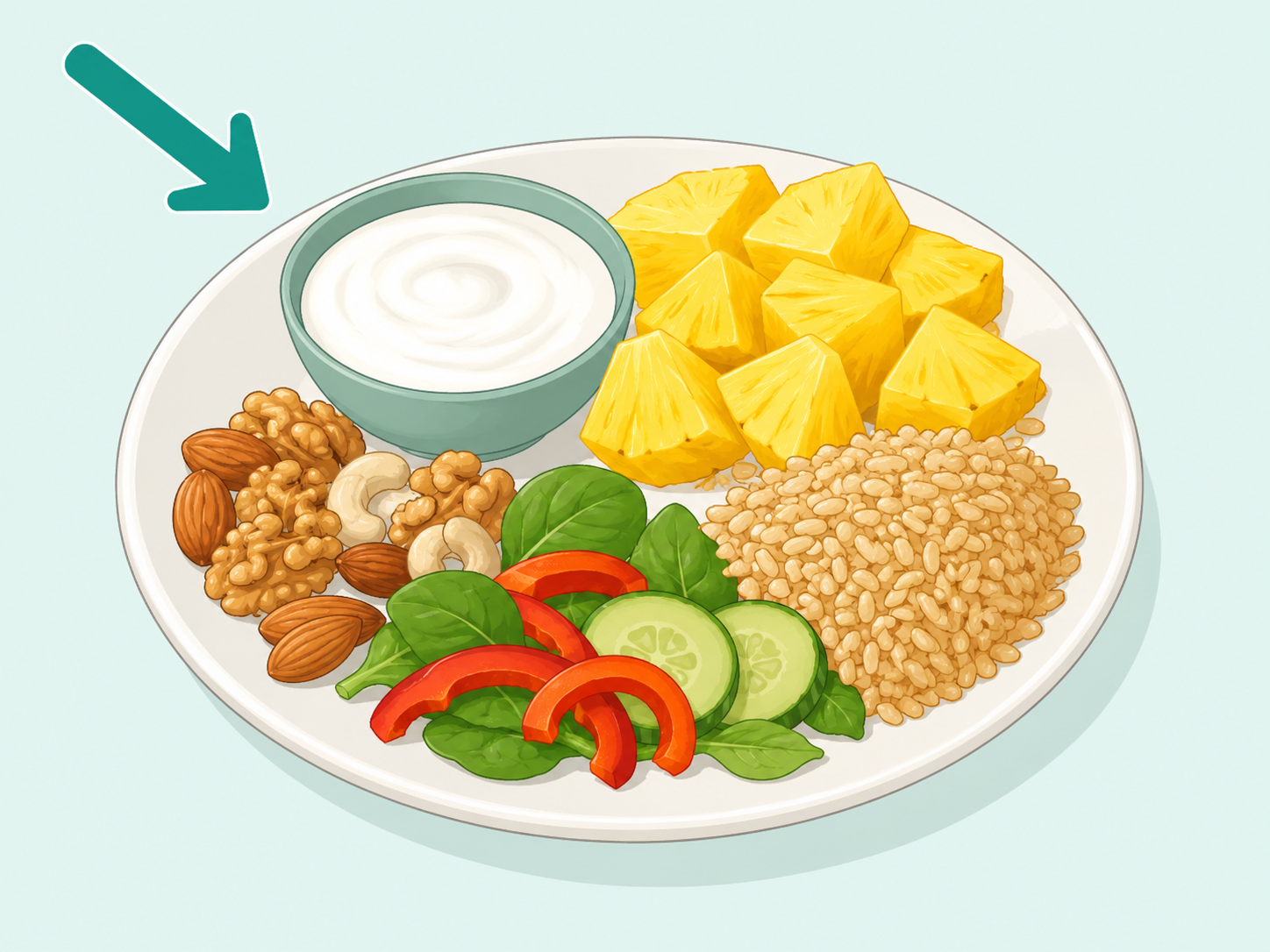
Serve pineapple with protein or fat-containing foods, such as plain yogurt, cottage cheese, nuts, or a meal, instead of eating a large bowl by itself. If you have diabetes or prediabetes, Mayo Clinic explains that carbohydrates affect blood sugar and that whole fruits provide more fiber benefit than fruit juice. Use your own meal plan or a dietitian's advice for the right portion.
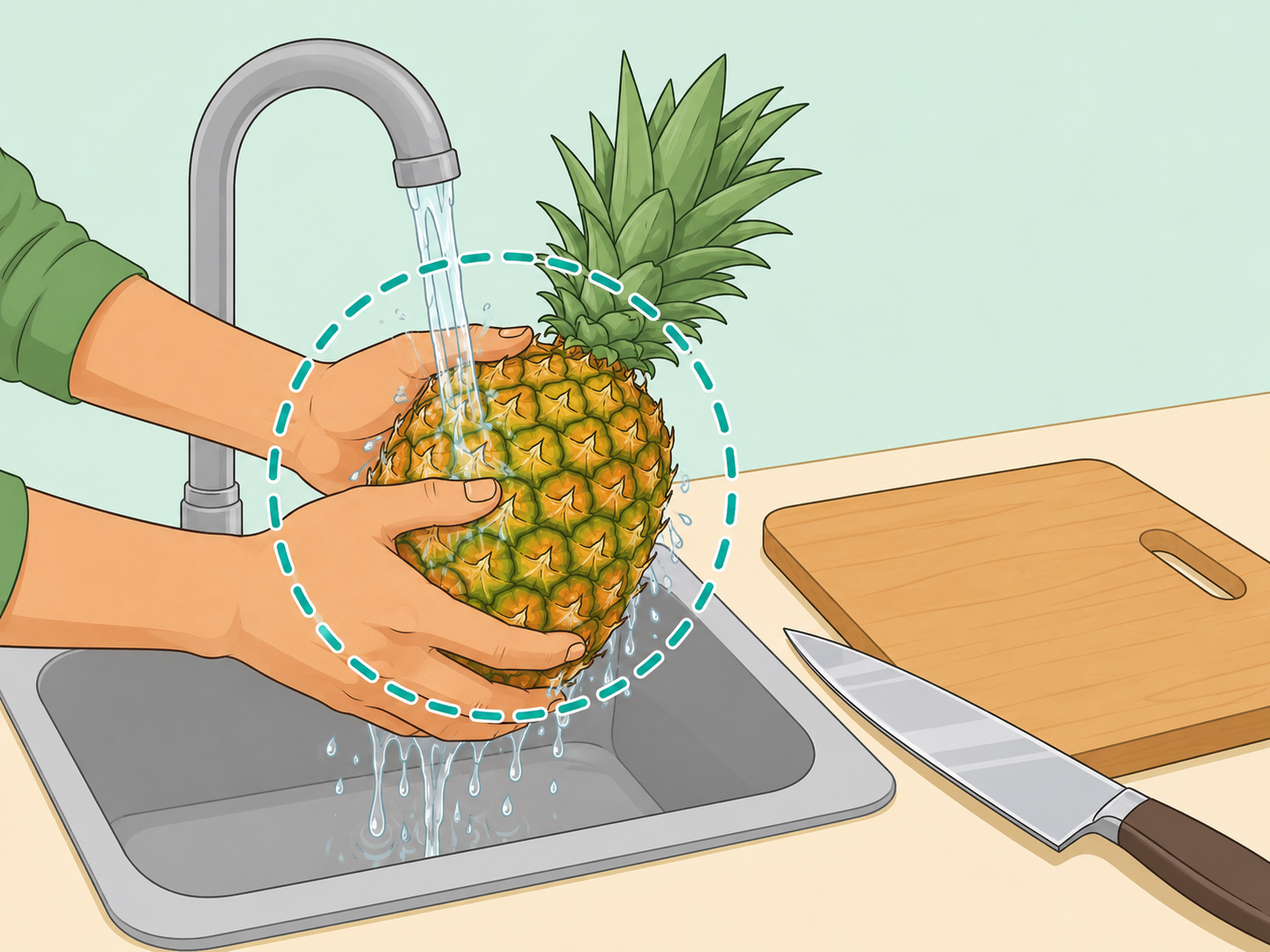
Handle pineapple and juice safely
Wash the outside of a fresh pineapple before cutting so dirt from the rind does not transfer to the flesh. Refrigerate cut pineapple promptly, and choose pasteurized juice when buying ready-to-drink juice. The CDC lists washed fruits and pasteurized juices as safer choices for reducing foodborne illness risk.
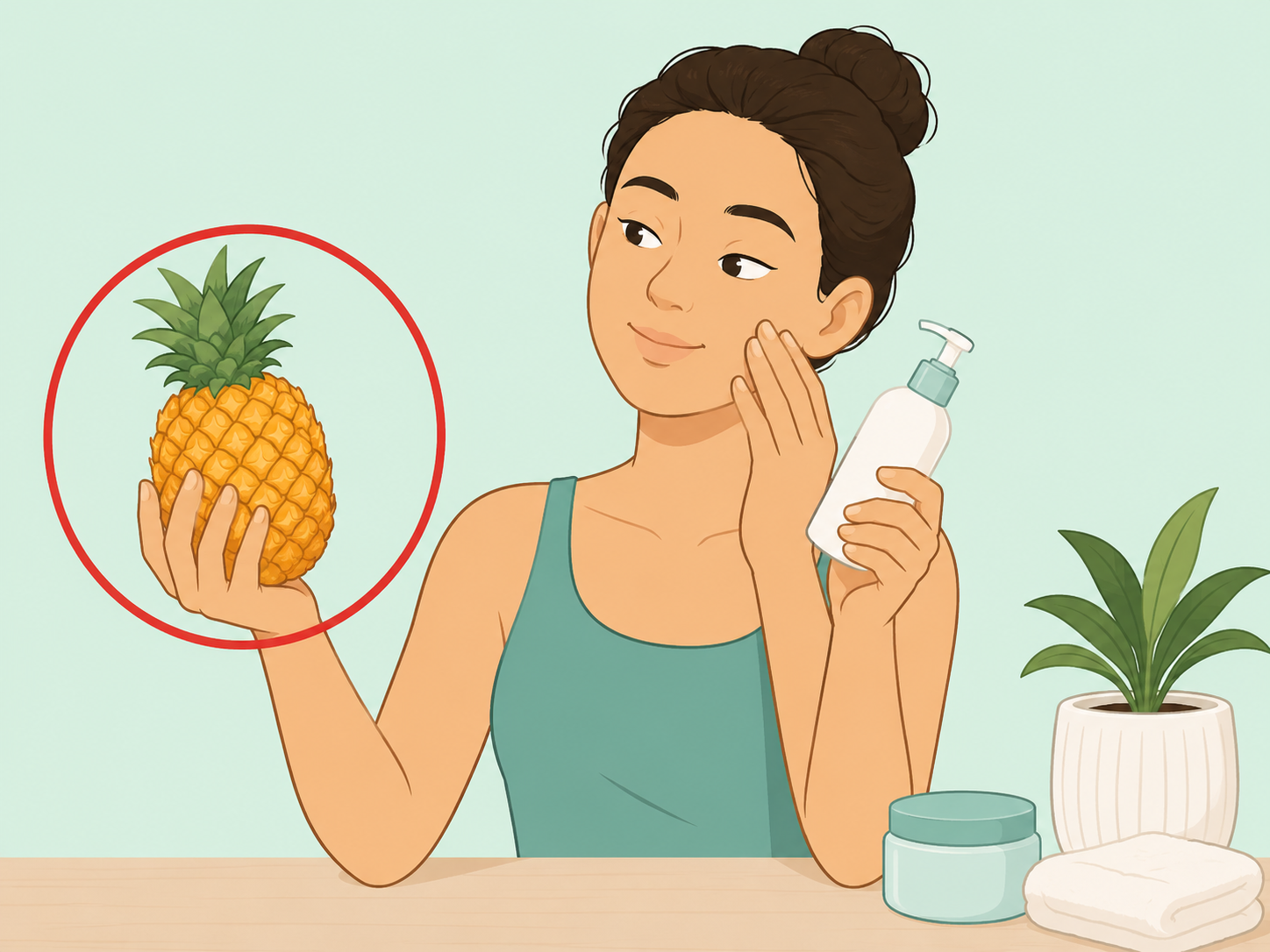
Avoid putting raw pineapple on your face
Do not use raw pineapple as a DIY peel or face mask, especially if your skin is sensitive, irritated, or acne-prone. Dermatologists at the American Academy of Dermatology warn that irritating mask ingredients or too-frequent use can worsen dryness, irritation, or breakouts. Get pineapple's beauty value mainly from eating it, and use skin products designed and labeled for facial use.
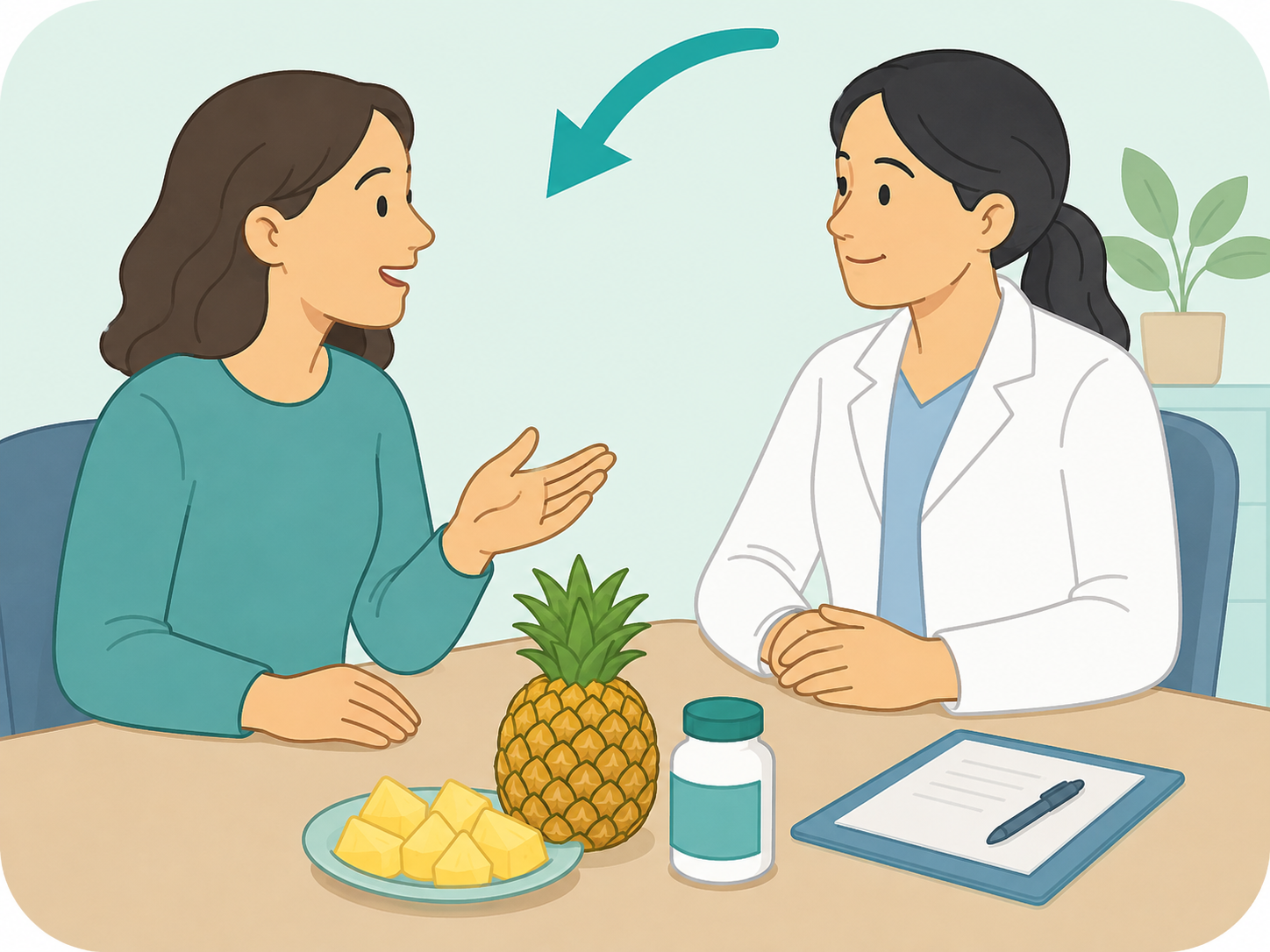
See a doctor when symptoms or risks are present
Get medical advice if pineapple causes repeated mouth swelling, hives, vomiting, wheezing, or trouble breathing, or if you need help fitting fruit into a diabetes, kidney, pregnancy, or medication plan. Also ask a qualified professional before using bromelain supplements, because NCCIH notes that herbal products and medicines can interact in harmful ways. Food can support health, but it should not be used to diagnose, treat, or manage symptoms on its own.
Summary
The bottom line: pineapple is a useful fruit for vitamin C, manganese, fiber, and flavor, especially when eaten whole. Juice can be convenient, but whole pineapple is usually the better everyday choice because it keeps more fiber and is easier to portion.
Frequently Asked Questions
- How many calories are in pineapple?
- A 1-cup serving of pineapple chunks has about 75 calories, according to Cleveland Clinic. Canned pineapple in syrup can add extra sugar, so choose fruit packed in its own juice when possible.
- Is pineapple juice as healthy as whole pineapple?
- Not usually. Mayo Clinic explains that juice contains many vitamins and plant compounds, but most juicing removes the fiber found in whole fruit.
- Does pineapple help your skin?
- Pineapple can support skin health as part of a balanced diet because it provides vitamin C, which helps collagen formation and healing. It should not be treated as a skin cure or a replacement for sunscreen, moisturizer, or medical skin care.
- What is bromelain in pineapple?
- Bromelain is a group of protein-digesting enzymes found in pineapple fruit and stem. NCCIH says research on oral bromelain is limited for many promoted uses, so be careful with supplement claims.
- Can pineapple irritate your mouth?
- Yes, pineapple's acidity and enzymes can make some mouths feel sore or tingly, especially if you eat a lot. Stop eating it if it causes swelling, hives, wheezing, or trouble breathing, and seek urgent medical help for severe symptoms.
- Can people with diabetes eat pineapple?
- Many people with diabetes can include fruit in a meal plan, but portion size and total carbohydrates matter. Mayo Clinic advises choosing fiber-rich whole fruits more often than juice.
References
Reliable references aided in composing and refining this content.
- https://health.clevelandclinic.org/benefits-of-pineapple
- https://medlineplus.gov/ency/article/002404.htm
- https://www.nccih.nih.gov/health/bromelain
- https://www.mayoclinic.org/healthy-lifestyle/nutrition-and-healthy-eating/expert-answers/juicing/faq-20058020
- https://www.aad.org/public/everyday-care/skin-care-secrets/routine/supplements-for-your-skin
- https://www.aad.org/public/everyday-care/skin-care-secrets/routine/facial-masks-and-skin-care
- https://www.cdc.gov/food-safety/foods/safer-food-choices.html
- https://www.mayoclinic.org/diseases-conditions/diabetes/in-depth/diabetes-diet/art-20044295