
 Pin it
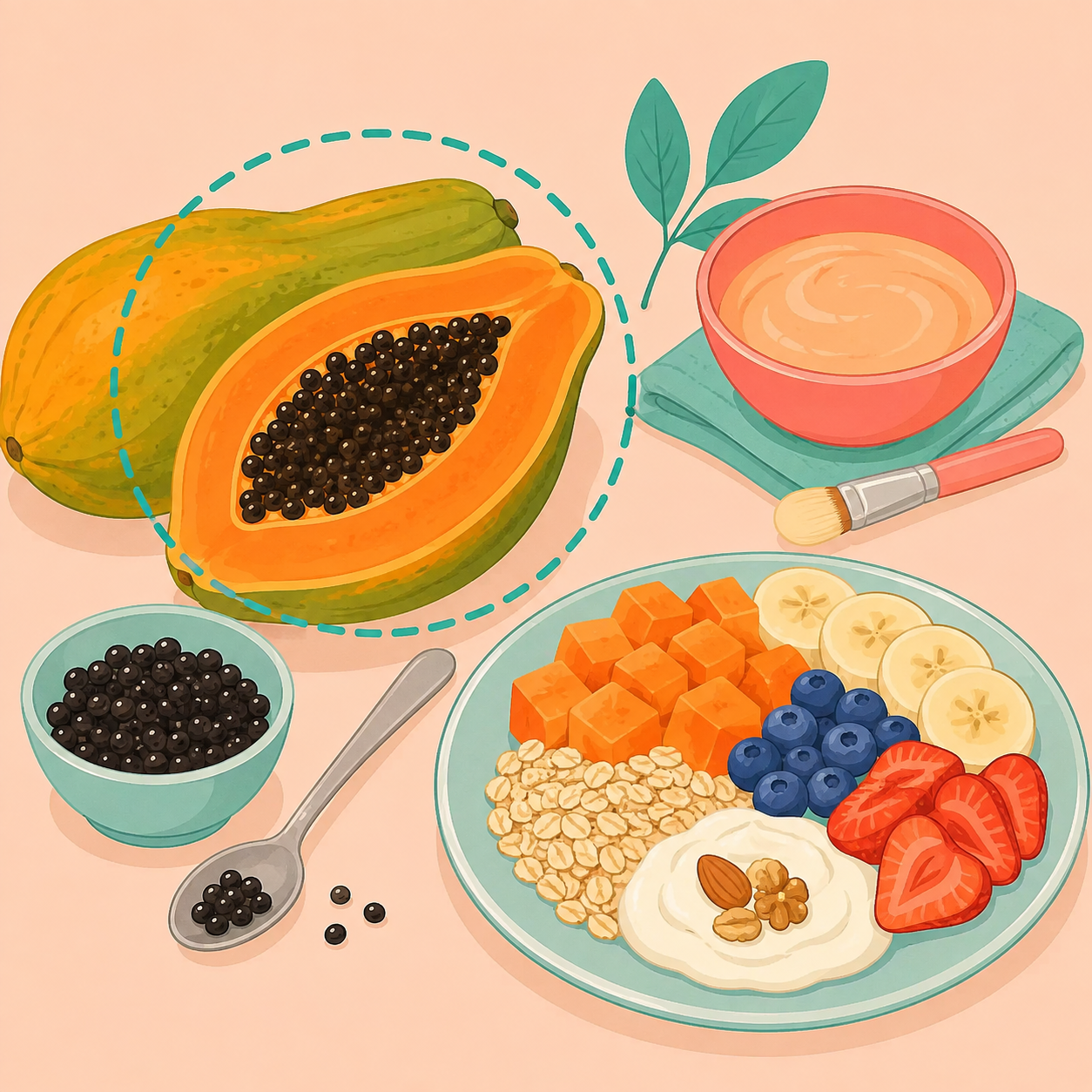
Papaya is often promoted for glowing skin, digestion, and wellness, but the safest way to use it is as a nutritious fruit rather than a treatment. This guide explains the evidence-backed benefits, the limits of papaya seed claims, and simple ways to include papaya in a beauty-minded routine without overpromising results.
Treat papaya as food, not medicine
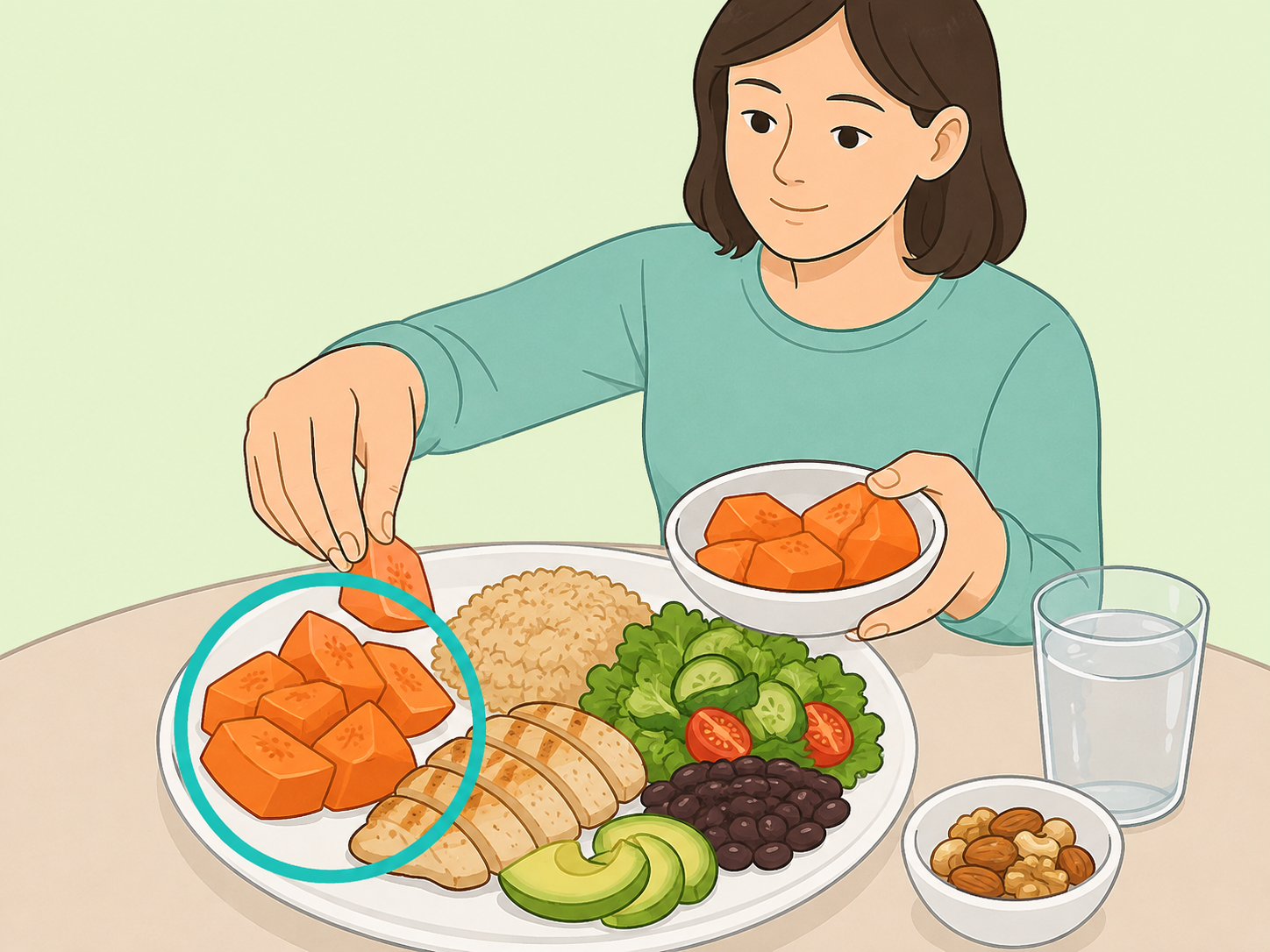
Use ripe papaya as one part of a balanced diet rather than as a cure for skin, digestion, blood sugar, or any medical condition. Cleveland Clinic describes papaya as a nutrient-rich fruit with vitamin C, beta-carotene, fiber, and potassium, but those benefits do not replace medical care.
Choose ripe papaya for everyday eating
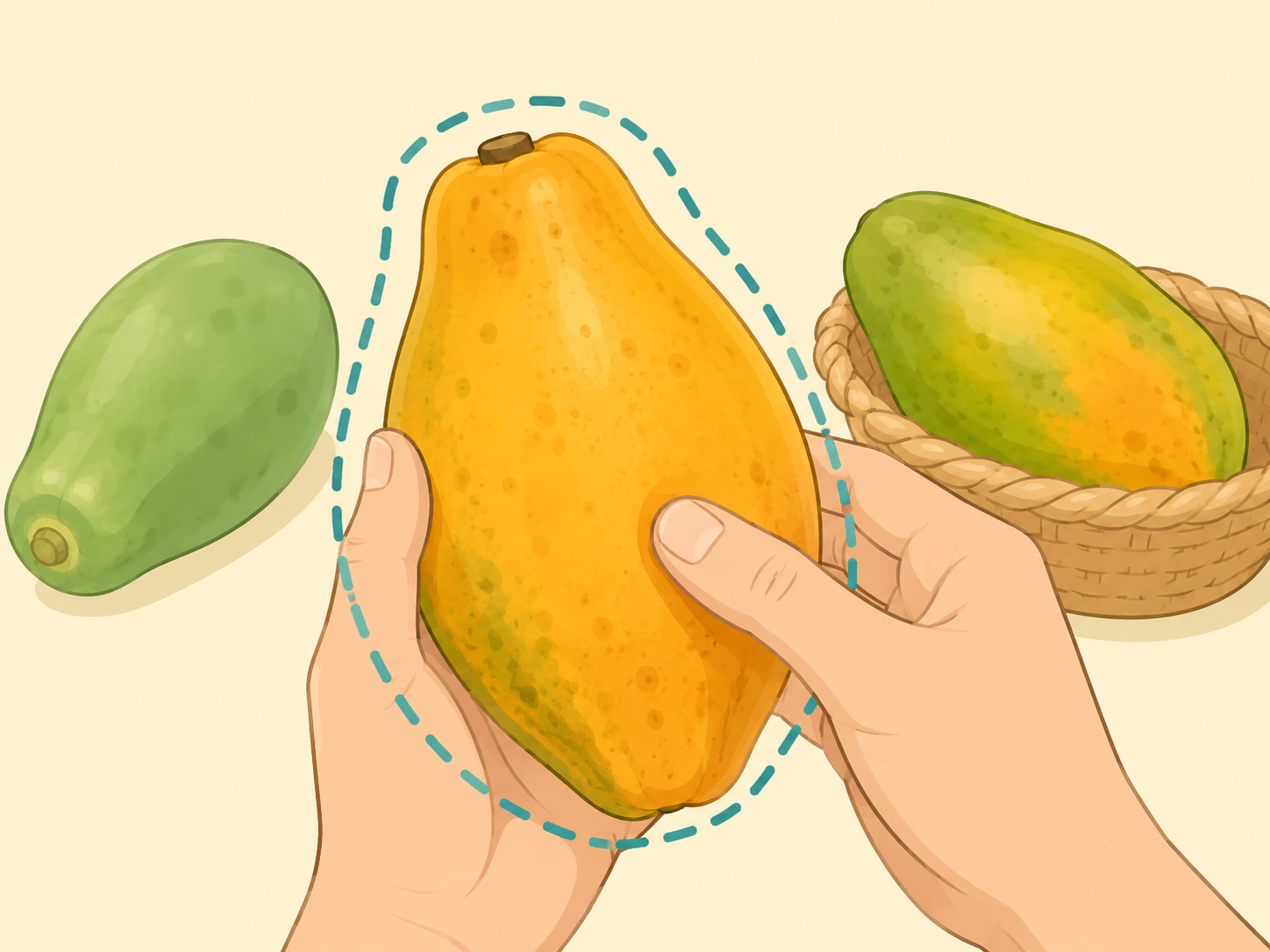
Pick papaya with yellow-orange skin that gives slightly when pressed, then wash the outside before cutting it open. A small papaya provides fiber, vitamin C, magnesium, and potassium, according to Cleveland Clinic, making it a simple fruit to add to breakfast, snacks, or smoothies.
Use papaya for skin-supporting vitamin C
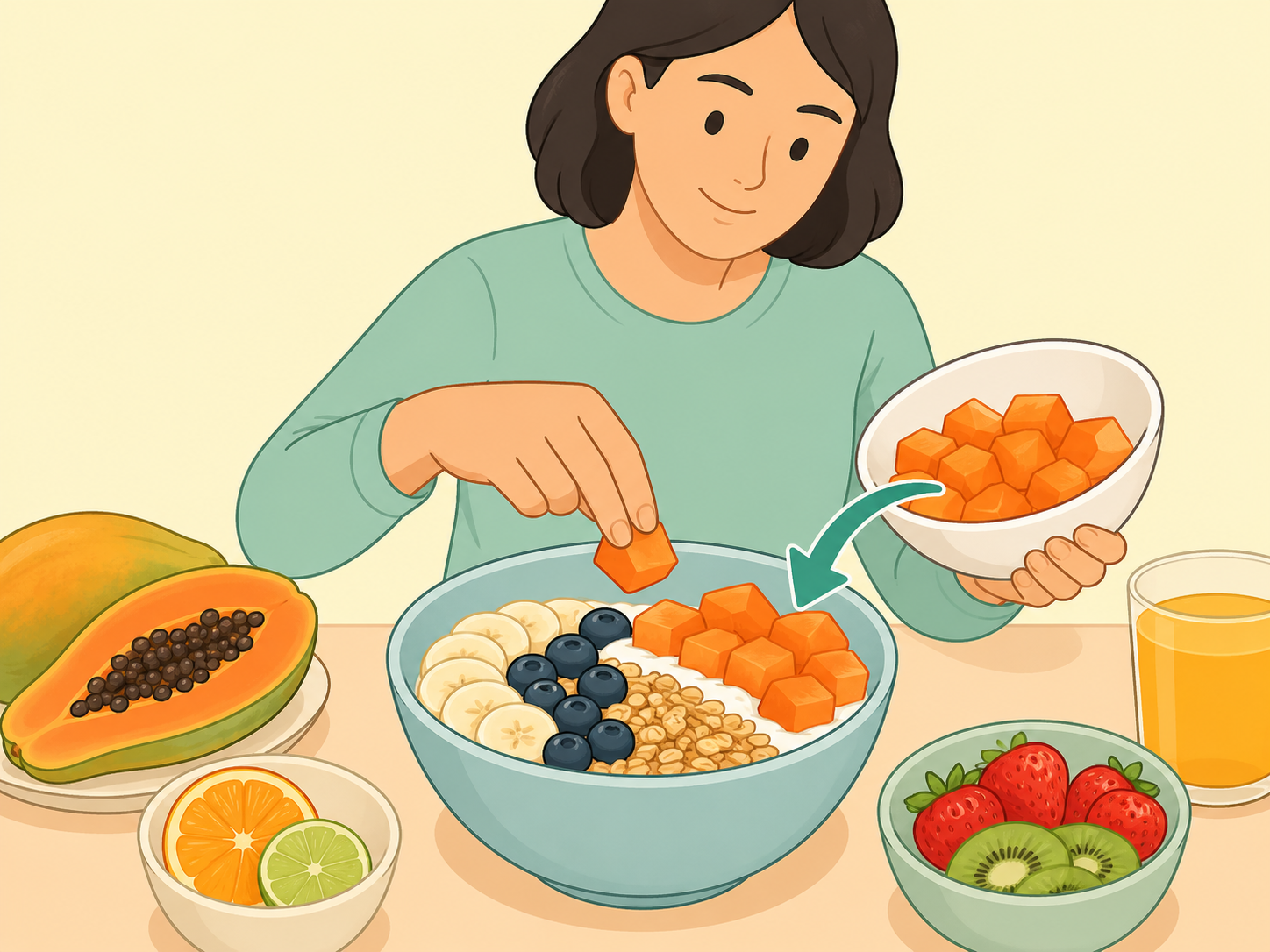
Eat papaya when you want a food-based source of vitamin C instead of relying on beauty supplements. MedlinePlus explains that vitamin C helps form collagen, supports wound healing, helps absorb iron, and acts as an antioxidant.
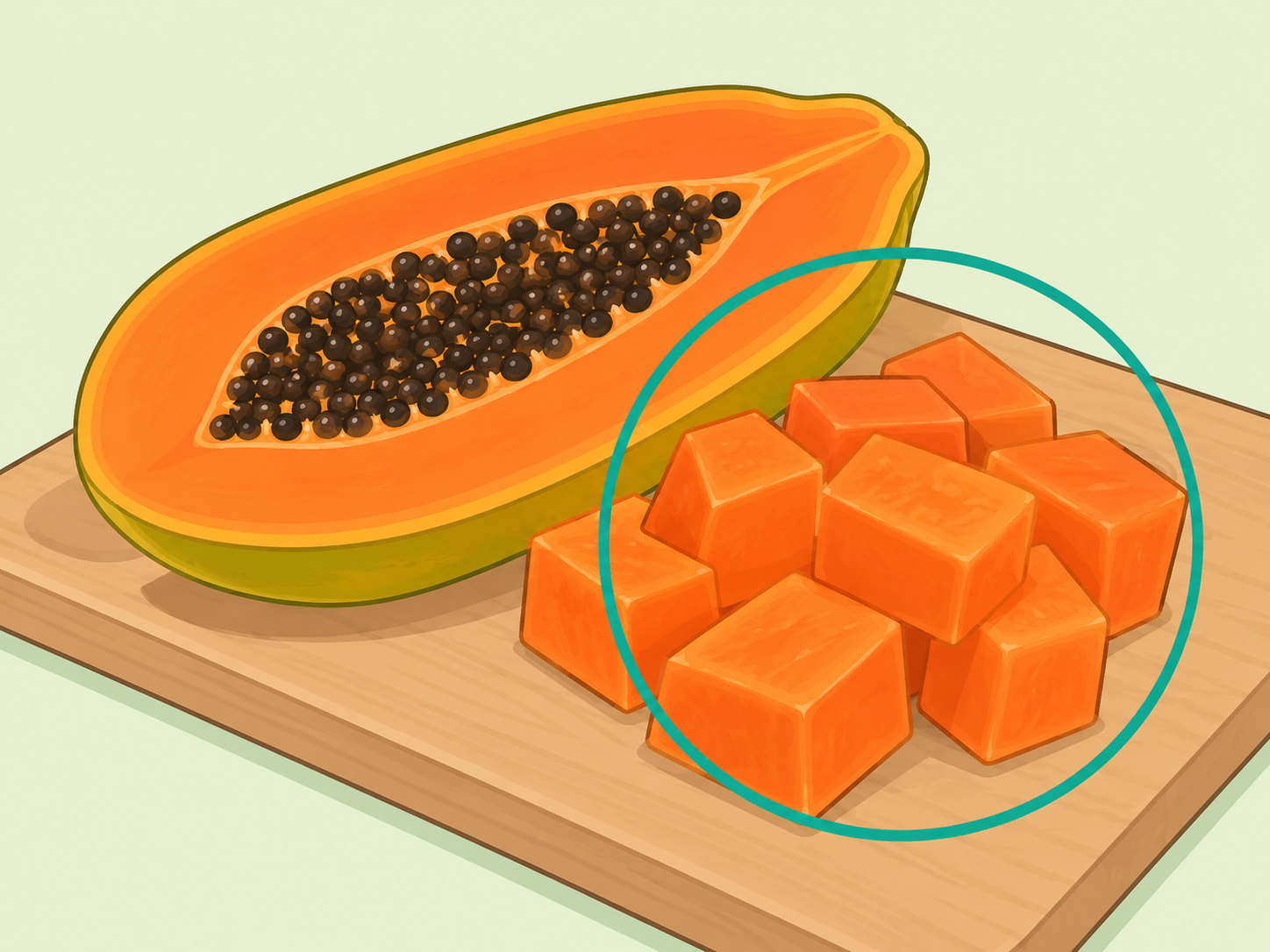
Count the orange color as a carotenoid clue
Papaya's orange flesh signals carotenoids, plant pigments that the body can use in different ways. The NIH Office of Dietary Supplements notes that some provitamin A carotenoids can be converted into vitamin A, which supports normal vision, immune function, and healthy organs.
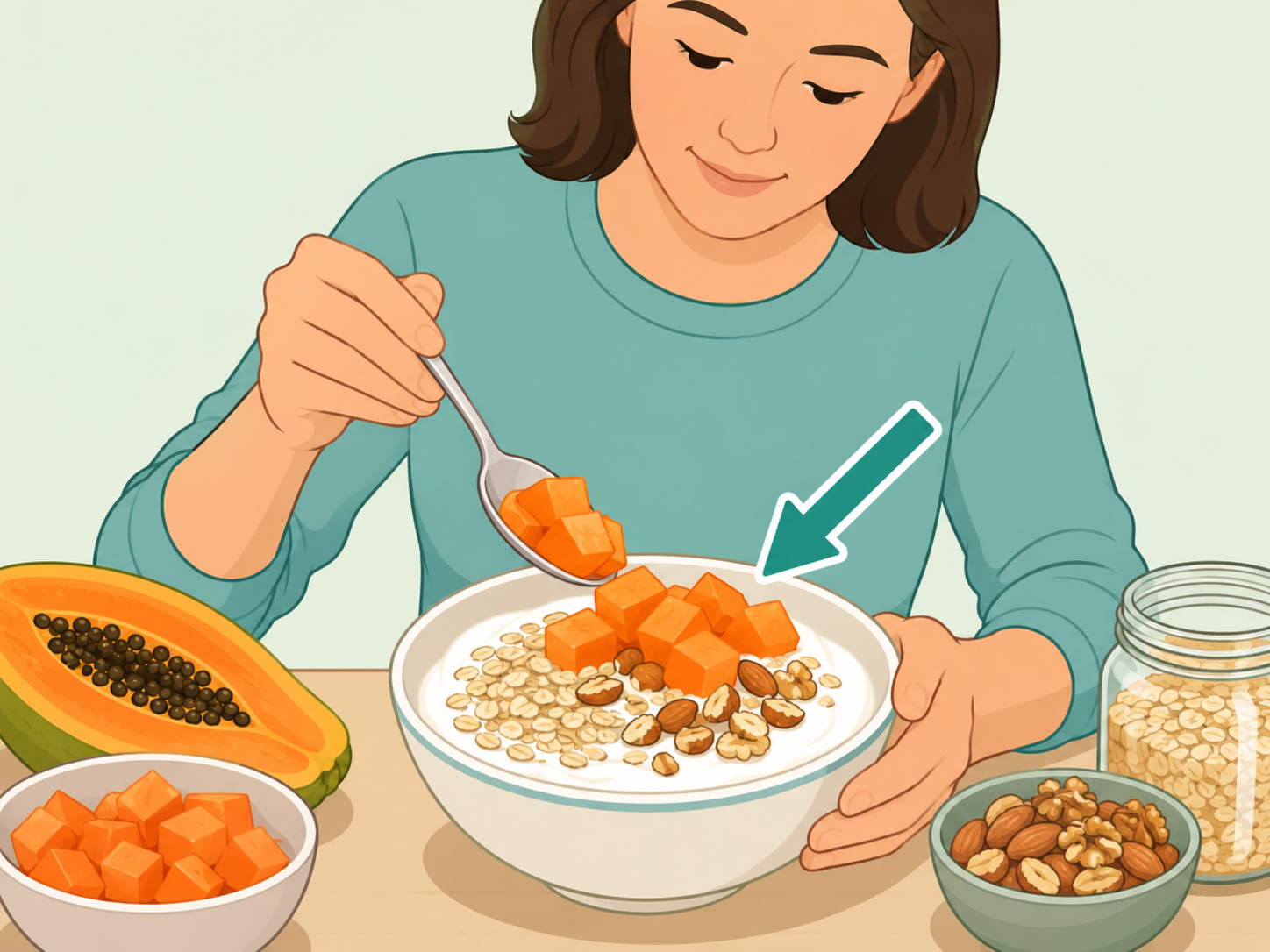
Add papaya to meals for gentle fiber
Slice papaya over yogurt, pair it with nuts, or serve it with a meal so the natural sugars come with fiber and other nutrients. Papaya contains fiber and water, and Cleveland Clinic links its nutrient profile with digestive and heart-health support.
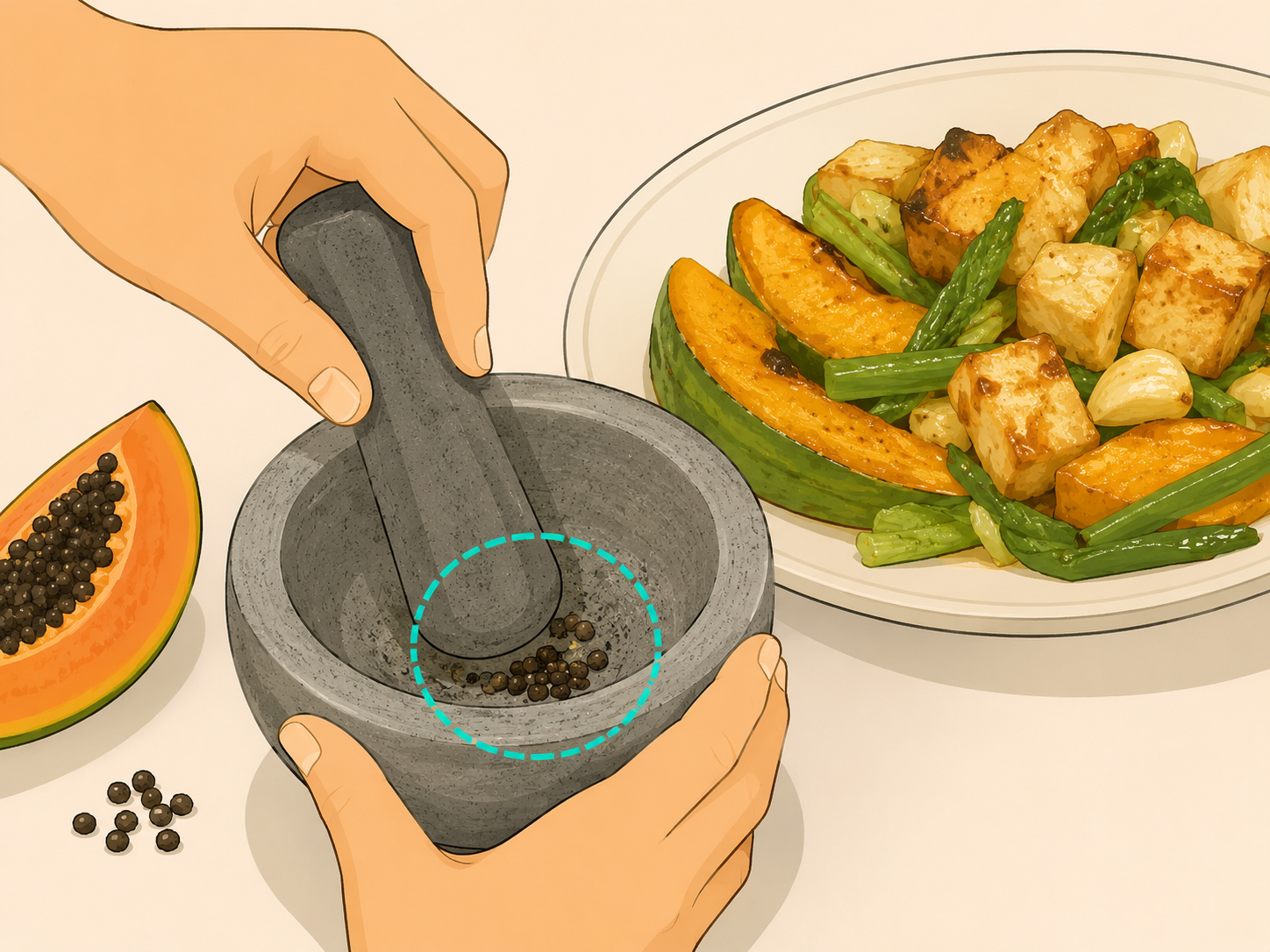
Use the seeds sparingly as a peppery garnish
Rinse a few black seeds, let them dry, and crush them lightly over savory food if you enjoy their sharp, peppery flavor. Cleveland Clinic says papaya seeds are edible, but eating too many can cause stomach upset and diarrhea.
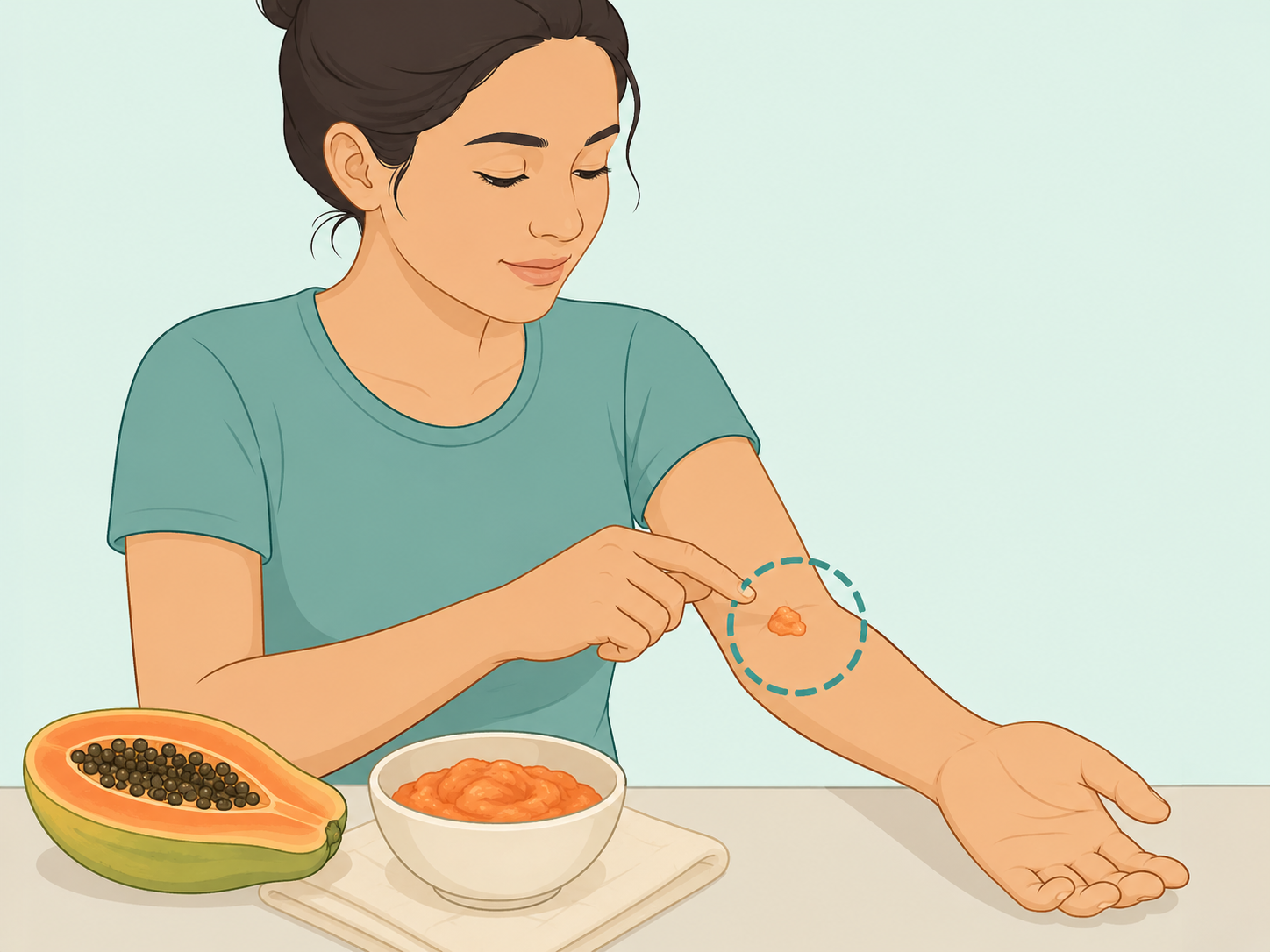
Patch test before trying papaya on skin
If you try a papaya-based mask, keep it simple, avoid broken or sunburned skin, and test a small area first. The American Academy of Dermatology recommends testing new skin care products on a small spot for several days, and it warns that masks can irritate skin when used too often or with the wrong ingredients.
Skip harsh seed scrubs on your face
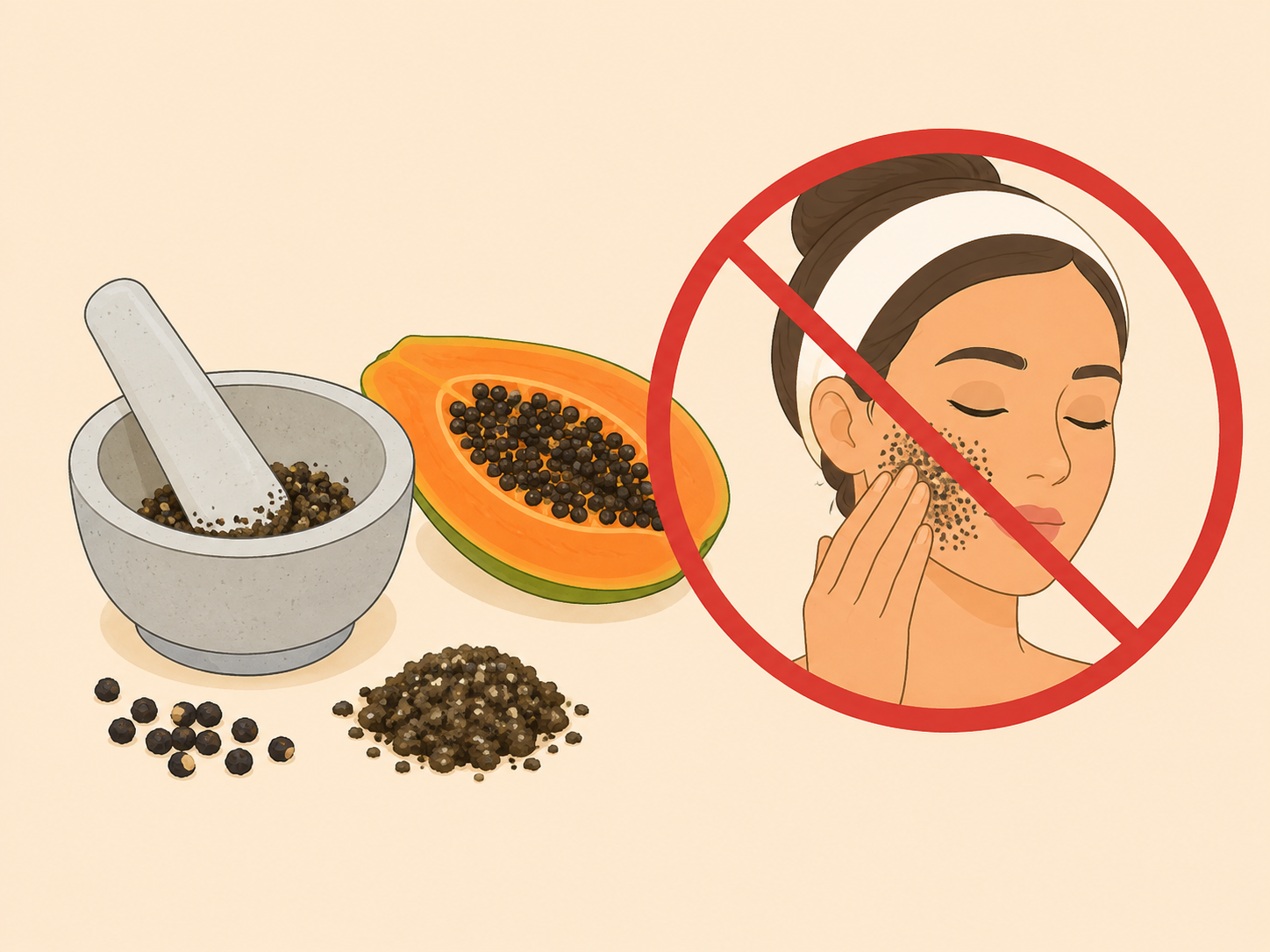
Do not grind papaya seeds into a rough facial scrub, especially if your skin is sensitive, acne-prone, darker-toned with a tendency to dark spots, or already using retinol or acne treatments. The AAD advises that at-home exfoliation should be gentle and matched to skin type because improper exfoliation can cause redness, irritation, acne flares, or discoloration; follow their safe exfoliation guidance.
Seek medical advice for reactions or higher-risk use
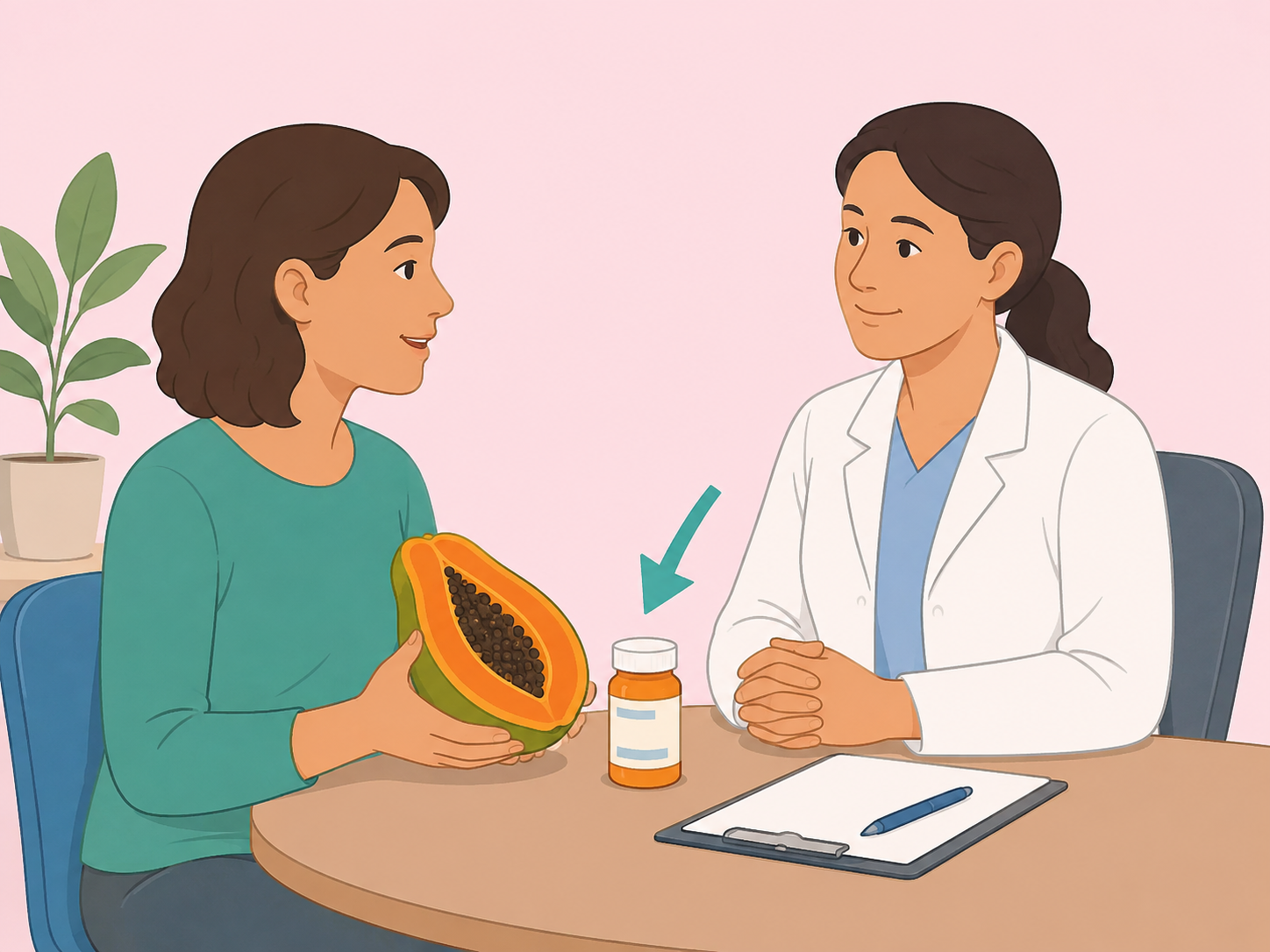
Talk to a doctor before using papaya regularly as a health remedy if you have latex allergy, asthma, take blood thinners, use diabetes medicine, or take thyroid or heart rhythm medication. Get urgent help for trouble breathing, swelling, widespread hives, or a severe skin reaction after eating or applying papaya, and ask a clinician before using seed products during pregnancy because animal research has raised concerns about papaya seed extracts and fetal effects in pregnancy studies.
Summary
The bottom line: ripe papaya is a useful source of vitamin C, carotenoids, fiber, and potassium, so it can fit into a skin-friendly and heart-conscious diet. Use papaya seeds like a strong spice, skip cleanse claims, and get medical advice if you have allergies, take interacting medicines, or develop symptoms.
Frequently Asked Questions
- Is papaya scientifically proven to make skin glow?
- Papaya is not proven to transform skin on its own. It does provide vitamin C and carotenoids, and vitamin C helps the body make collagen and heal tissue, according to MedlinePlus.
- Can I eat papaya seeds?
- Yes, papaya seeds can be eaten in small amounts and have a peppery taste, but too many may cause stomach upset or diarrhea, according to Cleveland Clinic.
- Do papaya seeds kill parasites?
- Do not rely on papaya seeds as a parasite treatment. Cleveland Clinic advises seeing a healthcare provider for diagnosis and medication if you think you have intestinal parasites.
- Can I put fresh papaya on my face?
- Fresh papaya may irritate some skin, especially if used like an exfoliating mask. The American Academy of Dermatology recommends testing masks carefully and washing them off if itching, burning, or stinging occurs.
- Who should be careful with papaya?
- People with latex allergy, asthma, blood-thinner use, or certain thyroid or heart rhythm medicines should ask a clinician about papaya, since Cleveland Clinic notes possible reactions or interactions.
- Should pregnant people use papaya seeds?
- Avoid using papaya seeds or seed extracts as a health remedy during pregnancy unless your clinician says it is appropriate. Animal research on papaya seed extracts has raised pregnancy and fertility concerns, including findings summarized in PubMed.
References
Reliable references aided in composing and refining this content.
- https://health.clevelandclinic.org/papaya-benefits
- https://medlineplus.gov/ency/article/002404.htm
- https://ods.od.nih.gov/factsheets/VitaminA-Consumer
- https://www.aad.org/public/everyday-care/skin-care-secrets/routine/facial-masks-and-skin-care
- https://www.aad.org/public/everyday-care/skin-care-secrets/routine/safely-exfoliate-at-home
- https://www.aad.org/public/everyday-care/skin-care-secrets/prevent-skin-problems/test-skin-care-products
- https://pubmed.ncbi.nlm.nih.gov/7997464
- https://pubmed.ncbi.nlm.nih.gov/12163882