
 Pin it
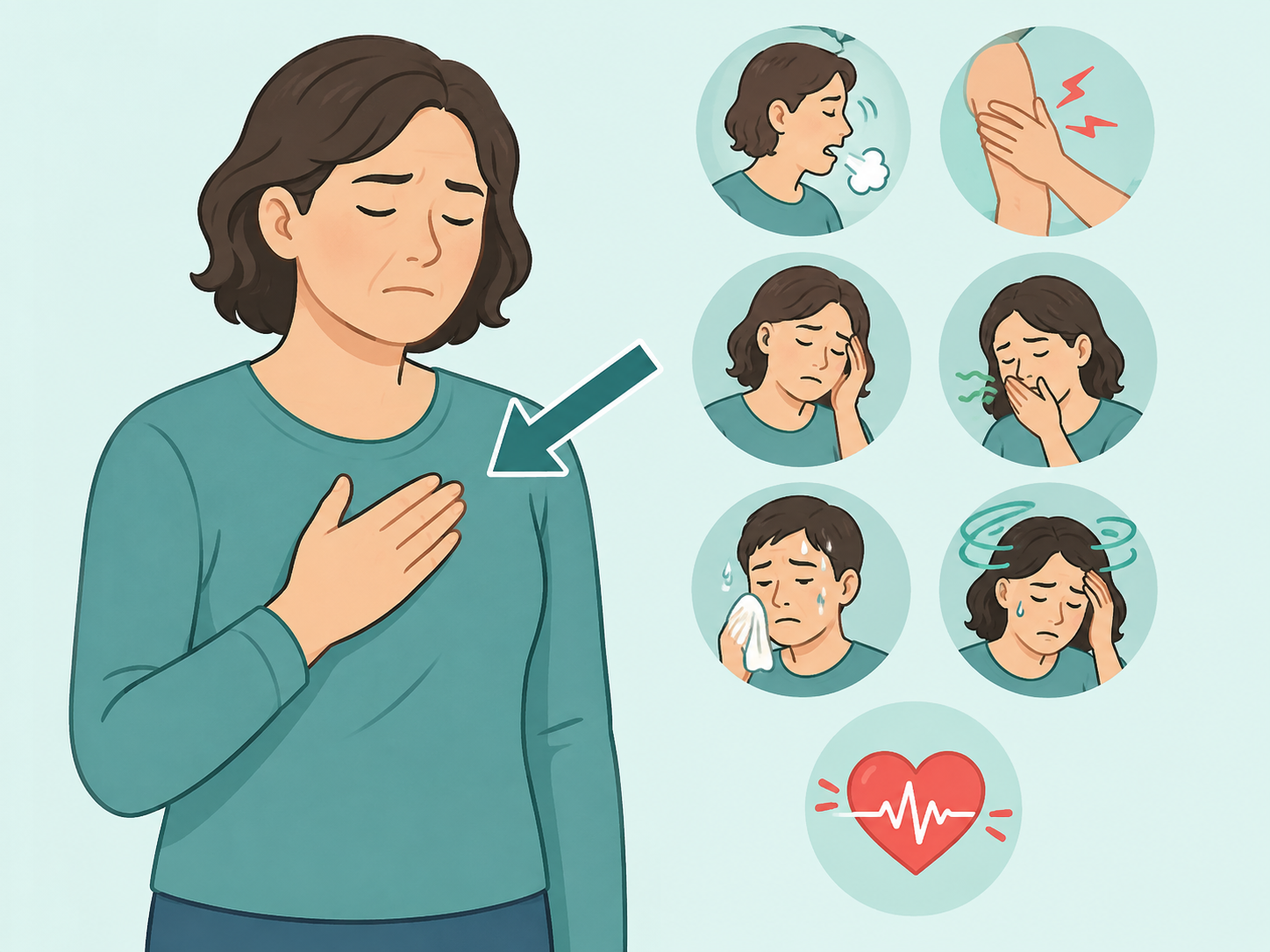
A heart attack cannot be predicted by a fixed one-month checklist, and symptoms vary from person to person. Still, trusted health organizations note that some warning signs can start slowly or come and go over hours, days, or weeks. This guide explains possible signs to watch for and when to seek help.
Treat chest pressure or tightness as a red flag
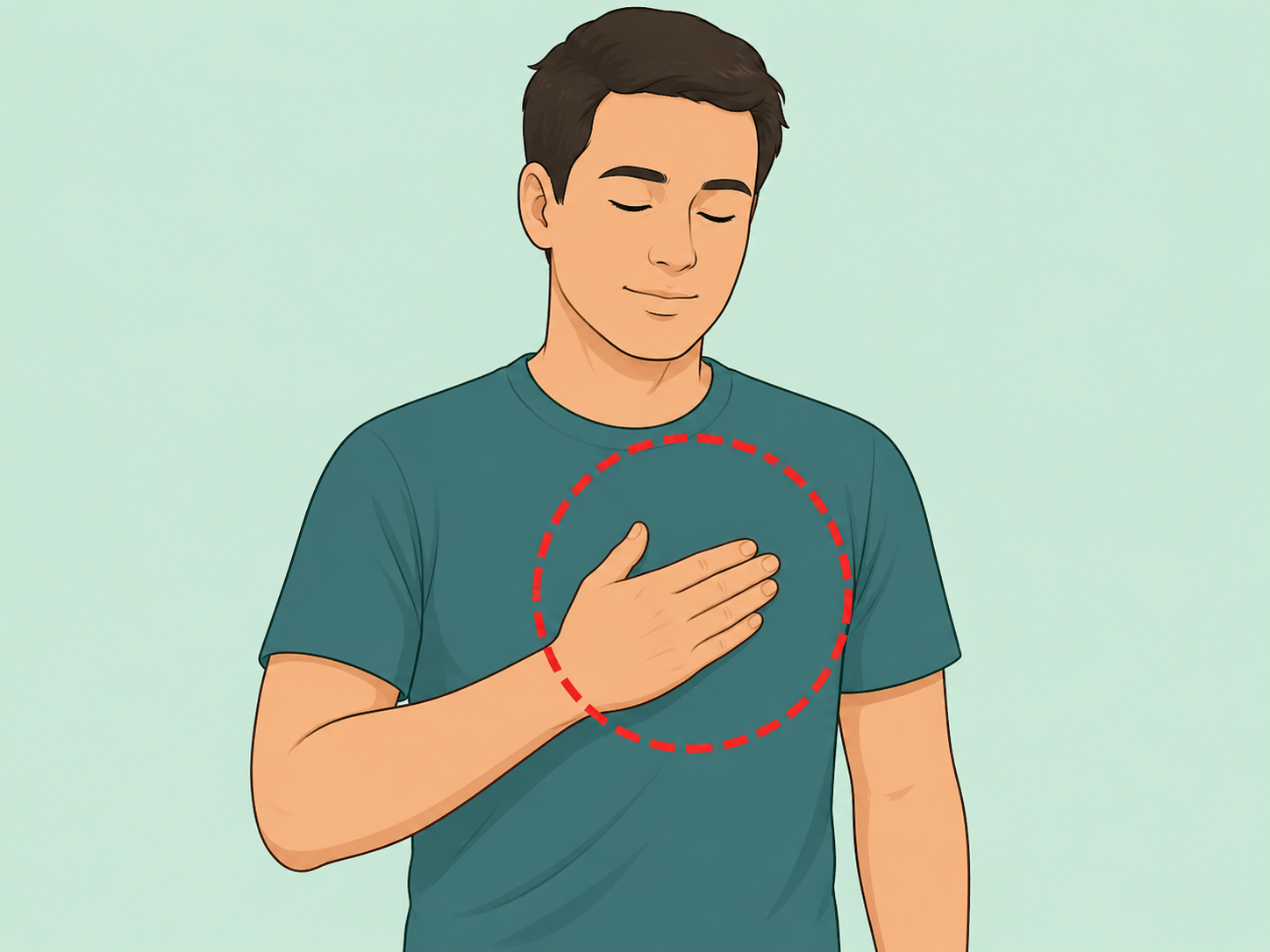
Most heart attacks involve discomfort in the center or left side of the chest that lasts more than a few minutes or goes away and comes back, according to the American Heart Association. It may feel like pressure, squeezing, fullness, tightness, aching, or pain rather than a sharp stab.
Notice chest discomfort that keeps returning
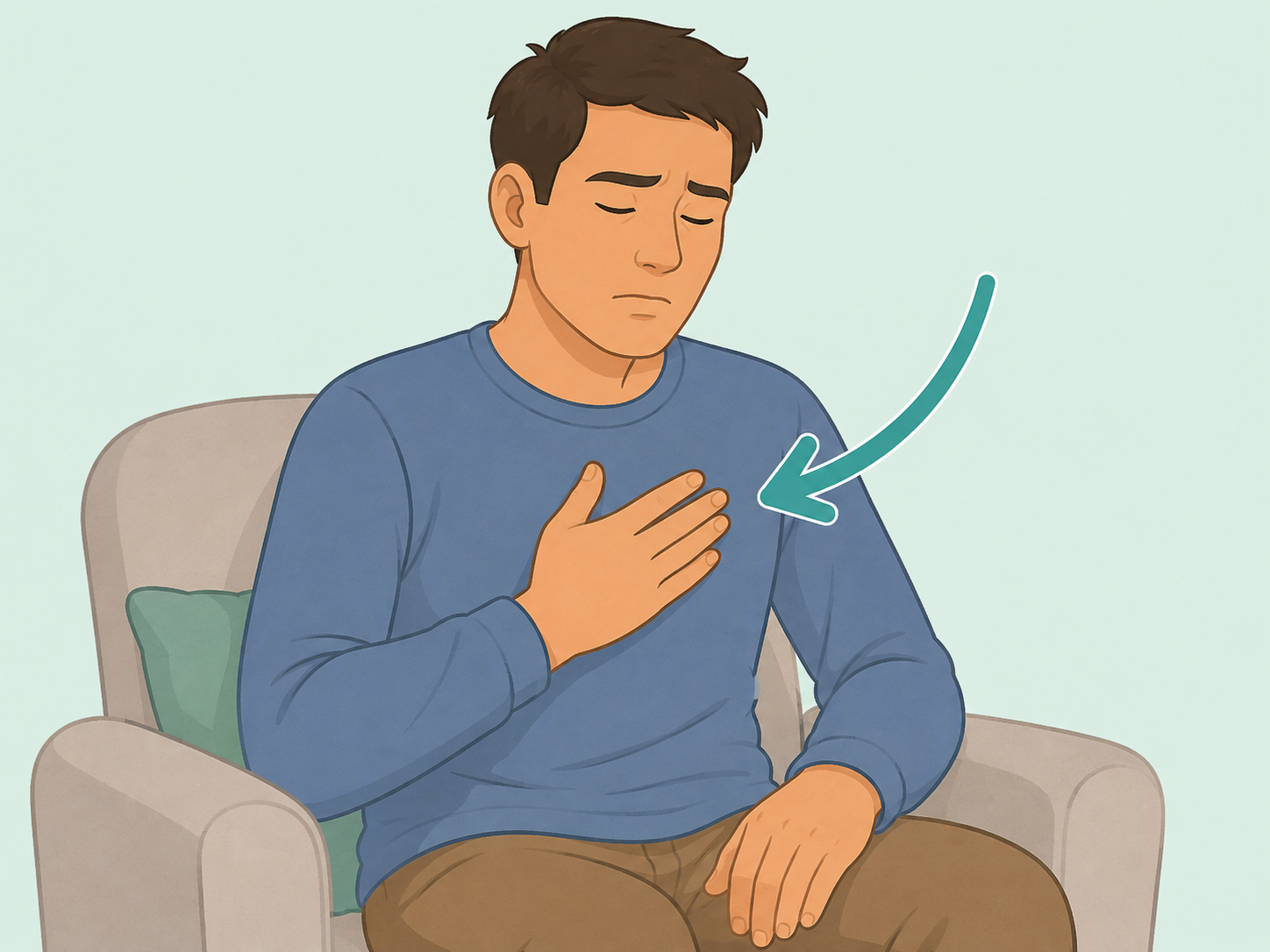
Some heart attacks happen suddenly, but Mayo Clinic says warning symptoms can appear hours, days, or weeks in advance. Chest pressure that keeps coming back, worsens, or does not settle with rest should be taken seriously.
Pay attention to shortness of breath
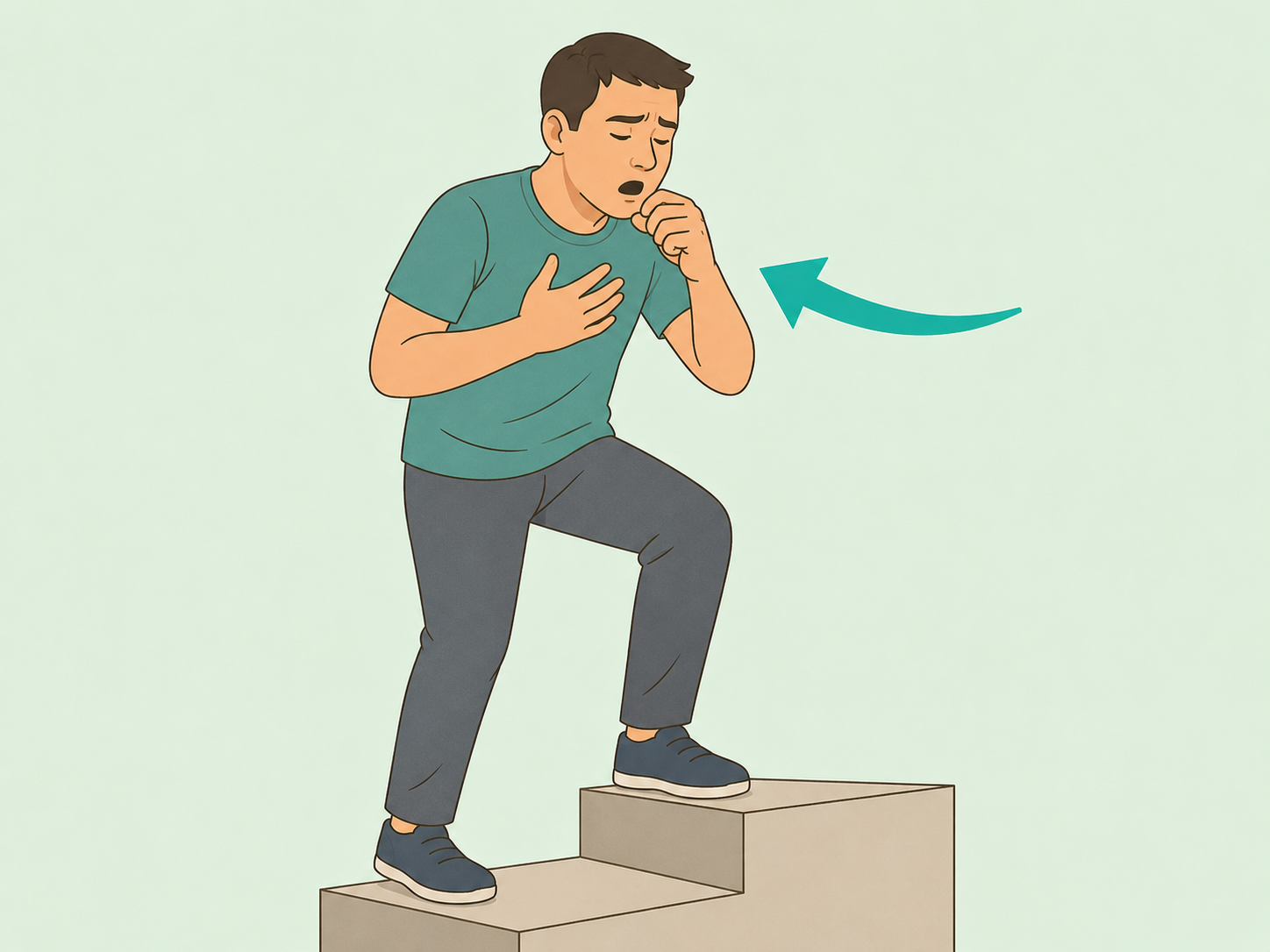
Shortness of breath can happen with chest discomfort, but it can also occur before chest discomfort or without it, according to the CDC. Be especially cautious if you feel breathless while resting or doing a small amount of usual activity.
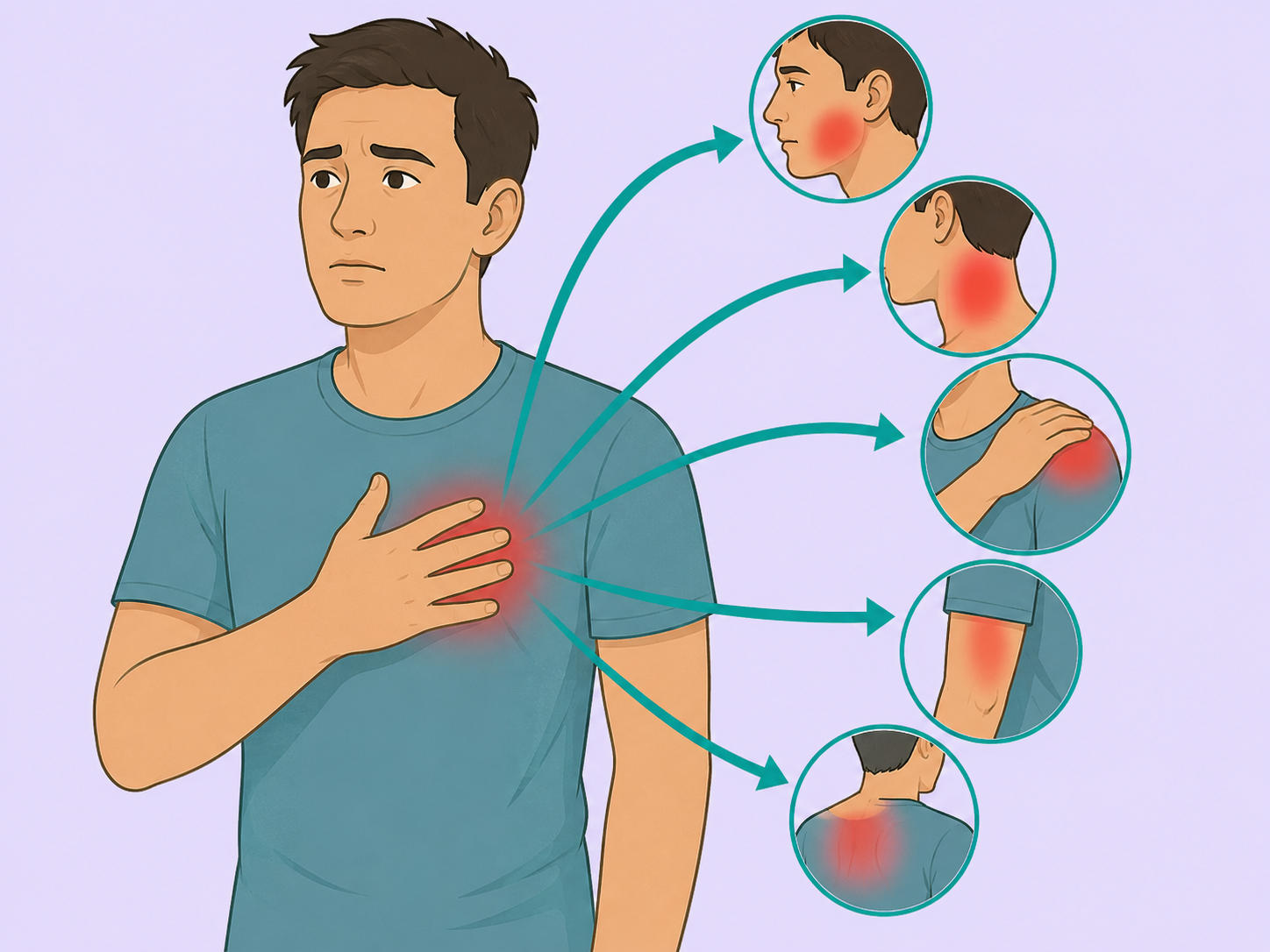
Watch for pain spreading to the upper body
Heart attack discomfort may spread beyond the chest to one or both arms, shoulders, back, neck, jaw, teeth, or upper belly. The National Heart, Lung, and Blood Institute lists these areas as common places where heart attack pain or discomfort may be felt.
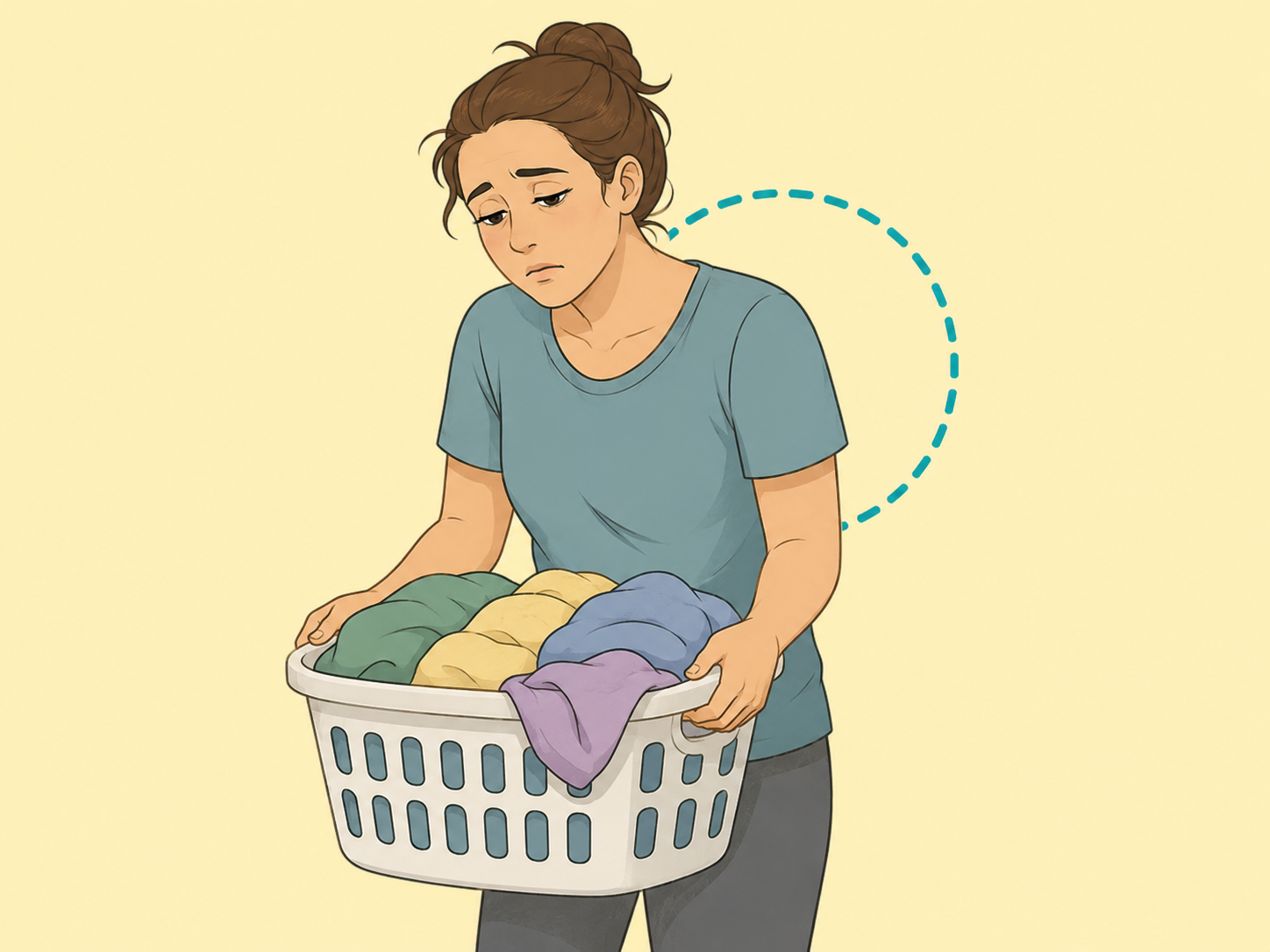
Do not dismiss unusual fatigue or weakness
Feeling unusually tired for no clear reason can be a possible heart attack symptom, and NHLBI notes that this can sometimes last for days and is more common in women. Pay attention if normal activities suddenly feel much harder than usual.
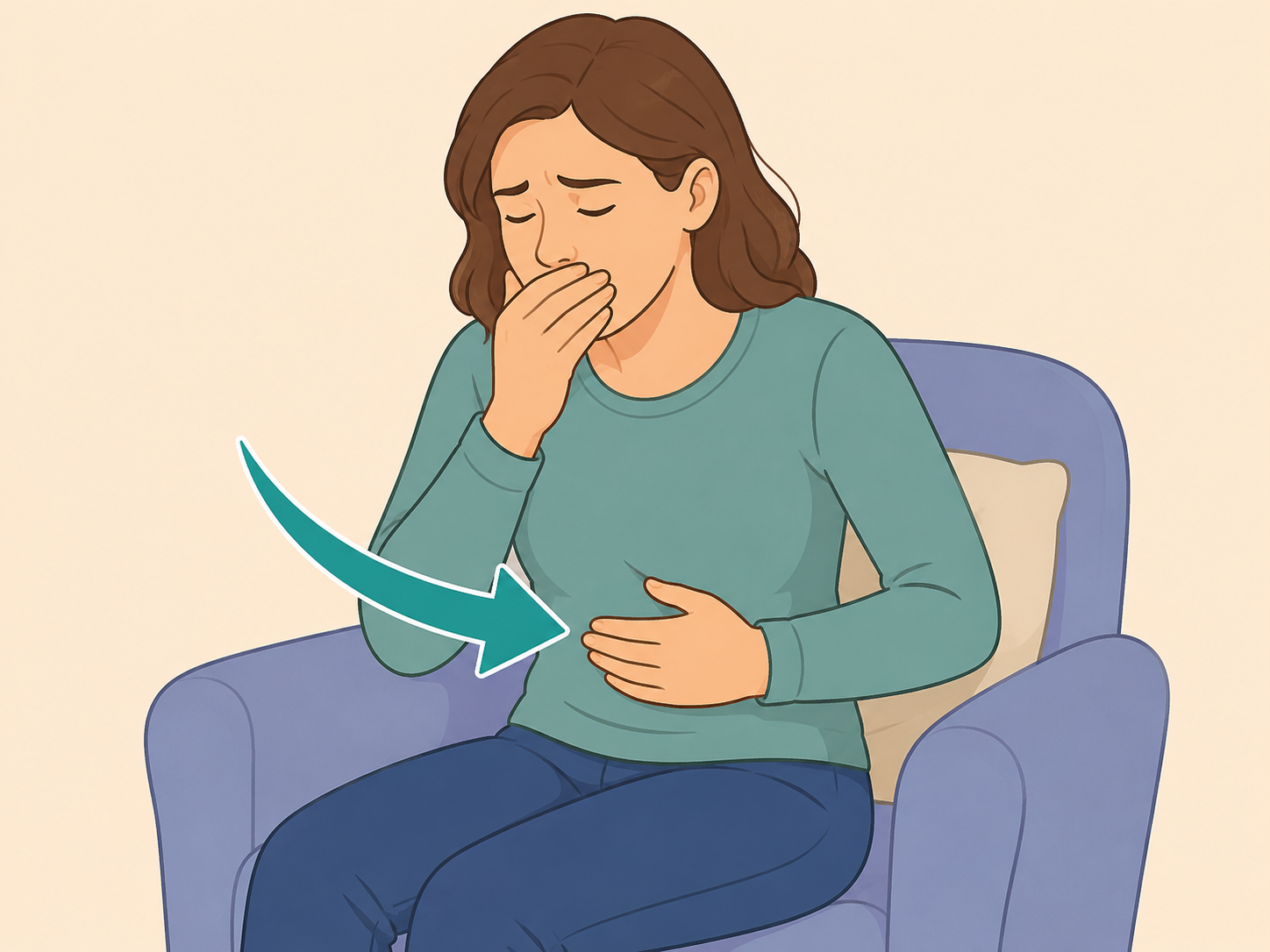
Take nausea, vomiting, heartburn, or indigestion seriously
A heart attack can sometimes feel like indigestion, heartburn, nausea, vomiting, or upper stomach discomfort. The American Heart Association notes that women may be more likely to have symptoms that seem less obviously heart-related.
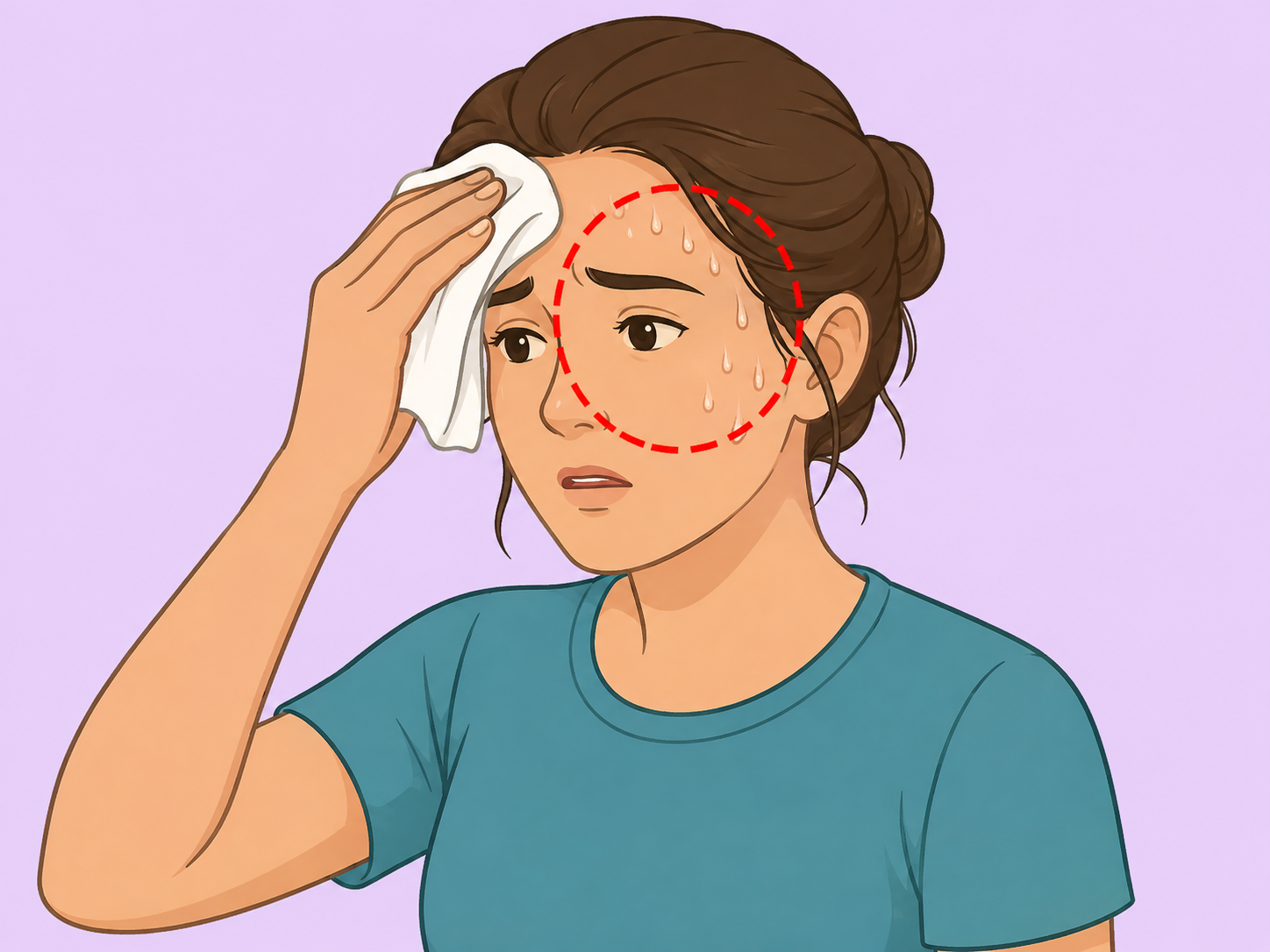
Look for cold sweats
Breaking out in a cold sweat can happen during a heart attack, especially when it appears with chest discomfort, shortness of breath, nausea, or upper-body pain. The CDC's heart attack symptom list includes cold sweat along with weakness, lightheadedness, and faintness.
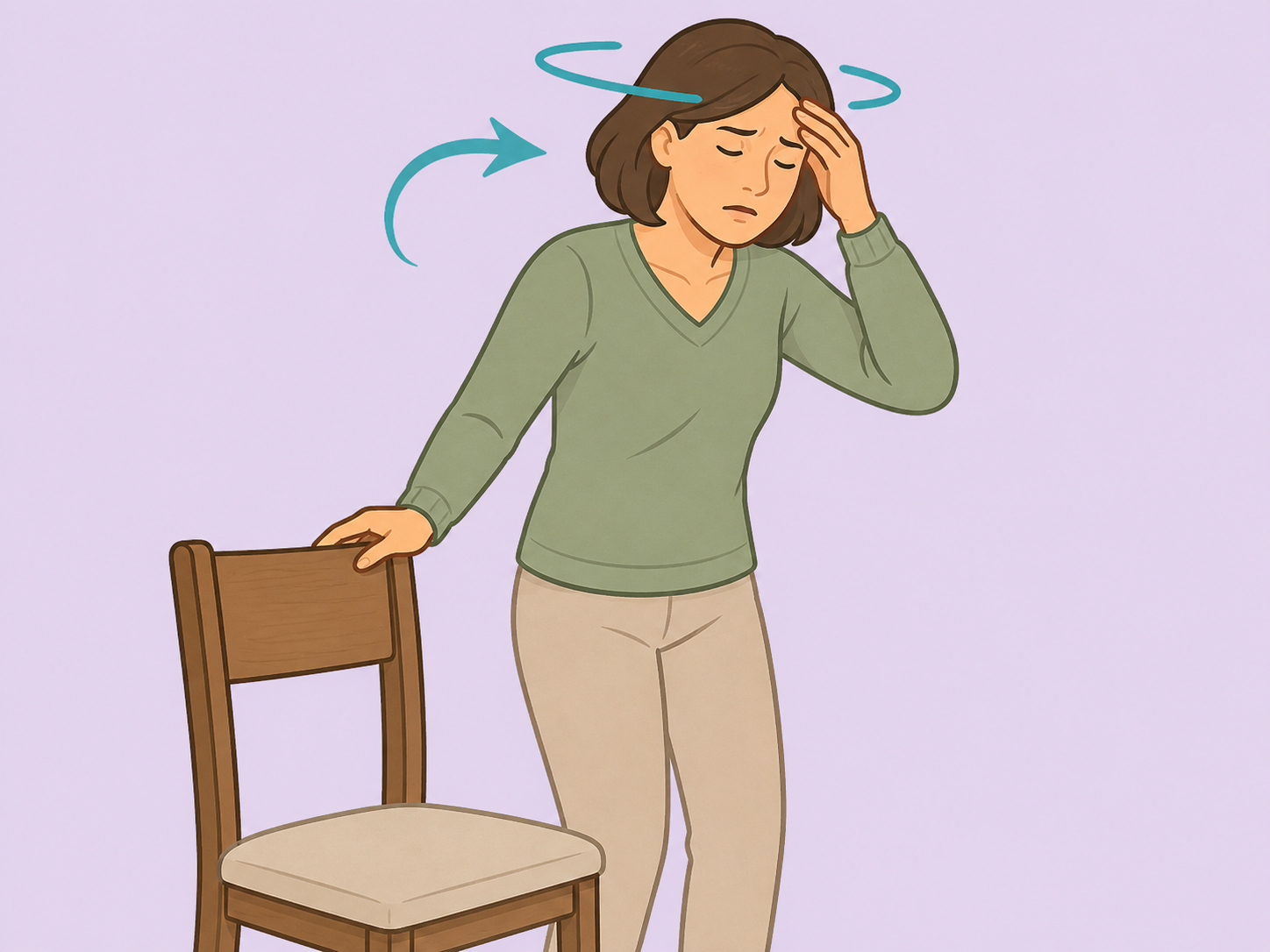
Check dizziness, lightheadedness, or faintness
Lightheadedness, sudden dizziness, faintness, or loss of consciousness can be part of a heart attack symptom pattern. Mayo Clinic lists lightheadedness and loss of consciousness among possible heart attack symptoms.
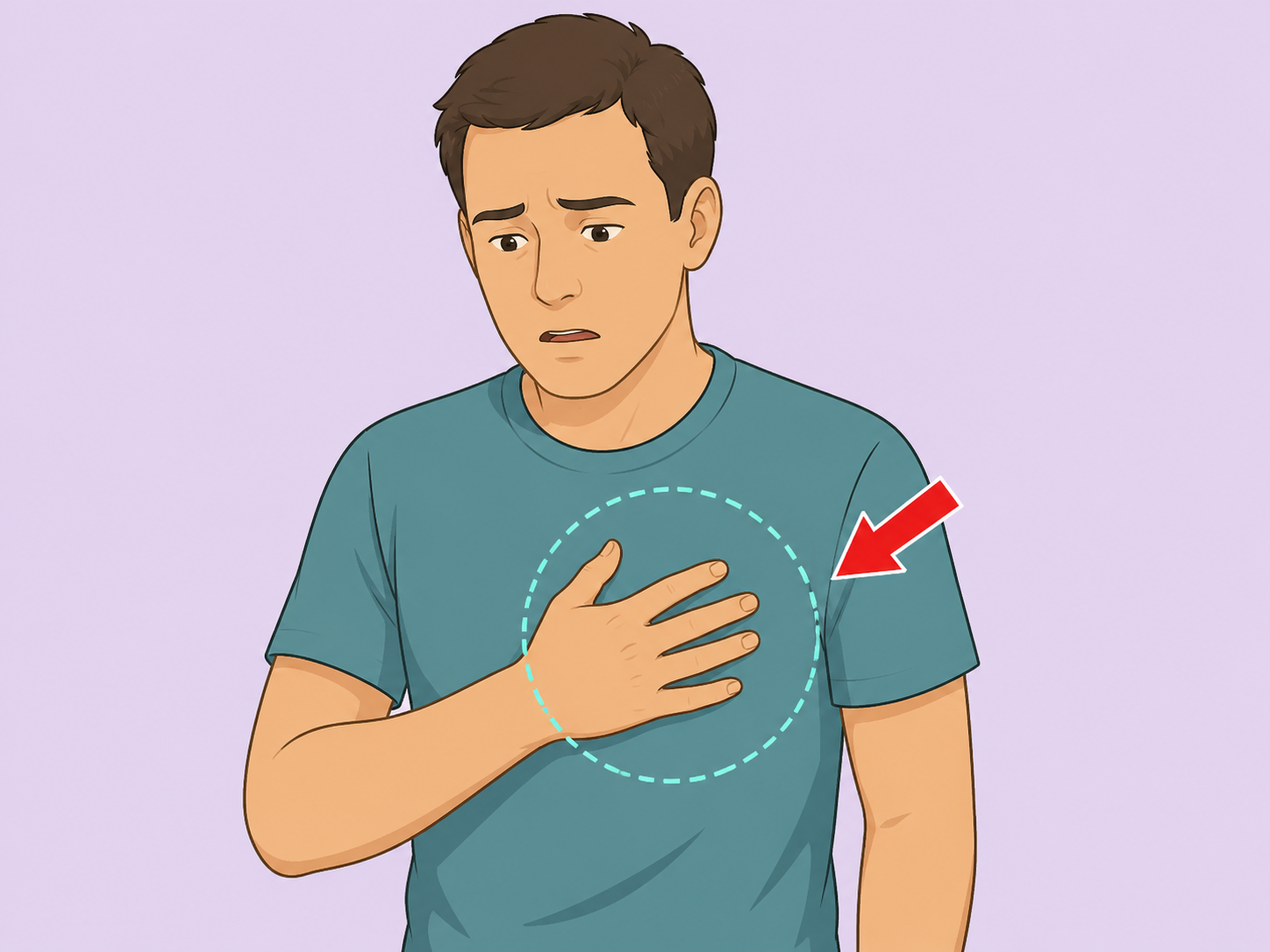
Notice a racing heartbeat, anxiety, or feeling that something is wrong
A rapid or irregular heartbeat can occur with heart attack symptoms, and some people describe anxiety or a strong sense that something is wrong. Cleveland Clinic describes this general unwell feeling as a possible early warning sign when it is unusual for you or appears with other symptoms.
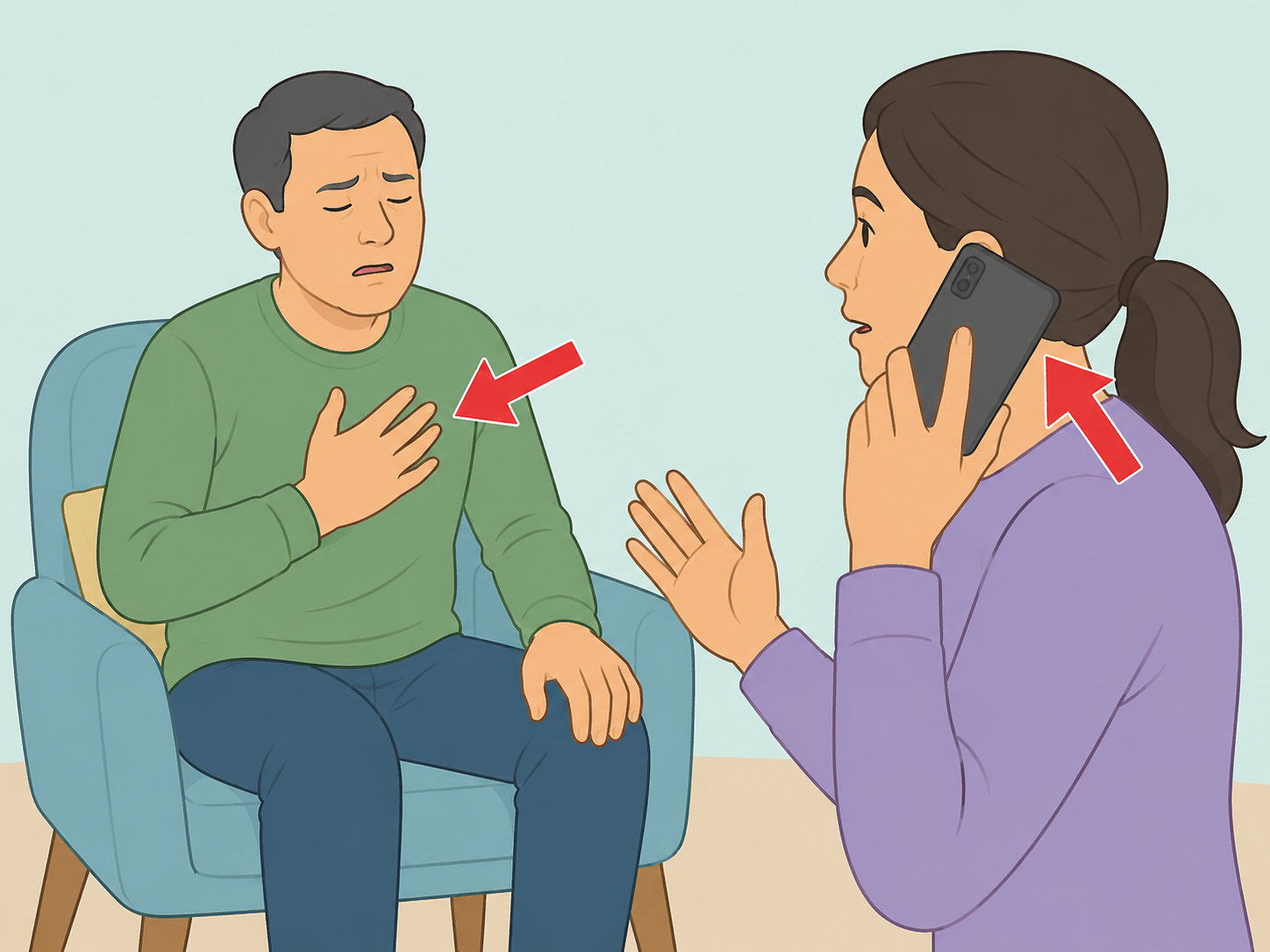
Seek medical help instead of waiting it out
If you think you may be having a heart attack, call 911 or your local emergency number right away; NHLBI says an ambulance is the safest way to get urgent care and can start treatment sooner. If mild symptoms keep returning, contact a doctor or qualified health professional promptly rather than trying to diagnose yourself.
Summary
The bottom line: take new, unexplained, or recurring chest discomfort and related symptoms seriously. If symptoms seem like a heart attack, call 911 right away; if mild symptoms keep returning, contact a healthcare professional promptly.
Frequently Asked Questions
- Can your body warn you a month before a heart attack?
- There is no reliable rule that symptoms appear exactly one month before a heart attack. Some people have warning signs hours, days, or weeks beforehand, while others have sudden symptoms or very mild symptoms.
- What is the most common heart attack symptom?
- Chest pain or discomfort is the most common symptom. It may feel like pressure, squeezing, fullness, tightness, aching, or pain in the center or left side of the chest.
- Can women have different heart attack symptoms?
- Yes. Chest discomfort is still common, but women are more likely than men to report symptoms such as shortness of breath, nausea, vomiting, unusual fatigue, back pain, jaw pain, or indigestion.
- Can a heart attack happen without chest pain?
- Yes. Some people, especially older adults, people with diabetes, and some women, may have mild, unusual, or no obvious chest pain. Shortness of breath, fatigue, nausea, dizziness, or upper-body discomfort can still matter.
- Should I wait to see if possible heart attack symptoms go away?
- No. If you think you might be having a heart attack, call 911 or your local emergency number right away, even if you are not sure.
- What should I do while waiting for emergency help?
- Sit down, rest, and follow the emergency dispatcher's instructions. Do not drive yourself to the hospital unless there is no other way to get emergency care.
References
Reliable references aided in composing and refining this content.
- https://www.heart.org/en/health-topics/heart-attack/warning-signs-of-a-heart-attack
- https://www.mayoclinic.org/diseases-conditions/heart-attack/symptoms-causes/syc-20373106
- https://www.cdc.gov/heart-disease/about/heart-attack.html
- https://www.nhlbi.nih.gov/health/heart-attack/symptoms
- https://health.clevelandclinic.org/early-signs-of-a-heart-attack
- https://www.heart.org/en/health-topics/heart-attack/warning-signs-of-a-heart-attack/heart-attack-symptoms-in-women