
 Pin it
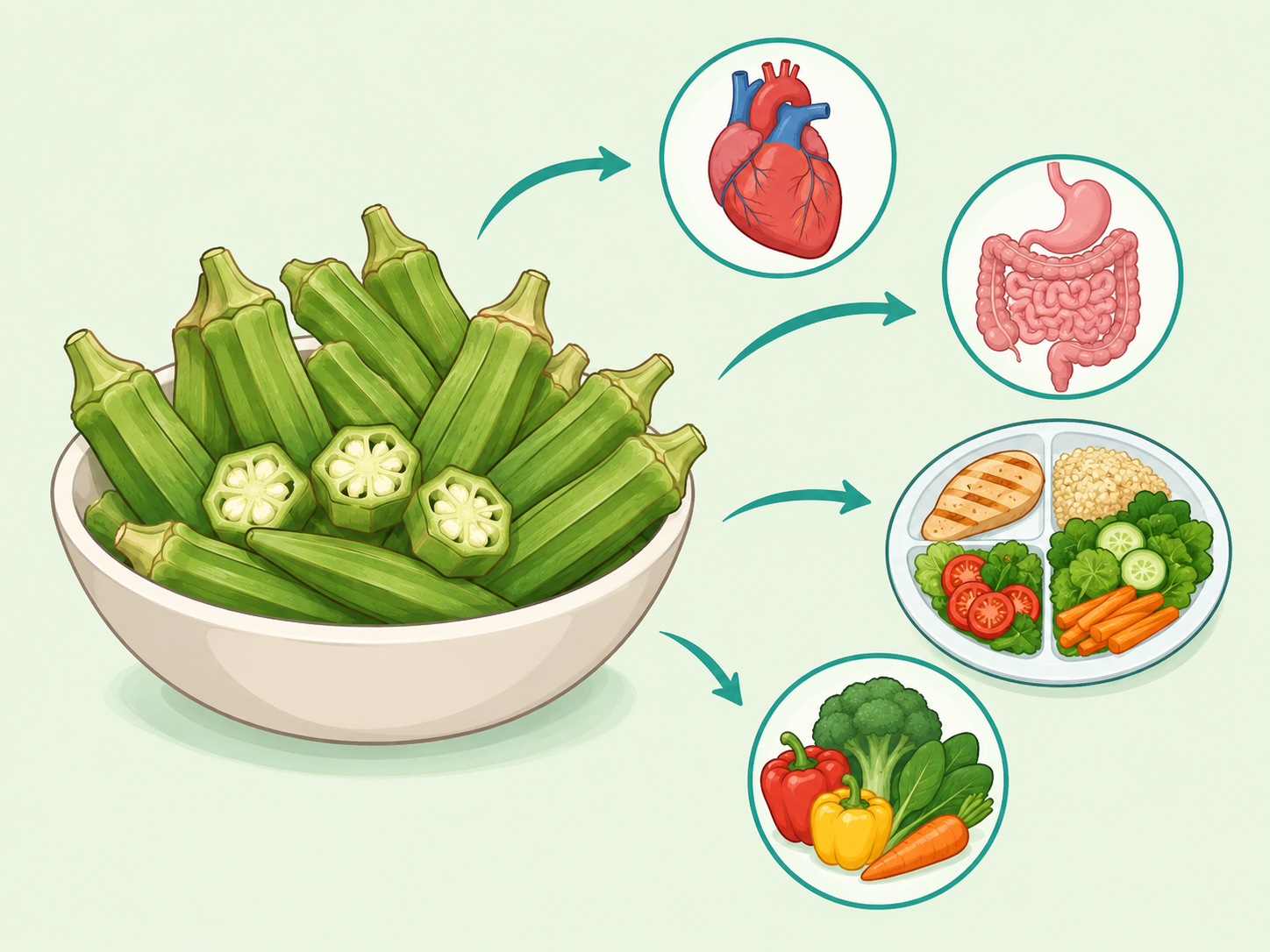
Okra is often promoted for digestion, blood sugar, heart health, and skin-friendly nutrients. The strongest evidence is that okra is a nutrient-dense vegetable that supplies fiber, vitamin C, folate, vitamin K, and minerals, while supplement studies are still limited. Use this guide to understand the real benefits, the nutrition facts, and the safety points to keep in mind.

Check okra's basic nutrition facts
Start with the numbers, not the hype. A 100 g serving of raw okra has about 33 calories, 7.5 g carbohydrate, 3.2 g fiber, 1.9 g protein, very little fat, and useful amounts of vitamin C, vitamin K, folate, magnesium, potassium, and calcium, according to University of Florida IFAS Extension nutrition data.

Count the fiber benefit first
Okra's most practical benefit is its fiber. Dietary fiber adds bulk, supports digestion, may help you feel full, and soluble fiber can help lower cholesterol, as explained by MedlinePlus.

Use okra as a non-starchy vegetable for steadier meals
Treat okra like a vegetable that helps fill the plate without adding many calories or carbohydrates. The American Diabetes Association lists okra as a non-starchy vegetable, a group that supplies fiber, vitamins, minerals, and phytochemicals with relatively little carbohydrate.
Treat blood sugar claims cautiously
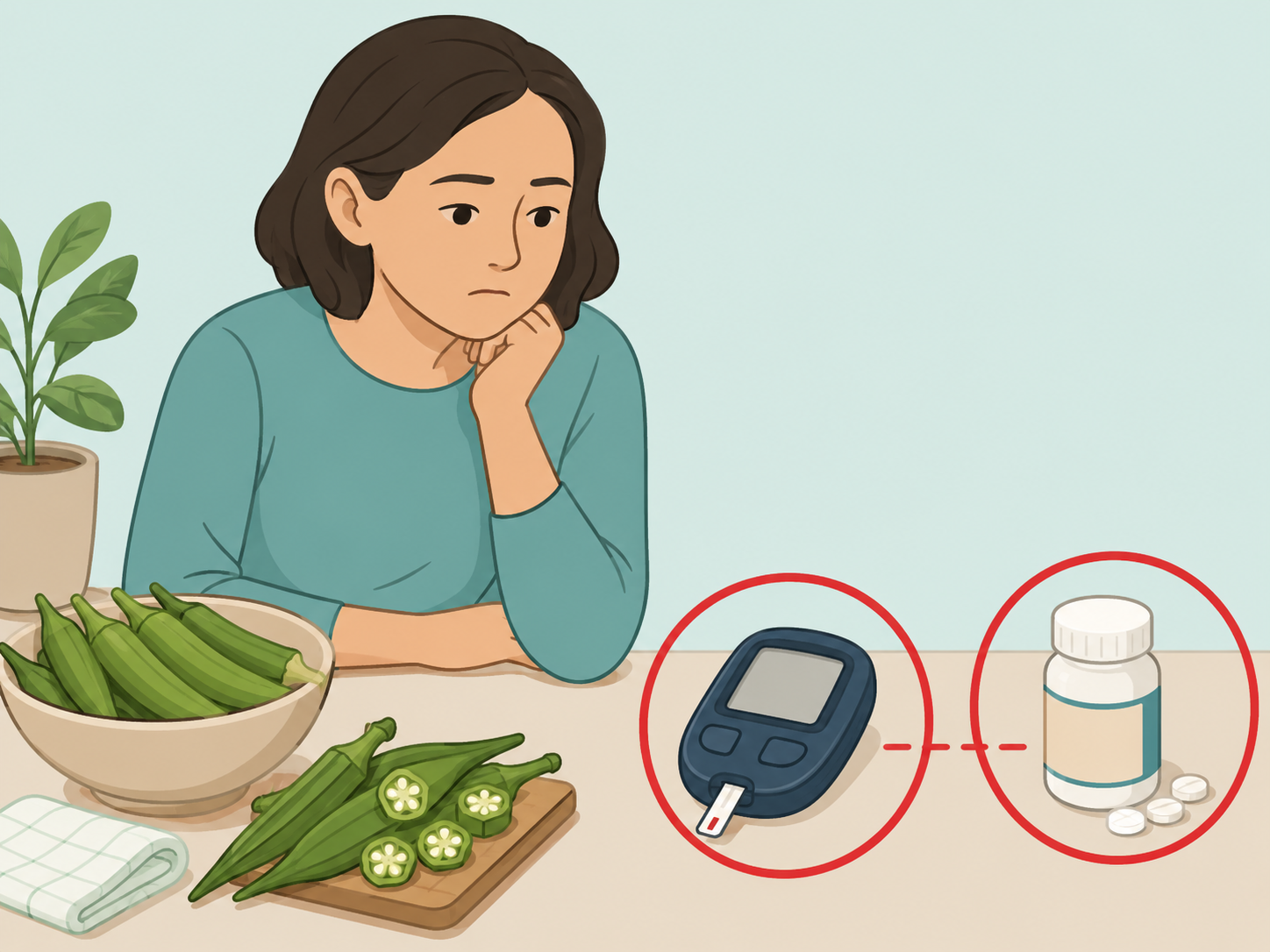
Some clinical trial reviews suggest okra consumption or supplementation may improve fasting blood glucose, HbA1c, triglycerides, and total cholesterol in adults, but the authors also note that more large studies are needed. Use the findings from this systematic review and meta-analysis as early evidence, not proof that okra can treat diabetes.
Notice the heart-health angle
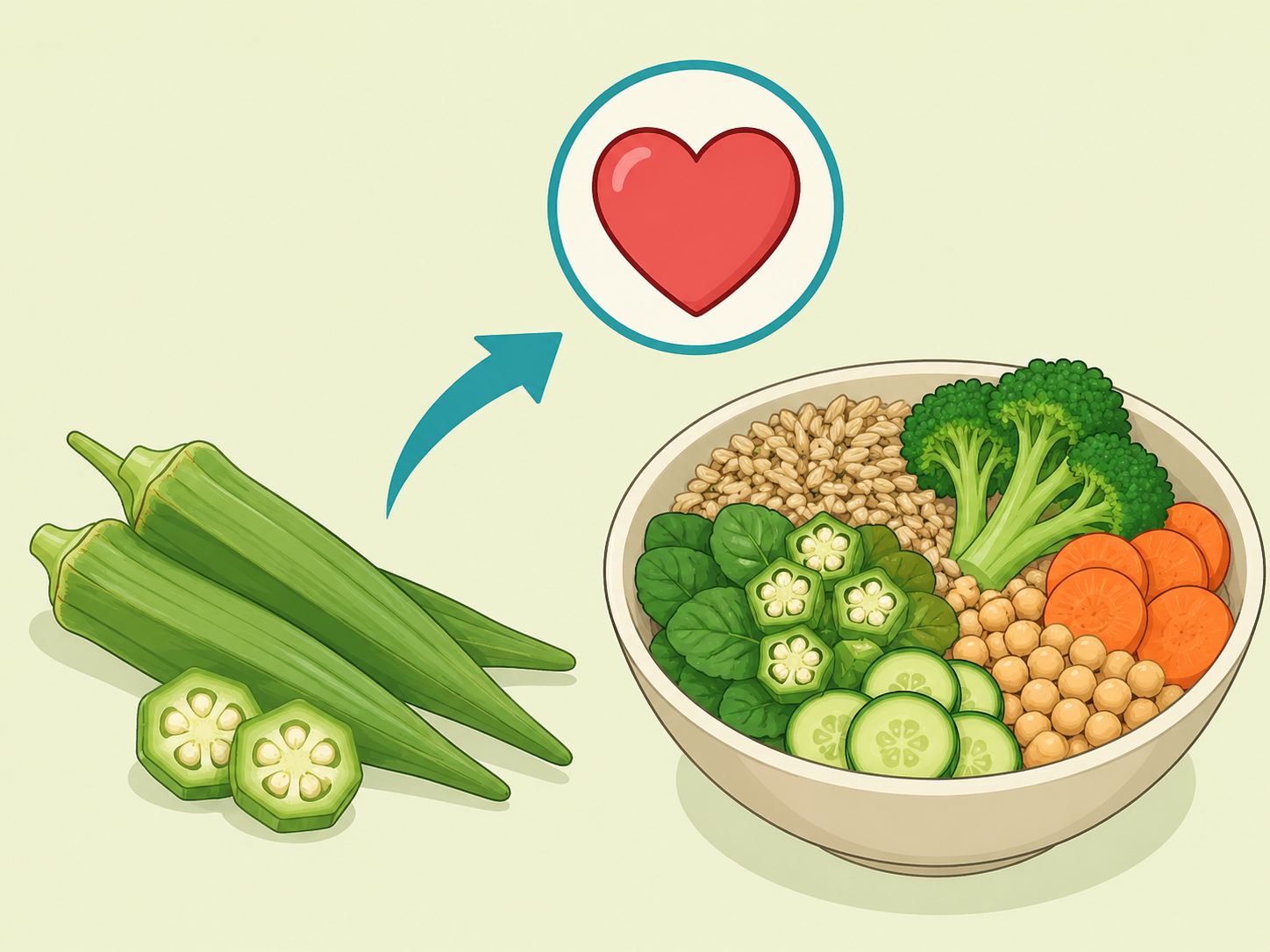
Okra may support heart-friendly eating mainly because it adds fiber and replaces less nutritious foods when prepared simply. Soluble fiber lowers cholesterol in research summarized by MedlinePlus fiber guidance, so okra fits best alongside other vegetables, beans, whole grains, nuts, and healthy fats.
Value vitamin C, folate, vitamin K, and minerals
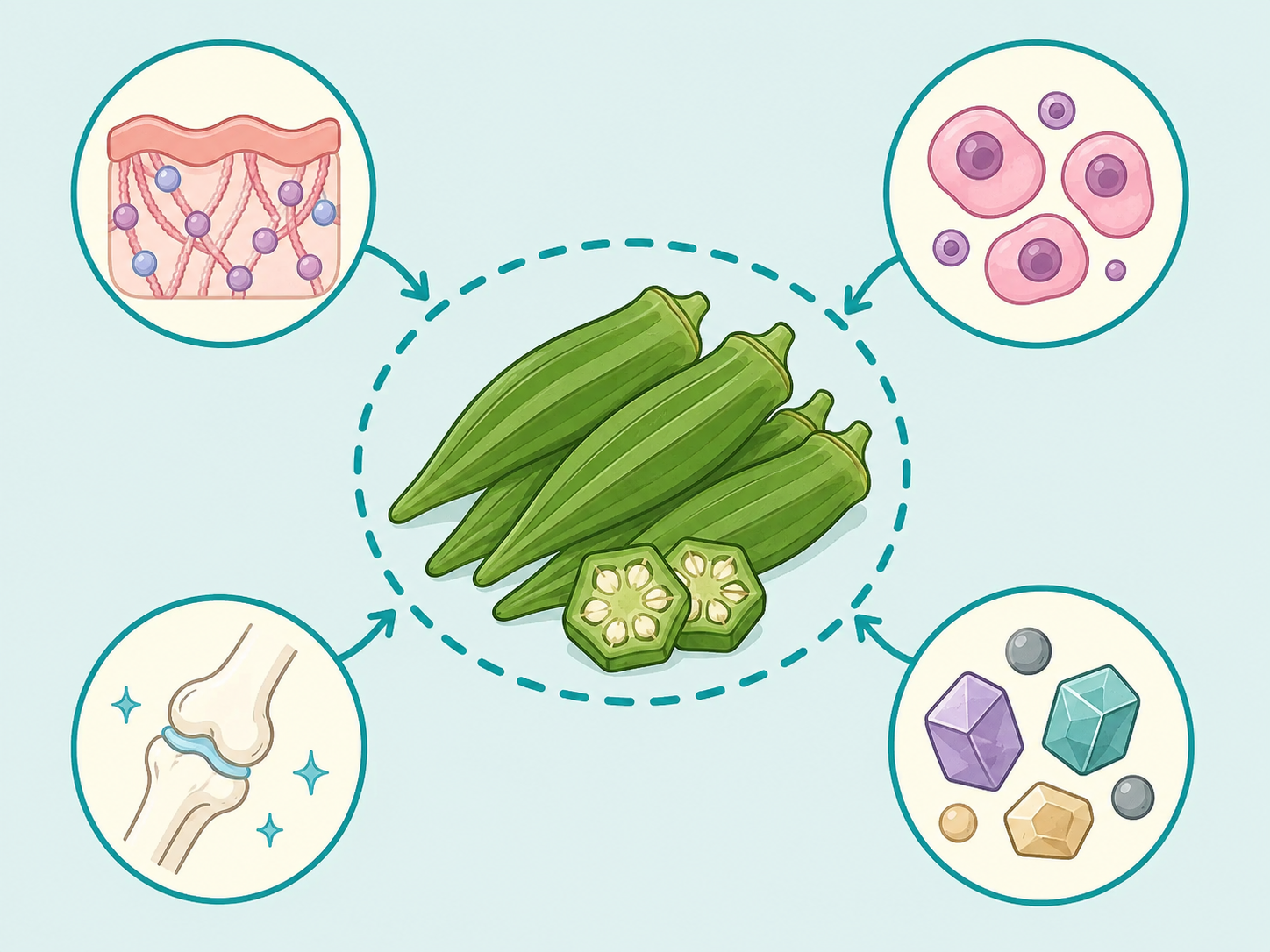
Okra's vitamin C supports normal antioxidant function, immune function, collagen formation, and tissue repair, according to the NIH Office of Dietary Supplements. Its folate helps the body make DNA and supports cell division, while vitamin K is important for blood clotting and bone health, based on NIH folate information and NIH vitamin K information.

Prepare okra in ways that preserve benefits
Choose fresh, firm pods, wash them under running water, cut away damaged areas, and keep raw okra separate from raw meat or seafood, following FDA produce safety advice. Boiling can reduce some nutrients in okra, so try steaming, roasting, grilling, or quick sauteing when you want more texture and less nutrient loss.

Know when to see a doctor
Talk to a doctor, pharmacist, or registered dietitian before using okra supplements, making major diet changes for blood sugar, or relying on okra for a health condition. This is especially important if you take warfarin, because NIH vitamin K guidance says people on warfarin need a consistent vitamin K intake, and if you have diabetes, kidney disease, pregnancy-related nutrition needs, or ongoing digestive symptoms.
Summary
The bottom line: okra is a nutritious, low-calorie vegetable with useful fiber and micronutrients. Eat it as part of a varied diet, keep medical claims modest, and talk to a health professional if you have diabetes, take blood thinners, are pregnant, or want to use okra supplements.
Frequently Asked Questions
- Is okra actually healthy?
Yes. Okra is a low-calorie vegetable that provides fiber, vitamin C, vitamin K, folate, magnesium, potassium, and calcium. Its benefits are best understood as part of an overall healthy eating pattern, not as a stand-alone treatment.
- Can okra lower blood sugar?
Some randomized trial reviews suggest okra supplementation may improve certain blood sugar measures, but the evidence is limited and not a reason to change prescribed diabetes care. People with diabetes should discuss major diet or supplement changes with their health care team.
- Is okra good for skin or beauty?
Okra provides vitamin C, which the body uses for collagen formation and tissue repair. That supports normal skin health, but eating okra will not produce quick cosmetic changes or replace sunscreen, skin care, or medical treatment for skin problems.
- Is raw okra better than cooked okra?
Raw okra keeps more heat-sensitive nutrients, while cooked okra may be easier to eat and digest for some people. Light cooking methods such as steaming, roasting, or quick sauteing can keep okra enjoyable without turning it into a high-fat dish.
- Can I eat okra every day?
Most people can include okra regularly as one of many vegetables. Increase fiber gradually and drink fluids, especially if you are not used to high-fiber foods.
- Who should be cautious with okra?
Ask a doctor or registered dietitian first if you take warfarin or diabetes medicine, are pregnant, have kidney disease, have digestive disorders, or plan to use okra supplements. Do not use okra to replace medication or delay medical care.
References
Reliable references aided in composing and refining this content.
- https://ask.ifas.ufl.edu/publication/HS1512
- https://medlineplus.gov/ency/article/002470.htm
- https://diabetes.org/food-nutrition/reading-food-labels/non-starchy-vegetables
- https://pubmed.ncbi.nlm.nih.gov/39723095
- https://ods.od.nih.gov/factsheets/VitaminC-HealthProfessional
- https://ods.od.nih.gov/factsheets/Folate-Consumer
- https://ods.od.nih.gov/factsheets/VitaminK-Consumer
- https://www.fda.gov/food/buy-store-serve-safe-food/selecting-and-serving-produce-safely