
 Pin it
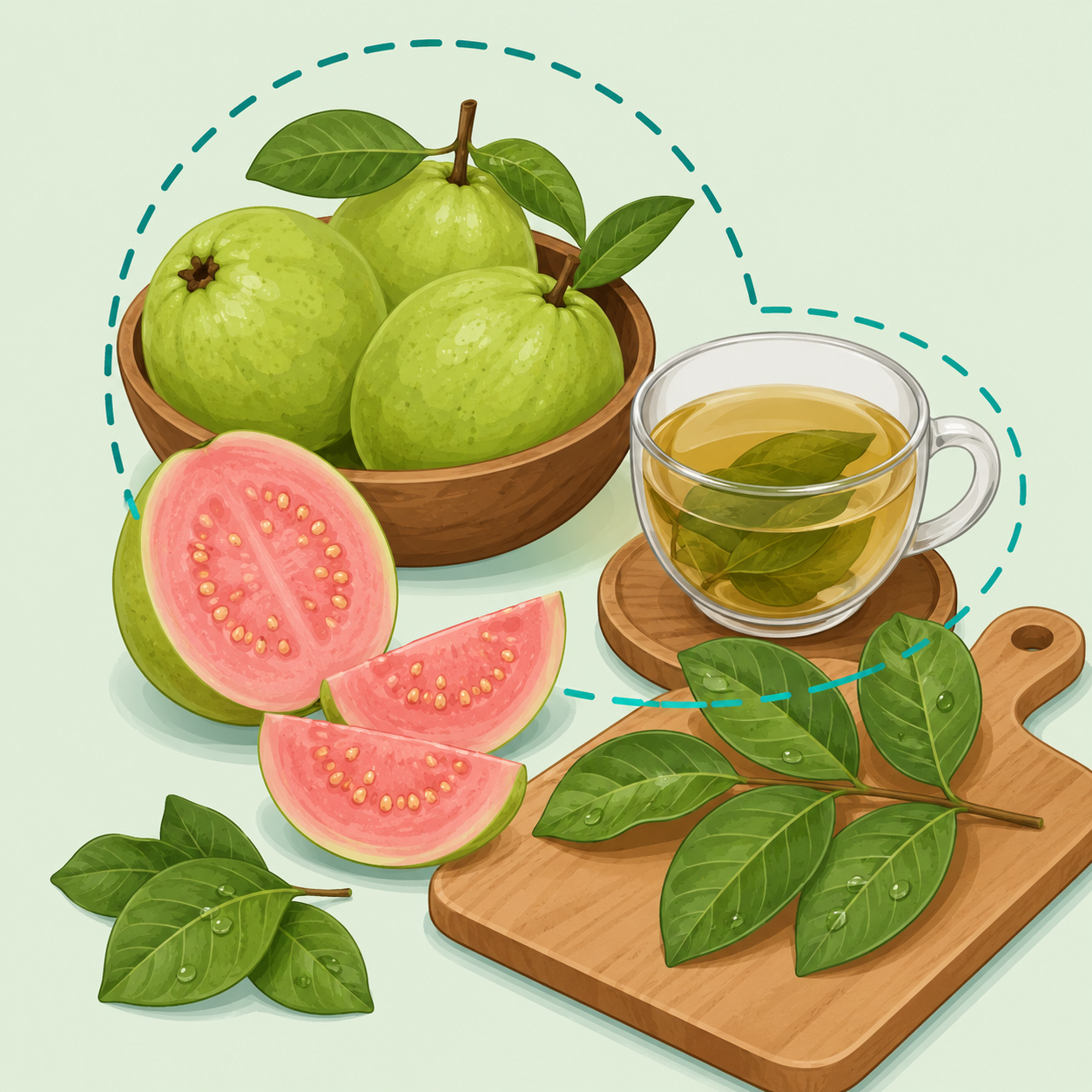
Guava is a tropical fruit with vitamin C, fiber, potassium, and other plant compounds that may support a healthy eating pattern. Guava leaves are also used in teas and extracts, but the evidence for leaf products is less settled than the evidence for eating the fruit as food. This guide explains how to choose, prepare, eat, and use guava safely while keeping health claims realistic.
Choose ripe, unbruised guava
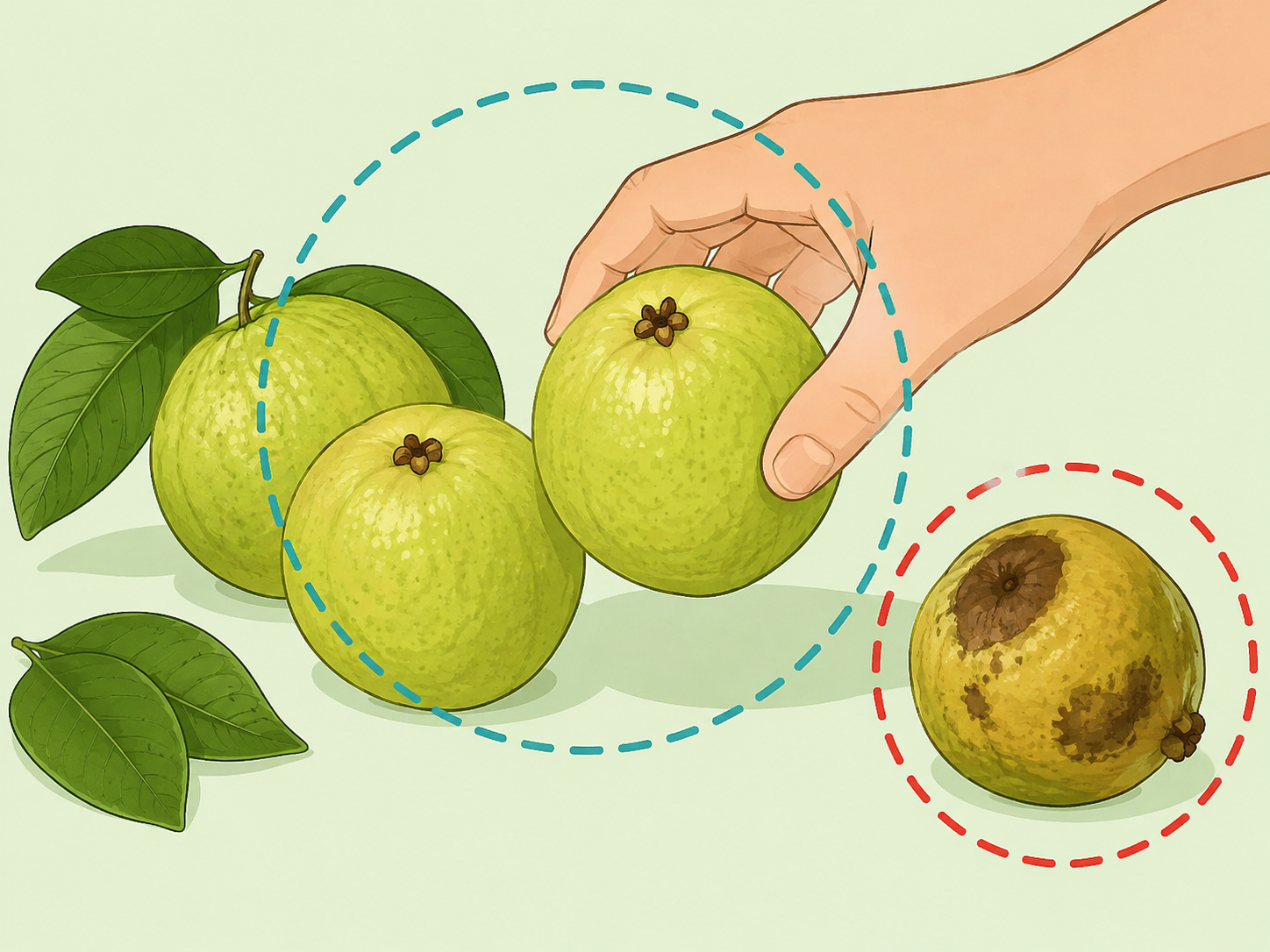
Pick guavas that feel slightly soft when pressed and smell fragrant, and skip fruit with mold, deep bruises, or damaged skin. The FDA recommends choosing produce that is not bruised or damaged because damaged spots can make fresh produce harder to keep safe.
Wash the fruit before cutting it
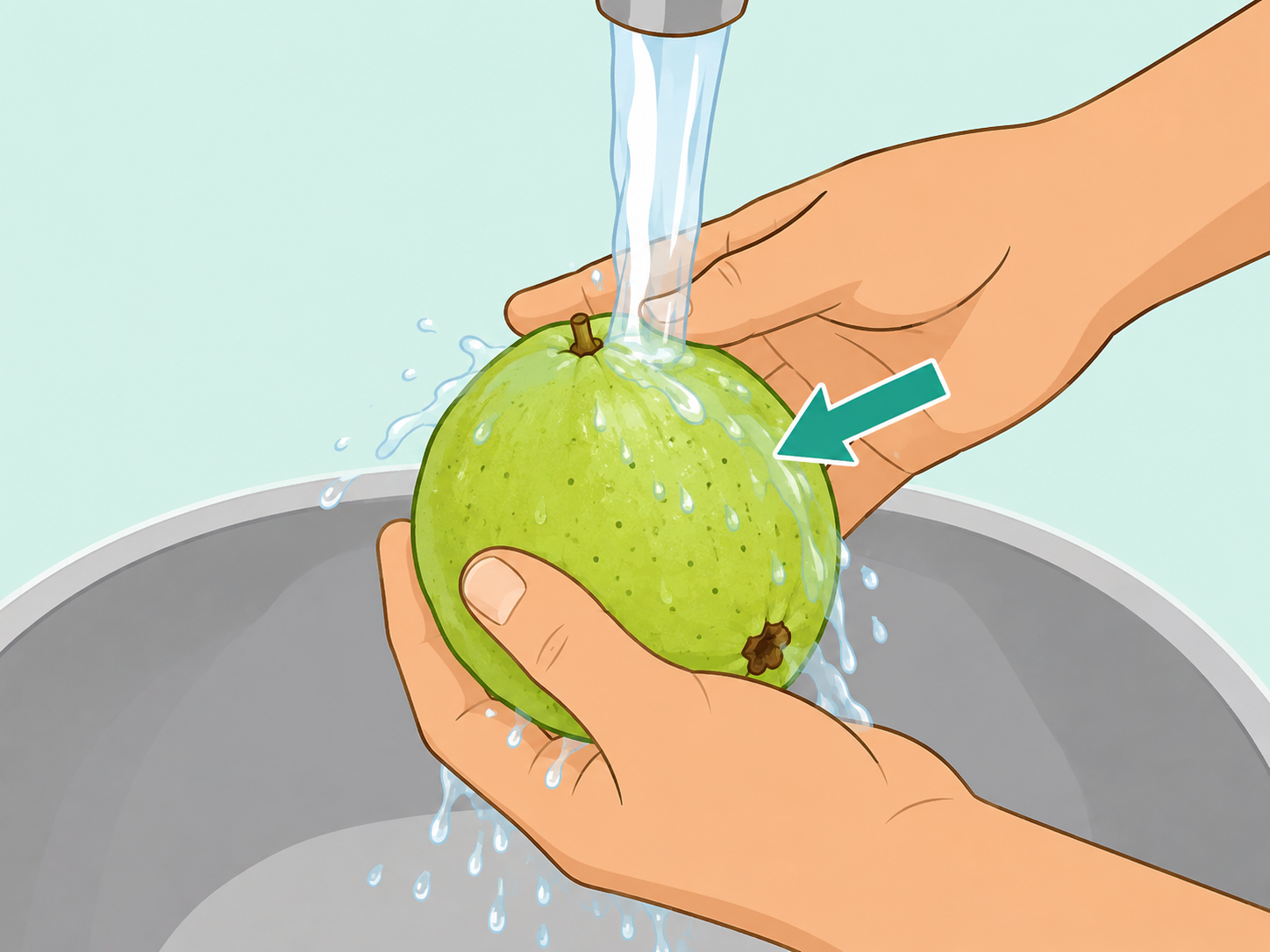
Rinse guava under running water and rub the skin gently before you slice it, even if you plan to peel it. The FDA advises washing produce before peeling or cutting so dirt and bacteria are less likely to move from the skin to the edible flesh.
Eat the peel, flesh, and seeds if you tolerate them
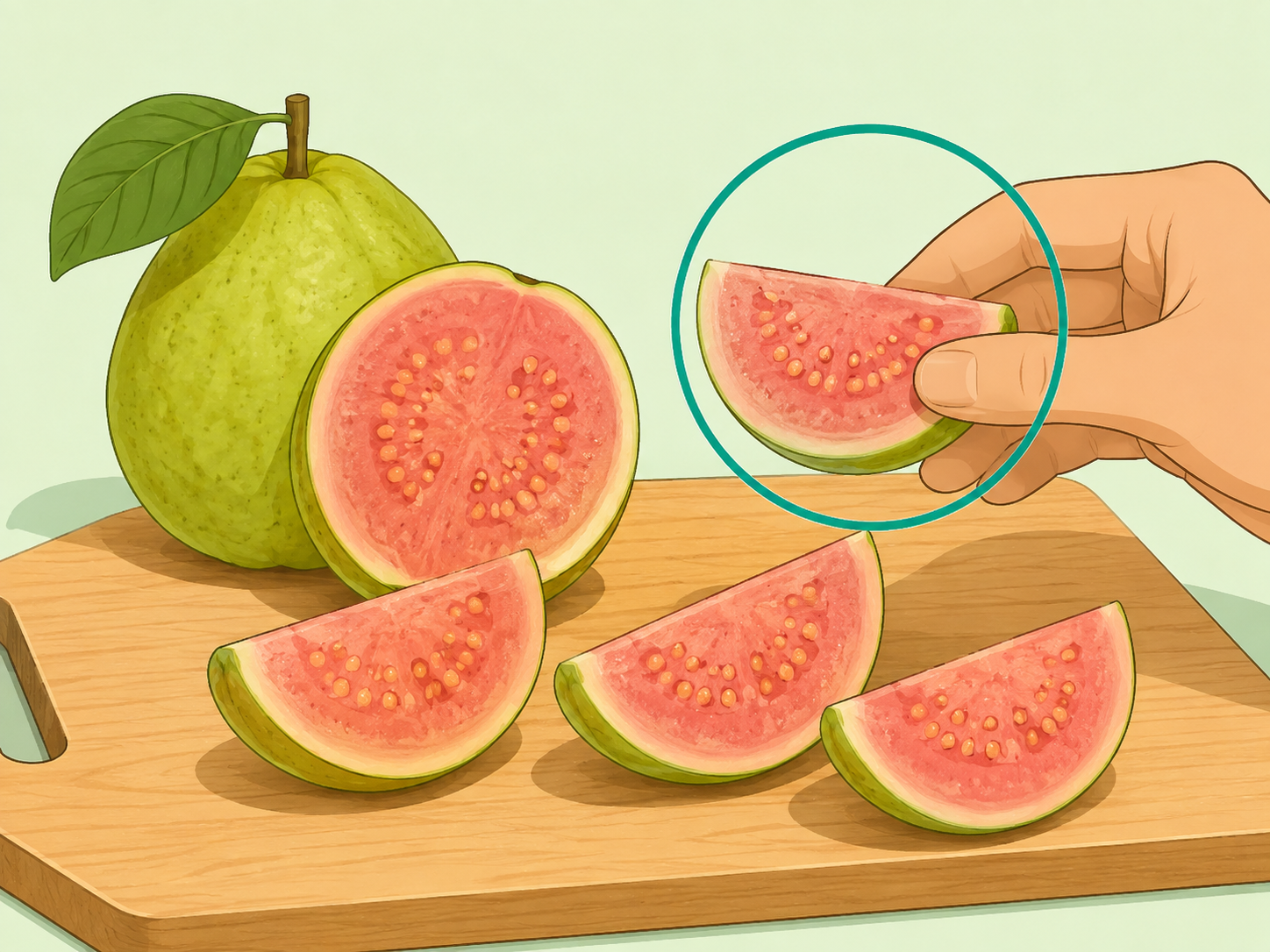
Guava can be eaten like an apple: trim the ends, slice it, and eat the peel, flesh, and small seeds if they feel comfortable for your digestion. A cup of raw guava provides about 9 grams of fiber, according to Cleveland Clinic's guava nutrition review, so the whole fruit is usually a better choice than strained juice.
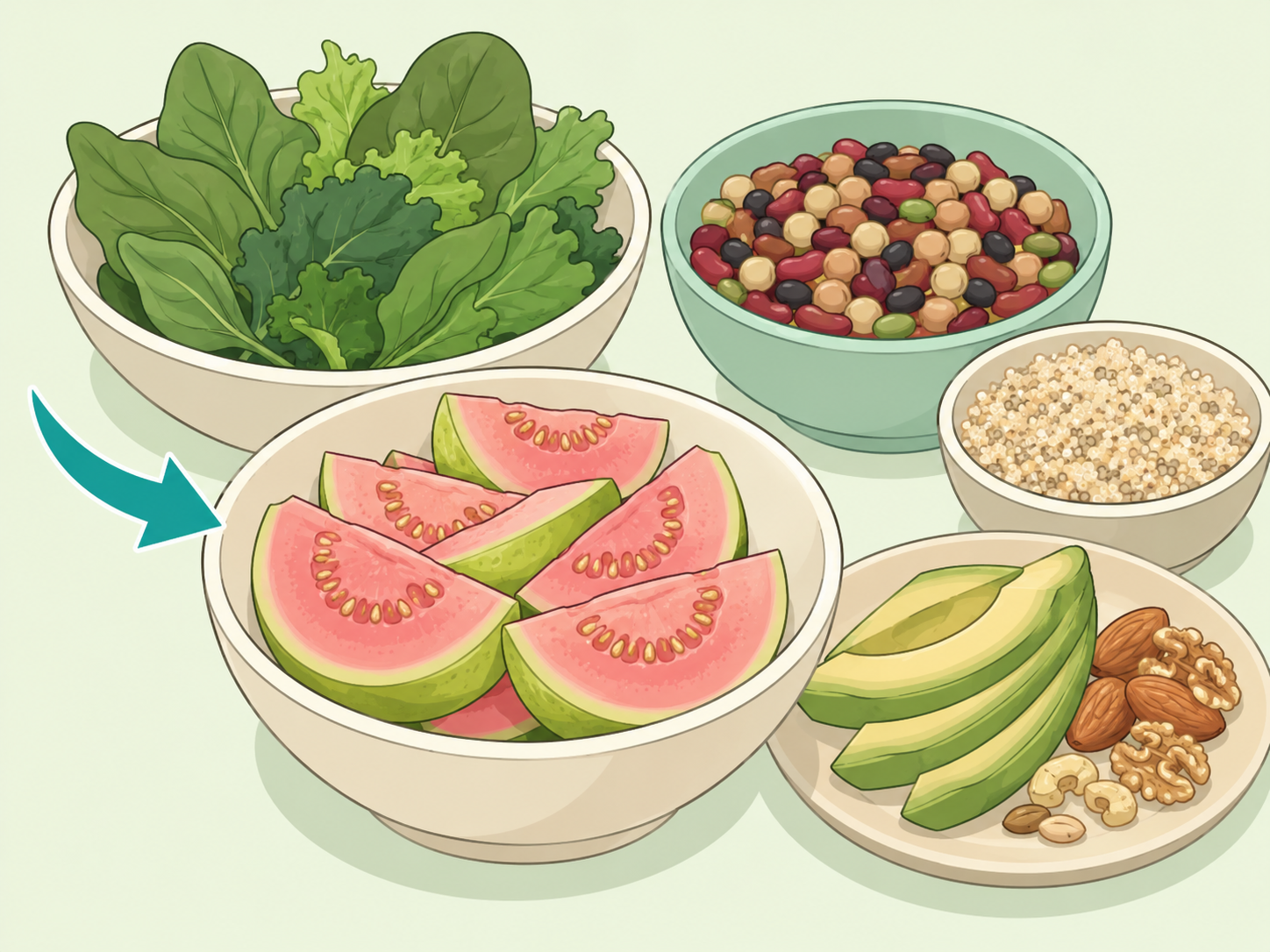
Use guava as a vitamin C food, not a cure
Guava is especially useful as a vitamin C-rich fruit, and MedlinePlus explains that vitamin C helps form collagen, supports wound healing, and aids iron absorption. Keep the claim practical: guava can support normal nutrition, but it will not cure skin conditions, prevent illness, or replace medical care.
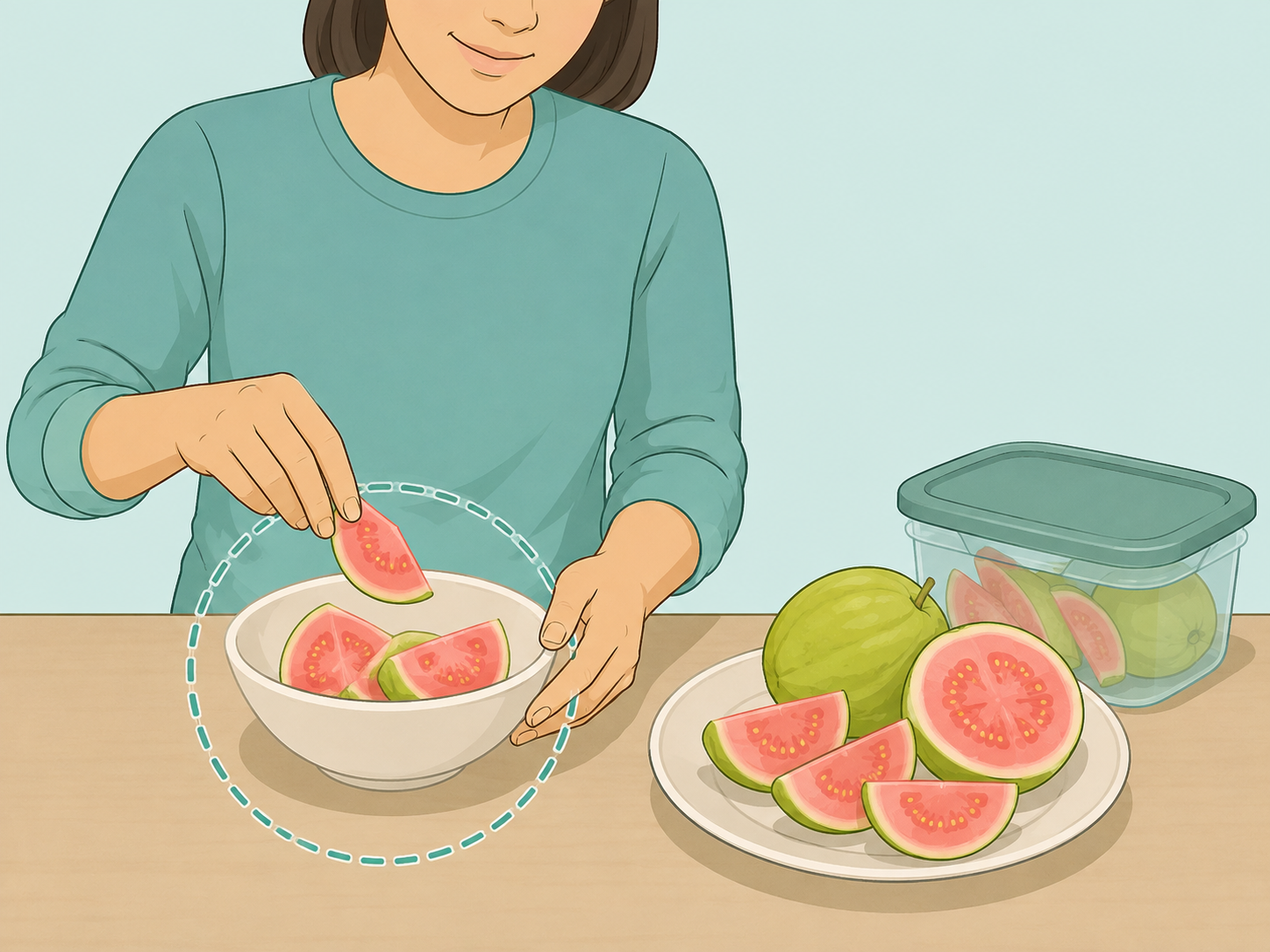
Increase portions slowly for digestive comfort
Because guava is high in fiber, start with a modest serving if you do not usually eat much fruit or fiber. MedlinePlus notes that fiber supports digestion and helps prevent constipation, but adding fiber too quickly can cause gas, bloating, and cramps.
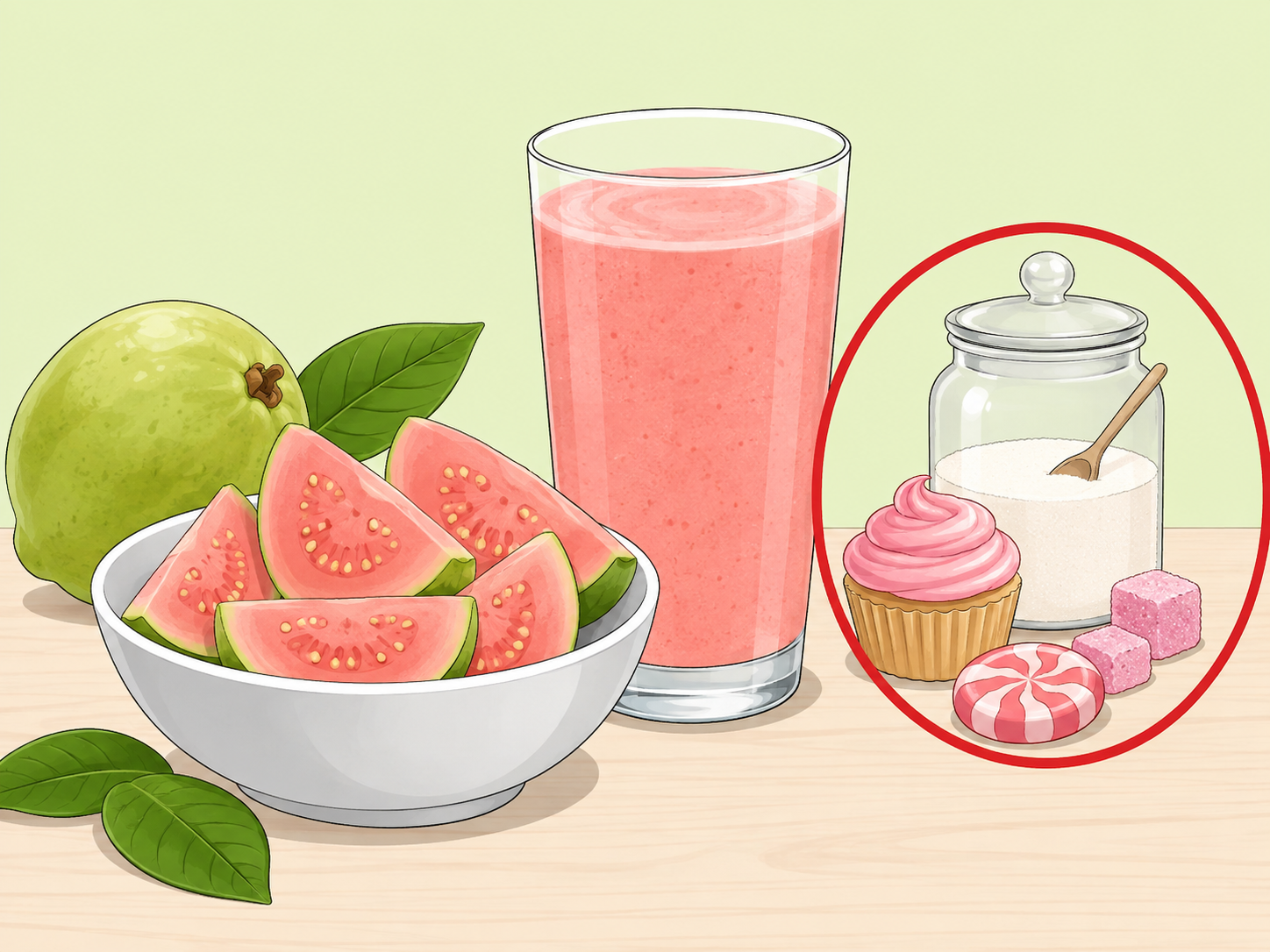
Choose whole guava more often than sweetened products
Fresh guava, frozen guava, or unsweetened puree keeps the fruit's fiber and avoids the added sugar found in many juices, jams, candies, and syrups. Cleveland Clinic lists guava as a fruit that can be eaten fresh, blended into smoothies, or added to fruit salad, while also noting that too much guava may cause digestive symptoms for some people.
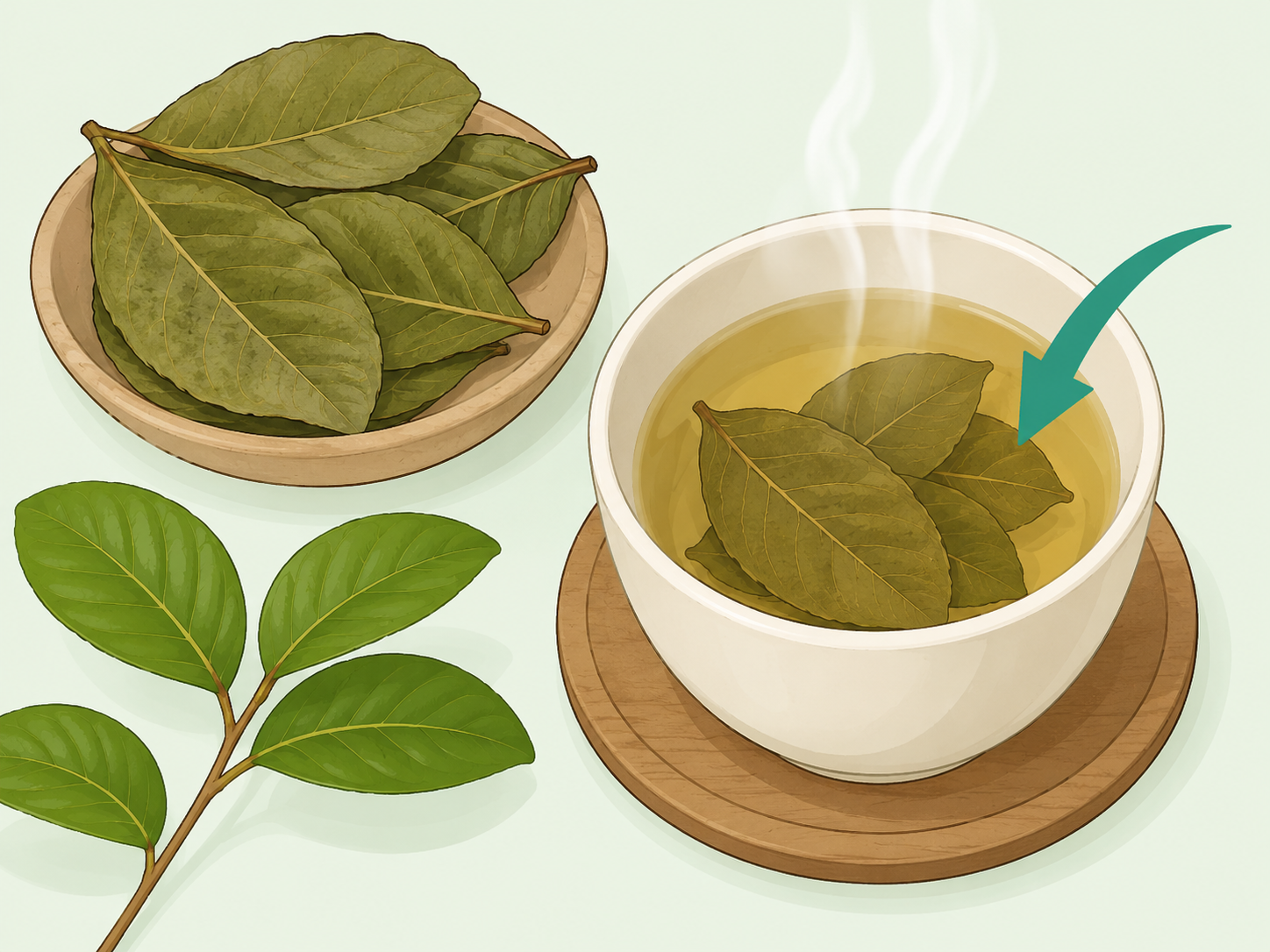
Treat guava leaves as an optional herbal tea
Guava leaves contain plant compounds that researchers have studied for antioxidant, digestive, blood sugar, and lipid effects, but a review of guava leaf research says more clinical trials are needed to confirm effectiveness. If you drink guava leaf tea, use clean food-grade leaves and keep it occasional rather than using it as a treatment.
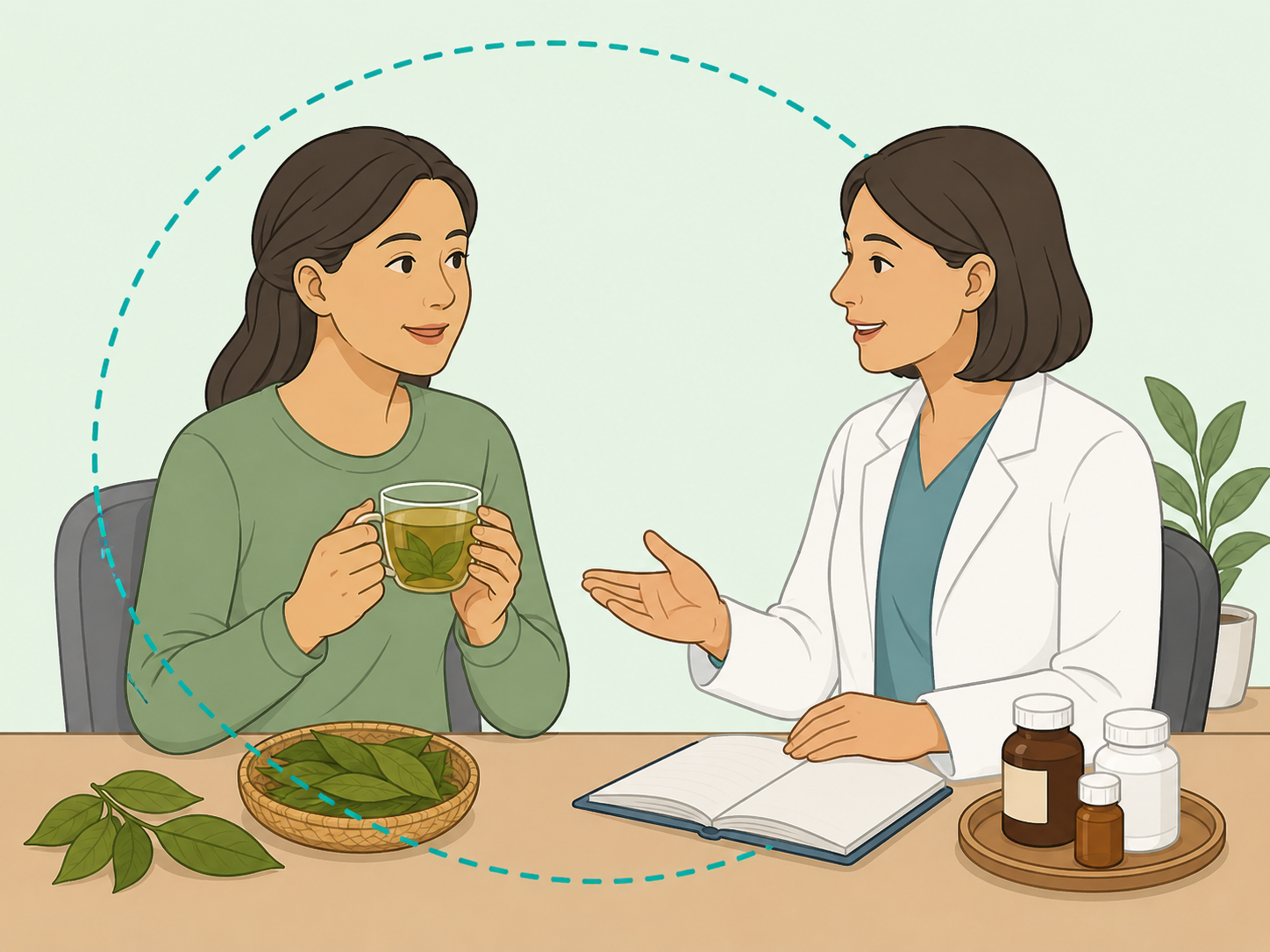
Ask a doctor before using guava leaves for health problems
Talk to a doctor or pharmacist before using guava leaf tea, capsules, or extracts if you take medicine, have diabetes, are pregnant or breastfeeding, or are preparing for surgery. NCCIH warns that herbal products can interact with prescription and over-the-counter medicines, and research on guava leaf extract for blood sugar still calls for careful safety guidance.
Summary
The bottom line: guava fruit is best used as a whole-food source of vitamin C and fiber, while guava leaves should be approached carefully as an herbal product. Enjoy the fruit in normal food amounts, wash it well, and ask a health professional before using guava leaf products for any health condition.
Frequently Asked Questions
- Can you eat guava peel?
Yes, many people eat guava with the peel after washing it well. If the peel tastes too bitter or bothers your stomach, you can slice it off and eat the flesh instead.
- Can you eat guava seeds?
Guava seeds are commonly eaten along with the fruit. If the seeds feel too hard or aggravate digestive symptoms, scoop them out and eat the softer flesh.
- Is guava good for skin?
Guava is high in vitamin C, and vitamin C helps the body form collagen, which is important for normal skin structure. It is not a cure for acne, wrinkles, or pigmentation, and it should not replace skin care or medical treatment.
- Can guava leaves lower blood sugar?
Guava leaf extracts and teas have been studied for effects on blood sugar, but they should not be used as diabetes treatment or as a replacement for prescribed medicine. Talk to a doctor if you have diabetes or take blood sugar medicine.
- How much guava should you eat in a day?
There is no single required amount. A small to medium guava or a cup of sliced guava can fit into a balanced diet, but eating a lot at once may cause gas, bloating, constipation, or diarrhea in some people.
- Is guava leaf tea safe during pregnancy?
Food amounts of guava fruit are different from concentrated leaf teas or extracts. If you are pregnant, breastfeeding, taking medicine, or managing a health condition, ask a qualified health professional before using guava leaf products.
References
Reliable references aided in composing and refining this content.
- https://health.clevelandclinic.org/guava-benefits
- https://medlineplus.gov/ency/article/002404.htm
- https://medlineplus.gov/dietaryfiber.html
- https://www.fda.gov/food/buy-store-serve-safe-food/selecting-and-serving-produce-safely
- https://www.nccih.nih.gov/health/tips/tips-how-herbs-can-interact-with-medicines
- https://pubmed.ncbi.nlm.nih.gov/33916183
- https://pubmed.ncbi.nlm.nih.gov/20181067