
 Pin it
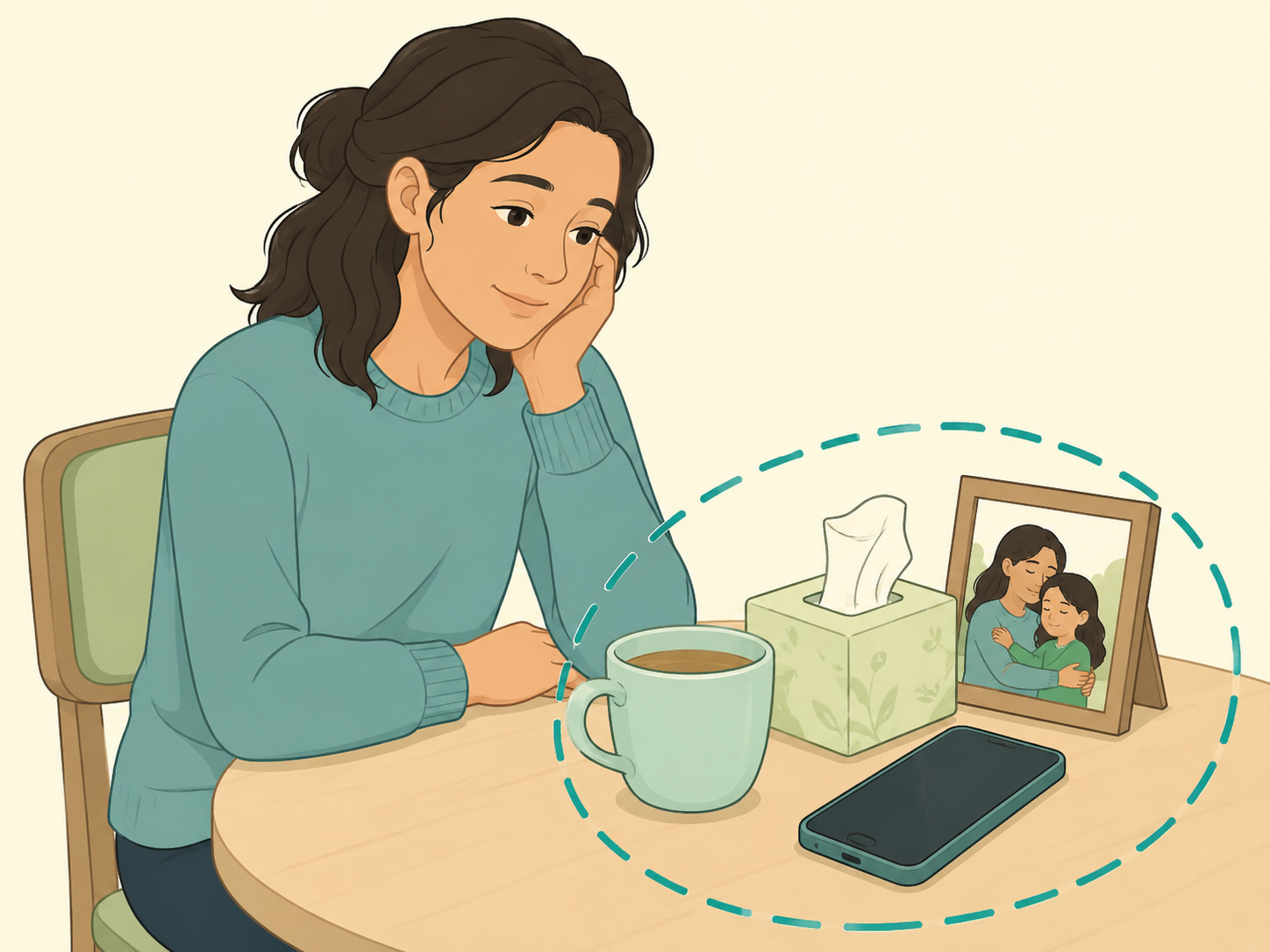
A sudden death can make life feel unreal, especially when it follows a joyful moment or major life change. This guide explains practical ways to care for yourself through shock, grief, and uncertainty without pretending there is a quick fix. Use these steps gently, at your own pace.
Name what happened without rushing your feelings
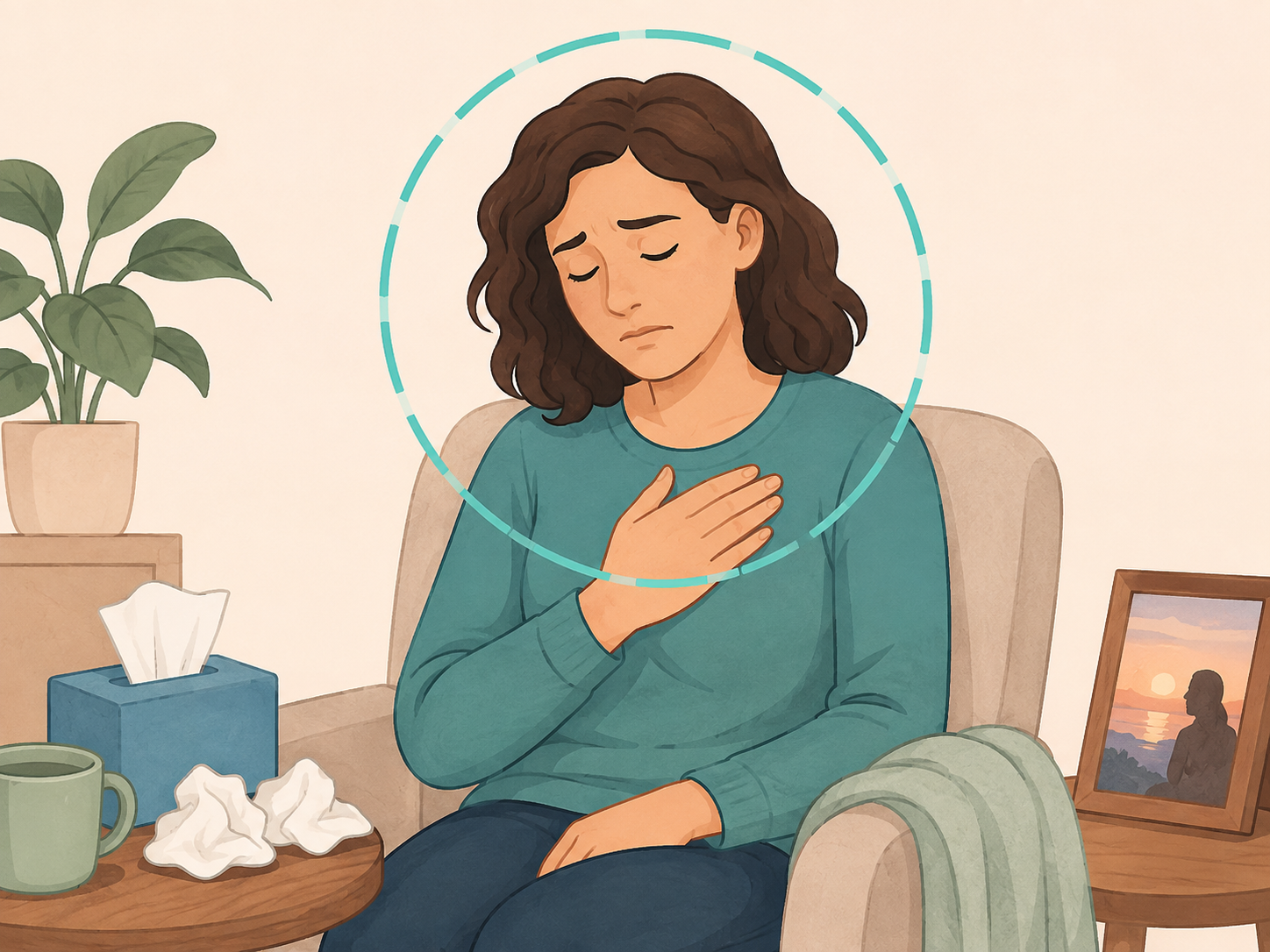
Sudden loss can bring shock, numbness, anger, sadness, guilt, confusion, or a mix of feelings that changes by the hour. The NHS explains that grief affects people differently and that there is no right or wrong way to feel. Start by naming the loss plainly, then give yourself permission not to have a neat reaction.
Let grief come in its own order
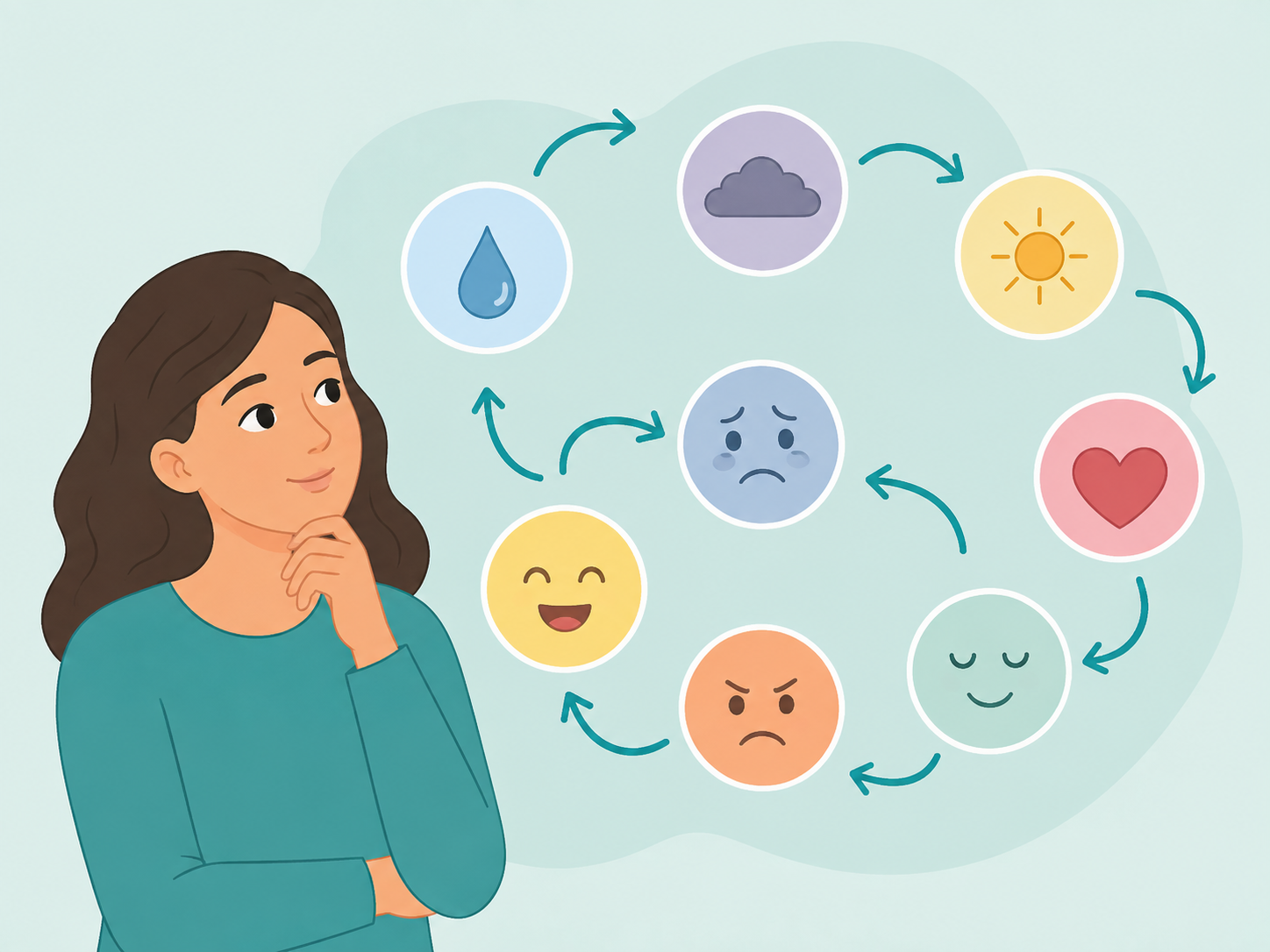
People often talk about stages of grief, but they do not always happen in order or one at a time. MedlinePlus notes that grief can include denial, anger, bargaining, sadness, and acceptance, but not everyone experiences all of them. If today feels different from yesterday, that does not mean you are doing grief wrong.
Keep your body on a simple care routine
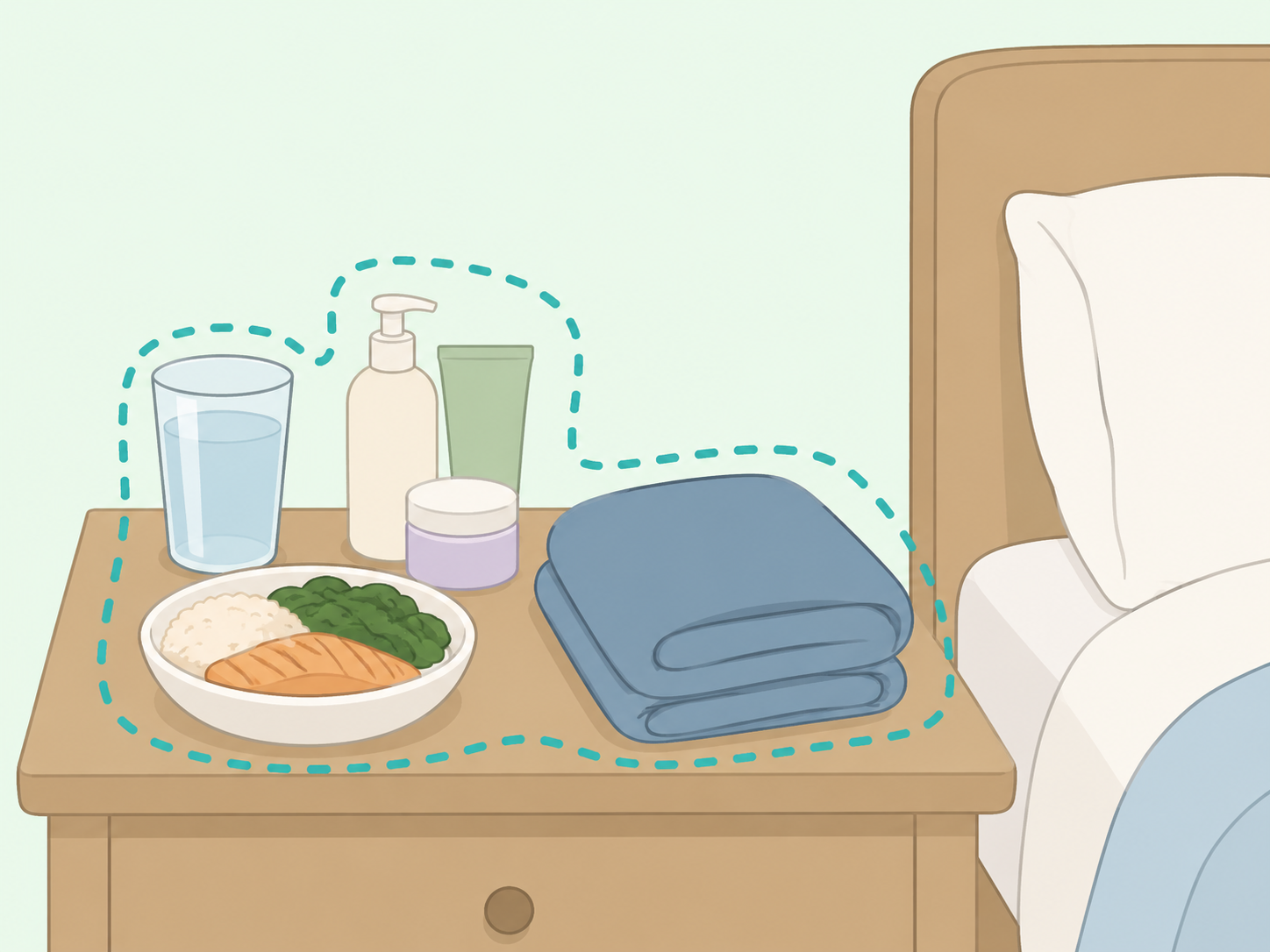
During grief, basic needs can become harder to notice. Choose simple anchors: drink water, eat regular easy meals, wash your face, take medication as prescribed, and aim for a steady sleep schedule. The CDC recommends routine, healthy eating, and regular sleep as grounding steps when coping with grief.
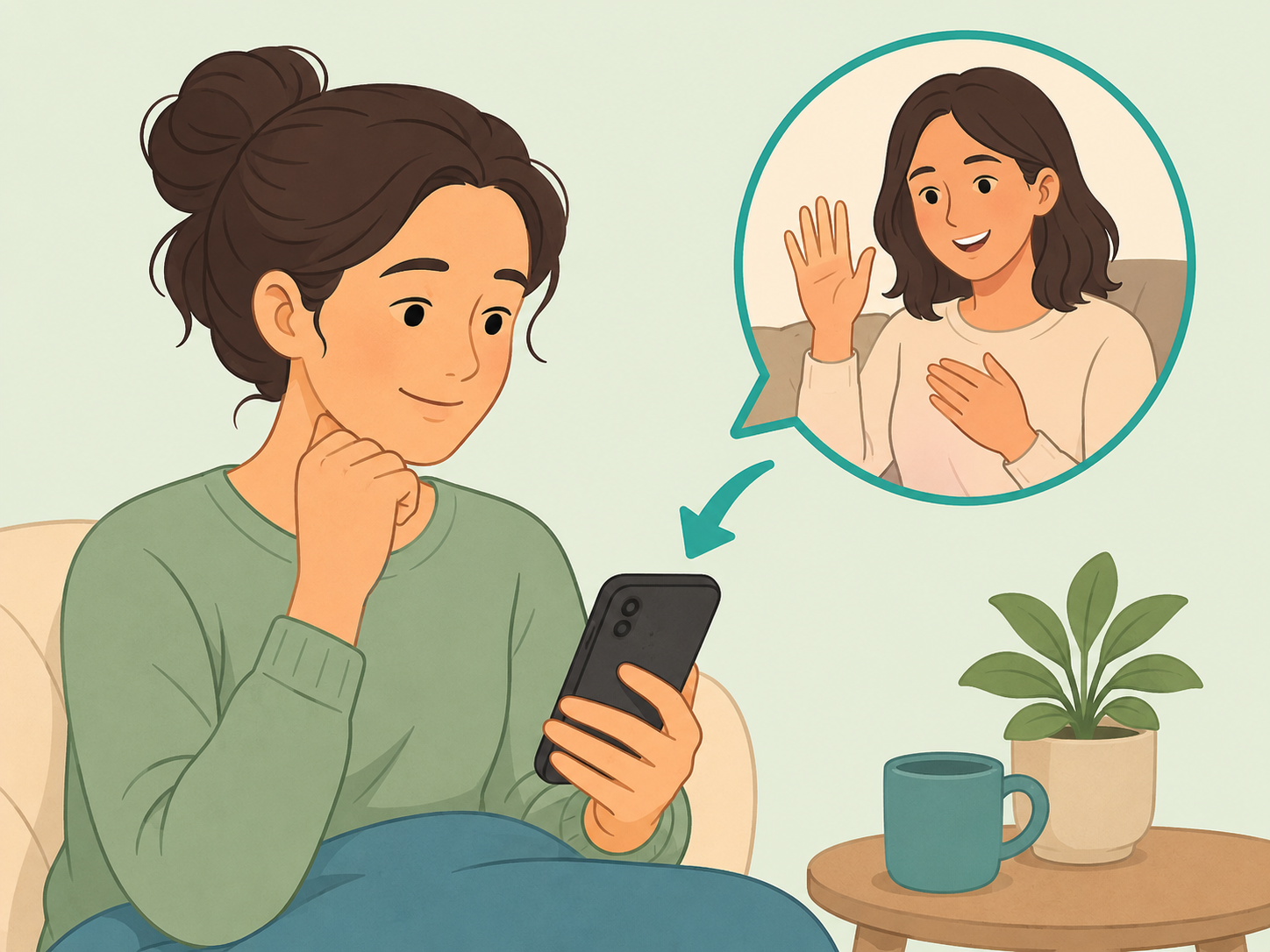
Talk to one safe person before isolating
Pick one trustworthy friend, family member, counselor, spiritual leader, or support group and tell them what kind of contact would help. You might ask for a daily text, a quiet walk, help with errands, or someone to sit nearby without giving advice. CDC grief guidance encourages leaning on trusted people and seeking counseling or community support when needed.
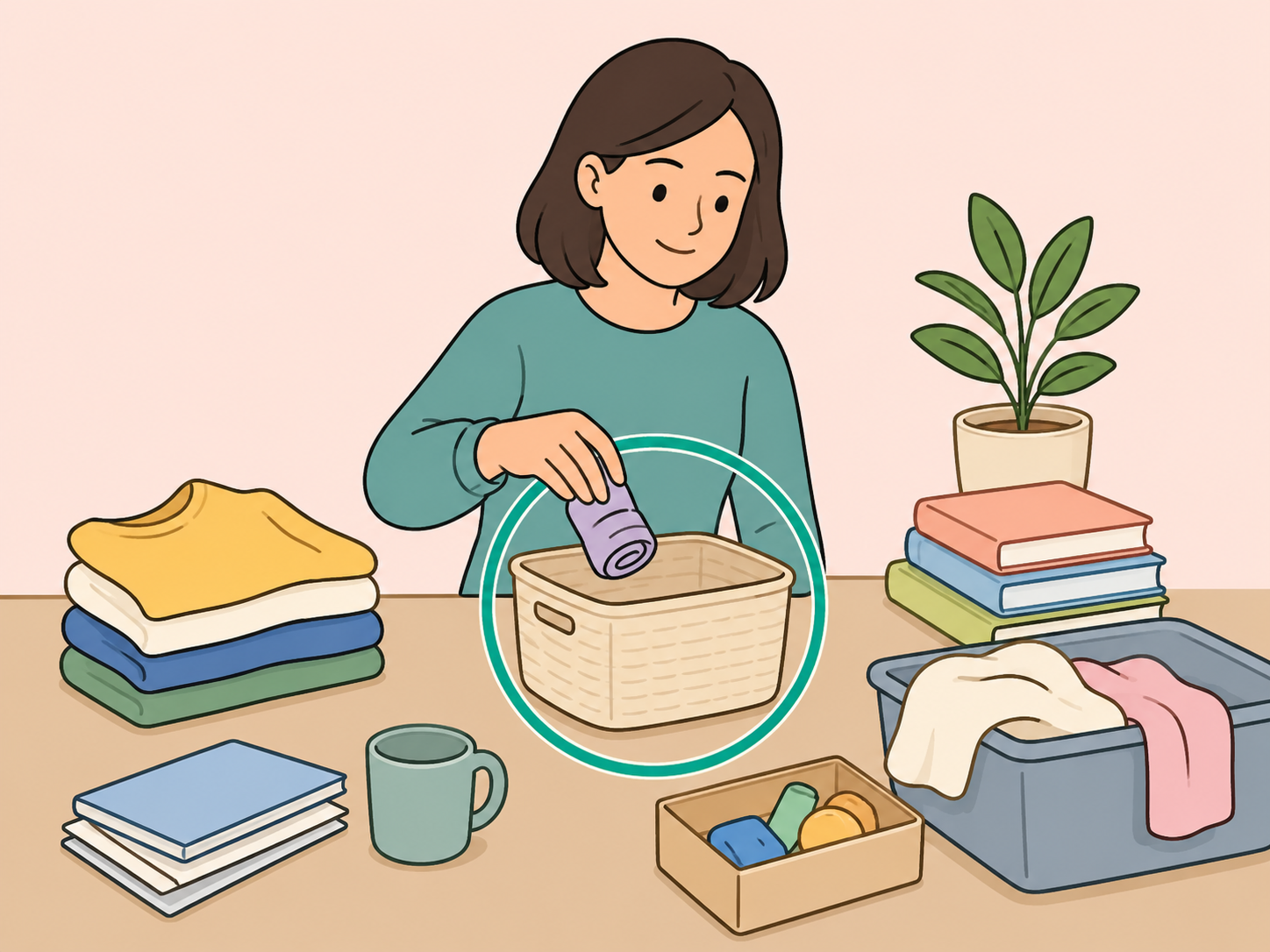
Set very small targets for the first days
After a shocking loss, large decisions can feel impossible. Focus on the next manageable action, such as answering one essential message, eating something simple, or making one needed phone call. The NHS advises setting small targets and not trying to do everything at once when bereavement is affecting daily life.
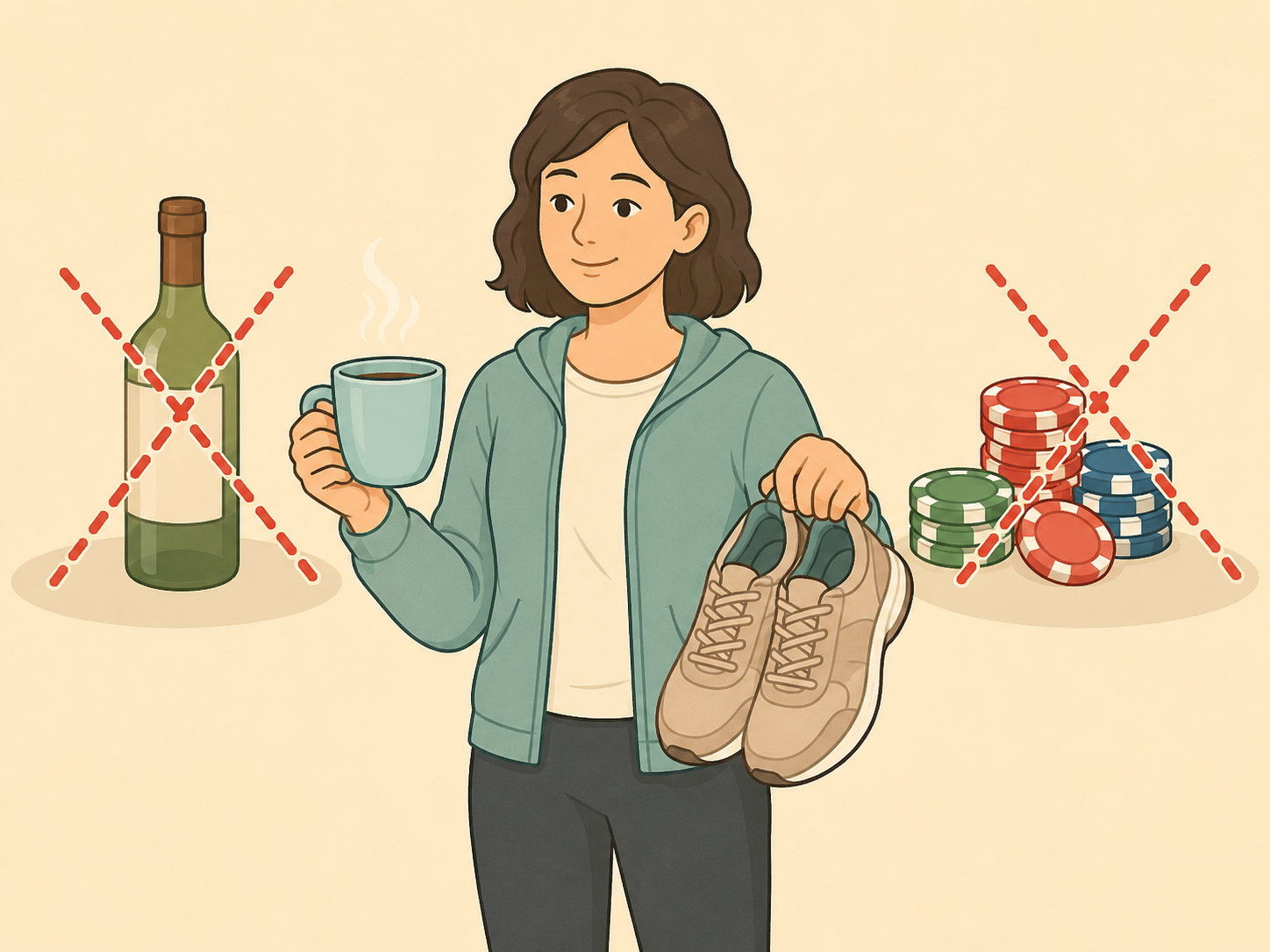
Avoid numbing the pain with risky habits
It is understandable to want relief, but alcohol, drugs, gambling, or other risky coping habits can make grief and mental health harder to manage. The NHS specifically cautions against using alcohol, cigarettes, gambling, or drugs to relieve grief. Choose lower-risk comfort instead, such as a warm shower, a familiar meal, a walk, or sitting with someone safe.
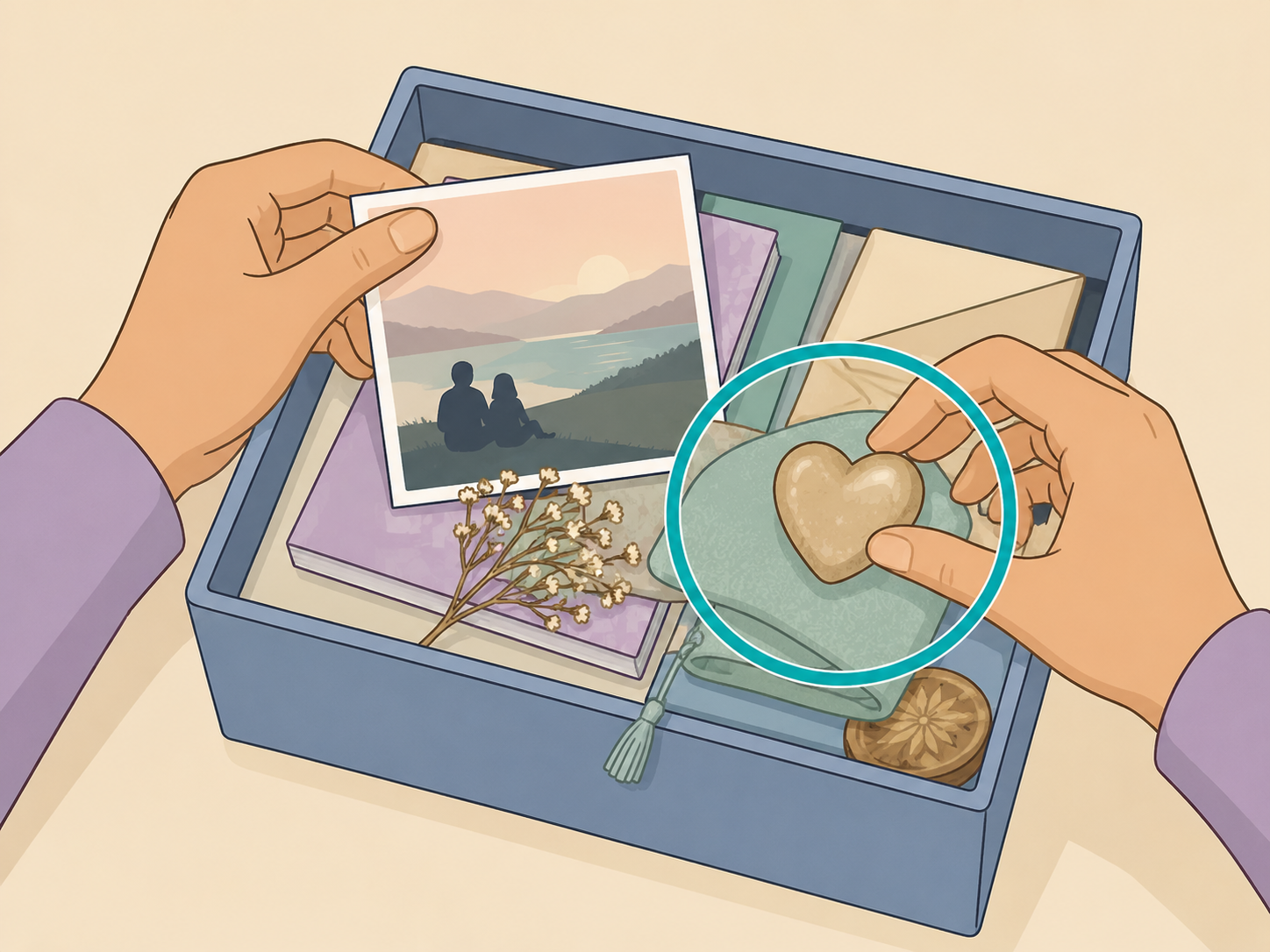
Honor the person in a way you can bear
You do not have to create a perfect tribute right away. When you are ready, choose one gentle act: place a photo somewhere peaceful, write a private letter, make a memory box, or follow a faith or cultural tradition. The CDC suggests small ways to remember and honor a loved one, such as a memory book or tribute.
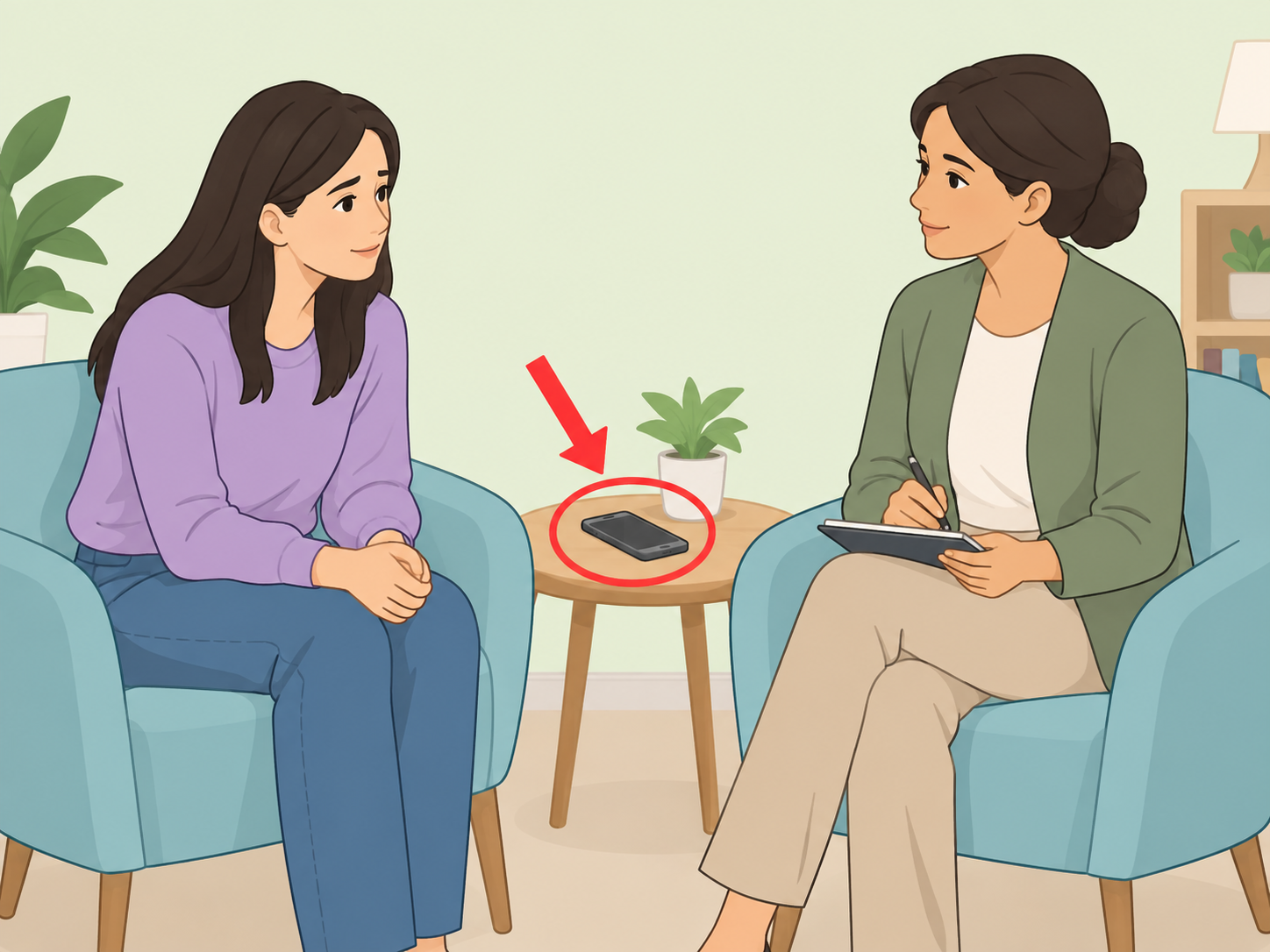
Seek help if grief becomes overwhelming or unsafe
Talk to a doctor, counselor, or mental health professional if grief is getting worse, you cannot function, you feel depressed or anxious for more than 2 weeks, or the steps you try are not helping. NIMH recommends professional help when severe symptoms last 2 weeks or more, and Mayo Clinic explains that grief that stays intense and disabling over time may need treatment. If you might hurt yourself or cannot stay safe, call or text 988 in the United States or contact emergency services right away.
Summary
The bottom line: sudden loss is not something you have to solve in a day. Let grief move at a human pace, keep basic routines simple, stay connected to safe people, and seek professional or urgent help when your safety or daily functioning is at risk.
Frequently Asked Questions
- Is it normal to feel numb after a sudden loss?
Yes. Shock, numbness, sadness, anger, guilt, sleep changes, and appetite changes can all happen during grief. There is no single correct way to feel after losing someone.
- How long does grief usually last?
Grief varies widely. Some intense feelings ease gradually, while milder symptoms can last much longer. If grief is not easing over time or is stopping you from daily life, talk to a health professional.
- Should I force myself to move on?
No. Moving forward does not mean forgetting the person or pretending the loss did not matter. It means taking small steps toward daily life while still allowing room for sadness and memory.
- What if I cannot eat, sleep, or work after the loss?
Try reducing your day to basic care: water, simple food, rest, and one small task. If these problems continue, worsen, or make daily life unmanageable, contact a doctor, counselor, or mental health professional.
- Can a support group help with grief?
It can. Some people find comfort in speaking with others who understand a similar loss. If a group makes you feel worse or stuck, individual counseling may be a better fit.
- When should grief become an urgent concern?
Get urgent help right away if you might hurt yourself or cannot stay safe. In the United States, call or text 988, or call emergency services if there is immediate danger.
References
Reliable references aided in composing and refining this content.
- https://medlineplus.gov/ency/article/001530.htm
- https://www.nhs.uk/mental-health/feelings-symptoms-behaviours/feelings-and-symptoms/grief-bereavement-loss
- https://www.cdc.gov/howrightnow/emotion/grief/index.html
- https://www.nimh.nih.gov/health/publications/my-mental-health-do-i-need-help
- https://www.mayoclinic.org/diseases-conditions/complicated-grief/symptoms-causes/syc-20360374?p=1