
 Pin it
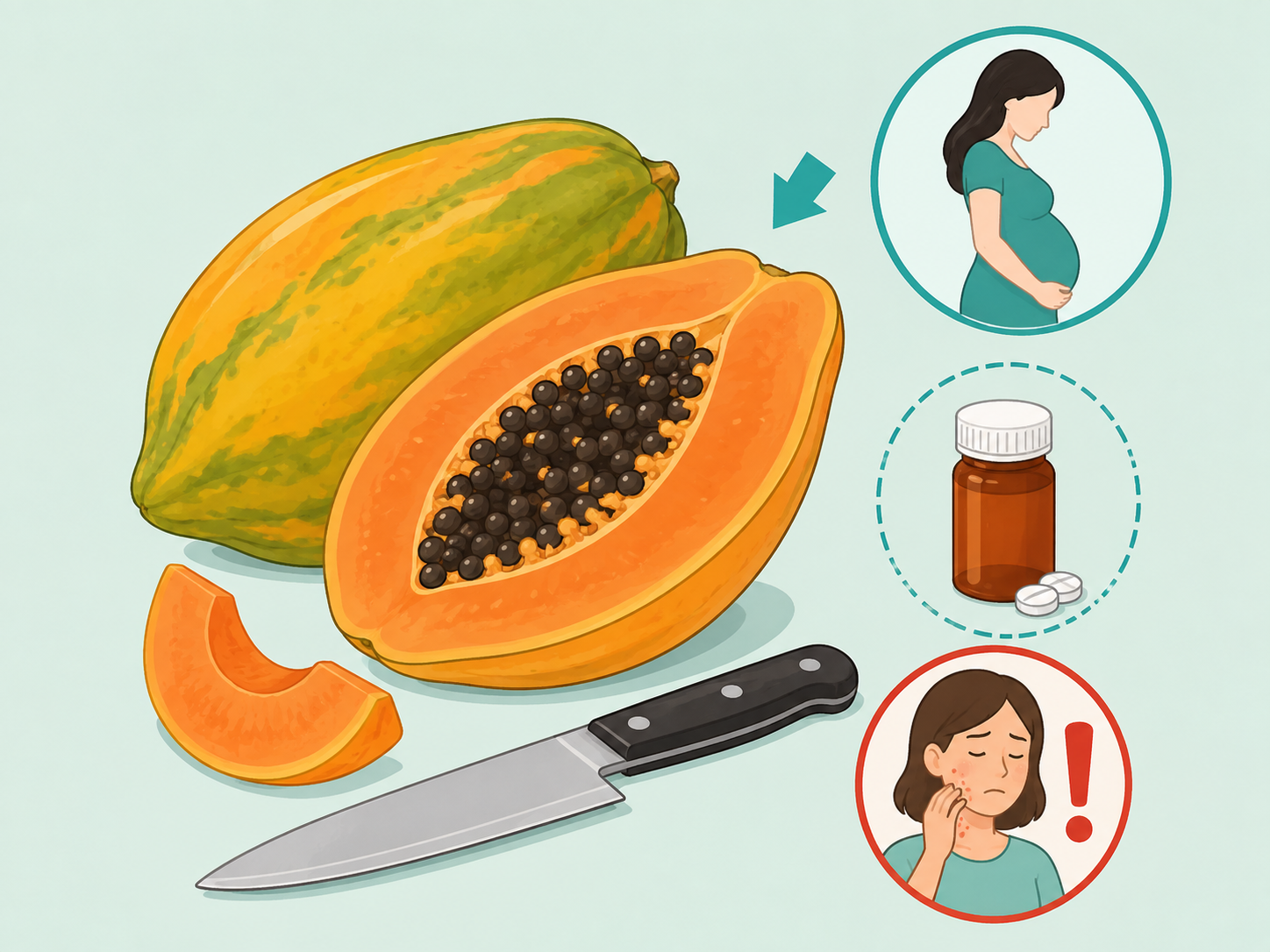
Papaya is often promoted for digestion, skin, and general wellness, but the safest approach is to treat it like any other food with possible risks. This guide explains how to choose and eat papaya safely, who should be cautious, and when symptoms after eating it need medical attention.
Start with realistic expectations
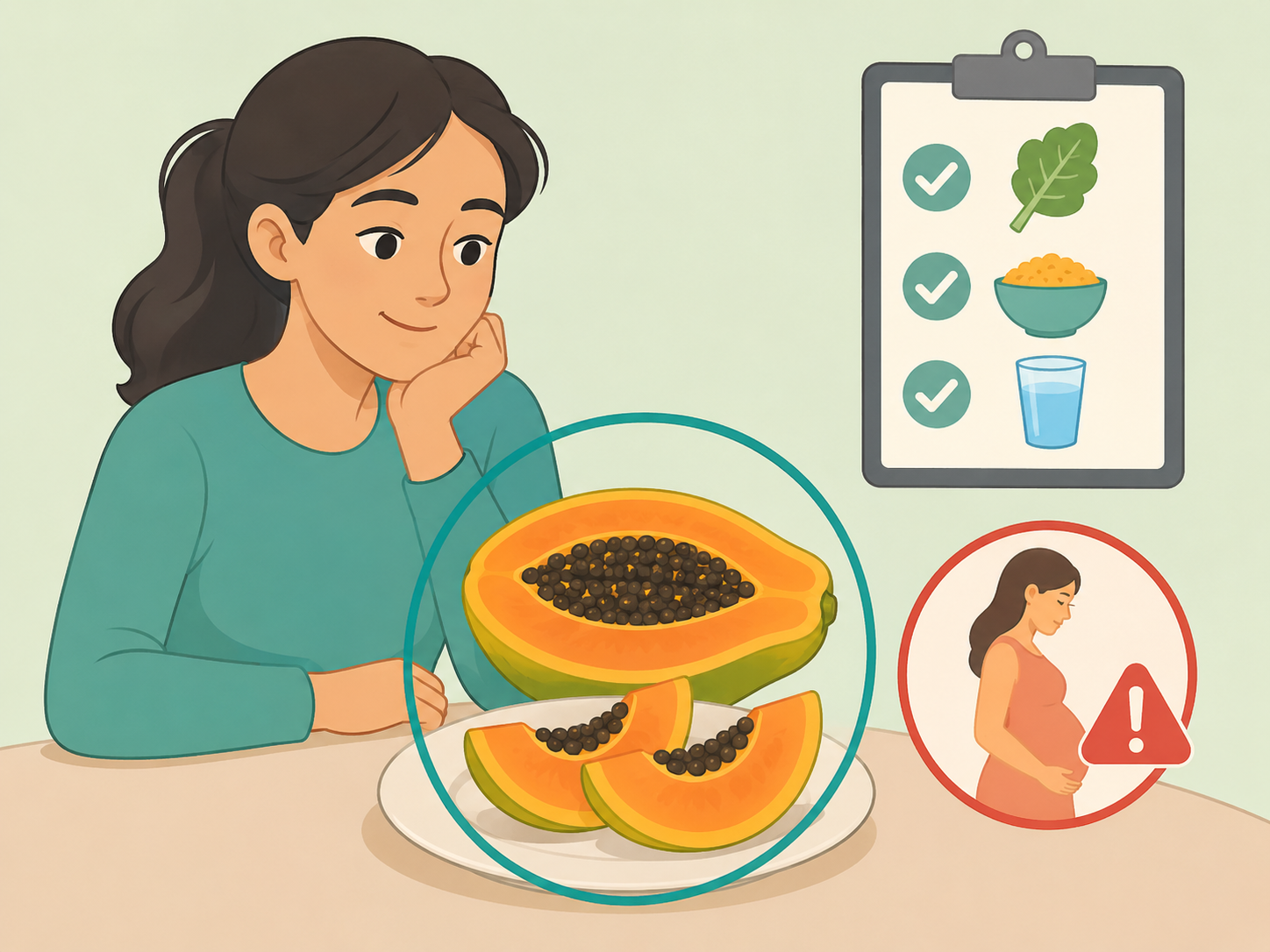
Treat papaya as a nutritious fruit, not as a cure, detox, or guaranteed beauty treatment. Cleveland Clinic describes papaya as a source of vitamin C, beta-carotene, fiber, and other nutrients, but it also notes that some people should be cautious because of allergies, asthma, blood-thinner concerns, and certain medication interactions; read the papaya benefits and risks before making it a daily habit.
Choose ripe papaya for eating fresh
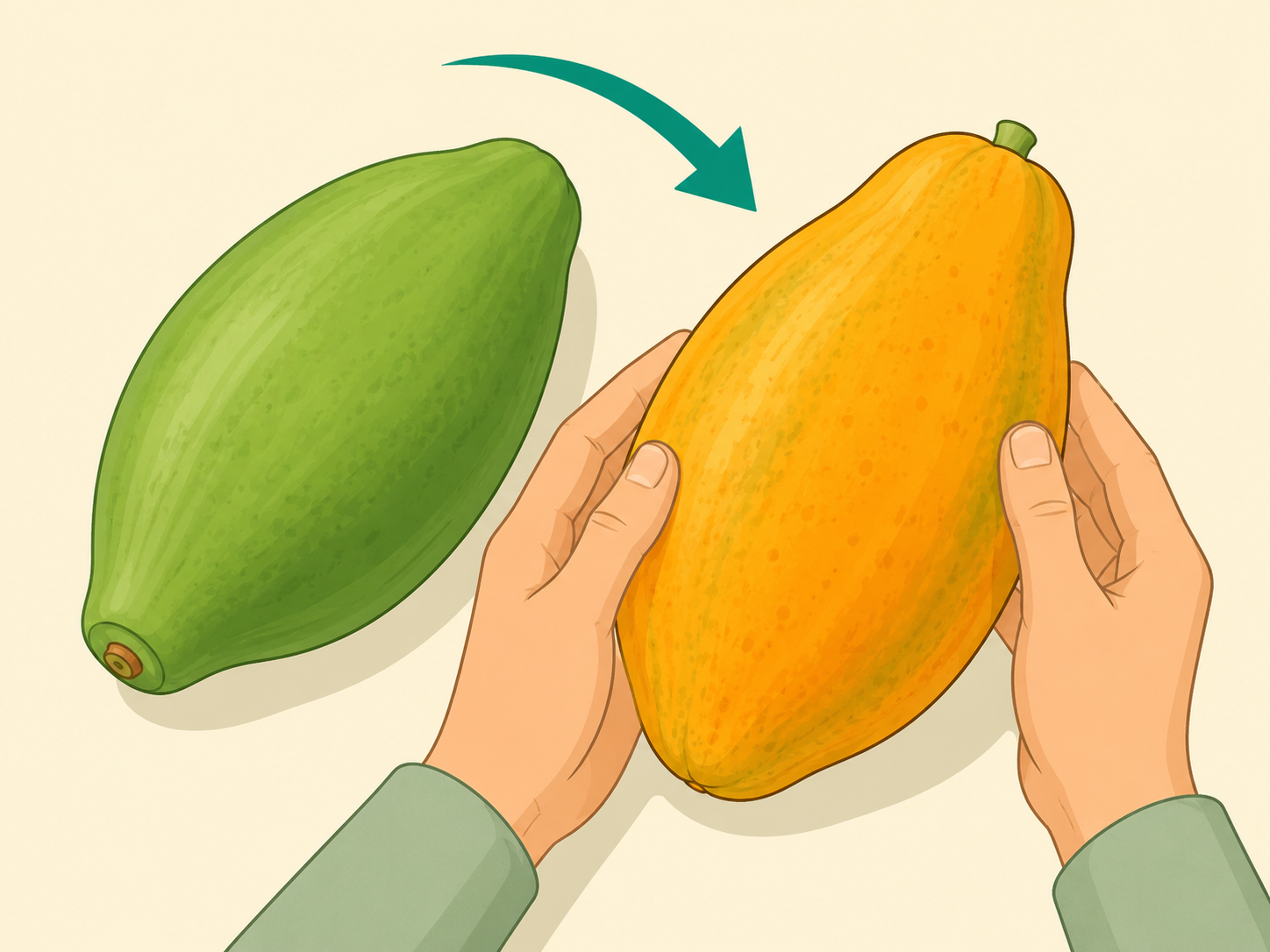
Pick papaya with yellow-orange skin that gives slightly when pressed, and let hard green papaya ripen before eating it fresh. Ripe fruit is the usual choice for snacking, while unripe or semi-ripe papaya contains more latex and deserves extra caution for people with latex allergy or pregnancy concerns.
Wash the fruit before cutting it
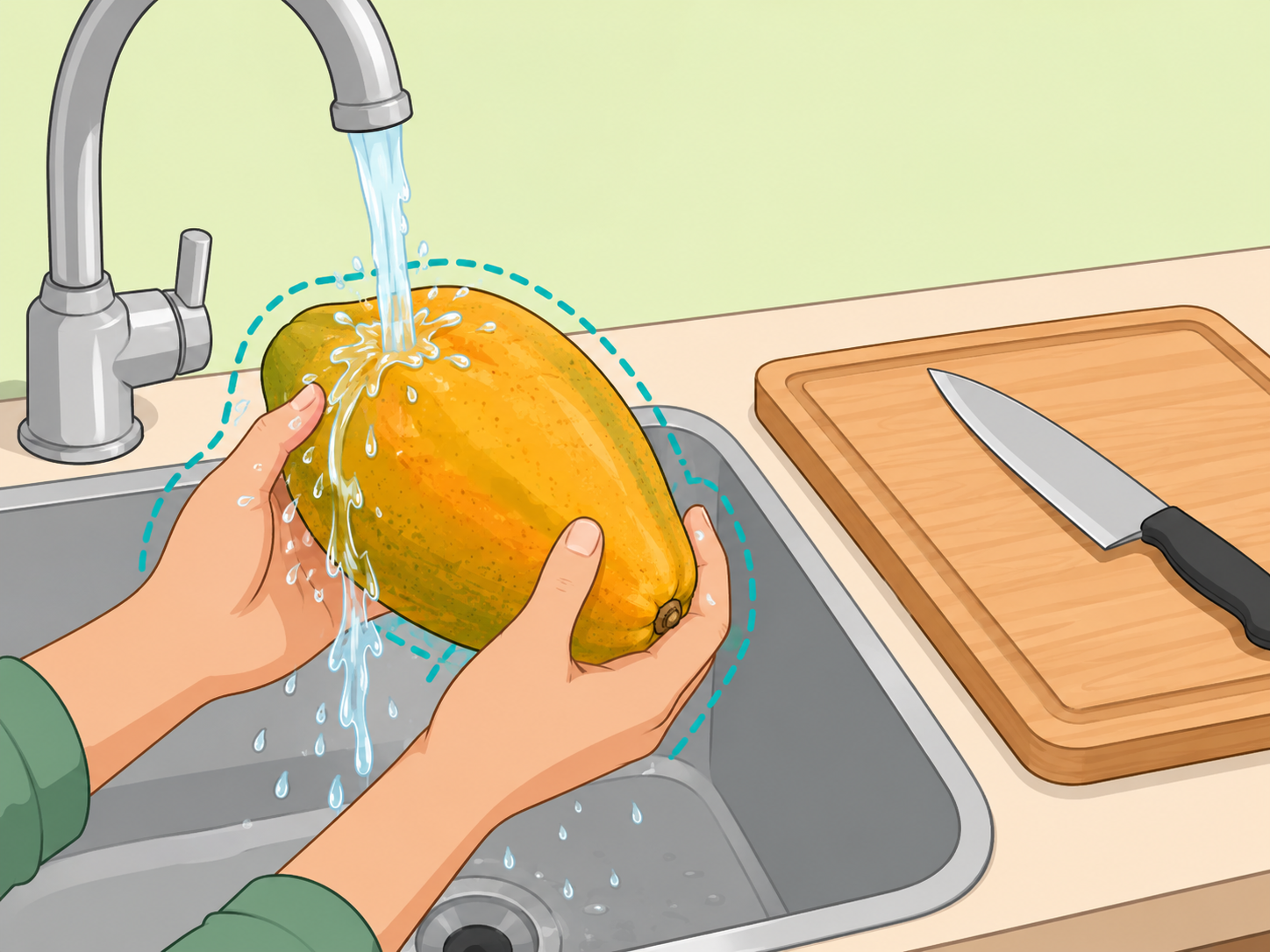
Rinse papaya under running water before slicing, even though you will not eat the peel. The FDA recommends washing produce before peeling or cutting so dirt and germs on the surface are less likely to move onto the edible flesh by knife or hands; follow its produce safety guidance and use clean cutting boards and utensils.

Eat a small portion first if papaya is new to you
Try a modest serving and wait to see how your body responds, especially if you have a sensitive stomach. Papaya seeds are edible, but Cleveland Clinic notes that too many seeds can cause stomach upset and diarrhea, so use them sparingly or skip them.
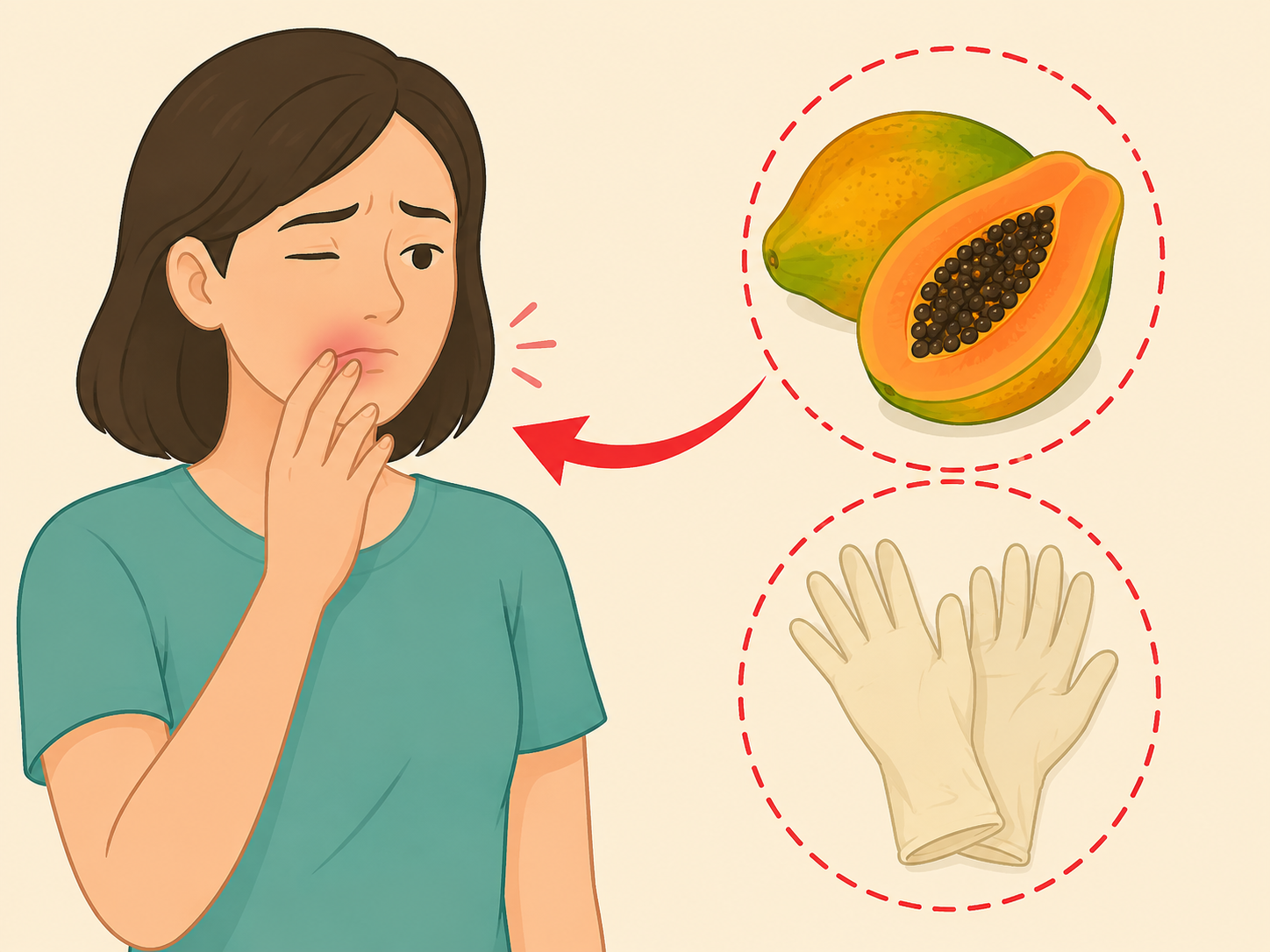
Avoid papaya if you react to latex-related foods
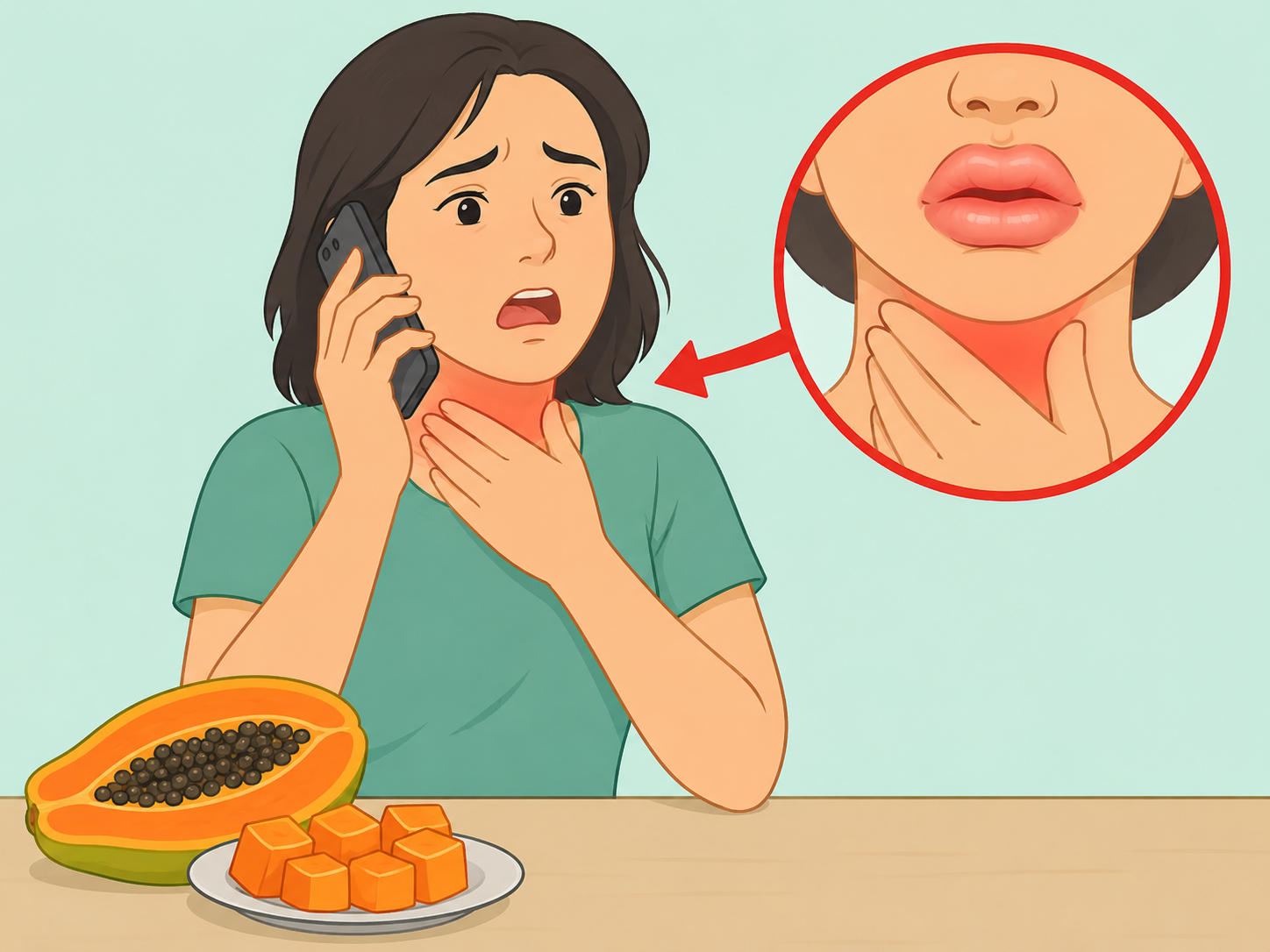
If you have a latex allergy, be cautious with papaya because MedlinePlus lists papayas among foods linked with latex-fruit syndrome. Stop eating it and ask a clinician about testing if you notice mouth itching, swelling, hives, stomach symptoms, or breathing trouble after eating papaya; Mayo Clinic explains that food allergy symptoms can range from mild to life-threatening.
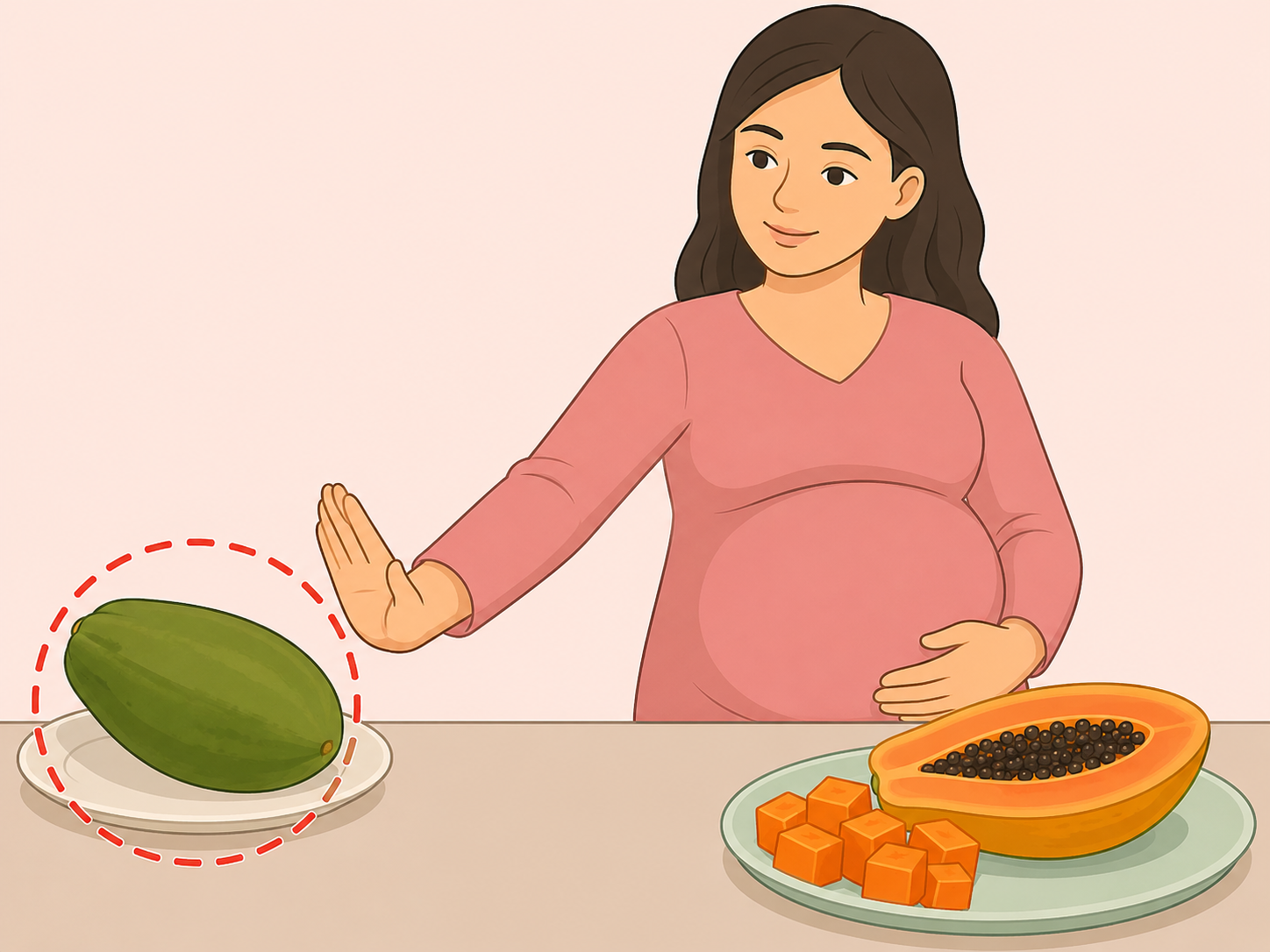
Be cautious with unripe papaya during pregnancy
If you are pregnant, avoid using unripe or semi-ripe papaya as a home remedy or frequent food unless your doctor says it is appropriate for you. A PubMed-indexed study found that ripe papaya juice did not show the same effect in its animal and tissue model, but papaya latex from unripe fruit caused uterine muscle contractions, so the authors urged caution about unripe papaya in pregnancy.
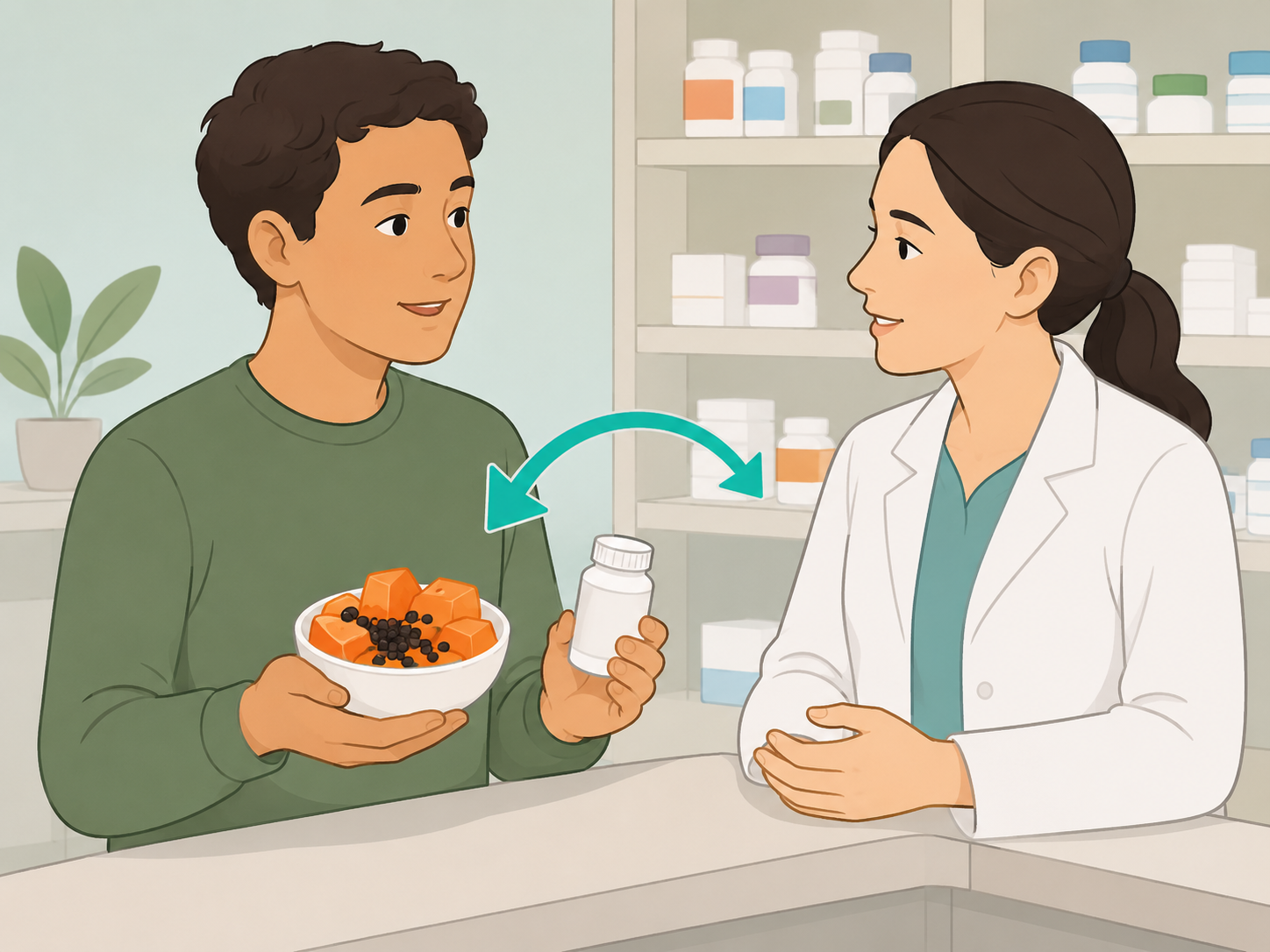
Check with a pharmacist if you take regular medicines
Ask a doctor or pharmacist before eating papaya frequently or using papaya leaf products if you take blood thinners, diabetes medicines, thyroid medicines, or medicines for heart rhythm problems. Cleveland Clinic flags possible concerns with some of these medicines, and Memorial Sloan Kettering notes possible herb-drug interaction concerns for papaya leaf, though the clinical relevance is not always clear.
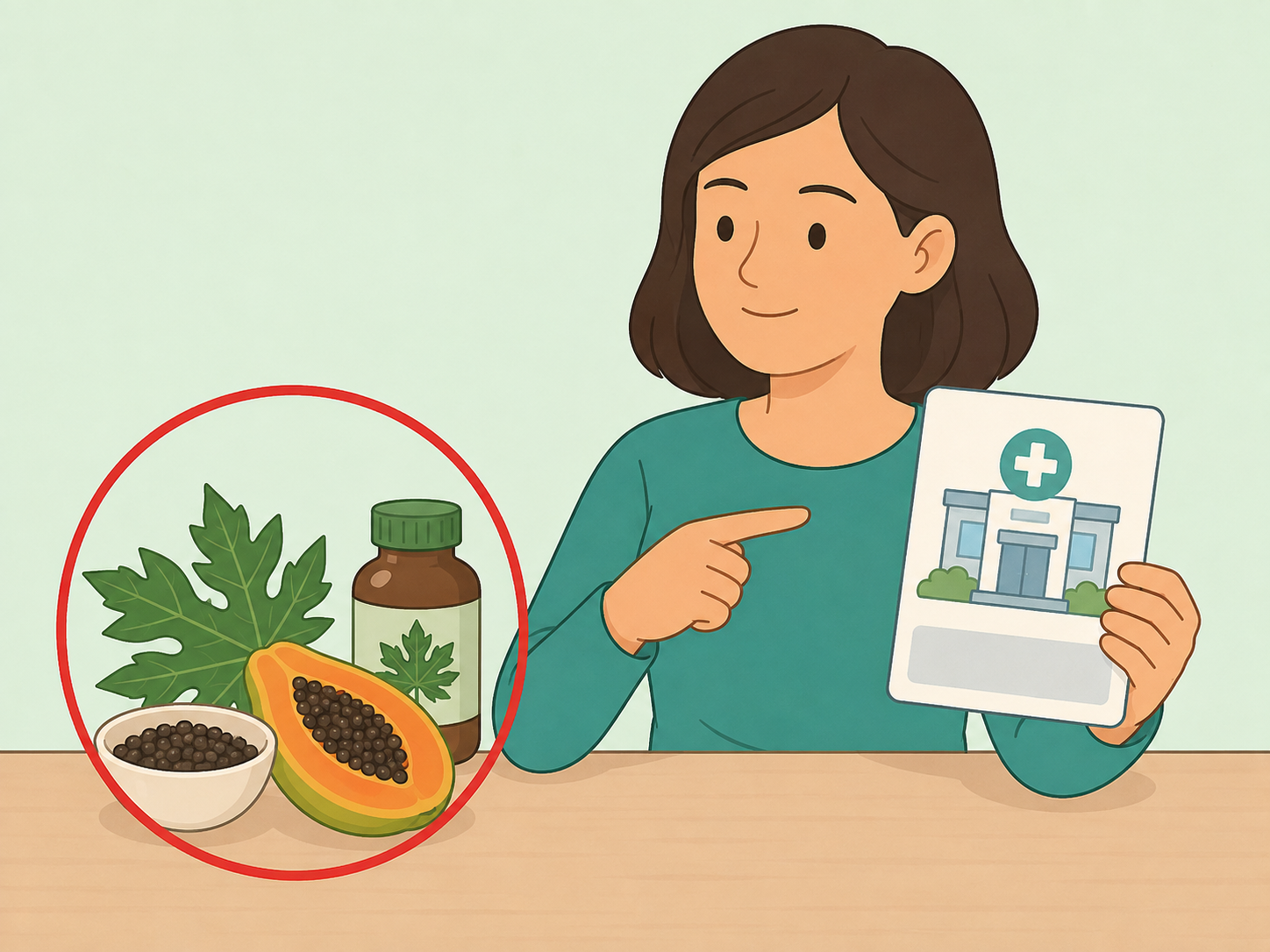
Do not use papaya seeds or extracts as treatment
Skip social-media claims that papaya seeds can treat parasites or that papaya leaf can replace medical care. Cleveland Clinic specifically says papaya seeds will not treat intestinal parasites, and suspected infections, unusual bleeding, or persistent digestive symptoms need proper diagnosis and proven treatment.
See a doctor for concerning symptoms
Get medical advice if papaya repeatedly causes hives, vomiting, diarrhea, wheezing, mouth or throat swelling, unusual bruising, low-blood-sugar symptoms, or symptoms during pregnancy. If you have a known food allergy, Mayo Clinic advises seeing a healthcare professional or allergist after symptoms occur and seeking emergency care for signs of anaphylaxis.
Summary
The bottom line: ripe papaya can fit into a healthy diet for many people, but it can cause problems for people with latex-related allergies, certain medication risks, or pregnancy-related concerns about unripe papaya. Eat it safely, avoid using seeds or extracts as treatment, and get medical help for serious symptoms.
Frequently Asked Questions
- Can eating papaya cause an allergic reaction?
Yes. Papaya can be linked with latex-fruit syndrome in some people with latex allergy, and food allergy symptoms can include itching, swelling, hives, stomach upset, wheezing, or trouble breathing.
- Is ripe papaya safer than unripe papaya?
For most people, ripe papaya is the usual edible fruit. Unripe papaya contains more latex, so people with latex allergy and people who are pregnant should be especially cautious and ask a qualified health professional.
- Can papaya seeds treat parasites?
No. Do not rely on papaya seeds to treat suspected parasites. A healthcare provider can test for parasites and recommend proven treatment if needed.
- Should I avoid papaya if I take blood thinners?
Ask your doctor or pharmacist first. Cleveland Clinic notes that papaya may affect blood thinners and could increase the risk of bleeding or bruising in some people.
- Can papaya upset your stomach?
It can, especially if you eat a large amount or many seeds. Try a small serving first if papaya is new to you, and stop eating it if it repeatedly causes diarrhea, cramps, or vomiting.
- Is papaya good for skin and beauty?
Papaya provides nutrients such as vitamin C, which supports normal collagen formation, but eating papaya is not a beauty treatment or cure. Think of it as one nutritious fruit within an overall balanced diet.
References
Reliable references aided in composing and refining this content.
- https://health.clevelandclinic.org/papaya-benefits
- https://medlineplus.gov/ency/patientinstructions/000500.htm
- https://www.mayoclinic.org/diseases-conditions/food-allergy/symptoms-causes/syc-20355095
- https://www.fda.gov/food/buy-store-serve-safe-food/selecting-and-serving-produce-safely
- https://pubmed.ncbi.nlm.nih.gov/12144723
- https://www.mskcc.org/cancer-care/integrative-medicine/herbs/papaya-leaf