
 Pin it
Articles about "weird signs" can make ordinary symptoms sound frightening, so it helps to use a calmer approach. Cancer can cause many different symptoms, but many of the same symptoms are more often caused by infections, injuries, benign conditions, or other health problems. This guide explains how to notice unusual body changes, track what is happening, and know when to get medical advice.
Treat unusual signs as changes to check, not a diagnosis
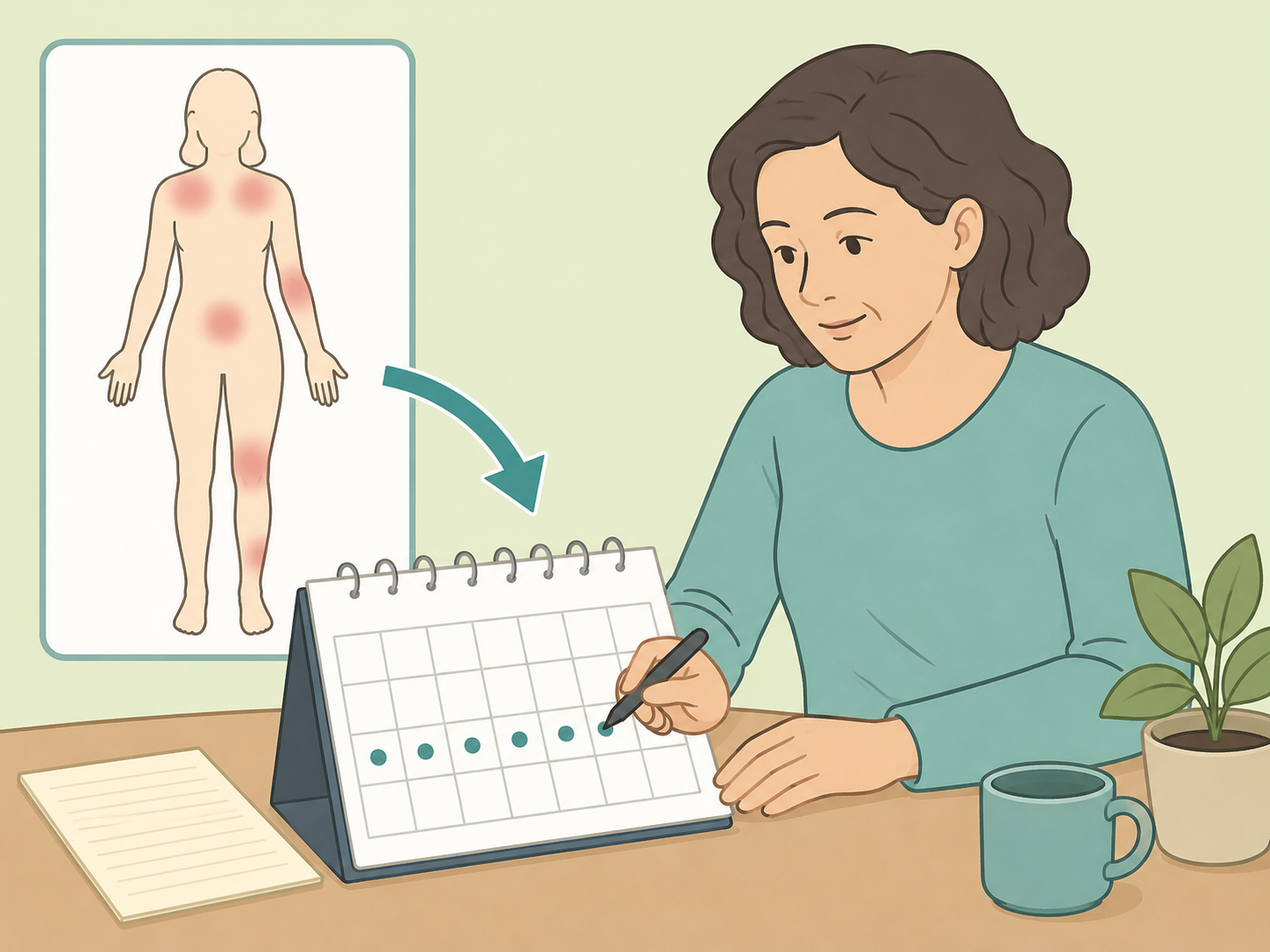
Start by separating awareness from panic. The National Cancer Institute notes that cancer can cause many symptoms, but those symptoms are most often caused by other health problems. Write down what changed, when it started, and whether it is improving, staying the same, or getting worse.
Check your skin, moles, nails, and sores
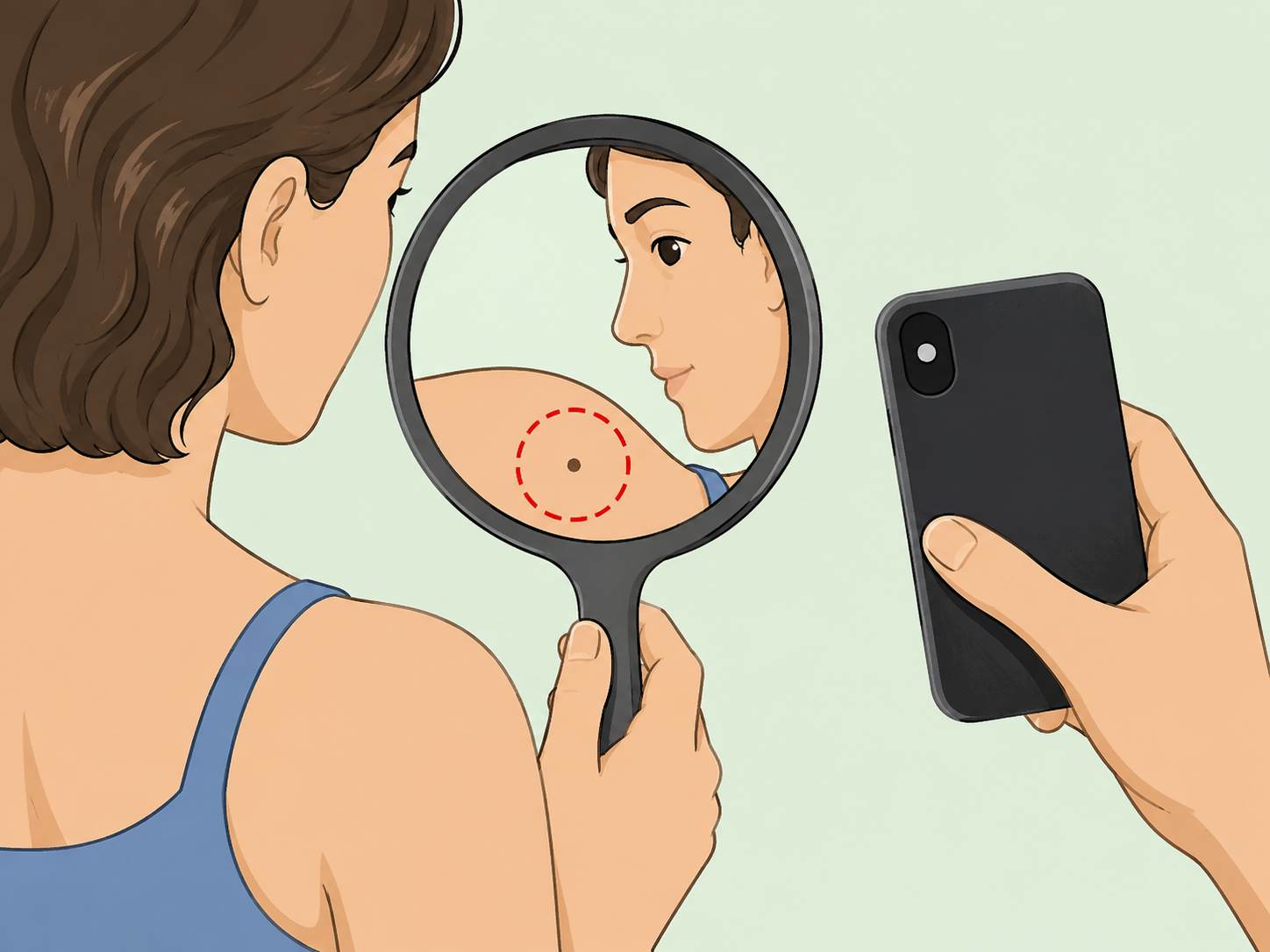
Look for a new or changing mole, a spot that grows or bleeds, a rough scaly patch, a sore that does not heal, or a dark streak under a nail. The American Academy of Dermatology says skin cancer can appear in several ways and may not hurt. Take clear photos of visible changes so you can compare them over time.
Feel for new lumps, thickening, or swelling
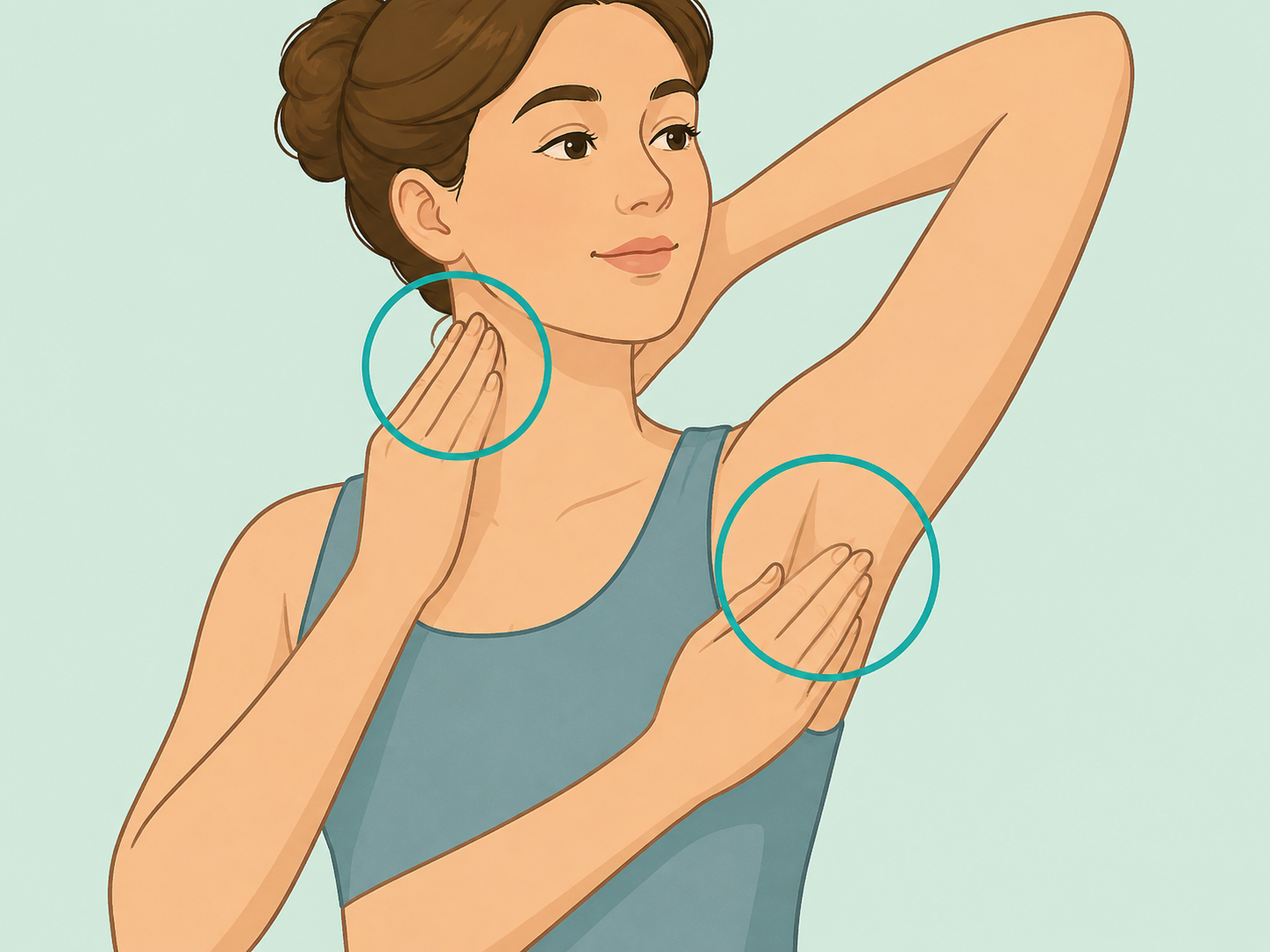
Notice any new lump, firm area, or swelling in places such as the breast, underarm, neck, groin, or abdomen. Mayo Clinic lists lumps or thickening under the skin among general signs that can be associated with cancer, though they are not specific to cancer. Do not squeeze or repeatedly press the area; instead, note its size, tenderness, and whether it changes.
Watch for unexplained bleeding, bruising, or discharge
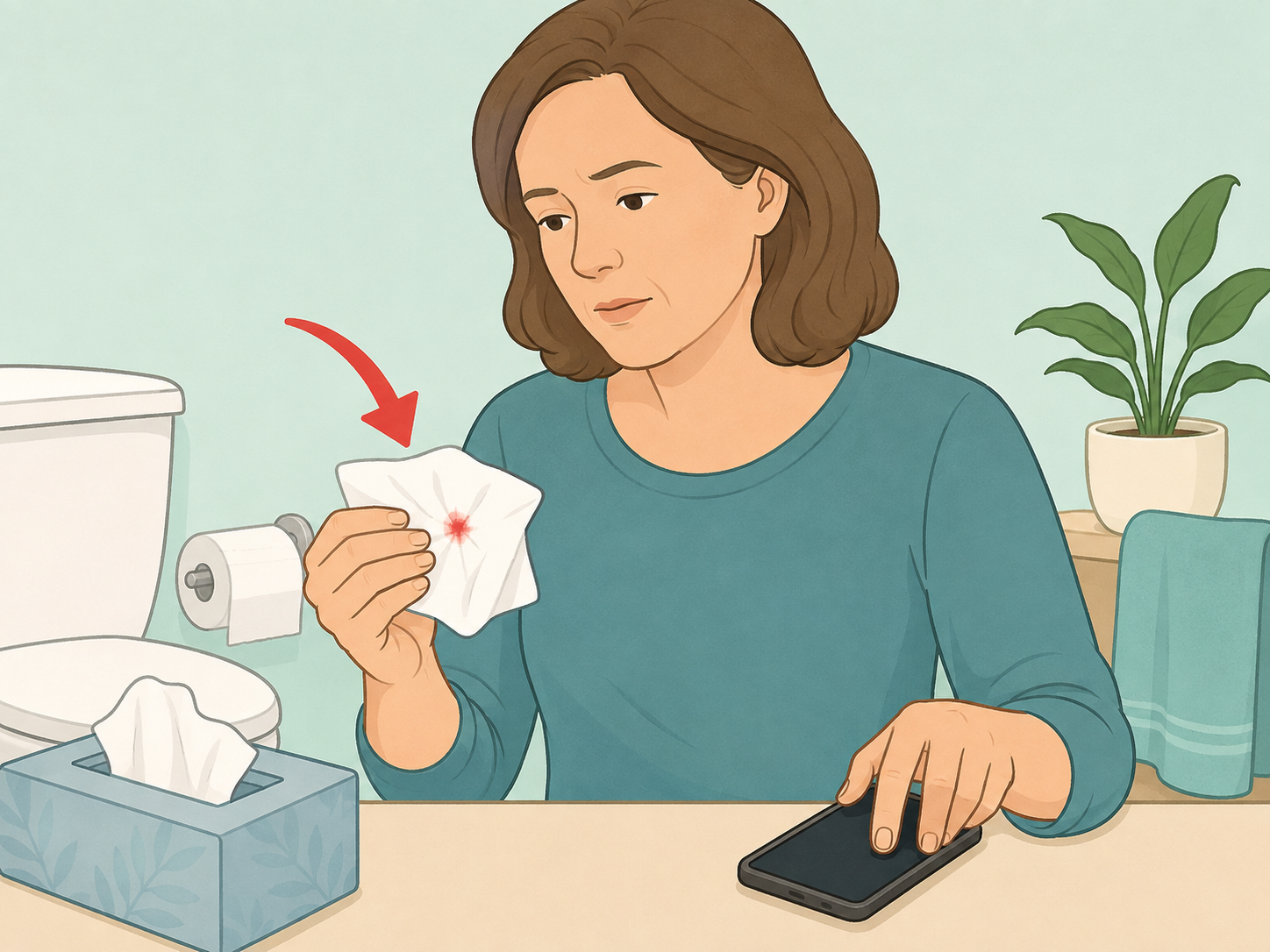
Call a doctor about bleeding or bruising that has no clear cause, blood in urine or stool, vomiting blood, unexpected vaginal bleeding, or unusual nipple discharge. The NHS includes unusual bleeding and bruising among symptoms that should be discussed with a clinician. If bleeding is heavy, sudden, or accompanied by feeling faint, seek urgent care.
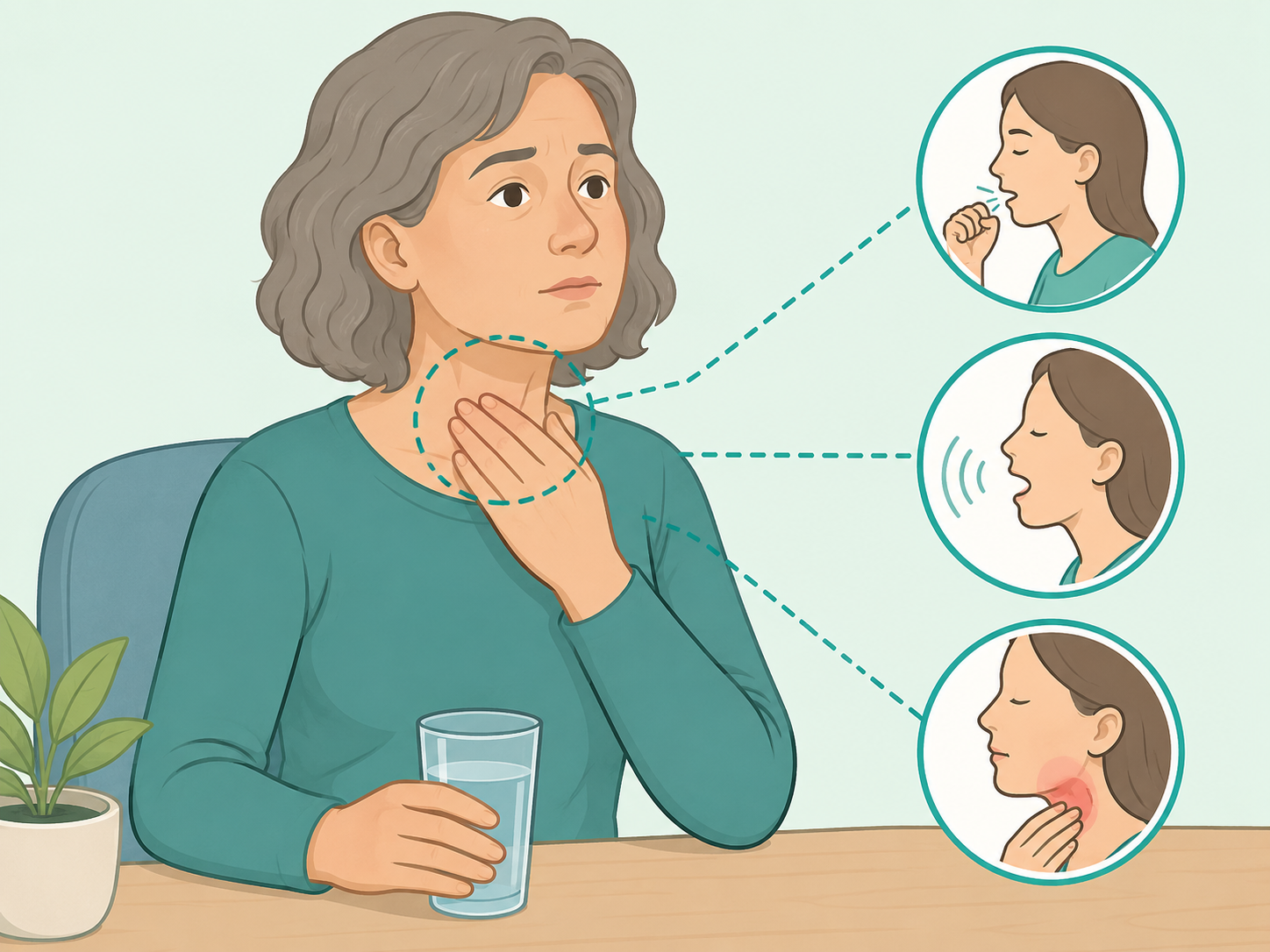
Notice changes in eating, swallowing, coughing, or voice
Pay attention to a cough or hoarseness that does not go away, trouble swallowing, lasting indigestion, ongoing belly pain, appetite changes, or nausea and vomiting that keeps returning. The National Cancer Institute symptom list includes these as possible warning signs when they persist. Track how often they happen and whether food, activity, or time of day affects them.
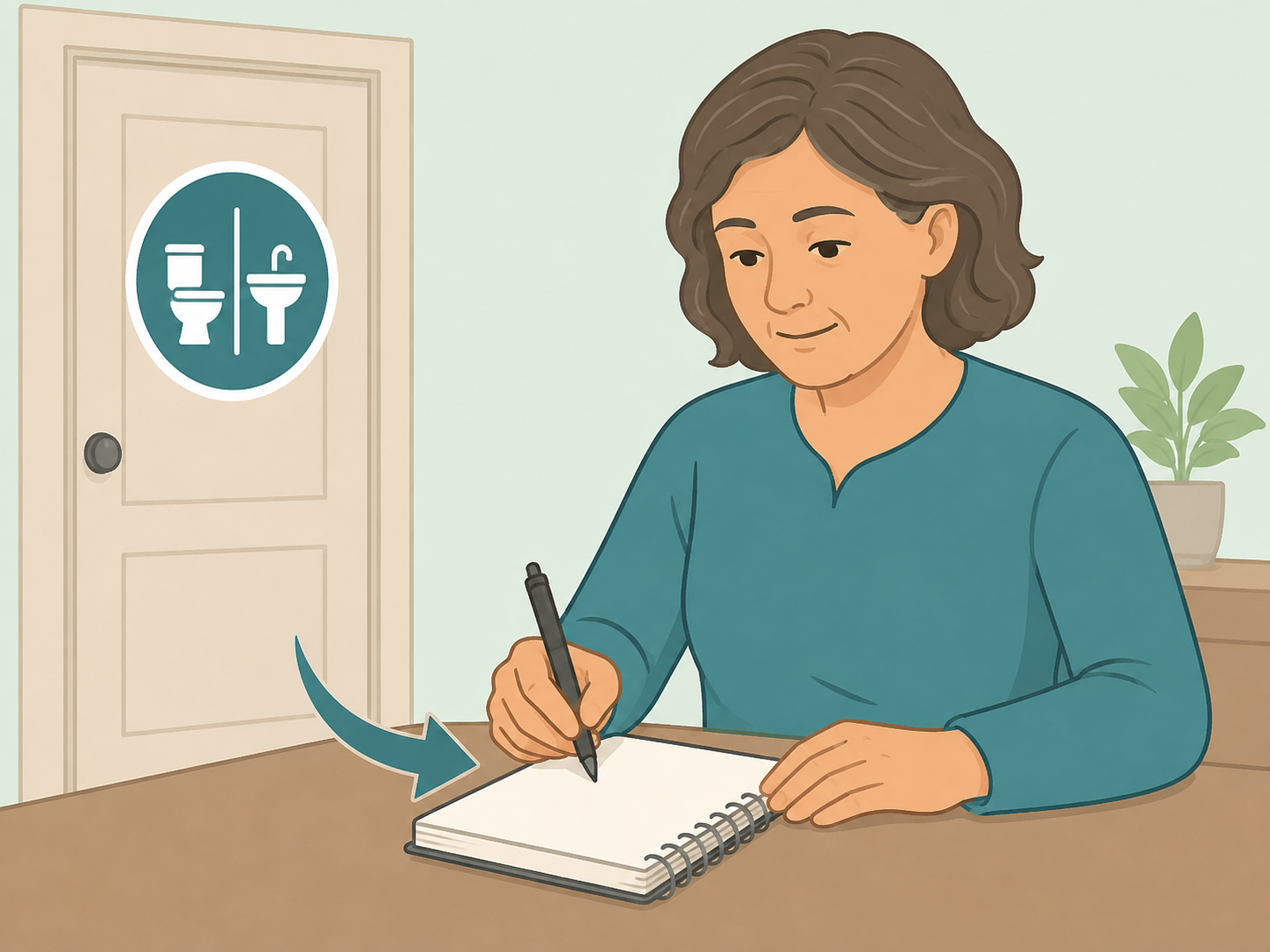
Track bowel and bladder changes
Do not ignore new constipation, diarrhea, a major change in bowel habits, blood in stool, pain with urination, blood in urine, or needing to urinate more often or urgently. MedlinePlus explains that doctors choose tests based on symptoms, medical history, family history, and a physical exam. Keep notes about frequency, pain, color changes, and anything that seems to trigger the change.
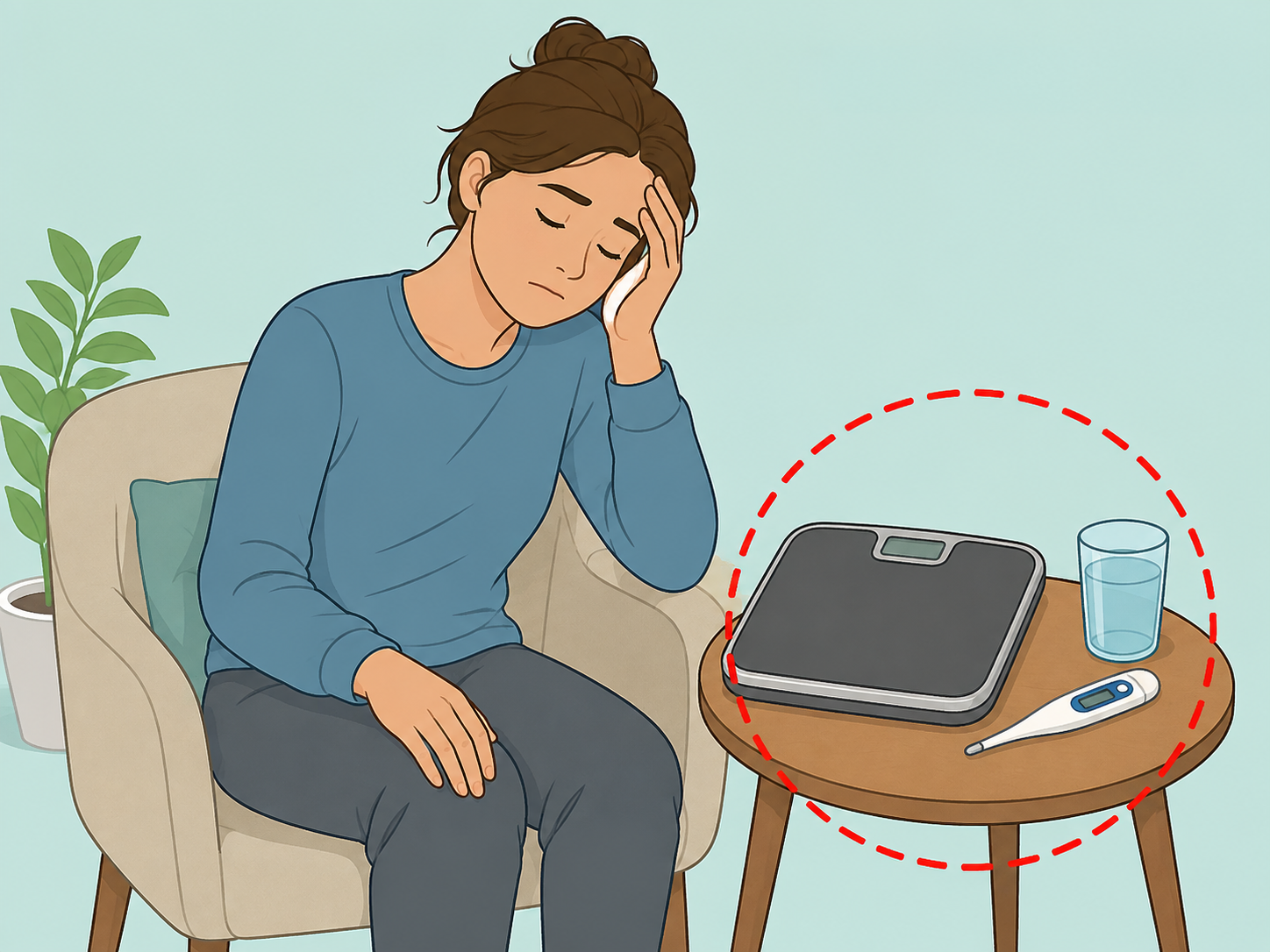
Take whole-body symptoms seriously when they persist
Unexplained weight loss or gain, severe tiredness that lasts, fever or night sweats without a clear reason, yellowing of the skin or eyes, or ongoing unexplained pain deserves attention. Mayo Clinic's symptom list includes these general signs, while also emphasizing that they are not specific to cancer. Look for patterns rather than judging one bad day.
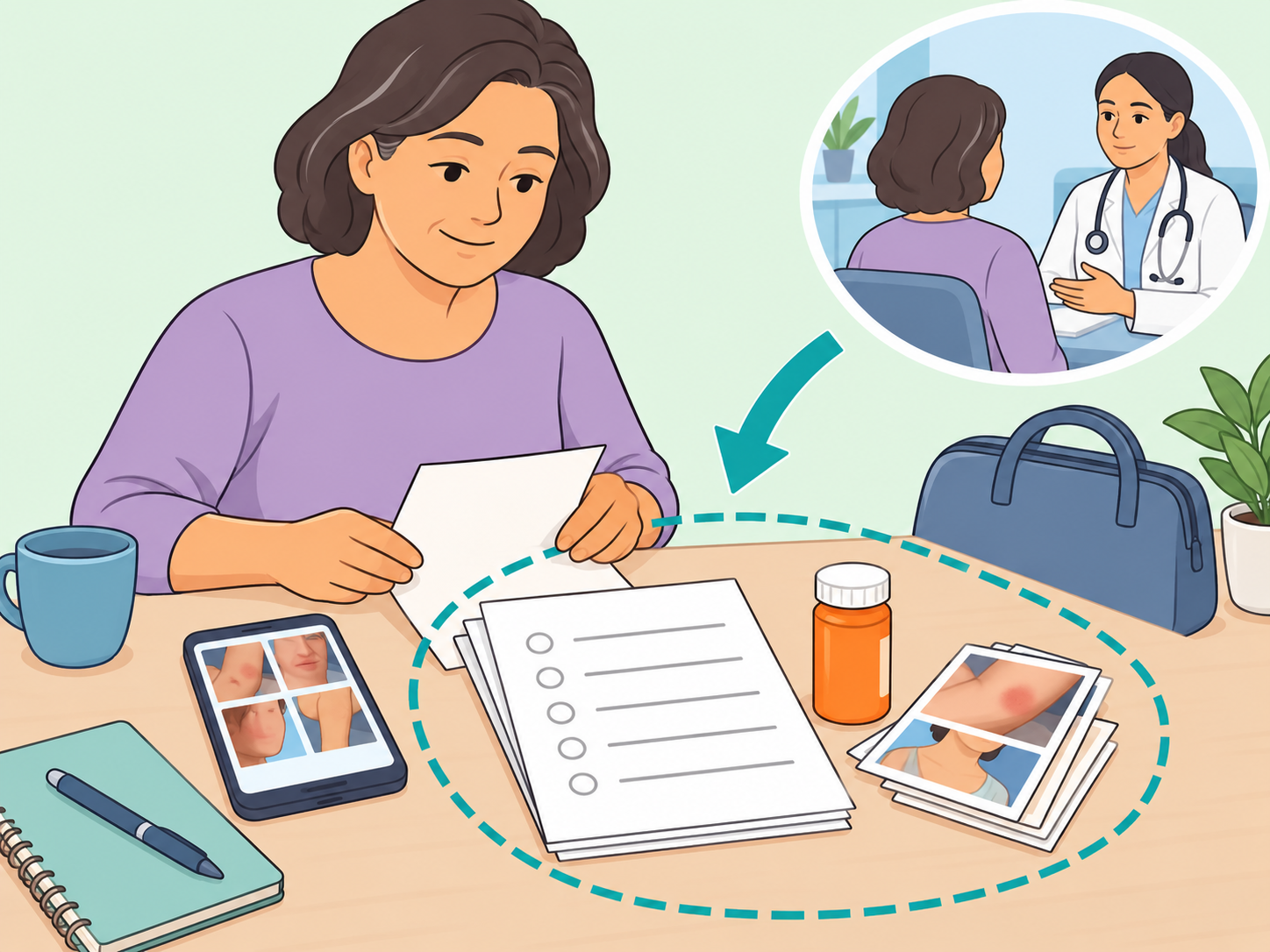
Prepare a clear symptom timeline before your appointment
Bring a short list of symptoms, start dates, photos of visible changes, medicines, supplements, and any family history of cancer. This helps your doctor decide whether you need a physical exam, blood test, imaging test, biopsy, or another diagnostic step. Be honest about smoking, alcohol use, sun exposure, past screenings, and any symptoms that feel embarrassing.
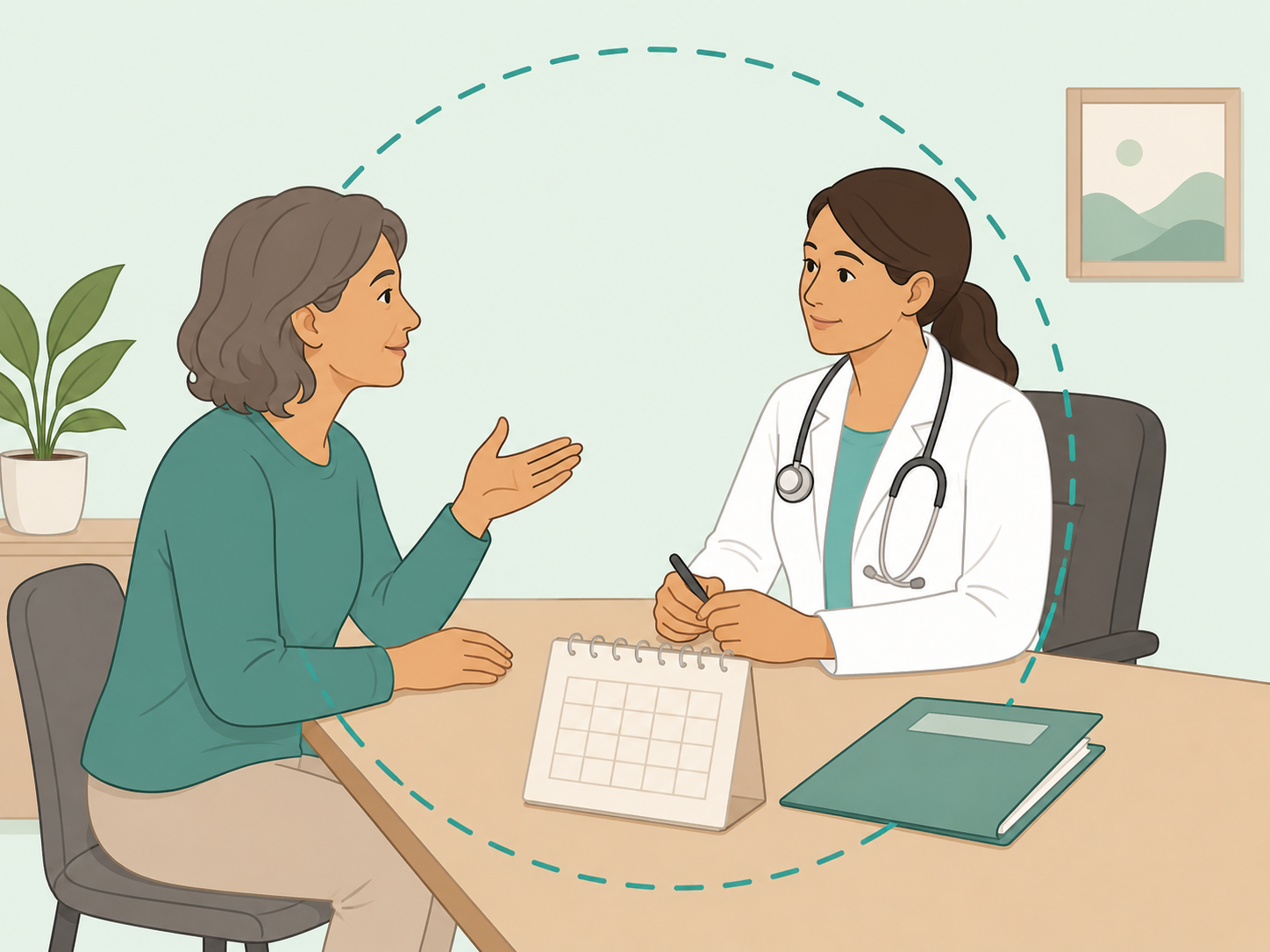
See a doctor if symptoms last, worry you, or affect daily life
Make an appointment if a symptom lasts more than a couple of weeks, keeps coming back, gets worse, or is simply not normal for you. The CDC explains that screening can find some cancers early before symptoms, while symptoms may need diagnostic testing to find the cause. Ask which screenings fit your age and risk, and do not stop or change prescribed treatment unless your clinician tells you to.
Summary
The bottom line: do not diagnose yourself from a single odd symptom, but do not ignore changes that persist, worsen, or are unusual for you. Track what you notice, keep up with recommended screening, and ask a doctor about symptoms that last more than a couple of weeks or concern you.
Frequently Asked Questions
- Does one weird symptom mean I have cancer?
No. The National Cancer Institute explains that symptoms linked with cancer are often caused by other problems, including illness, injury, or benign conditions. A doctor can help find the cause if the symptom does not improve.
- How long should I wait before calling a doctor?
If a new symptom lasts for a couple of weeks, keeps coming back, worsens, or feels unusual for you, make an appointment. Call sooner for symptoms that are severe, sudden, or worrying.
- Can cancer symptoms be painless?
Yes. MedlinePlus and the National Cancer Institute note that cancer often does not cause pain at first, so do not wait for pain before asking about a persistent change.
- Are beauty-related changes like nails, skin, or lips worth mentioning?
Yes. A changing mole, a sore that does not heal, a bleeding or growing skin spot, or a dark streak under a nail can be worth checking, especially if it is new or changing.
- Should I ask for a cancer screening test because of symptoms?
Ask your doctor what test fits your age, risk, and symptom pattern. Screening is for people without symptoms, while diagnostic testing is used to find the cause of symptoms.
- What should I bring to the appointment?
Bring a simple timeline, photos of visible changes, a list of medications and supplements, and notes about family history or risk factors. Clear details help your doctor decide what to examine or test.
References
Reliable references aided in composing and refining this content.
- https://www.cancer.gov/about-cancer/diagnosis-staging/symptoms
- https://www.mayoclinic.org/diseases-conditions/cancer/symptoms-causes/syc-20370588
- https://www.nhs.uk/conditions/cancer
- https://www.aad.org/public/diseases/skin-cancer
- https://medlineplus.gov/cancer.html
- https://www.cdc.gov/cancer/prevention/screening.html