
 Pin it
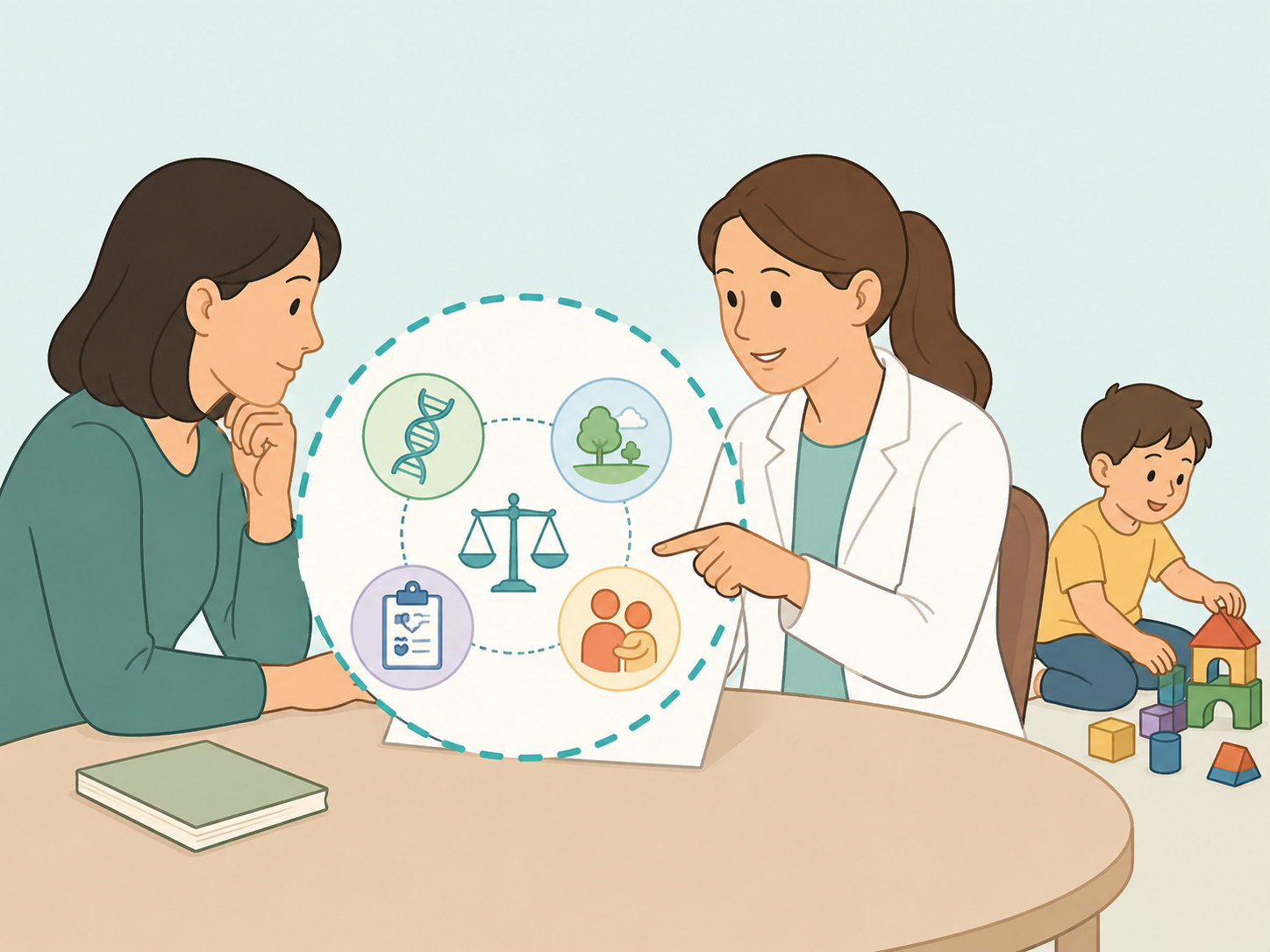
Headlines about autism causes can sound dramatic, but the science is more careful than that. Researchers have identified important clues, especially involving genetics and early development, while still emphasizing that autism usually does not come from one single cause. This guide explains how to read new autism research in a practical, evidence-based way.
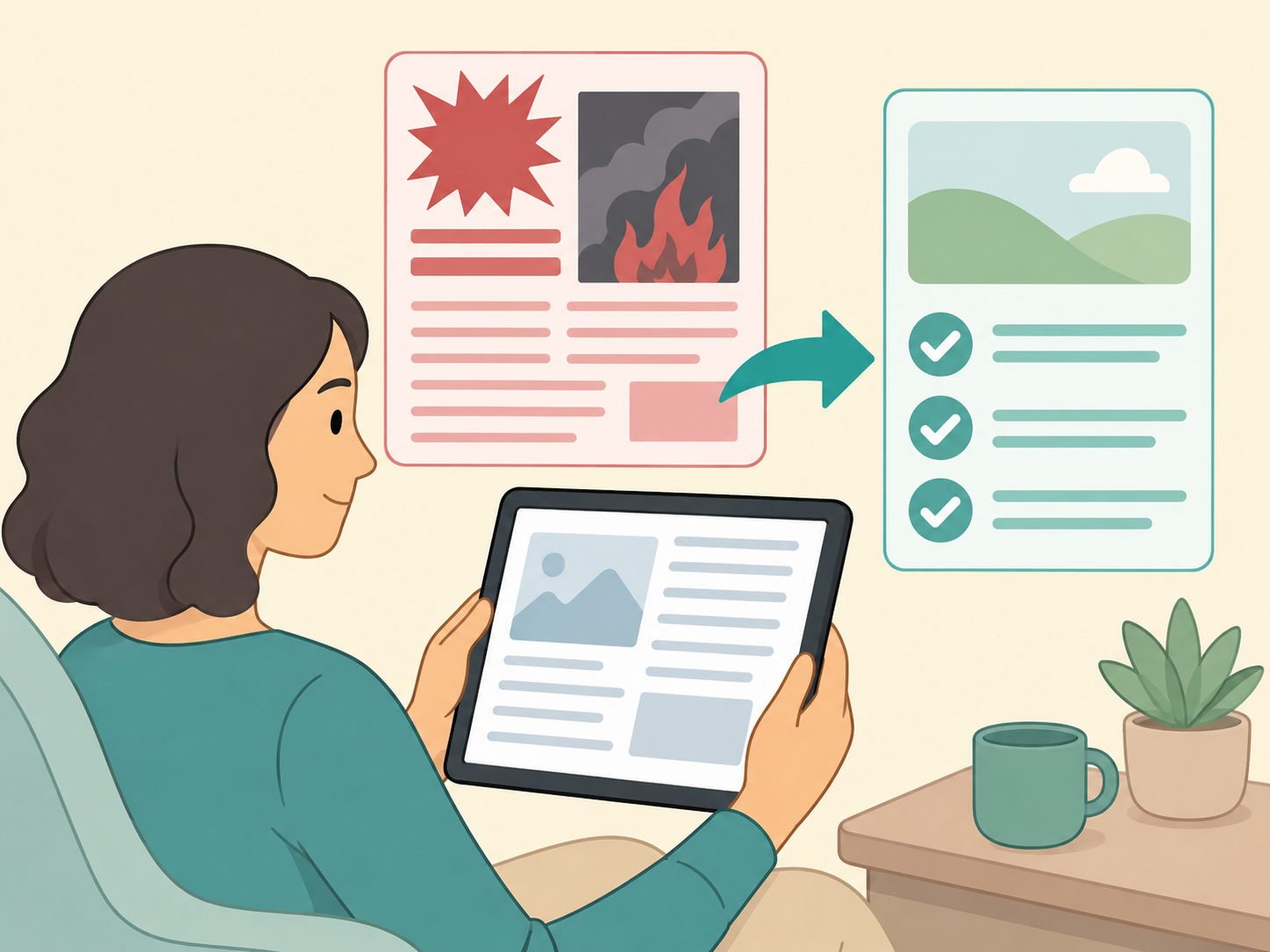
Start with the big picture, not a single headline
When a headline says scientists found a cause of autism, read it as one clue, not a final answer. The NICHD explains that scientists do not know exactly what causes autism spectrum disorder and that there are probably many causes or contributors.
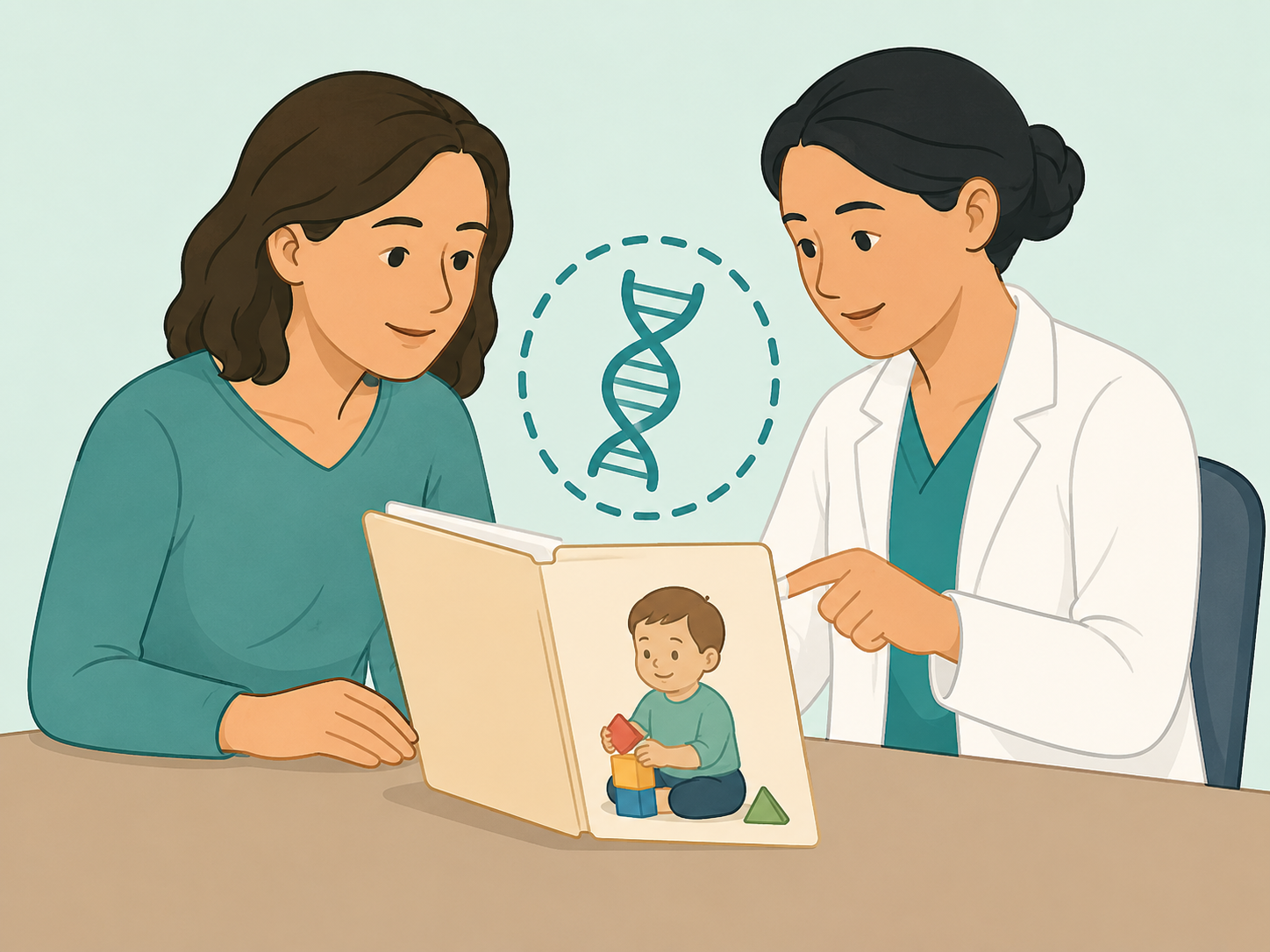
Treat genetics as a major piece of the puzzle
Give serious weight to genetics, because a large body of research links autism risk with inherited variation and gene changes. MedlinePlus Genetics describes autism as genetically complex, with many common gene variations usually having small individual effects.
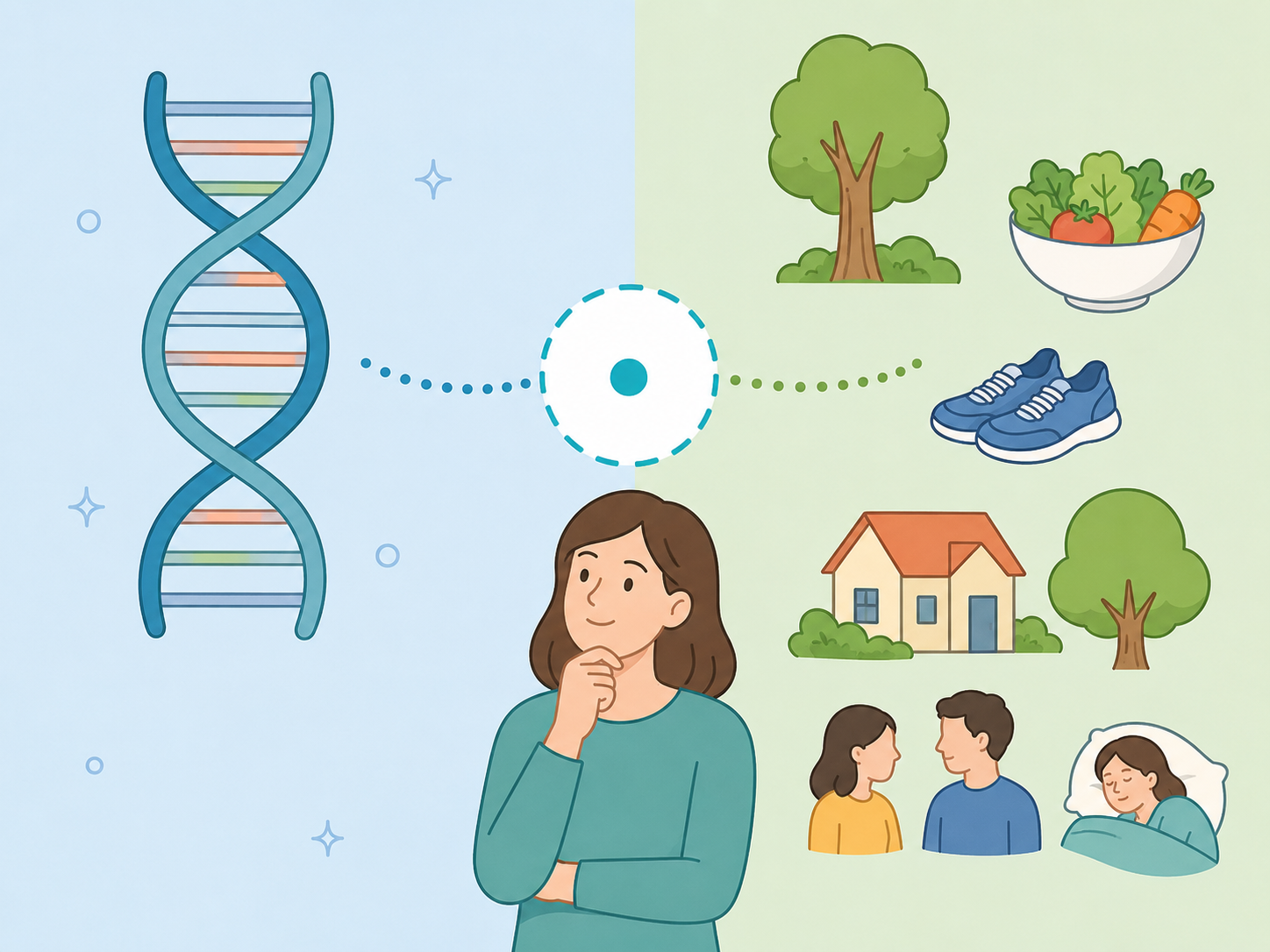
Understand how environment may interact with genetics
Environmental factors are best understood as possible influences on risk, especially during pregnancy and early development, rather than as simple direct causes. The National Institute of Environmental Health Sciences notes that factors such as air pollution, some prenatal conditions, very low birth weight, and birth complications may be associated with autism risk, often in combination with genetics.
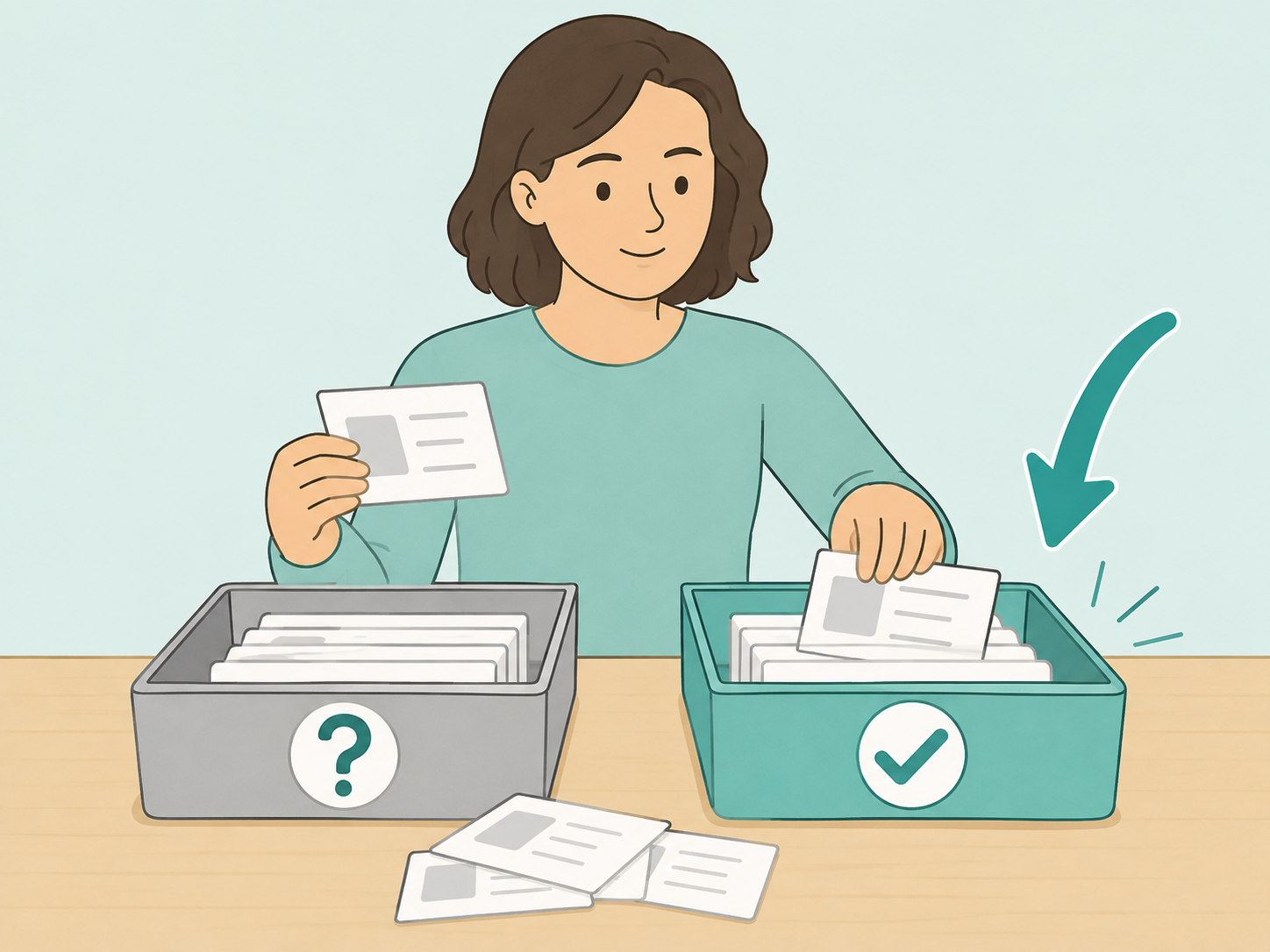
Separate risk factors from proven causes
A risk factor means something is associated with a higher chance of autism in a group; it does not mean it caused autism in one person. The National Institute of Mental Health lists factors linked with increased likelihood, such as having a sibling with autism, older parents, certain genetic conditions, and very low birth weight, while also stating that not everyone with these factors develops autism.
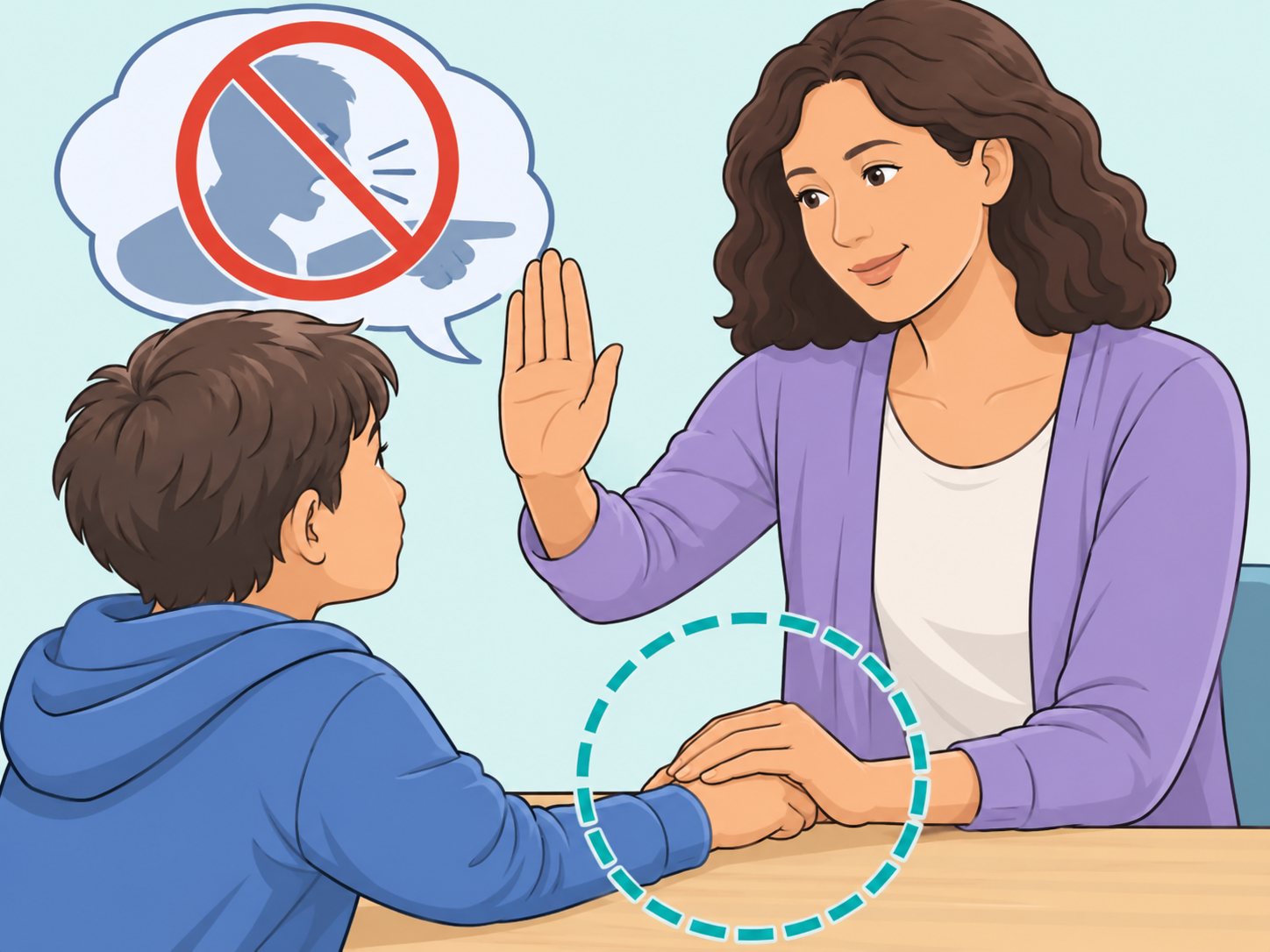
Reject blame-based explanations
Avoid explanations that blame parenting style, personality, or everyday family choices. Autism is a neurological and developmental condition that affects communication, learning, behavior, and interaction, according to MedlinePlus. Good information should reduce confusion, not make families feel accused.
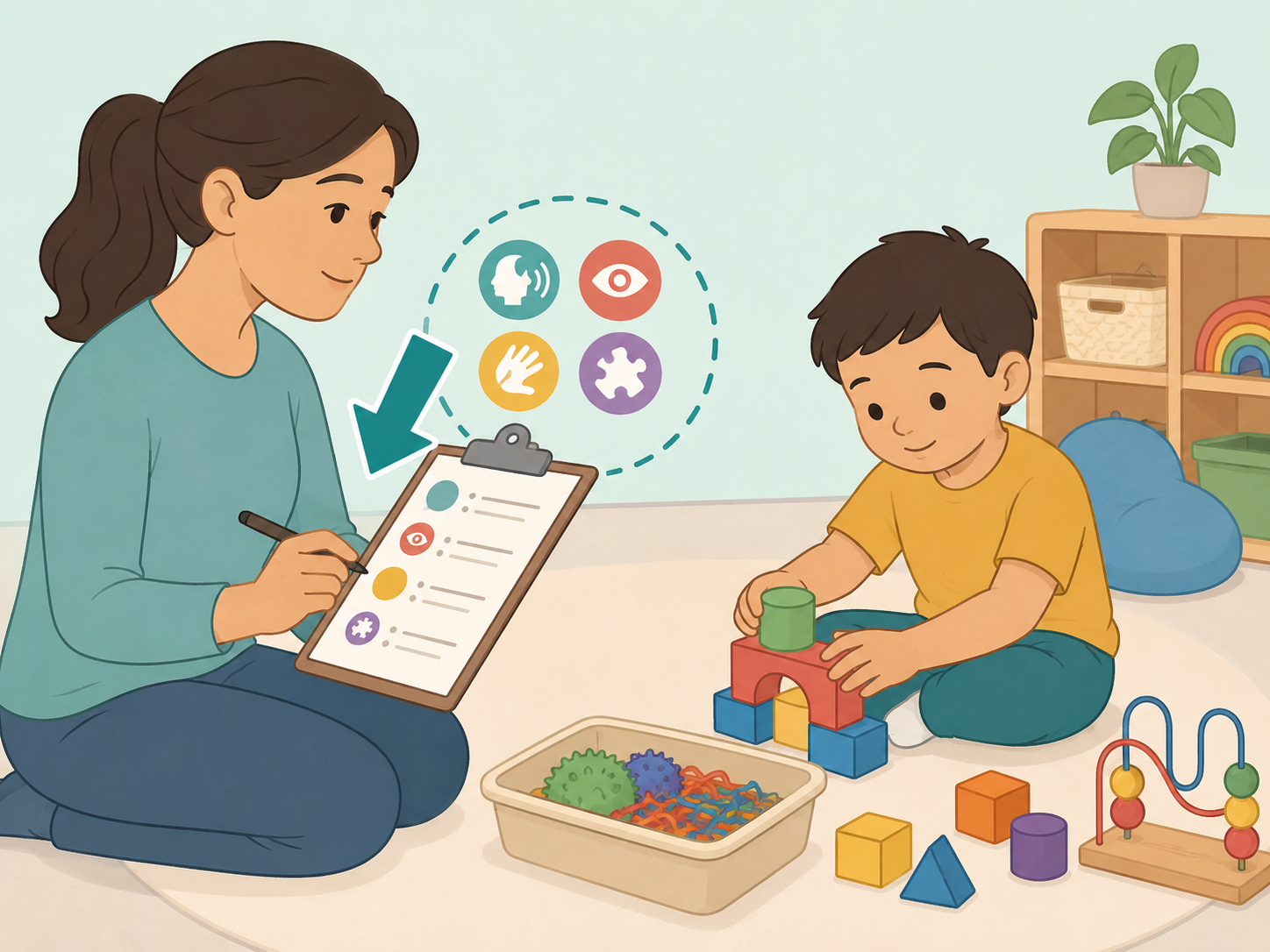
Watch for developmental signs, not causes, in daily life
In everyday life, focus on signs that may point to a need for support rather than trying to identify a cause. The CDC lists possible signs such as differences in social communication, restricted or repetitive behaviors, sensory differences, and delayed language or movement skills, while noting that autistic people vary widely.
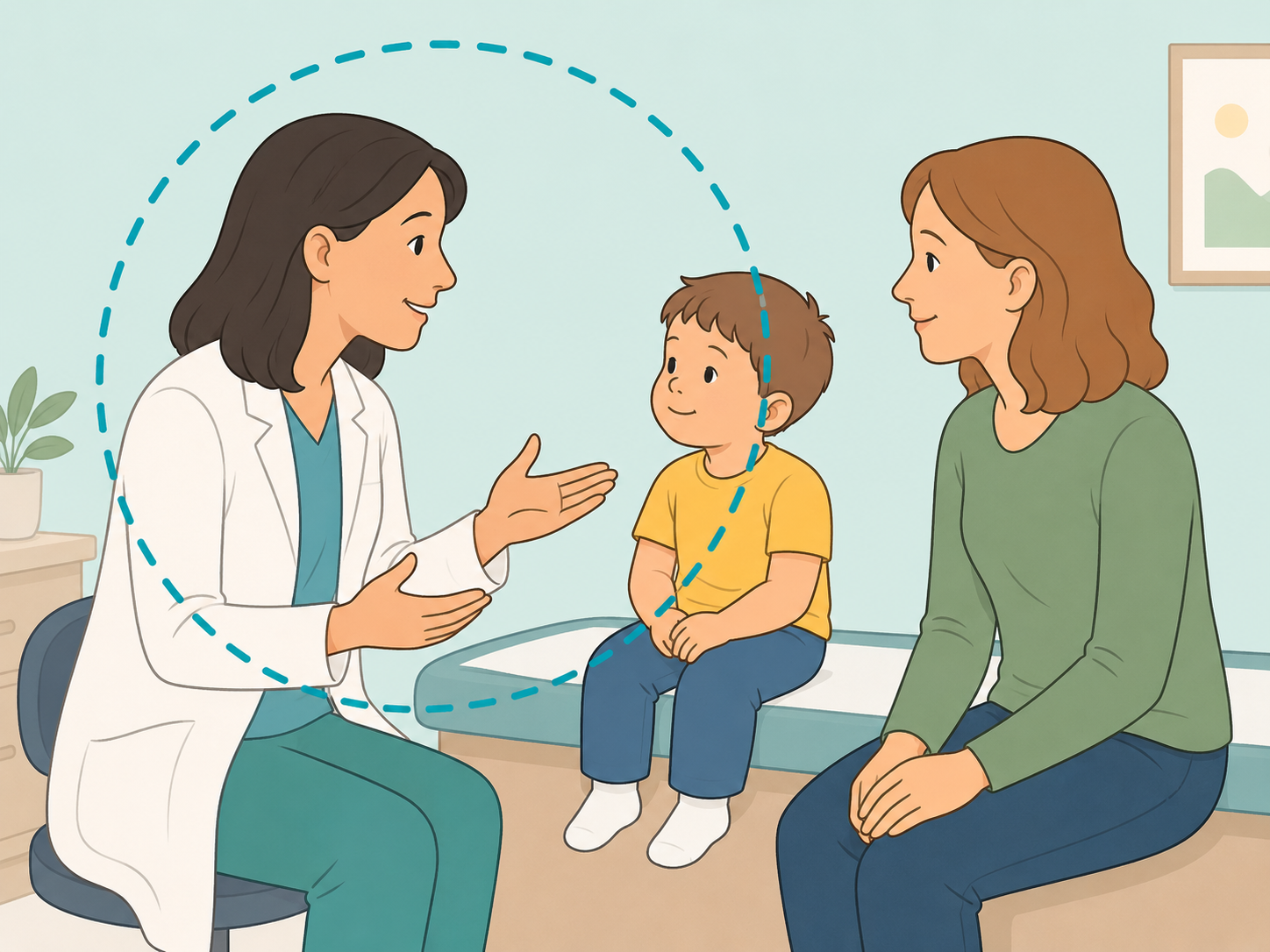
Ask for screening or evaluation when concerns appear
Talk with a pediatrician or qualified health professional if a child is missing milestones, loses language or social skills, or shows communication or behavior differences that concern you. The CDC says autism screening is recommended during well-child visits at 18 and 24 months, and additional evaluation may be needed when concerns are present.
Use research to seek support, not a cure
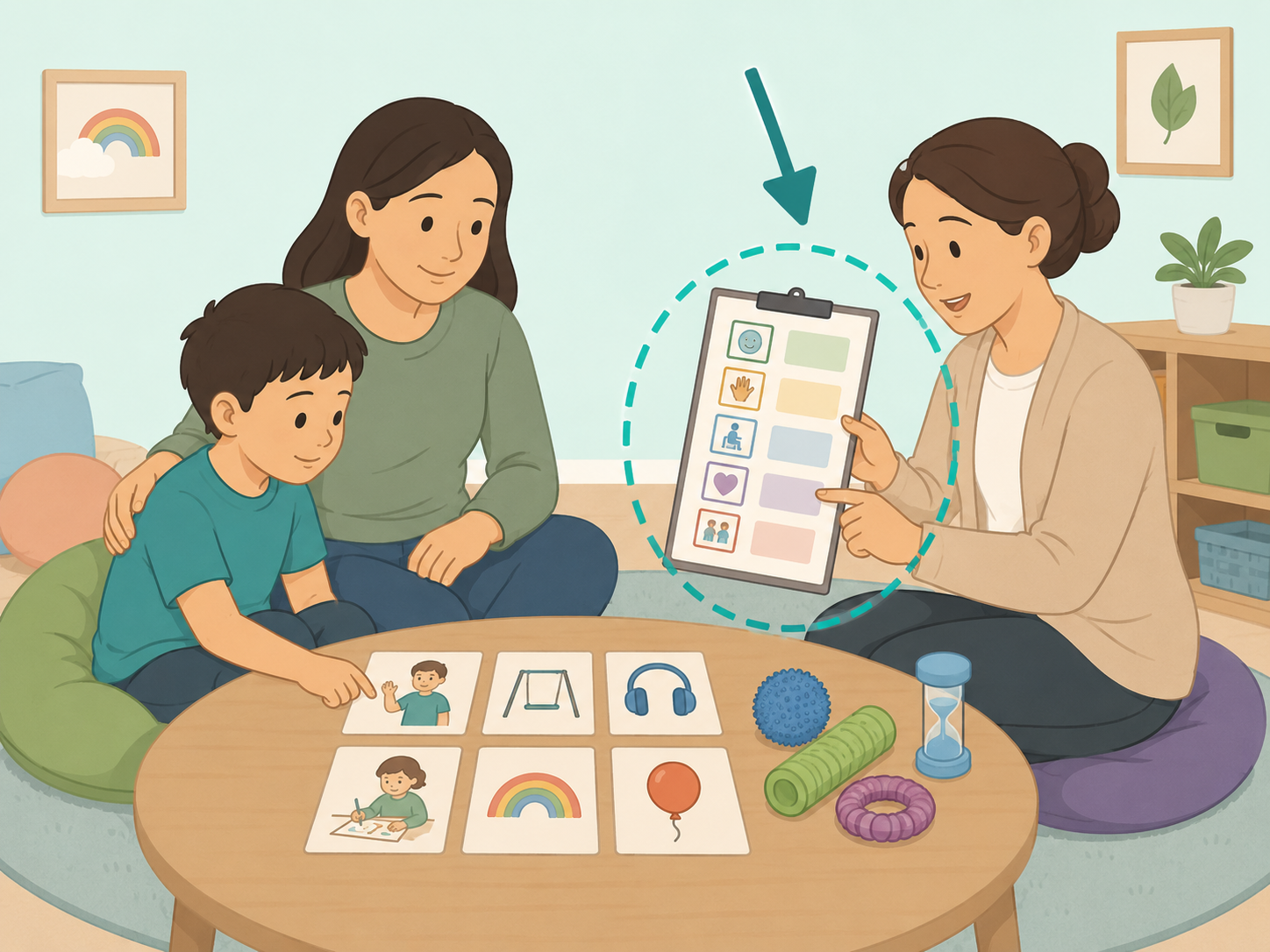
Research about causes can guide screening, services, and better understanding, but it should not be used to promise a cure. NIMH explains that supports and services can improve health, well-being, and daily functioning, especially when they are matched to the person's needs and started early.
Summary
The bottom line: autism cause research is important, but it should be read cautiously. The strongest message from trusted medical sources is that autism is complex, often involves genetic susceptibility, and is best addressed through early evaluation, individualized support, and respectful care.
Frequently Asked Questions
- Have scientists found the cause of autism?
No single cause has been proven for autism. Trusted sources describe autism as complex, with research pointing to genetics, early brain development, and environmental factors that may interact in different ways.
- Are genes the main cause of autism?
Genes appear to be a major contributor, but not the whole story. Many genetic changes have been linked with autism risk, and environmental factors may also affect development in people who are genetically susceptible.
- Do environmental risk factors mean a parent caused autism?
No. Risk factors are not the same as blame or proof of cause. Many factors linked with autism happen before anyone knows a child will be autistic, and most people with a risk factor do not have the same outcome.
- Can a genetic test diagnose autism?
Autism is diagnosed by evaluating behavior and development, not by one simple genetic test. Genetic or medical tests may be part of a broader evaluation when a clinician is looking for related conditions.
- When should I ask about autism screening?
Ask a pediatrician or qualified health professional if you notice developmental differences, loss of language or social skills, or concerns about communication, behavior, or sensory responses. Early evaluation can help connect a child with support sooner.
- Is there a cure for autism?
There is no cure for autism itself, and responsible care does not promise one. Supports such as speech-language therapy, occupational therapy, behavioral or educational services, and help for sleep, anxiety, or other needs may improve daily functioning and well-being.
References
Reliable references aided in composing and refining this content.
- https://www.nichd.nih.gov/health/topics/autism/conditioninfo/causes
- https://www.nimh.nih.gov/health/publications/autism-spectrum-disorder
- https://www.niehs.nih.gov/health/topics/conditions/autism
- https://medlineplus.gov/autismspectrumdisorder.html
- https://medlineplus.gov/ency/article/001526.htm
- https://www.cdc.gov/autism/signs-symptoms/index.html
- https://www.cdc.gov/autism/hcp/diagnosis/screening.html