
 Pin it
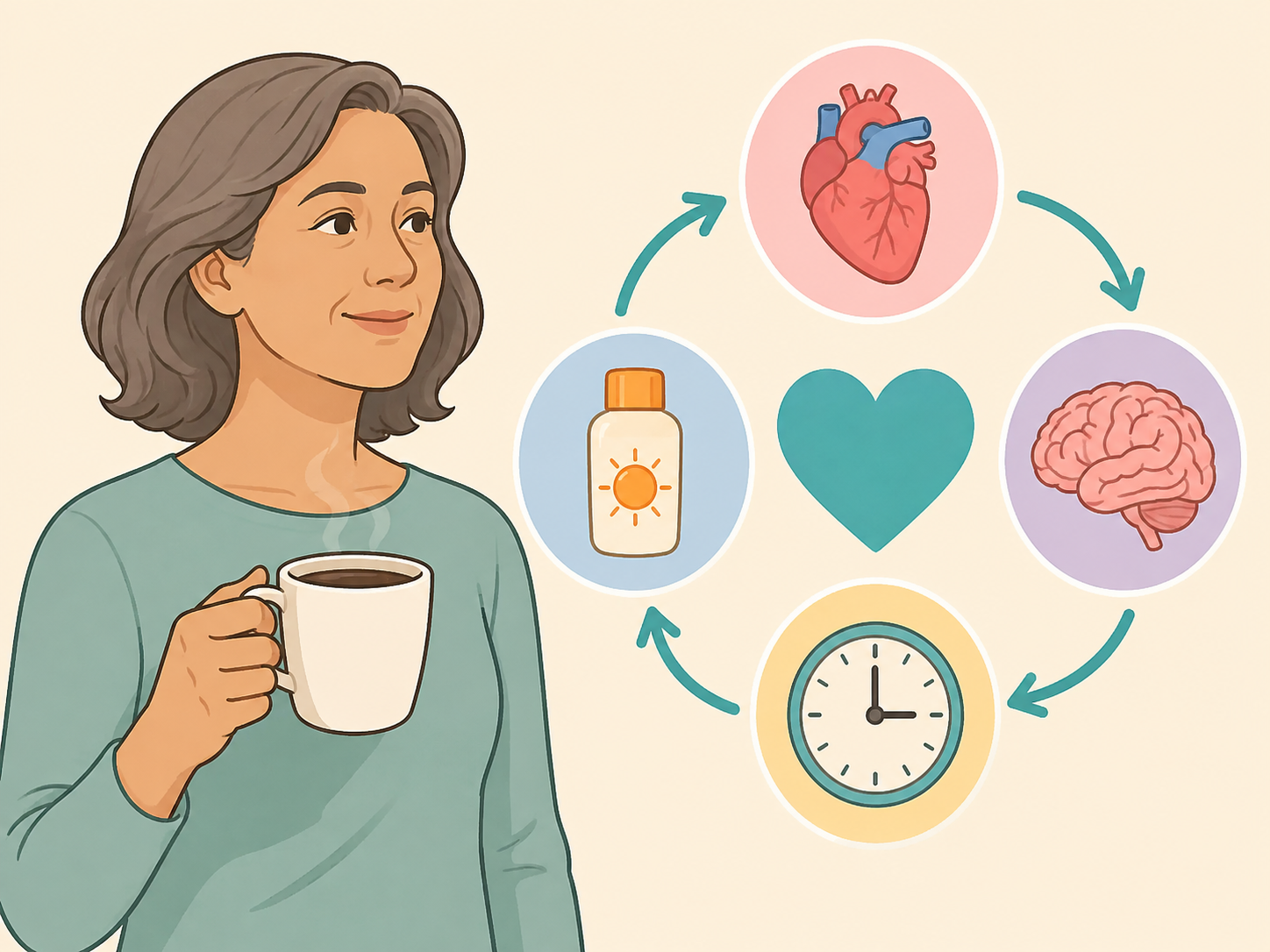
Coffee contains caffeine and plant compounds that have been studied for effects on alertness, metabolism, heart health, and skin care. This guide explains how to use coffee in a practical, evidence-based way without treating it as a cure or beauty shortcut. It also covers who should limit caffeine and when to ask a health professional for advice.
Treat coffee as a helpful habit, not a treatment
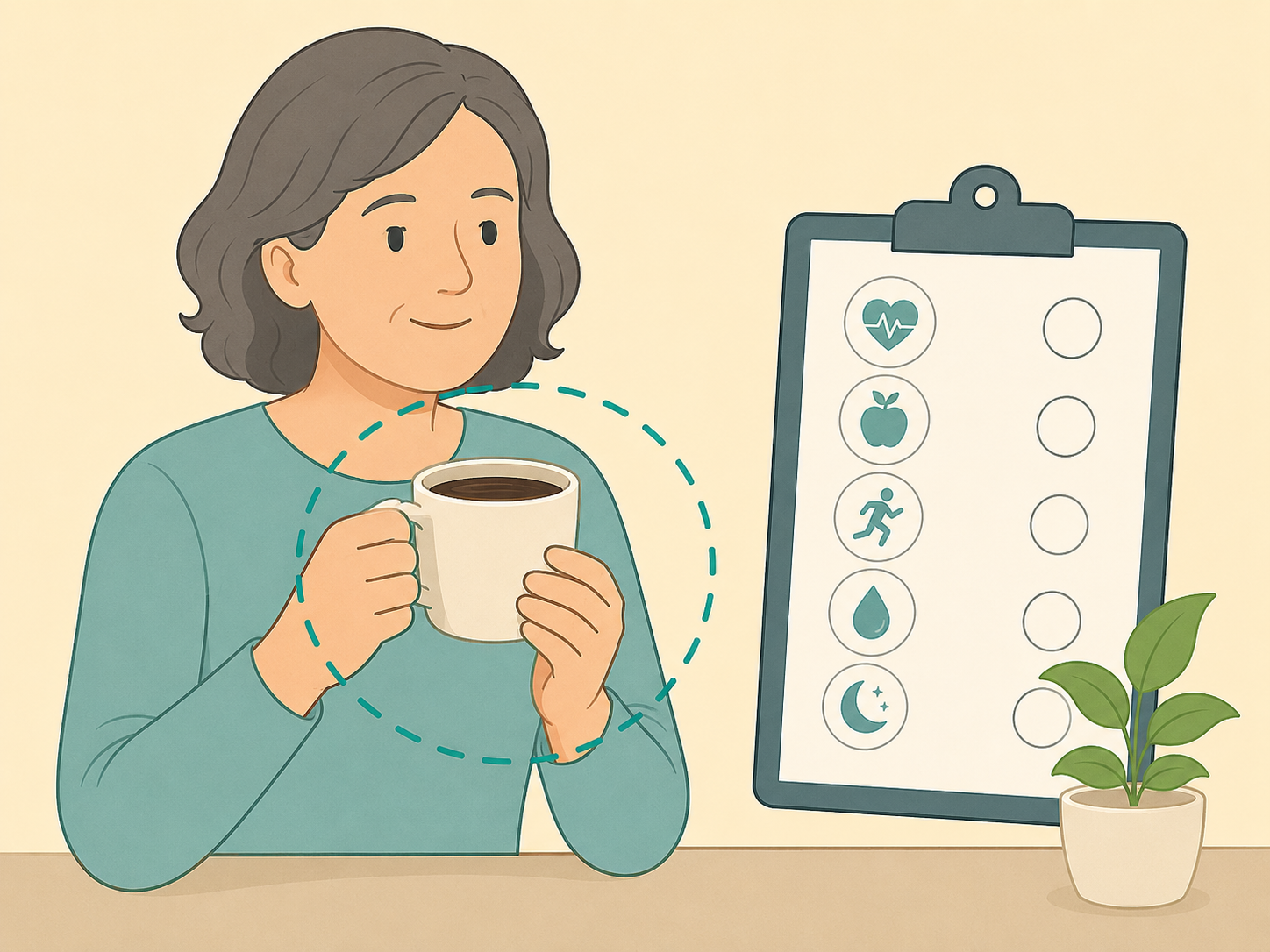
Start with realistic expectations: coffee can be part of a healthy routine, but it is not medicine and it does not guarantee disease prevention. An umbrella review indexed by PubMed found probable links between coffee or caffeine and lower risk of some outcomes, including type 2 diabetes and Parkinson's disease, while also noting risks such as blood pressure effects and pregnancy concerns. If you do not already drink coffee, you do not need to start for health reasons.
Keep your daily caffeine in a moderate range
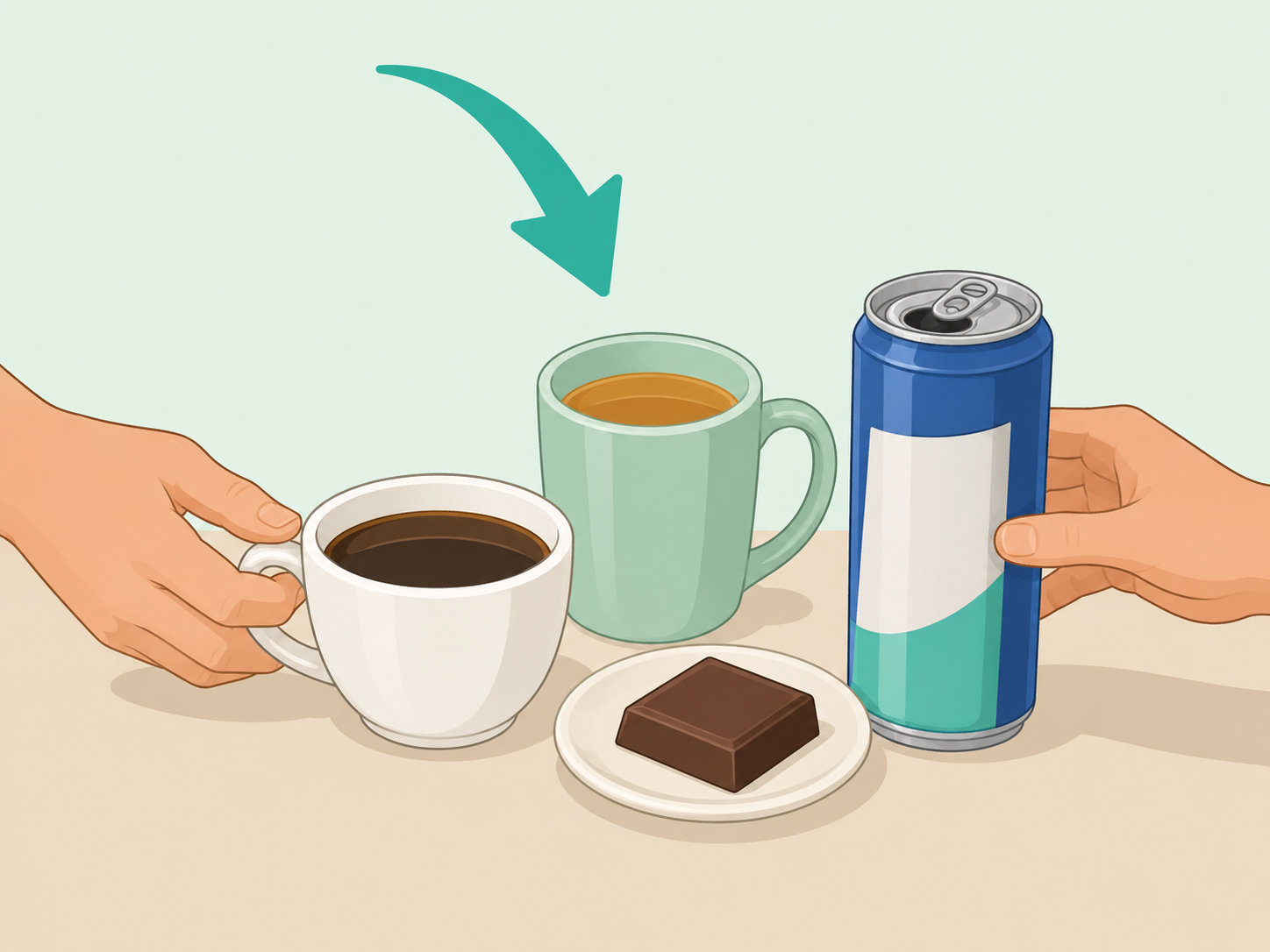
Count caffeine from coffee, tea, energy drinks, chocolate, supplements, and some medicines before adding another cup. The FDA says up to 400 mg per day is not generally associated with negative effects for most adults, but sensitivity varies widely. If you feel jittery, anxious, nauseated, or notice palpitations, treat that as a sign to reduce your intake.
Use caffeine when alertness actually helps
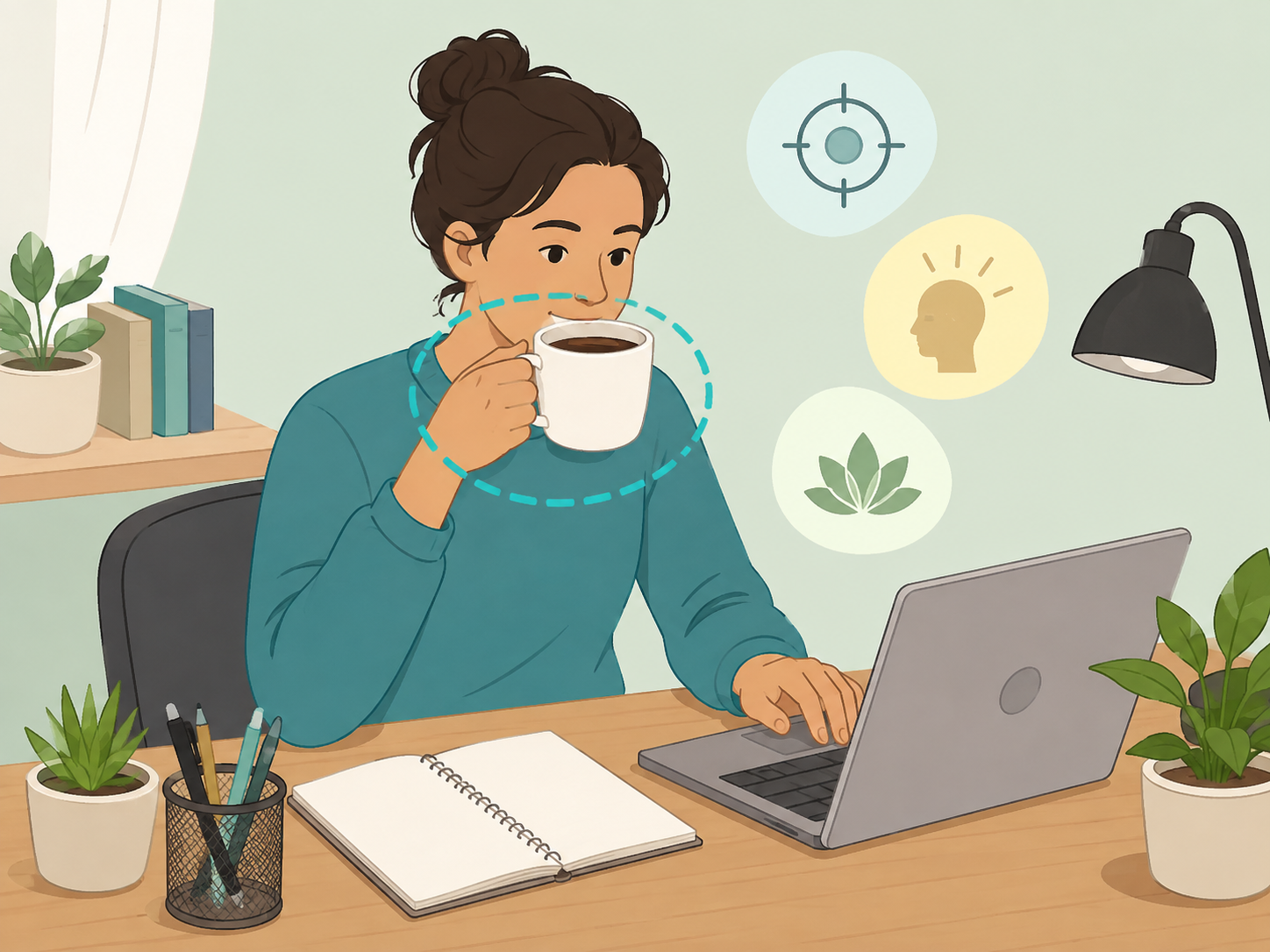
Plan caffeinated coffee for times when focus, energy, or alertness would be useful, such as the morning or before mentally demanding work. Harvard's Nutrition Source explains that low to moderate caffeine doses can improve alertness and concentration in some people. More is not always better, and higher intakes are more likely to cause restlessness, anxiety, or a racing heart.
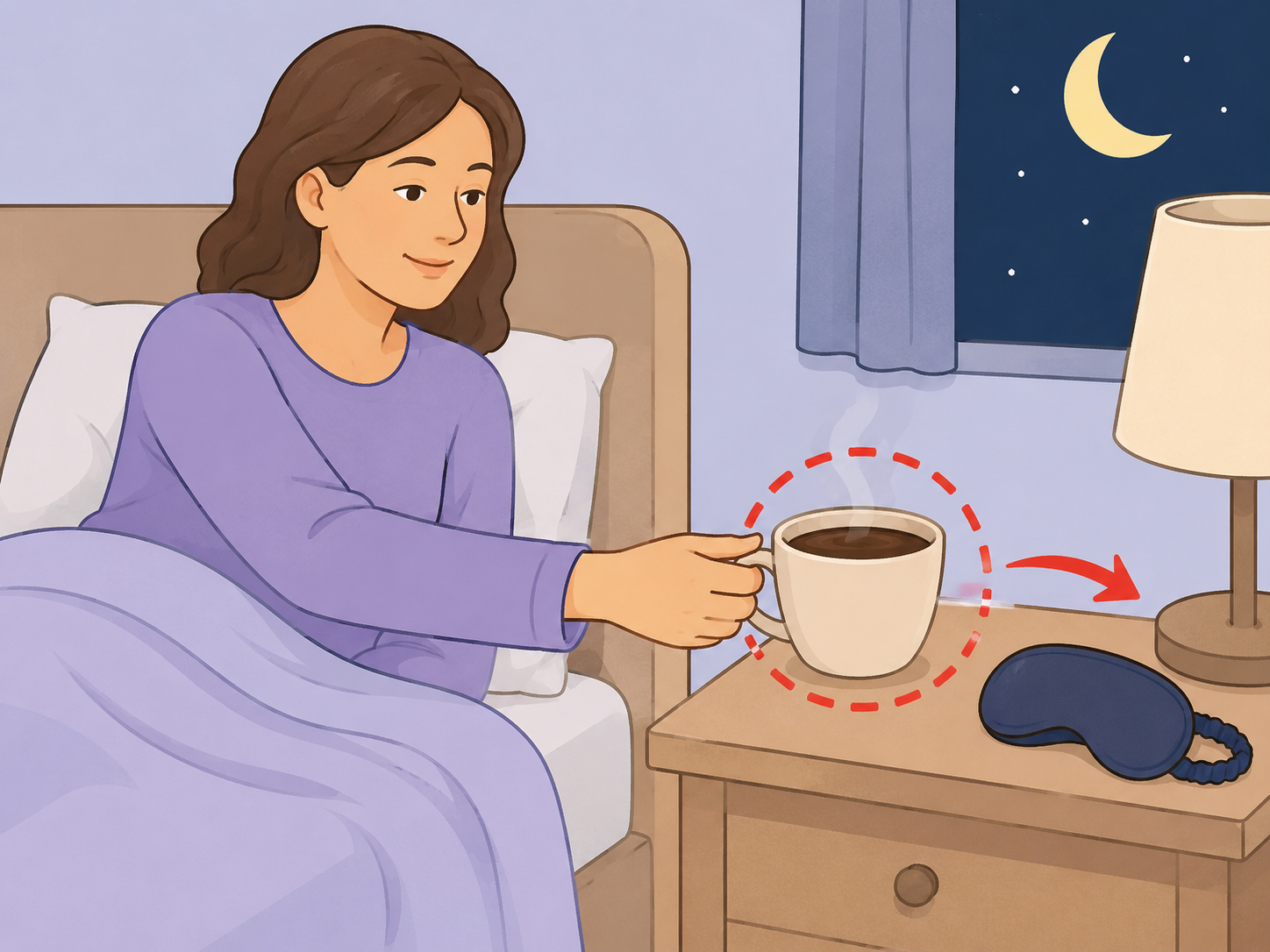
Protect your sleep by stopping early
Move your last caffeinated drink earlier if coffee makes it harder to fall asleep or stay asleep. Caffeine can remain in the body for hours, and sleep disruption is a known caffeine effect, especially later in the day. Try switching to decaf, herbal tea, or water in the afternoon if sleep quality is a concern.
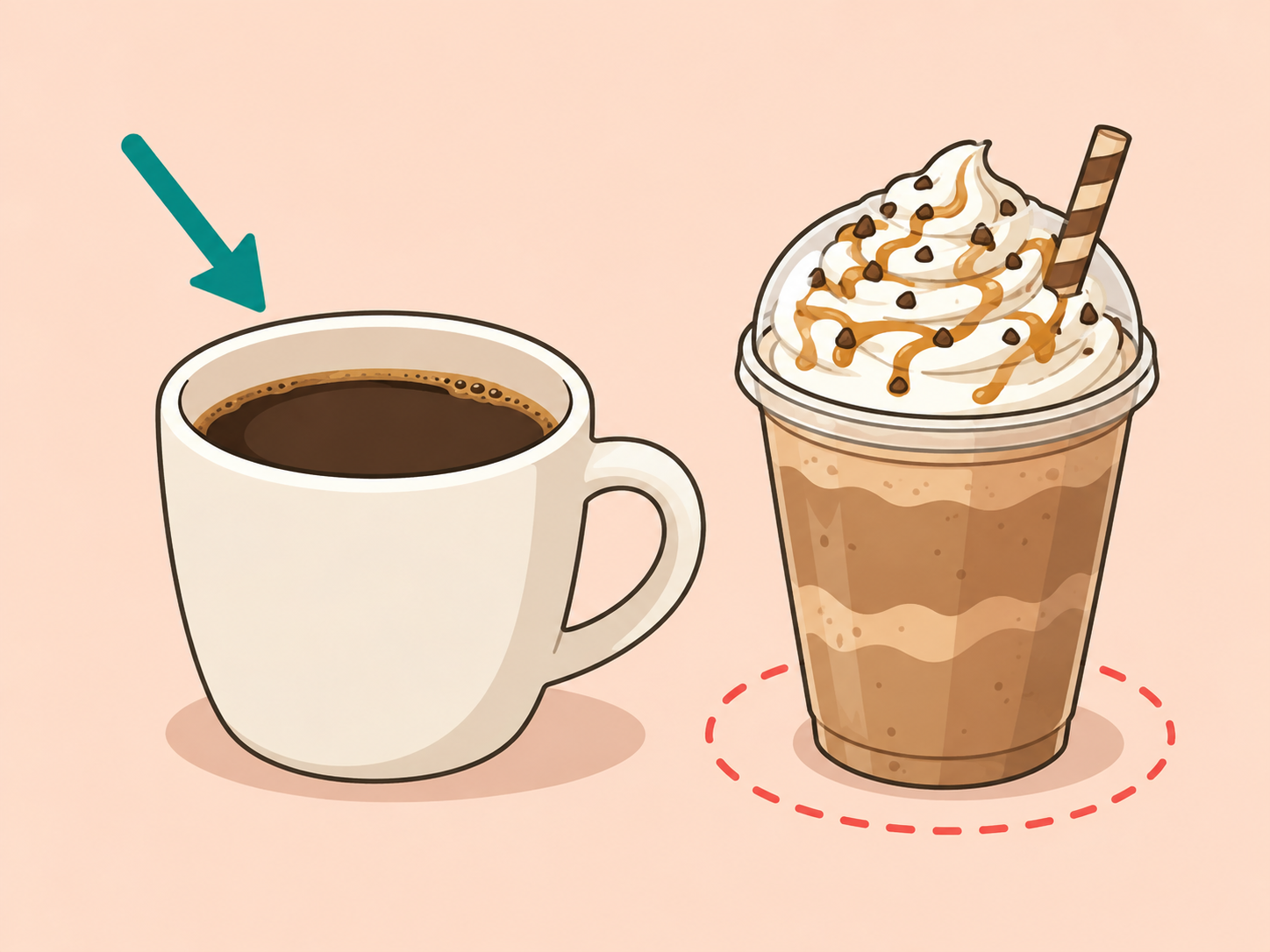
Keep coffee simple most days
Choose plain coffee, coffee with milk, or lightly sweetened coffee most of the time. Harvard notes that black coffee is very low in calories, while cream, sugar, syrups, and blended drinks can add substantial calories and sugar. Treat dessert-style coffee drinks as occasional treats rather than your daily health habit.
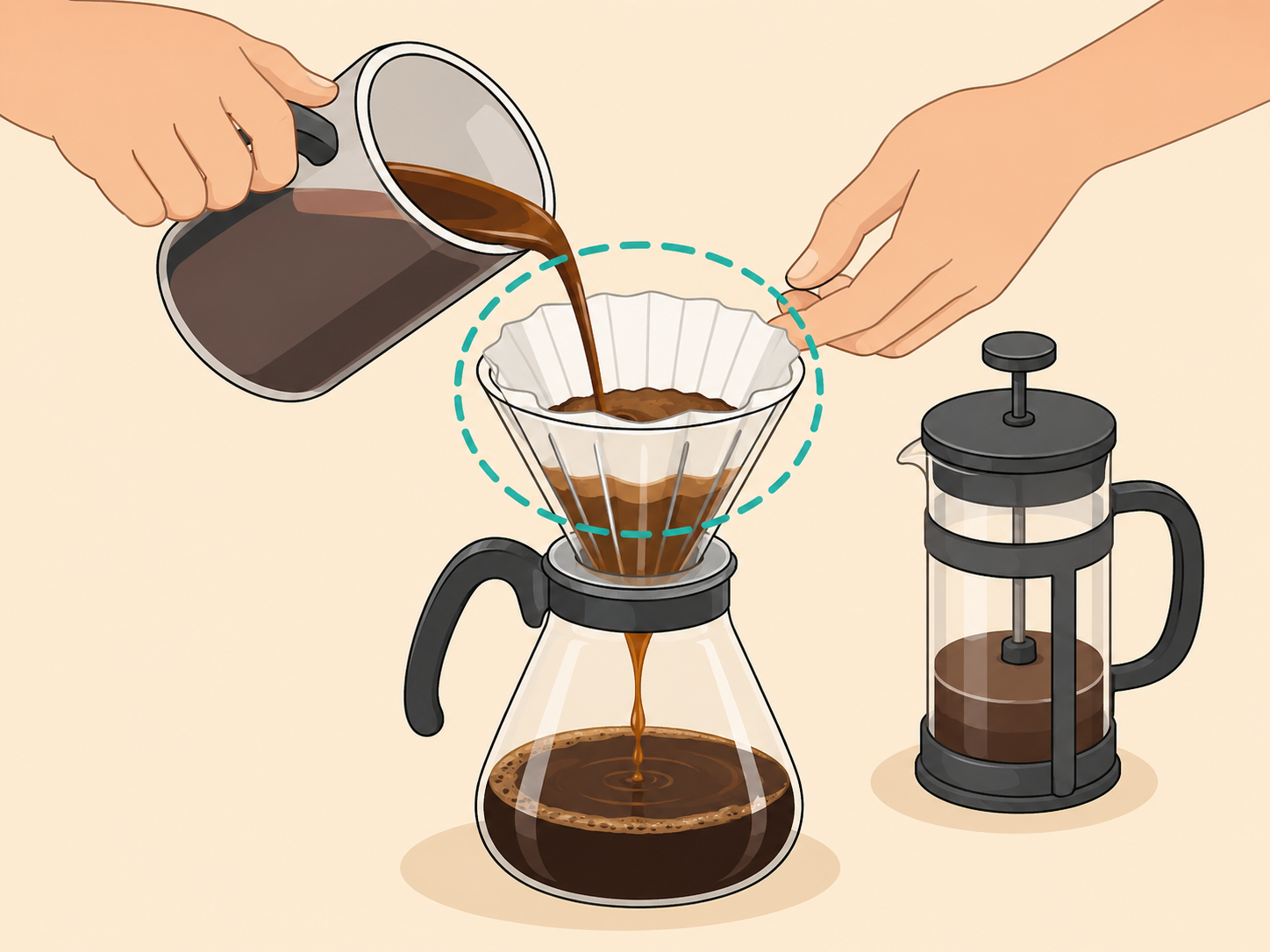
Choose filtered coffee if cholesterol is a concern
If you have high LDL cholesterol or are watching heart health closely, consider paper-filtered coffee more often than French press, Turkish coffee, or other unfiltered methods. Harvard explains that unfiltered coffee contains diterpenes that can raise LDL cholesterol and triglycerides. Ask your clinician what fits your overall cholesterol plan.
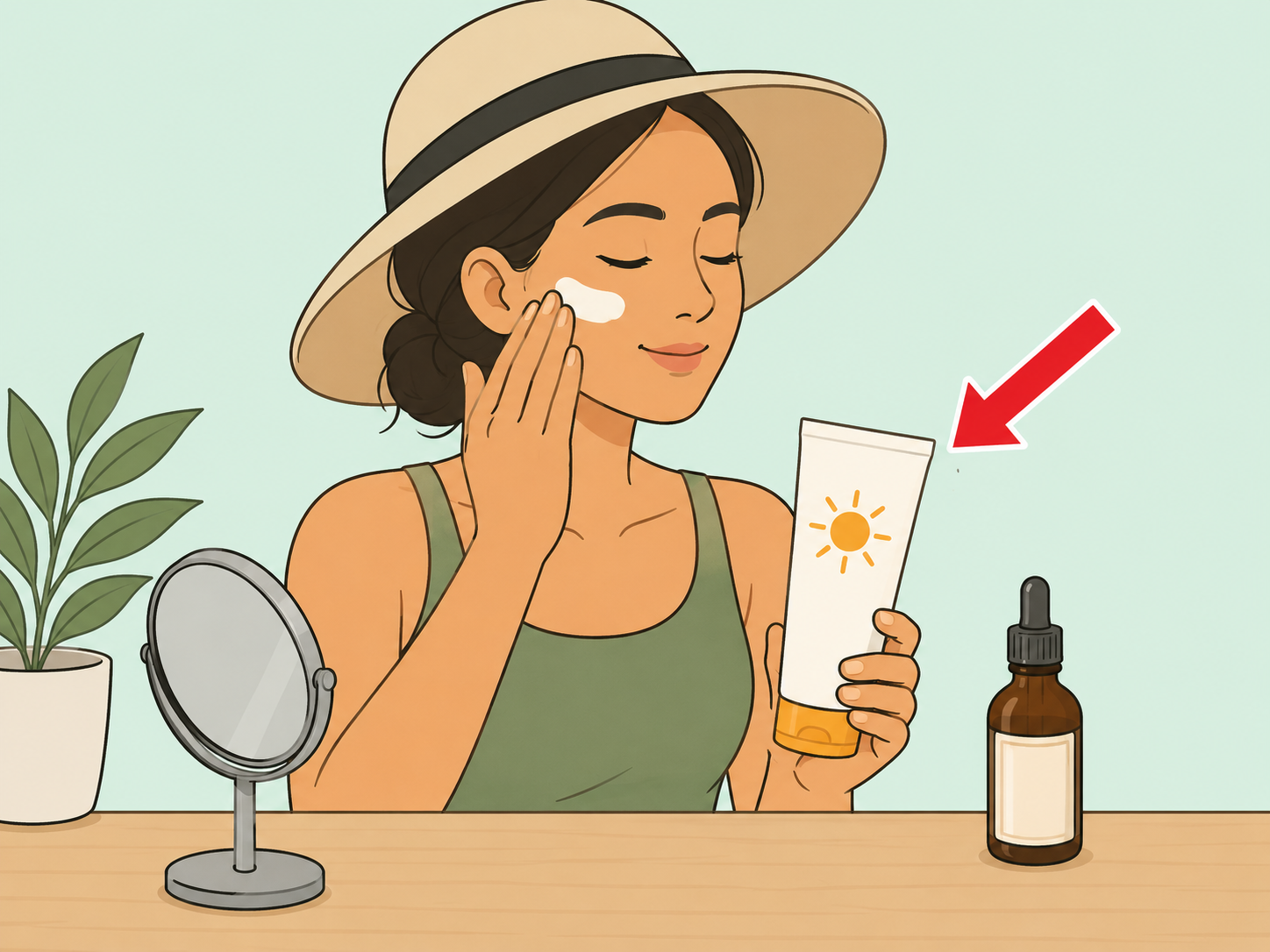
Be cautious with coffee skin-care claims
For beauty routines, use coffee-derived or caffeine skin-care products only for modest, targeted goals. A 2026 dermatology review on coffee extracts and skin found promising antioxidant and skin-barrier research, but said the evidence is still not strong enough to make coffee products a primary dermatologic intervention. Never replace sun protection with coffee ingredients; the American Academy of Dermatology recommends broad-spectrum, water-resistant SPF 30 or higher plus shade and protective clothing.
Ask a clinician when caffeine may not be safe for you
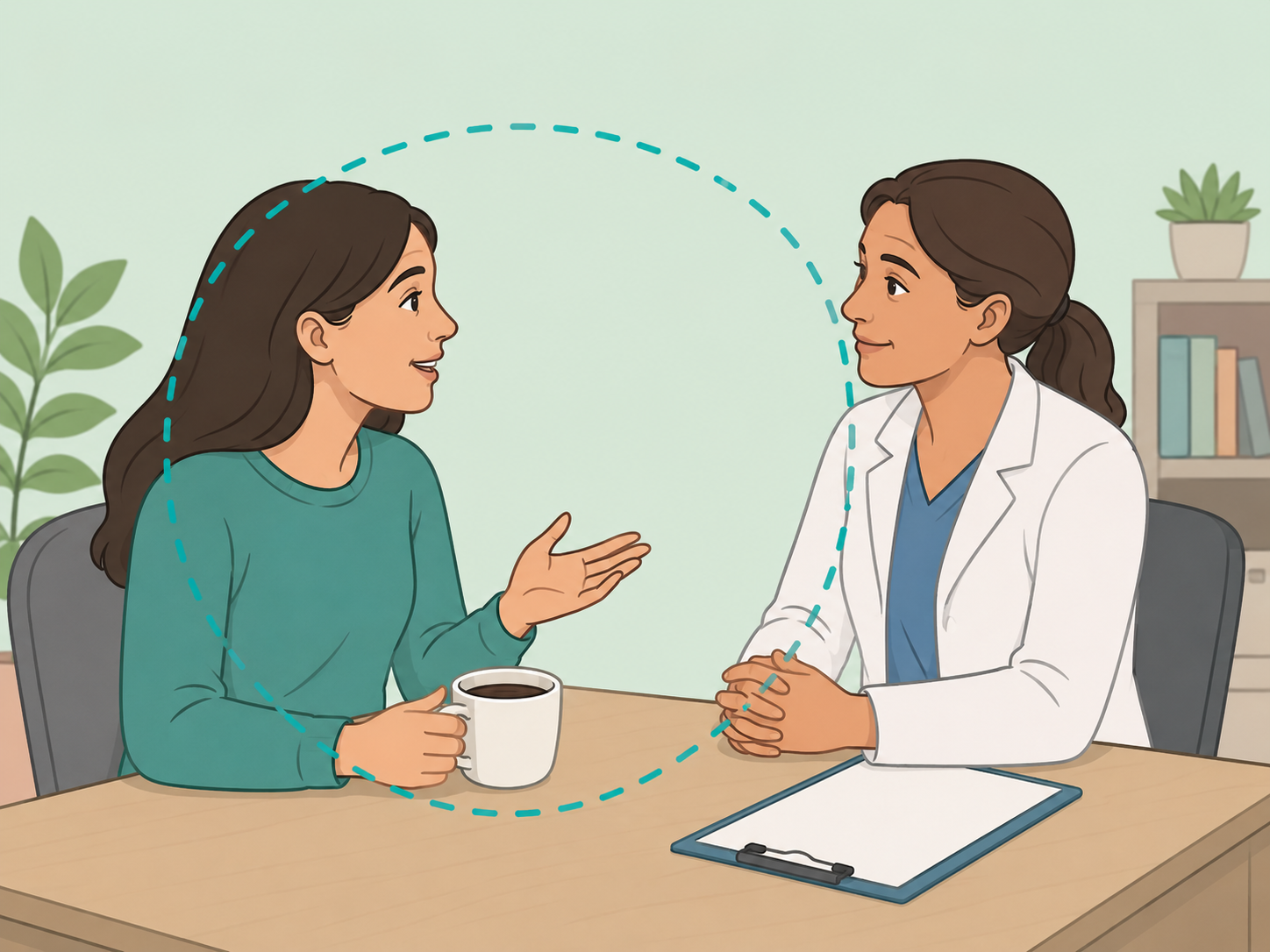
Talk to a doctor or qualified health professional if caffeine causes palpitations, persistent insomnia, severe anxiety, worsening reflux, headaches, or blood pressure concerns. MedlinePlus advises some people to limit or avoid caffeine, including those with sleep disorders, anxiety, GERD, arrhythmias, high blood pressure, certain medication interactions, pregnancy, or breastfeeding. During pregnancy, ACOG describes less than 200 mg per day as moderate caffeine intake, but your own clinician's advice should guide you.
Summary
The bottom line: plain, moderate coffee can be part of a healthy routine for many adults, especially when you count total caffeine, protect sleep, and avoid sugary add-ins. For skin care, treat coffee-derived ingredients as optional support, not a replacement for sunscreen or medical care.
Frequently Asked Questions
- Is coffee actually good for you?
- For many adults, moderate coffee can fit into a healthy diet. Large reviews link coffee intake with lower risk of some chronic diseases, but these are mostly associations and do not prove that coffee prevents disease.
- How much caffeine is safe for most adults?
- The FDA cites up to 400 mg of caffeine per day as an amount not generally linked with dangerous effects for most adults. Personal tolerance varies, so use symptoms such as insomnia, jitters, anxiety, or palpitations as a reason to cut back.
- Does decaf coffee still count?
- Yes. Decaf coffee still contains many coffee plant compounds and may offer some similar benefits, though it has only small amounts of caffeine.
- Can coffee or caffeine improve skin?
- Coffee-derived skin-care ingredients have antioxidant and photoprotective potential, but human evidence is still limited. Use them as optional cosmetic ingredients, not as a substitute for sunscreen, dermatology treatment, or a balanced skin-care routine.
- Will caffeine help with weight loss?
- Caffeine may briefly reduce appetite or increase energy expenditure, but it is not a reliable weight-loss treatment. Sugary coffee drinks can easily add enough calories to cancel out any small effect.
- Who should limit coffee or caffeine?
- People who are pregnant or breastfeeding, have insomnia, anxiety, GERD, high blood pressure, heart rhythm problems, chronic headaches, or medication interactions should ask a health professional whether to limit caffeine.
References
Reliable references aided in composing and refining this content.
- https://nutritionsource.hsph.harvard.edu/food-features/coffee
- https://nutritionsource.hsph.harvard.edu/caffeine
- https://www.fda.gov/consumers/consumer-updates/spilling-beans-how-much-caffeine-too-much
- https://medlineplus.gov/caffeine.html
- https://pubmed.ncbi.nlm.nih.gov/28826374
- https://pubmed.ncbi.nlm.nih.gov/41750624
- https://www.aad.org/media/stats-sunscreen
- https://www.acog.org/womens-health/experts-and-stories/ask-acog/how-much-coffee-can-i-drink-while-pregnant