
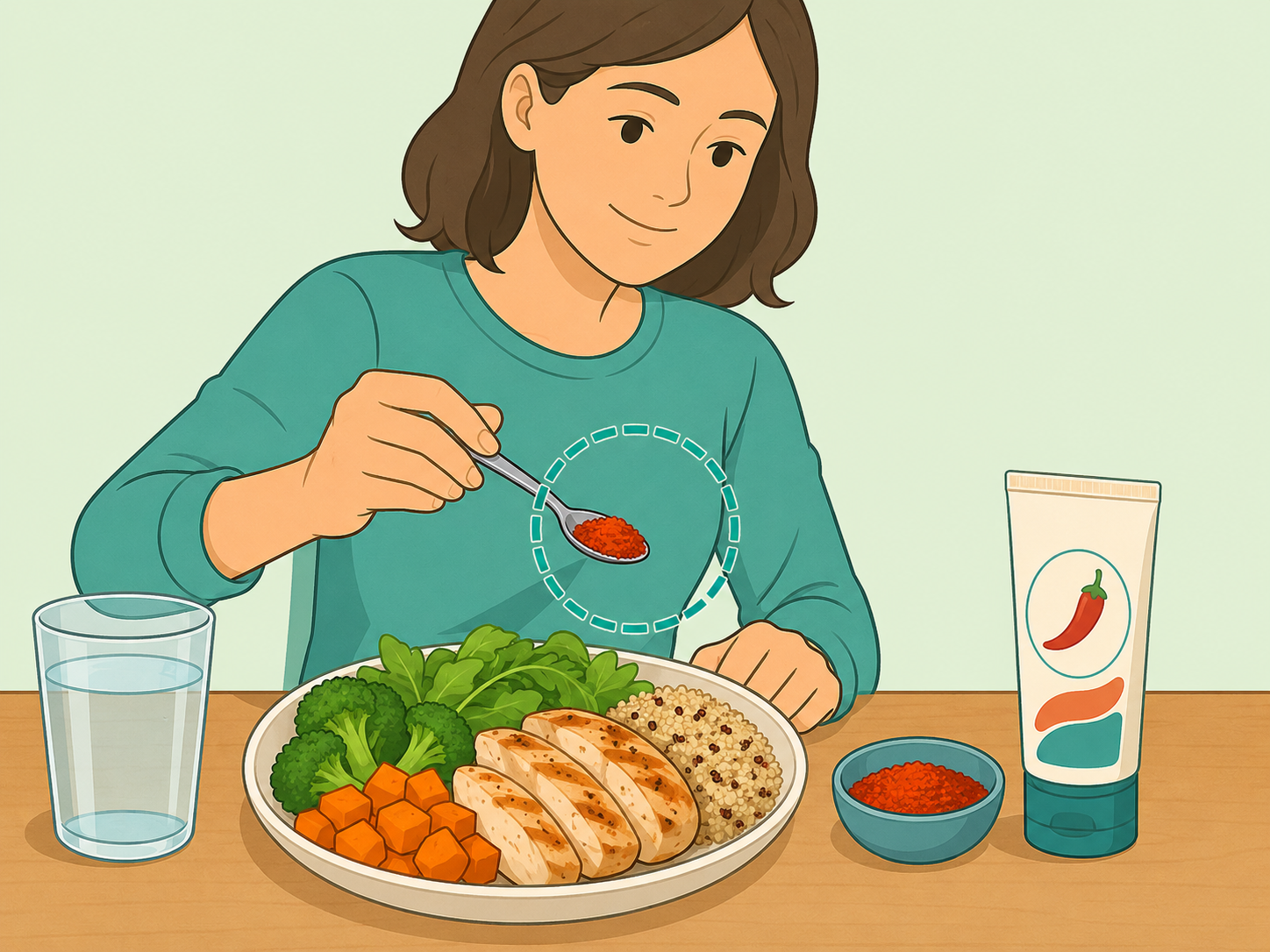
 Pin it
Cayenne pepper is often promoted for health and beauty, but the strongest evidence is more limited than many online claims suggest. Its main active compound, capsaicin, may support a healthy diet, provide useful flavor, and help with certain pain uses when applied in regulated topical products. This guide explains how to use cayenne safely and when to get medical advice.
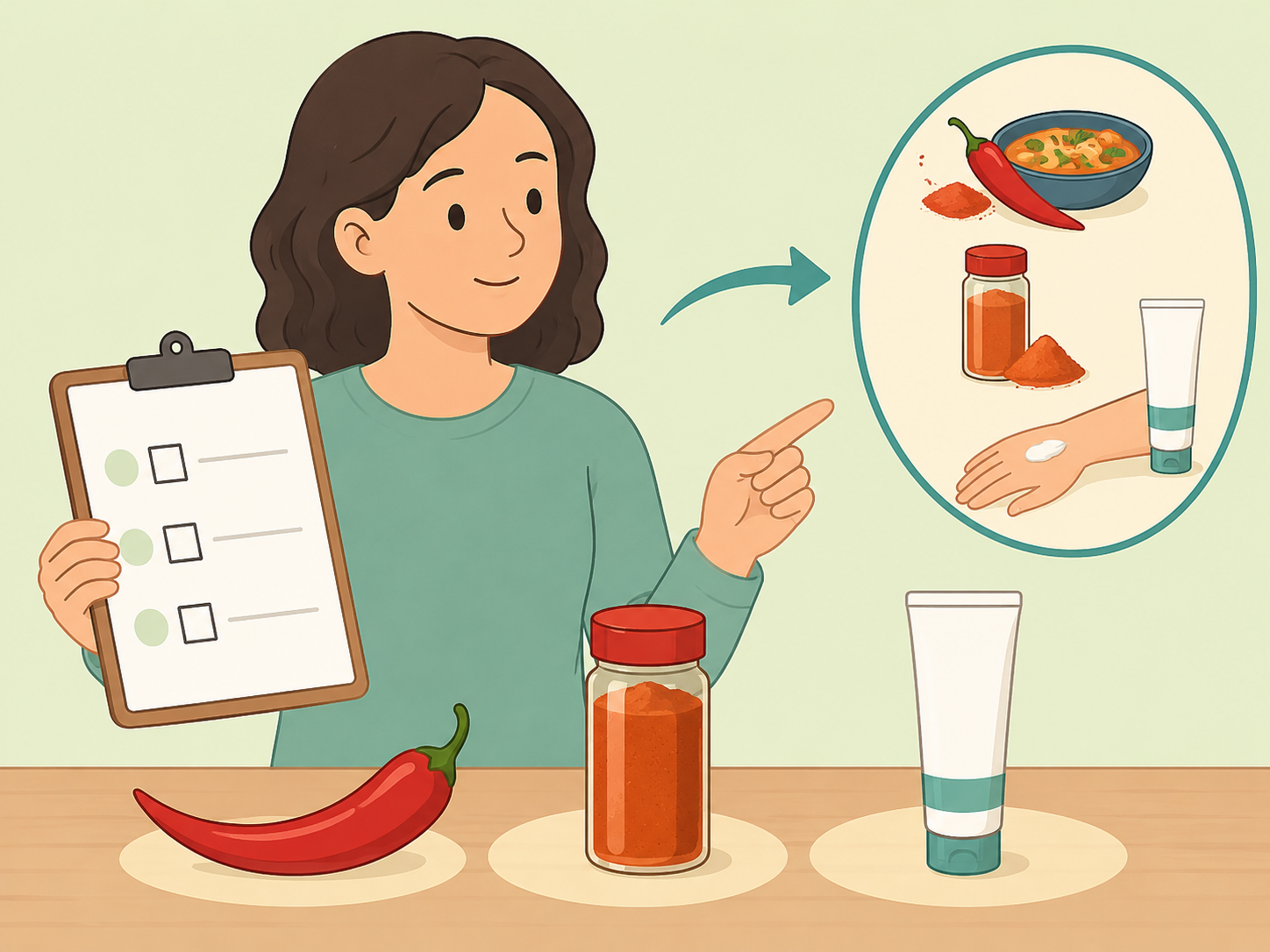
Start with realistic expectations
Think of cayenne as a spicy food ingredient with some evidence-backed uses, not as a cure or beauty treatment. Its heat comes from capsaicin, a plant compound found in chili peppers, and Cleveland Clinic notes that benefits depend on whether you eat it, take it as a supplement, or use it in a topical product.
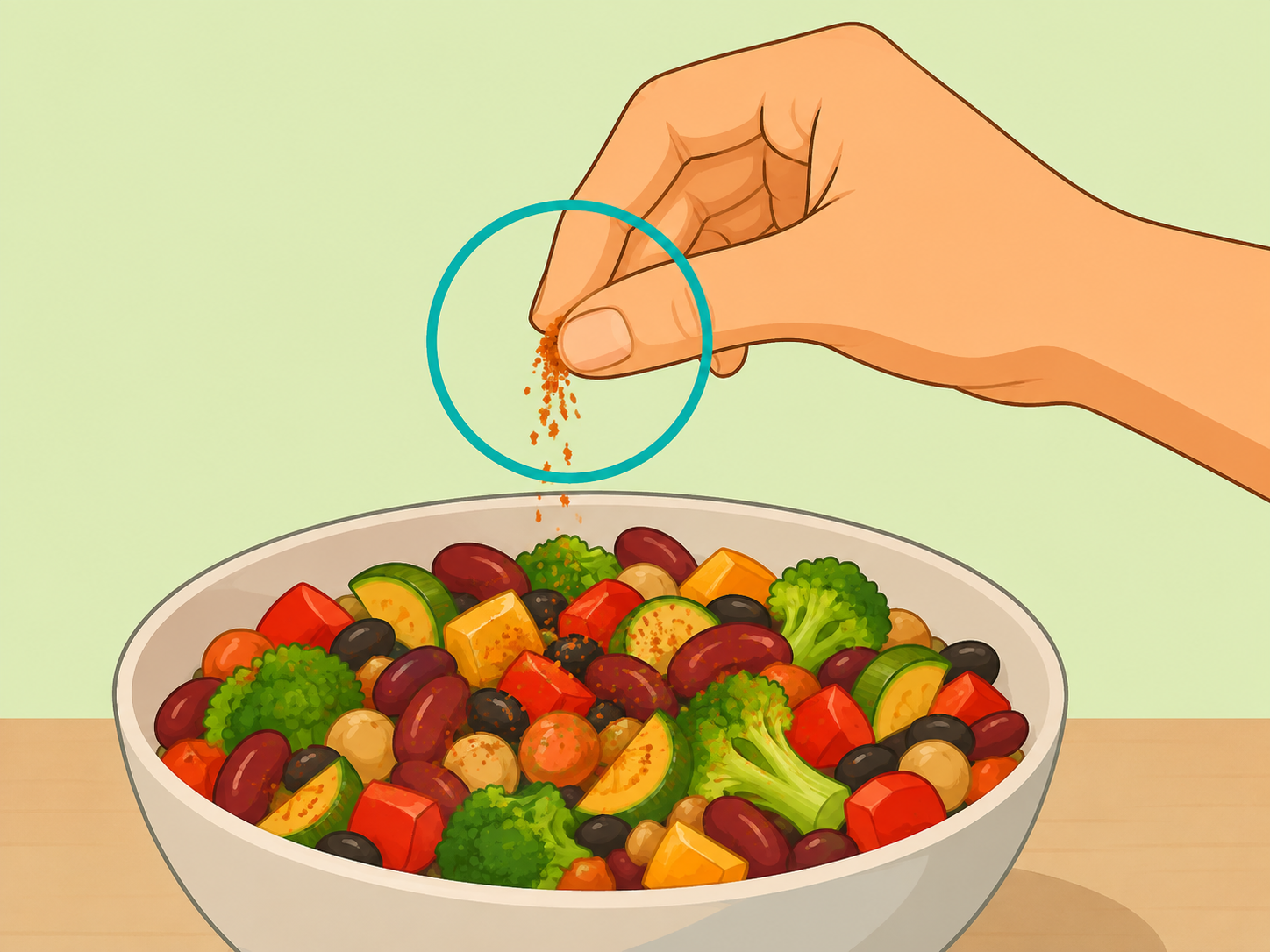
Add small amounts to meals
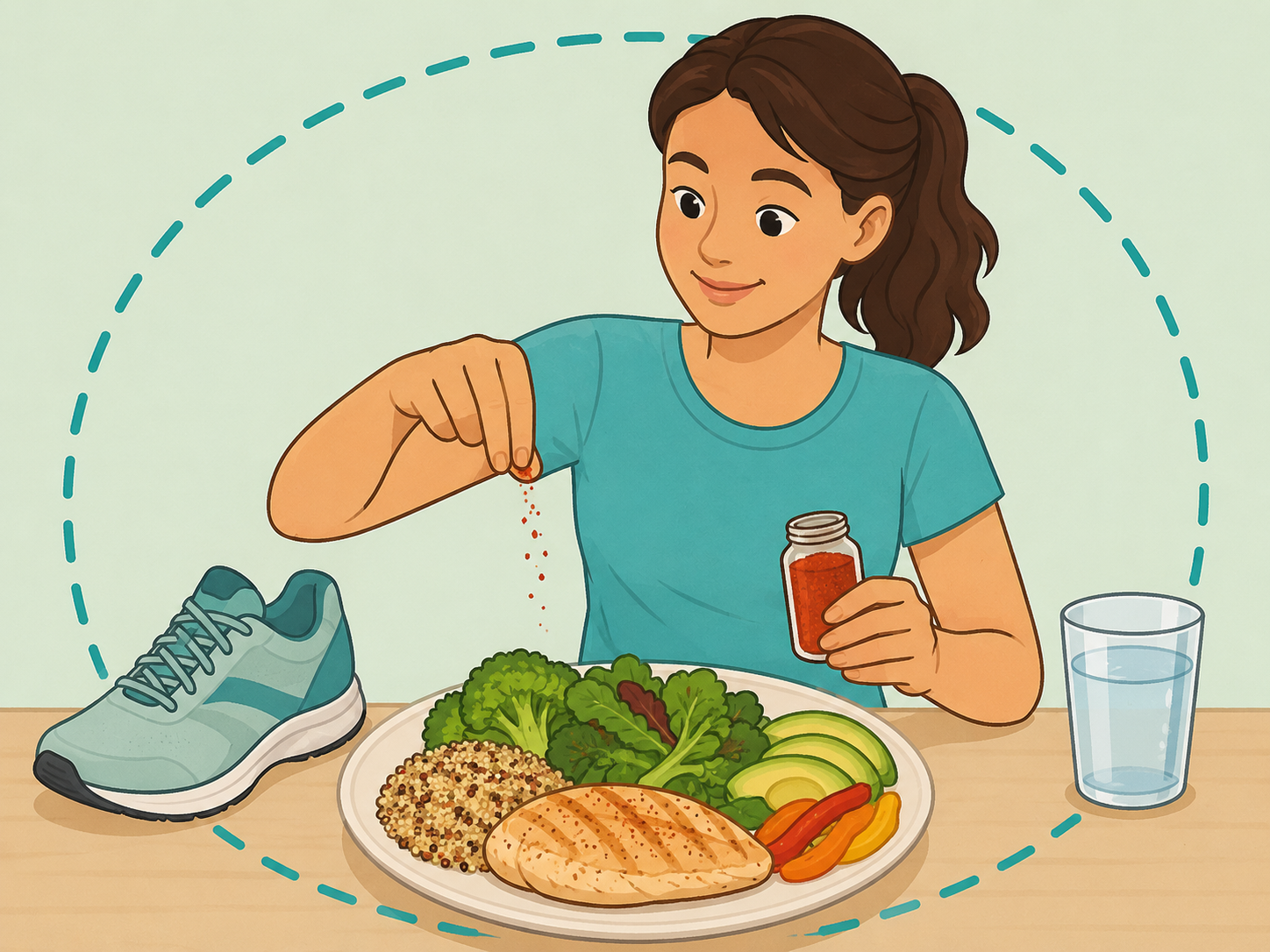
Sprinkle a small pinch into soups, eggs, beans, roasted vegetables, or marinades, then increase only if it feels comfortable. Cayenne can add flavor and plant compounds to your diet, and Cleveland Clinic describes cayenne peppers as sources of capsaicin and antioxidant compounds. Stop or cut back if it triggers heartburn, stomach pain, coughing, or flushing.
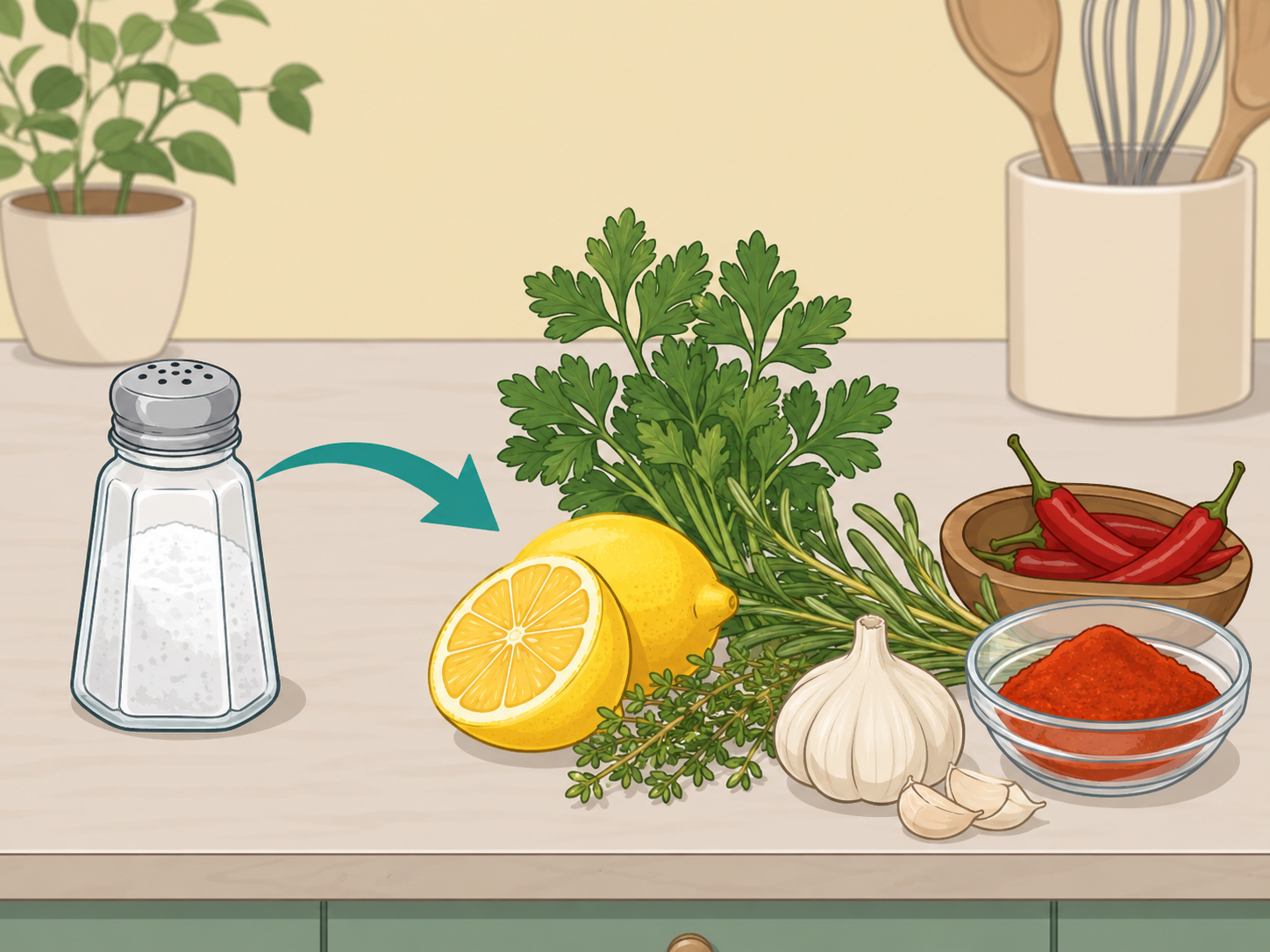
Use cayenne to season without extra salt
Try cayenne with garlic, citrus, vinegar, herbs, or paprika when you want stronger flavor without adding more salt. The American Heart Association recommends herbs and spices as one way to reduce sodium, which can help support healthy blood pressure. Cayenne is not a blood pressure treatment, but it can make lower-sodium food taste more satisfying.
Treat weight-loss claims as modest support
Do not expect cayenne to melt fat or change your body on its own. A systematic review and meta-analysis found modest changes in body weight, BMI, and waist circumference among overweight or obese adults using capsaicin, but the effects were small. Use cayenne only as one optional part of an overall healthy eating pattern.
Use topical capsaicin only for labeled pain uses
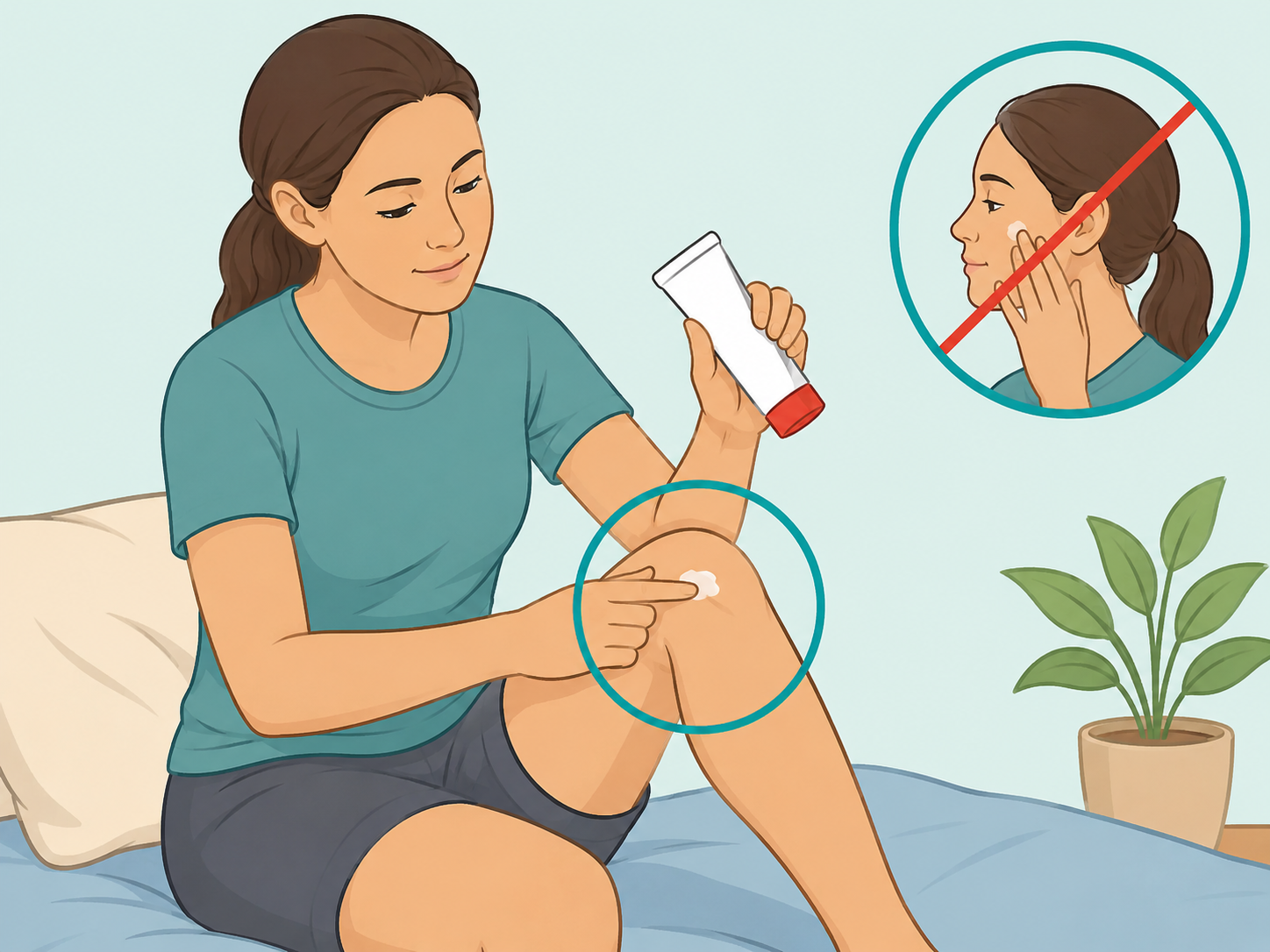
If you are interested in capsaicin for sore joints or muscles, choose an over-the-counter or prescribed topical product and follow the label exactly. MedlinePlus explains that topical capsaicin is used for minor muscle and joint pain and works on skin nerve cells linked to pain. Keep it away from eyes, nose, mouth, genitals, and broken or irritated skin.
Keep cayenne away from DIY facial treatments
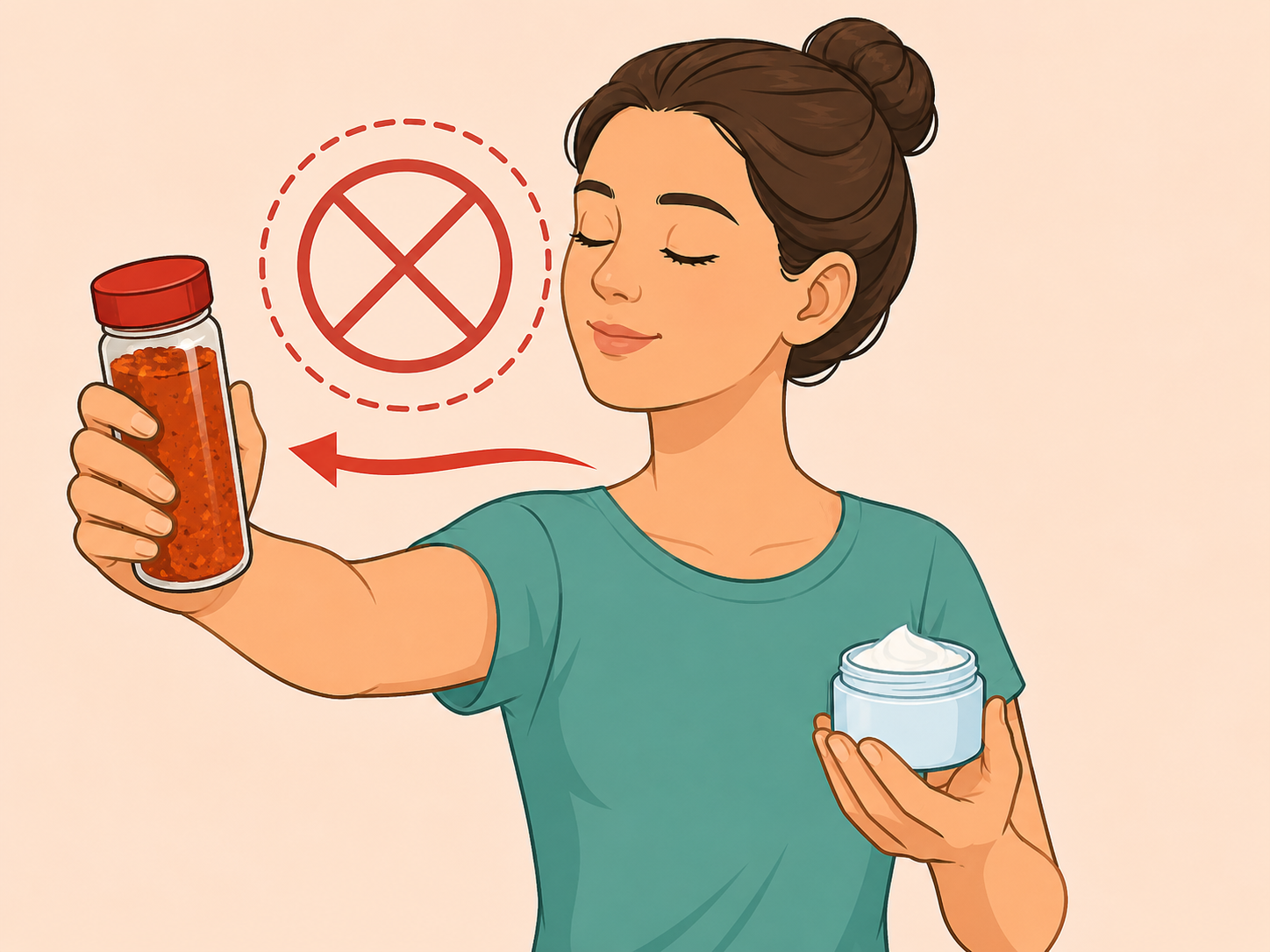
Skip cayenne face masks, scalp rubs, lip plumpers, and body scrubs. Mayo Clinic warns that capsaicin can cause burning, stinging, redness, and eye irritation, and medicated capsaicin should not be mixed with cosmetics on the same skin area. For any new skin care product, the American Academy of Dermatology recommends testing a small area first.
Check your personal risk factors first
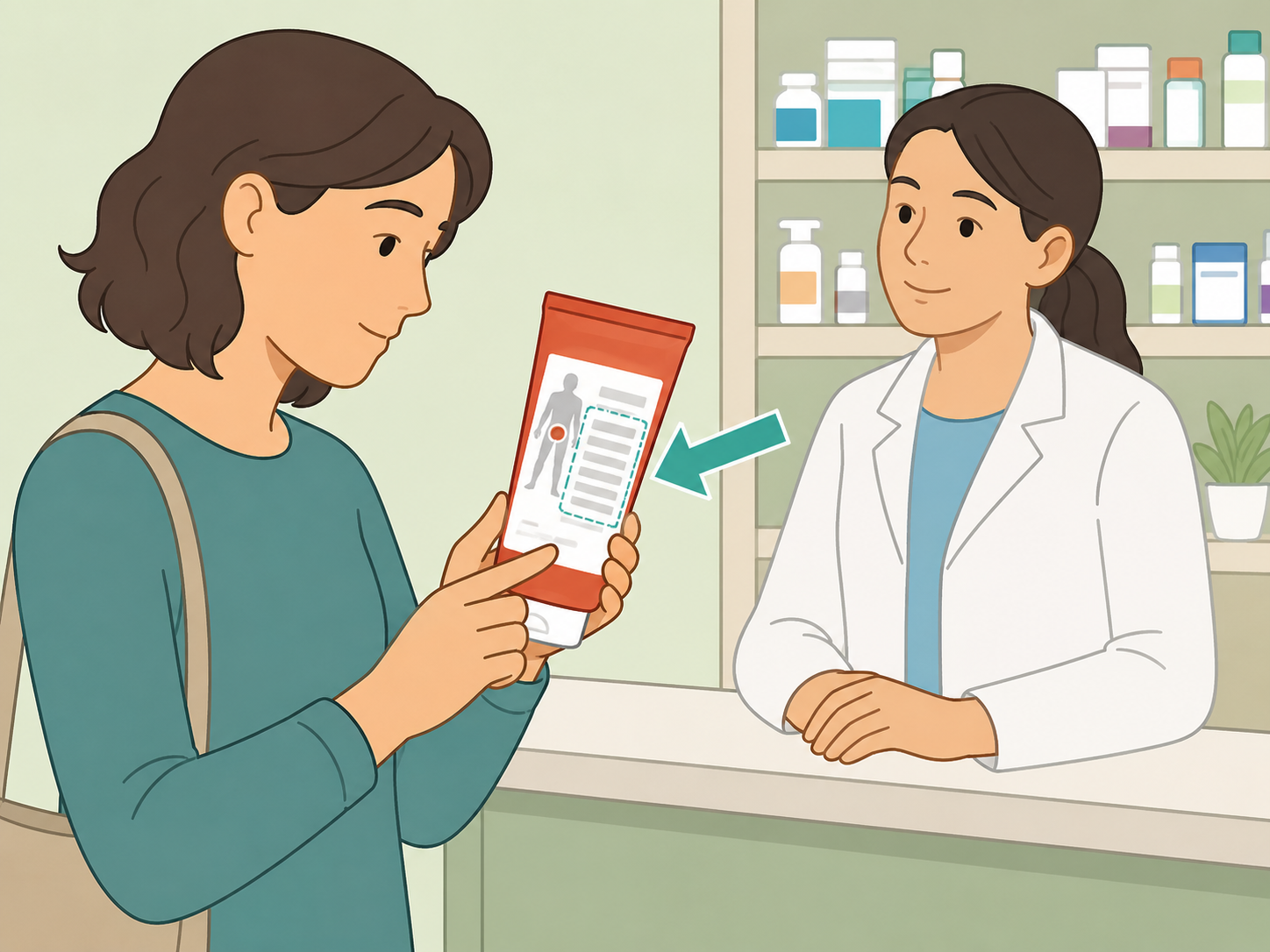
Read labels carefully if you use capsaicin creams, patches, or supplements, especially if you have sensitive skin, chili pepper allergy, high blood pressure, pregnancy, breastfeeding, or a chronic medical condition. MedlinePlus advises telling a doctor or pharmacist about allergies, medicines, supplements, pregnancy, or breastfeeding before using topical capsaicin. Ask a pharmacist if you are unsure whether a product is appropriate for you.
Seek medical help for reactions or ongoing symptoms
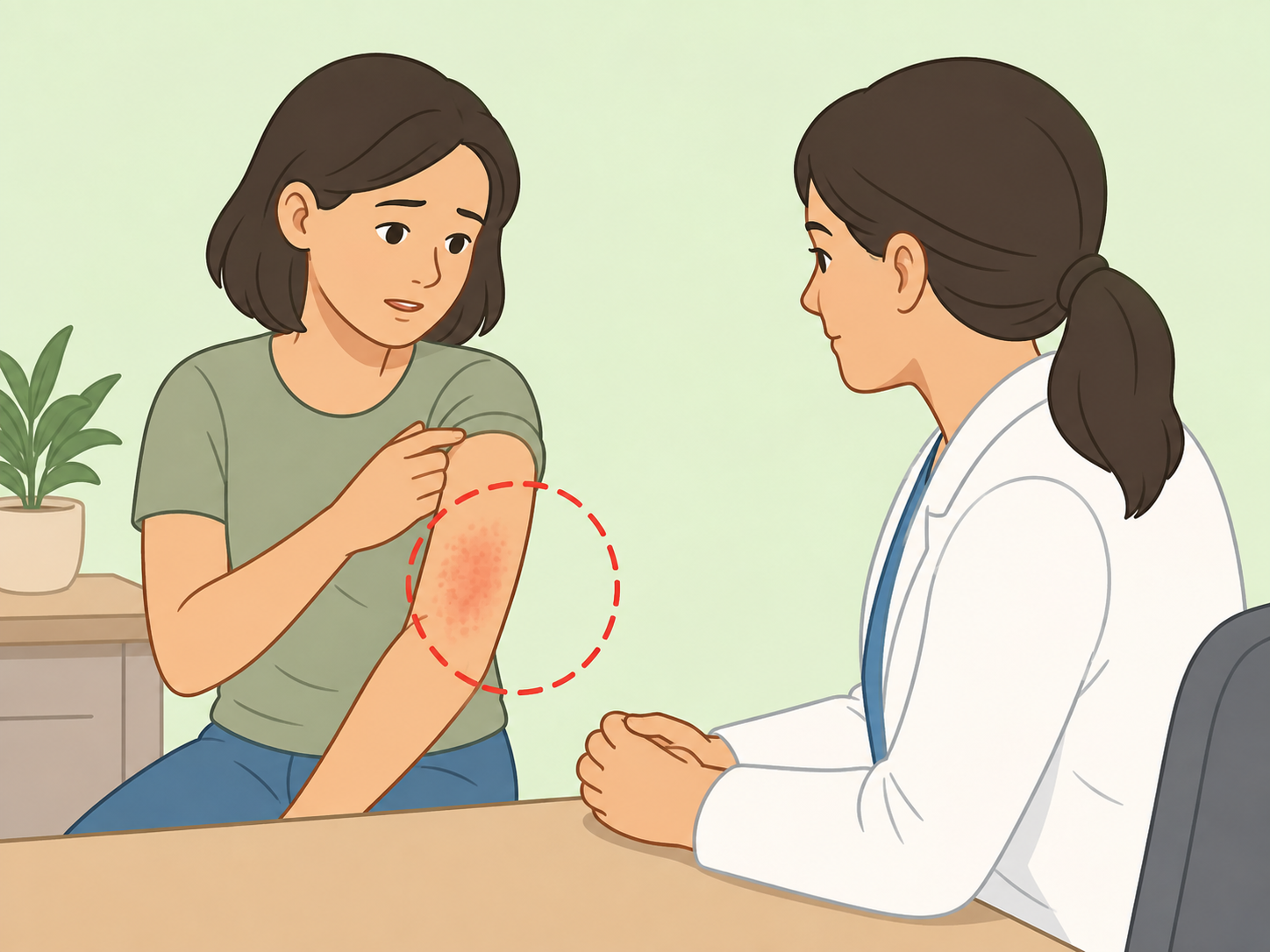
Stop using topical capsaicin and contact a doctor if pain worsens, improves and then returns, or lasts longer than the product label allows. Get prompt care for severe burning, swelling, blistering, eye pain, breathing problems, or signs of an allergic reaction. If spicy foods regularly cause chest pain, vomiting, severe reflux, or abdominal pain, ask a health professional before continuing them.
Summary
The bottom line: cayenne pepper can be a useful, flavorful part of a healthy routine, but it is not a cure, detox, or beauty shortcut. Use it in small food amounts, rely on labeled capsaicin products for topical pain use, and stop if it irritates your skin or stomach.
Frequently Asked Questions
- Is cayenne pepper scientifically proven to improve health?
- Some benefits are supported, especially its role as a flavorful spice and the medical use of topical capsaicin for certain pain conditions. Claims about major weight loss, glowing skin, detoxing, or disease prevention are less certain and should be treated cautiously.
- Can cayenne pepper help with weight loss?
- Capsaicin may have modest effects on body weight, BMI, and waist circumference in some studies, but the effect is small. It should not replace balanced eating, activity, sleep, or medical care.
- Is cayenne pepper good for skin or beauty?
- There is no good reason to apply kitchen cayenne to your face or body for beauty. Capsaicin can burn or irritate skin, so topical use should be limited to properly labeled products used as directed.
- Is topical capsaicin the same as rubbing cayenne pepper on skin?
- No. Topical capsaicin products are formulated medicines with directions and safety warnings. Kitchen cayenne powder is not designed for skin treatment and is more likely to spread into the eyes, nose, or broken skin.
- Who should be careful with cayenne pepper?
- Be cautious if spicy foods trigger reflux, stomach pain, coughing, or skin irritation. Talk to a health professional before using capsaicin products if you are pregnant, breastfeeding, have allergies to chili peppers, or have ongoing pain or skin problems.
- Can cayenne pepper replace medication?
- No. Cayenne pepper and capsaicin products should not replace prescribed medication or medical treatment. Ask a doctor or pharmacist before using them alongside treatment for a health condition.
References
Reliable references aided in composing and refining this content.
- https://health.clevelandclinic.org/cayenne-pepper-benefits
- https://health.clevelandclinic.org/capsaicin
- https://medlineplus.gov/druginfo/meds/a620055.html
- https://www.mayoclinic.org/drugs-supplements/capsaicin-topical-route/description/drg-20062561
- https://pubmed.ncbi.nlm.nih.gov/36938807
- https://www.aad.org/public/everyday-care/skin-care-secrets/prevent-skin-problems/test-skin-care-products
- https://www.heart.org/en/health-topics/high-blood-pressure/changes-you-can-make-to-manage-high-blood-pressure/shaking-the-salt-habit-to-lower-high-blood-pressure