
 Pin it
Online headlines sometimes make peanuts sound either dangerous for everyone or like a beauty secret. The truth is more practical: peanuts can be part of a healthy eating pattern for many people, but they are also a major allergen and can trigger serious reactions in people who are allergic. This guide explains how to eat peanuts safely, choose better peanut products, and think clearly about skin-related claims.
Rule out peanut allergy before eating them
Do not eat peanuts if you have been diagnosed with a peanut allergy or have reacted to peanuts before. Peanut allergy happens when the immune system reacts to peanut proteins, and symptoms can include hives, swelling, digestive symptoms, wheezing, or trouble breathing, according to Mayo Clinic. If you are unsure whether symptoms after eating peanuts were an allergy, ask a healthcare professional instead of testing yourself at home.
Keep portions modest
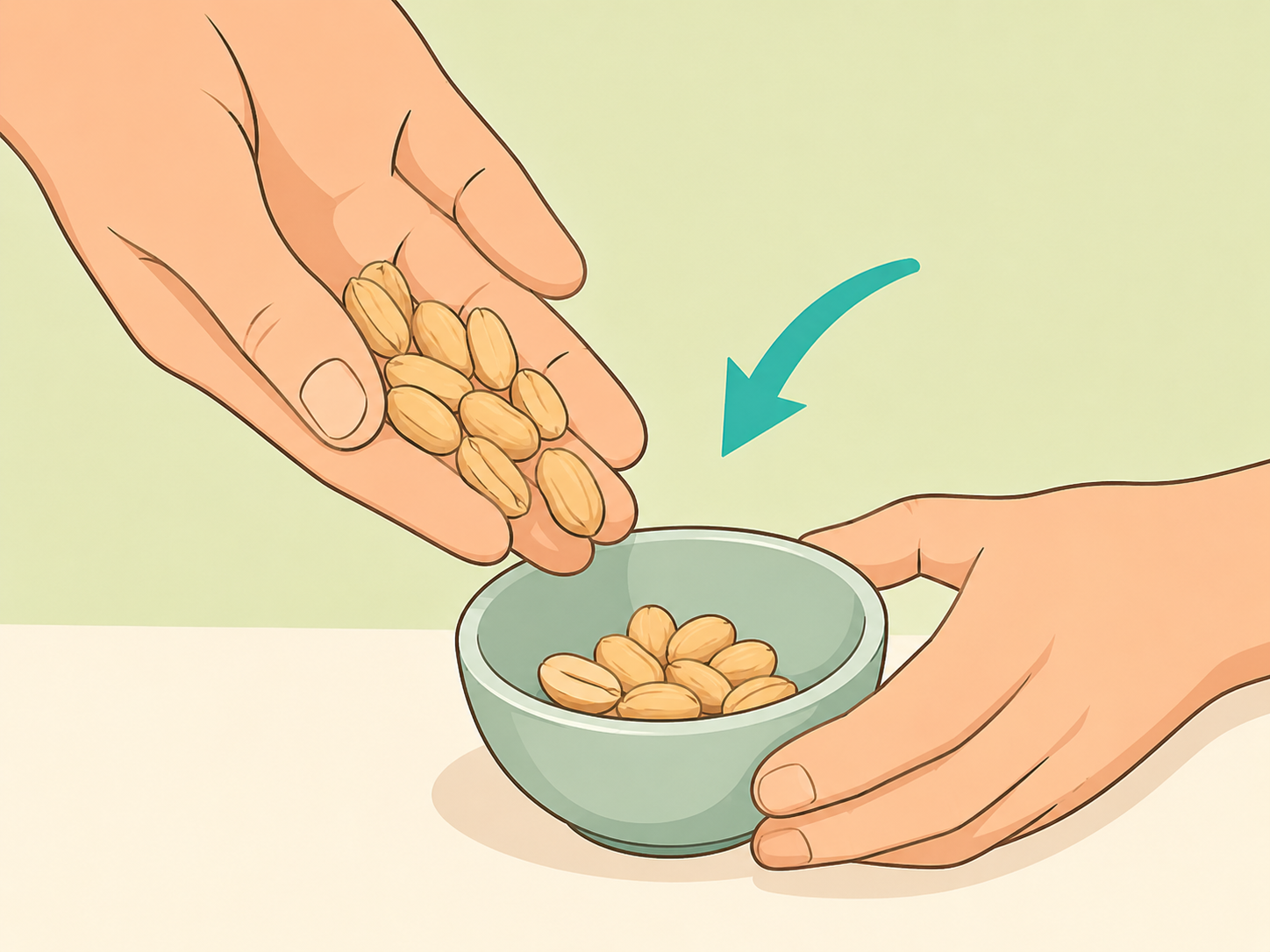
Use peanuts as a small snack or meal addition, not as an unlimited food. The American Heart Association lists a serving as a small handful, about 1 ounce of nuts, or 2 tablespoons of nut butter. This helps you get protein, fats, fiber, vitamins, and minerals without letting calories crowd out the rest of your meal.
Choose plain or lightly salted peanuts
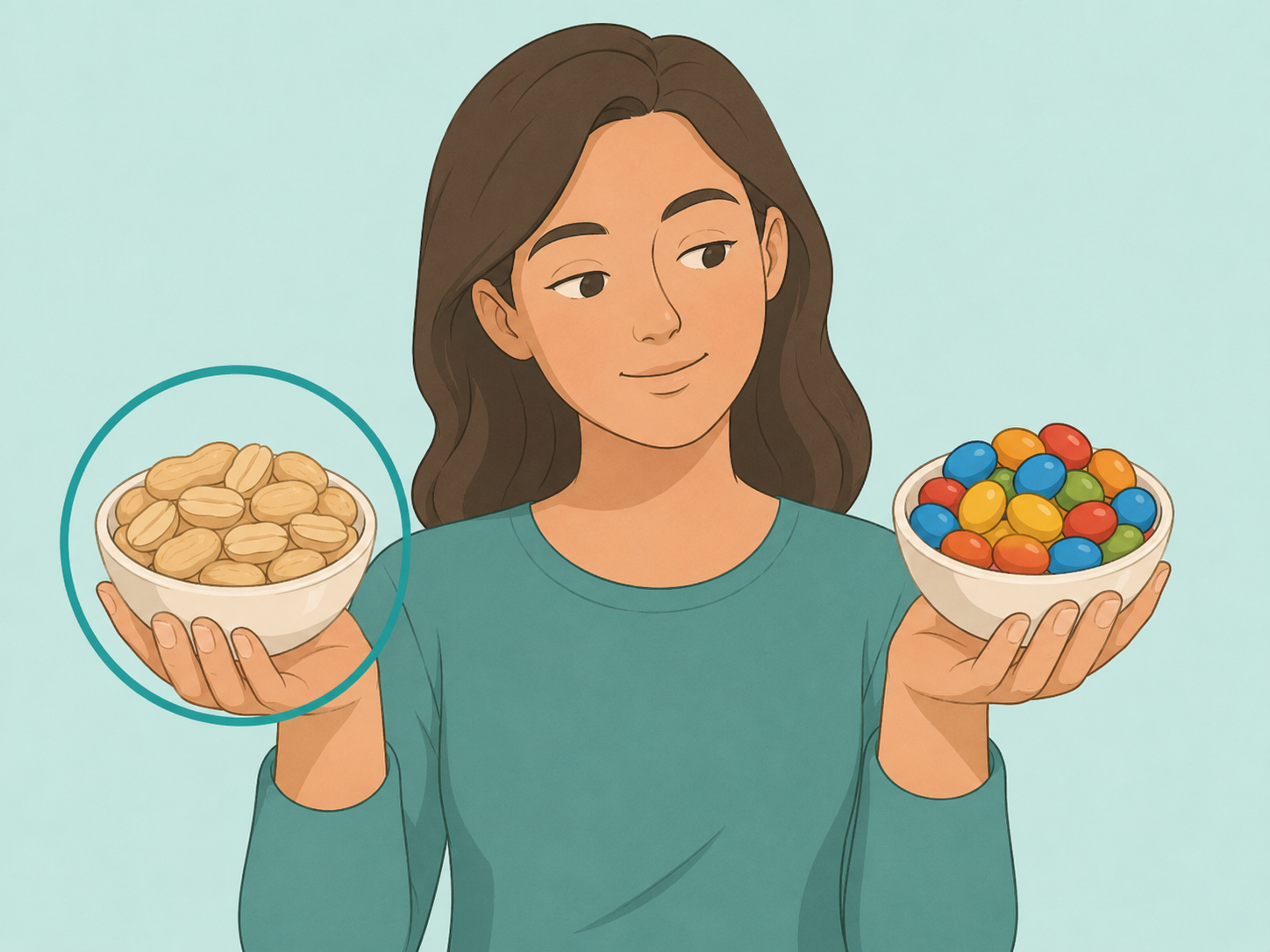
Pick dry-roasted, raw, or lightly salted peanuts more often than candy-coated peanuts or peanut snacks with lots of added sugar and salt. Cleveland Clinic notes that peanuts provide nutrients such as protein, fiber, magnesium, niacin, and vitamin E, but the healthiest choice depends on the whole product, not just the peanut itself. For peanut butter, compare labels and choose options with simple ingredients when you can.
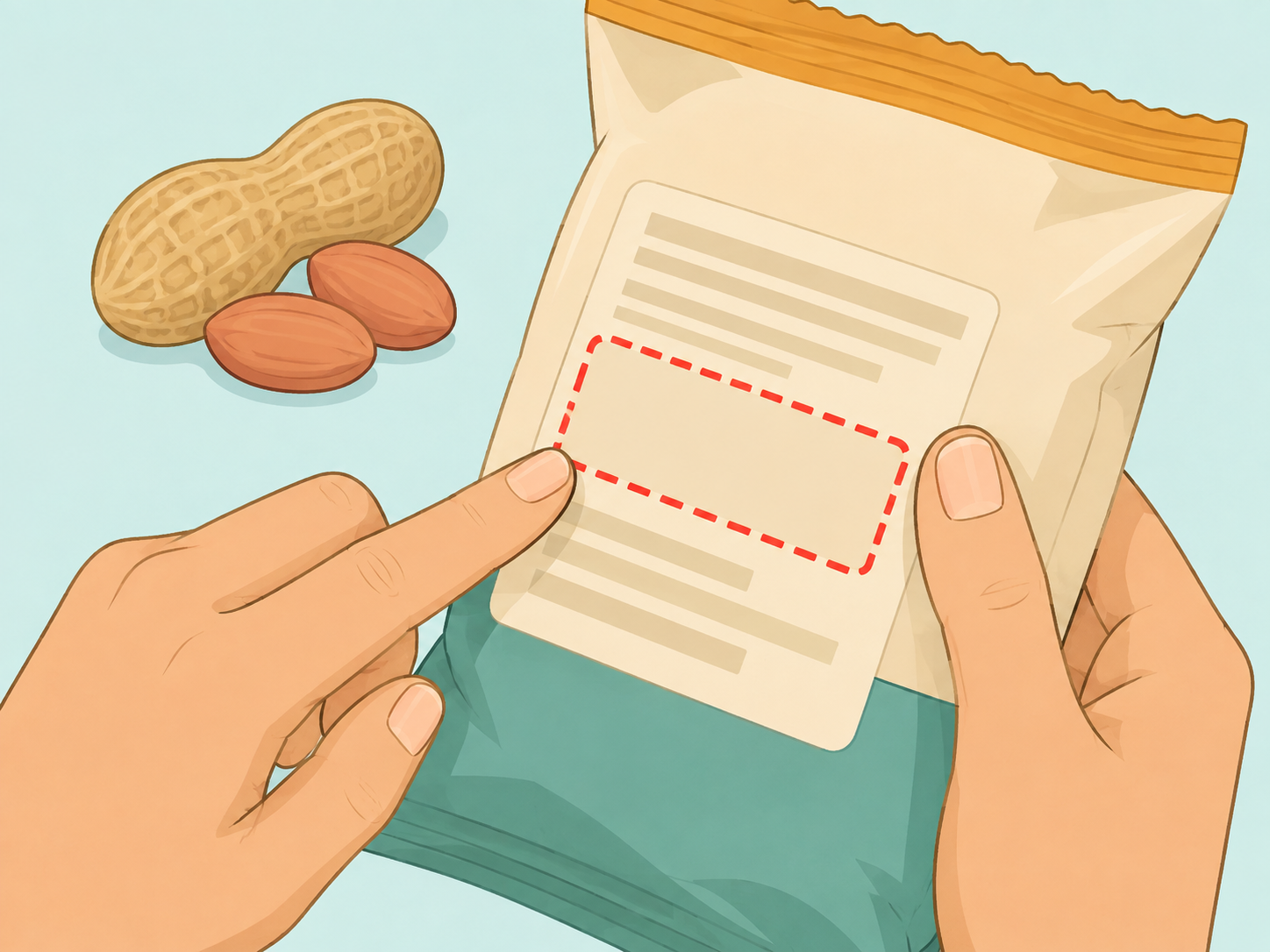
Read labels every time you buy packaged food
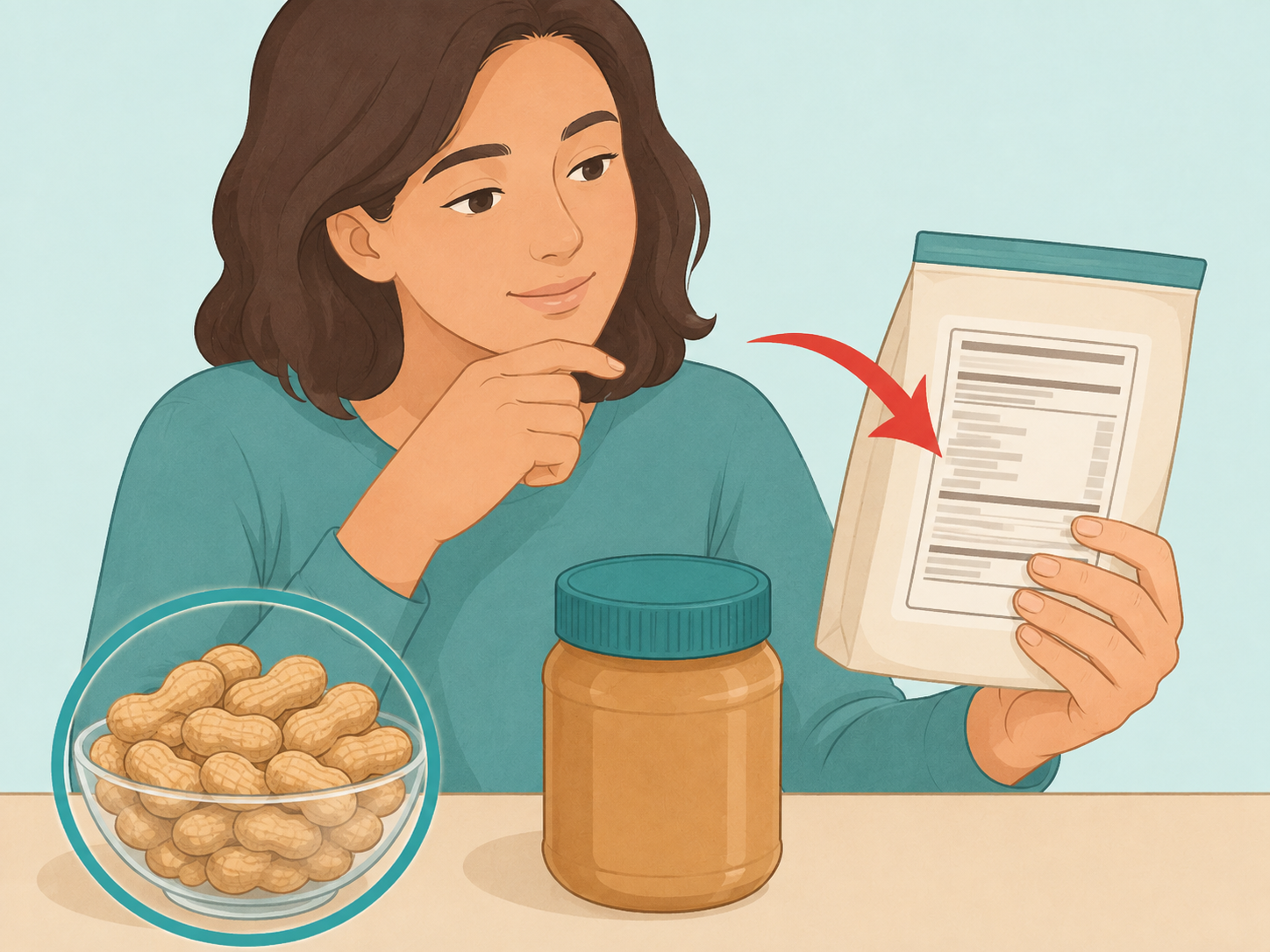
Peanuts are one of the major food allergens that must be declared on most packaged food labels in the United States, according to the FDA. If you or someone in your household has a peanut allergy, read both the ingredient list and any contains statement every time because ingredients can change. Treat voluntary warnings such as may contain peanuts seriously if your clinician has advised strict avoidance.
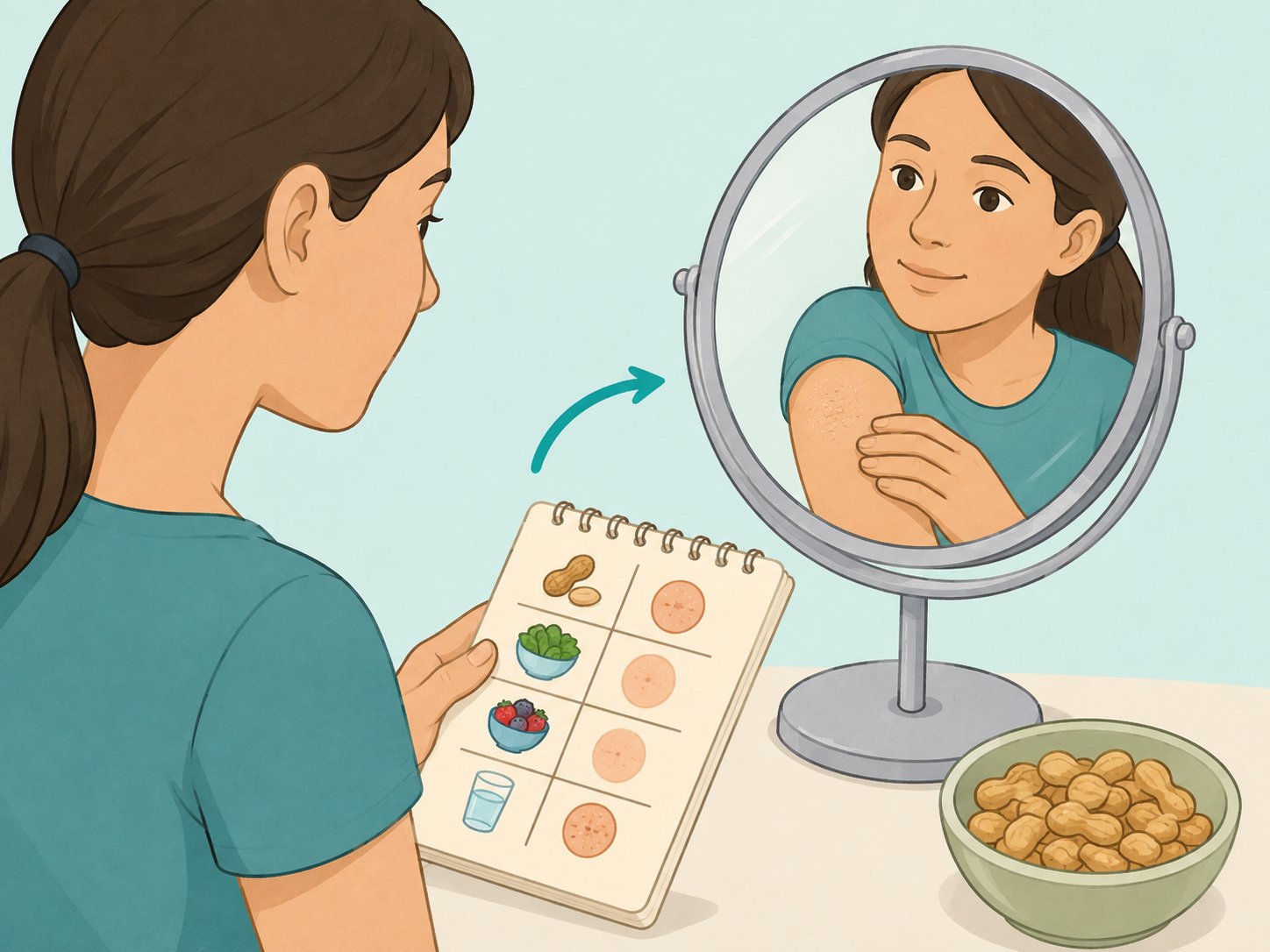
Separate skin facts from acne myths
Do not assume peanuts automatically cause acne or clearer skin. The American Academy of Dermatology says research on acne and diet is strongest around high-glycemic foods and cow's milk, and it recommends watching your own breakouts instead of blaming one food without evidence. If you notice a consistent pattern after eating peanuts, keep a simple food and skin log and discuss it with a dermatologist.
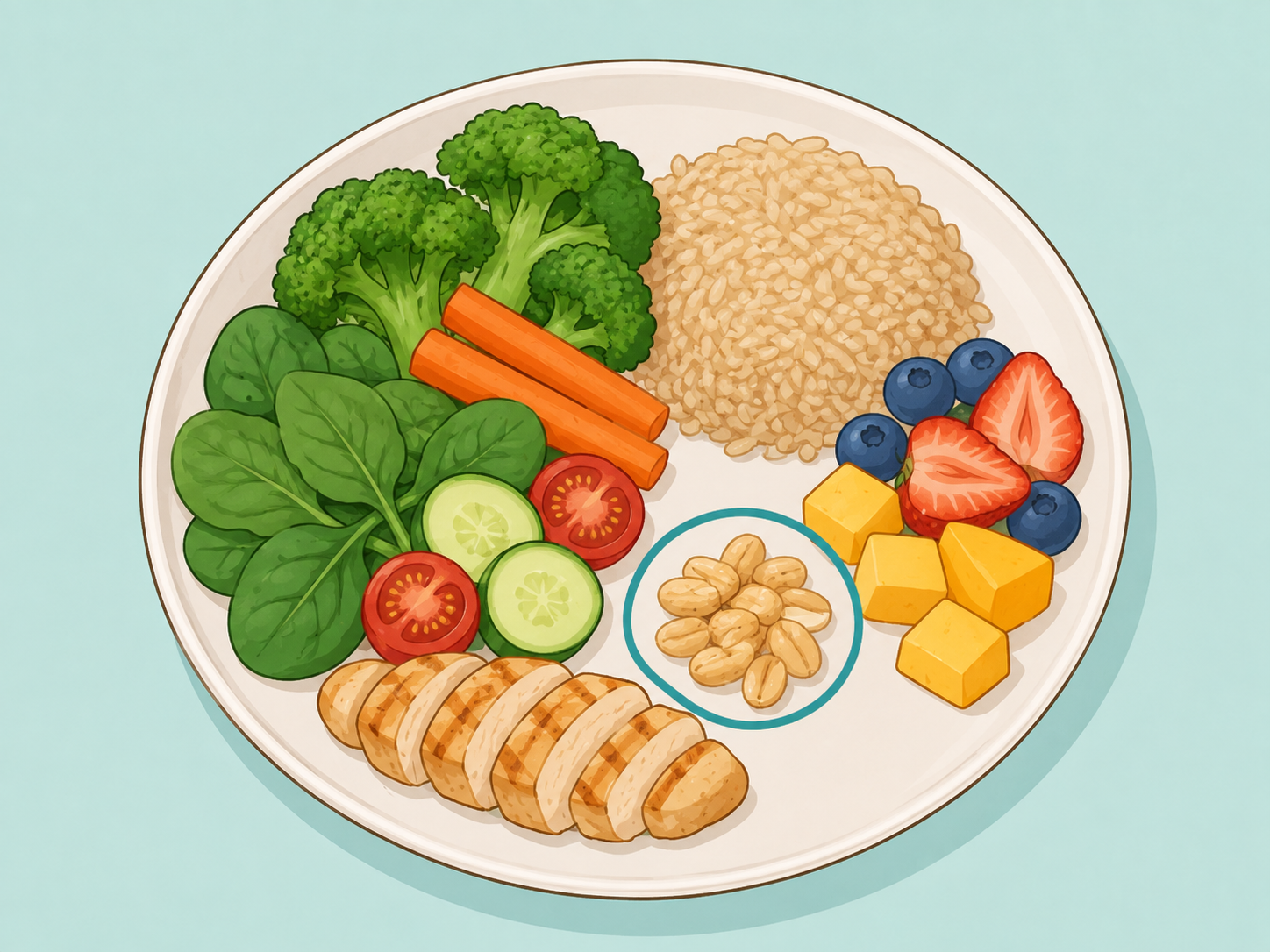
Use peanuts as part of a balanced eating pattern
Build meals around vegetables, fruits, whole grains, and healthy protein sources, then add peanuts where they fit. The American Heart Association includes nuts among healthy protein choices in an overall heart-conscious eating pattern. Peanuts can add crunch and staying power to oatmeal, salads, yogurt, or fruit, but they should not replace a varied diet.
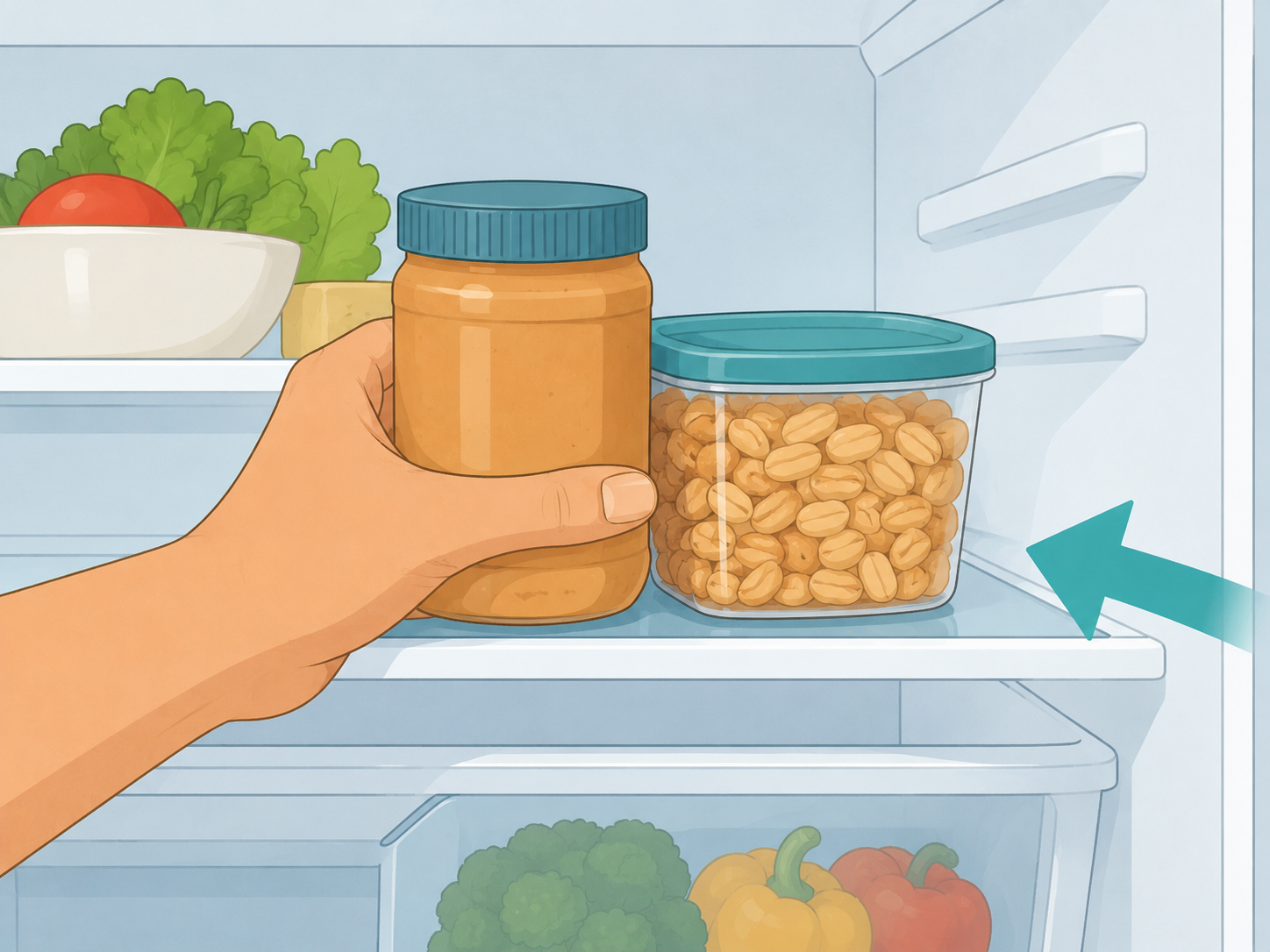
Store peanuts and peanut butter properly
Keep peanuts and opened peanut butter sealed, cool, and away from strong smells. The American Heart Association advises refrigerating nuts, nut oils, and opened nut butters because they can become rancid over time. If peanuts smell stale or taste bitter, throw them away.
Seek medical help for reactions or ongoing concerns
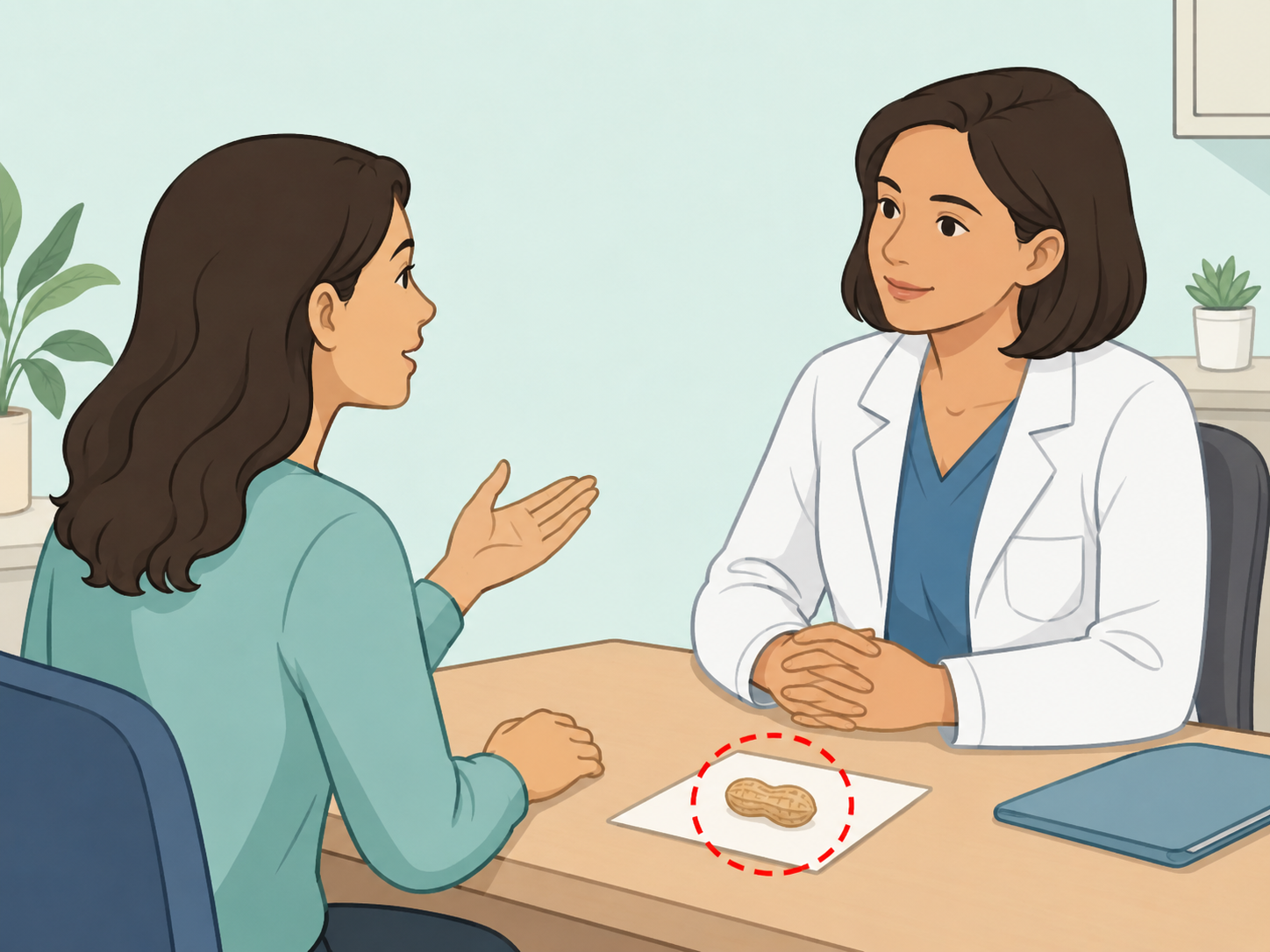
Talk to a doctor or allergist if you have had hives, swelling, vomiting, wheezing, or throat symptoms after eating peanuts. MedlinePlus says anyone who has had an allergic reaction to a food should be seen by an allergist, and severe whole-body symptoms need emergency care. See a dermatologist if acne is persistent, painful, scarring, or not improving with basic skin care.
Summary
The bottom line: peanuts can be a reasonable, nutrient-dense food for people who are not allergic, but they are not a beauty cure and they are unsafe for anyone with peanut allergy. Keep portions sensible, read labels, choose simpler peanut products, and get medical help for allergy symptoms or persistent skin concerns.
Frequently Asked Questions
- Do peanuts cause acne?
There is no good reason to assume peanuts automatically cause acne for everyone. The American Academy of Dermatology focuses its diet guidance on possible links with high-glycemic foods and cow's milk, and recommends tracking your own triggers.
- Are peanuts good for skin?
Peanuts contain nutrients such as protein, fiber, magnesium, niacin, and vitamin E, which can fit into a healthy diet. They should not be treated as a skin treatment or a substitute for sunscreen, acne care, or medical advice.
- How many peanuts should I eat in a day?
A practical serving is a small handful, about 1 ounce, or 2 tablespoons of peanut butter. Your best amount depends on your overall diet, calorie needs, allergies, and medical conditions.
- Is peanut butter as healthy as peanuts?
Peanut butter can be a healthy choice when it is made mostly from peanuts. Compare labels and limit products with lots of added sugar, salt, or tropical oils if you are trying to make a simpler choice.
- What are signs of a peanut allergy?
Possible signs include hives, itching or tingling around the mouth, swelling, stomach cramps, vomiting, wheezing, shortness of breath, or throat tightness. Severe symptoms after eating peanuts need emergency care.
- Can I test a peanut allergy at home?
No. If you think peanuts caused a reaction, avoid peanuts and talk to a healthcare professional or allergist. Food allergy testing or food challenges should be done under medical supervision.
References
Reliable references aided in composing and refining this content.
- https://www.mayoclinic.org/diseases-conditions/peanut-allergy/symptoms-causes/syc-20376175?p=1
- https://my.clevelandclinic.org/health/articles/are-peanuts-good-for-you
- https://www.aad.org/public/diseases/acne/causes/diet
- https://www.fda.gov/consumers/consumer-updates/have-food-allergies-read-label
- https://www.heart.org/en/healthy-living/healthy-eating/eat-smart/fats/go-nuts-but-just-a-little
- https://www.heart.org/en/healthy-living/healthy-eating/eat-smart/nutrition-basics/aha-diet-and-lifestyle-recommendations
- https://medlineplus.gov/ency/article/000817.htm