
 Pin it
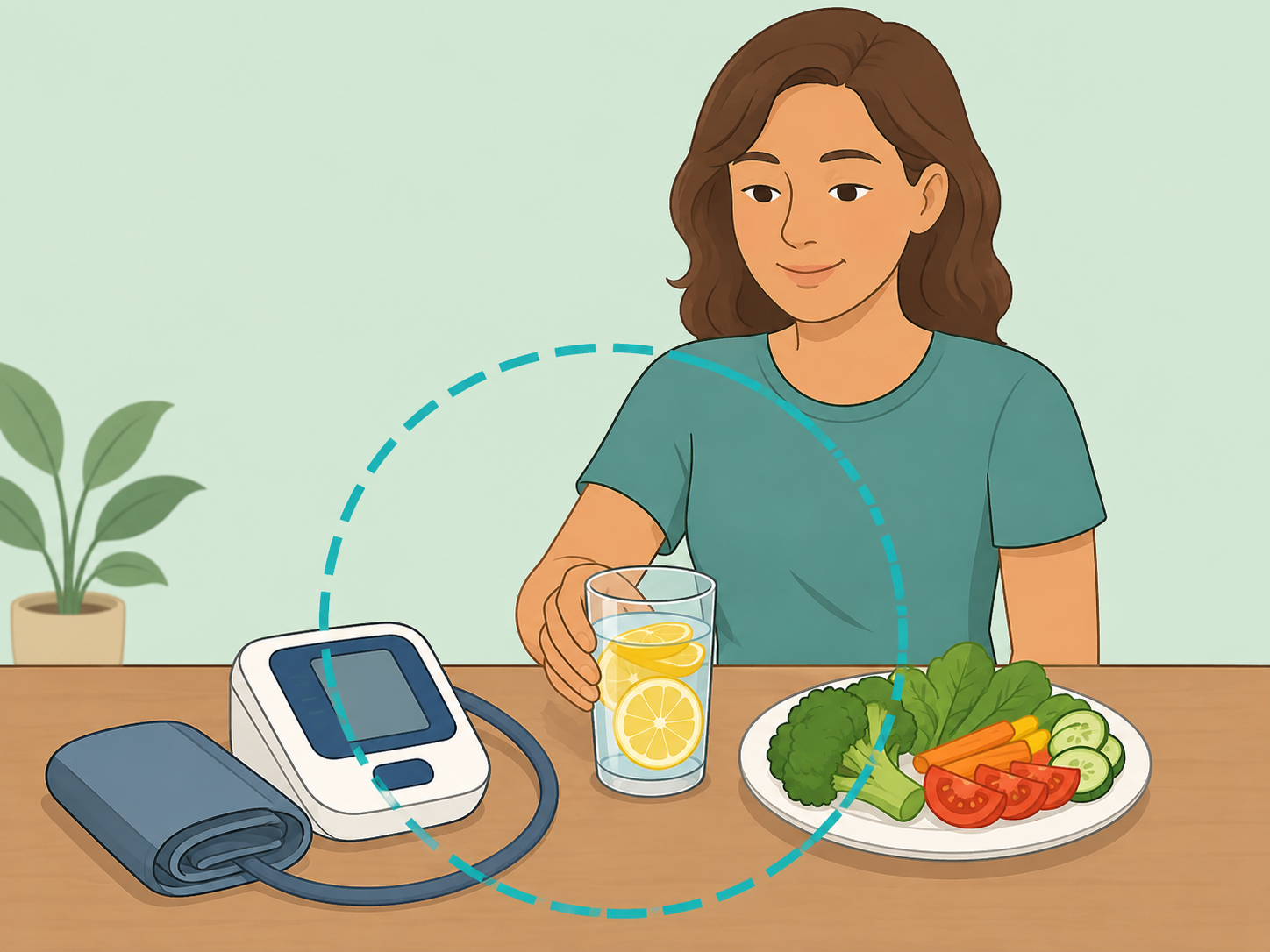
Stories about drinking lemon water every day for years can sound dramatic, but lemon water is best viewed as a simple hydration habit, not a cure-all for hypertension. This guide shows how to use it safely while relying on blood pressure habits supported by trusted medical sources. If you have high readings, use lemon water as one small part of a plan you make with a health professional.
Treat lemon water as hydration, not treatment
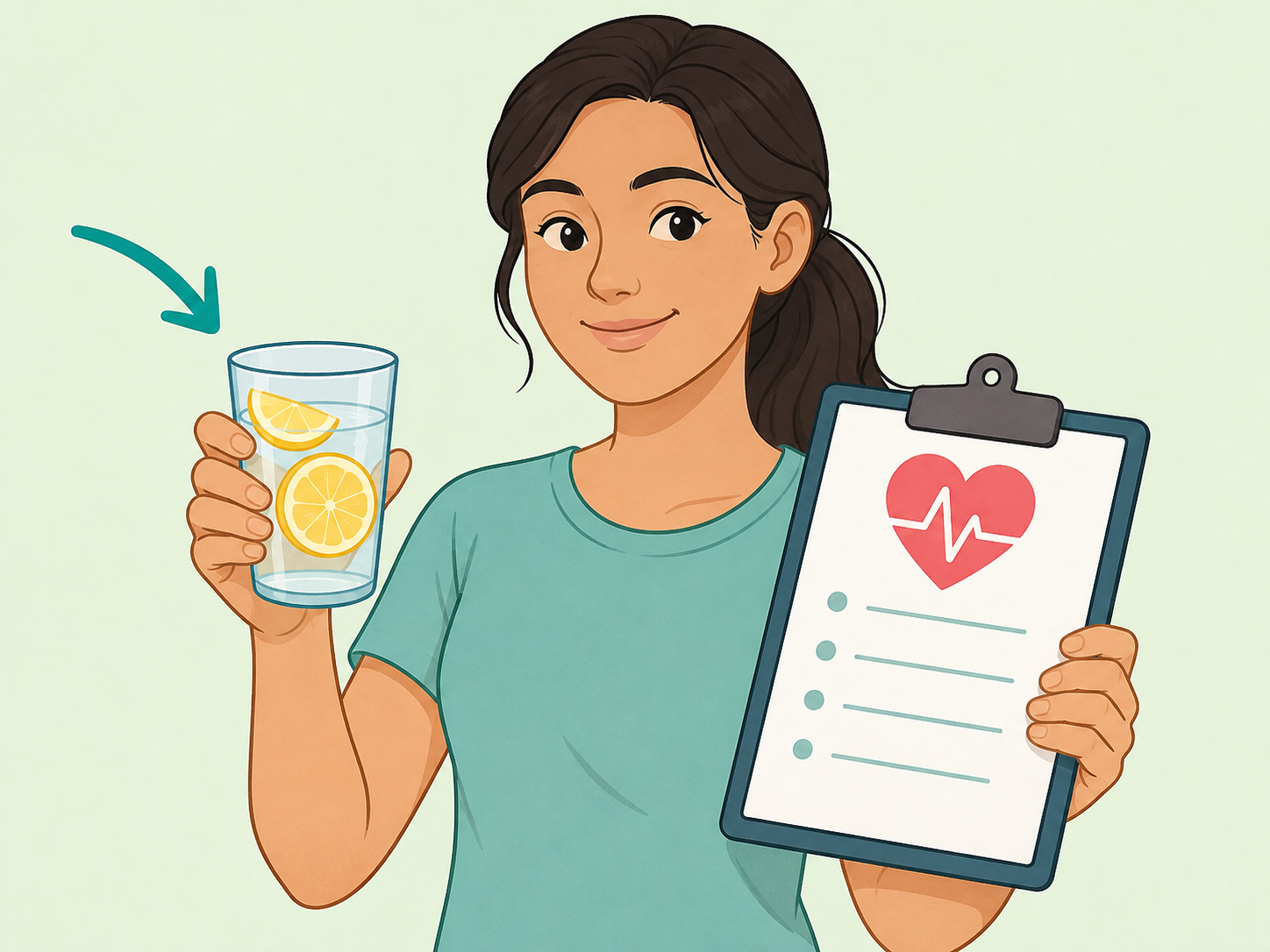
Lemon water can make plain water more appealing and adds some vitamin C, but it should not be treated as a blood pressure cure. Cleveland Clinic describes lemon water as a healthy routine for some people while also warning that it is not a cure-all, so keep your expectations realistic.
Measure your blood pressure before changing routines
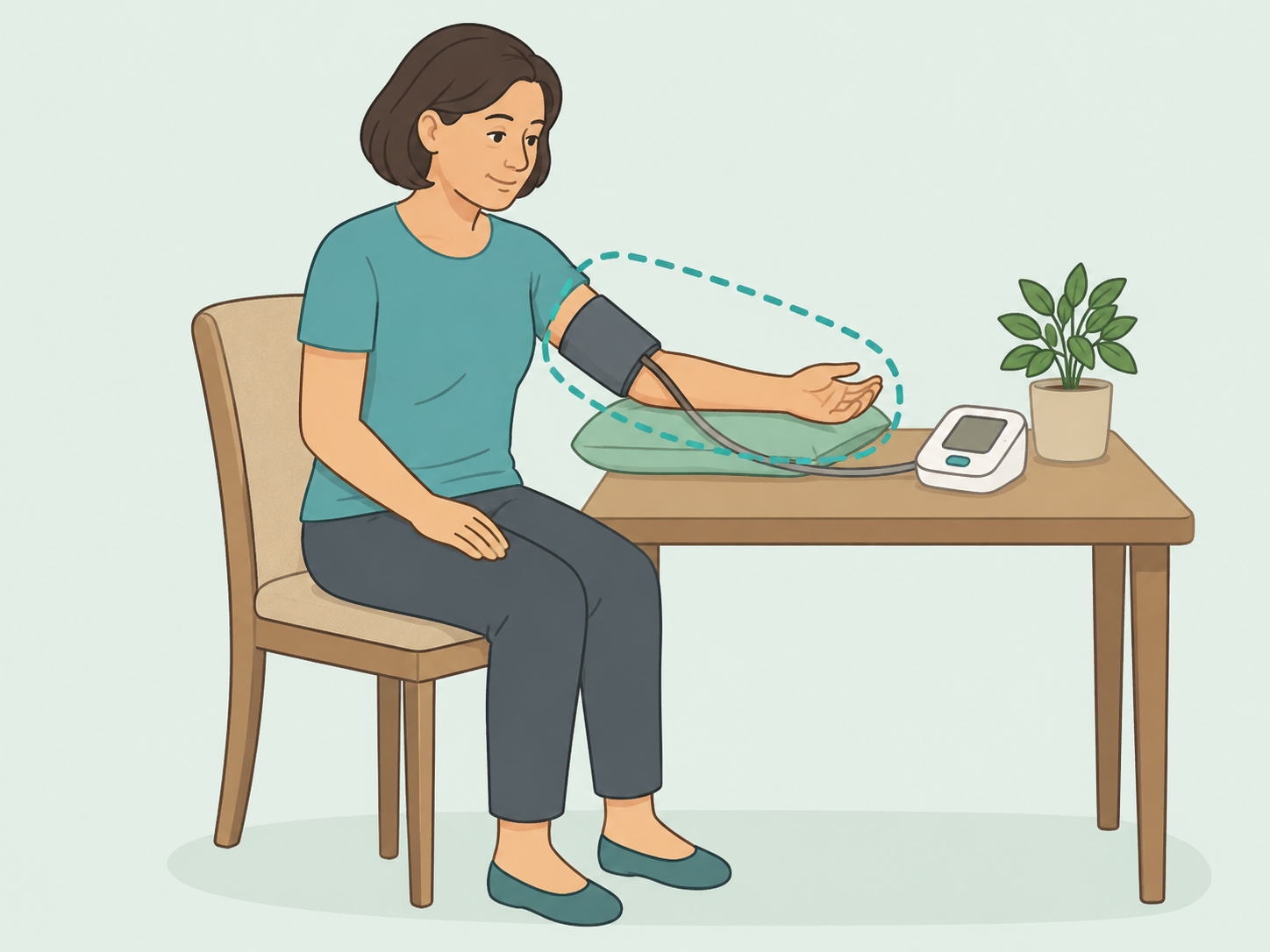
High blood pressure often has no warning signs, so use a validated home monitor or get checked by a health professional instead of relying on symptoms. The CDC recommends taking readings at the same time each day and taking at least two readings one or two minutes apart when you monitor at home.
Make a plain, unsweetened glass
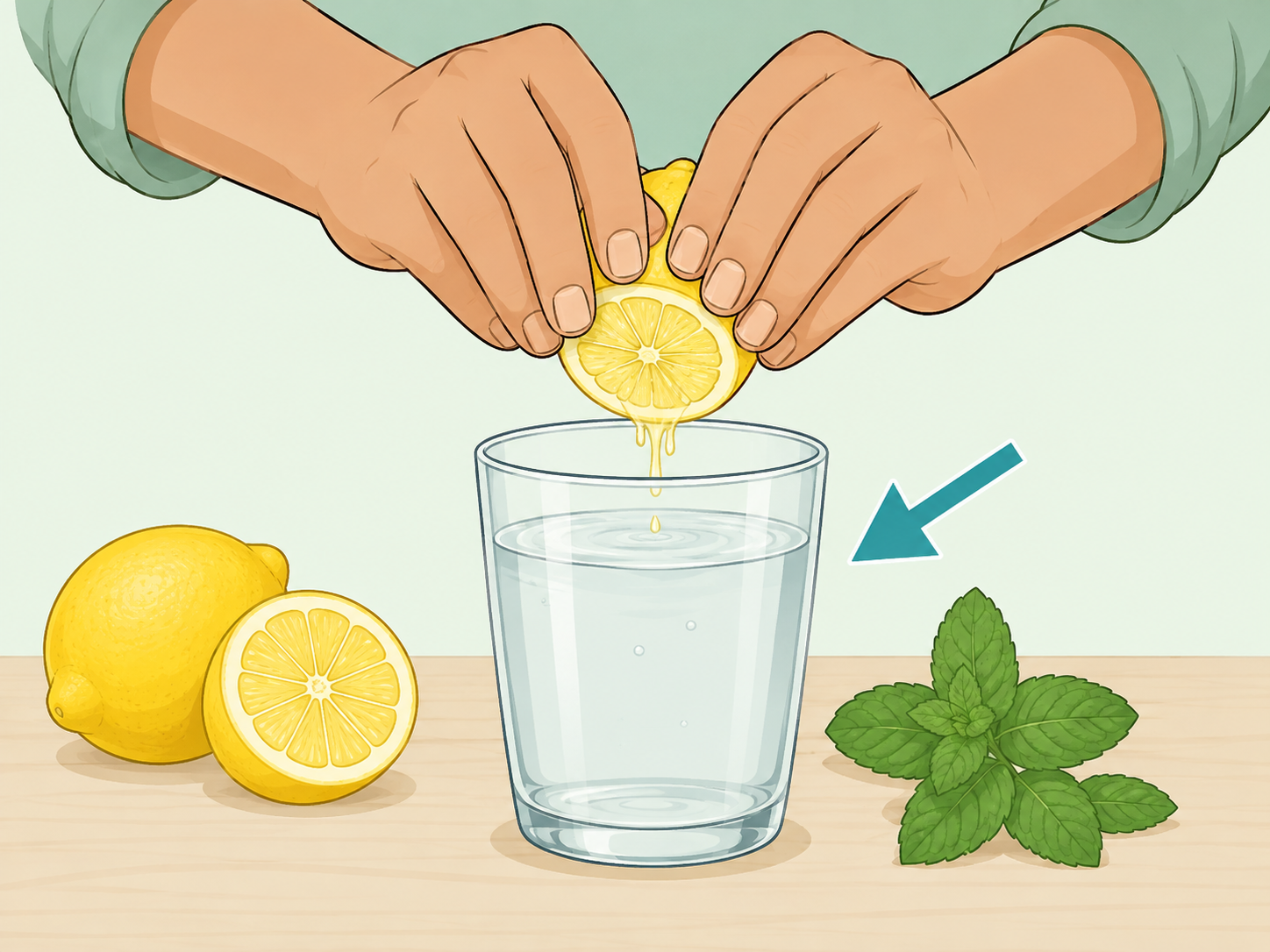
Squeeze fresh lemon into water and keep it simple. Cleveland Clinic suggests half a lemon in water as a basic option and recommends avoiding added sugar or sweeteners when making lemon water.
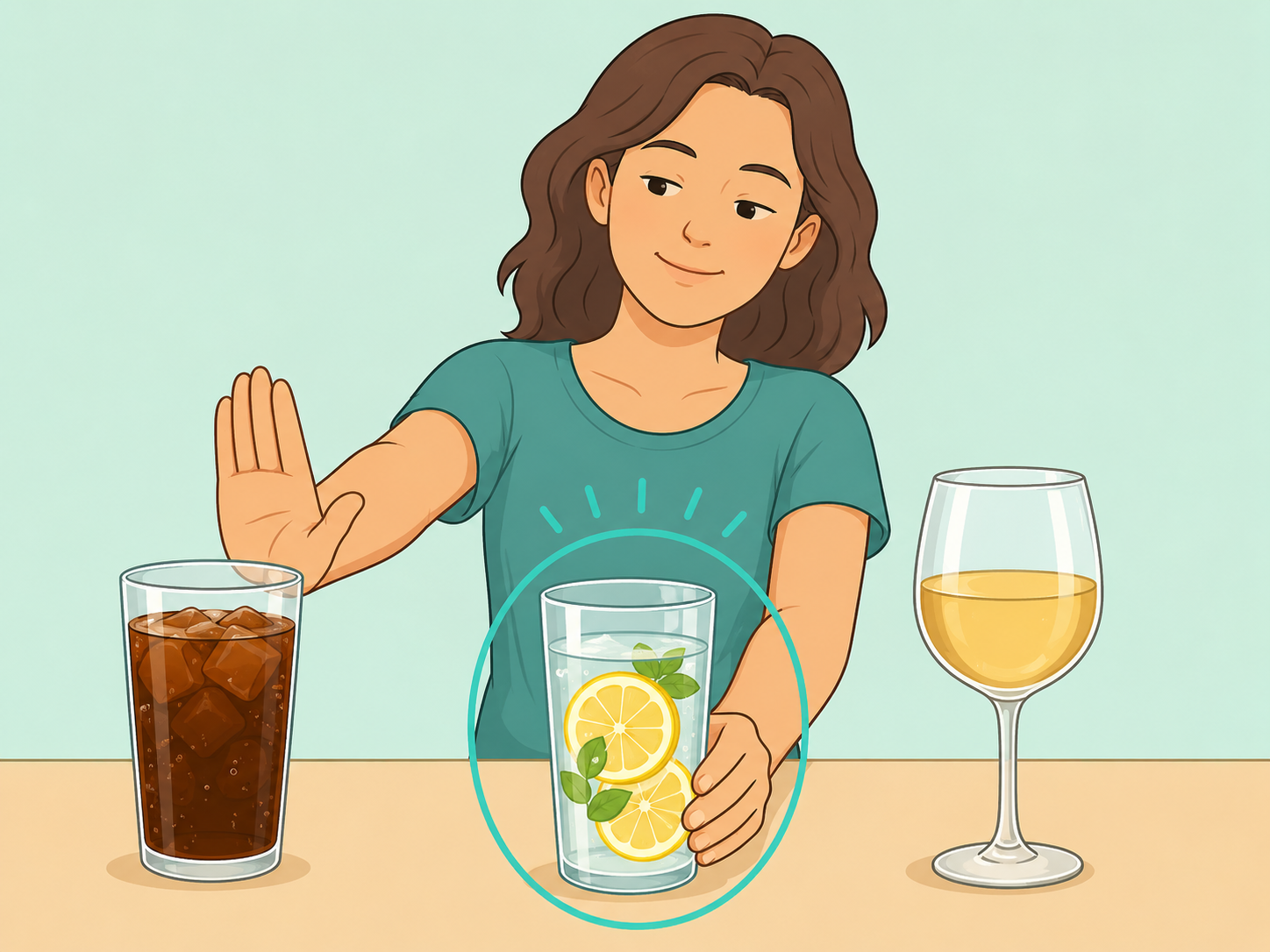
Use it to replace drinks that work against your goals
Lemon water is most useful when it replaces sugary drinks, salty packaged beverages, or extra alcohol rather than being added on top of them. The American Heart Association recommends a heart-healthy pattern that limits added sugar, alcohol, sodium, and saturated fat while emphasizing fruits, vegetables, whole grains, nuts, legumes, fish, and low-fat dairy.
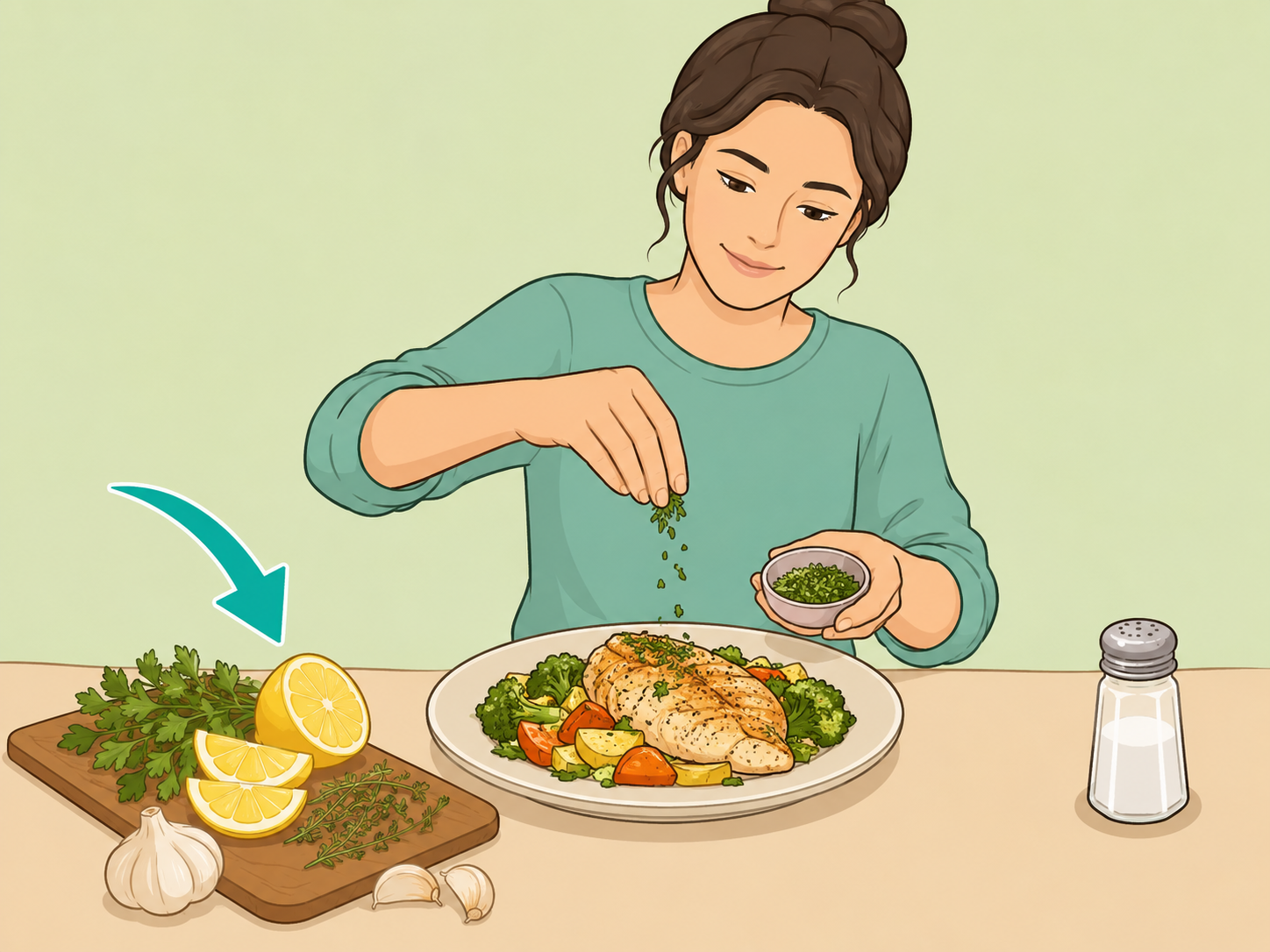
Lower sodium in the rest of your day
A glass of lemon water will not cancel out a very salty diet. Mayo Clinic explains that a diet high in sodium raises the risk of high blood pressure, so check labels, choose lower-sodium foods, and flavor meals with herbs, spices, vinegar, garlic, or citrus instead of reaching for more salt.
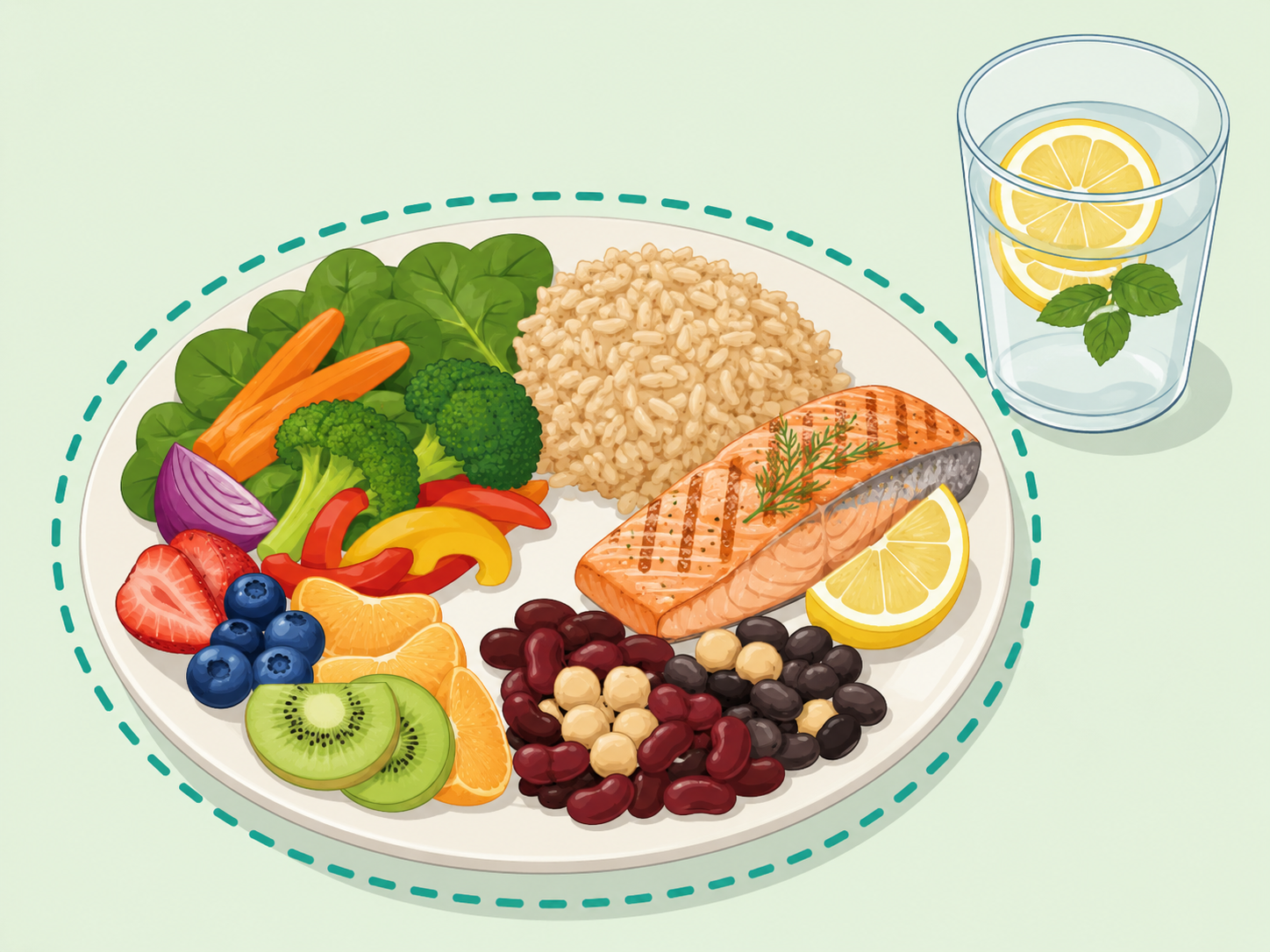
Build meals around DASH-style foods
Make lemon water a side habit, not the center of your blood pressure plan. MedlinePlus says prevention and treatment habits include eating plenty of fruits, vegetables, and whole grains, limiting sodium, getting regular physical activity, managing stress, limiting alcohol, avoiding tobacco, and getting enough sleep; it also notes that the DASH eating plan can help lower blood pressure.
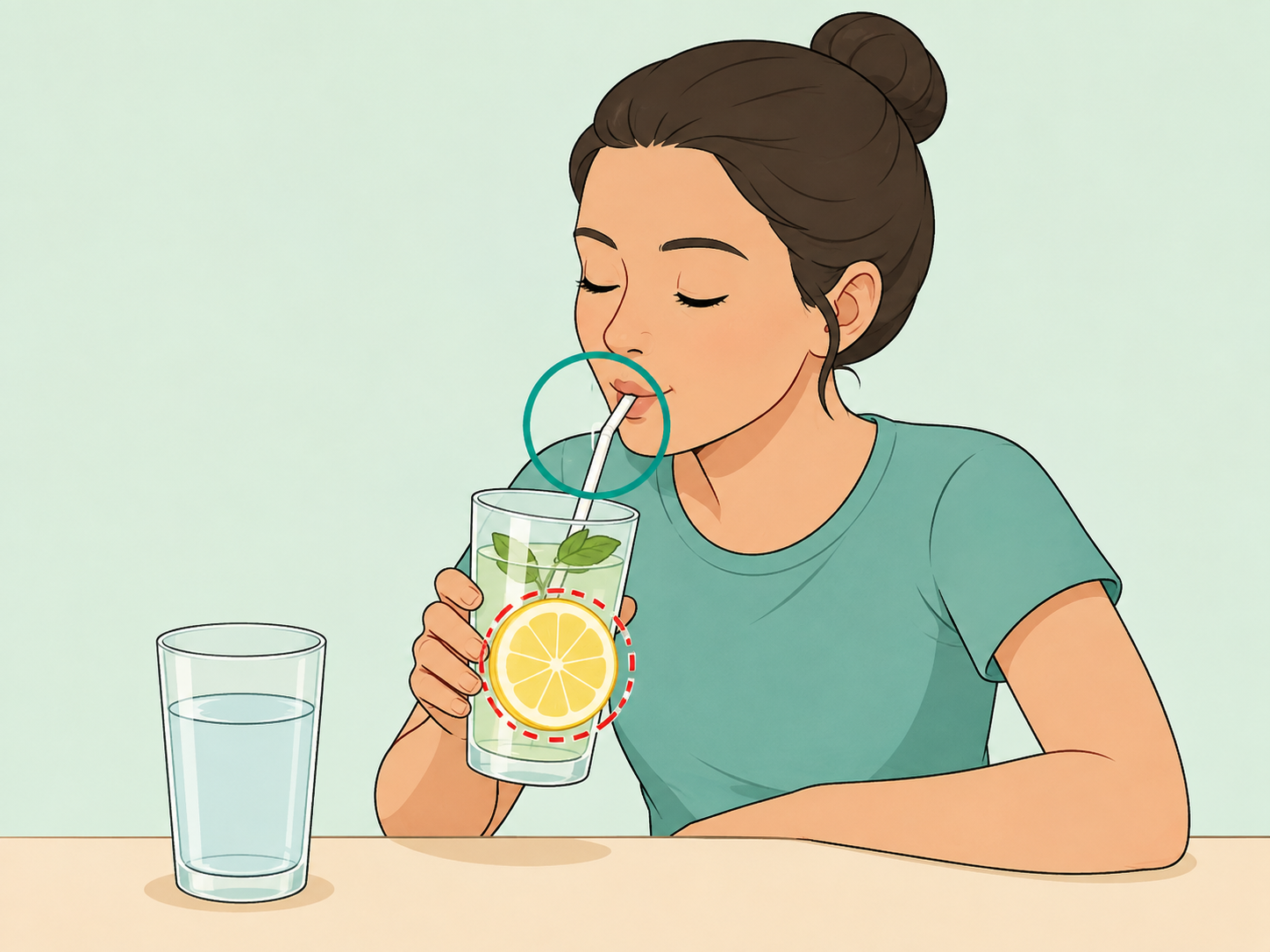
Protect your teeth and listen to your body
Lemons contain citric acid, and frequent lemon water may irritate tooth enamel over time. Cleveland Clinic suggests using a straw to help protect your teeth when drinking lemon water regularly; if it bothers your stomach or mouth, dilute it more or choose plain water.
Keep taking prescribed medicine and know when to get help
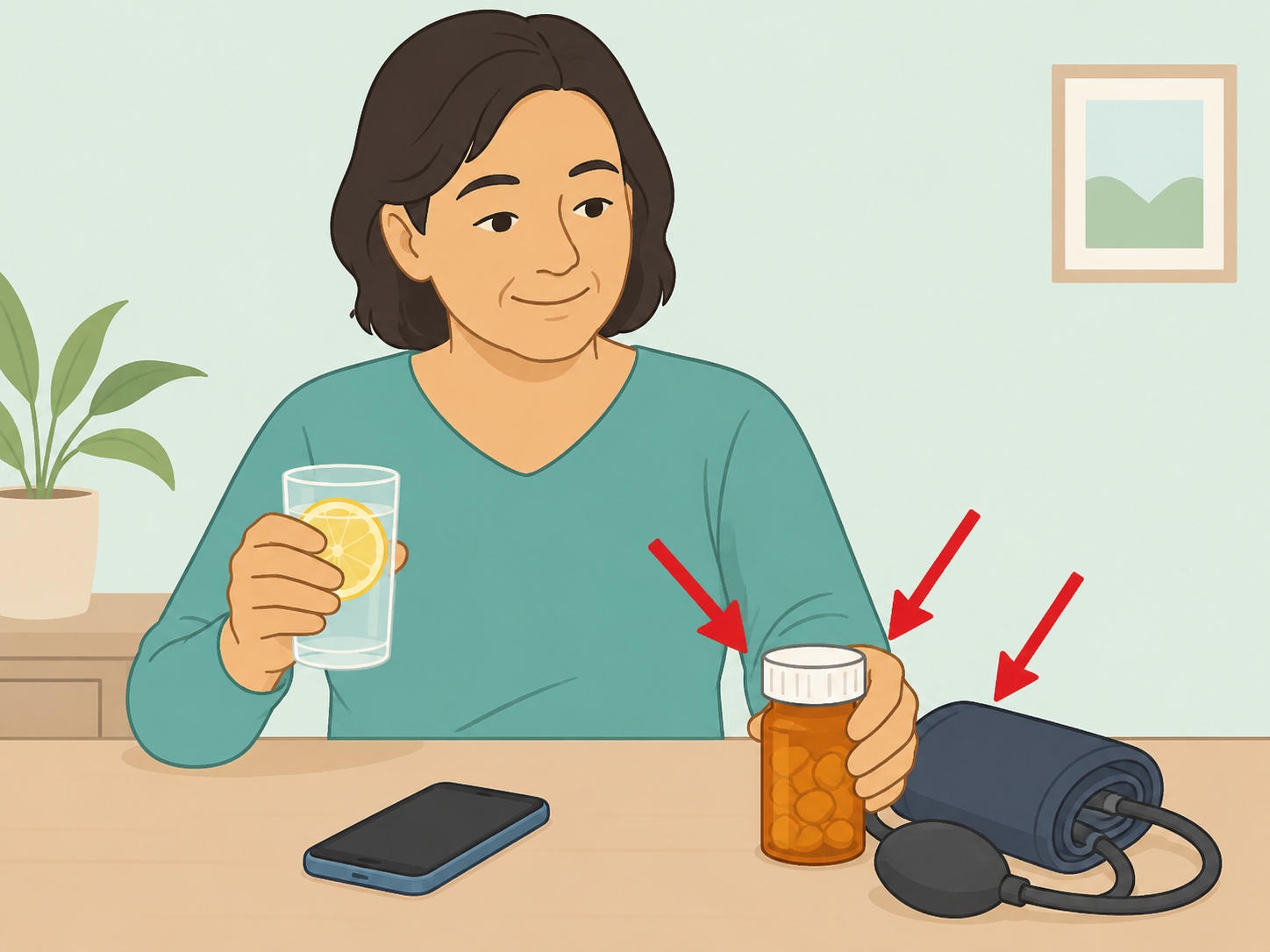
Do not stop or change blood pressure medicine because you started lemon water or because a few readings look better. MedlinePlus explains that lifestyle changes sometimes are not enough and that blood pressure medicines may be needed; the American Heart Association says to call 911 if your blood pressure is higher than 180/120 mm Hg and you have symptoms such as chest pain, shortness of breath, numbness, weakness, vision changes, or difficulty speaking.
Summary
The bottom line: lemon water is fine for many people as an unsweetened drink, but blood pressure control depends on accurate tracking, heart-healthy eating, sodium reduction, regular care, and medicine when prescribed.
Frequently Asked Questions
- Can lemon water lower blood pressure?
Lemon water is not a proven treatment for high blood pressure by itself. It can be a helpful unsweetened drink if it helps you stay hydrated and replace less heart-healthy choices.
- Is it safe to drink lemon water every day?
For many people, plain lemon water is safe as a food-and-water habit. Because lemon juice is acidic, Cleveland Clinic notes that frequent lemon water can affect tooth enamel, so consider a straw and avoid sipping it all day.
- Should I check my blood pressure before trying lemon water?
Yes. The CDC says measuring blood pressure is the only way to know whether it is high, so track readings instead of judging by how you feel.
- Can I stop blood pressure medicine if my readings improve?
No. Do not stop, skip, or change prescribed medicine unless your health care professional tells you to. Lifestyle habits and medicines are often used together.
- What matters more than lemon water for blood pressure?
Trusted sources consistently emphasize accurate monitoring, lower sodium intake, a DASH-style eating pattern, regular physical activity, healthy weight, limited alcohol, no tobacco, stress management, sleep, and medical care when needed.
- When is high blood pressure an emergency?
The American Heart Association says to call emergency services if blood pressure is higher than 180/120 mm Hg and you have symptoms such as chest pain, shortness of breath, numbness, weakness, vision changes, or difficulty speaking.
References
Reliable references aided in composing and refining this content.
- https://health.clevelandclinic.org/benefits-of-lemon-water
- https://www.cdc.gov/high-blood-pressure/measure/index.html
- https://medlineplus.gov/howtopreventhighbloodpressure.html
- https://www.heart.org/en/health-topics/high-blood-pressure/changes-you-can-make-to-manage-high-blood-pressure/managing-blood-pressure-with-a-heart-healthy-diet
- https://www.mayoclinic.org/healthy-lifestyle/nutrition-and-healthy-eating/in-depth/sodium/art-20045479
- https://medlineplus.gov/bloodpressuremedicines.html
- https://www.heart.org/en/health-topics/high-blood-pressure/understanding-blood-pressure-readings/when-to-call-911-for-high-blood-pressure