
 Pin it
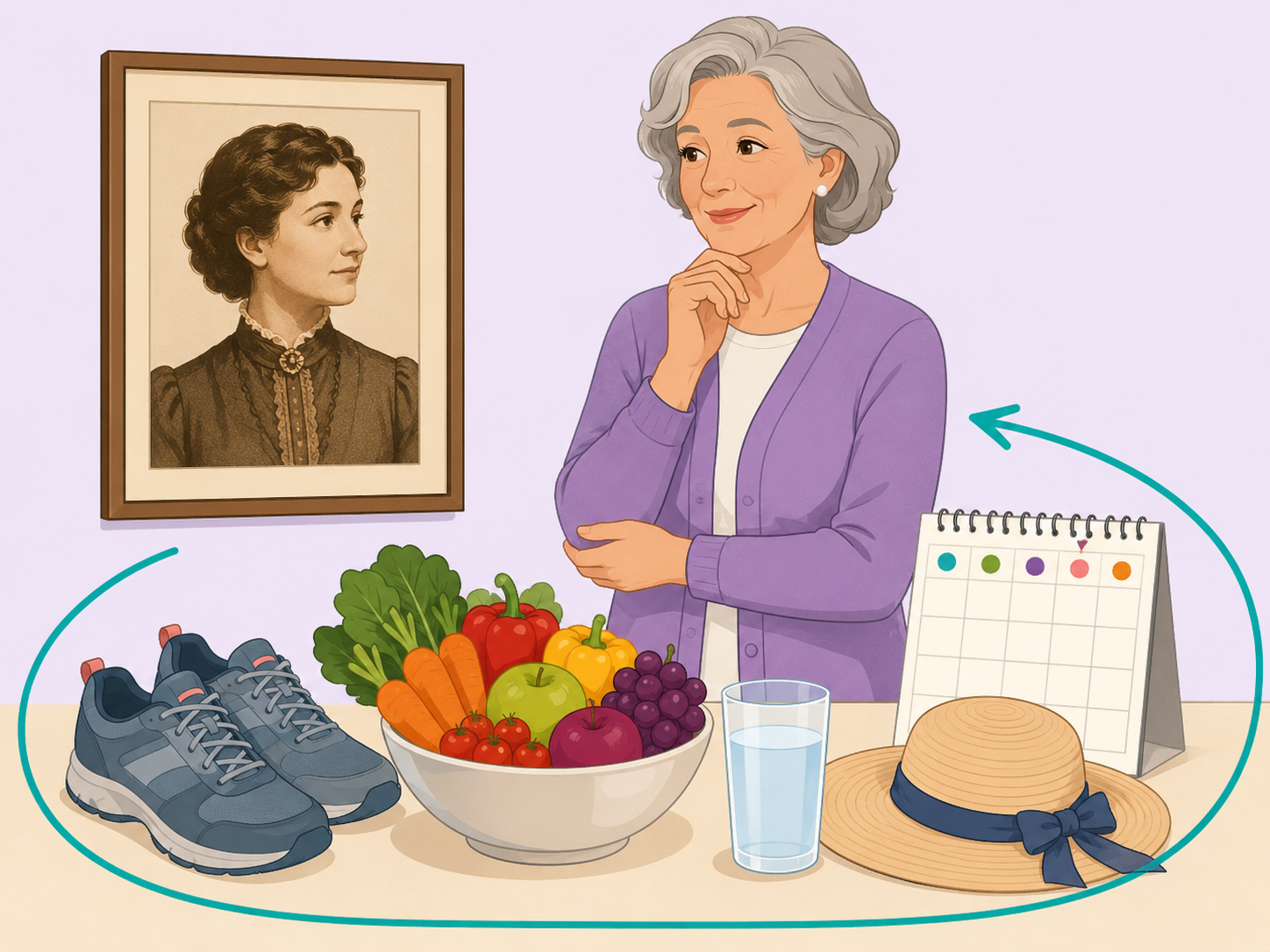
Soong Mei-Ling’s long life and later health struggles are often discussed as a symbol of resilience. This guide shows how to draw sensible lessons from her story without turning it into a myth or medical promise. The steps focus on evidence-based habits that support healthy aging and may lower the risk of some cancers.
Treat the story as inspiration, not proof
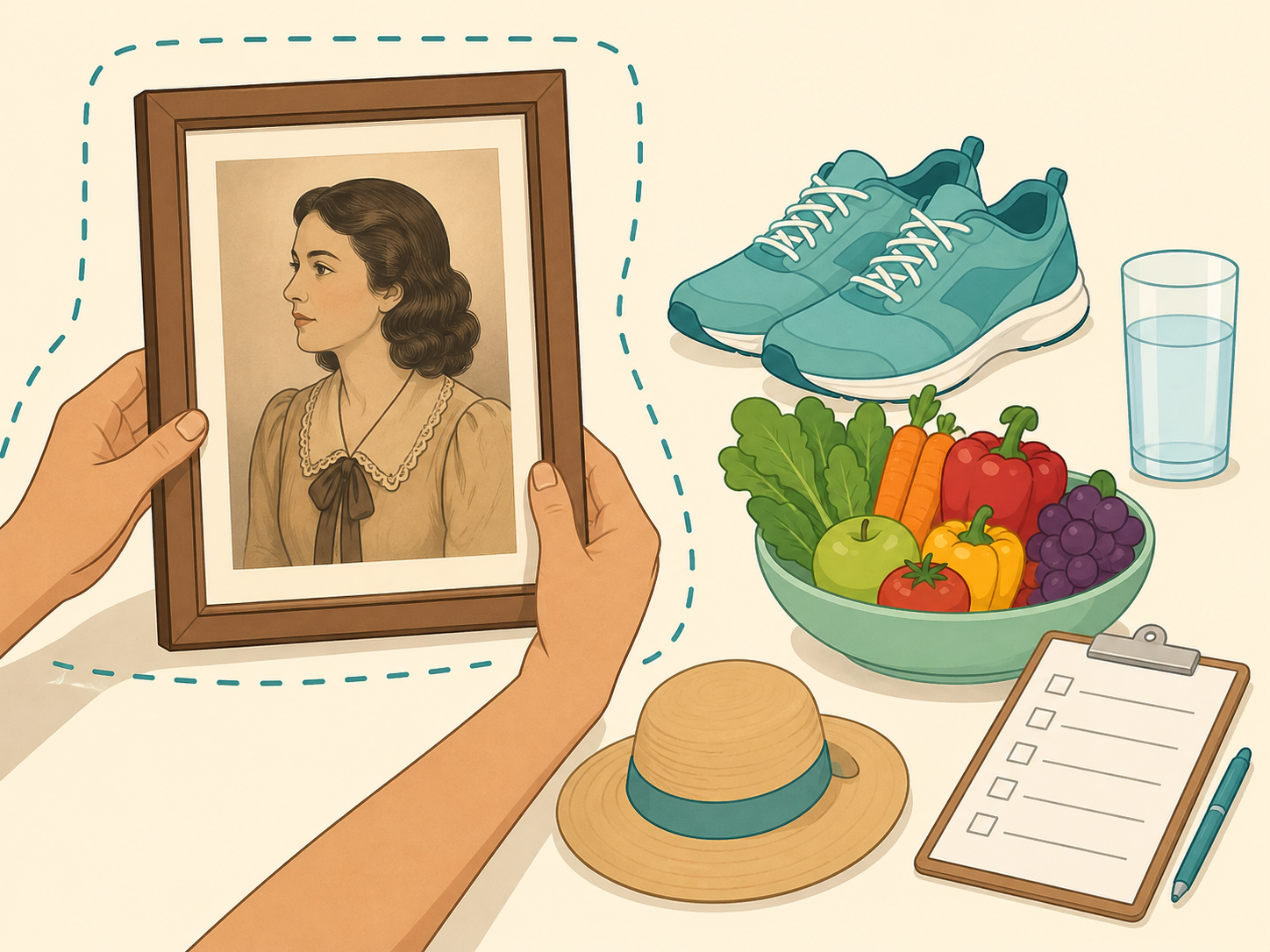
Start with the historical facts: Soong Mei-Ling was a major 20th-century public figure whose life spanned more than a century, and news reports after her death said she had battled cancer and other illnesses in later life. Her longevity can be inspiring, but it does not prove that one routine, food, supplement, or beauty habit caused it. Use her legacy as motivation to choose steady, evidence-based care.
Build a preventive-care calendar
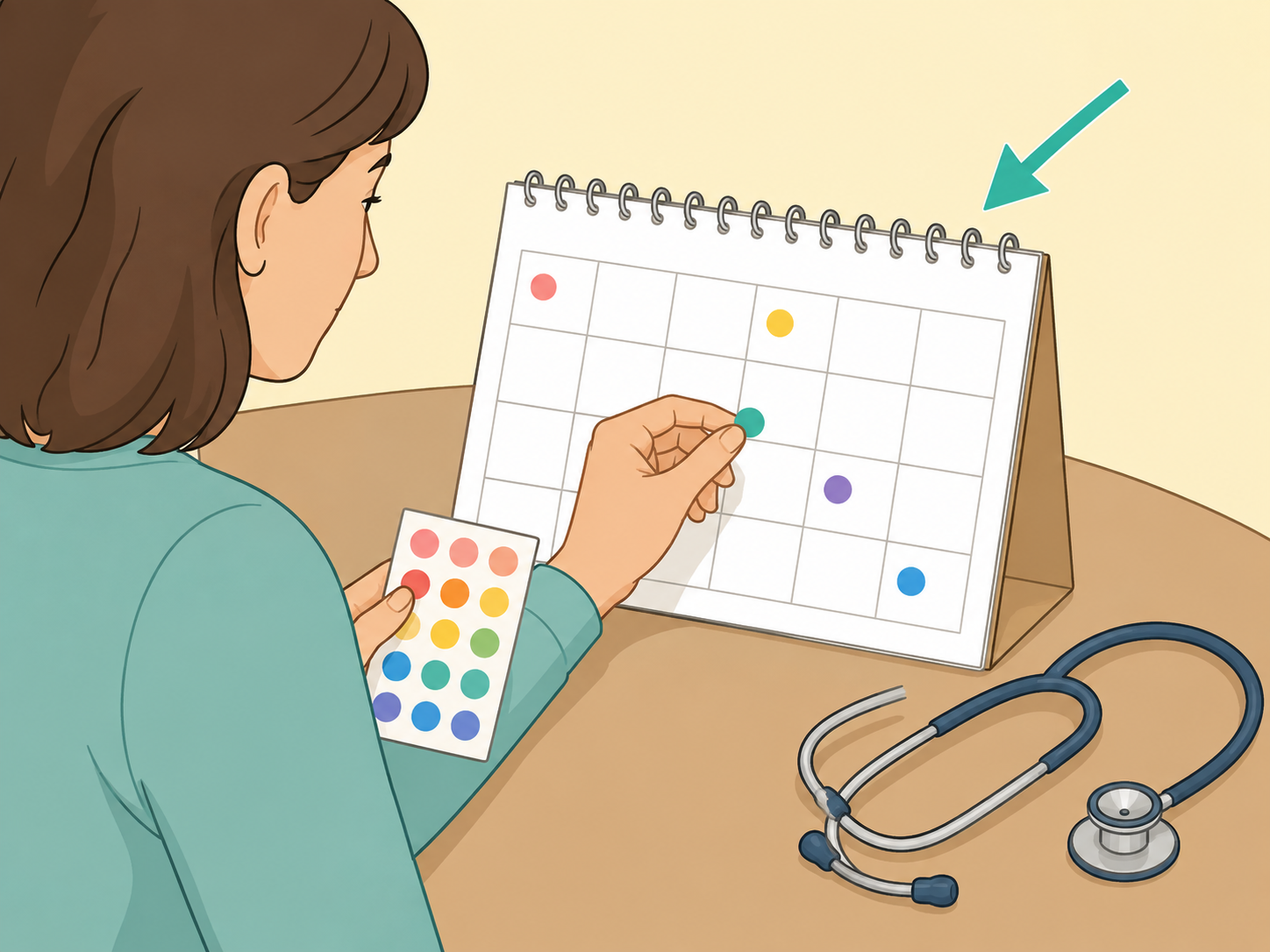
Schedule regular checkups and ask which screenings fit your age, sex, family history, and health risks. Cancer screening checks for cancer before symptoms appear, and some tests can find breast, cervical, colorectal, and lung cancers early in the right groups. Keep the dates in one place so appointments do not depend on memory alone.
Avoid tobacco and secondhand smoke
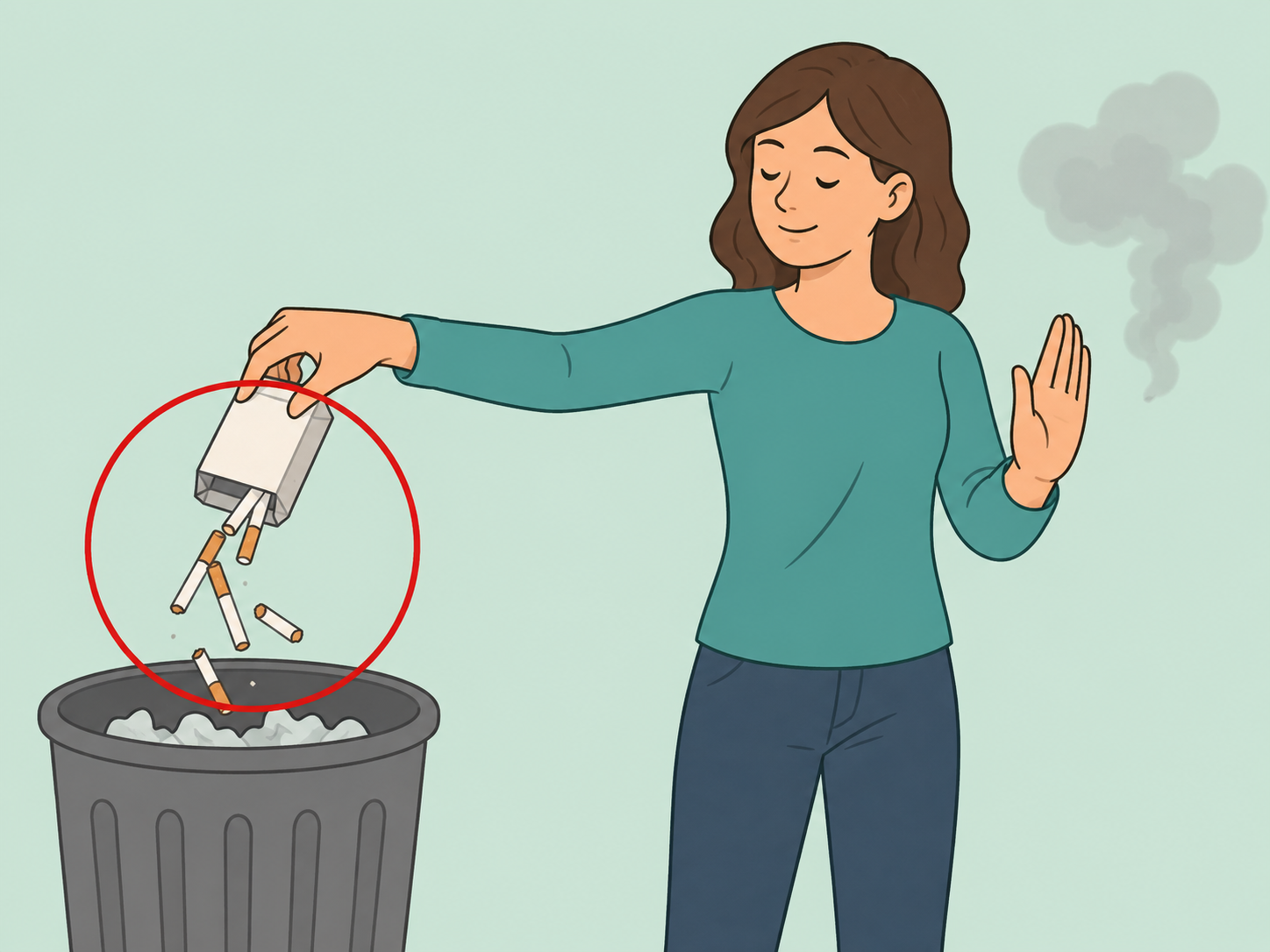
If you smoke, ask for help quitting; if you do not smoke, avoid secondhand smoke when you can. The CDC links tobacco use to cancer in many parts of the body, and avoiding tobacco is one of the most important cancer-risk steps you can take. A doctor, pharmacist, quitline, or counseling program can help you make a plan.
Protect your skin and rethink alcohol
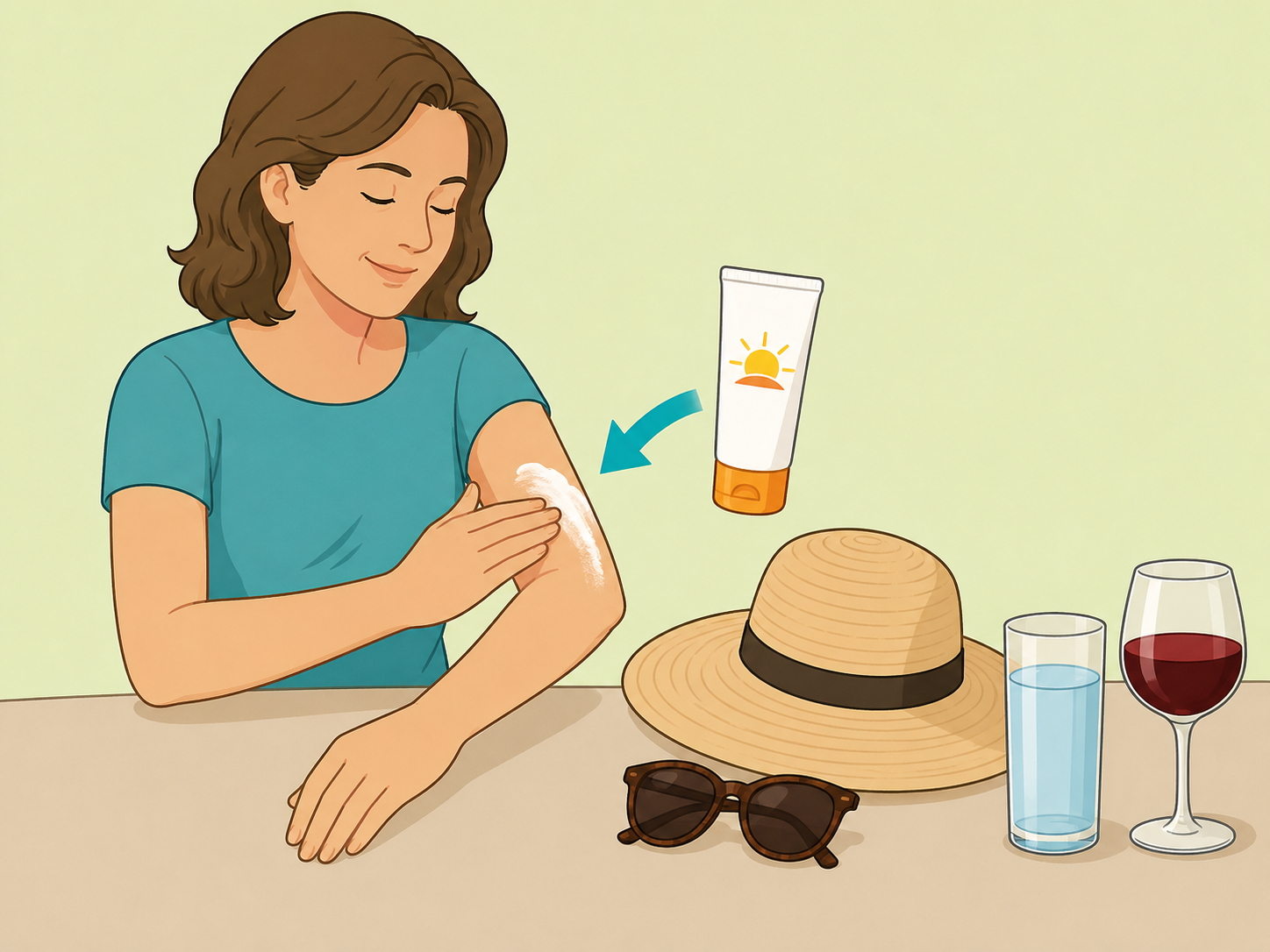
Use shade, sun-protective clothing, sunglasses, and sunscreen when you spend time outdoors. The CDC identifies UV exposure as a major skin cancer risk and also notes that drinking alcohol raises the risk of several cancers. If you drink, consider drinking less or asking a clinician what is safest with your health history and medications.
Move in a way you can maintain
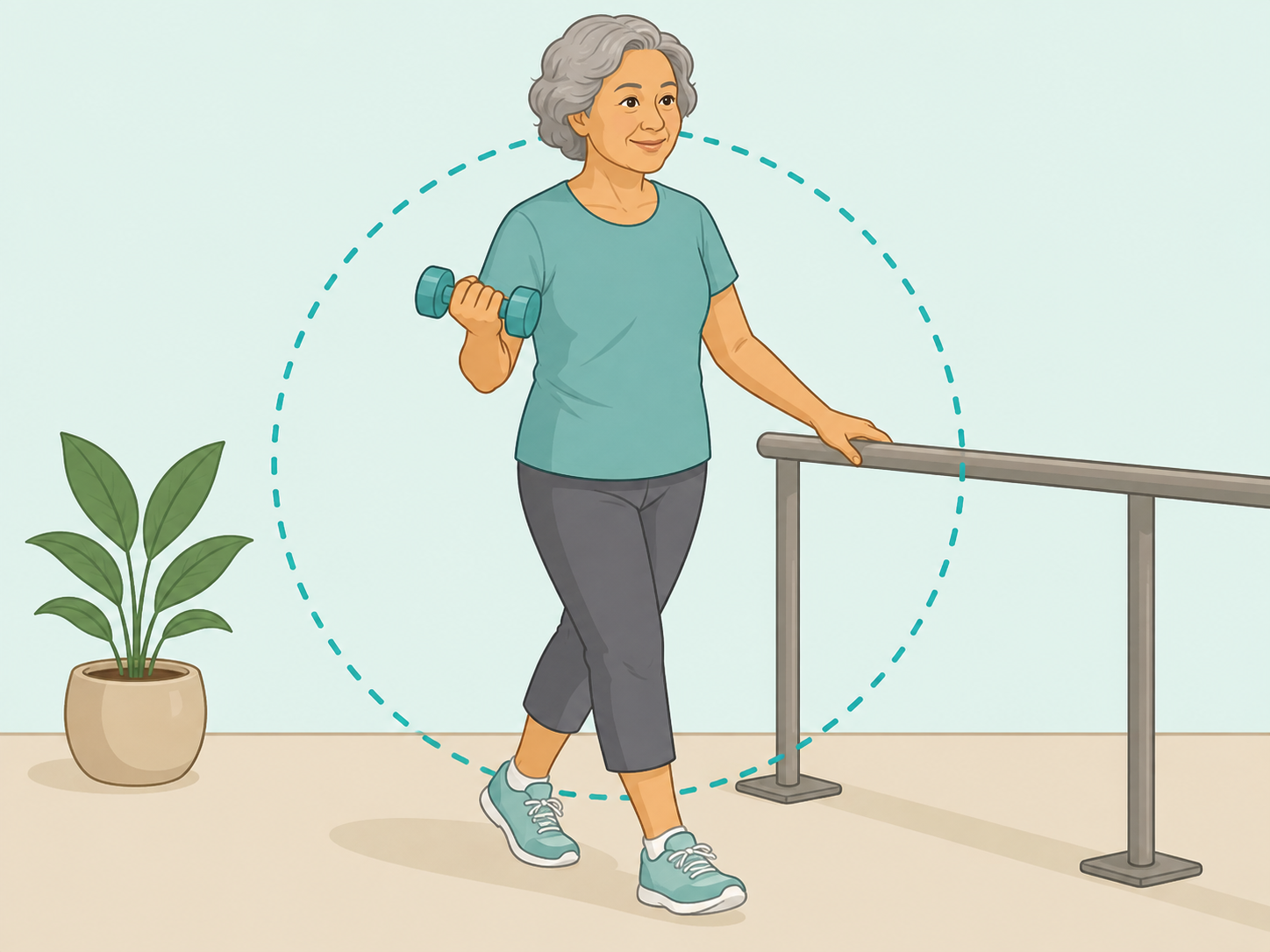
Choose movement you can repeat, such as brisk walking, gardening, swimming, light strength work, or balance exercises. The CDC recommends regular physical activity to help prevent or manage chronic disease, with muscle-strengthening activities added during the week. Start gently if you have been inactive, have pain, or are recovering from illness.
Eat for steady nourishment
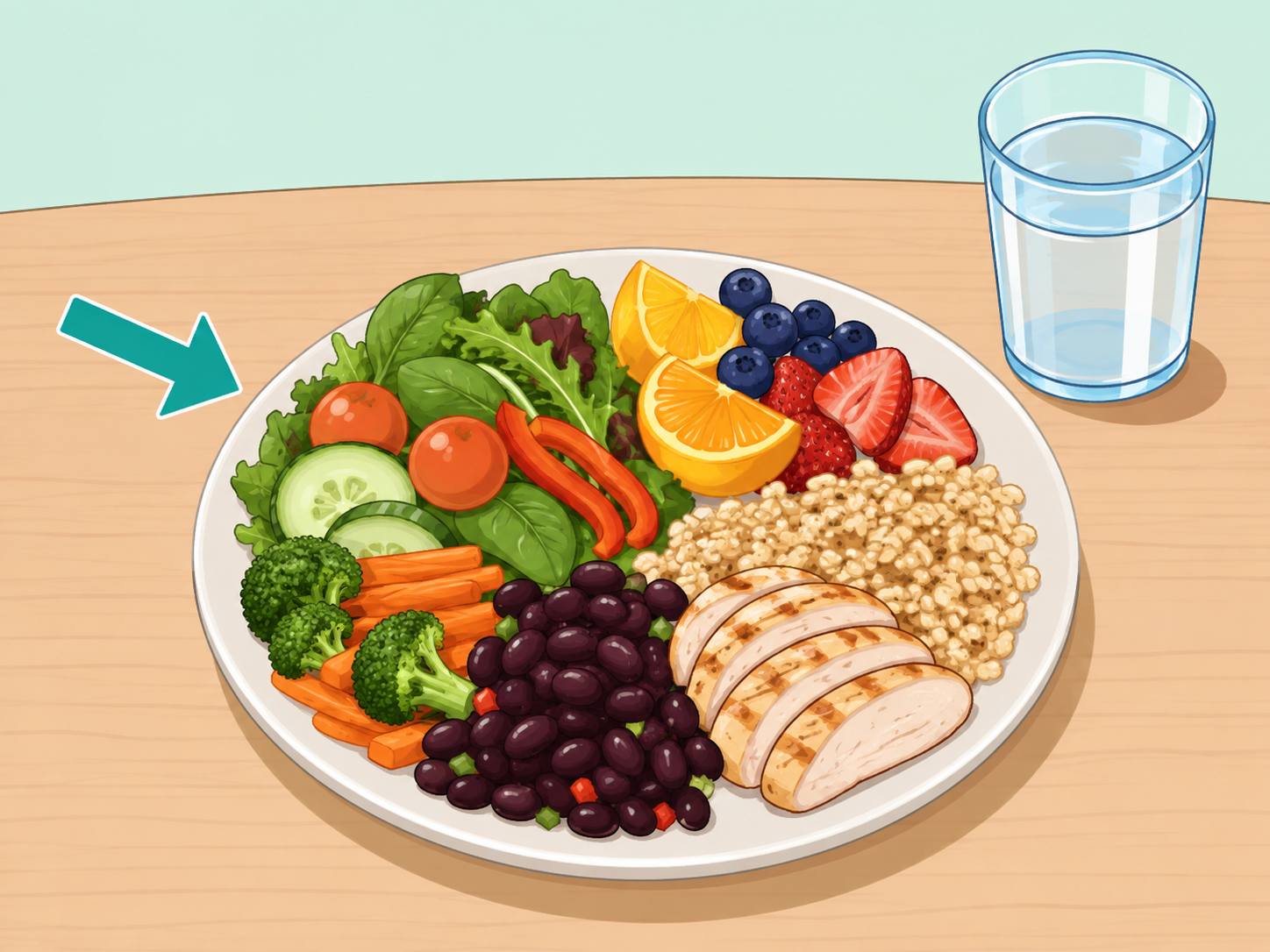
Build meals around vegetables, fruits, whole grains, protein foods, dairy or calcium-rich alternatives, and healthy fats. The CDC describes a balanced eating pattern as one that limits highly processed foods, added sugars, saturated fats, and sodium. Skip extreme diets that promise beauty, youth, or cancer protection.
Keep sleep consistent
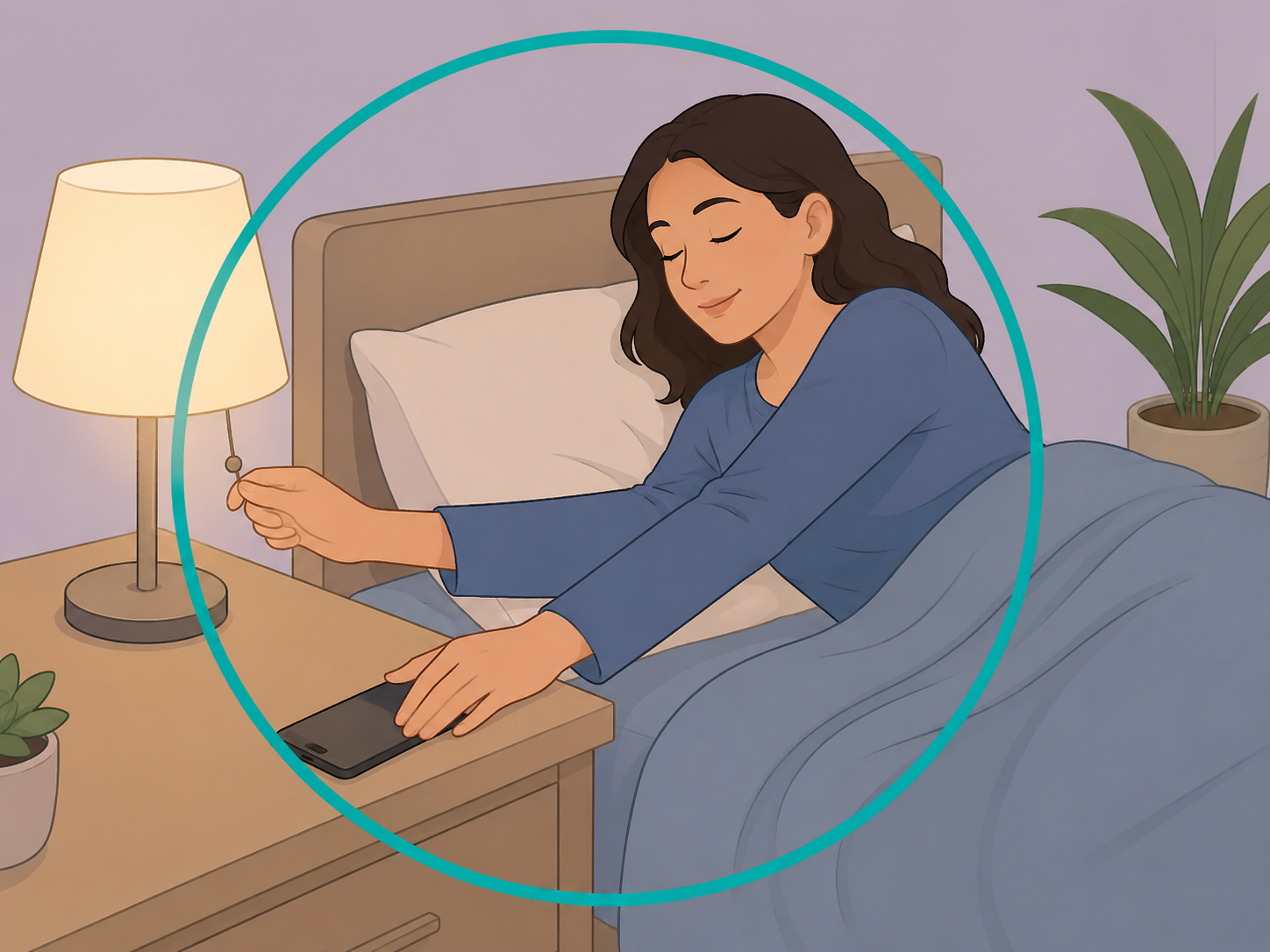
Protect a regular bedtime and wake time, keep the room comfortable, and move screens away when they interfere with rest. The CDC links insufficient sleep with chronic disease risks and says adults should get at least 7 hours daily. If you snore loudly, wake gasping, or feel sleepy despite enough time in bed, ask about sleep problems.
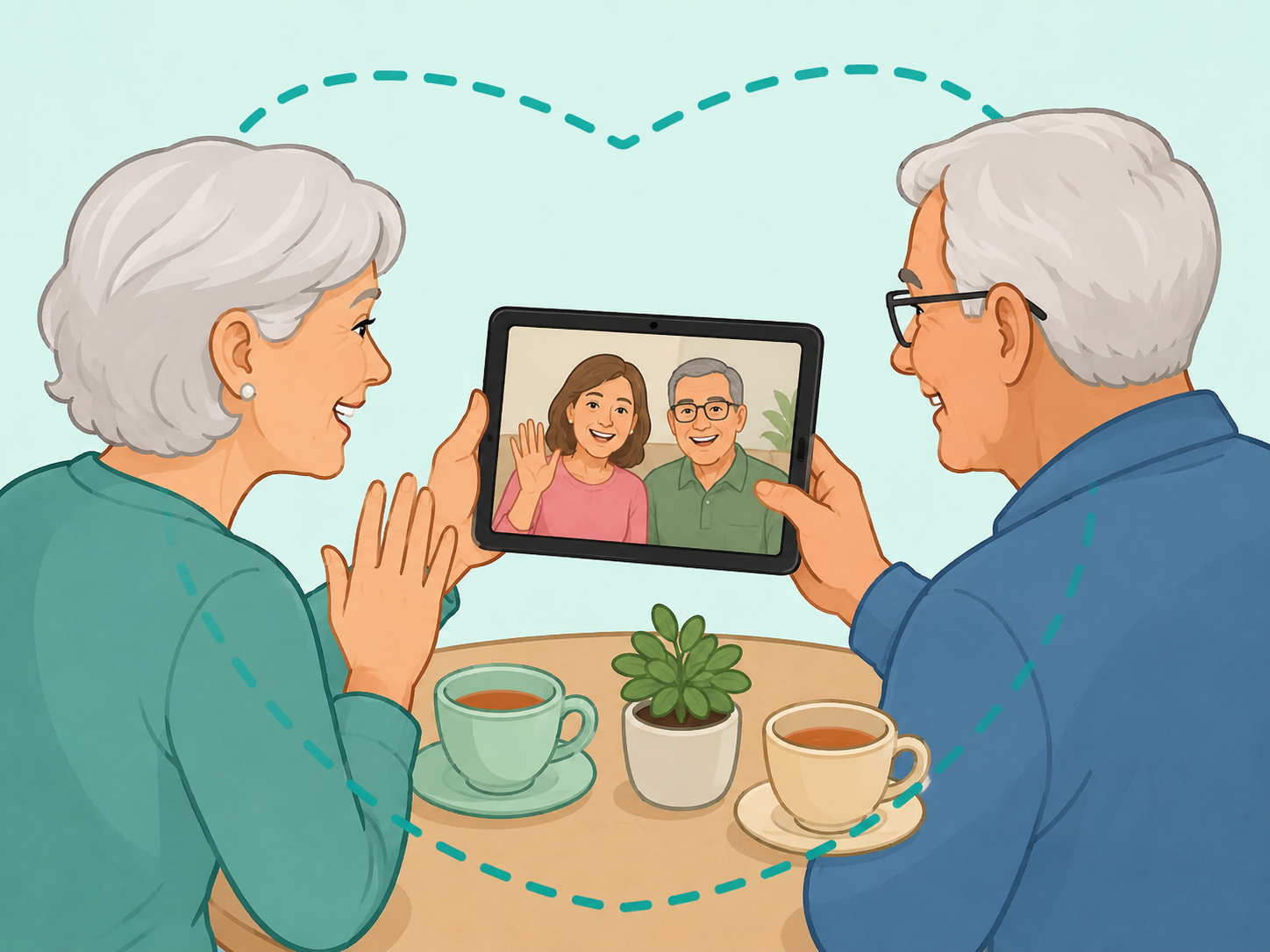
Stay connected to people and purpose
Make social contact part of your wellness routine: call a friend, join a group, volunteer, attend a class, or share walks and meals with others. Social isolation and loneliness can raise risks for serious mental and physical health conditions, especially as people age. Purposeful contact supports health in ways that a beauty product cannot replace.
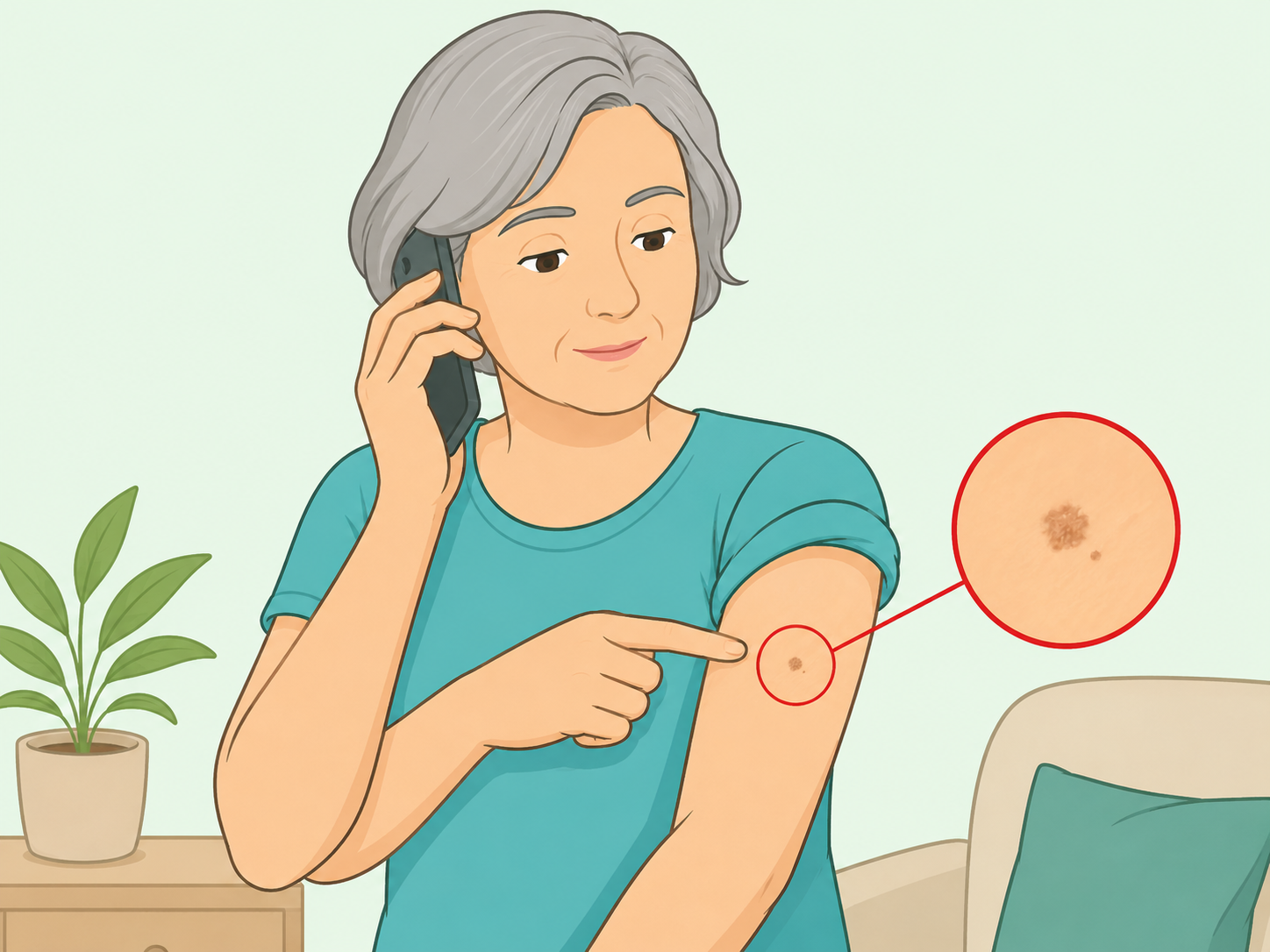
Watch for persistent body changes
Do not panic over every ache, but do pay attention to changes that persist, worsen, or feel unusual for you. Mayo Clinic lists warning signs such as a lump, unexplained weight change, persistent fatigue, skin changes, unusual bleeding, ongoing cough, trouble swallowing, or unexplained pain. Make an appointment if symptoms concern you.
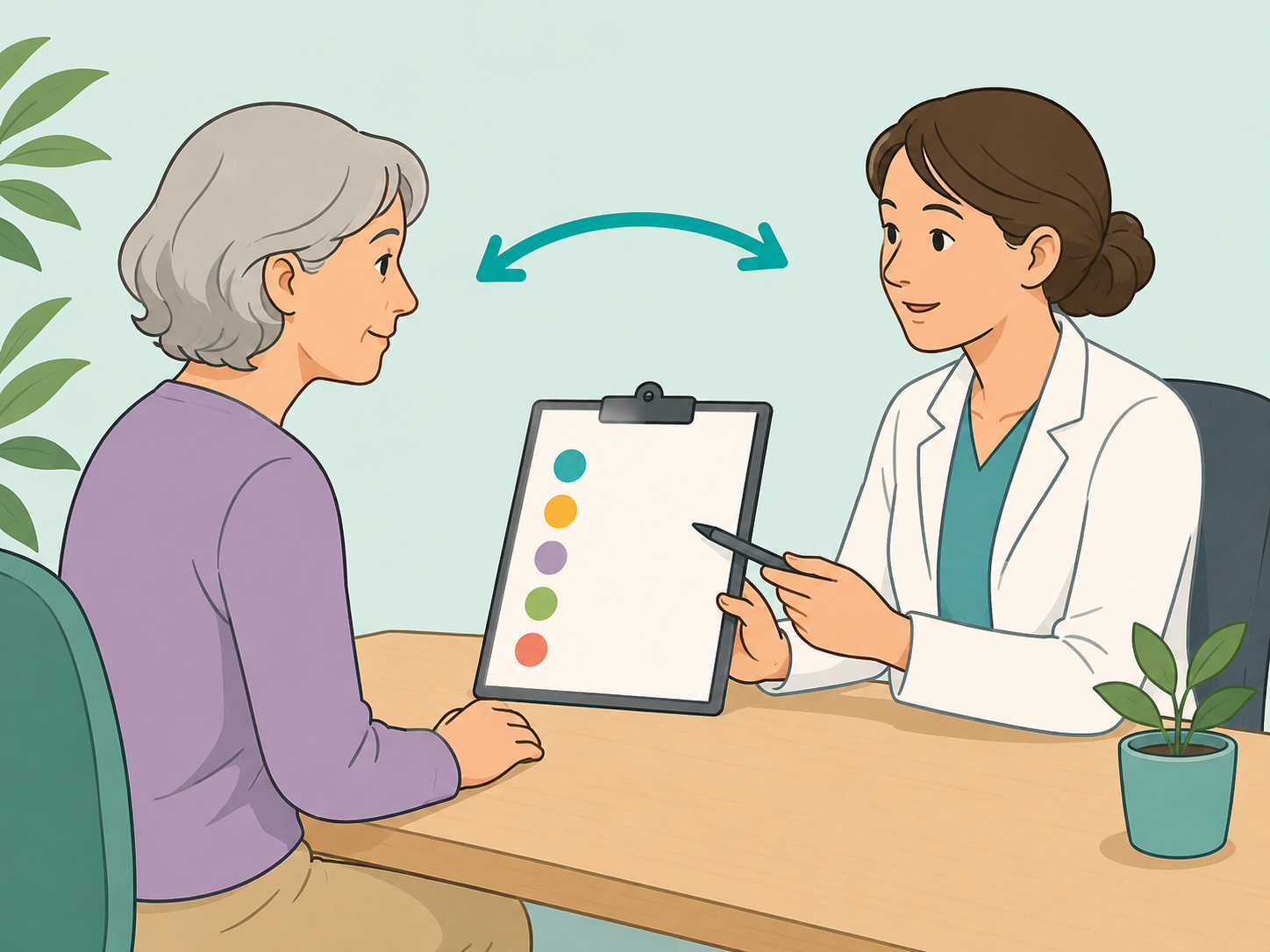
Personalize follow-up if cancer is part of your life
If you have had cancer, are in treatment, or have a strong family history, make decisions with your care team instead of relying on general wellness advice. The CDC advises cancer survivors to follow their doctor’s instructions for future checkups and tests, because follow-up can help find early signs of a new cancer or the same cancer. Bring questions about activity, alcohol, supplements, skin care, and diet to your clinician.
Summary
The bottom line: let Soong Mei-Ling’s legacy inspire steadiness, not shortcuts. Healthy aging is built through preventive care, lower-risk daily choices, social support, and prompt medical attention when something changes.
Frequently Asked Questions
- Did Soong Mei-Ling have cancer?
Public reporting after her death said she had battled cancer and other illnesses in later life, but a biography should not be used to judge your own cancer risk or treatment choices. Use her story as inspiration and talk with a doctor about your personal situation.
- Can healthy habits guarantee that I will not get cancer?
No. The CDC says healthy choices can lower the risk of many cancers, but they cannot remove every risk because age, genes, family history, and chance also matter.
- Which cancer screenings should I ask about?
Ask your doctor which screenings fit your age, sex, health history, and risk factors. The CDC highlights breast, cervical, colorectal, and lung cancer screenings for specific groups.
- What is the most beauty-related healthy aging habit?
Sun protection is one of the clearest health-and-appearance habits because UV exposure is linked with skin cancer risk and visible skin damage. Use shade, protective clothing, sunglasses, and sunscreen when appropriate.
- Should cancer survivors follow the same wellness steps?
Many broad habits still matter, but cancer survivors should follow their care team’s plan. The CDC recommends follow-up care and healthy choices after treatment, including avoiding tobacco, protecting skin, staying active, eating well, and sleeping well.
- When should I see a doctor about possible cancer symptoms?
Make an appointment if you have persistent symptoms or changes that concern you, such as an unexplained lump, ongoing fatigue, unexplained weight changes, unusual bleeding, or a cough that does not improve.
References
Reliable references aided in composing and refining this content.
- https://www.educationaboutasia.org/article/id/1306
- https://www.theguardian.com/world/2003/oct/25/china
- https://www.cdc.gov/cancer/prevention/healthy-choices.html
- https://www.cdc.gov/cancer/prevention/screening.html
- https://www.cdc.gov/chronic-disease/prevention/index.html
- https://www.cdc.gov/social-connectedness/risk-factors/index.html
- https://www.mayoclinic.org/diseases-conditions/cancer/symptoms-causes/syc-20370588
- https://www.cdc.gov/cancer/features/cancer-survivors.html