
 Pin it
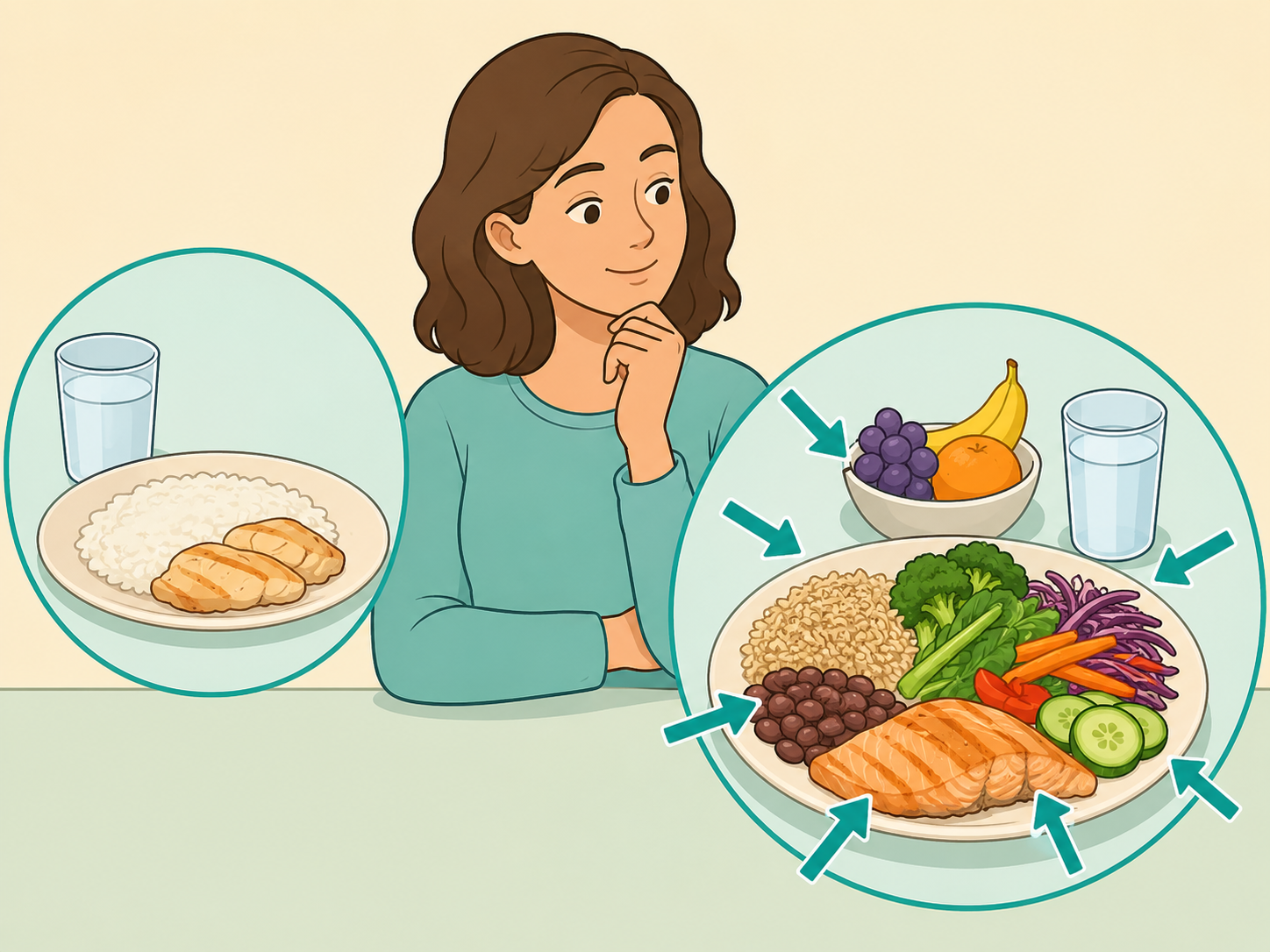
Eating the same meal every day can make shopping, meal prep, and decision-making easier. The risk is that a narrow routine can crowd out nutrients, fiber, and food groups your body needs over time. This guide shows how to keep the convenience while adding enough variety to support your health.
Notice how much of your diet is on repeat
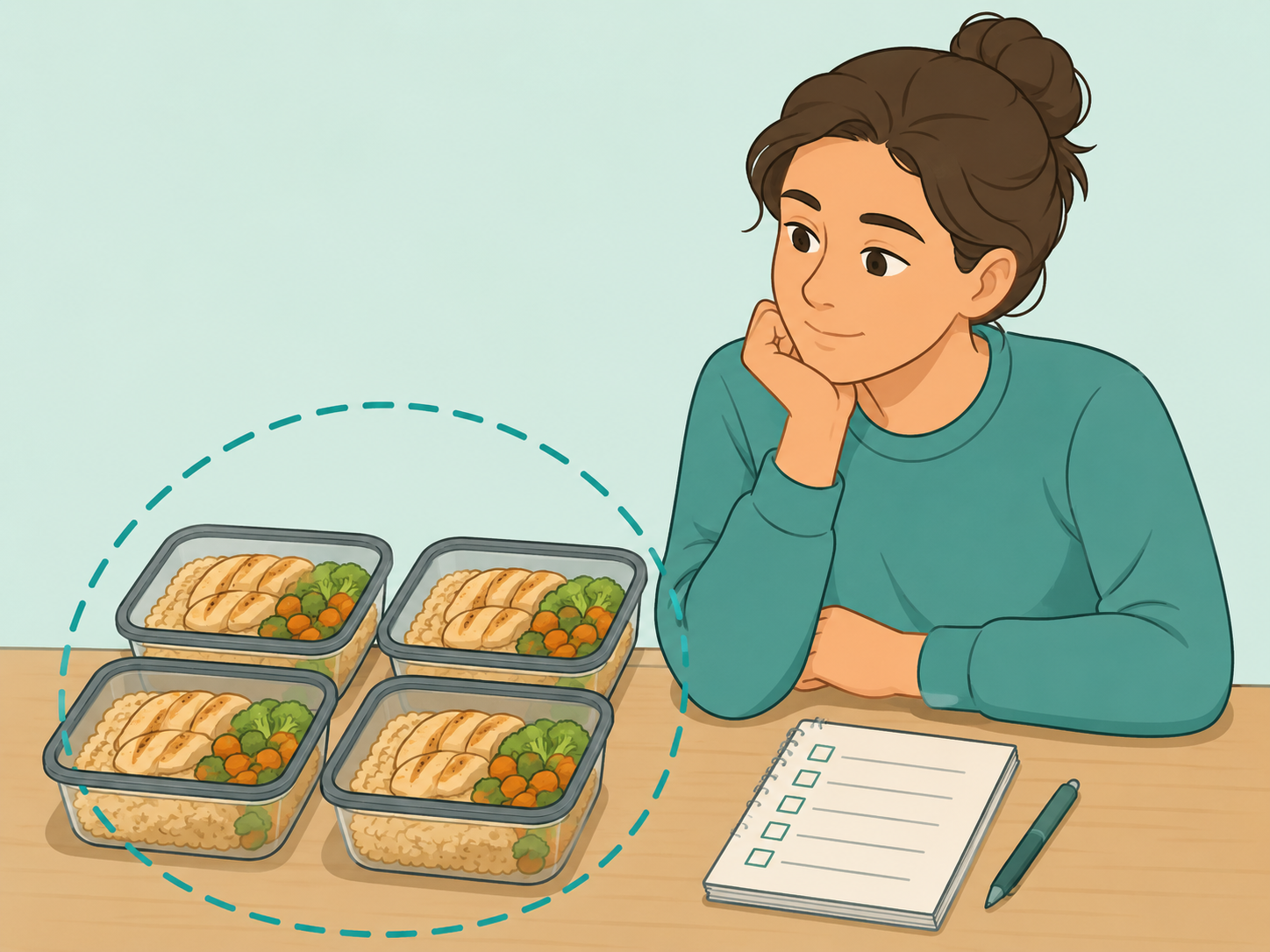
Write down what you eat for a few days and look for patterns. Repeating one breakfast or lunch is different from eating the same narrow set of foods at every meal, which can make nutrient gaps more likely if the rest of your diet is limited.
Check whether the meal covers the main food groups
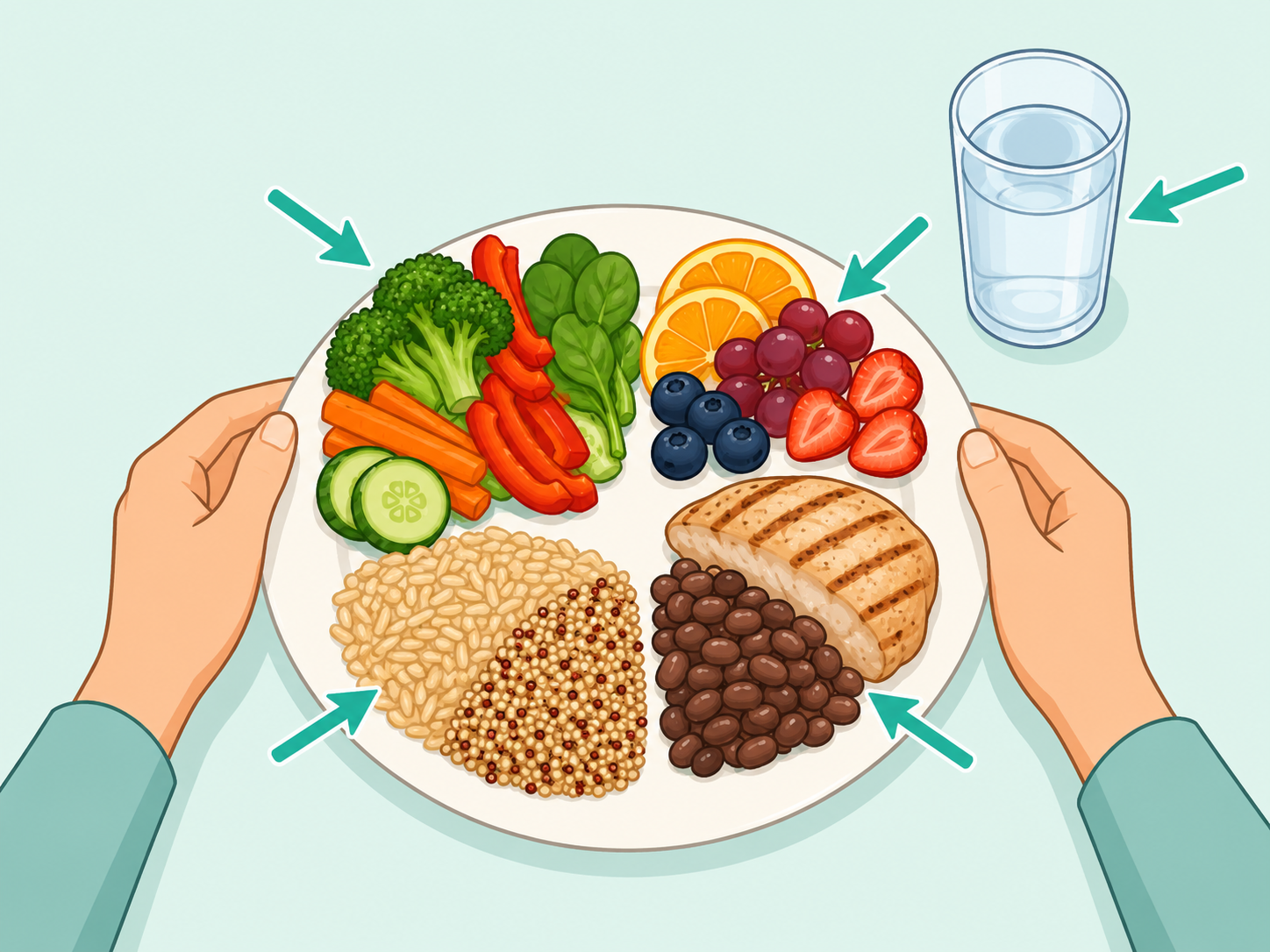
A balanced eating pattern usually includes vegetables, fruits, protein foods, whole grains, healthy fats, and water or other low-sugar drinks. Use the Eatwell Guide or similar plate method to see whether your repeat meal is missing a major group.
Add one new color at a time
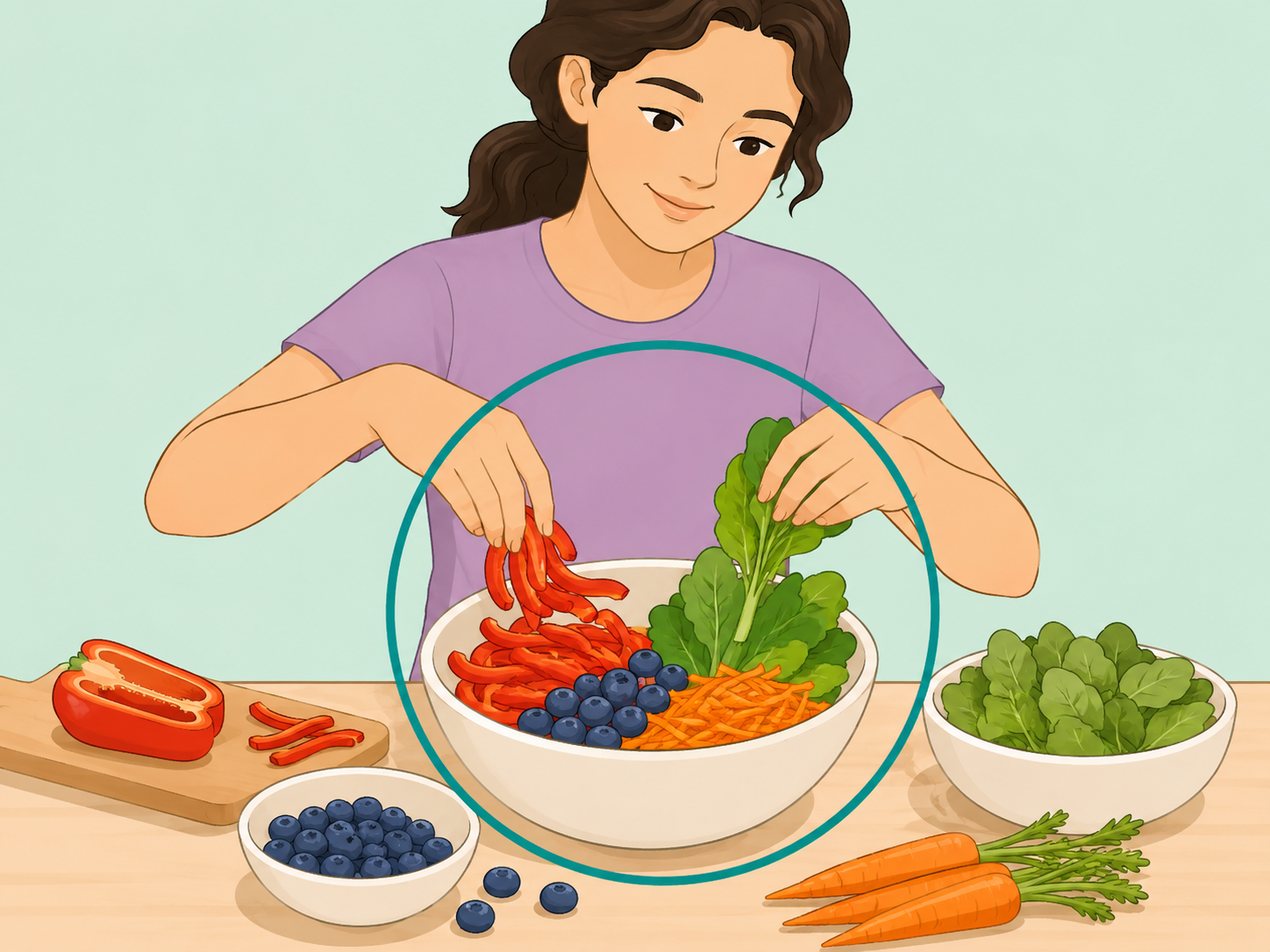
Keep the same basic meal, but rotate a fruit or vegetable color every few days. The CDC recommends aiming for a variety of colors on your plate because fruits and vegetables provide vitamins, minerals, and fiber.
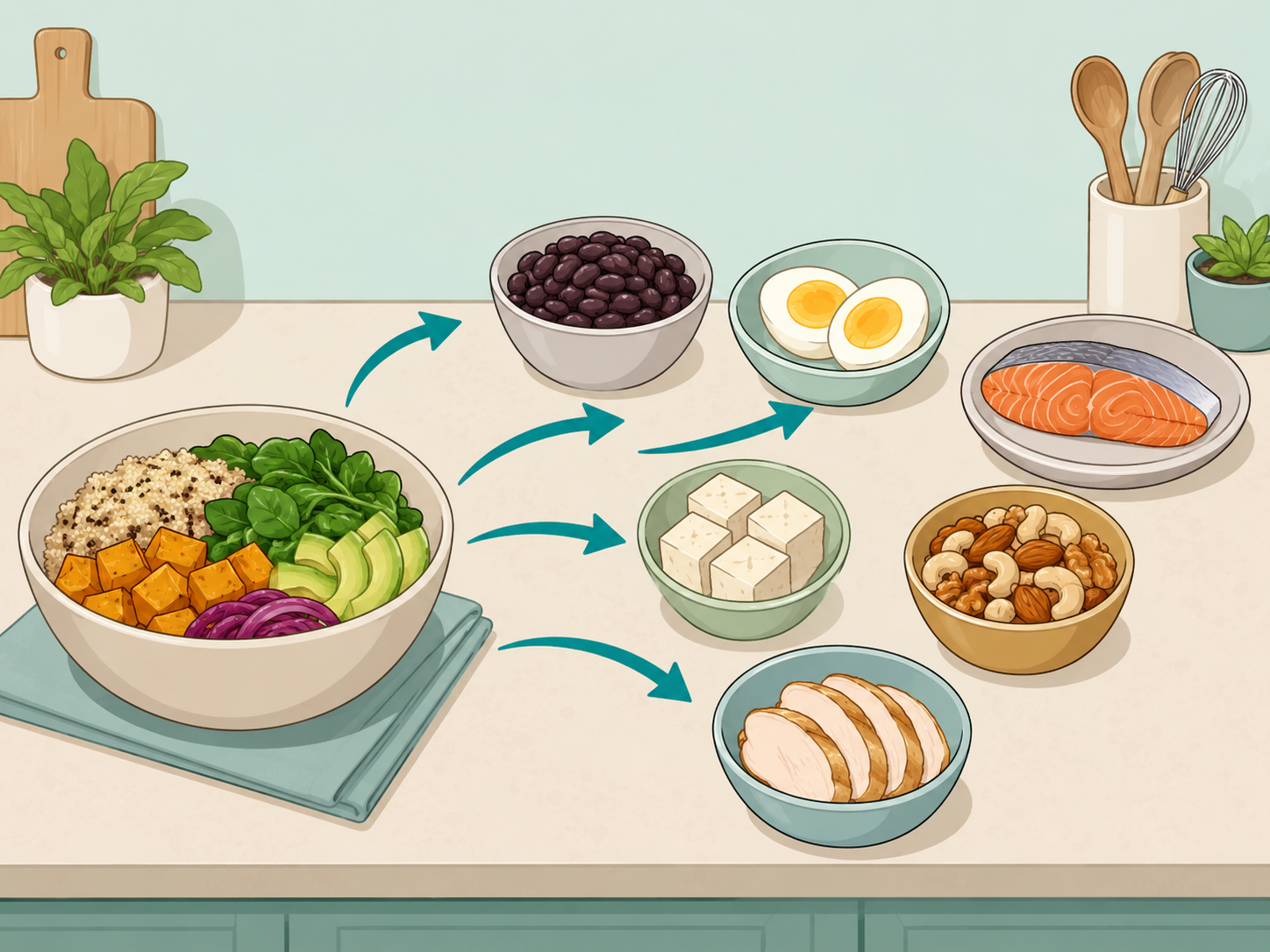
Rotate your protein sources
If your daily meal always uses the same protein, swap in eggs, poultry, seafood, beans, lentils, nuts, seeds, soy, or lean meat across the week. Healthy eating patterns can include a range of protein options, which helps your diet stay flexible and less restrictive.
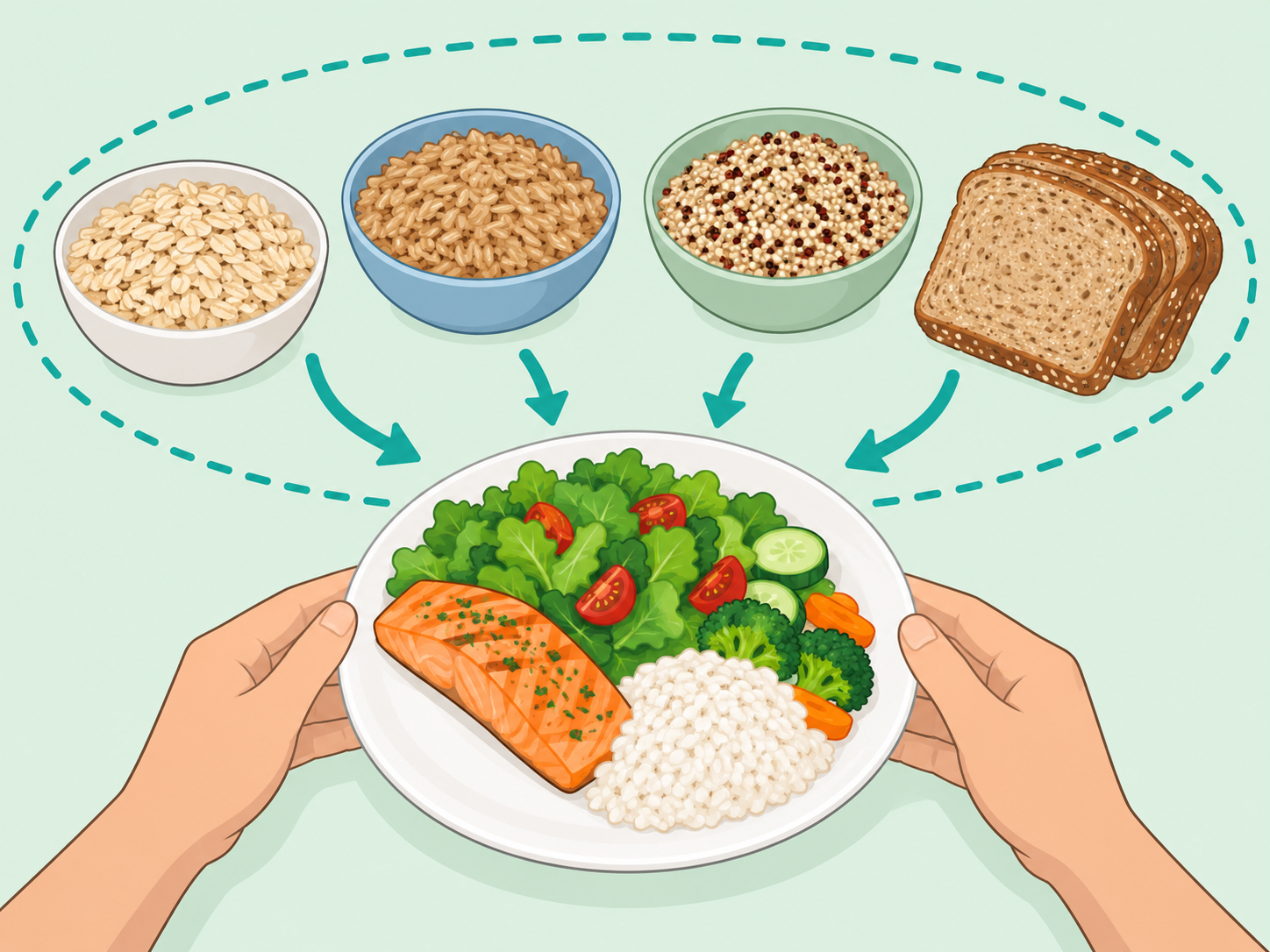
Switch up grains and fiber
Try rotating oats, brown rice, whole-wheat bread, barley, quinoa, or other whole grains instead of relying on one refined grain. Mayo Clinic explains that whole grains provide fiber, vitamins, minerals, and other nutrients that support overall health.
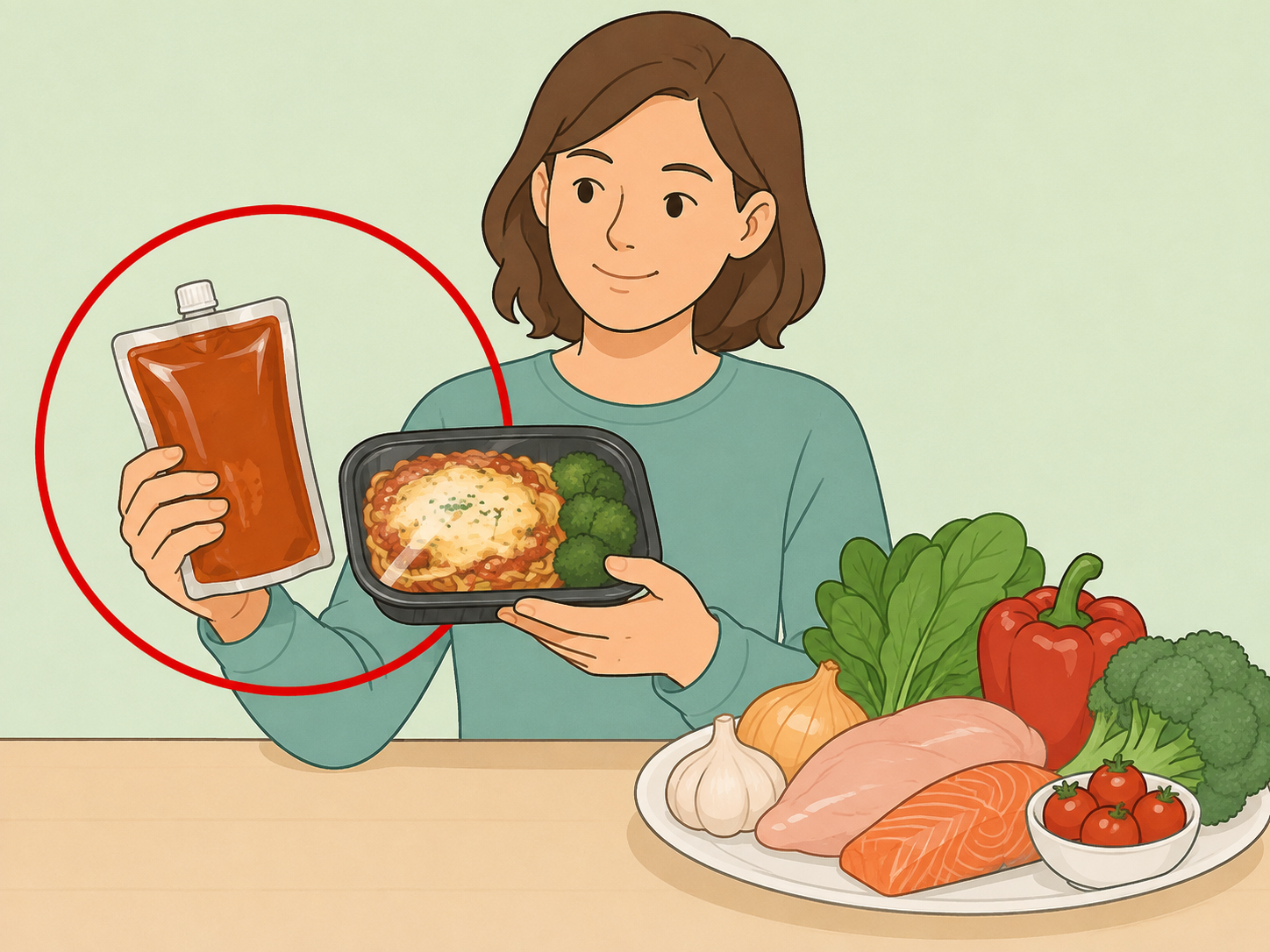
Watch packaged ingredients for sodium, sugar, and saturated fat
A repeat meal built from frozen dinners, deli meats, bottled sauces, or sweetened drinks can quietly add up. MedlinePlus lists limiting salt, added sugars, alcohol, and saturated fat as part of a healthy eating plan.
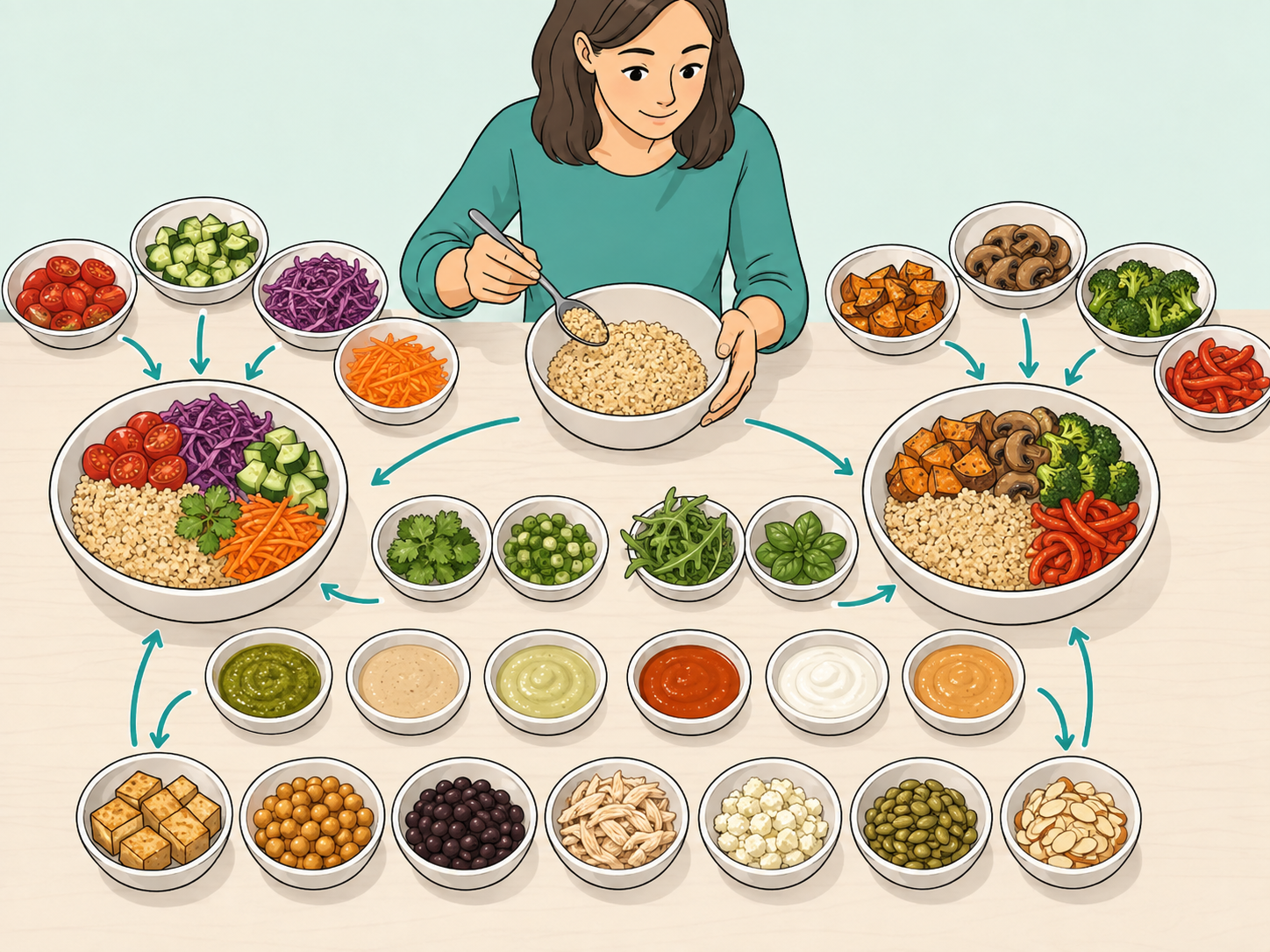
Keep the convenient parts and vary the small parts
You do not have to abandon a meal that works for your schedule. Keep the base, then change one ingredient, sauce, herb, spice, vegetable, or side so the meal stays familiar while adding variety.
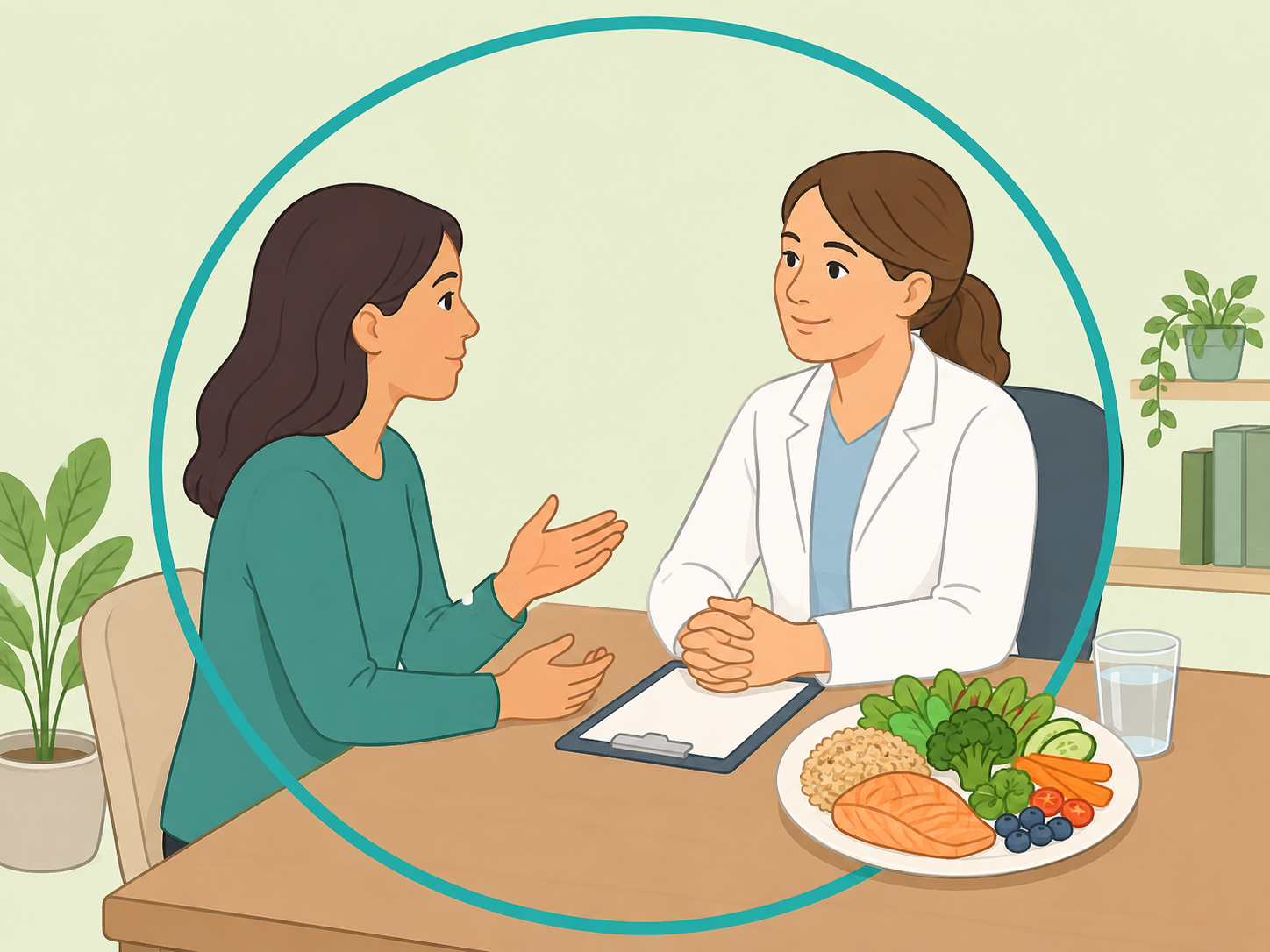
Seek help if food variety feels hard or your health changes
Talk to a doctor or registered dietitian if you have unexplained fatigue, dizziness, digestive changes, hair loss, rapid weight changes, pregnancy, diabetes, high blood pressure, kidney disease, food allergies, or a very restricted diet. A professional can help you adapt your routine to your health needs without telling you to stop prescribed treatment on your own.
Summary
The bottom line: a repeat meal does not have to be a problem, but it should not become your whole diet. Keep the meal balanced, rotate one or two ingredients at a time, and get professional advice if you have symptoms, a medical condition, or a highly restricted eating pattern.
Frequently Asked Questions
- Is it bad to eat the same meal every day?
Not always. Repeating one balanced meal can be convenient, but eating the same few foods all day, every day can make it easier to miss nutrients or get bored and fall back on less nourishing choices.
- What is the biggest risk of eating the same foods daily?
The main risk is a lack of variety. No single meal supplies every vitamin, mineral, fiber type, protein source, and healthy fat pattern your body may need over time.
- Can I meal prep without eating identical meals?
Yes. Prep a base such as grains, protein, and vegetables, then change sauces, herbs, fruits, vegetables, or protein sources through the week.
- How much variety do I really need?
You do not need a different meal every time you eat. Aim to include several food groups daily and rotate colors, grains, proteins, and vegetables across the week.
- Should I take a multivitamin if I eat the same meal often?
Do not rely on supplements to fix a narrow diet without guidance. Ask a doctor or registered dietitian whether you need testing or a supplement based on your health, medications, and eating pattern.
- When should I talk to a doctor about my eating pattern?
Talk to a health professional if you have unexplained fatigue, dizziness, hair loss, digestive changes, rapid weight changes, a medical condition, pregnancy, or strong anxiety about changing foods.
References
Reliable references aided in composing and refining this content.
- https://health.clevelandclinic.org/can-you-eat-the-same-food-every-day
- https://medlineplus.gov/nutrition.html
- https://www.nhs.uk/live-well/eat-well/food-guidelines-and-food-labels/the-eatwell-guide
- https://www.cdc.gov/nutrition/features/healthy-eating-tips.html
- https://www.cdc.gov/healthy-weight-growth/healthy-eating/fruits-vegetables.html
- https://www.mayoclinic.org/healthy-lifestyle/nutrition-and-healthy-eating/in-depth/whole-grains/art-20047826
- https://www.fda.gov/food/environmental-contaminants-food/mercury-food