
 Pin it
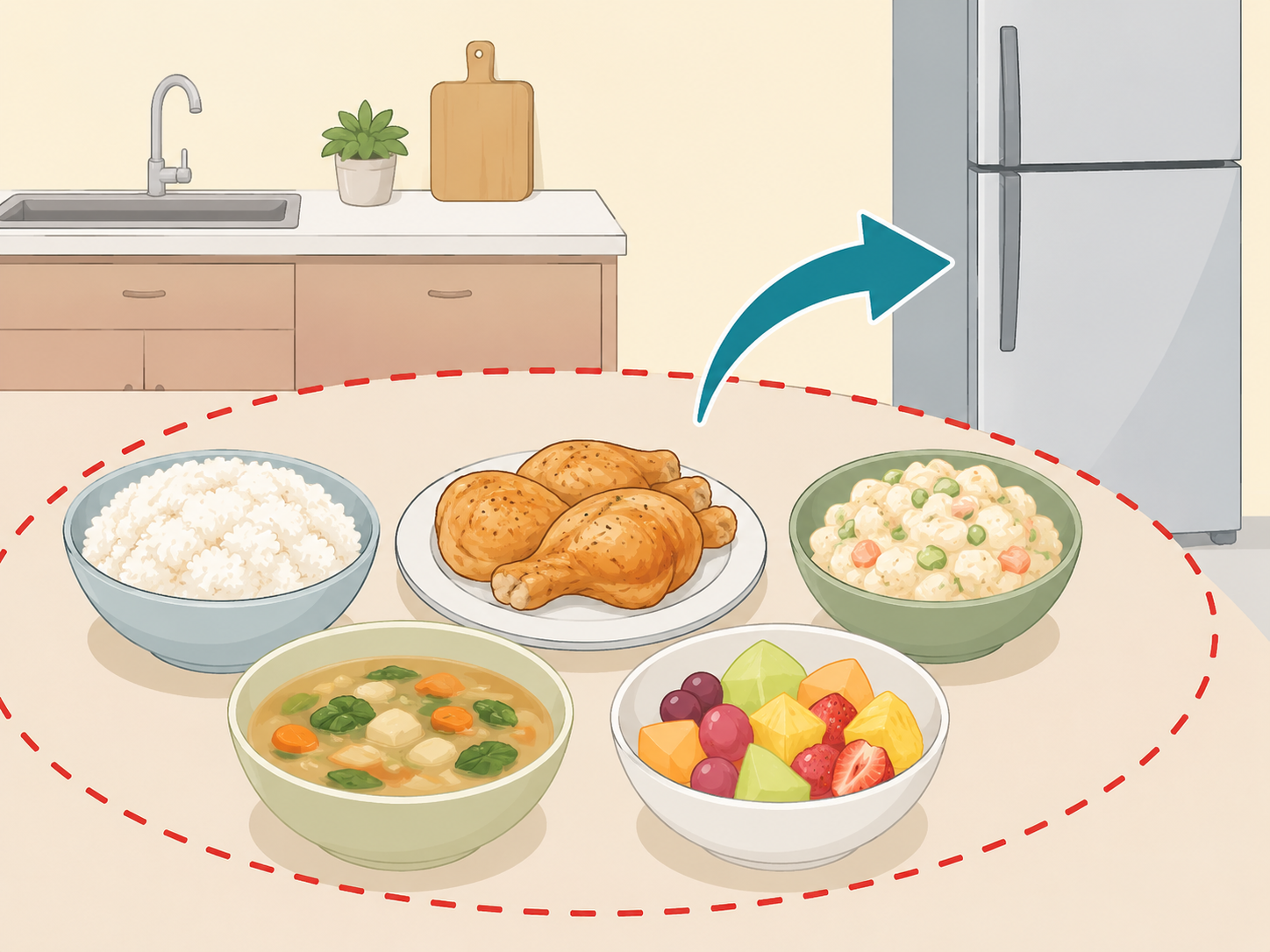
Leaving the wrong foods on the counter overnight can allow harmful germs to multiply, even if the food still looks and smells normal. This guide explains which common foods to discard, why rice and leftovers need special care, and how to chill food safely using trusted food-safety guidance from the CDC.
Check the 2-hour rule first
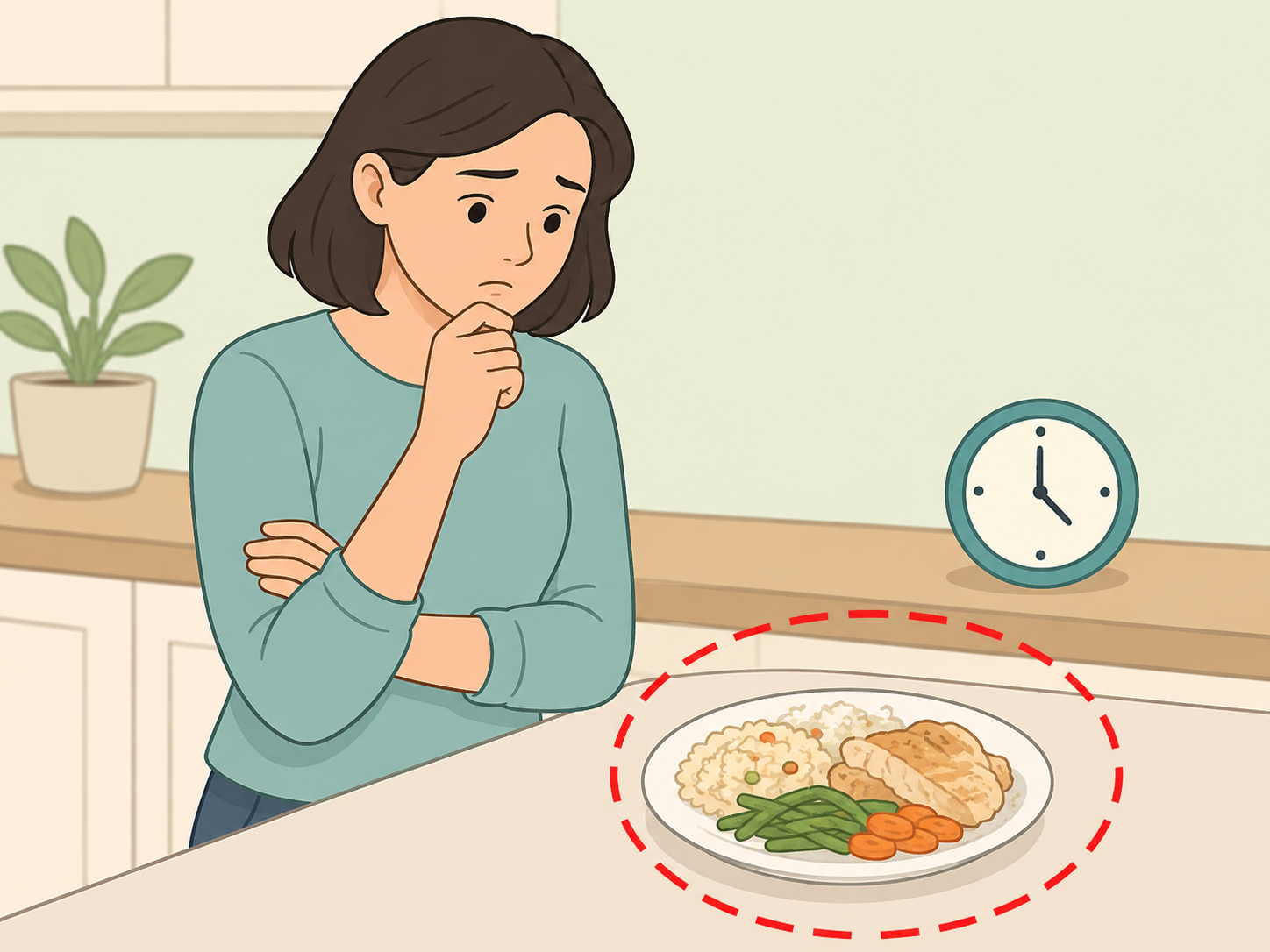
Do not use overnight as your safety cutoff; use time and temperature. The CDC explains that bacteria can multiply quickly between 40°F and 140°F, so perishable food should not sit out for more than 2 hours, or more than 1 hour if it is above 90°F.
Throw away cooked meat, poultry, and seafood
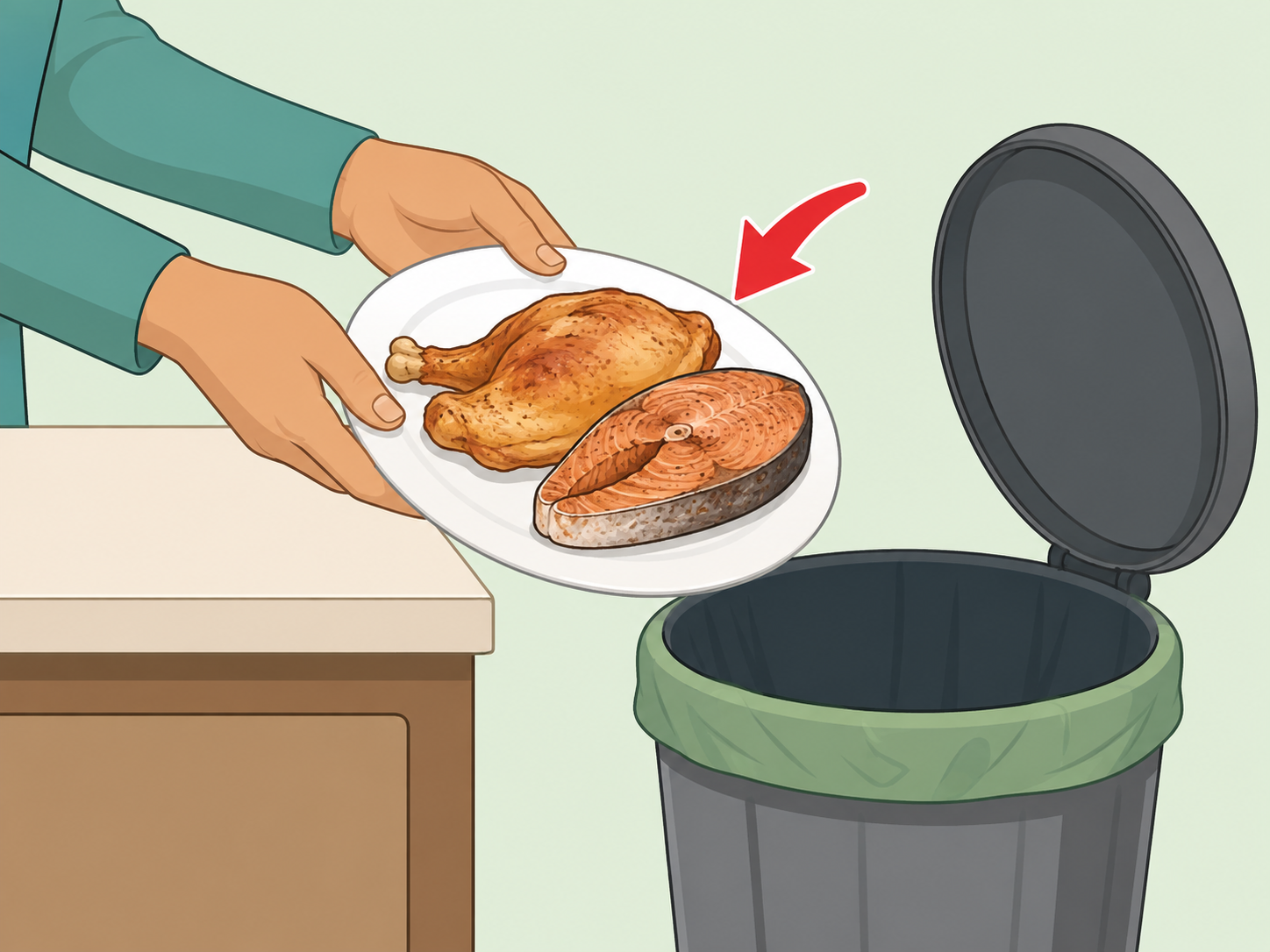
Discard chicken, turkey, beef, pork, fish, shellfish, and deli meat that sat on the counter overnight. FoodSafety.gov lists meat, poultry, and seafood among foods that need safe cooking, prompt chilling, and careful reheating.
Discard rice, pasta, and cooked grains
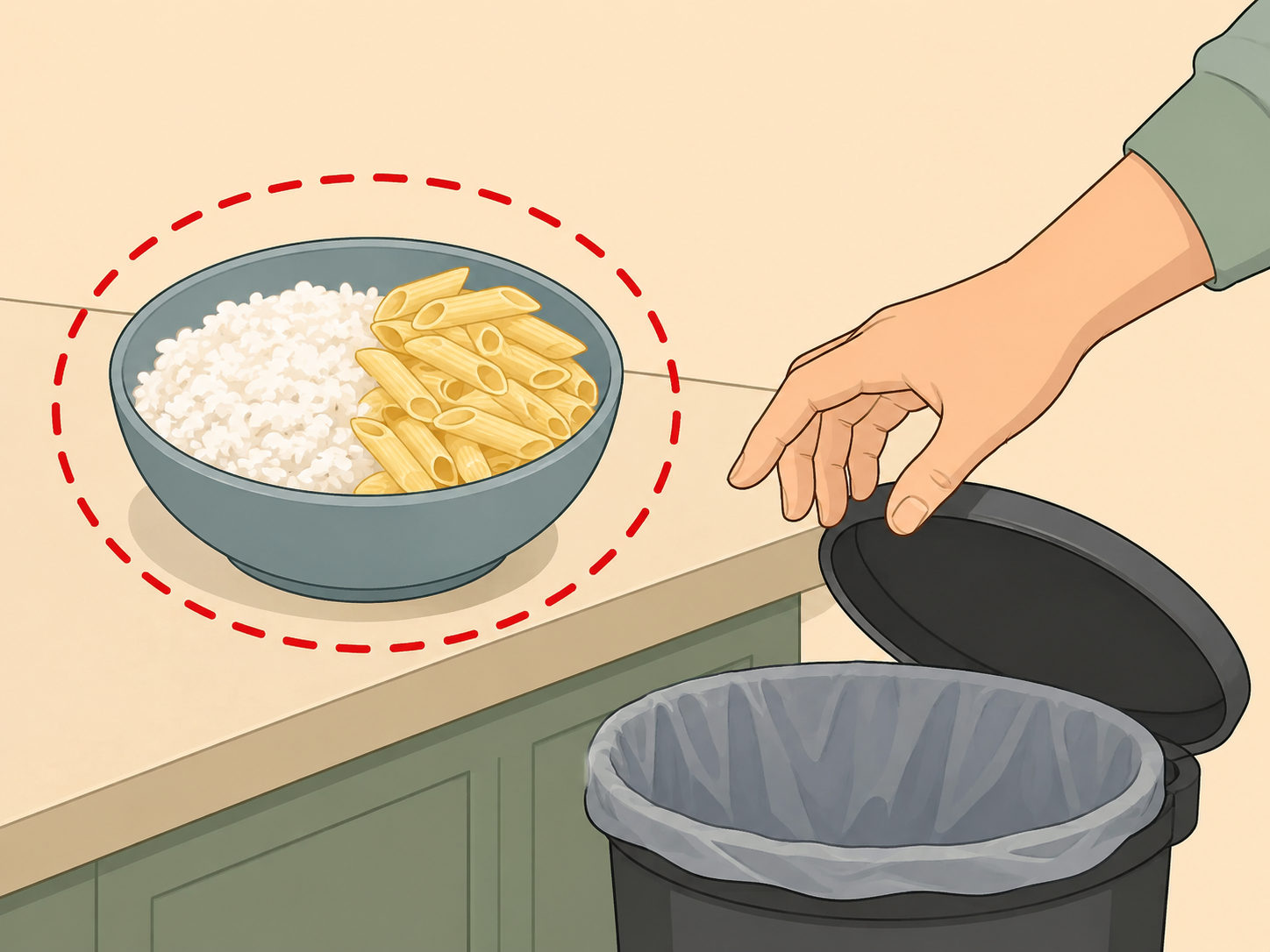
Cooked rice, pasta, quinoa, oats, and other grains should be cooled and refrigerated quickly, not left out until morning. The NHS warns that cooked rice and grains left at room temperature can allow spores to grow and produce toxins that reheating may not remove.
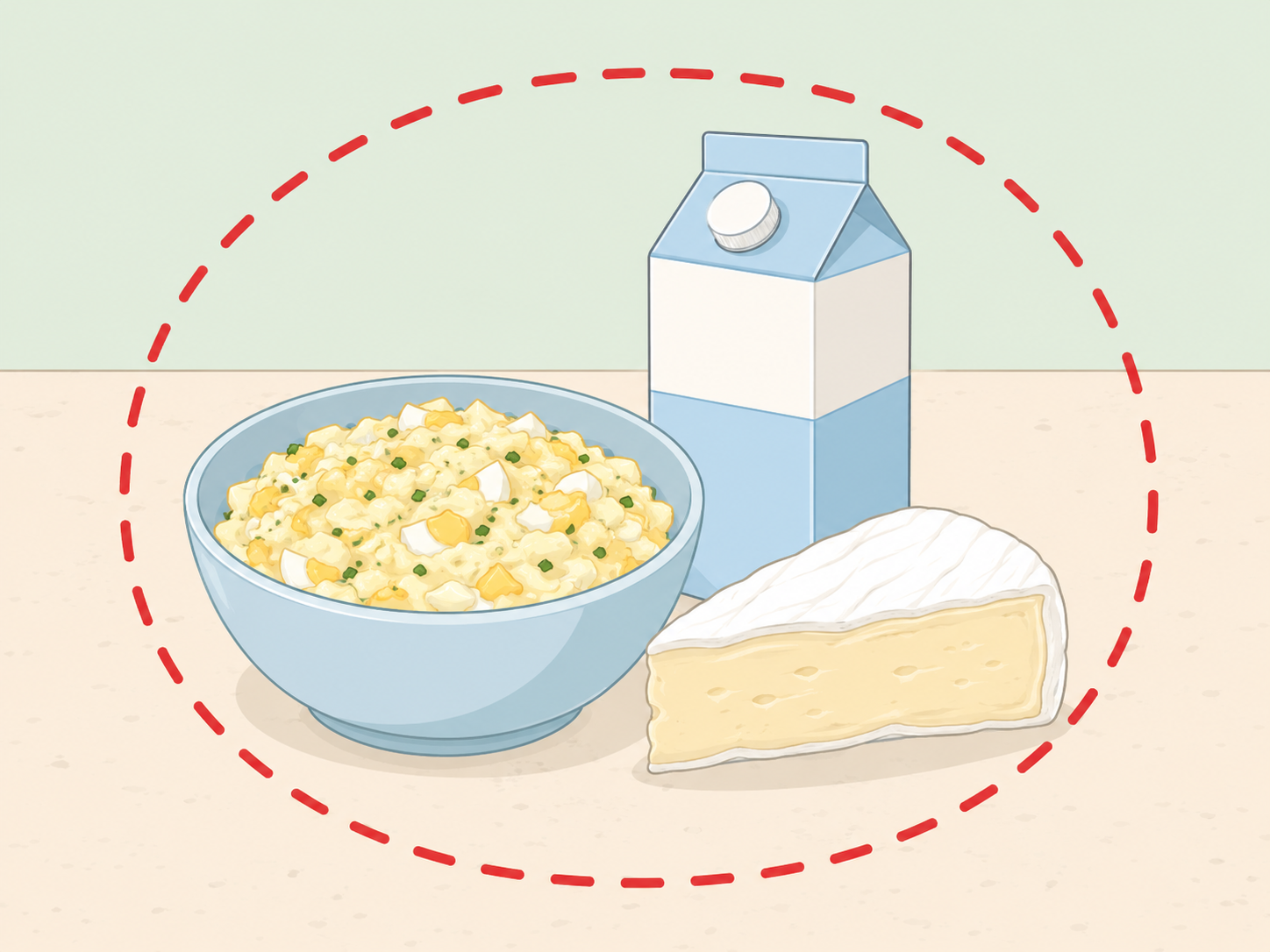
Toss egg, dairy, and mayonnaise dishes
Throw away unrefrigerated egg salad, creamy dressings, custards, milk-based sauces, soft cheeses, yogurt dishes, and mayonnaise-based salads after an overnight sit. FoodSafety.gov notes that eggs, milk, and some cheeses require extra care, especially for people at higher risk of foodborne illness.
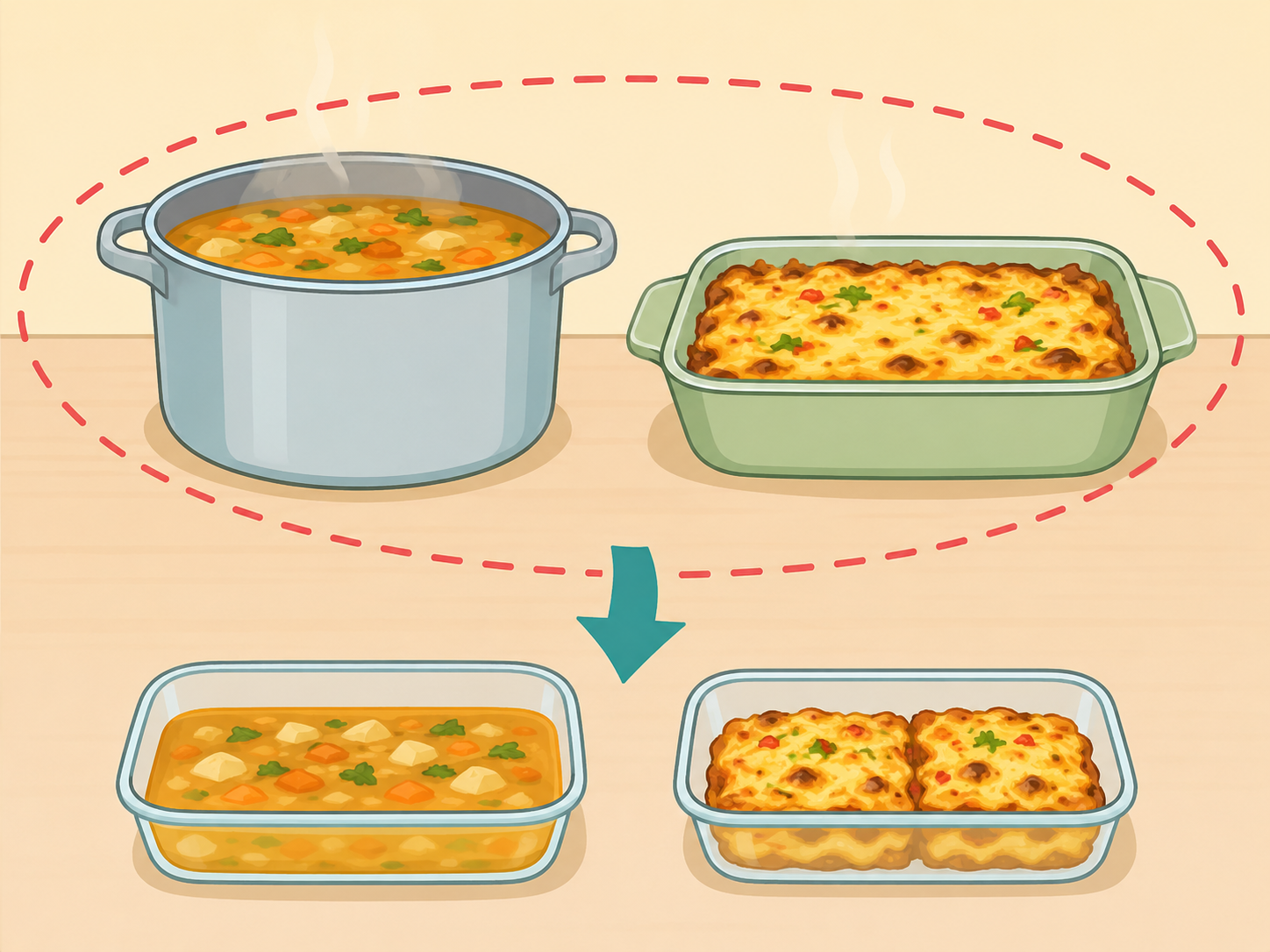
Do not save soups, stews, gravies, or casseroles
Large mixed dishes can stay warm in the danger zone for a long time, especially if they are left in a deep pot. FoodSafety.gov links unsafe room-temperature holding of gravies, soups, rice, sauces, and prepared foods with bacteria such as Bacillus cereus and Clostridium perfringens.
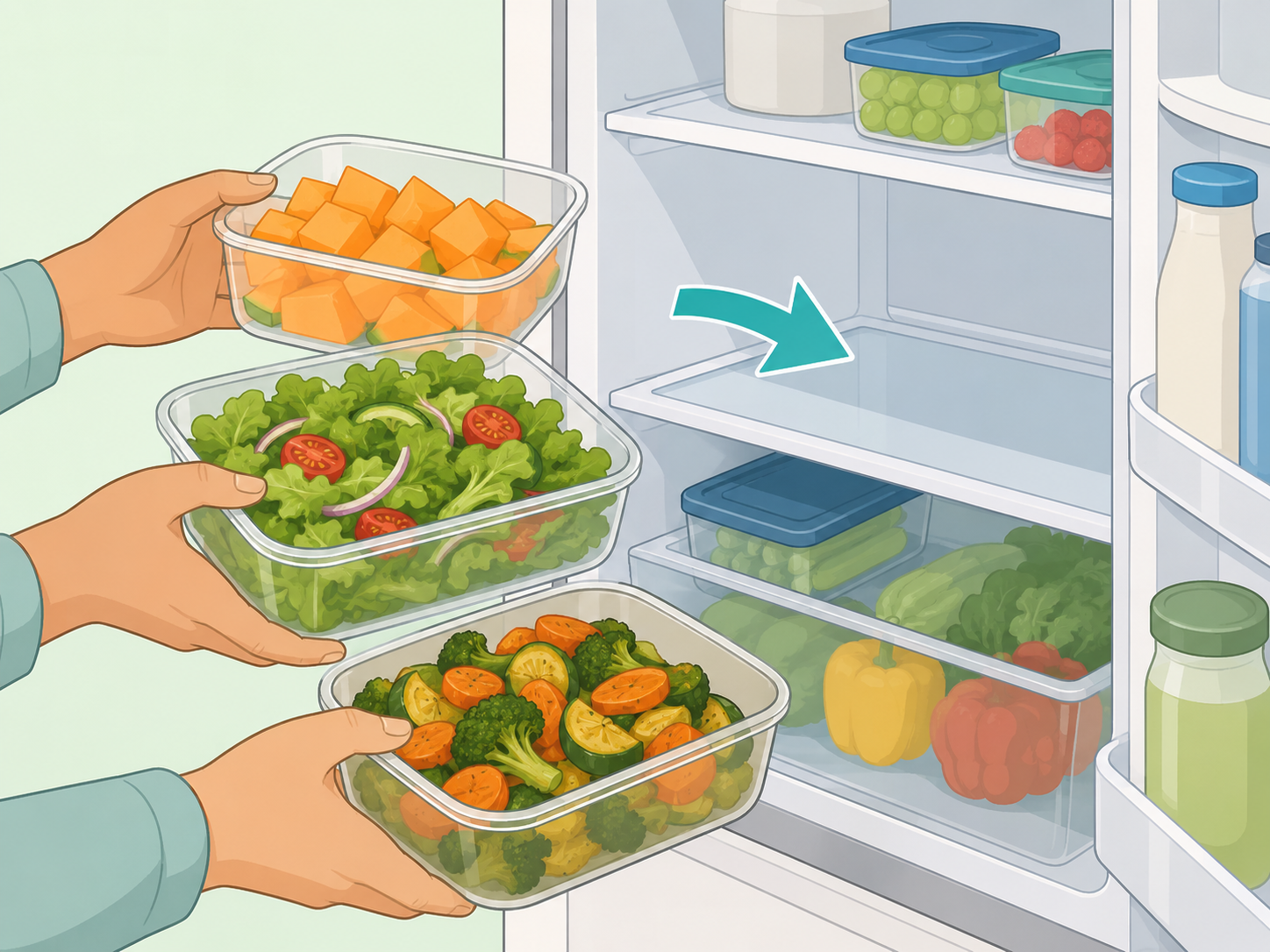
Refrigerate cut fruit, salads, and cooked vegetables
Cut melon, fruit salad, leafy salads, cooked vegetables, and vegetable dishes should go in the refrigerator instead of staying out overnight. The CDC includes cut fruit, some vegetables, dairy, seafood, meat, and cooked leftovers among perishable foods that should be refrigerated promptly.
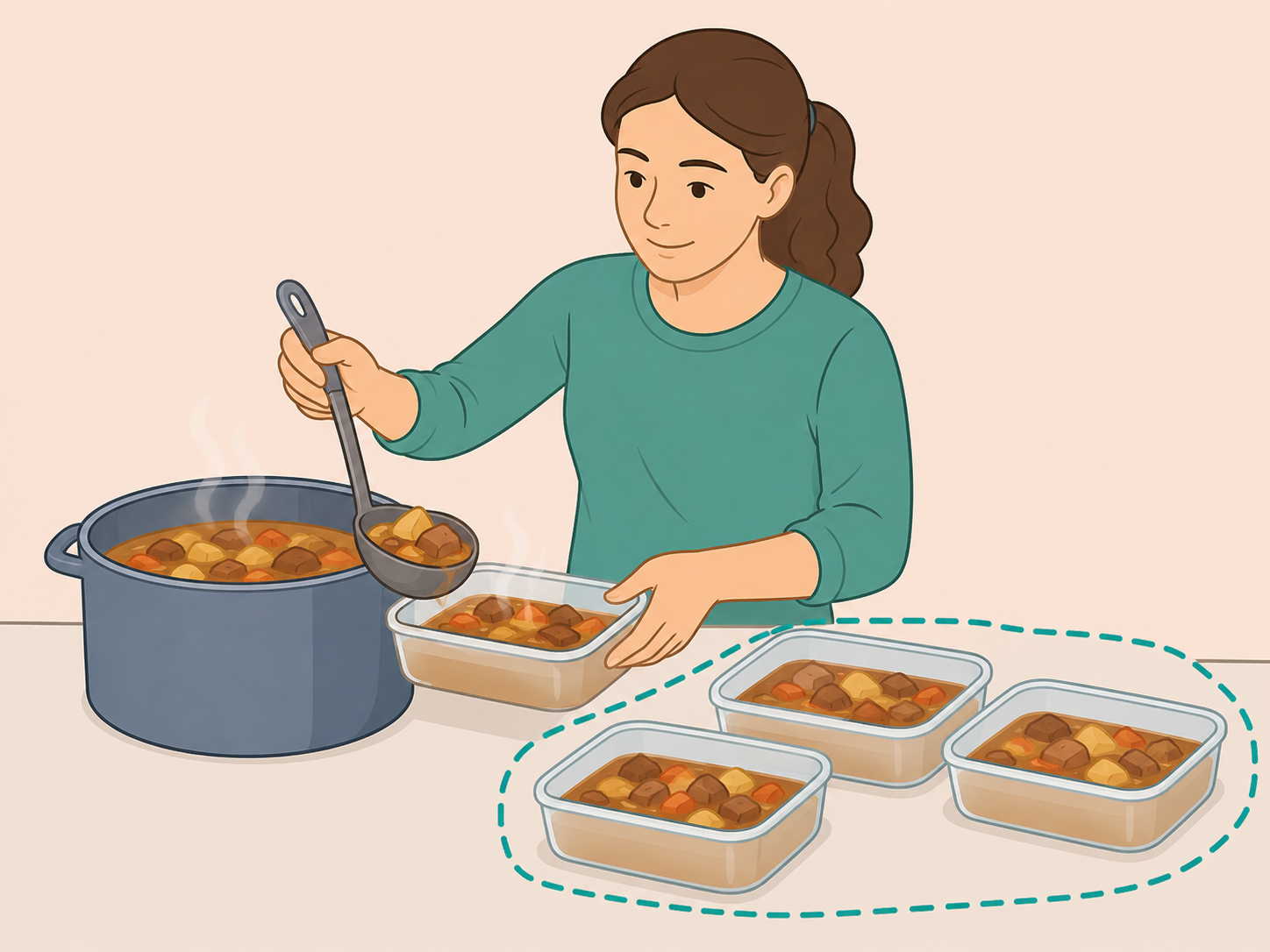
Cool leftovers in shallow containers before bed
Move hot leftovers into clean, shallow containers so they cool evenly and quickly in the refrigerator. The CDC says small portions of warm or hot food can go directly into the refrigerator because they chill faster.
Reheat only food that was chilled on time
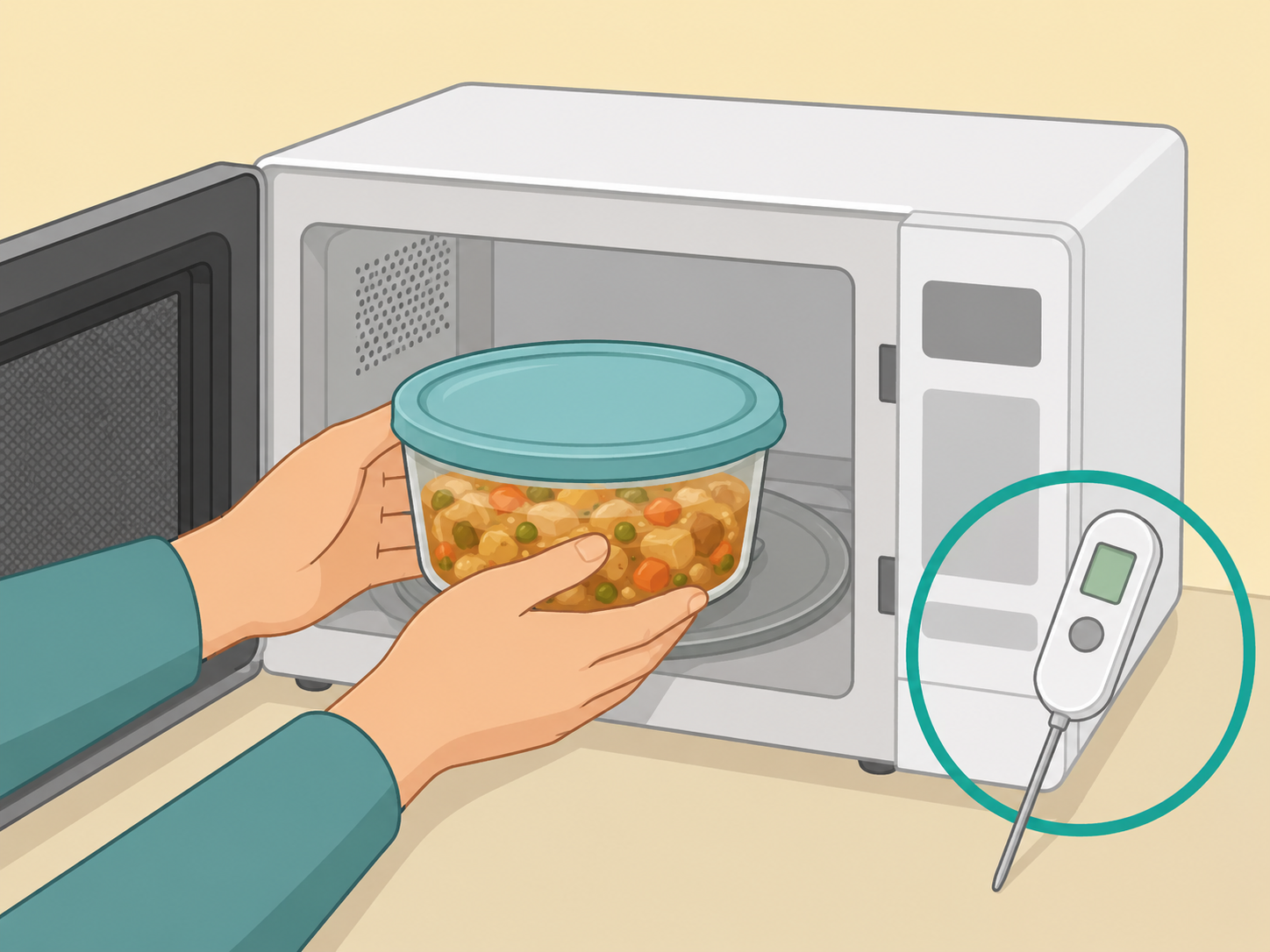
Only reheat leftovers that were refrigerated within the safe time window. The CDC recommends reheating leftovers and casseroles to 165°F, but food left out overnight should be discarded instead of reheated.
Seek medical help for severe symptoms
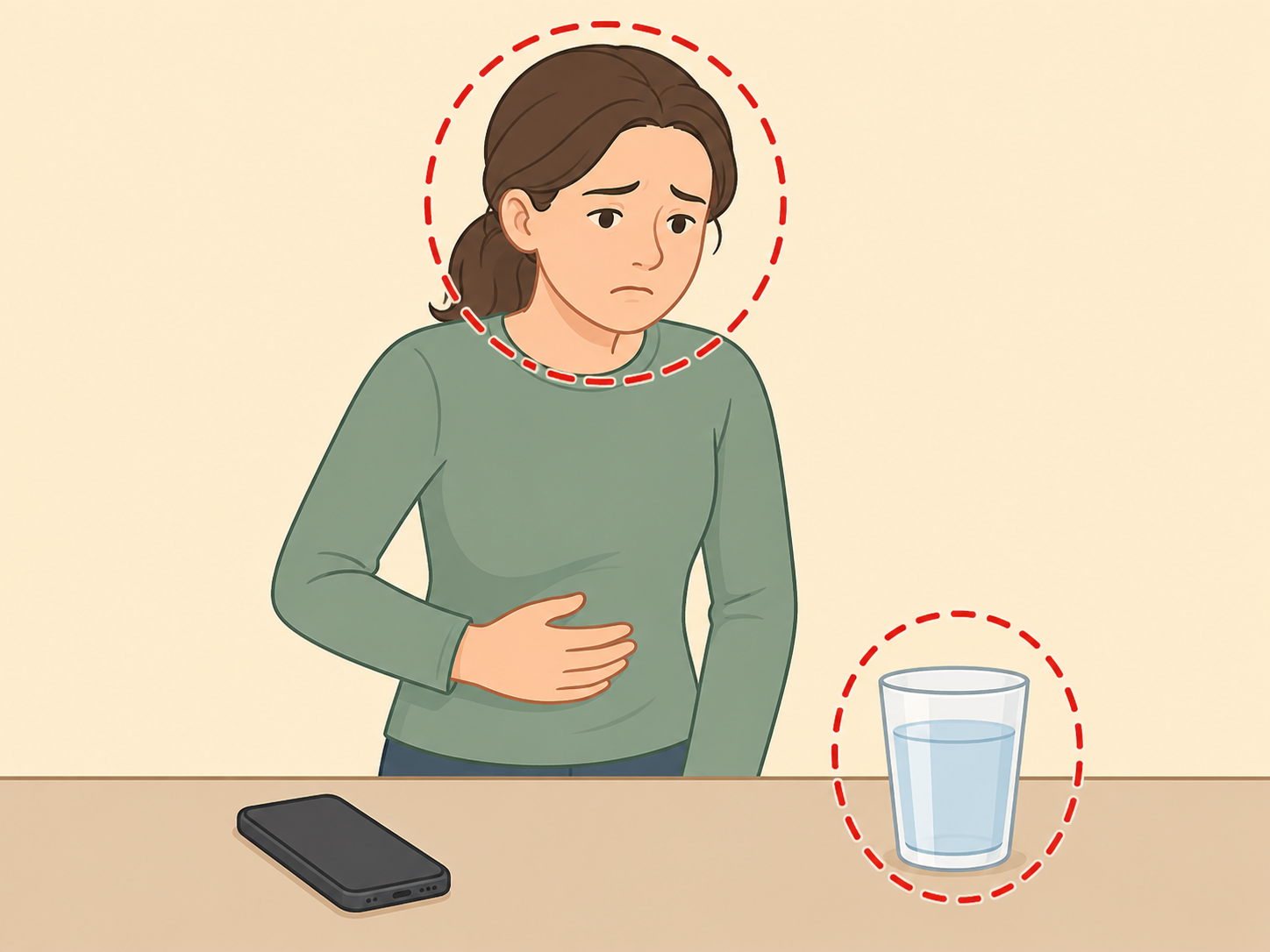
Watch for diarrhea, stomach cramps, nausea, vomiting, or fever after eating food that may have been unsafe. Get medical help for severe symptoms such as bloody diarrhea, diarrhea lasting more than 3 days, fever over 102°F, repeated vomiting, or dehydration signs, as listed by the CDC and Mayo Clinic.
Summary
The bottom line: meat, seafood, rice, dairy and egg dishes, soups, casseroles, and cut produce should not be kept after sitting out overnight. Refrigerate perishable foods within 2 hours, use shallow containers, and throw food away when you are unsure.
Frequently Asked Questions
- Can I eat pizza that was left out overnight?
If the pizza has meat, cheese, or other perishable toppings, do not eat it after it has sat out overnight. The CDC says perishable food should be refrigerated within 2 hours, or within 1 hour in temperatures above 90°F.
- Does reheating make overnight food safe again?
No. Reheating can kill some germs, but it does not reliably make food safe if it was left out too long. The NHS notes that toxins from bacteria in improperly stored rice and grains may remain even after reheating.
- What foods are usually safe at room temperature overnight?
Shelf-stable foods such as plain bread, crackers, unopened canned foods, and whole uncut fruit are generally different from perishable leftovers. When a food contains meat, seafood, dairy, eggs, cooked grains, cooked vegetables, or cut produce, treat it as perishable.
- How quickly should I refrigerate leftovers?
Refrigerate perishable leftovers within 2 hours, or within 1 hour if the food has been in heat above 90°F. FoodSafety.gov also recommends using shallow containers so leftovers cool quickly.
- How long are leftovers safe once refrigerated?
FoodSafety.gov advises using cooked leftovers within 4 days and reheating them to 165°F. Labeling containers with the date helps you use them before they become risky.
- Who needs to be extra careful with overnight food?
Adults age 65 and older, children younger than 5, pregnant women, and people with weakened immune systems are more likely to have serious food poisoning. People in these groups should be especially strict about discarding food left out too long.
References
Reliable references aided in composing and refining this content.
- https://www.cdc.gov/food-safety/prevention/index.html
- https://www.foodsafety.gov/food-poisoning/bacteria-and-viruses
- https://www.nhs.uk/live-well/eat-well/food-types/starchy-foods-and-carbohydrates
- https://www.cdc.gov/food-safety/signs-symptoms/index.html
- https://www.foodsafety.gov/people-at-risk
- https://www.mayoclinic.org/first-aid/first-aid-food-borne-illness/basics/art-20056689