
 Pin it
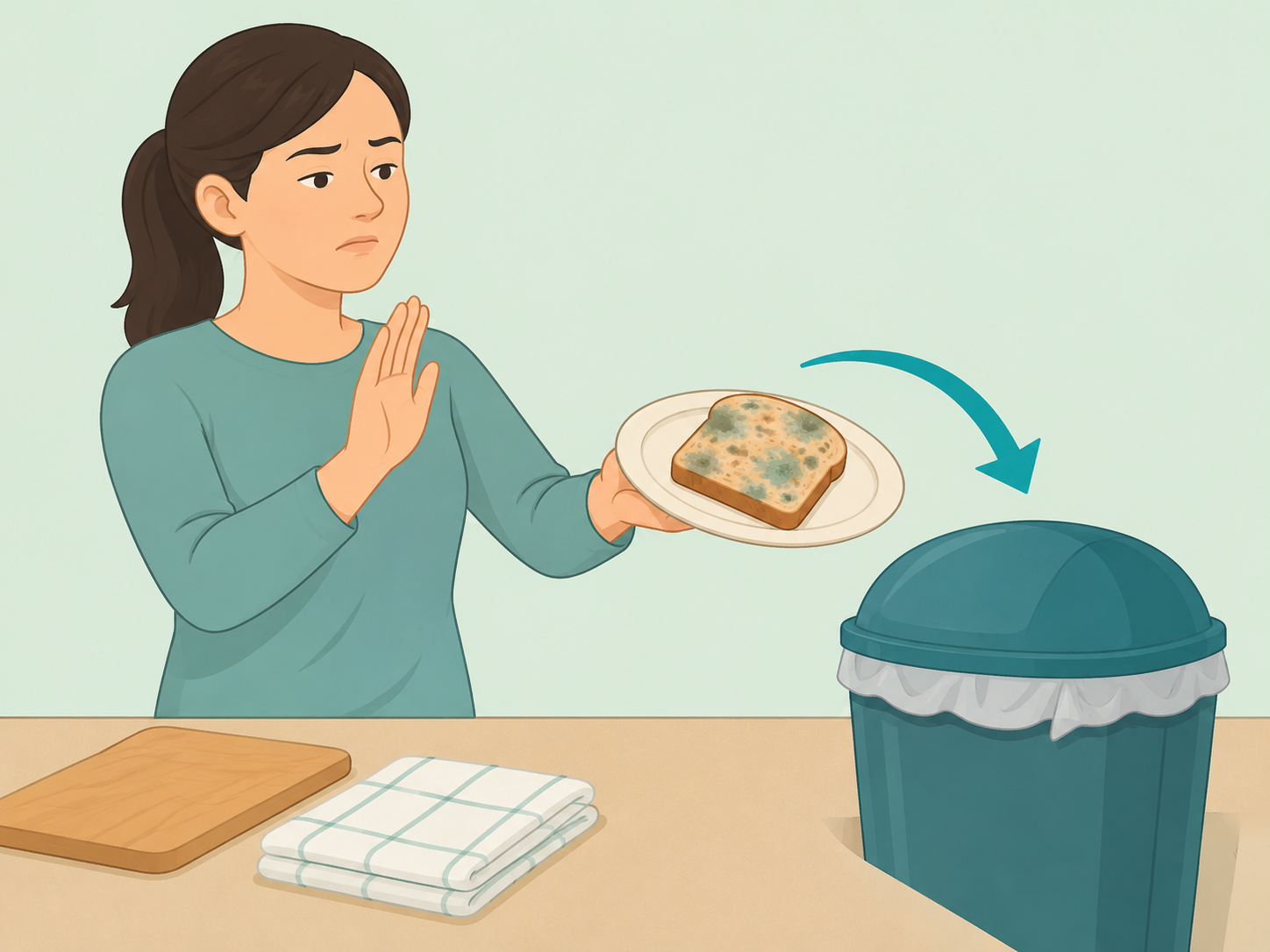
A small bite of moldy food may seem harmless, but visible mold can signal deeper growth, hidden bacteria, or toxins that are not easy to see. This guide explains how to respond calmly, what foods to throw away, and when to watch for symptoms. It is based on food-safety guidance from agencies such as the USDA Food Safety and Inspection Service, the FDA, and the CDC.
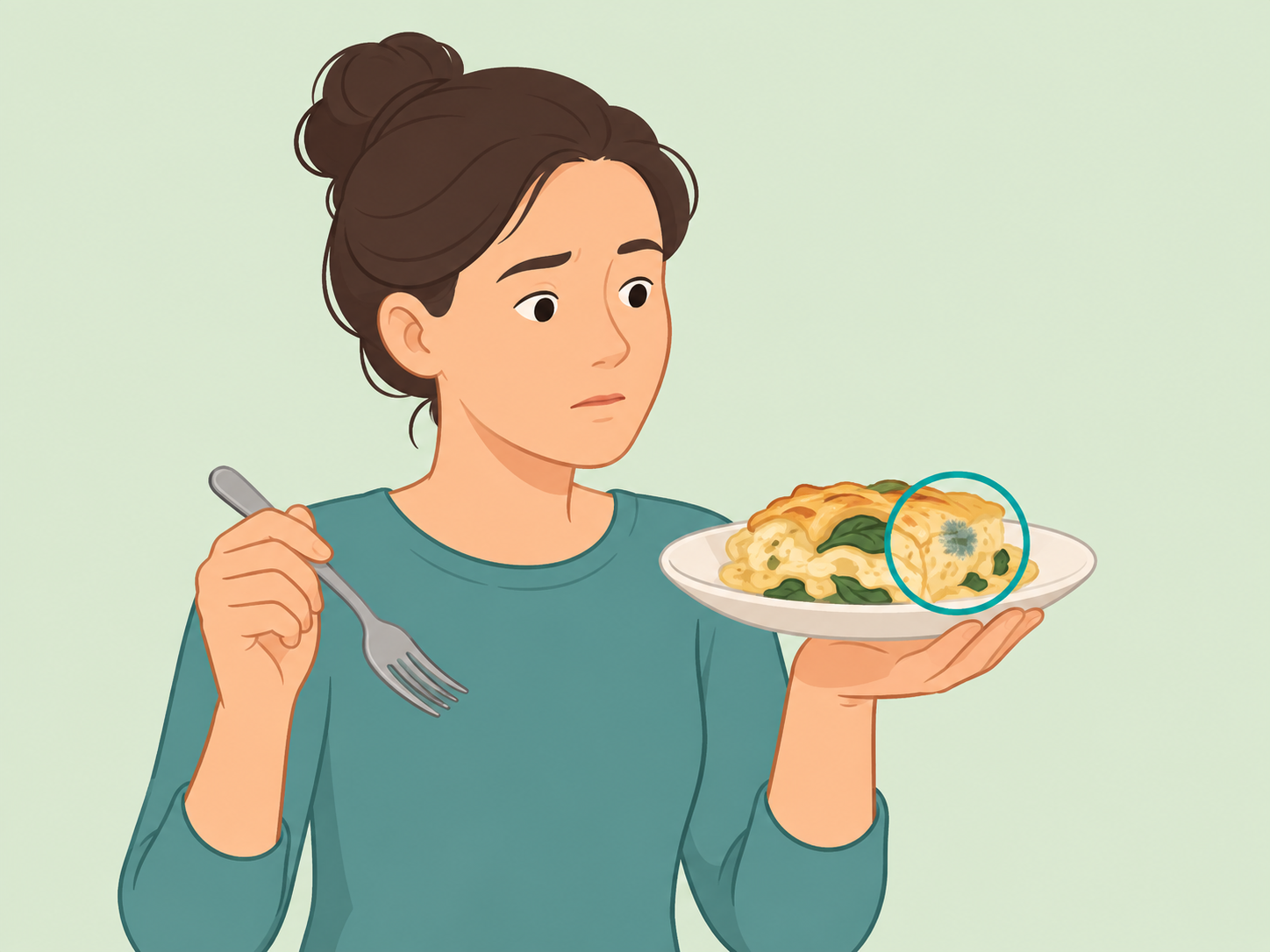
Stop eating as soon as you notice mold
Do not take another bite to check the taste or texture. The USDA explains that mold can have hidden root-like threads in food, and moldy foods may also contain bacteria. If you already swallowed a small bite, stay calm, set the food aside, and monitor how you feel.
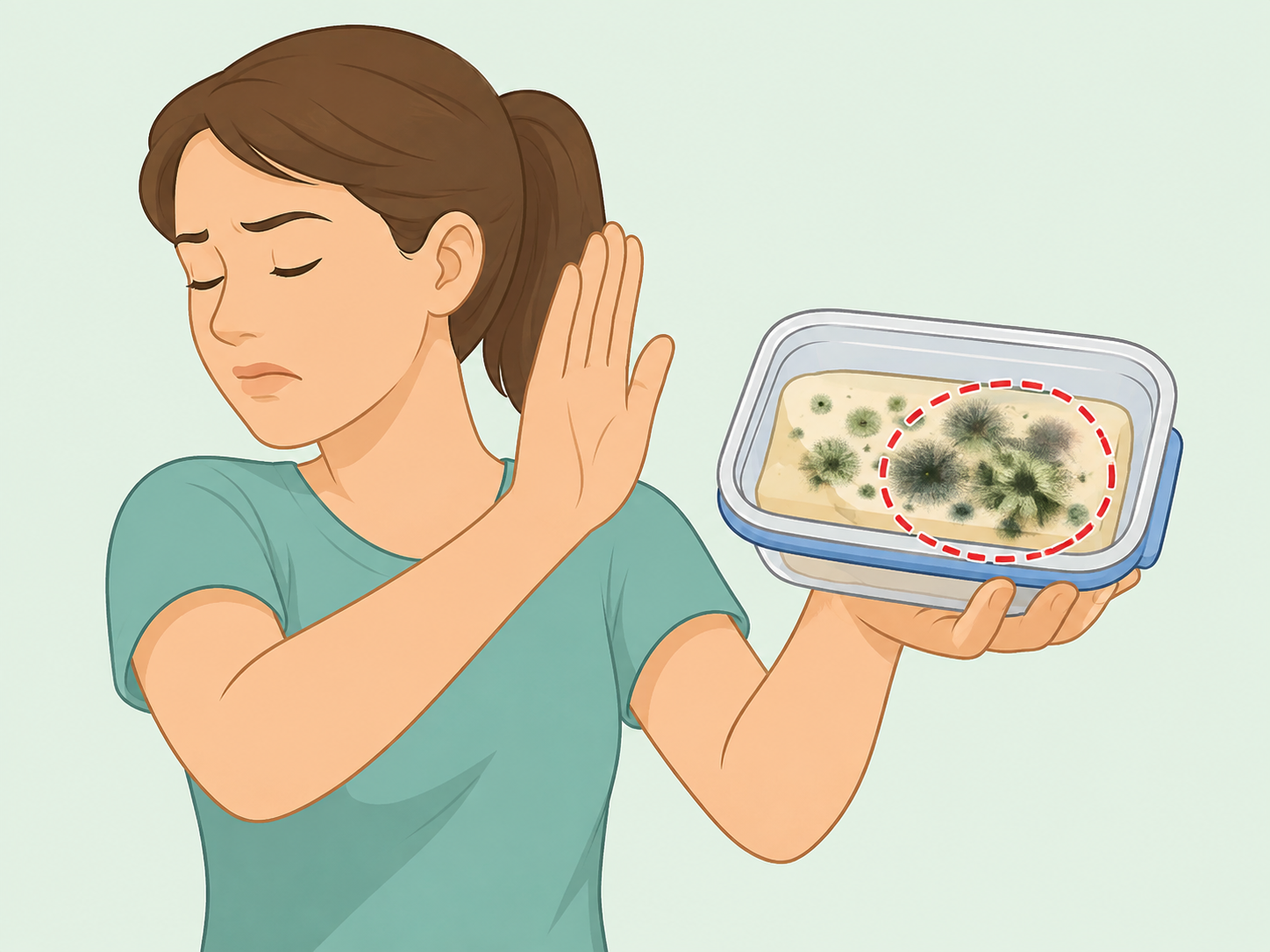
Avoid sniffing or scraping the mold
Hold the food away from your face and avoid smelling it closely. The USDA warns that sniffing moldy items can cause respiratory trouble, especially for people who are sensitive to mold. Put the food down and decide whether it needs to be discarded or carefully trimmed.
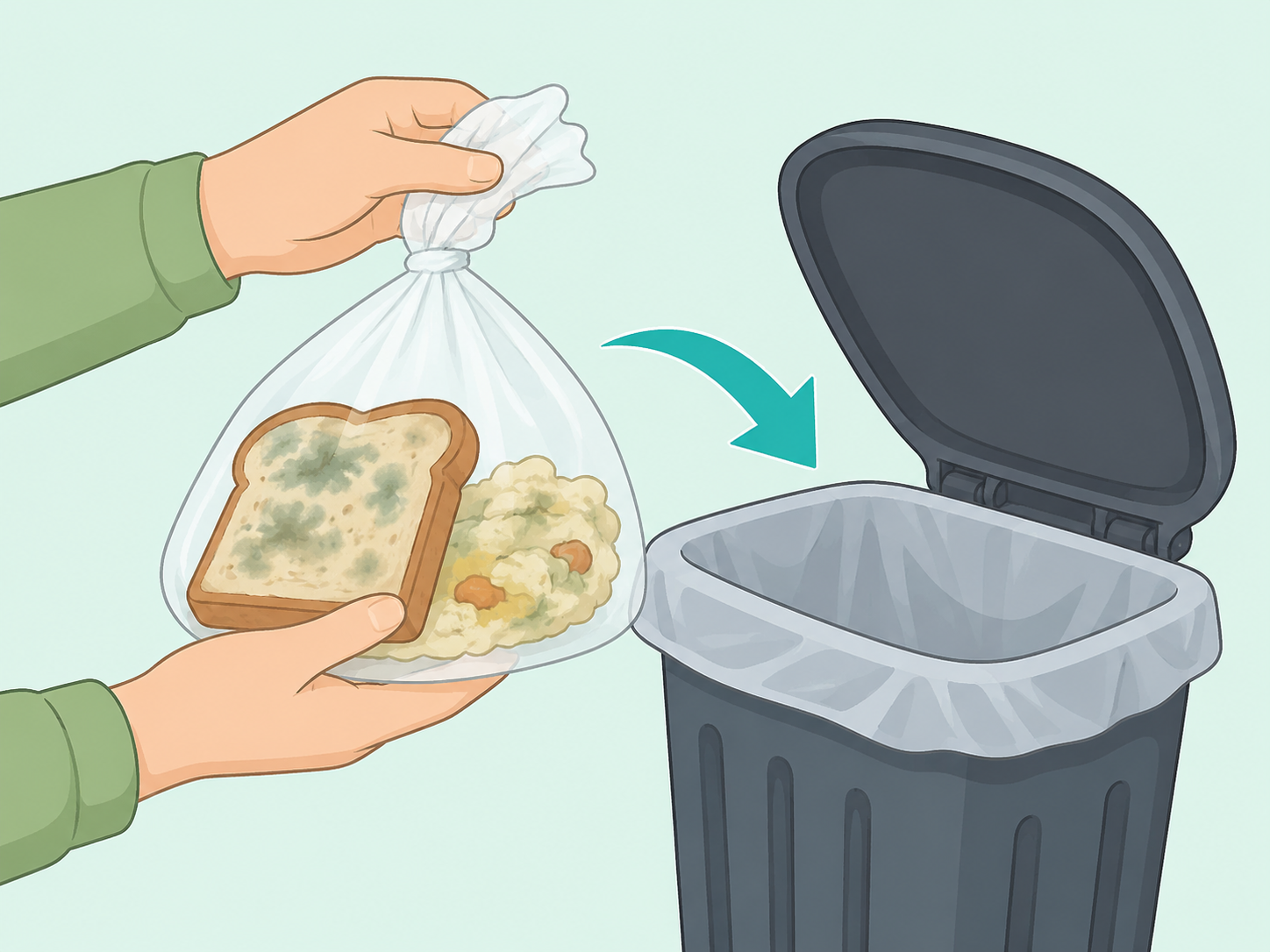
Throw away soft, moist, and porous foods
Discard moldy bread, cooked leftovers, pasta, casseroles, yogurt, sour cream, soft cheese, jams, deli meats, bacon, and hot dogs. According to the USDA mold-handling chart, high-moisture and porous foods can be contaminated below the surface. Wrap the item before putting it in a covered trash can so children and pets cannot reach it.
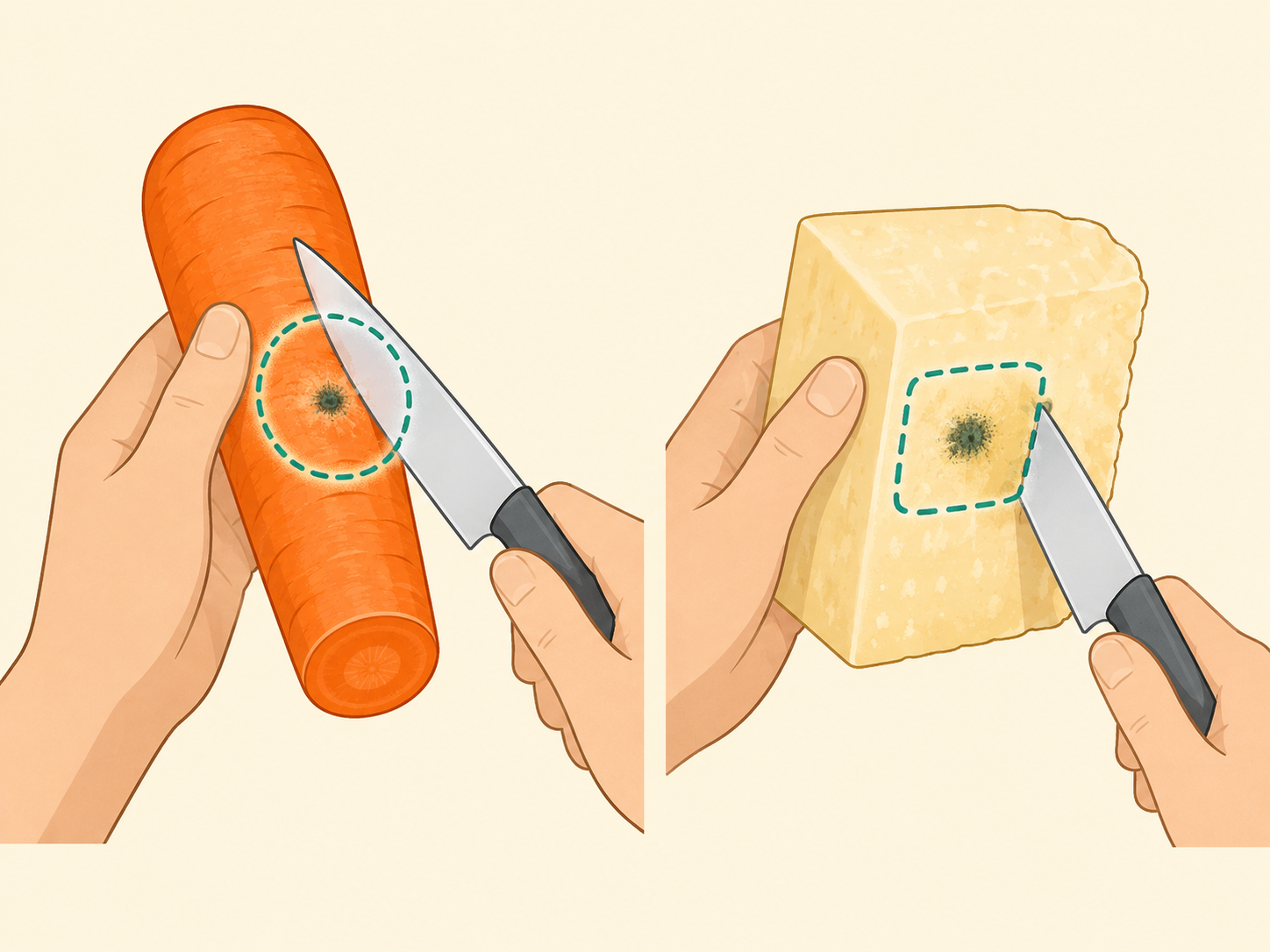
Trim only firm foods that food-safety agencies allow
Hard cheese and firm fruits or vegetables, such as carrots or bell peppers, may sometimes be saved if the mold spot is small. Cut at least 1 inch around and below the spot, keep the knife out of the mold, and rewrap the food in fresh packaging, following USDA trimming guidance. If the food is soft, shredded, sliced, crumbled, slimy, or heavily moldy, throw it away instead.
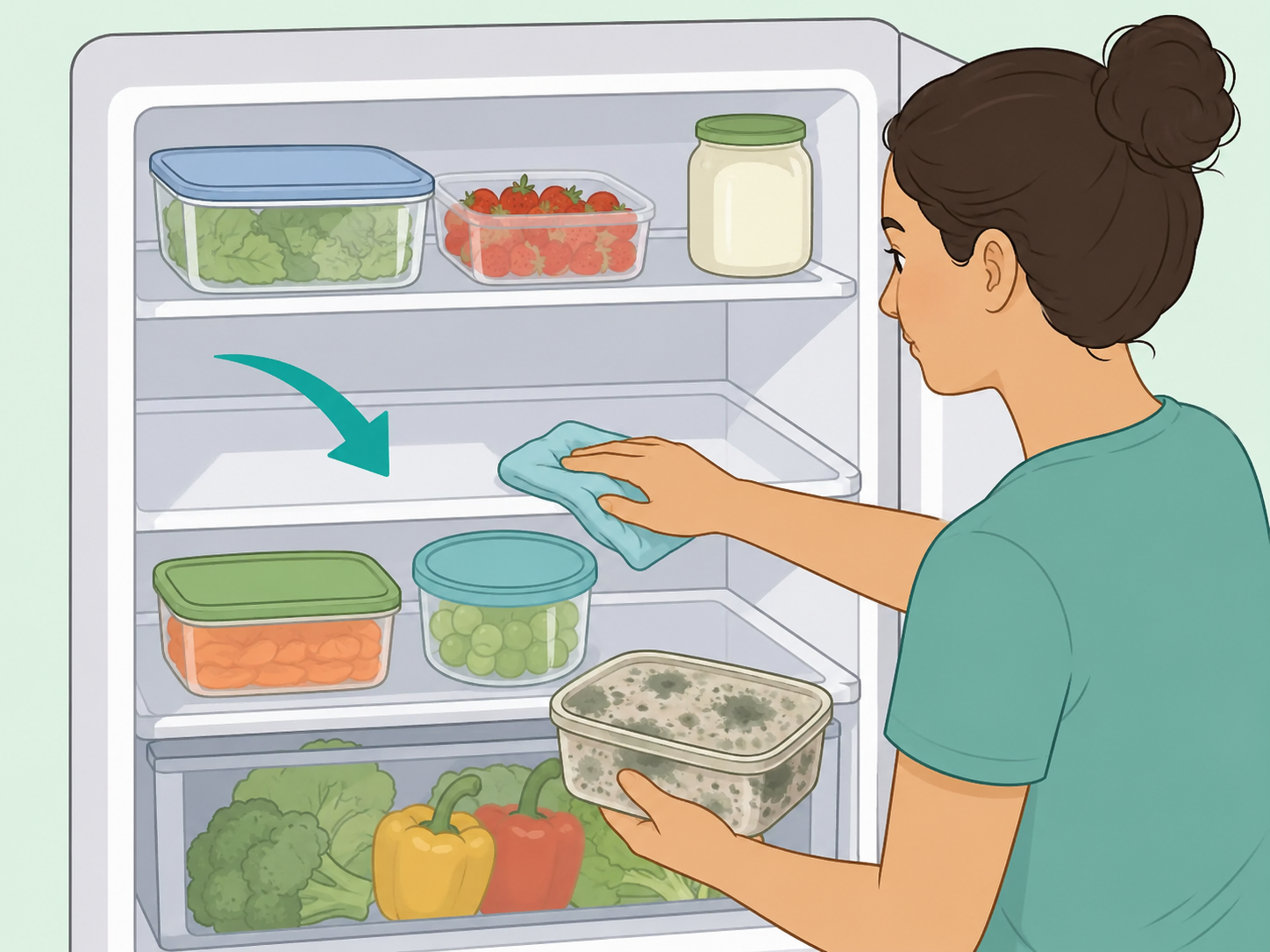
Clean the place where the food was stored
Wipe the refrigerator shelf, pantry spot, drawer, or container that touched the moldy item. Mold spores can spread to nearby foods, and the USDA recommends checking items stored next to the moldy food. Wash reusable containers with hot, soapy water and dry them before storing food again.
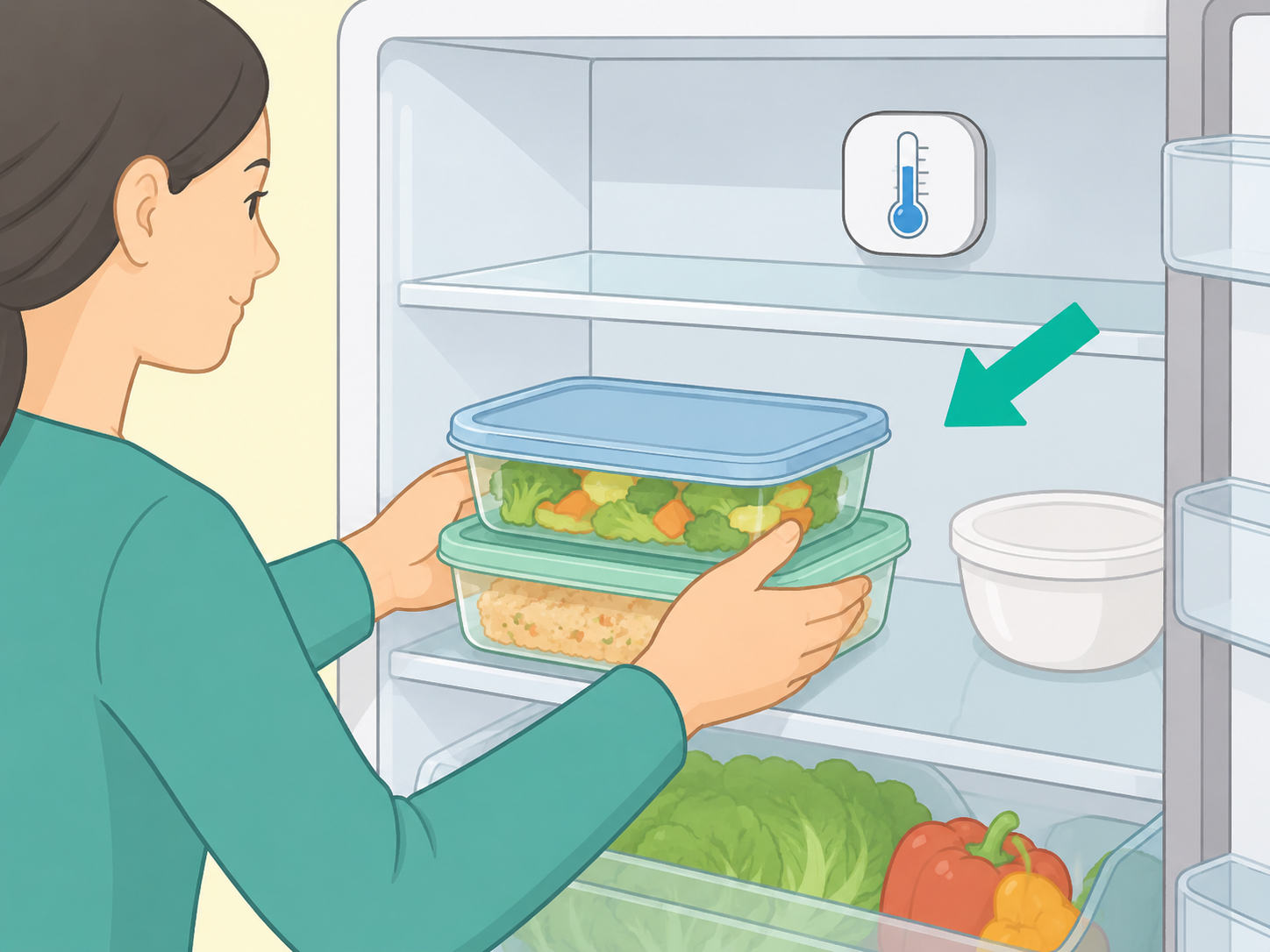
Store food cold and use leftovers quickly
Keep your refrigerator at 40°F or below and refrigerate perishable food within 2 hours, or within 1 hour if the temperature is above 90°F, as the CDC recommends for food poisoning prevention. Store leftovers in shallow covered containers so they cool quickly. The FDA also advises not crowding the refrigerator, because cold air needs room to circulate.
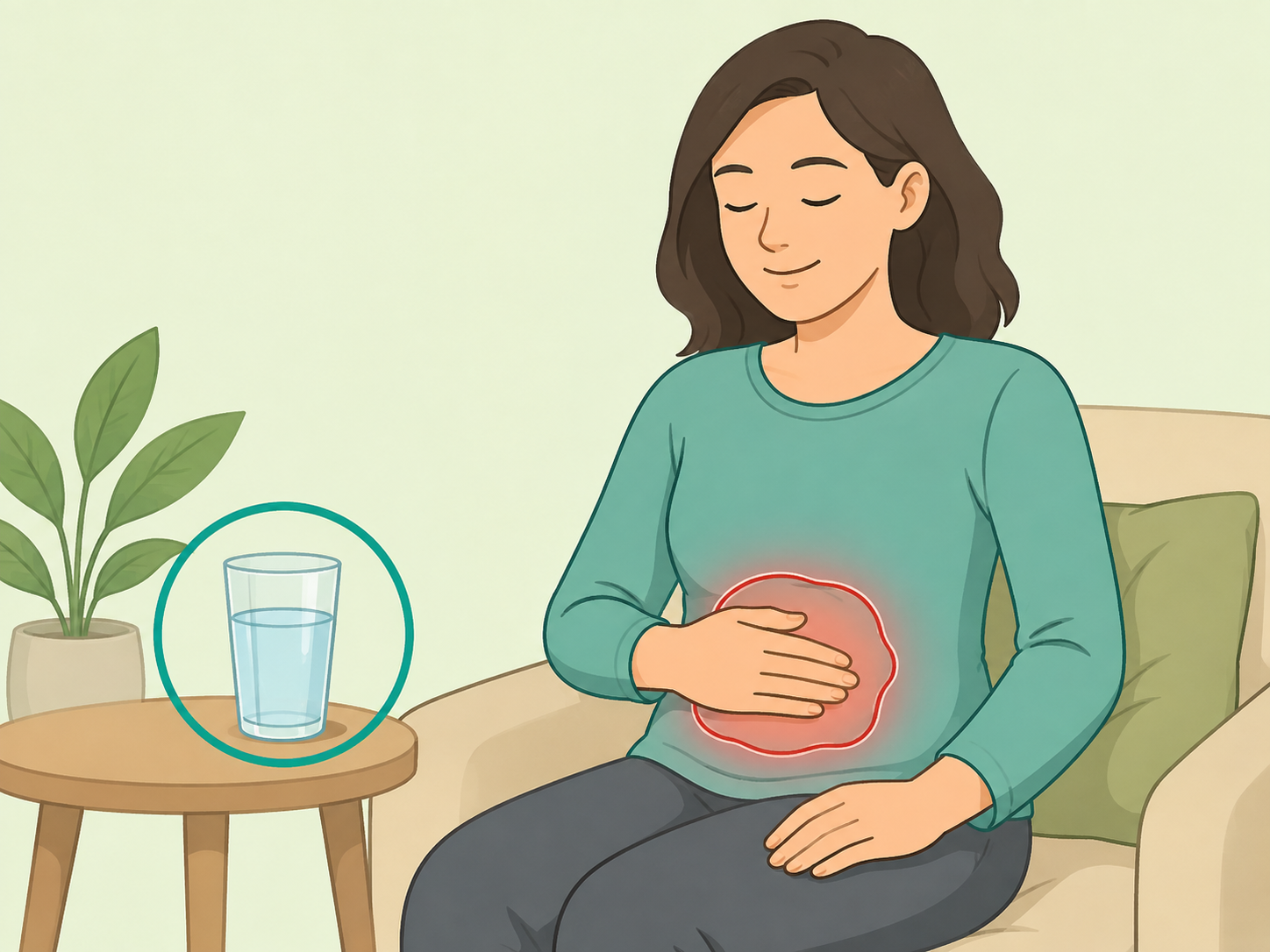
Watch for food poisoning symptoms
After eating questionable food, watch for diarrhea, stomach cramps, nausea, vomiting, or fever. The CDC says food poisoning symptoms can begin within hours or take several days, depending on the germ or toxin involved. Drink fluids if you have vomiting or diarrhea, and avoid guessing the cause if symptoms continue.
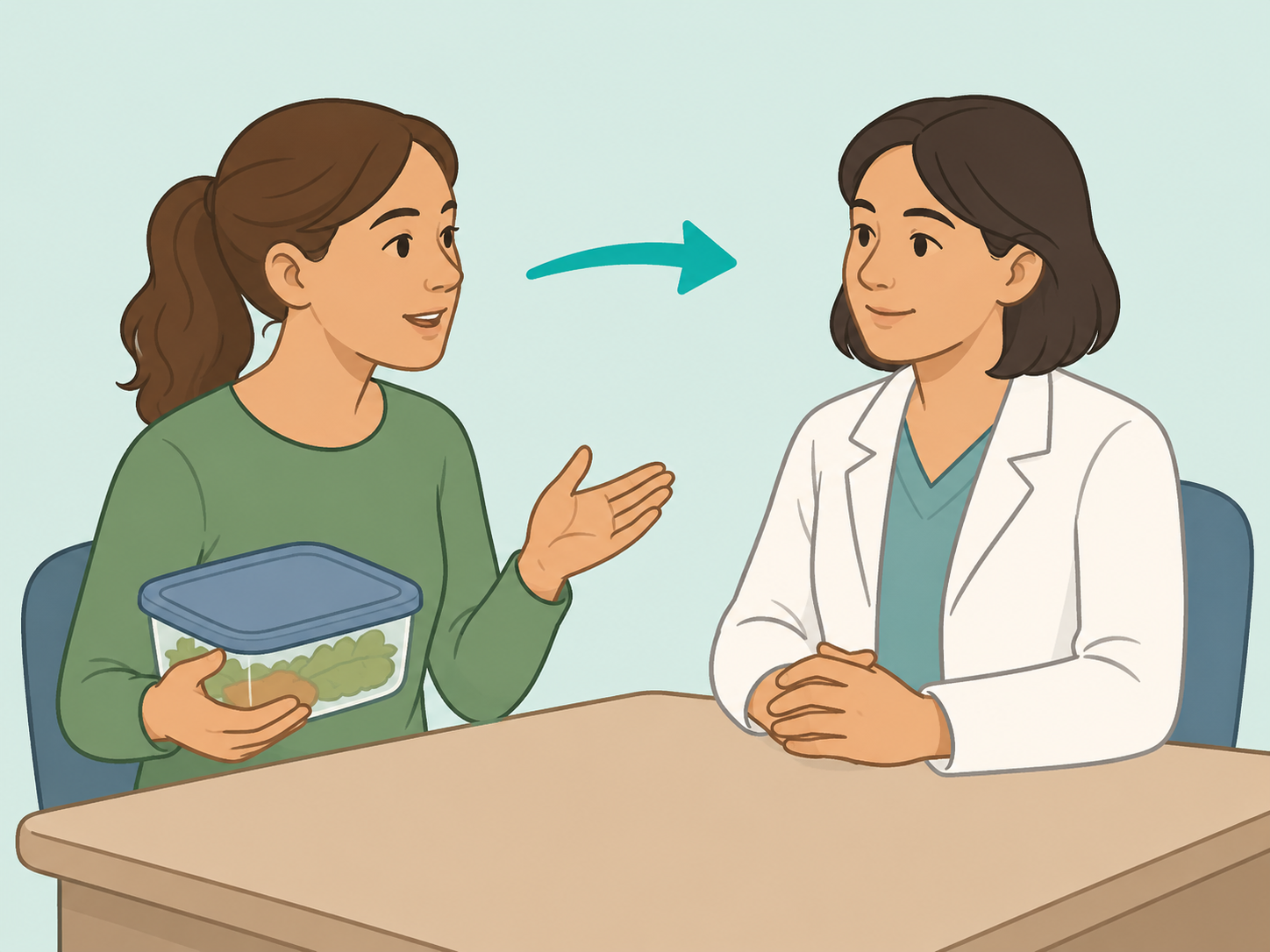
Seek medical help for severe or unusual symptoms
Contact a doctor or urgent care if you have bloody diarrhea, diarrhea lasting more than 3 days, a fever over 102°F, frequent vomiting that prevents you from keeping liquids down, or signs of dehydration such as dizziness or very little urination. The CDC lists these as reasons to seek help, and MedlinePlus notes that infants, older adults, pregnant people, and people with weakened immune systems need extra caution with food poisoning. If you think a poisonous food or toxin is involved, call Poison Control or emergency services.
Summary
The bottom line: do not taste moldy food to decide whether it is safe. Throw away soft, moist, or porous foods with mold, trim only approved firm foods carefully, keep food cold and covered, and seek medical help if symptoms become severe.
Frequently Asked Questions
- Can one bite of moldy food make me sick?
- One small bite does not always cause illness, but it can expose you to mold, bacteria, or toxins depending on the food. Stop eating it, throw the food away if it is a high-risk item, and watch for symptoms such as nausea, vomiting, diarrhea, stomach cramps, or fever.
- Is it safe to cut mold off bread?
- No. Bread is porous, so mold can spread beyond the visible spot. The USDA recommends discarding moldy bread instead of cutting around it.
- Which moldy foods can sometimes be saved?
- Some hard cheeses and firm fruits or vegetables can sometimes be saved by cutting at least 1 inch around and below the mold spot. Soft cheeses, yogurt, jams, cooked leftovers, deli meats, bread, and pasta should be discarded.
- Should I make myself vomit after eating moldy food?
- No. Do not try to make yourself vomit unless a poison control expert or health professional tells you to. If you are worried about poisoning or severe symptoms, contact Poison Control in the United States at 1-800-222-1222 or seek medical care.
- Does cooking make moldy food safe?
- Do not rely on cooking to make moldy food safe. Some molds can produce mycotoxins, and the FDA notes that certain mycotoxins can make people sick.
- How can I keep food from getting moldy so quickly?
- Keep refrigerated foods covered, store perishables at 40°F or below, avoid crowding the refrigerator, and use leftovers within a few days. The FDA recommends checking refrigerator temperatures with an appliance thermometer.
References
Reliable references aided in composing and refining this content.
- https://www.fsis.usda.gov/food-safety/safe-food-handling-and-preparation/food-safety-basics/molds-food-are-they-dangerous
- https://www.fda.gov/food/natural-toxins-food/mycotoxins
- https://www.cdc.gov/food-safety/prevention/index.html
- https://www.cdc.gov/food-safety/signs-symptoms/index.html
- https://www.fda.gov/consumers/consumer-updates/are-you-storing-food-safely
- https://medlineplus.gov/ency/article/001652.htm