
 Pin it
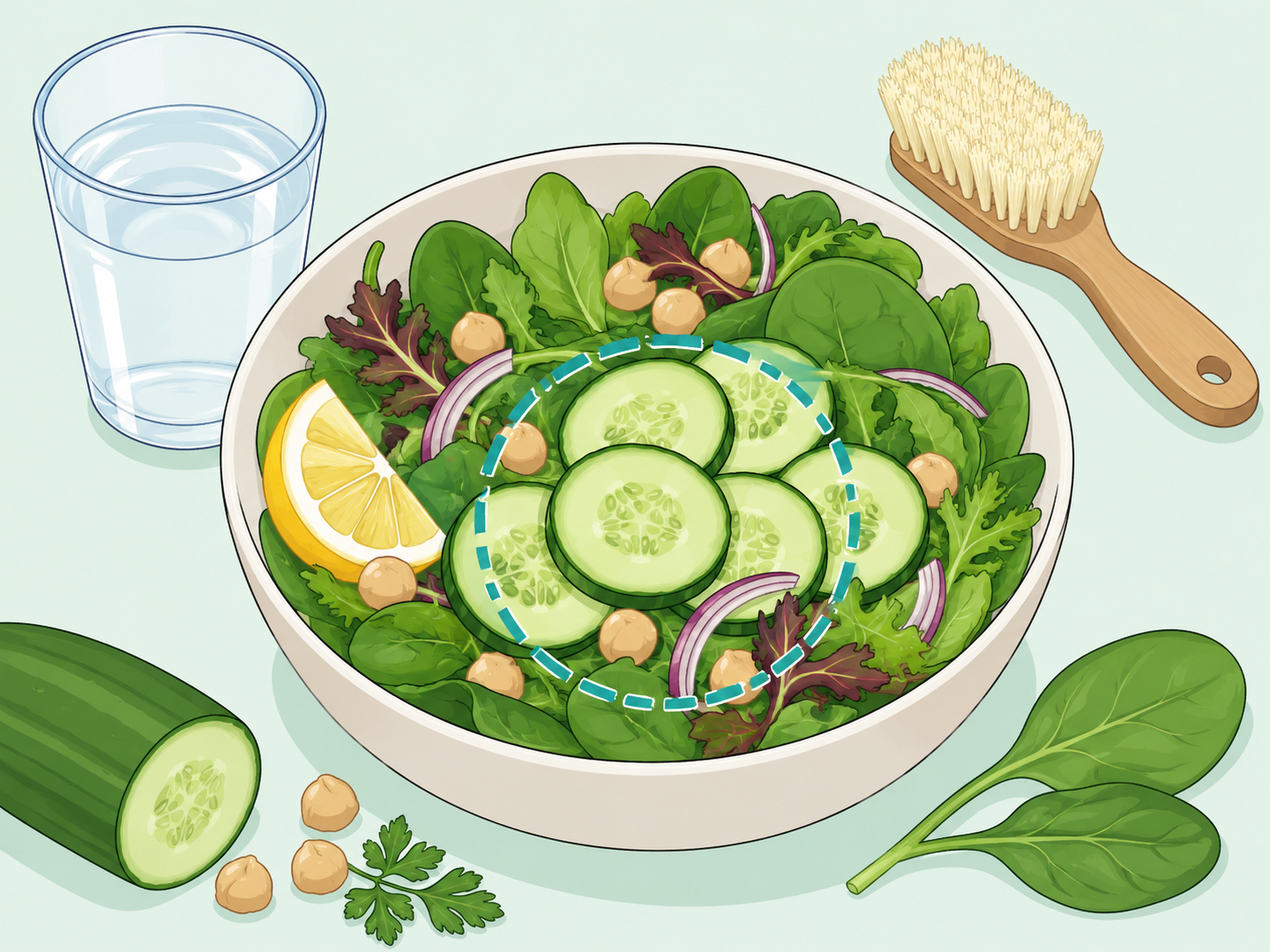
Cucumber in salad is refreshing, but it is not a shortcut to perfect skin or a medical treatment. This guide shows how to use cucumber as part of a balanced, skin-supportive eating pattern while handling raw produce safely. You will learn how to wash, prepare, pair, store, and know when symptoms need medical care.
Use cucumber as one part of a balanced diet
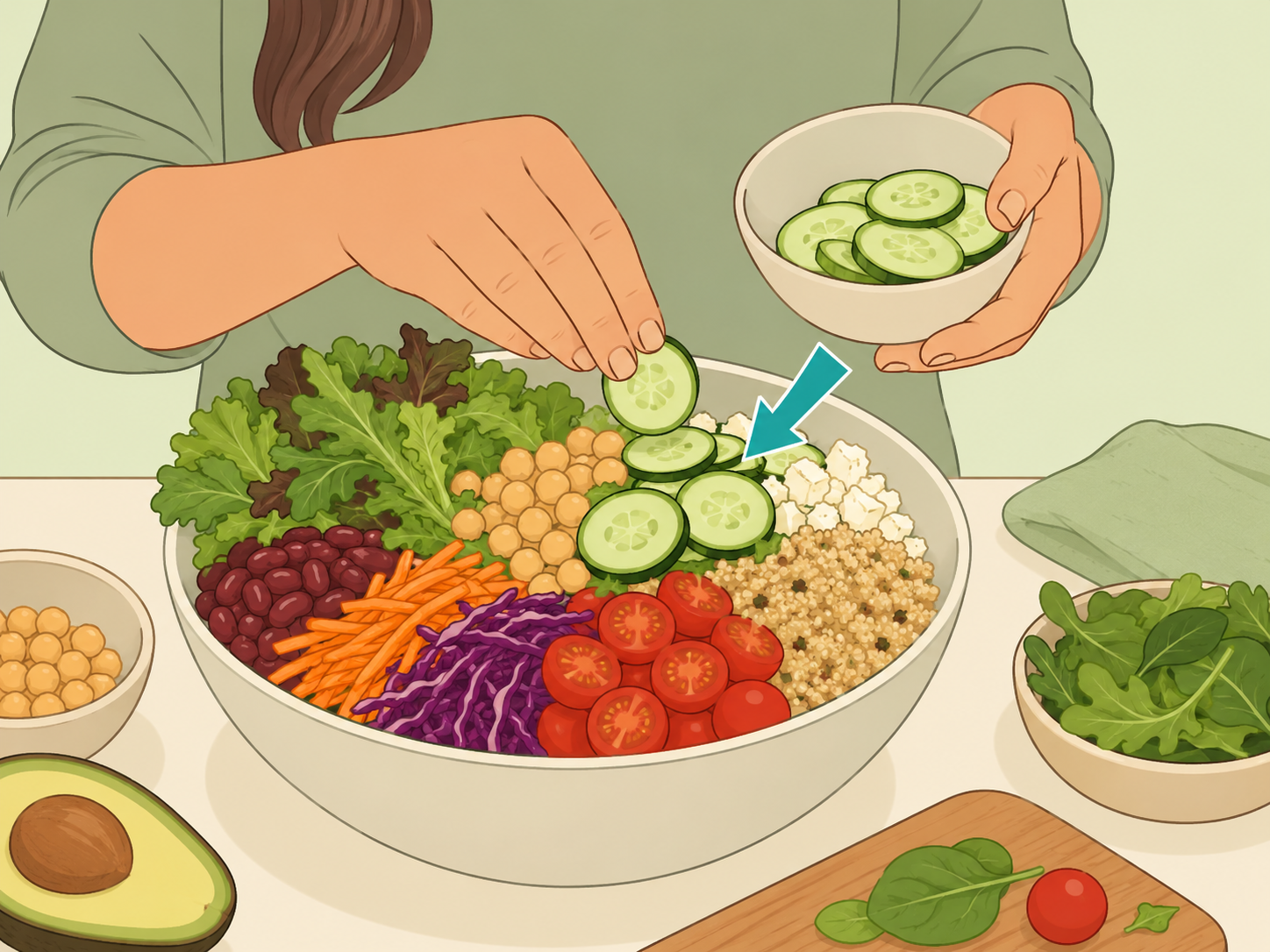
Start with realistic expectations: cucumber is a healthy salad ingredient, not a beauty cure. Cleveland Clinic describes cucumbers as low in calories and rich in water, with small amounts of fiber and nutrients such as vitamin K and potassium. For skin health, Mayo Clinic recommends a balanced diet with fruits, vegetables, whole grains, lean proteins, and plenty of water.
Wash and scrub the cucumber before slicing
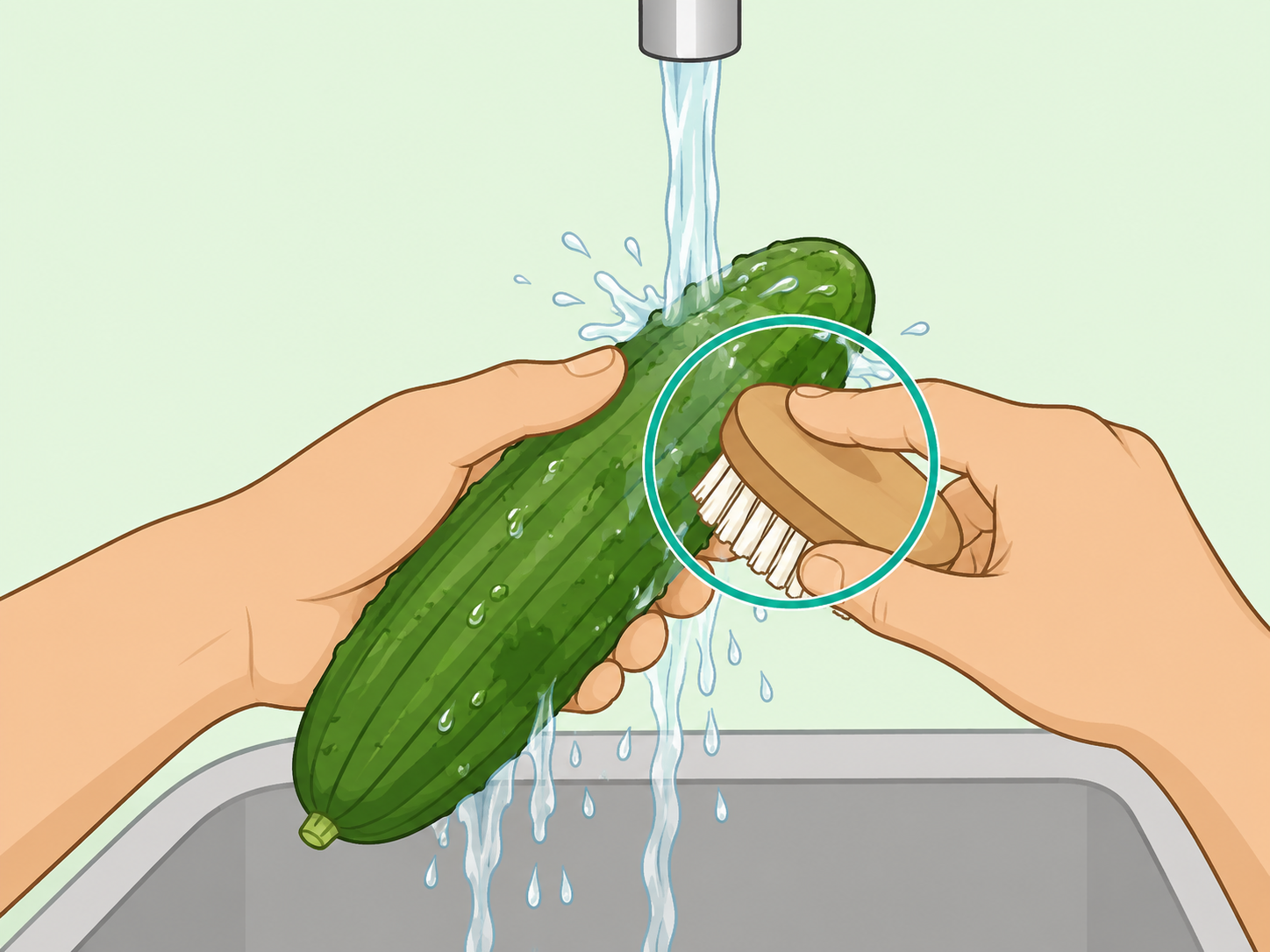
Rinse the cucumber under running water before you cut it, even if you plan to peel it. The FDA advises scrubbing firm produce such as cucumbers with a clean produce brush and drying it with a clean towel. Do not use soap, detergent, bleach, or produce wash on food.
Keep the peel on if you like the texture
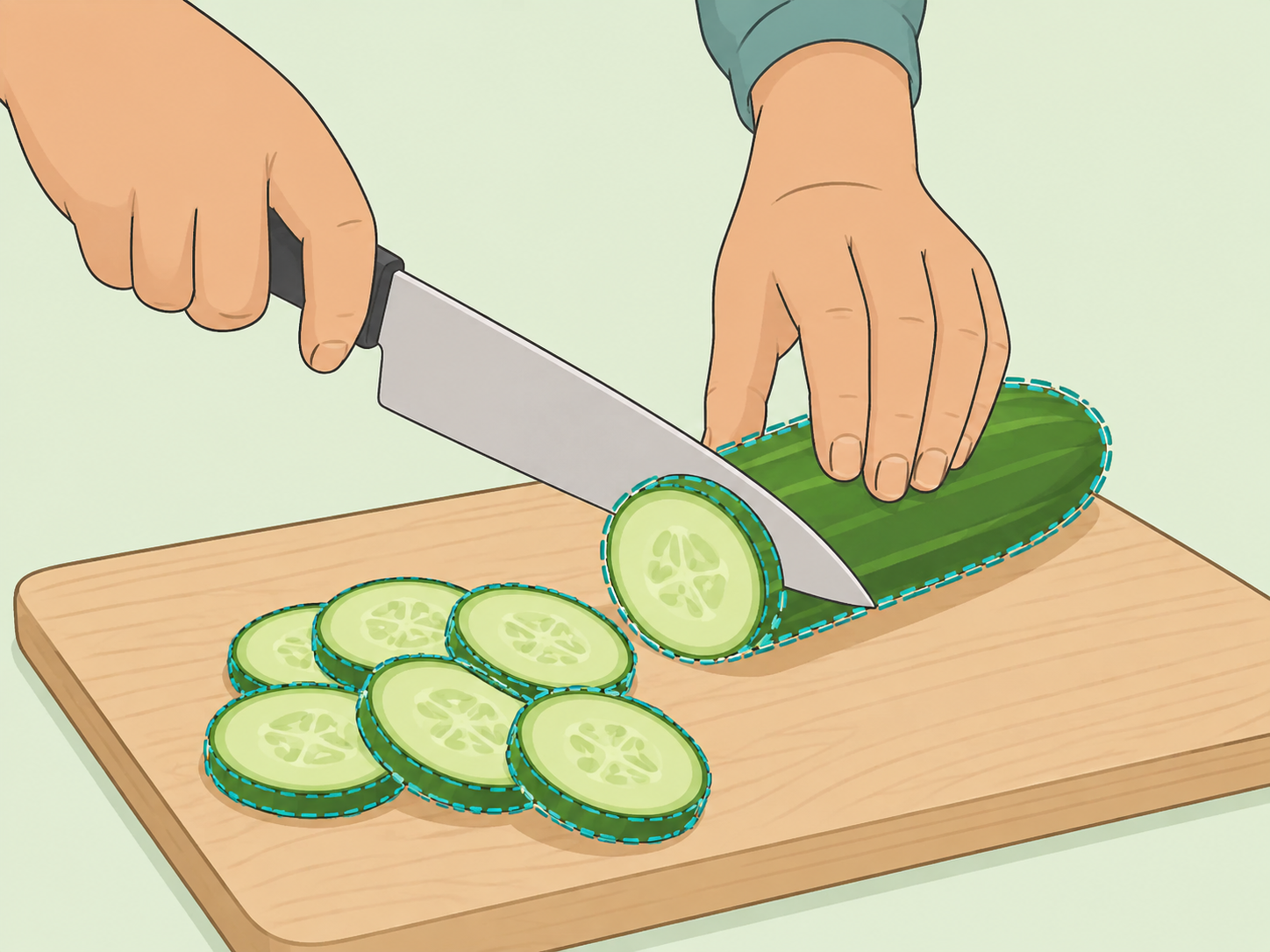
Leave the peel on when the cucumber is fresh, clean, and pleasant to eat. The peel helps keep more of the cucumber's fiber and nutrients in the salad, and MedlinePlus explains that fiber from fruits and vegetables supports digestion. If the peel tastes bitter, feels heavily waxed, or bothers your stomach, peeling it is reasonable.
Build the salad around several food groups
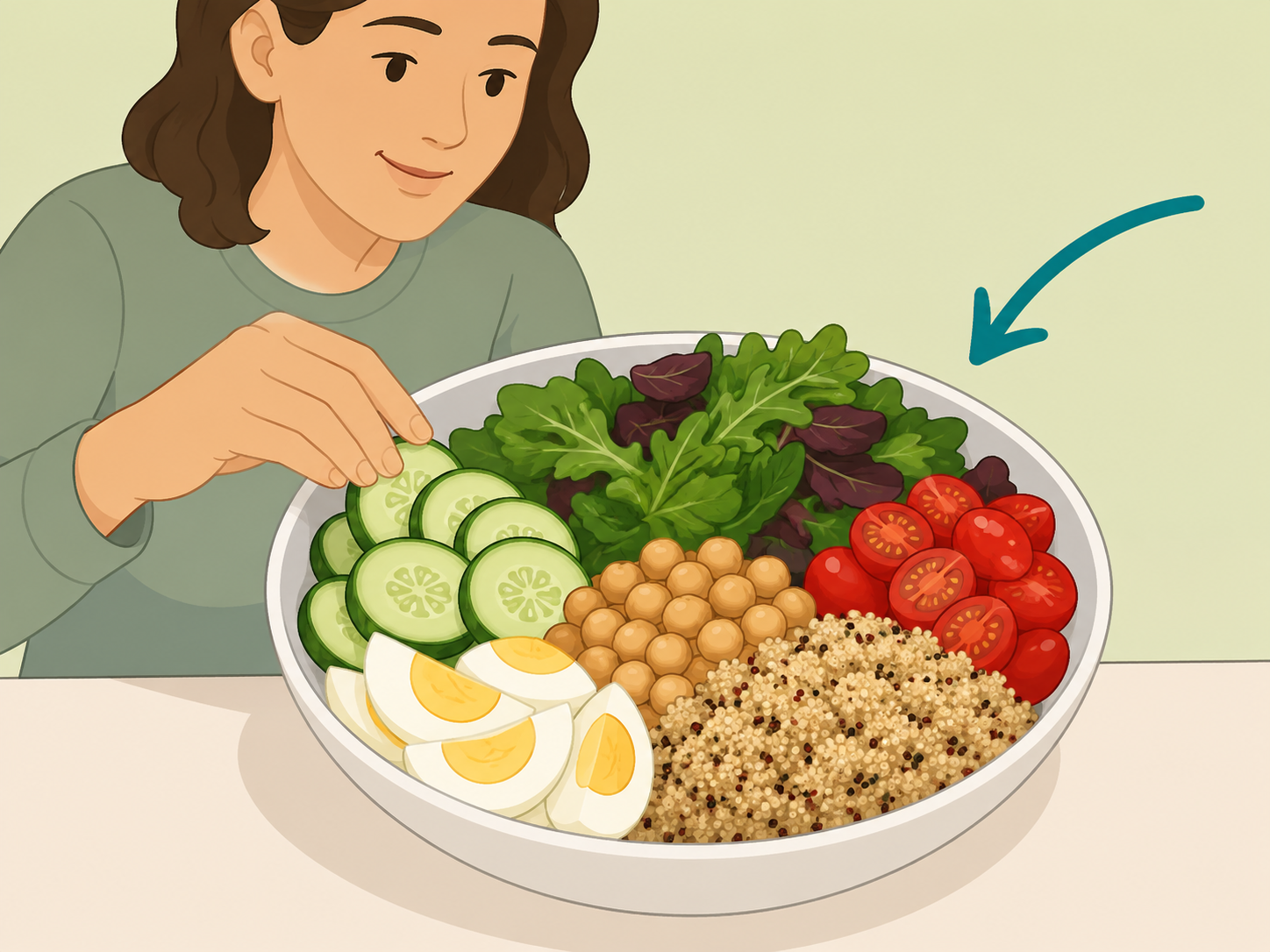
Use cucumber for crunch, then add ingredients that make the salad a real meal. Try leafy greens, tomatoes, beans or lentils, a boiled egg, tuna, chicken, tofu, avocado, nuts, seeds, or a whole grain such as quinoa. A balanced plate supports energy and fullness better than a cucumber-only salad.
Add flavor without overloading the dressing
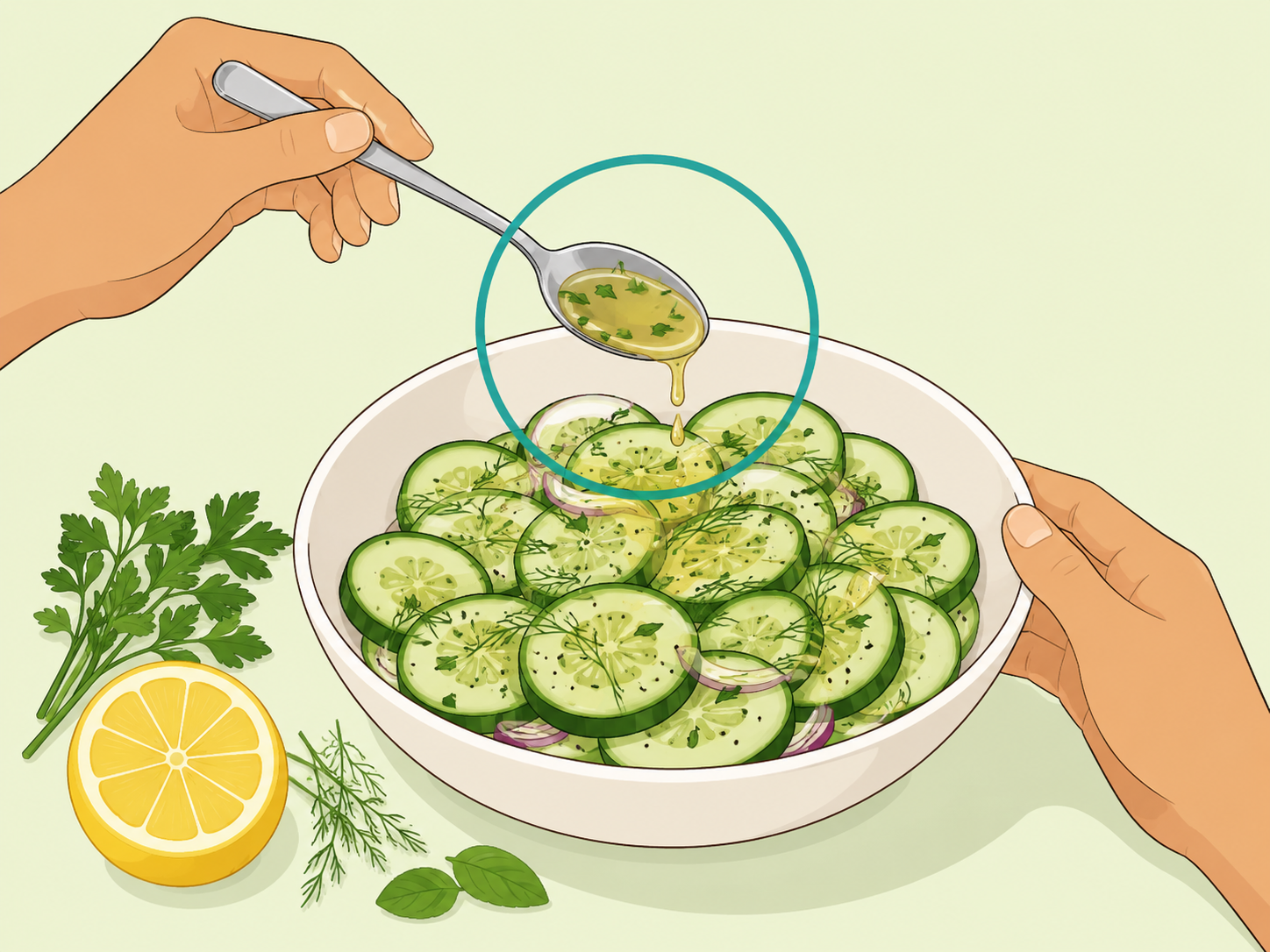
Season cucumber with lemon juice, vinegar, herbs, pepper, garlic, yogurt, tahini, or a modest amount of olive oil. The CDC suggests vinegar-based dressings, spices, herbs, yogurt, or tahini as ways to enjoy fruits and vegetables while being mindful of calorie-dense dressings. Taste before adding extra salt, cheese, or creamy dressing.
Increase fiber gradually if your stomach is sensitive
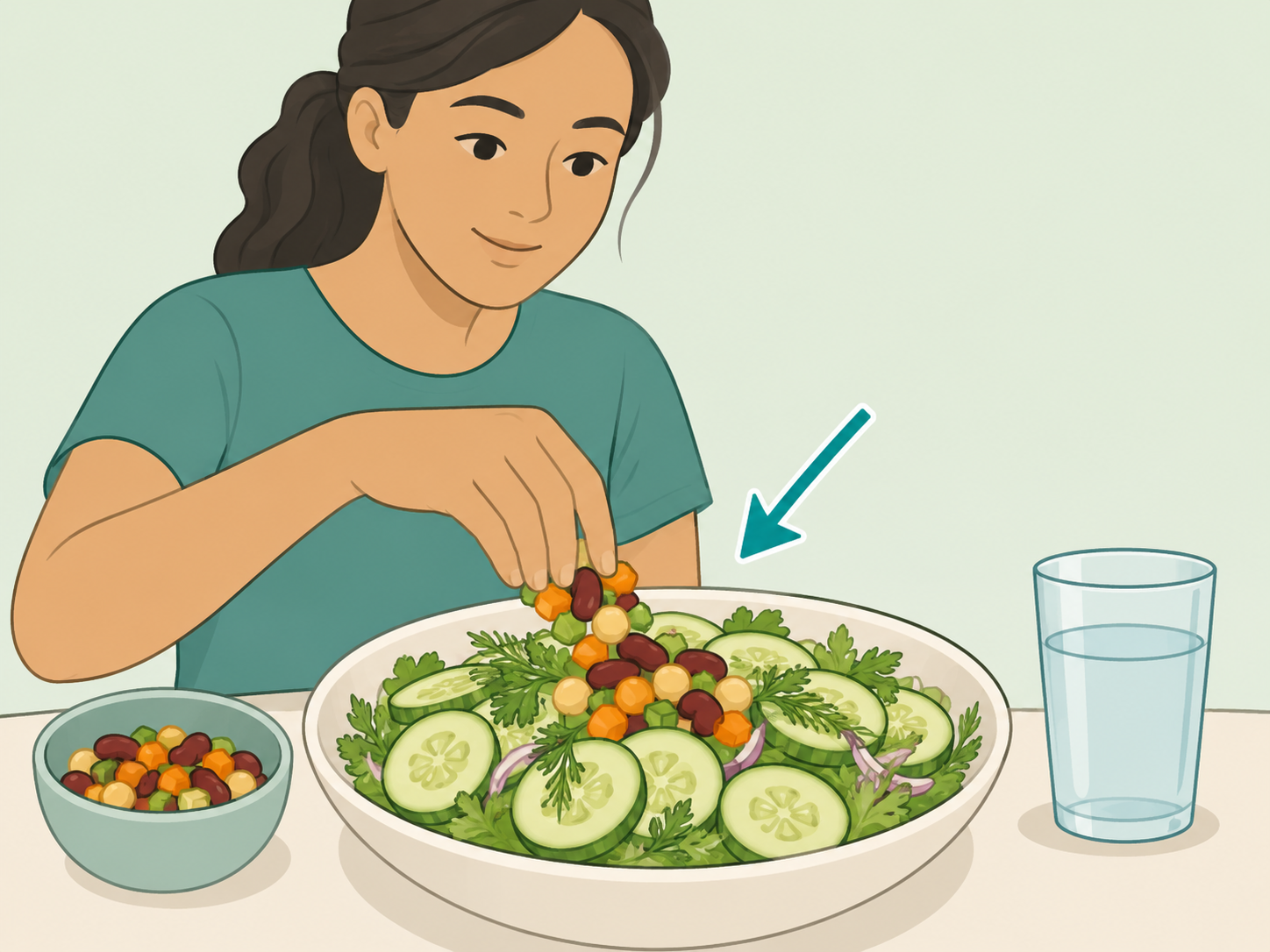
If you are adding bigger salads to your routine, increase high-fiber ingredients slowly. MedlinePlus notes that raising fiber too quickly can lead to gas, bloating, and cramps. Drink fluids with meals and adjust portions if raw vegetables make you uncomfortable.
Keep vitamin K intake steady if you take warfarin
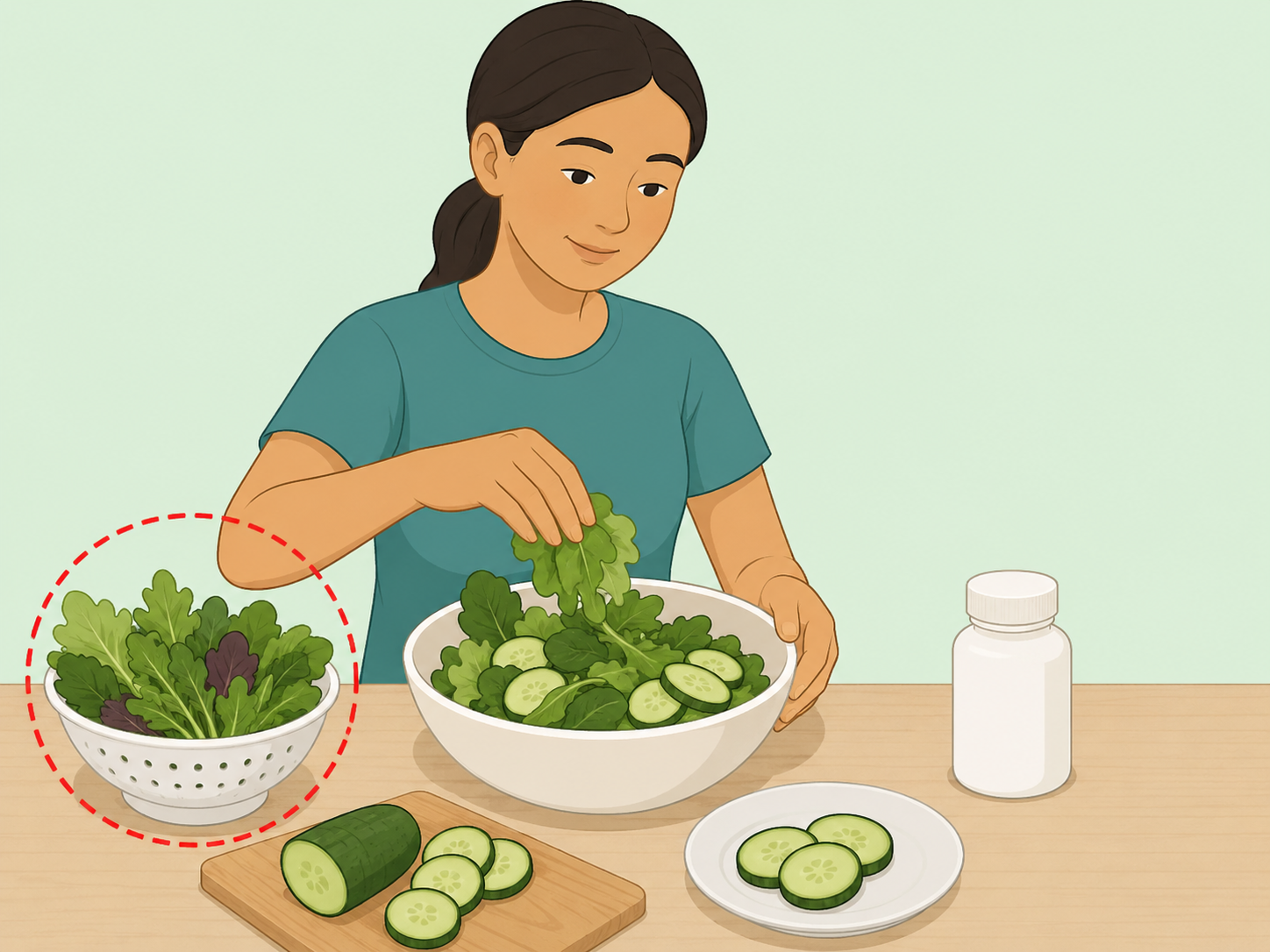
Cucumber itself is not usually the biggest vitamin K source in a salad, but leafy greens can add much more. The NIH Office of Dietary Supplements advises people taking warfarin to get about the same amount of vitamin K each day because sudden changes can affect the medication. Do not stop or change medication because of a salad; ask your clinician how to keep your diet consistent.
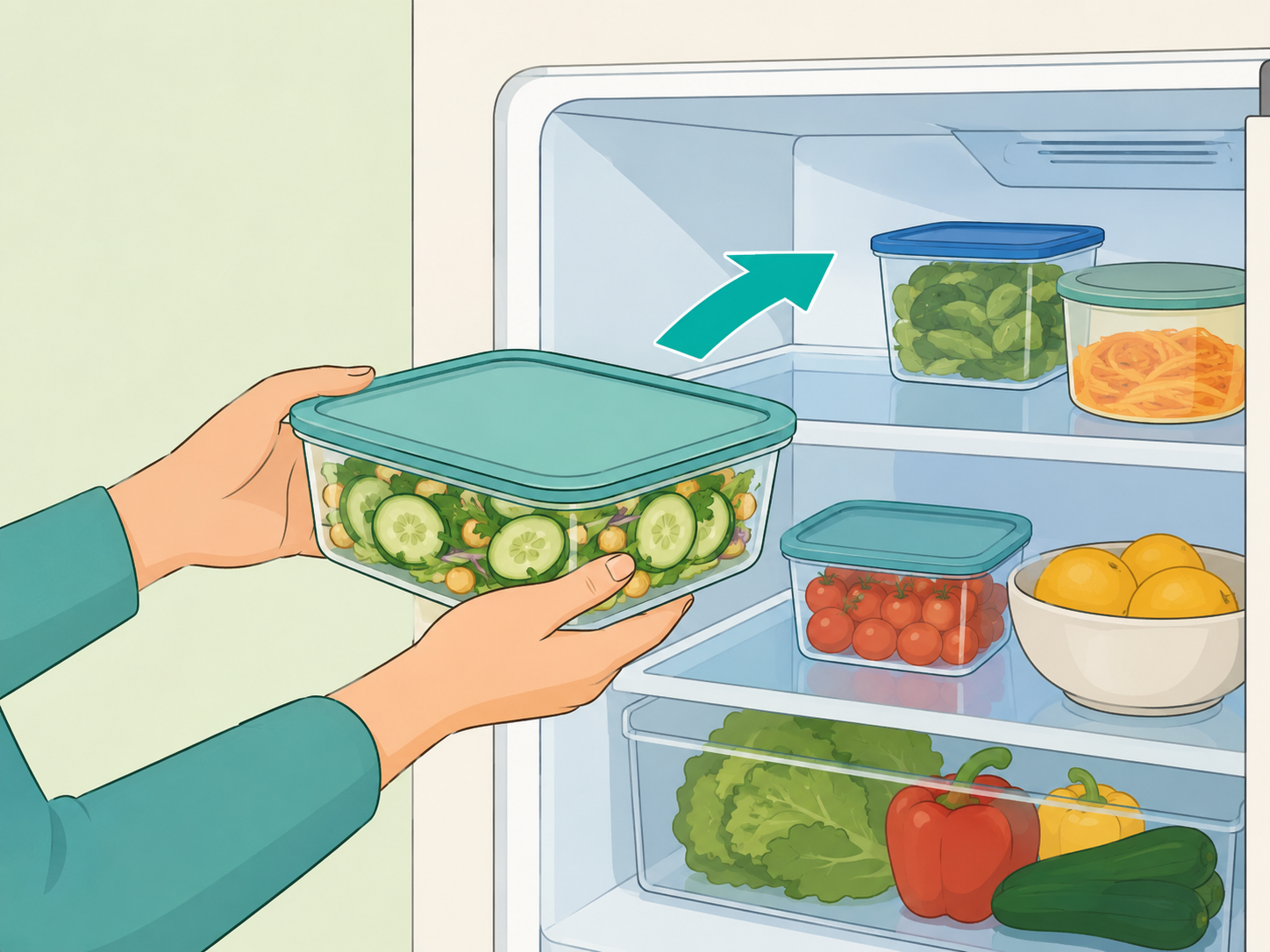
Chill cut cucumber salad promptly
Keep prepared cucumber salad cold until you eat it, especially if it contains dairy, eggs, meat, seafood, or cooked grains. The CDC recommends refrigerating perishable food within 2 hours, or within 1 hour if it has been in temperatures above 90 F. Store leftovers in a clean, covered container.
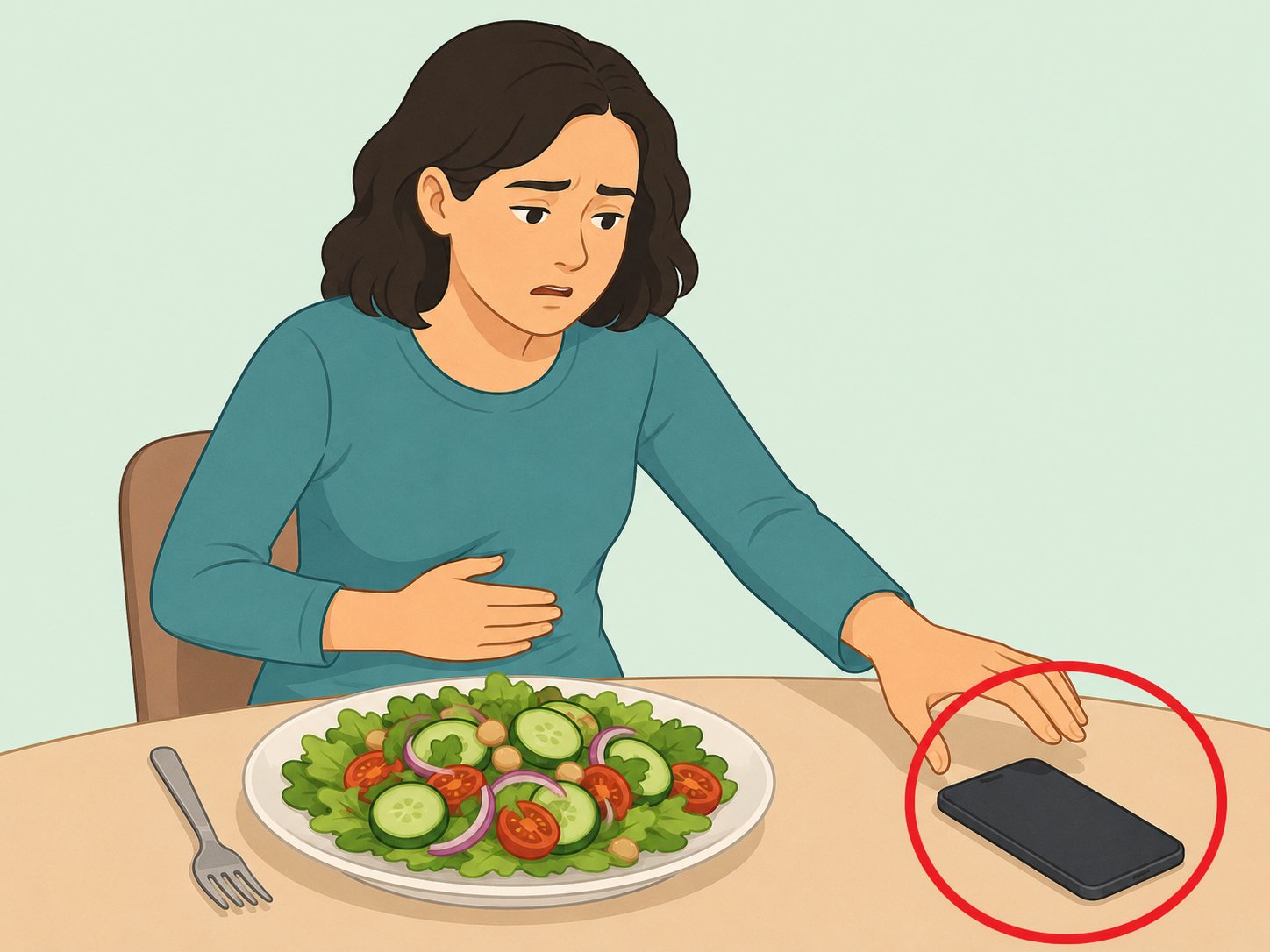
Call a doctor for severe symptoms or ongoing concerns
Get medical help if you develop severe symptoms after eating, such as bloody diarrhea, diarrhea lasting more than 3 days, fever over 102 F, repeated vomiting, or signs of dehydration. CDC guidance on Salmonella symptoms lists these as reasons to contact a doctor. If your main concern is acne, rashes, or sudden skin changes, diet may be only one factor, so talk with a doctor or dermatologist.
Summary
The bottom line: cucumber can make salads crisp, hydrating, and easy to enjoy, especially when you keep the peel on, balance the meal, and follow basic produce safety. Treat beauty claims with caution and focus on steady, healthy habits.
Frequently Asked Questions
- Does cucumber salad really improve skin?
Cucumber can support a healthy diet because it adds water, crunch, and some nutrients, but it will not create perfect skin on its own. Mayo Clinic notes that healthy skin is supported by a balanced diet, plenty of fruits and vegetables, and enough water.
- Can eating cucumber salad cause food poisoning?
Any raw produce can carry germs if it is contaminated or handled poorly. Wash cucumbers under running water, scrub firm produce, keep raw meat away from salad ingredients, and refrigerate cut salad promptly.
- Should I peel cucumbers before adding them to salad?
You can eat cucumber with or without the peel. Keeping the peel adds texture and helps preserve more of the fiber and nutrients, but wash the cucumber first even if you plan to peel it.
- Is cucumber salad good for weight management?
Cucumber is low in calories and high in water, so it can add volume to a meal. The full salad matters too: use vegetables, protein, whole grains, and reasonable amounts of dressing instead of relying on cucumber alone.
- Can I eat cucumber salad if I take warfarin?
Ask your doctor, pharmacist, or dietitian how to handle vitamin K in your diet. NIH advises people taking warfarin to keep vitamin K intake consistent rather than making sudden large changes.
- Why does salad sometimes make me bloated?
A sudden increase in fiber can cause gas, bloating, or cramps for some people. Add higher-fiber vegetables, beans, and whole grains gradually and drink enough fluids.
References
Reliable references aided in composing and refining this content.
- https://health.clevelandclinic.org/benefits-of-cucumbers
- https://www.mayoclinic.org/healthy-lifestyle/adult-health/in-depth/skin-care/art-20048237
- https://www.fda.gov/food/buy-store-serve-safe-food/selecting-and-serving-produce-safely
- https://www.cdc.gov/healthy-weight-growth/healthy-eating/fruits-vegetables.html
- https://medlineplus.gov/dietaryfiber.html
- https://ods.od.nih.gov/factsheets/vitaminK-Consumer
- https://www.cdc.gov/food-safety/prevention/index.html
- https://www.cdc.gov/salmonella/signs-symptoms/index.html