
 Pin it
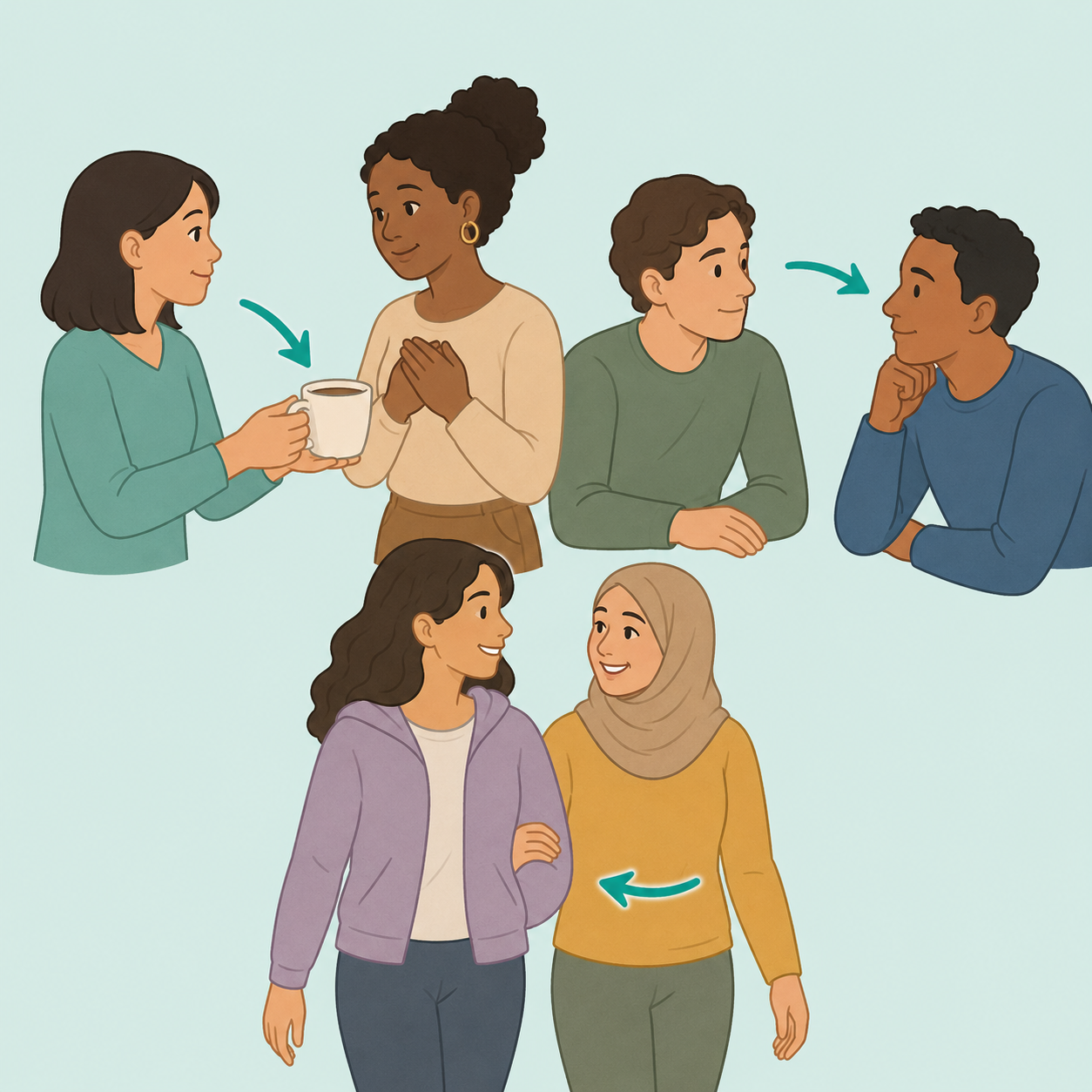
Love is not only found in grand gestures. It often shows up in small, repeatable moments: a check-in, a shared errand, a careful question, or a quiet act of help. This guide shows how to notice and nurture those everyday connections in a steady, realistic way.
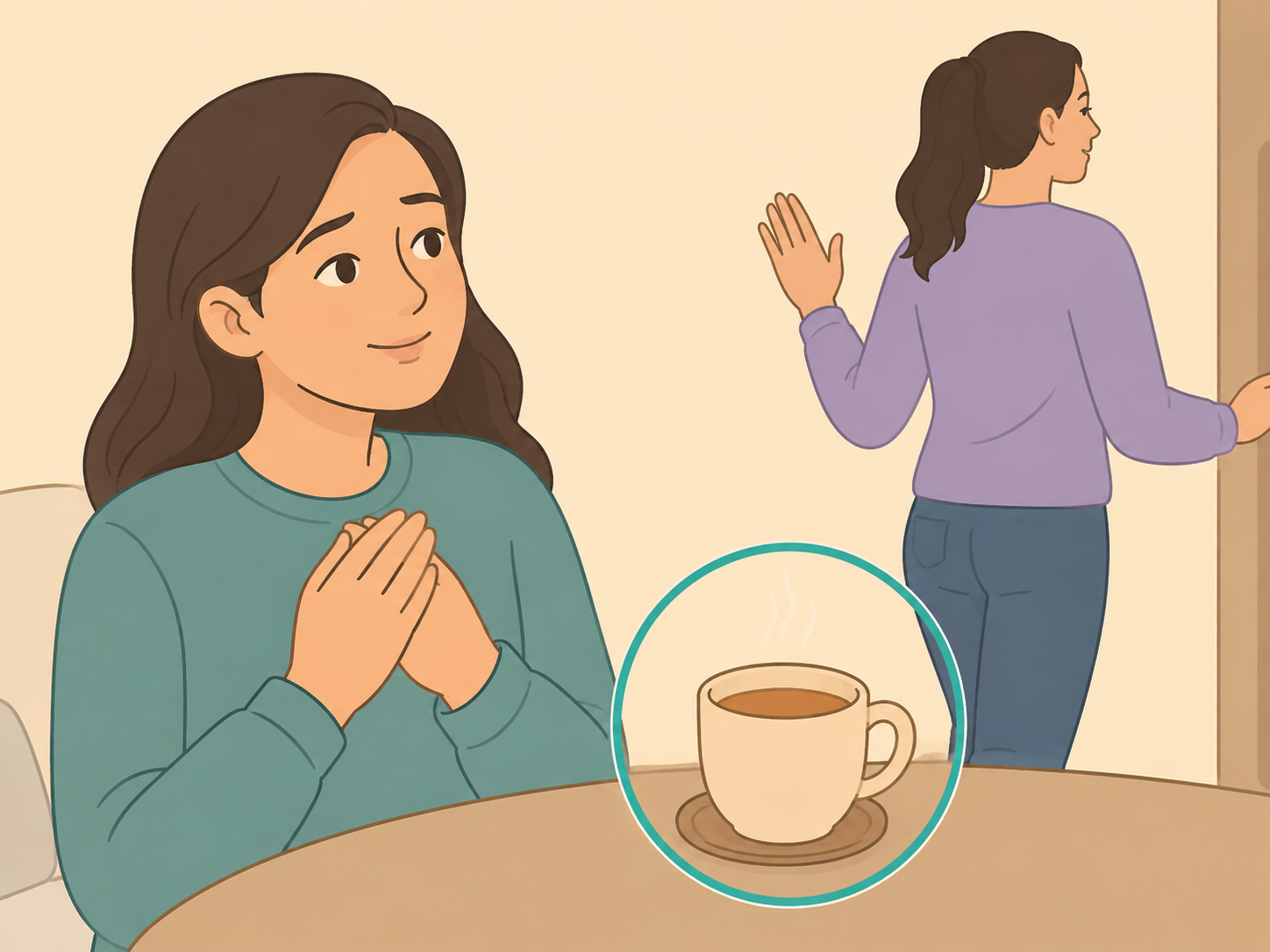
Notice one small sign of care each day
Look for one ordinary moment that shows care, such as someone remembering your preference, checking in, or making room for you. The CDC describes social connection as feeling that you belong and are cared for, valued, and supported. Naming these small signs trains your attention toward connection without pretending life is perfect.

Write down what made you feel cared for
Keep a short note on your phone or in a journal with one sentence about what you appreciated. Research summarized in a systematic review of gratitude interventions found links between gratitude practices and better emotional well-being, though results vary by person. Keep the practice simple so it feels honest rather than forced.
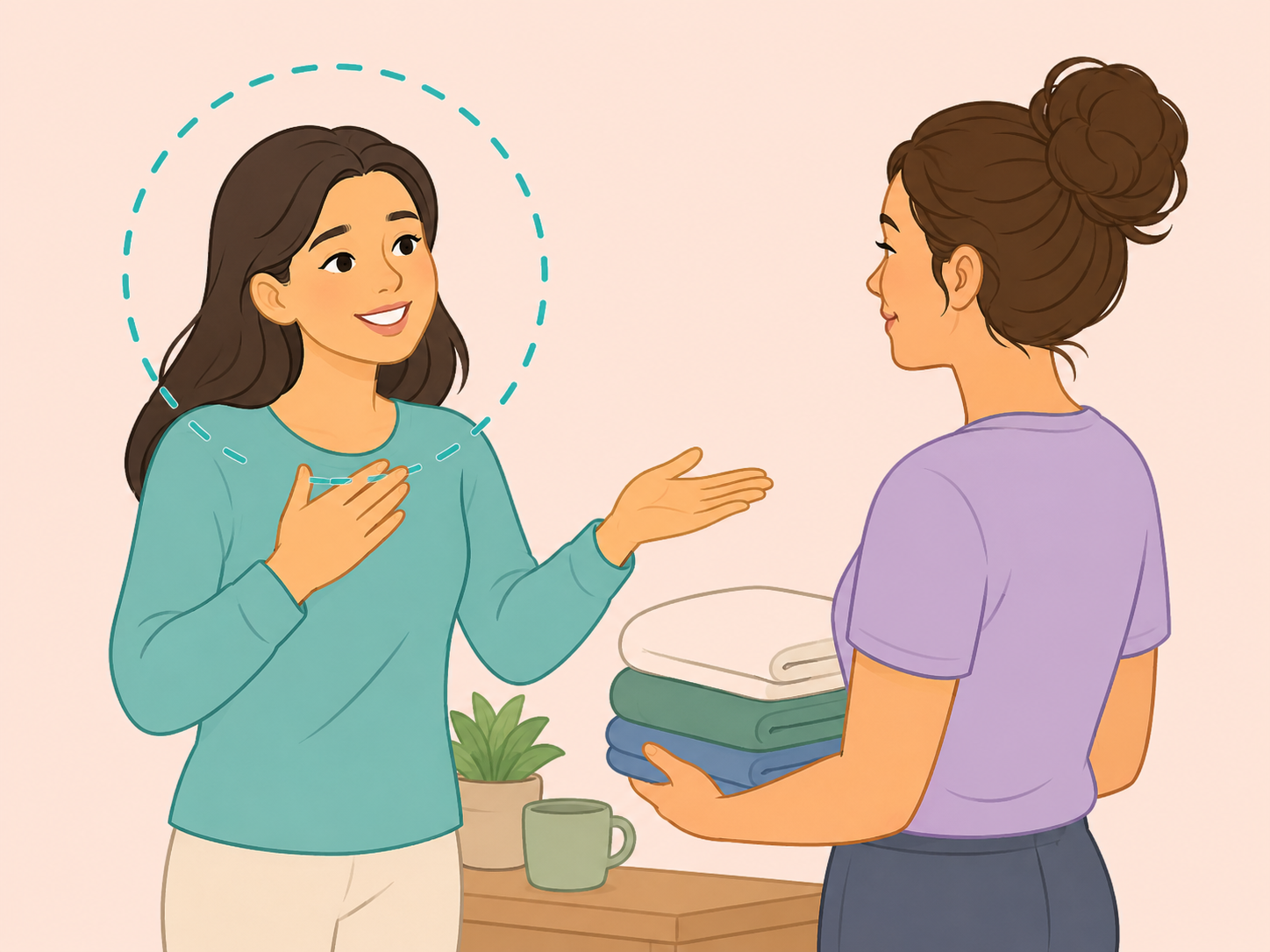
Thank people for specific actions
Replace a general thank-you with a clear one: say what the person did and why it mattered. The CDC recommends being responsive and grateful as one way to strengthen social connections. Specific appreciation helps love feel visible in everyday life.
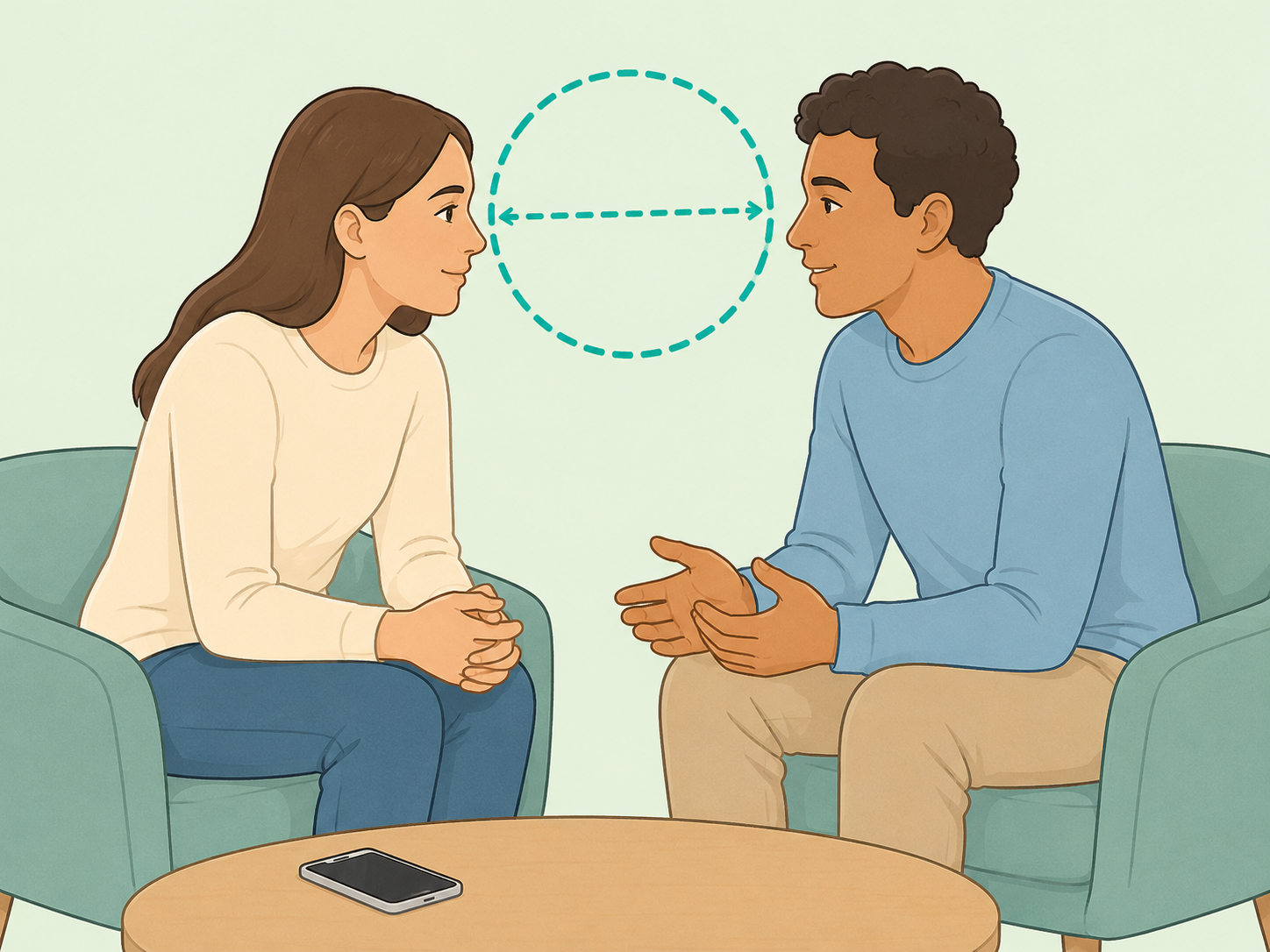
Give your full attention in small conversations
Put down your phone, face the person, and listen before planning your response. NCBI Bookshelf guidance on active listening emphasizes full attention, reflecting back what you heard, and asking for clarification. Even a five-minute conversation can feel meaningful when the other person feels heard.
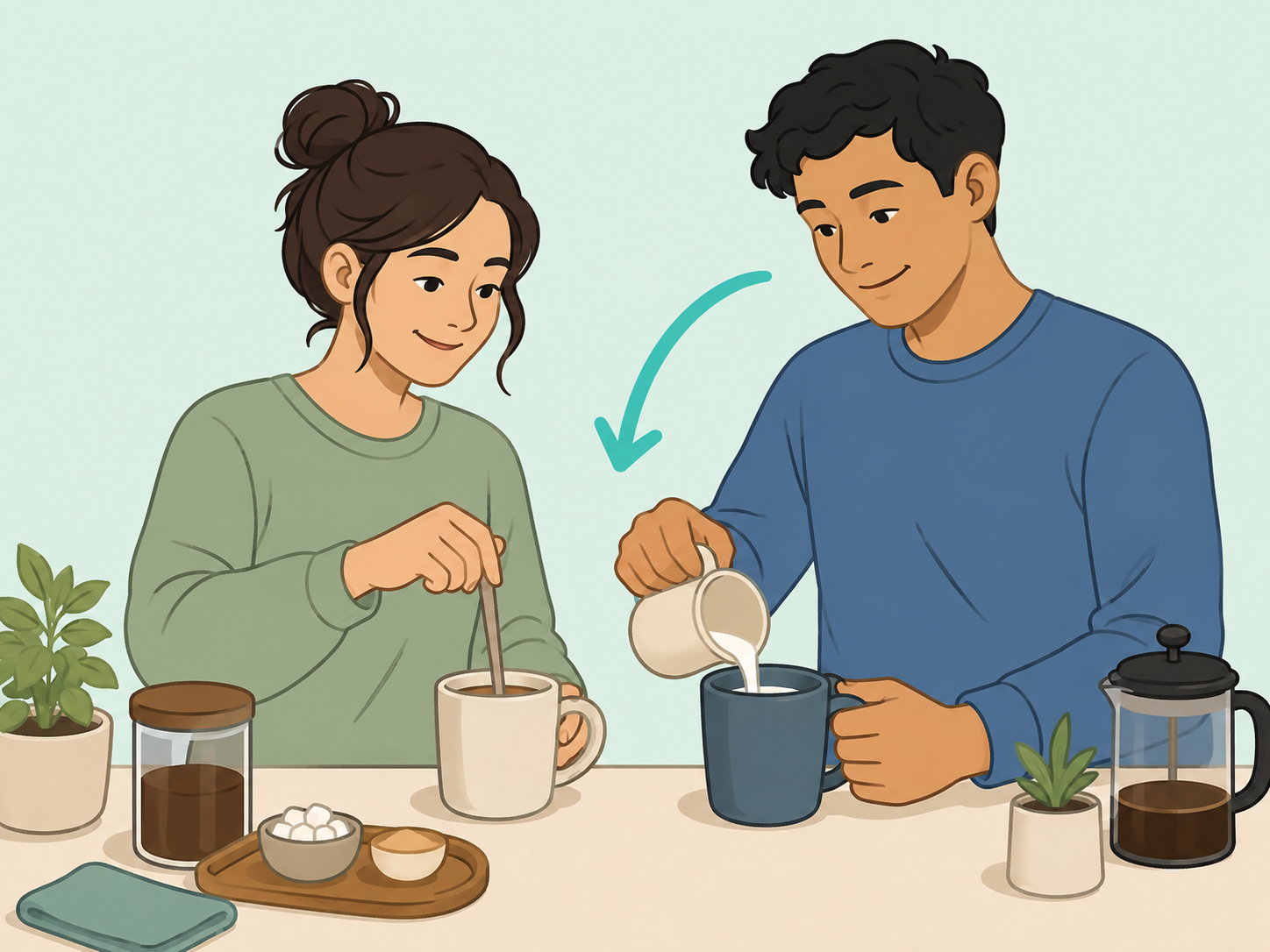
Turn routine tasks into connection rituals
Choose one routine, such as morning coffee, a commute call, folding laundry, or an evening walk, and make it a steady point of contact. The CDC notes that small acts like checking in can help build meaningful relationships. A ritual works best when it is easy enough to repeat.
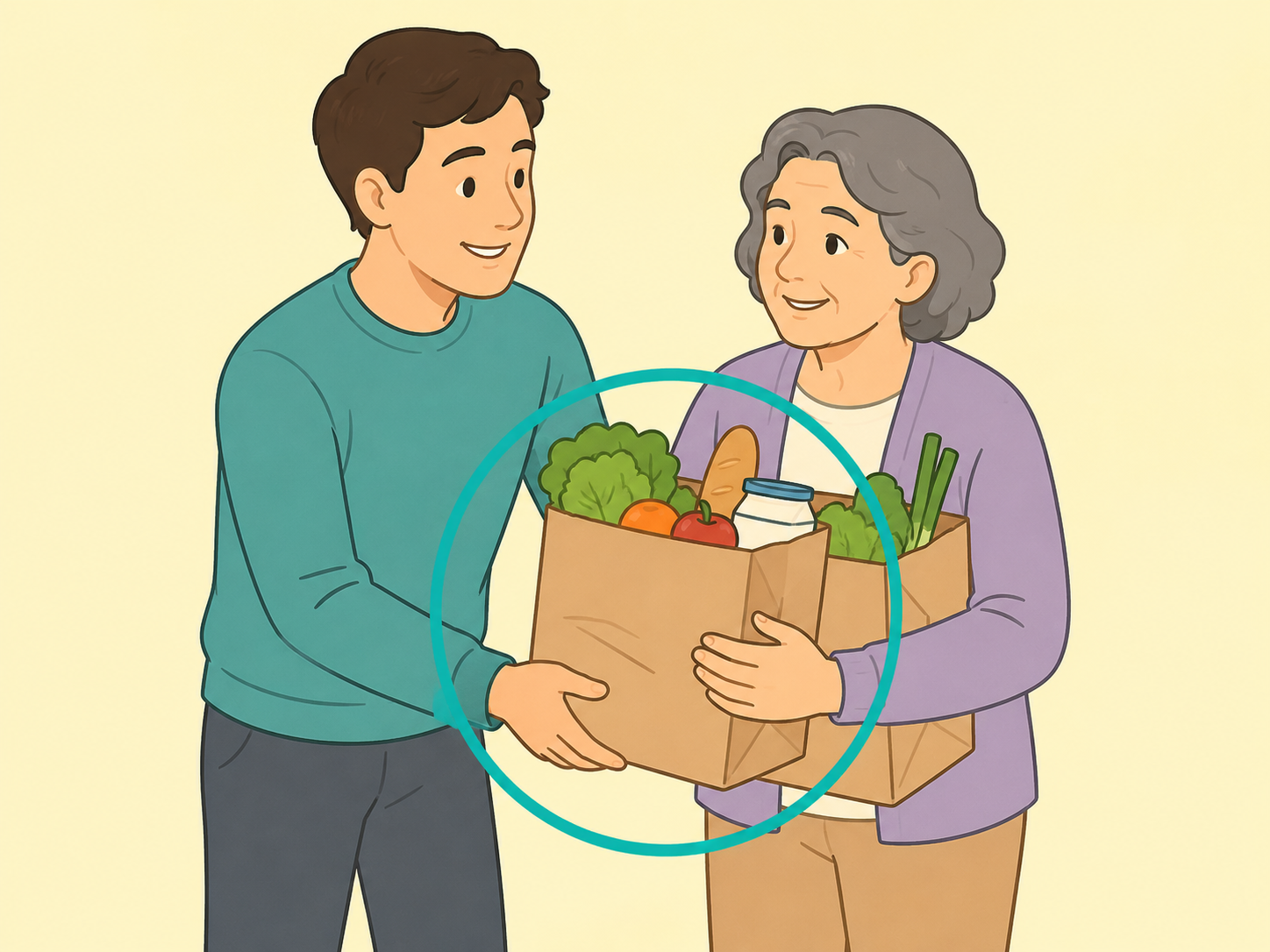
Offer one practical act of support
Love often becomes easier to feel when it is useful: bringing water, handling an errand, making a meal, or remembering a deadline. Mayo Clinic explains that supportive friendships can help people cope during hard times and feel less alone. Ask what would actually help instead of guessing.

Protect moments without digital distraction
Set aside a few minutes during meals, walks, or bedtime when screens are not competing for attention. The CDC suggests addressing barriers such as screen time that distracts from in-person connection. Keep the rule gentle and mutual so it feels like an invitation, not a test.
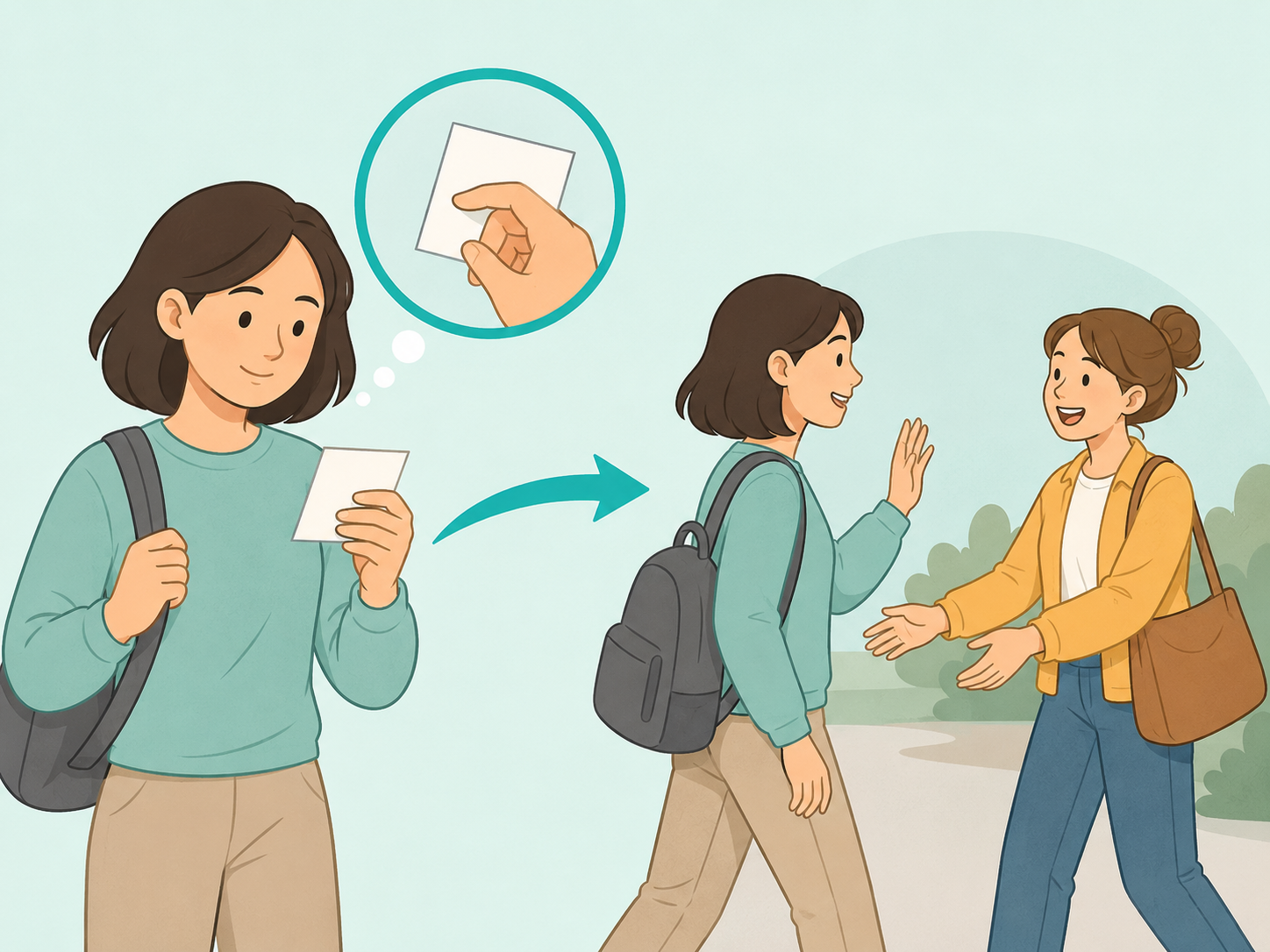
Build trust with small promises
Follow through on the little things you say you will do, such as calling back, arriving on time, or keeping a private story private. Mayo Clinic lists trust and reliability as important parts of nurturing friendships. Everyday dependability makes affection feel safer and steadier.
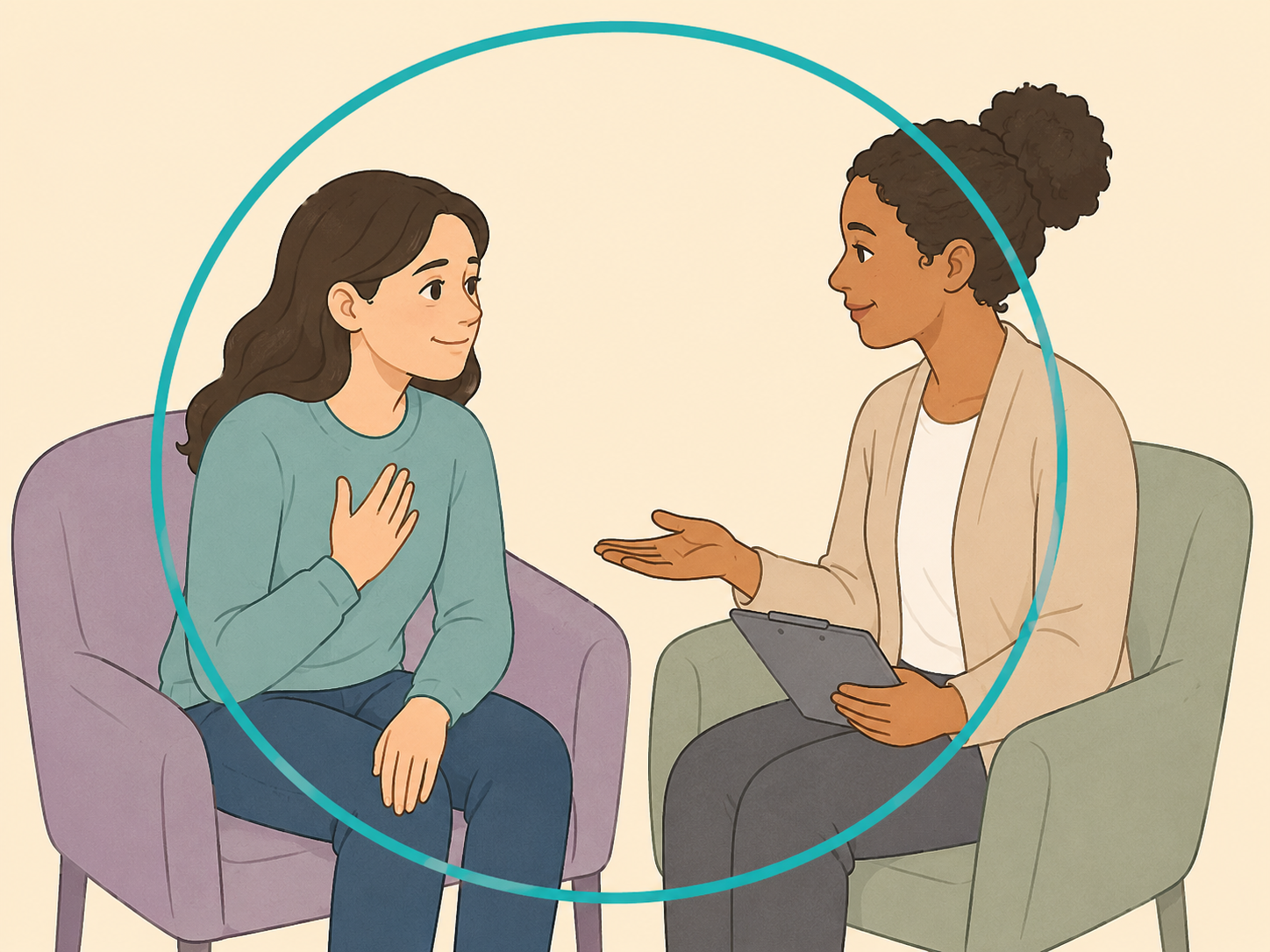
Seek help if loneliness or anxiety is interfering
Talk with a doctor, therapist, or qualified health professional if loneliness feels persistent, if stress feels unmanageable, or if fear of social situations affects work, school, or relationships. The CDC advises people who feel disconnected, lonely, or stressed to consider professional support, and MedlinePlus says to contact a provider if social fear affects work and relationships. Getting help is a practical step, not a failure of love or effort.
Summary
The bottom line: look for small signs of care, say thank you clearly, listen without rushing, and make connection part of your normal day. If loneliness, anxiety, or relationship stress is affecting daily life, reach out for qualified support.
Frequently Asked Questions
- Can small moments really improve a relationship?
- Yes, small moments can matter when they are repeated and sincere. A quick check-in, a thank-you, or a few minutes of undistracted attention helps people feel noticed and valued.
- What if I do not naturally notice little acts of love?
- Start by naming one helpful or kind thing each day, even if it seems ordinary. With practice, you may become more aware of small signs of care that were easy to overlook.
- Is gratitude the same as ignoring problems?
- No. Gratitude should not be used to minimize hurt, avoid conflict, or excuse poor treatment. It works best alongside honest communication and healthy boundaries.
- How can I show love if I am busy?
- Use moments already in your day. Send a brief message, make eye contact during a conversation, do one small practical task, or invite someone into a routine like a walk or meal prep.
- What if the other person does not respond warmly?
- Keep your effort respectful and balanced. If connection feels one-sided over time, talk calmly about what you need and notice whether the other person is willing to participate.
- When should I get help for loneliness or social anxiety?
- Consider talking with a doctor or mental health professional if loneliness feels constant, if fear of social situations affects work or relationships, or if distress is interfering with sleep, appetite, or daily routines.
References
Reliable references aided in composing and refining this content.
- https://www.cdc.gov/social-connectedness/about/index.html
- https://www.cdc.gov/social-connectedness/improving/index.html
- https://www.mayoclinic.org/healthy-lifestyle/adult-health/in-depth/friendships/art-20044860
- https://pmc.ncbi.nlm.nih.gov/articles/PMC10393216
- https://www.ncbi.nlm.nih.gov/books/NBK442015
- https://medlineplus.gov/ency/article/000957.htm