
 Pin it
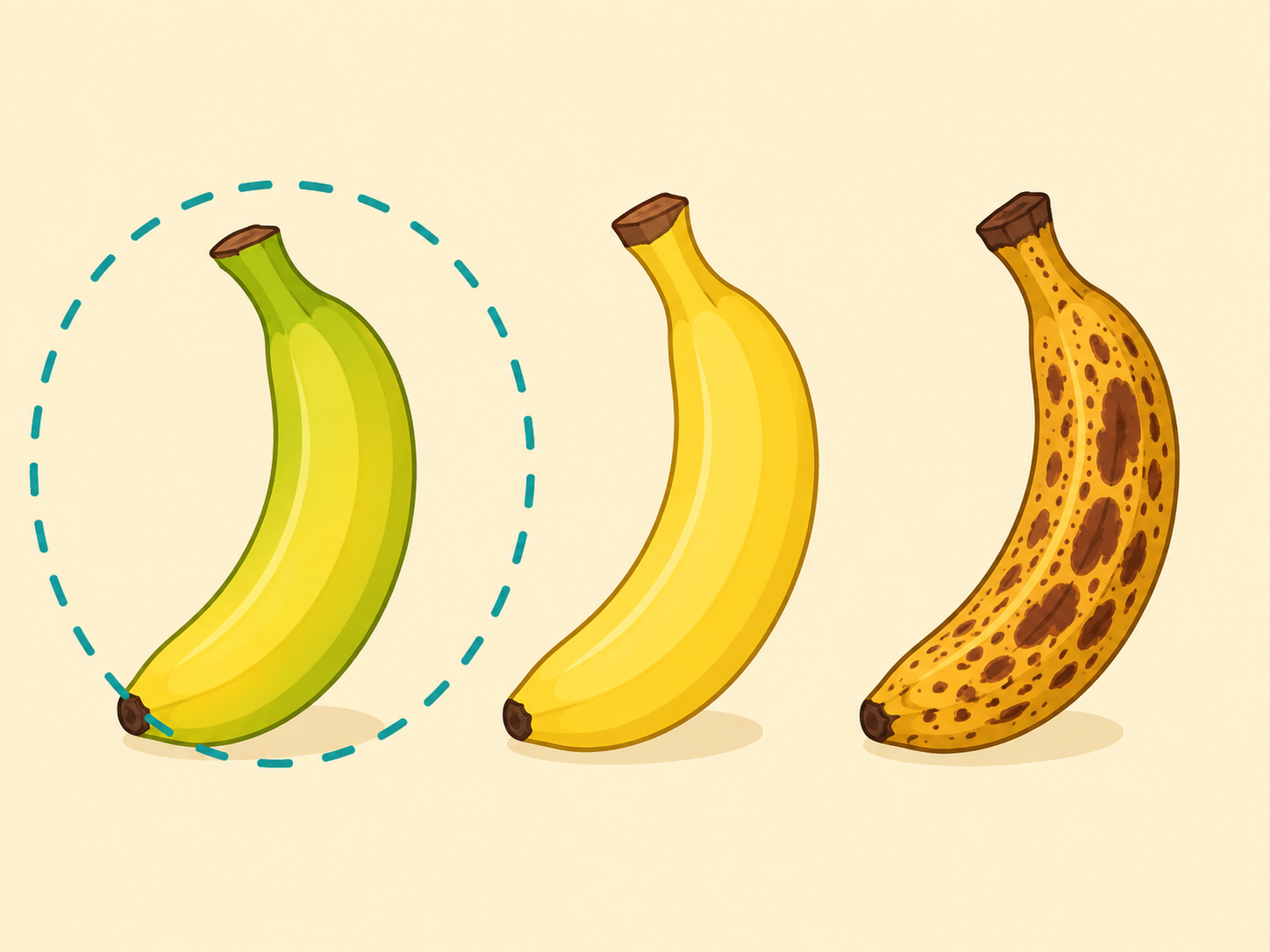
Bananas change as they ripen, so the healthiest one depends on what you need from it. A greener banana is starchier, a yellow banana is easier to enjoy, and a spotted banana is sweeter. This guide explains how to choose the best banana for blood sugar, digestion, energy, and skin-supporting nutrition without turning it into a miracle food.
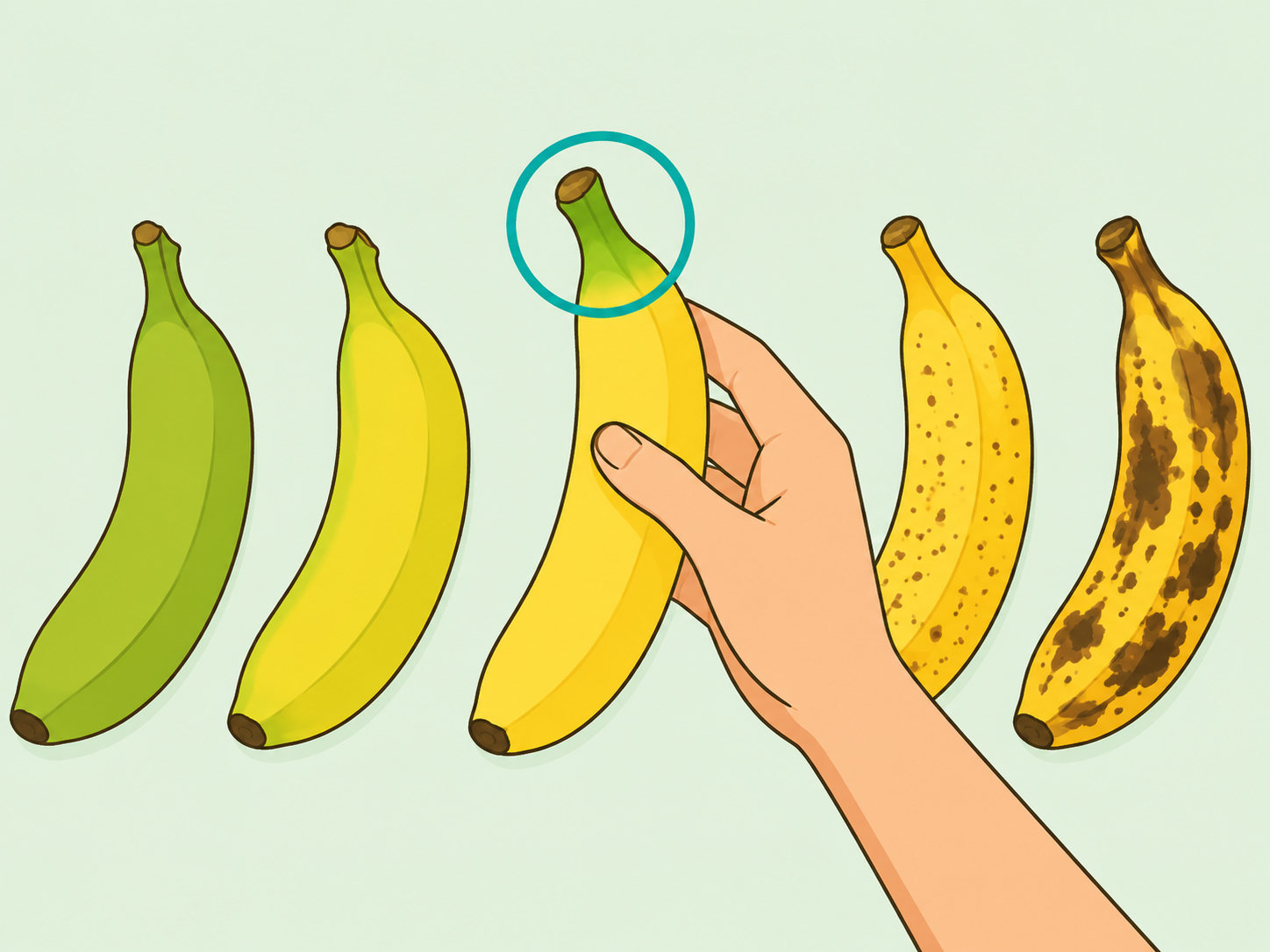
Start with a slightly green yellow banana
For most people, the best everyday banana is yellow with a little green near the stem. A medium ripe banana provides fiber, potassium, vitamin C, vitamin B6, and magnesium, according to the Cleveland Clinic. This stage gives you good taste without being as soft or sugary-tasting as a very spotted banana.
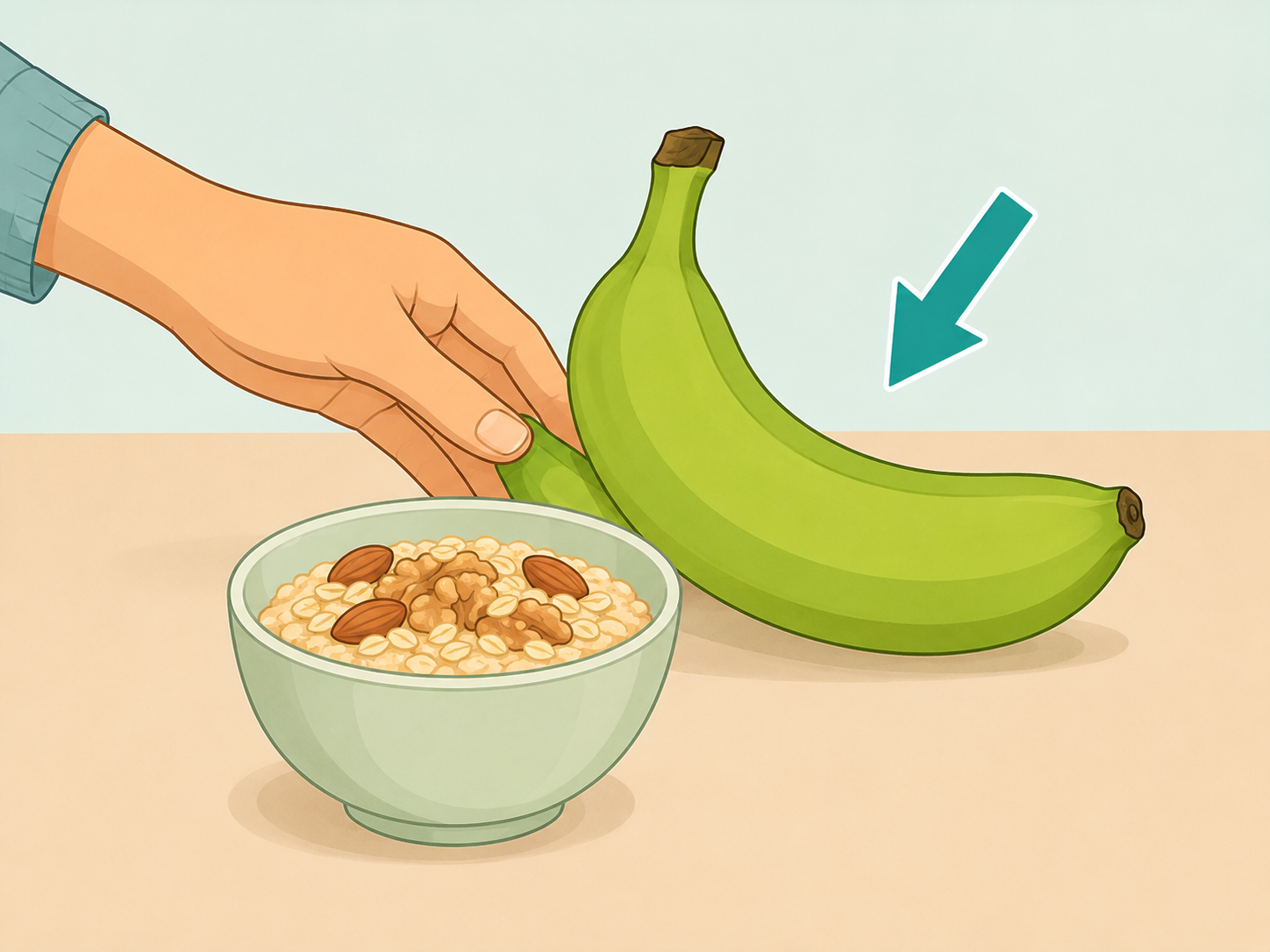
Choose greener bananas for more resistant starch
Pick a greener banana if you want a firmer, less sweet option. As bananas ripen, some resistant starch changes into sugars, while greener bananas keep more of that starch, a point noted by the Cleveland Clinic and supported by banana ripening research indexed in PubMed. Fiber-rich foods can also help you feel full and support digestion, according to MedlinePlus.

Pick ripe yellow bananas for easy energy
Use a fully yellow banana when you want a simple snack before activity or between meals. Riper bananas digest more easily for many people because more starch has converted to natural sugars, and the Cleveland Clinic notes that bananas can be a practical workout snack. Pairing banana with yogurt, nuts, or nut butter can make the snack more filling.
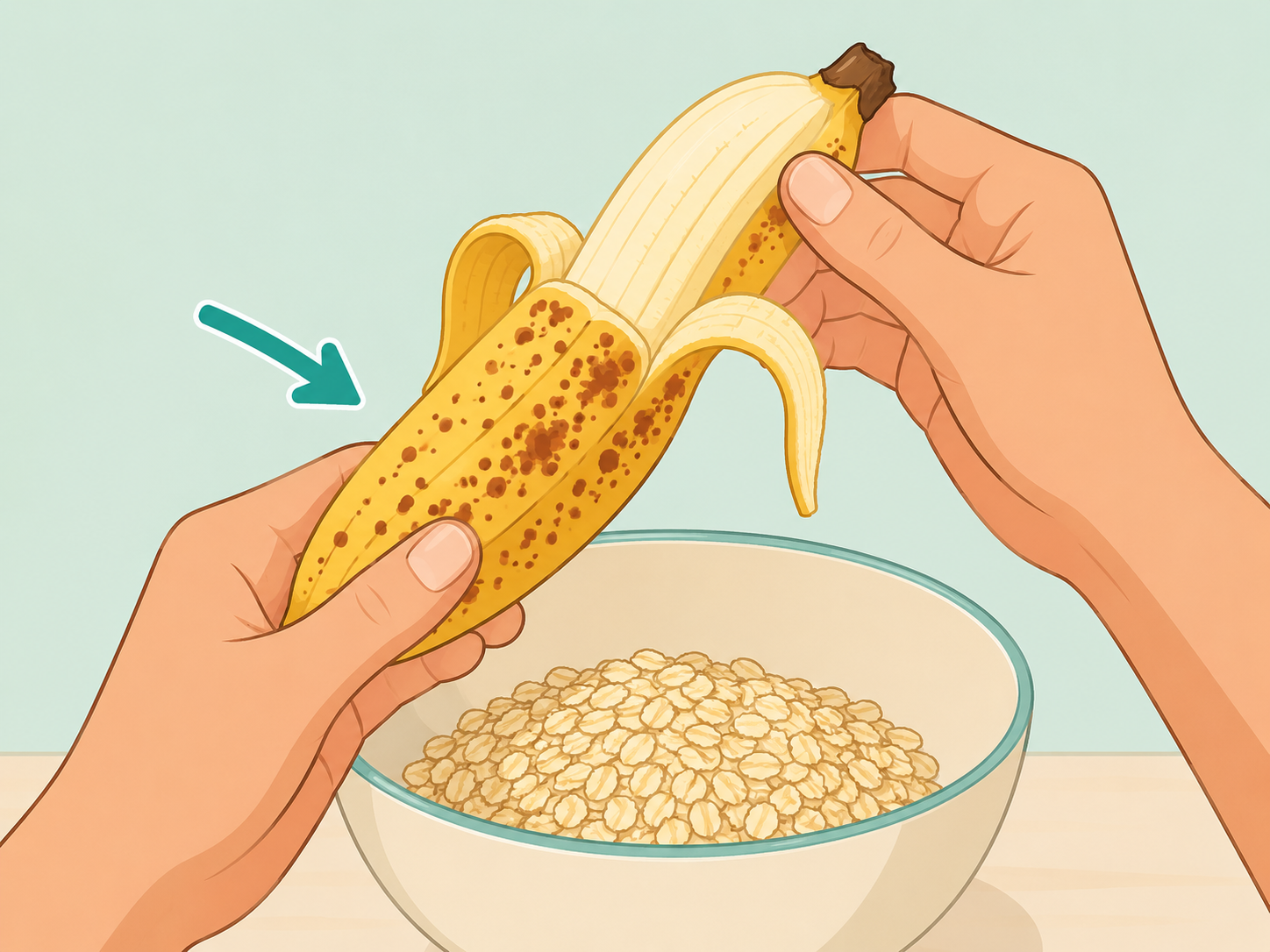
Use spotted bananas when sweetness is the goal
Choose a spotted or lightly brown banana when you want natural sweetness in oatmeal, smoothies, or baking. It is not a more powerful beauty food than a yellow banana; it is simply softer and sweeter because ripening changes its carbohydrate profile. If you are watching blood sugar, keep the portion modest because very ripe bananas can raise blood glucose faster than greener ones, as the Cleveland Clinic explains.
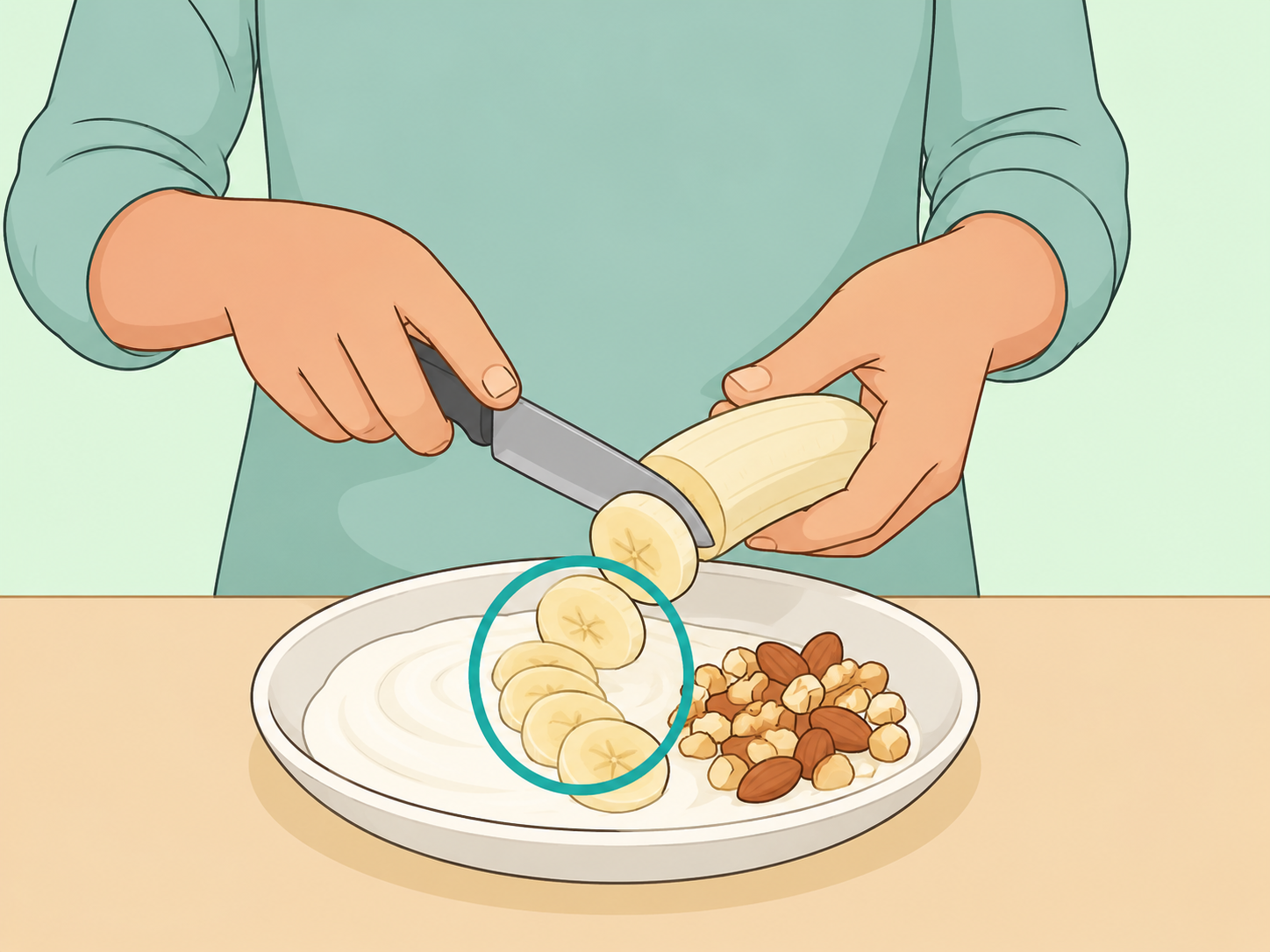
Match the portion to your blood sugar needs
If you have diabetes or prediabetes, count bananas as a carbohydrate food in your meal plan. The American Diabetes Association says fresh fruit can fit into diabetes eating plans, but portions matter because fruit contains carbohydrate. Half a large banana may be a better starting portion than a whole large banana for some people.
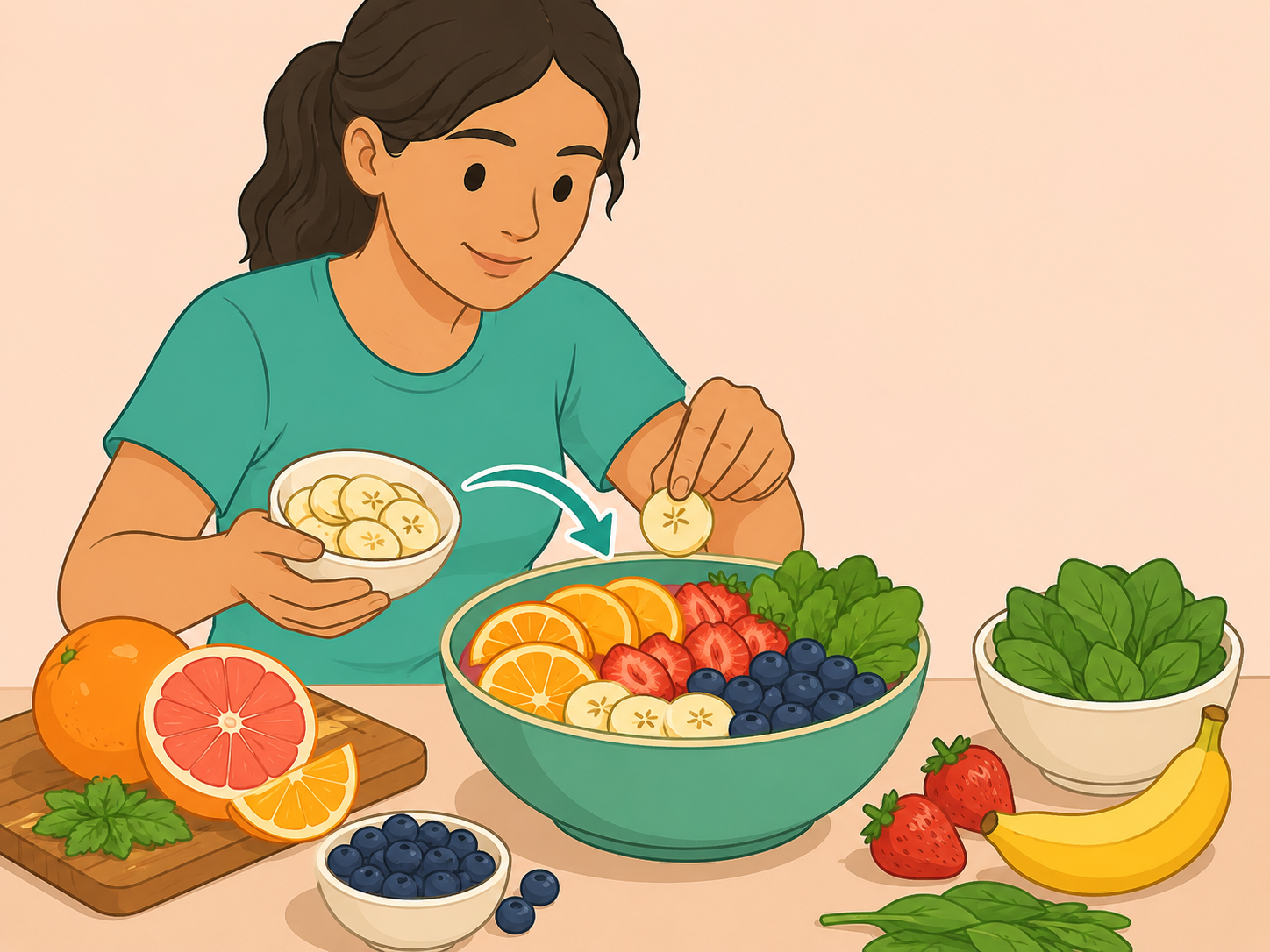
Think of bananas as skin support, not skin treatment
Bananas can contribute nutrients to a balanced diet, but they are not a shortcut to clear or younger-looking skin. The American Academy of Dermatology says healthy adults should generally try to meet skin and body nutrient needs through food, and the NIH Office of Dietary Supplements notes that vitamin C supports collagen formation and antioxidant function. Bananas contain some vitamin C, but citrus, peppers, and many vegetables provide more.
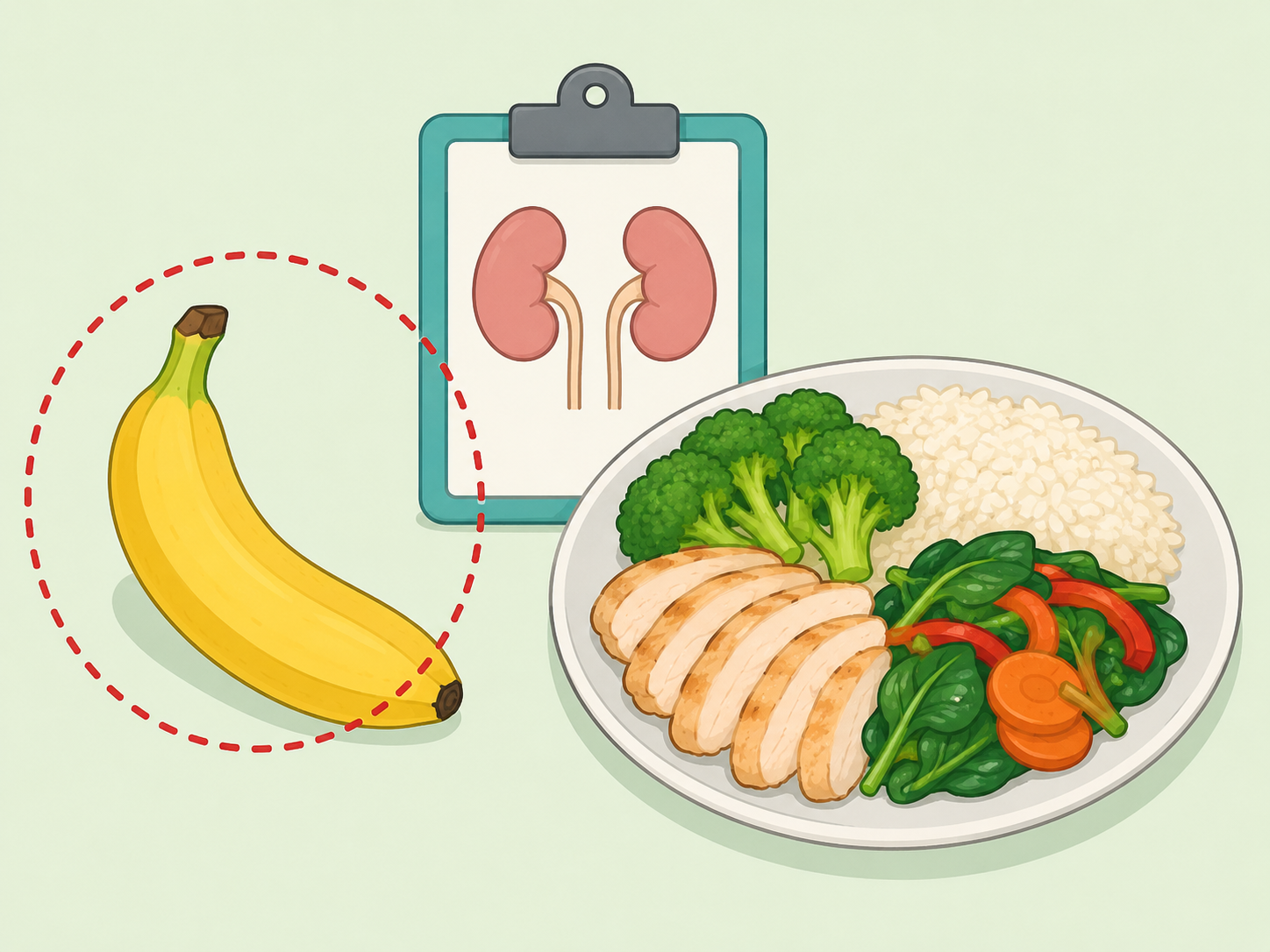
Watch potassium and allergy cautions
Bananas are naturally high in potassium, which is helpful for many people but not right for every medical situation. The National Kidney Foundation advises people with kidney disease to manage potassium with their healthcare team, and bananas are listed among higher-potassium fruits. The Cleveland Clinic also notes that bananas may trigger reactions in some people with latex-fruit syndrome.

Ask for medical guidance when bananas affect your care
Talk to a doctor, registered dietitian, or diabetes educator if you have kidney disease, high potassium, diabetes, unexplained digestive symptoms, or possible food allergy symptoms after eating bananas. Seek urgent care for severe allergic symptoms such as trouble breathing, swelling of the lips or throat, or faintness. Personalized advice matters more than choosing a banana by color.
Summary
The bottom line: there is no single healthiest banana for everyone. A yellow banana with a slight green tint is the best everyday pick, greener bananas may suit people who want more resistant starch, and spotted bananas are useful when you want natural sweetness in a meal or snack.
Frequently Asked Questions
- Which banana is healthiest overall?
For most people, a yellow banana with a small amount of green is the best everyday choice. It is pleasant to eat while still offering some starch, fiber, potassium, vitamin C, and vitamin B6.
- Are green bananas healthier than ripe bananas?
Green bananas are higher in resistant starch, which may be helpful if you want a slower-digesting carbohydrate. They are not automatically better for everyone because they can taste bitter and may bother digestion in some people.
- Are brown or spotted bananas unhealthy?
No. Spotted bananas are still nutritious, but they are sweeter because more starch has changed into sugar during ripening. They work well in oatmeal, smoothies, or baking when you want sweetness without adding table sugar.
- Can bananas improve skin or beauty?
Bananas can be part of a balanced diet that supports overall health, but they will not transform your skin by themselves. For skin, the American Academy of Dermatology emphasizes meeting nutrient needs through a well-balanced diet unless a doctor finds a deficiency.
- Should people with diabetes avoid bananas?
Not necessarily. The American Diabetes Association includes bananas among common fruits, but fruit contains carbohydrate, so portion size and meal planning matter. Ask your diabetes care team how bananas fit your plan.
- Who should be careful with bananas?
People who have kidney disease, high potassium, diabetes concerns, or latex-fruit reactions should ask a clinician or dietitian for individual guidance. Bananas can be a healthy food, but medical needs change what is best for a person.
References
Reliable references aided in composing and refining this content.
- https://health.clevelandclinic.org/benefits-of-bananas?slug=benefits-of-bananas
- https://pubmed.ncbi.nlm.nih.gov/32331671
- https://diabetes.org/food-nutrition/reading-food-labels/fruit
- https://www.kidney.org/kidney-topics/potassium-your-ckd-diet?page=1
- https://www.aad.org/public/everyday-care/skin-care-secrets/routine/supplements-for-your-skin
- https://ods.od.nih.gov/factsheets/VitaminC-HealthProfessional
- https://medlineplus.gov/carbohydrates.html