
 Pin it
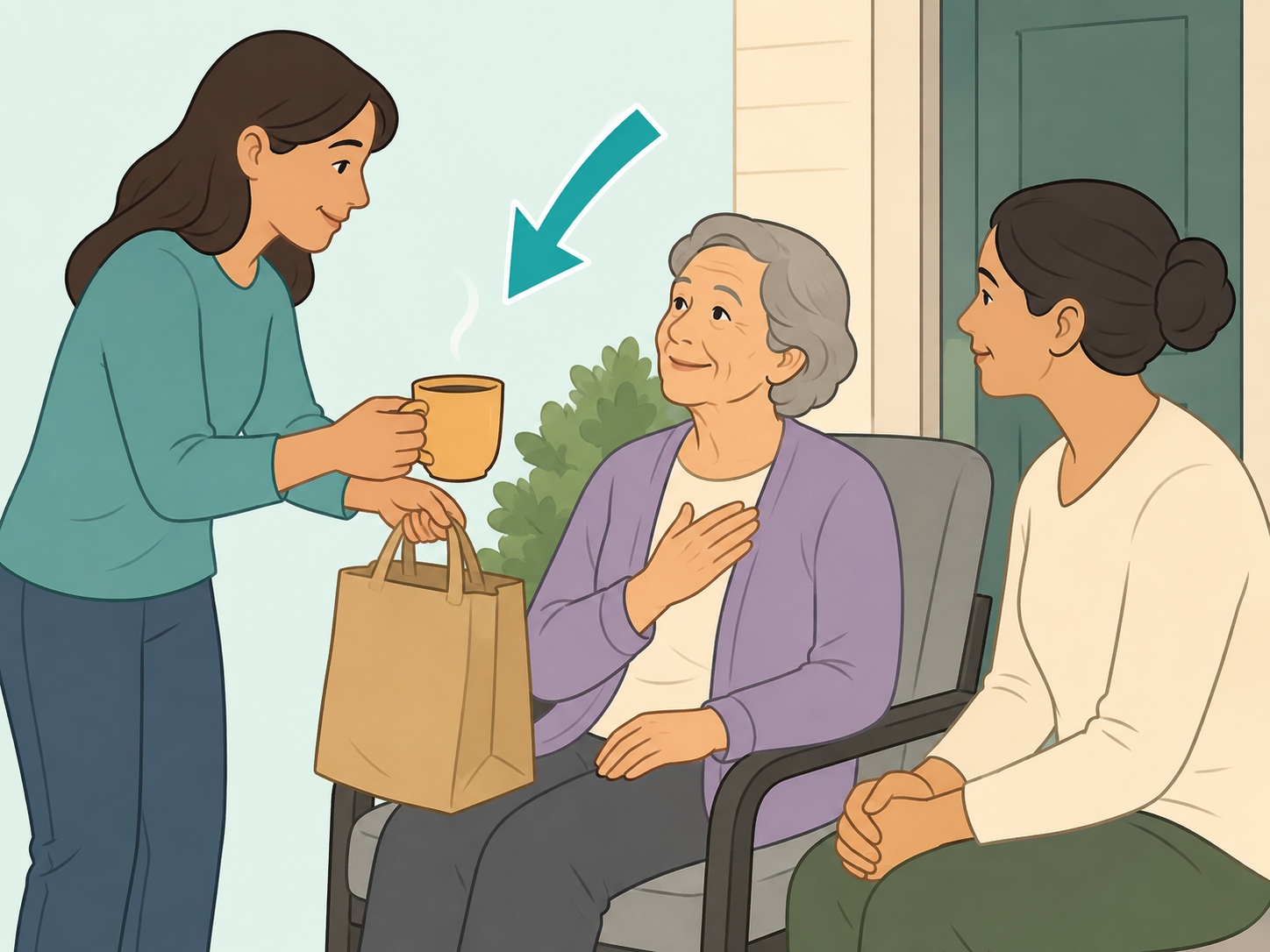
A simple act of kindness can turn an ordinary day into one someone remembers. The most meaningful gestures are usually specific, respectful, and easy to receive. This guide shows how to notice a need, offer help without pressure, and follow up in a way that strengthens real connection.
Notice one specific need
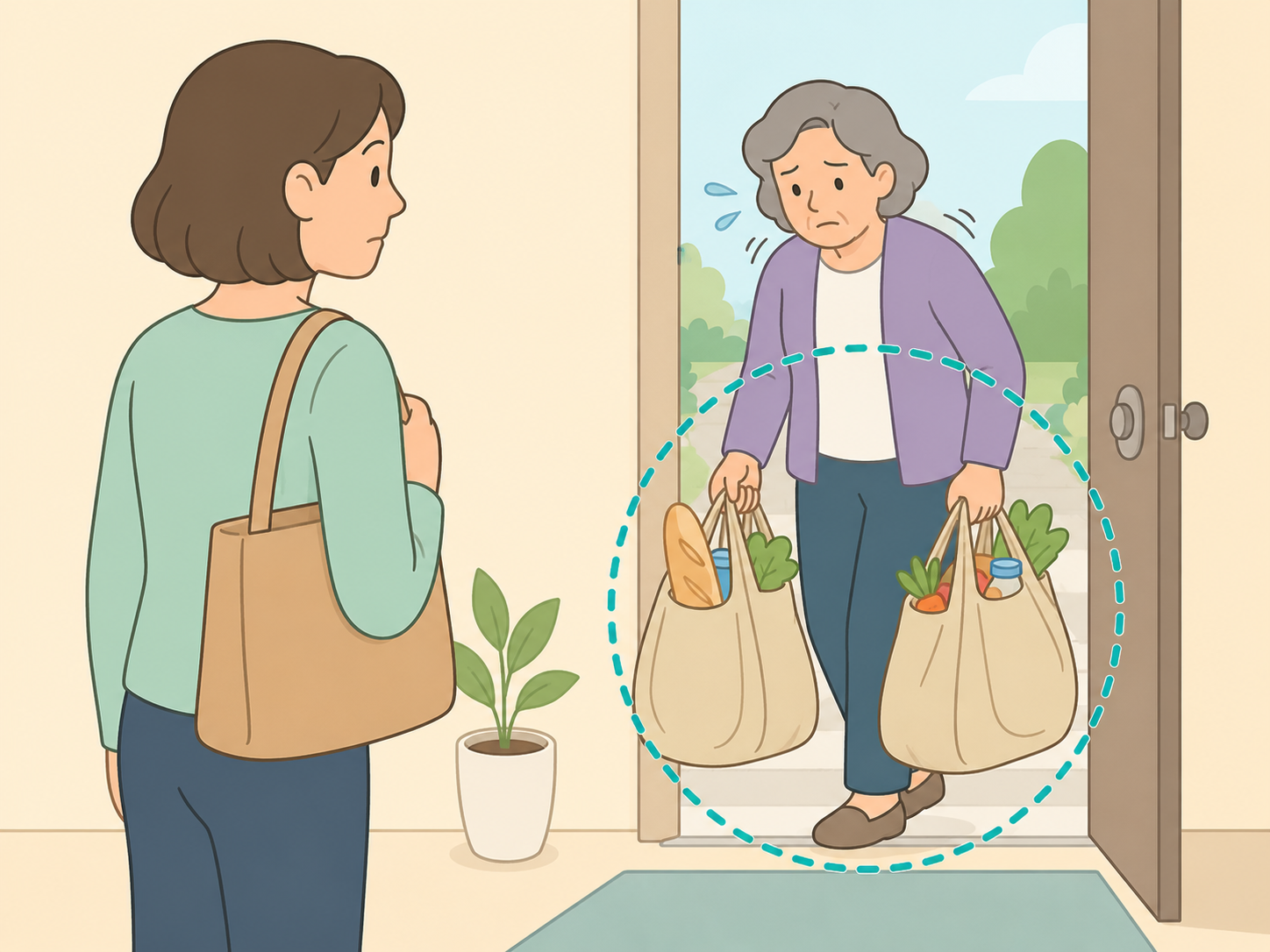
Look for a practical need instead of trying to create a dramatic gesture. The CDC notes that small acts of connection, such as checking on someone, can still be meaningful. Pay attention to what the person is carrying, missing, or quietly struggling to manage.
Choose a small, useful action
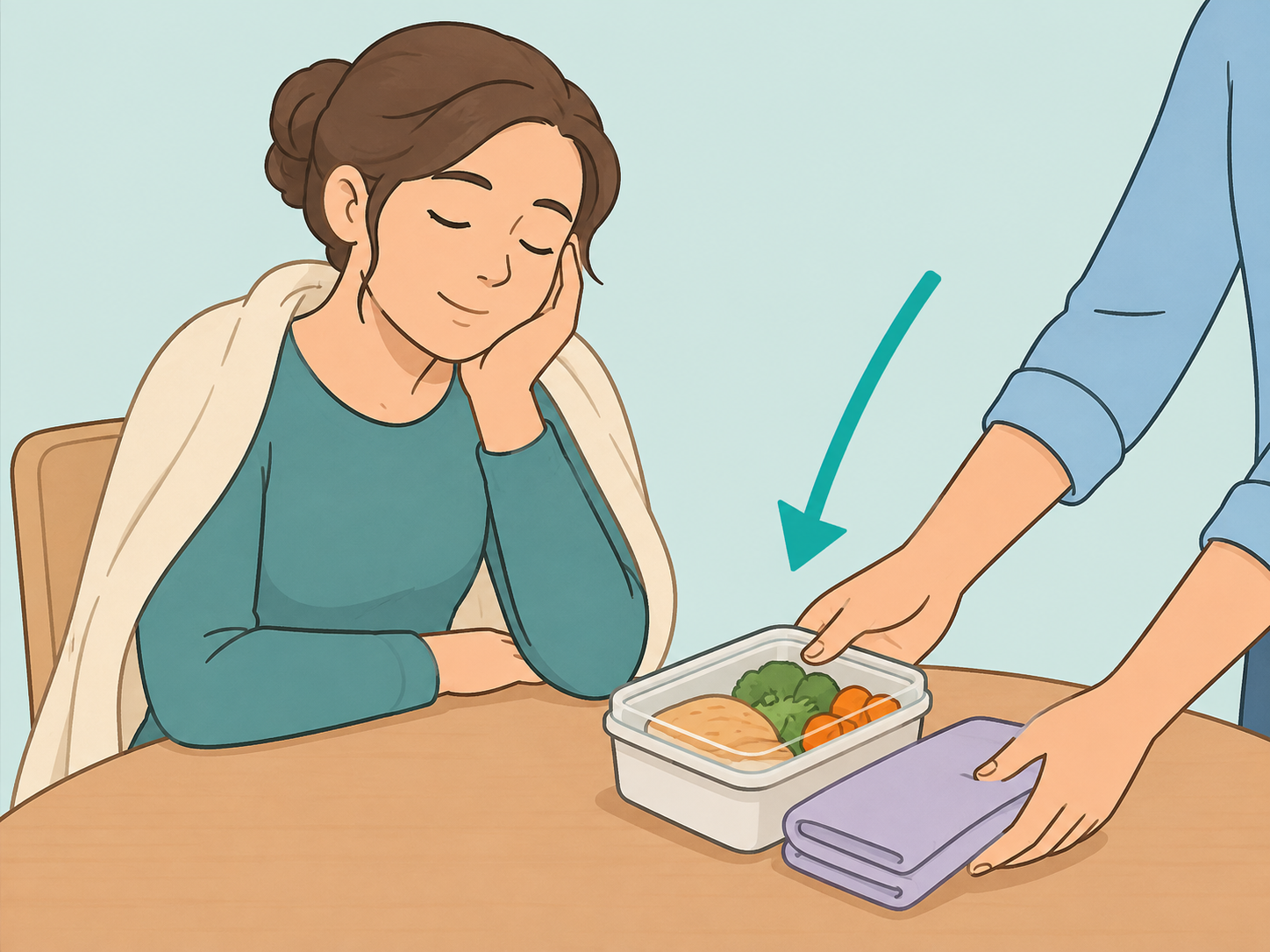
Pick one action that removes a little pressure from the person's day, such as carrying groceries, making a phone call, sharing a meal, or sending a short message. Cleveland Clinic describes giving time and support as one way people help friends, family, and communities, and it may support the giver's well-being too: why giving can be good for health. Keep the gesture simple enough that you can actually do it well.
Ask before stepping in
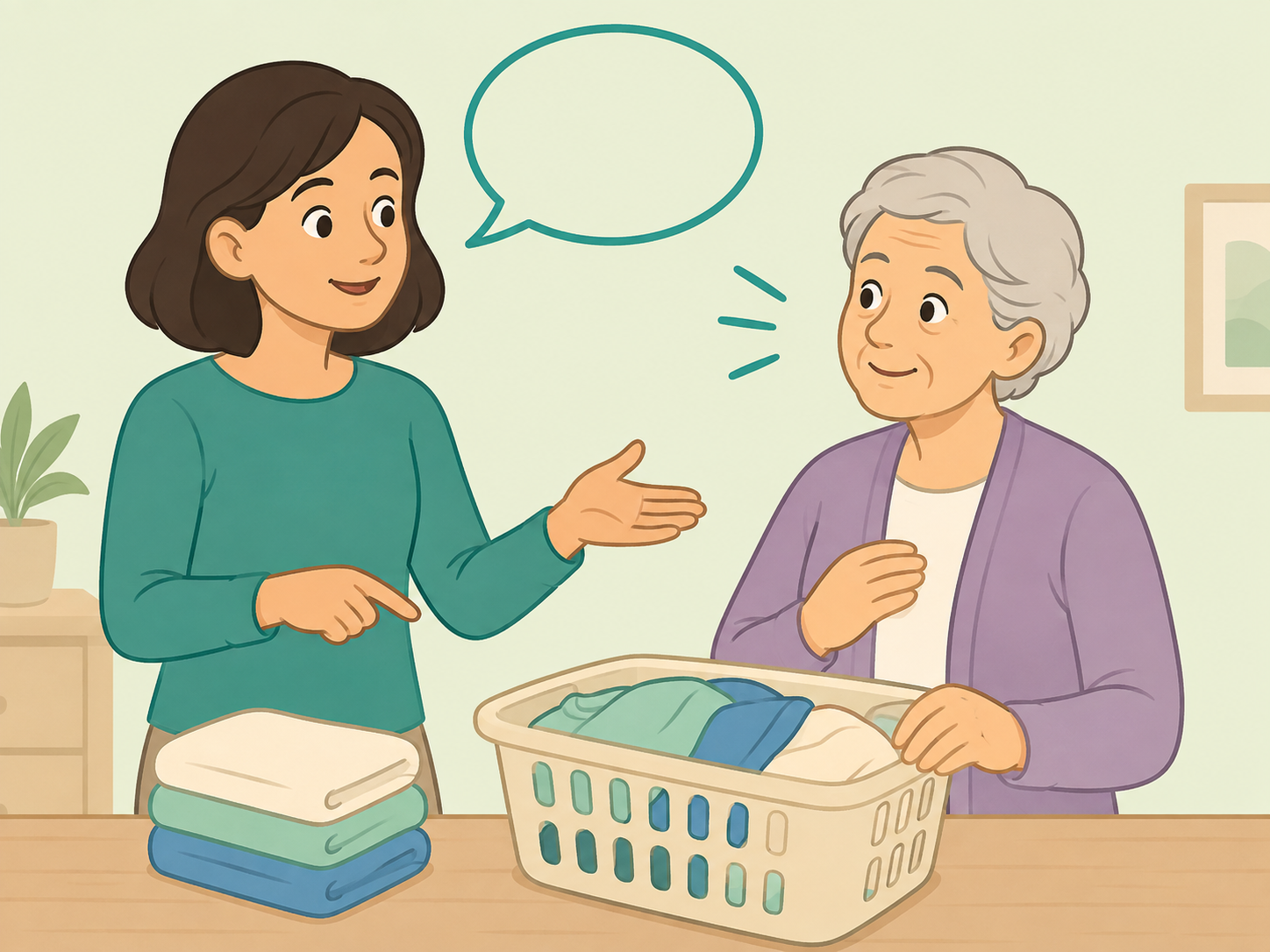
Offer help in a way that leaves the other person free to say yes, no, or not right now. The NIH social wellness guidance encourages asking for what you need and respecting healthy boundaries. Try saying, "Would it help if I handled this?" instead of taking over.
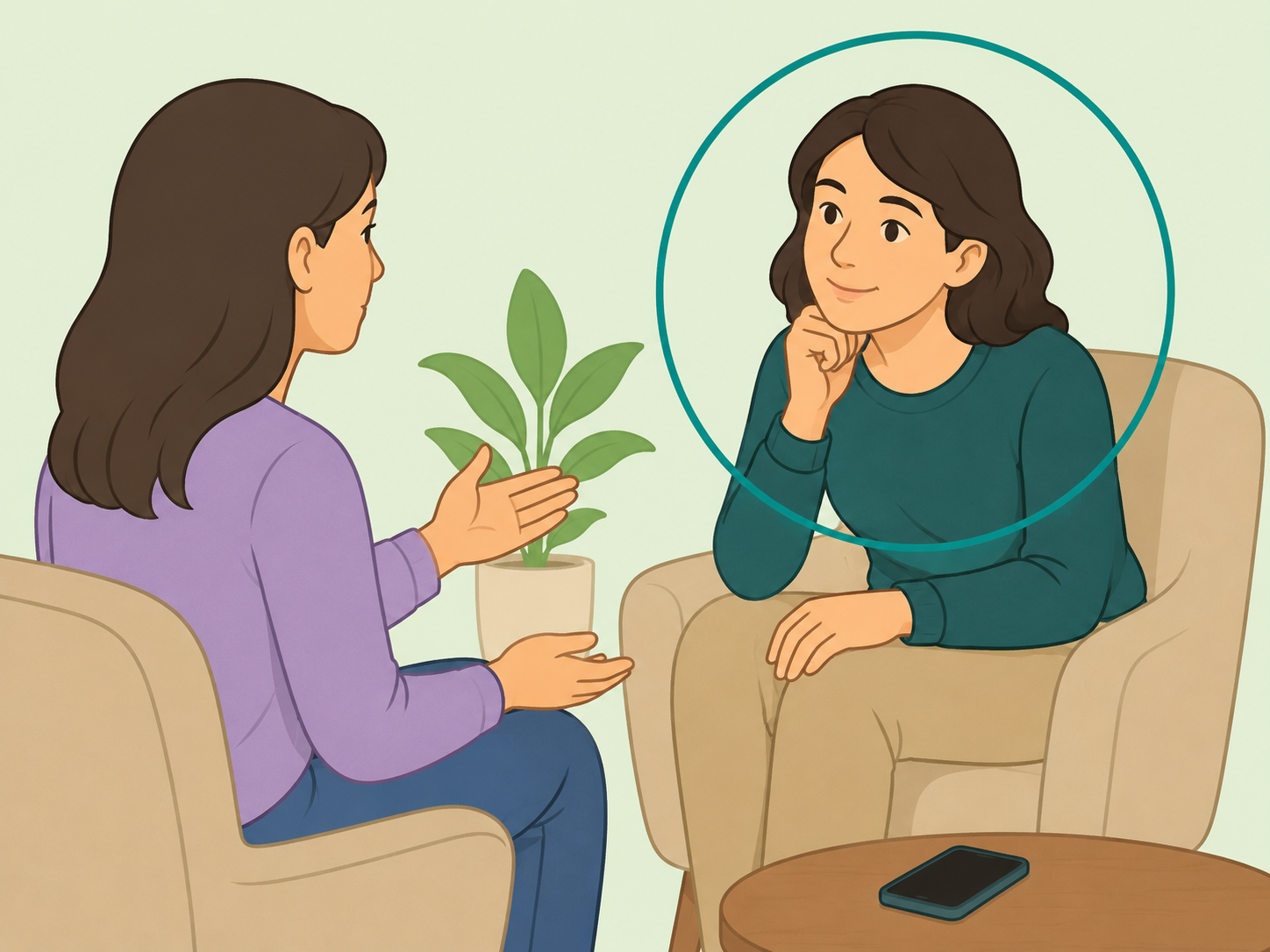
Give your full attention
If the kindest thing you can offer is presence, put away distractions and listen. Mayo Clinic recommends being a good listener, asking what is happening in someone's life, and avoiding advice unless it is requested: ways to nurture friendships. Let the person finish their thought before you respond.
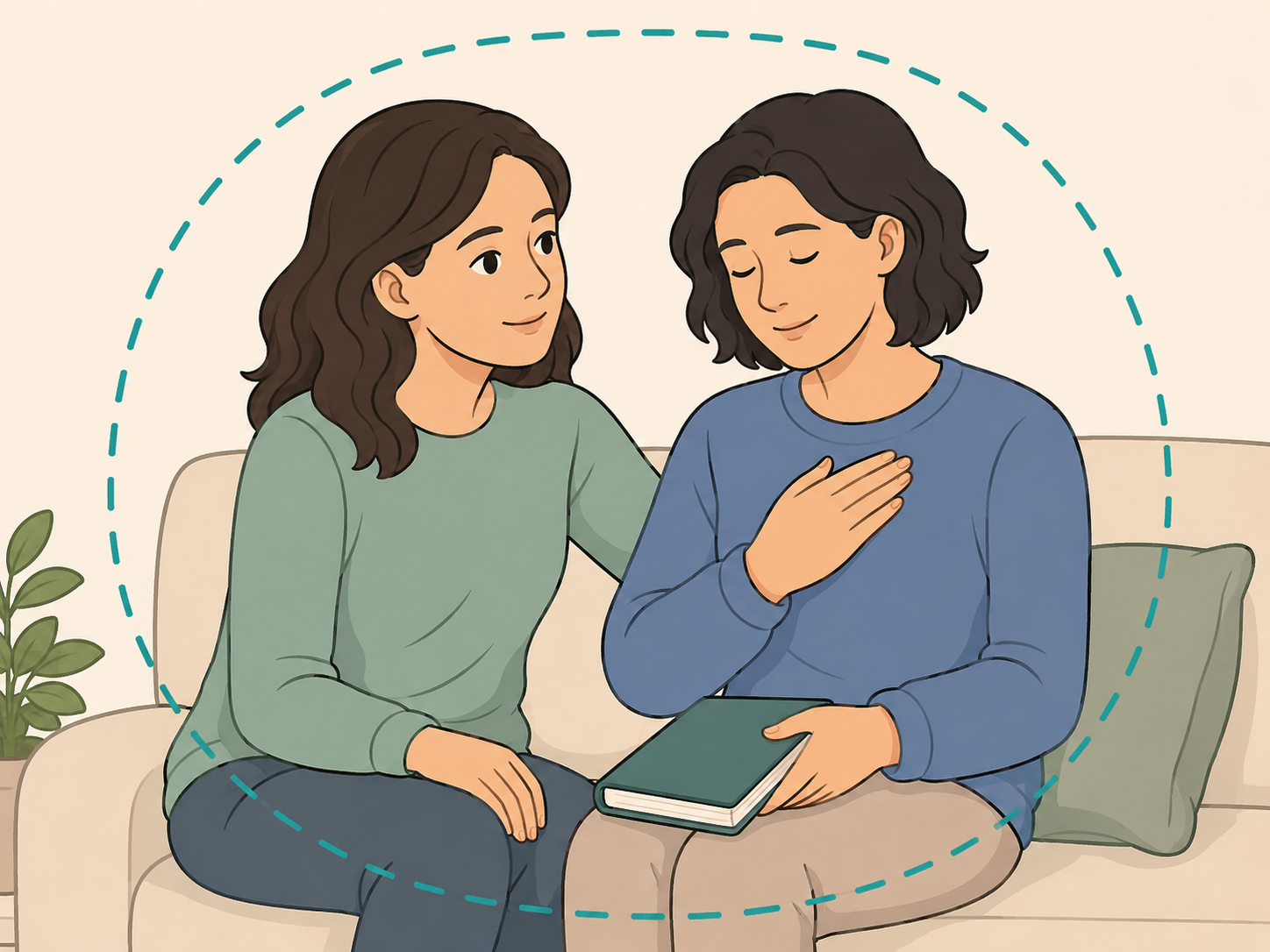
Protect the person's privacy
Do not turn someone else's hard moment into a story, post, or lesson without permission. Healthy relationships include respect, honesty, and boundaries, according to the NIH social wellness toolkit. If you want to share a positive moment, remove identifying details or ask first.
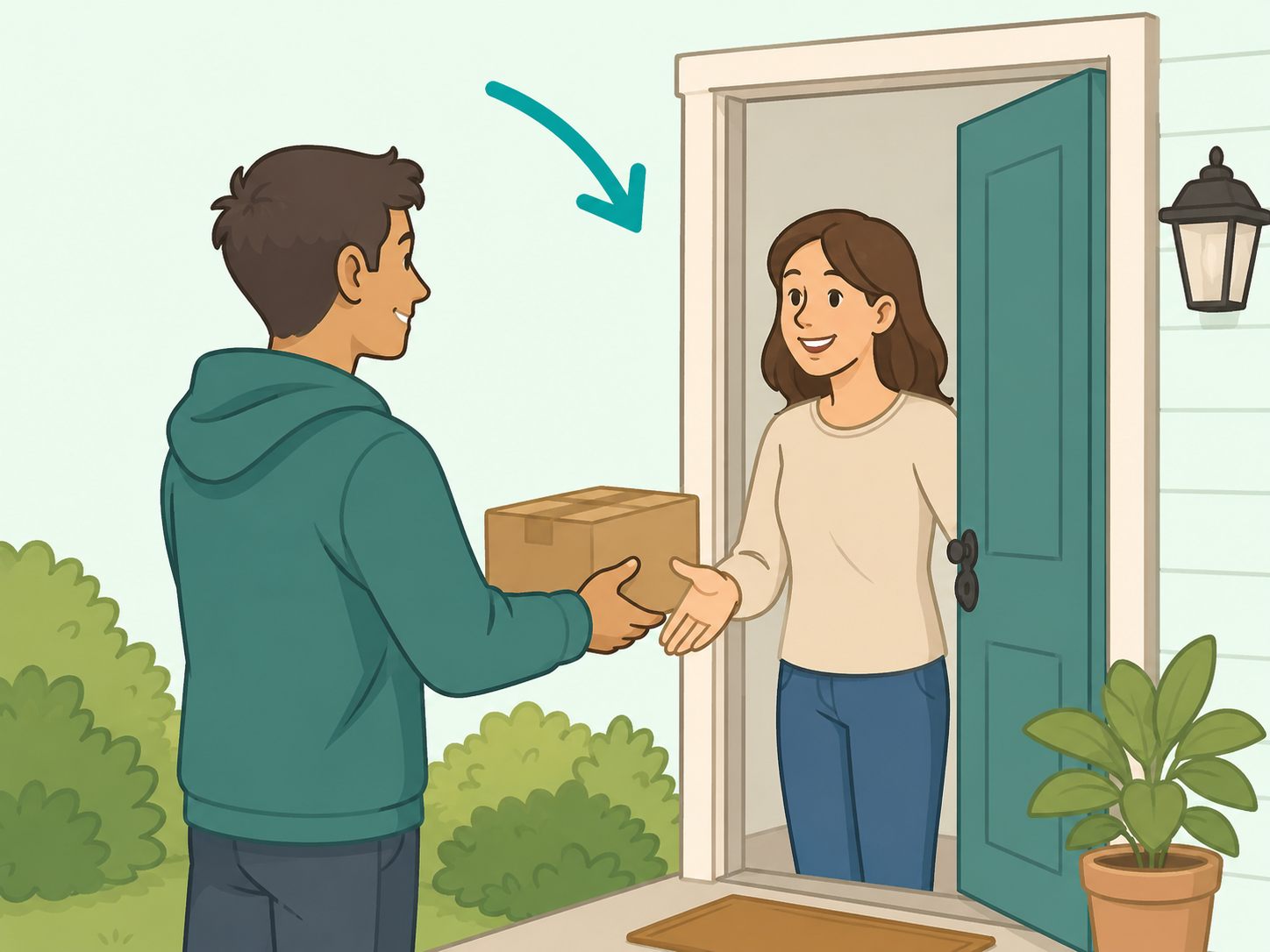
Follow through on what you promise
Only offer what you can realistically do, then do it when you said you would. Mayo Clinic lists reliability, showing up on time, and keeping private information private as parts of trust in friendship: building trustworthy friendships. A modest promise kept usually matters more than a grand promise forgotten.
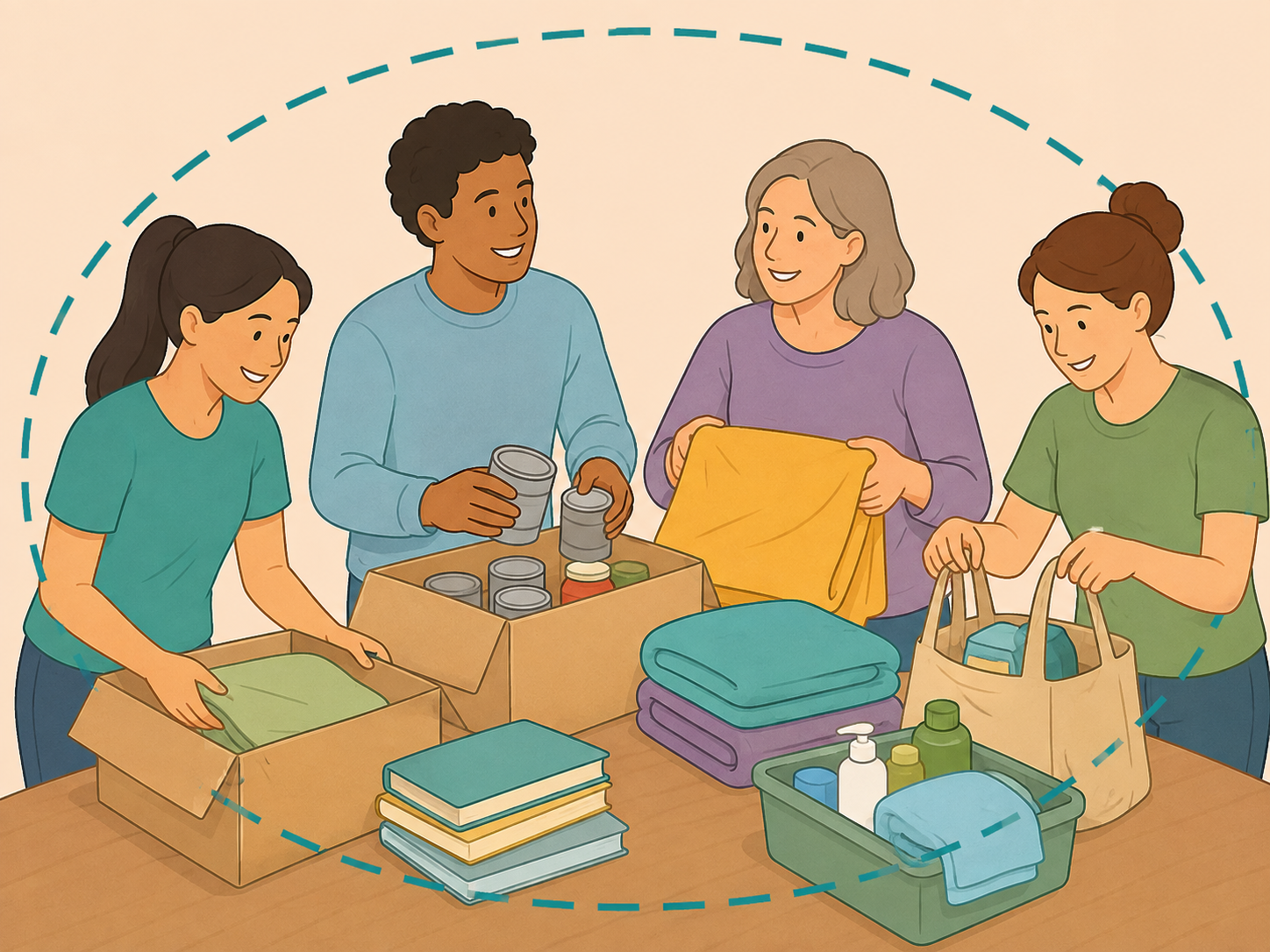
Pay kindness forward in your routine
Make kindness part of ordinary life by expressing gratitude, volunteering, checking on neighbors, or inviting someone into a shared activity. The CDC suggests gratitude, volunteering, community involvement, and quality time as ways to improve social connection: ideas for making social connections. NIH News in Health also notes that practicing gratitude can help people notice positive moments during stress: practicing gratitude.
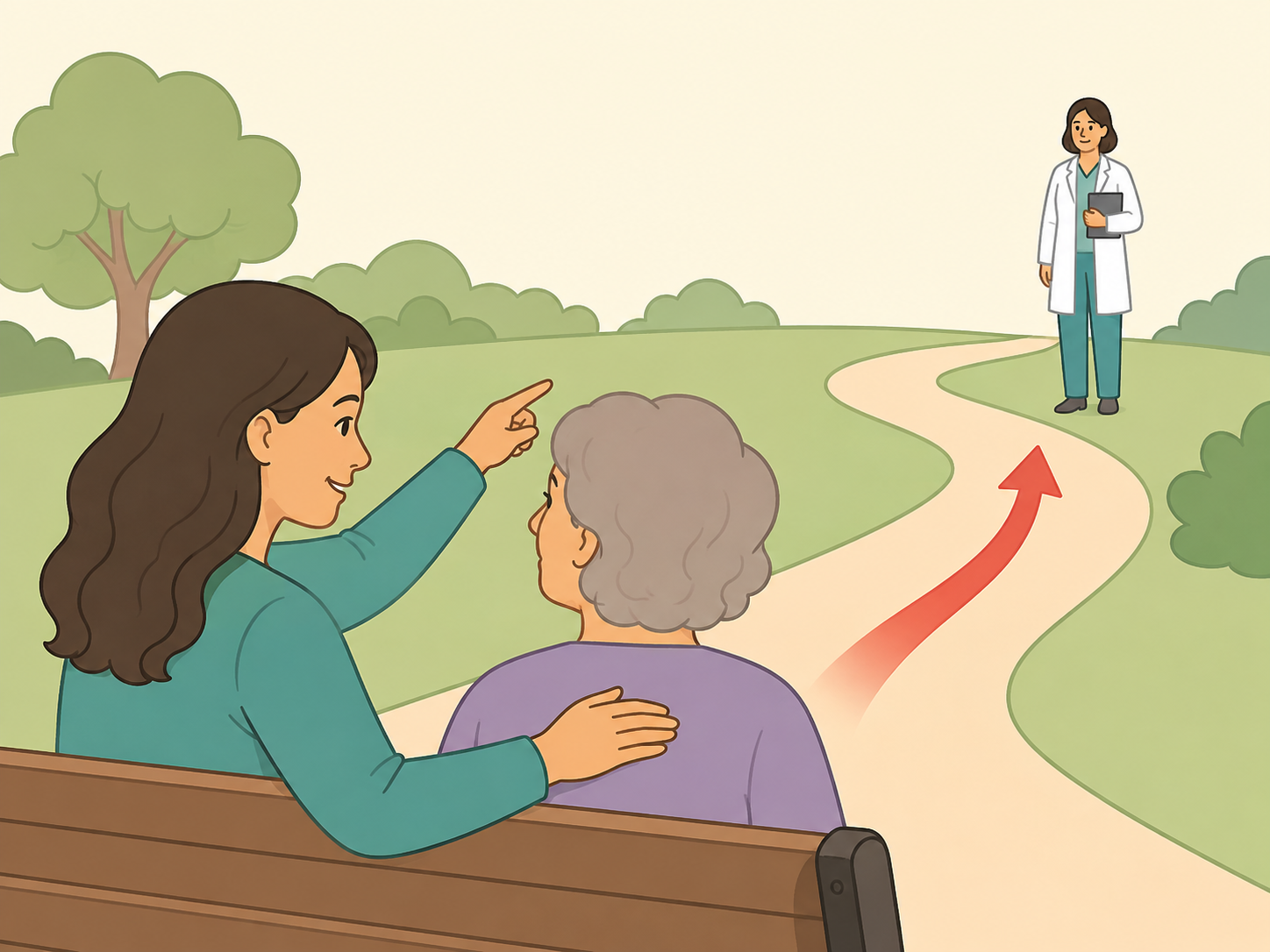
Seek extra support when kindness is not enough
Encourage professional help if someone feels persistently lonely, stressed, unsafe, or unable to cope with daily life. The CDC recommends seeking help when disconnection, loneliness, or stress becomes difficult to manage. If there is immediate danger, contact local emergency services right away.
Summary
The bottom line: meaningful kindness is practical, respectful, and consistent. Start small, ask before helping, listen carefully, keep trust, and know when a person needs professional support beyond a kind gesture.
Frequently Asked Questions
- What is a good simple act of kindness?
A good act of kindness solves a real need without making extra work for the other person. Bringing a meal, sending a thoughtful check-in, helping with a ride, or sitting with someone while they talk can all be meaningful when they fit the situation.
- Should I ask before helping someone?
Yes. Asking first respects the person's independence and boundaries. A simple question like, "Would it help if I did this?" makes the offer easier to accept or decline.
- Can kindness help a relationship feel closer?
It can. Mayo Clinic notes that kindness, listening, trust, and follow-through help nurture friendships and social support: healthy friendships.
- What if the person rejects my help?
Accept the answer calmly. A rejected offer does not mean the gesture failed; it may mean the person wants privacy, needs a different kind of help, or is not ready to receive support.
- How often should I check in after doing something kind?
Follow the person's cues. One short follow-up a day or two later is often enough unless they ask for more support. Keep it simple and avoid pressuring them to respond.
- When is kindness not enough?
If someone seems unsafe, overwhelmed, isolated, or unable to manage daily life, encourage them to contact a doctor, counselor, crisis service, or local emergency support. Kindness can support someone, but it is not a substitute for qualified care.
References
Reliable references aided in composing and refining this content.
- https://www.cdc.gov/social-connectedness/about
- https://www.cdc.gov/social-connectedness/improving/index.html
- https://www.nih.gov/health-information/your-healthiest-self-wellness-toolkits/social-wellness-toolkit
- https://www.mayoclinic.org/healthy-lifestyle/adult-health/in-depth/friendships/art-20044860
- https://health.clevelandclinic.org/why-giving-is-good-for-your-health
- https://newsinhealth.nih.gov/2019/03/practicing-gratitude