
 Pin it
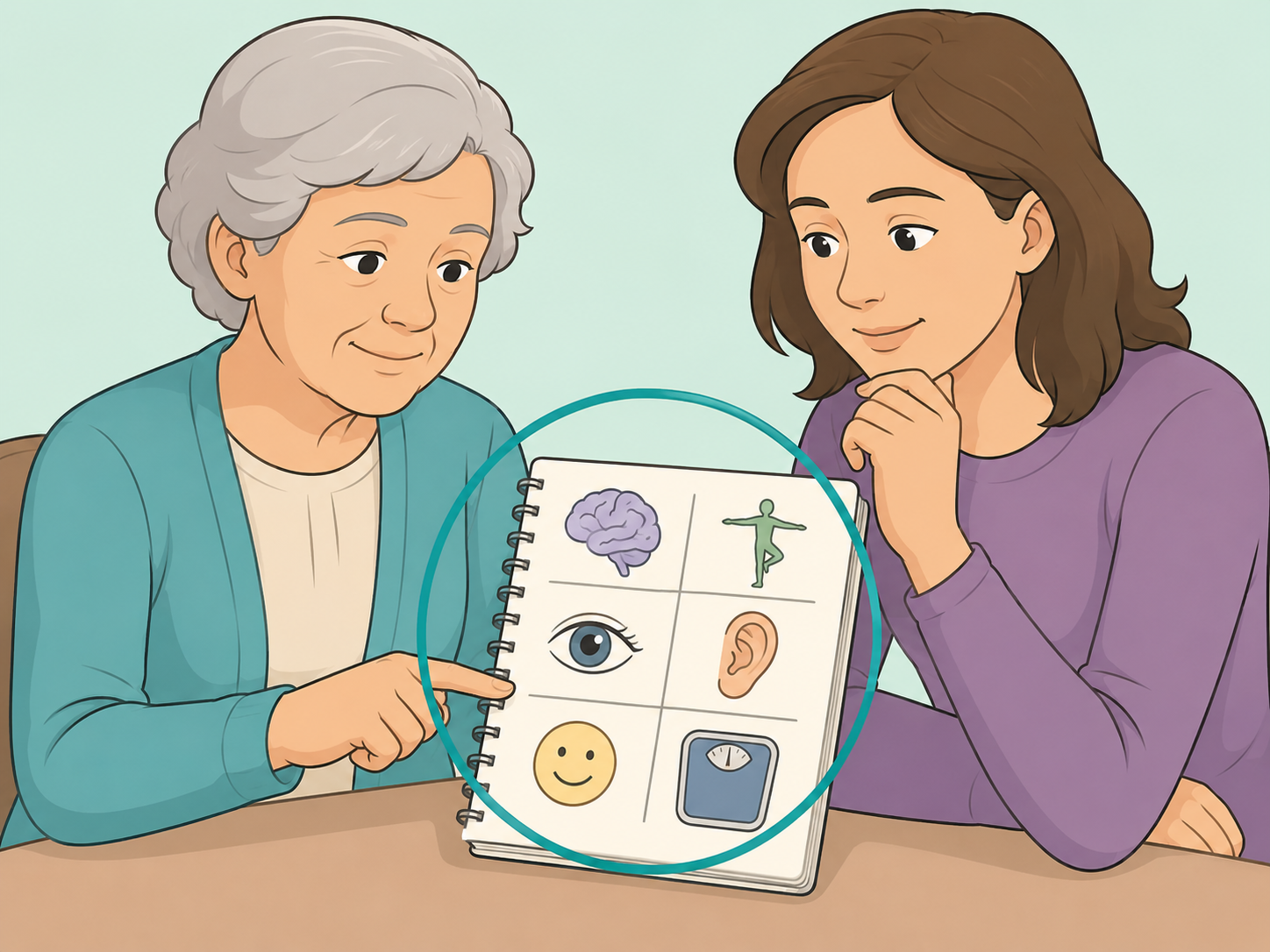
Many people stay active and independent well into their 70s and beyond, but aging can bring changes in the body, senses, mood, and daily routines. The important skill is knowing what may be expected and what should not be ignored. This guide explains common changes to watch for and when to ask a health professional for help.
Track new patterns instead of dismissing them
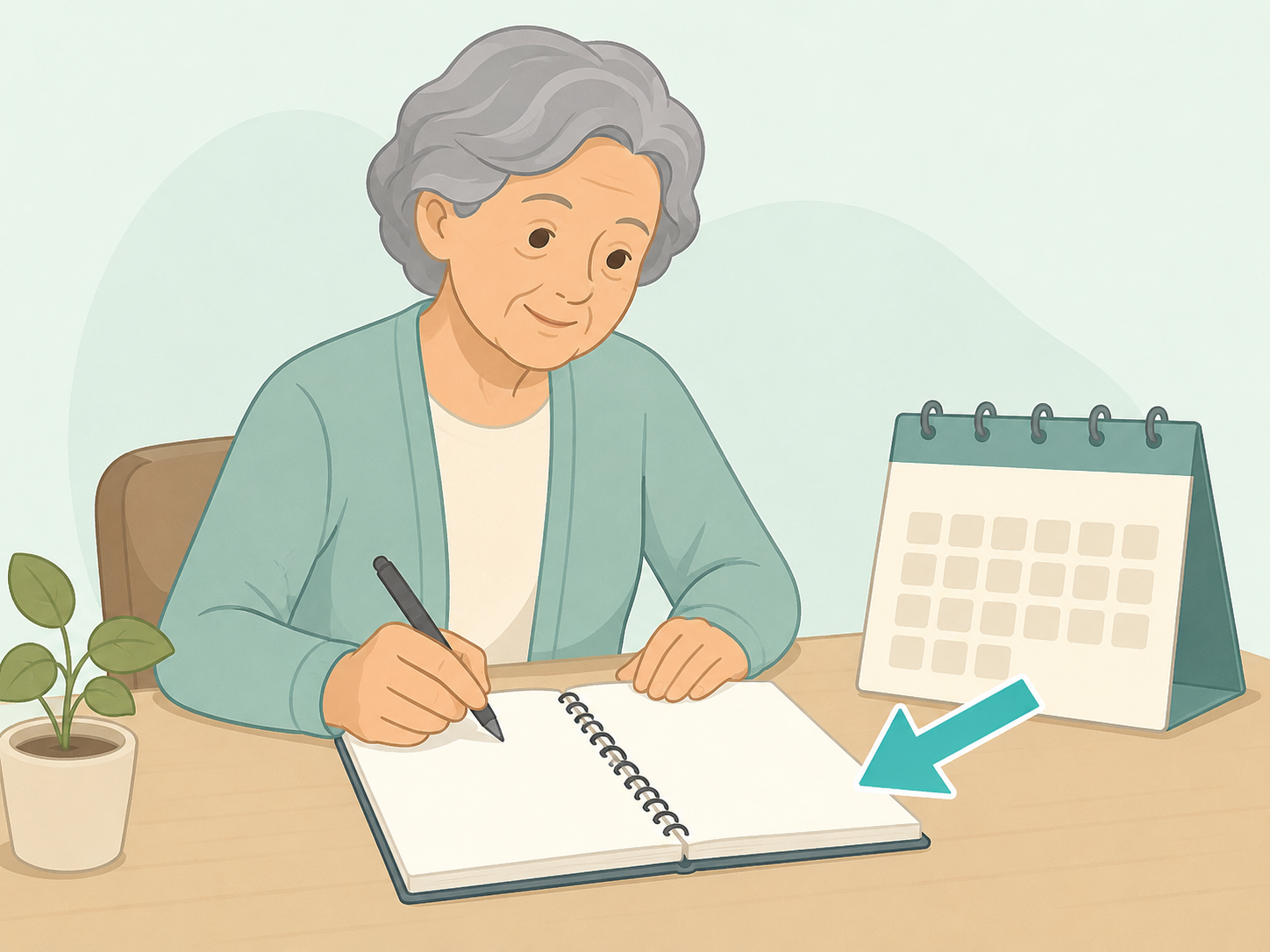
Start by noticing what is new, persistent, or affecting daily life. MedlinePlus explains that some changes are part of aging, while others can be warning signs of a medical problem. Keep a simple note of when the change began, how often it happens, and whether it is getting worse.
Watch for memory changes that disrupt daily life
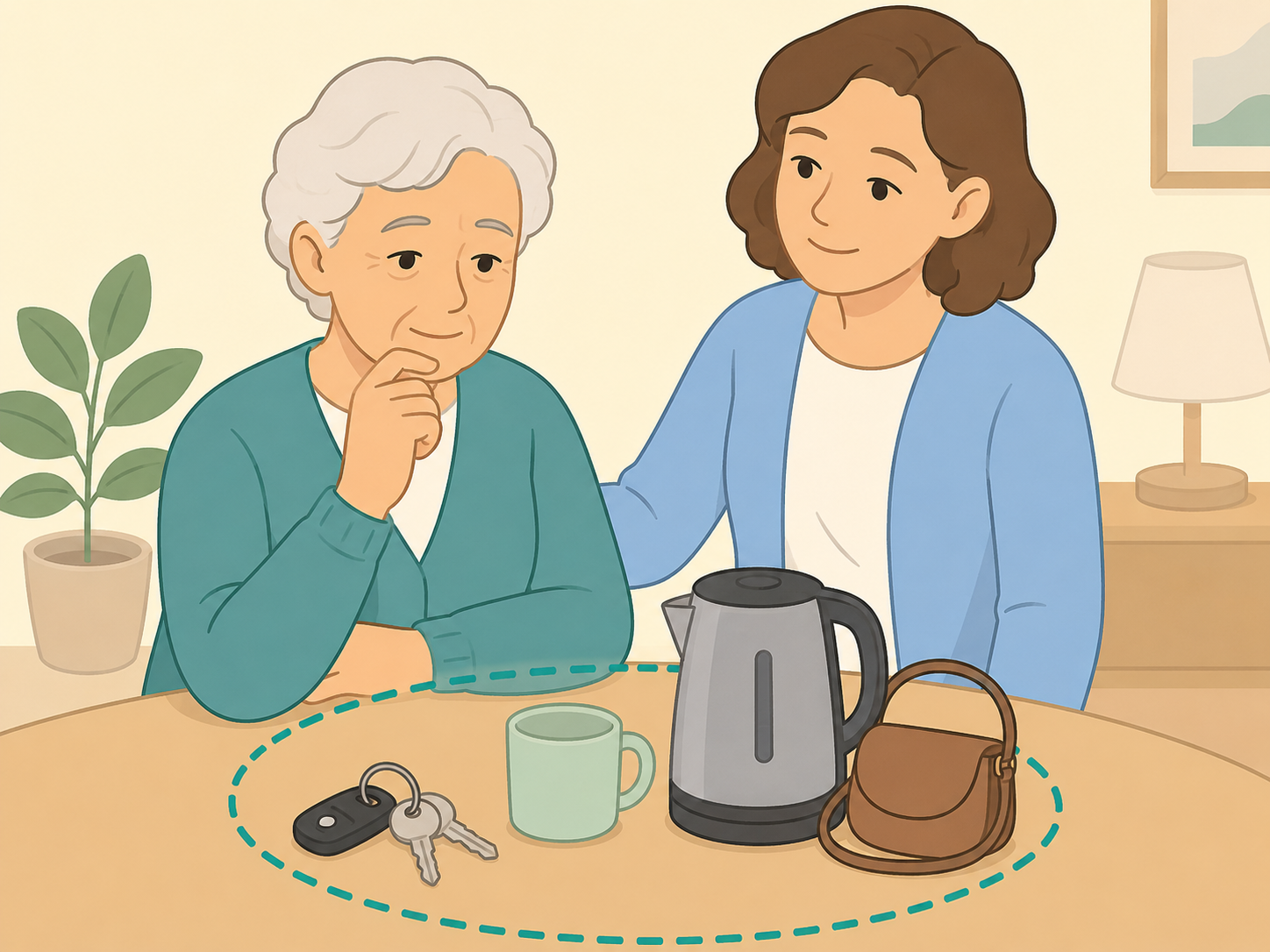
Occasionally misplacing keys or searching for a word can happen with normal aging, but getting lost in familiar places, repeating questions often, or being unable to complete familiar tasks is different. The CDC notes that dementia is not a normal part of aging and should be discussed with a health care provider when signs appear. Early evaluation can also check for other causes, such as medication effects, infection, sleep problems, or mood changes.
Take balance problems and falls seriously
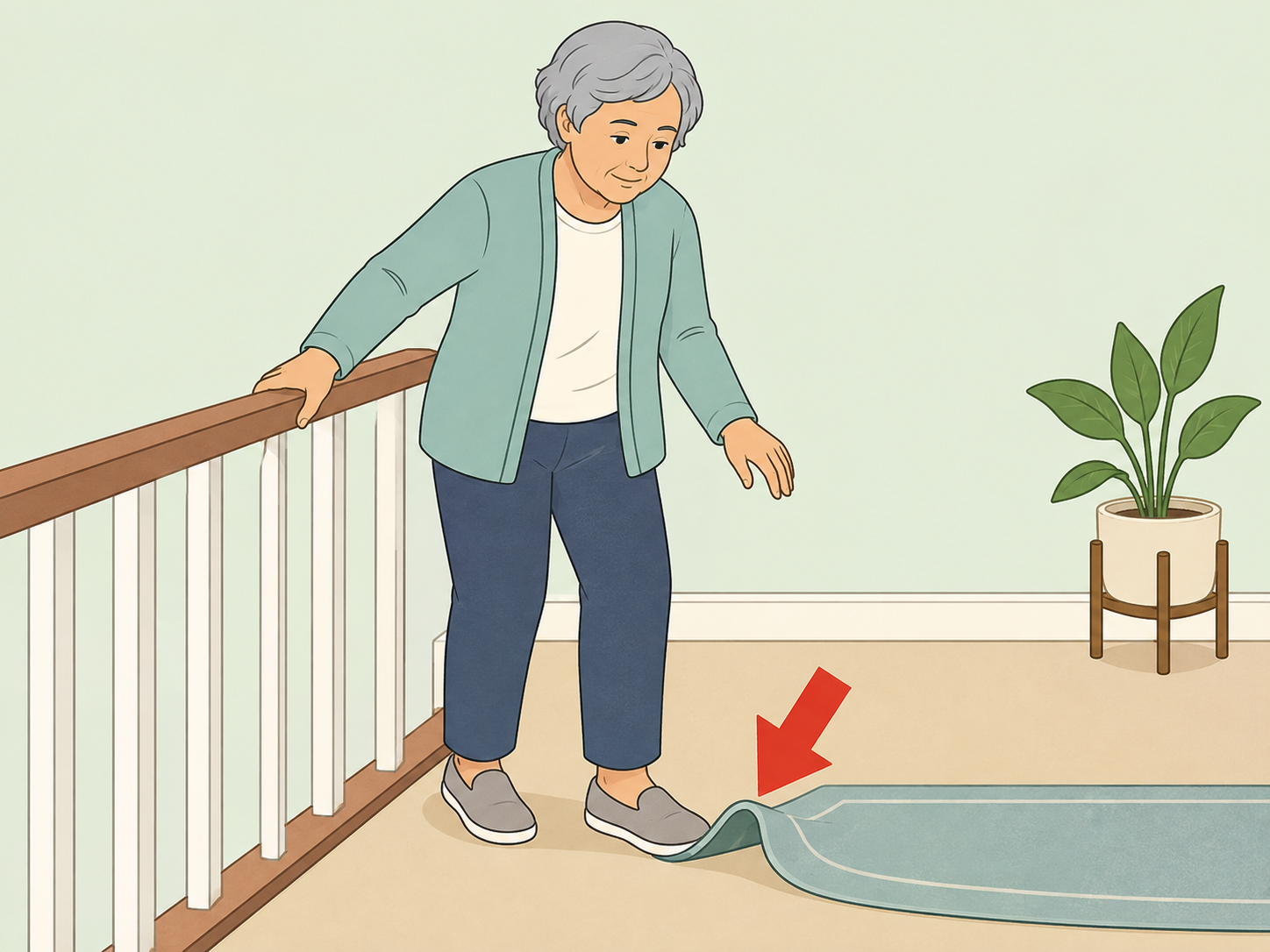
Tell a doctor if you have fallen, feel unsteady, or worry about falling. The CDC reports that more than 1 in 4 older adults report falling each year, and falls can cause broken bones or head injuries. Ask about medicine review, vision checks, foot care, strength exercises, and home hazards.
Notice changes in touch, temperature, and walking
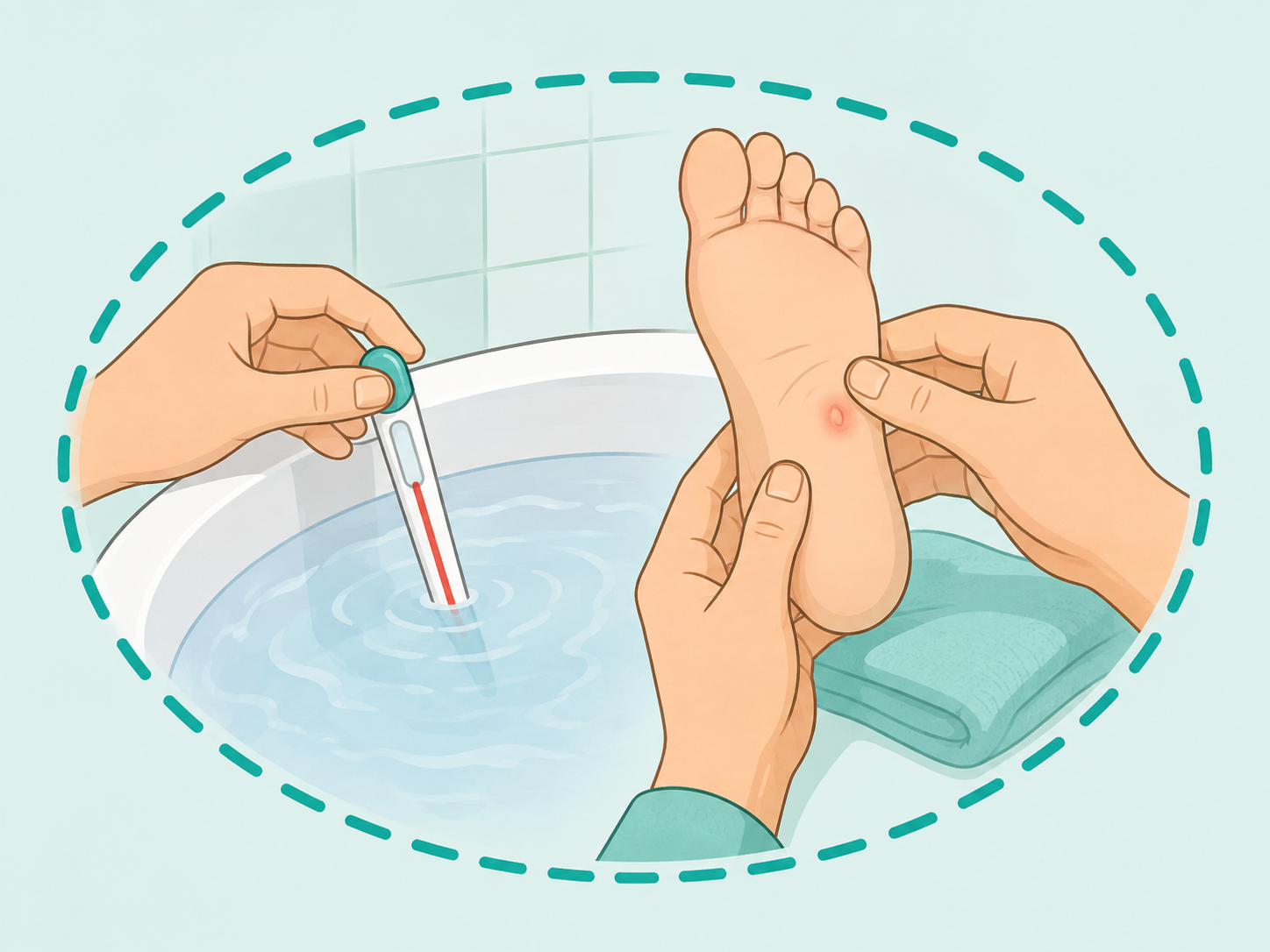
After later adulthood, some people become less sensitive to pain, pressure, heat, or cold, which can make injuries and burns easier to miss. MedlinePlus advises talking with a provider about changes in touch, pain, standing, or walking. Check skin and feet regularly, and use a thermometer or water temperature check instead of relying only on how hot or cold something feels.
Check vision changes early
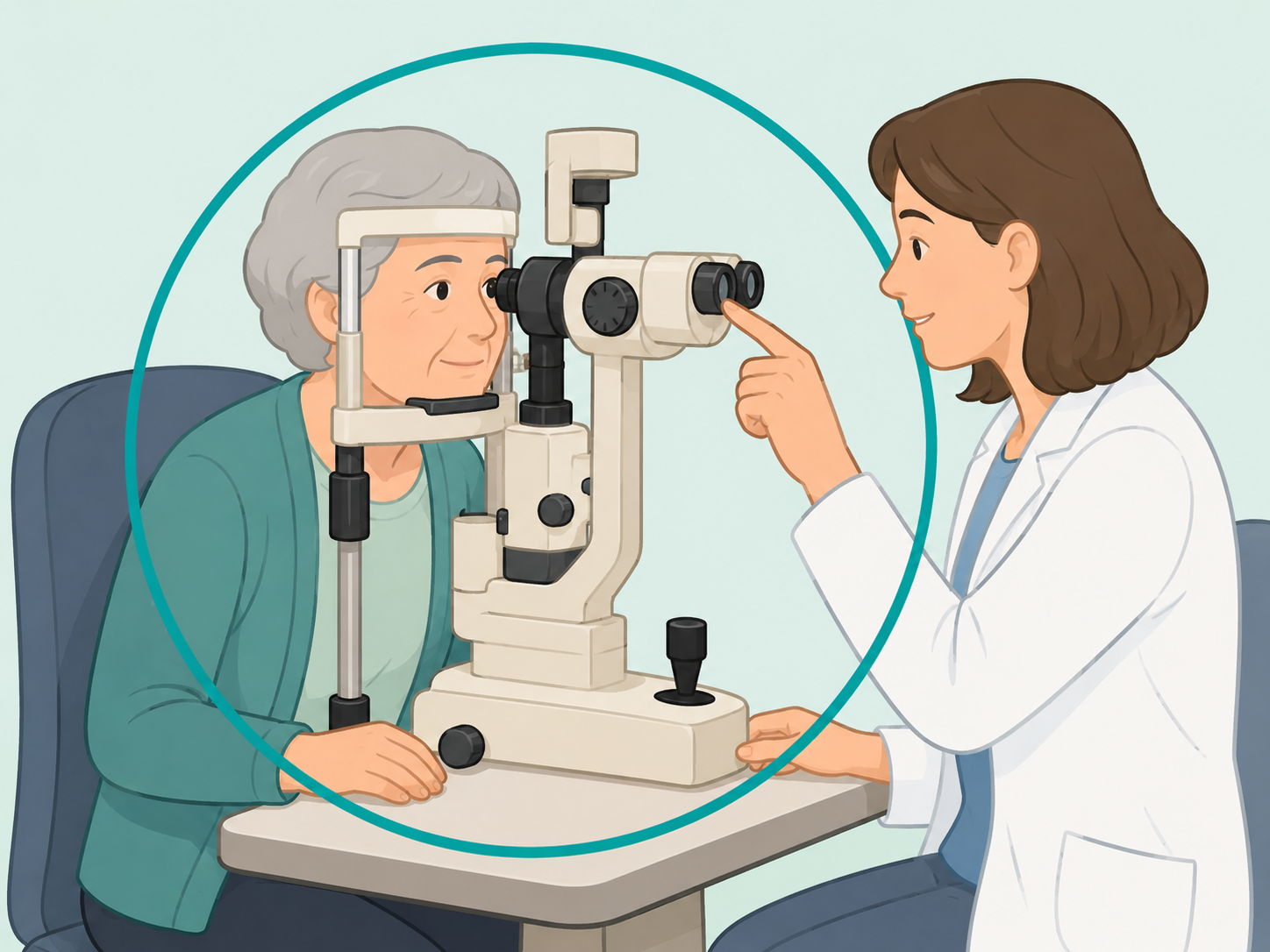
Do not ignore blurred vision, trouble seeing at night, halos, new difficulty reading, or changes that make driving or walking less safe. The National Eye Institute says older adults have higher risk for eye diseases such as cataract, glaucoma, and age-related macular degeneration, and many eye diseases have no early symptoms. Regular comprehensive dilated eye exams can catch problems earlier.
Listen for signs of gradual hearing loss
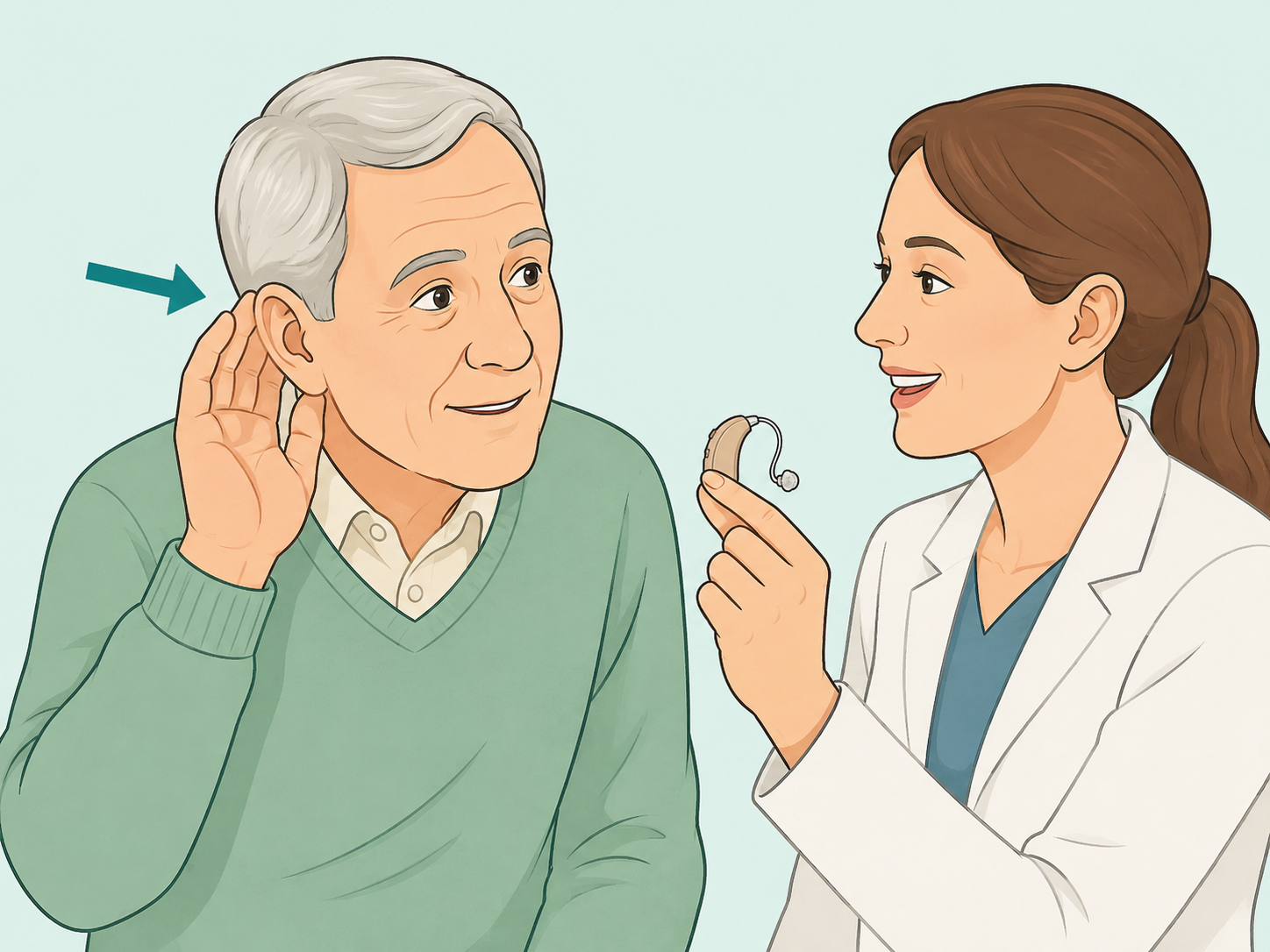
Hearing loss can come on slowly, so notice if conversations seem muffled, the TV volume keeps rising, or group settings become harder to follow. The National Institute on Deafness and Other Communication Disorders says age-related hearing loss is common and can affect safety, medical communication, and social connection. A hearing check can help identify whether hearing aids or other devices may help.
Take weight, appetite, and self-care changes seriously
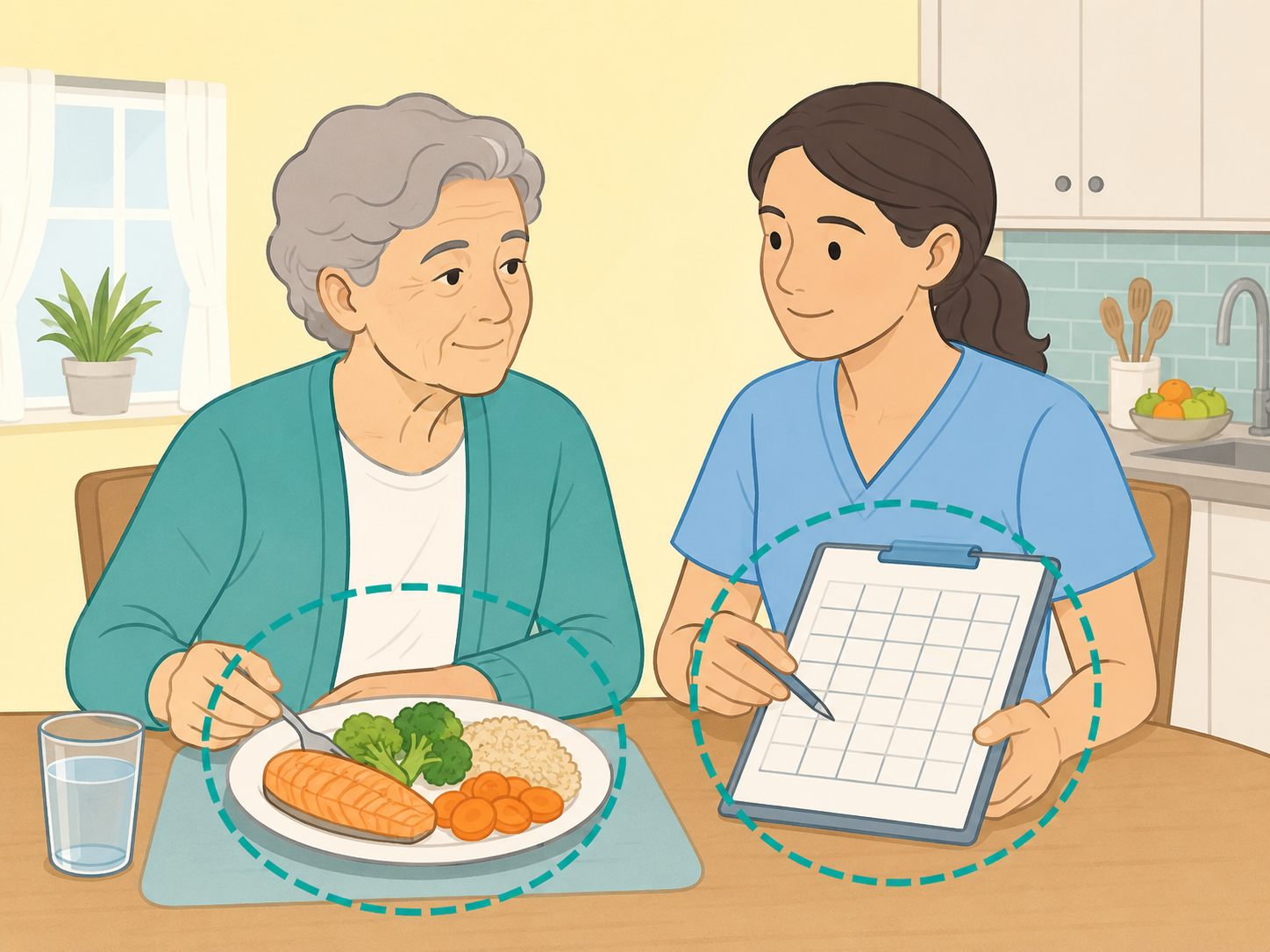
Unexplained weight loss, a much smaller appetite, poor hygiene, confusion, and trouble walking can all be signs that an older adult needs help. The National Institute on Aging lists these as concerns to notice, and Mayo Clinic advises seeing a health professional for unintended weight loss, especially more than 5% of body weight in 6 to 12 months. Bring a current medication list and note any changes in chewing, swallowing, mood, shopping, or cooking.
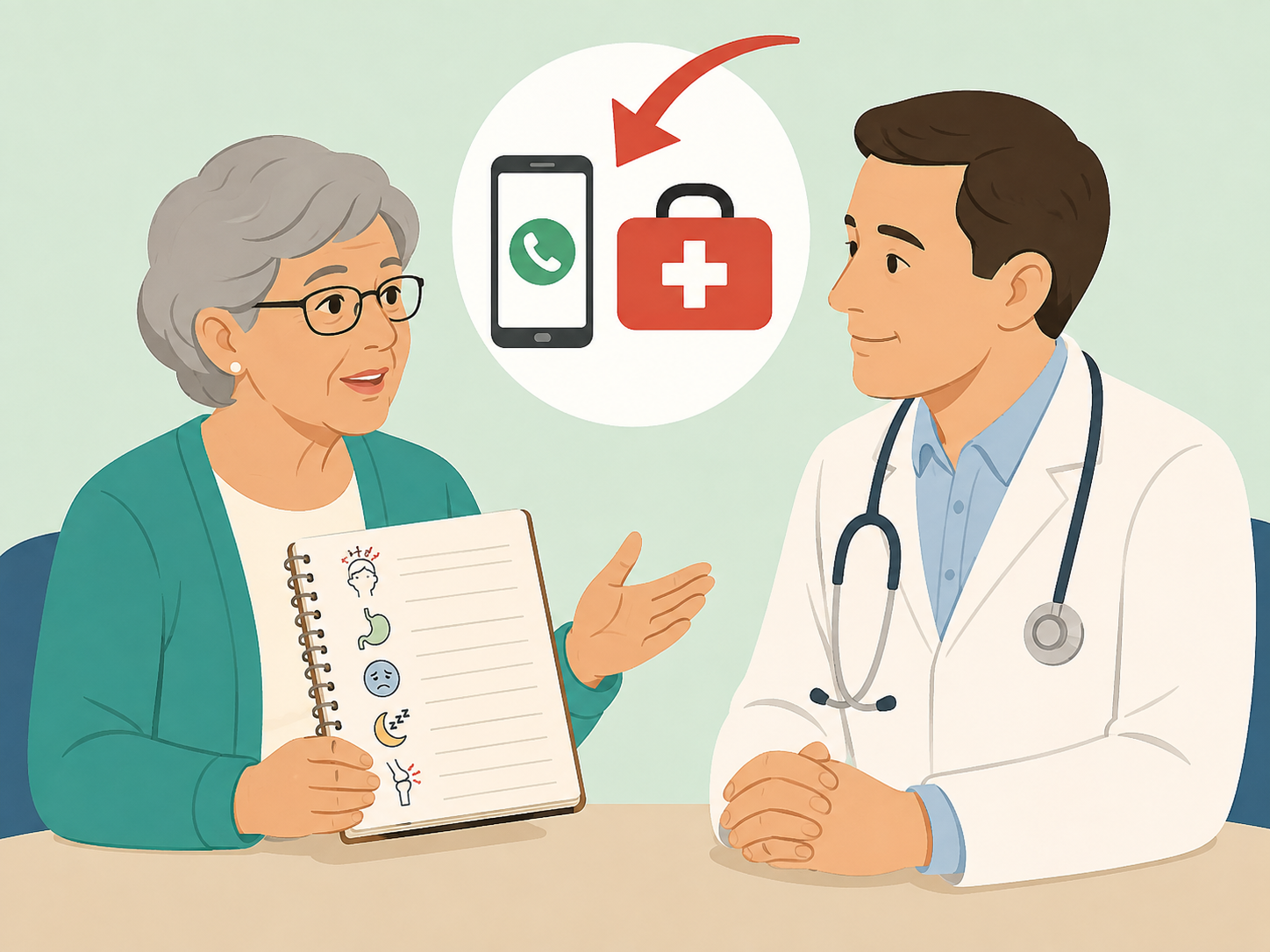
See a doctor for sudden, persistent, or worrying symptoms
Call a health professional when a change is sudden, keeps happening, worsens, or interferes with daily routines. Mayo Clinic highlights symptoms that need prompt attention, including chest pain, sudden loss of vision or speech, unexplained weight loss, persistent fever, sudden confusion, severe shortness of breath, and severe abdominal pain. If symptoms feel urgent or severe, seek emergency care rather than waiting for a routine appointment.
Summary
The bottom line: do not assume every change after age 70 is just aging. Write down what changed, notice whether it affects daily life, and get medical advice early when symptoms are sudden, persistent, unexplained, or worrying.
Frequently Asked Questions
- Are memory lapses always a normal part of aging?
No. Occasional forgetfulness can happen with age, but memory or thinking changes that interfere with everyday tasks should be discussed with a health professional.
- Should an older adult tell a doctor about one fall?
Yes. A fall, feeling unsteady, or fear of falling is worth mentioning because falls can lead to serious injury and many fall risks can be reduced.
- How often should older adults have eye checks?
Eye exam timing depends on personal risk, but older adults should ask an eye care professional about regular comprehensive dilated exams, especially because some eye diseases have no early symptoms.
- Is hearing loss after age 70 just something to accept?
Hearing changes are common with age, but they can affect safety, communication, and social connection. A hearing check can help identify options such as hearing aids or other listening devices.
- When is weight loss a concern after age 70?
Unexplained weight loss is worth discussing with a clinician, especially if it is more than 5% of body weight over 6 to 12 months or happens with appetite, mood, swallowing, or energy changes.
- What changes need urgent care?
Seek urgent medical help for chest pain, sudden trouble speaking, sudden vision loss, severe shortness of breath, fainting, severe abdominal pain, or sudden confusion.
References
Reliable references aided in composing and refining this content.
- https://medlineplus.gov/olderadulthealth.html
- https://www.cdc.gov/alzheimers-dementia/signs-symptoms/index.html
- https://www.cdc.gov/still-going-strong/older-adults/index.html
- https://www.medlineplus.gov/ency/article/004013.htm
- https://www.nidcd.nih.gov/health/age-related-hearing-loss
- https://www.nei.nih.gov/about/education-and-outreach/vision-and-aging-resources
- https://www.nia.nih.gov/health/caregiving/does-older-adult-your-life-need-help
- https://www.mayoclinic.org/symptoms/unexplained-weight-loss/basics/causes/sym-20050700
- https://www.mayoclinic.org/healthy-lifestyle/adult-health/in-depth/symptoms-not-to-ignore/art-20045276