
 Pin it
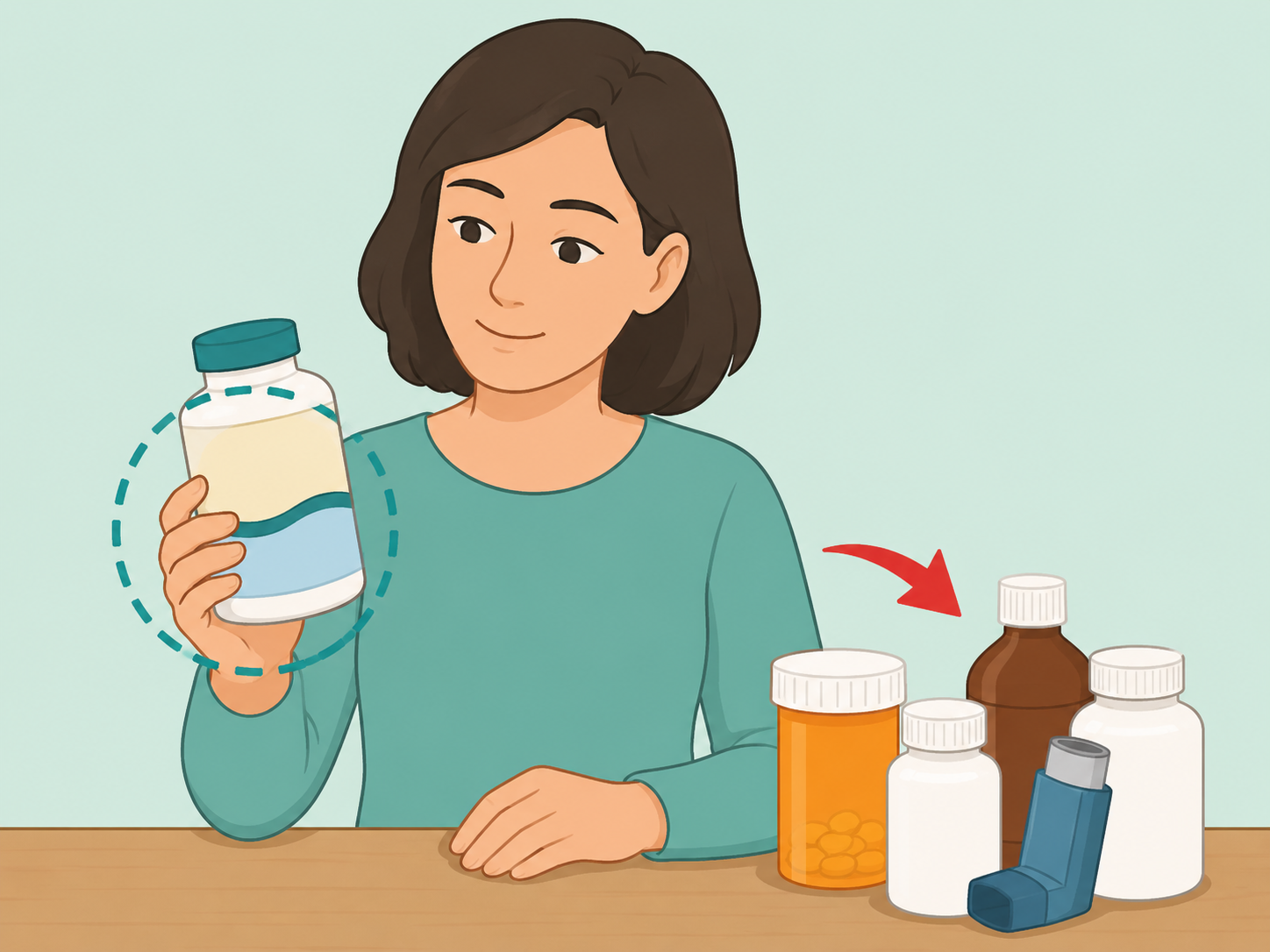
Magnesium is an essential mineral, but supplement forms and magnesium-containing medicines are not automatically safe with every medication. Some medicines may be absorbed poorly when taken near magnesium, while others can raise or lower magnesium levels in your body. This guide explains which medication groups need extra caution and how to check safely before using magnesium.
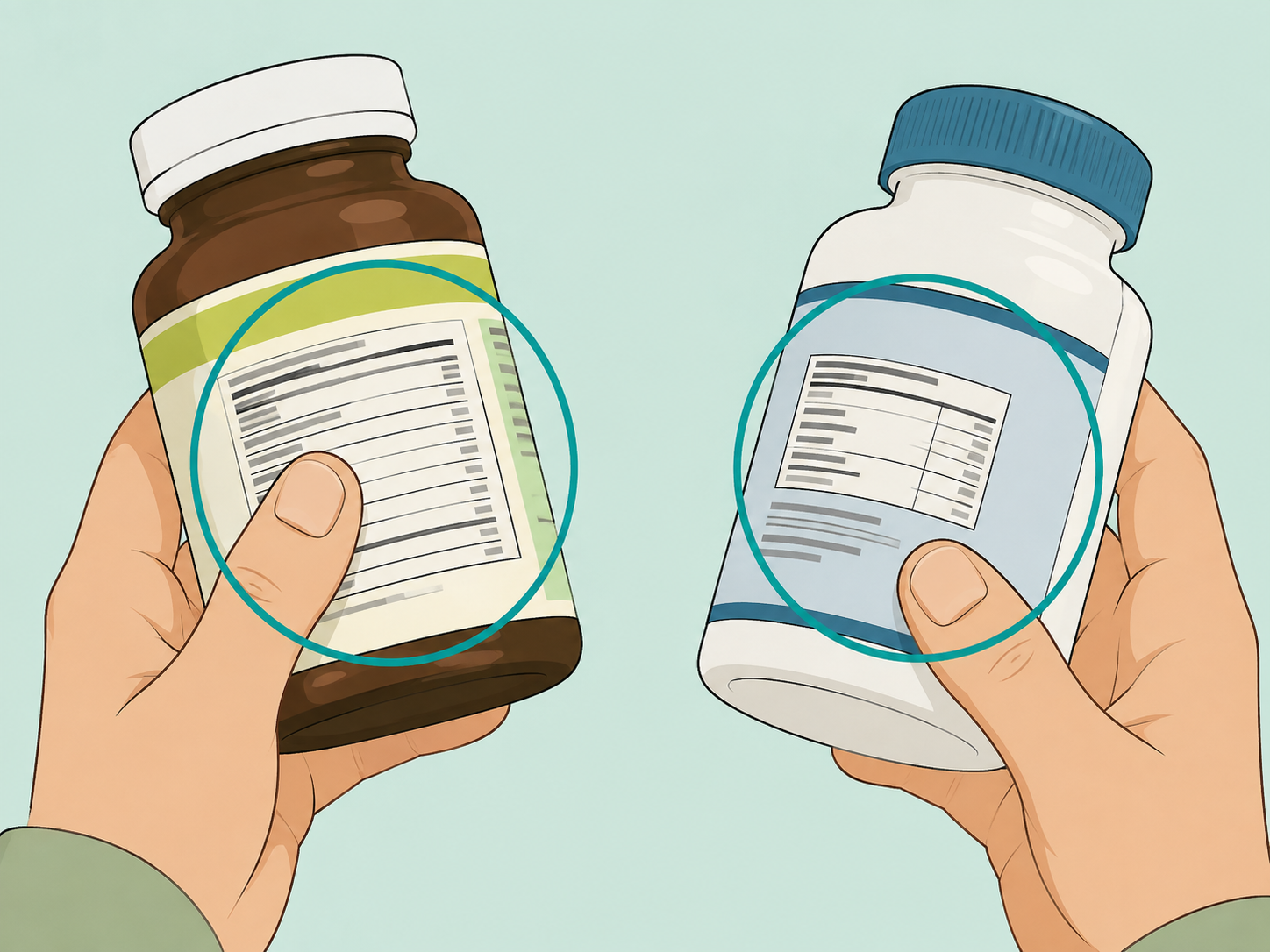
Check every label for hidden magnesium
Look beyond bottles labeled magnesium supplement. The NIH Office of Dietary Supplements notes that magnesium is also found in some antacids and laxatives, and MedlinePlus lists magnesium oxide as a product used as an antacid, laxative, or dietary supplement. Check active ingredients such as magnesium oxide, magnesium hydroxide, magnesium citrate, magnesium carbonate, or magnesium trisilicate.
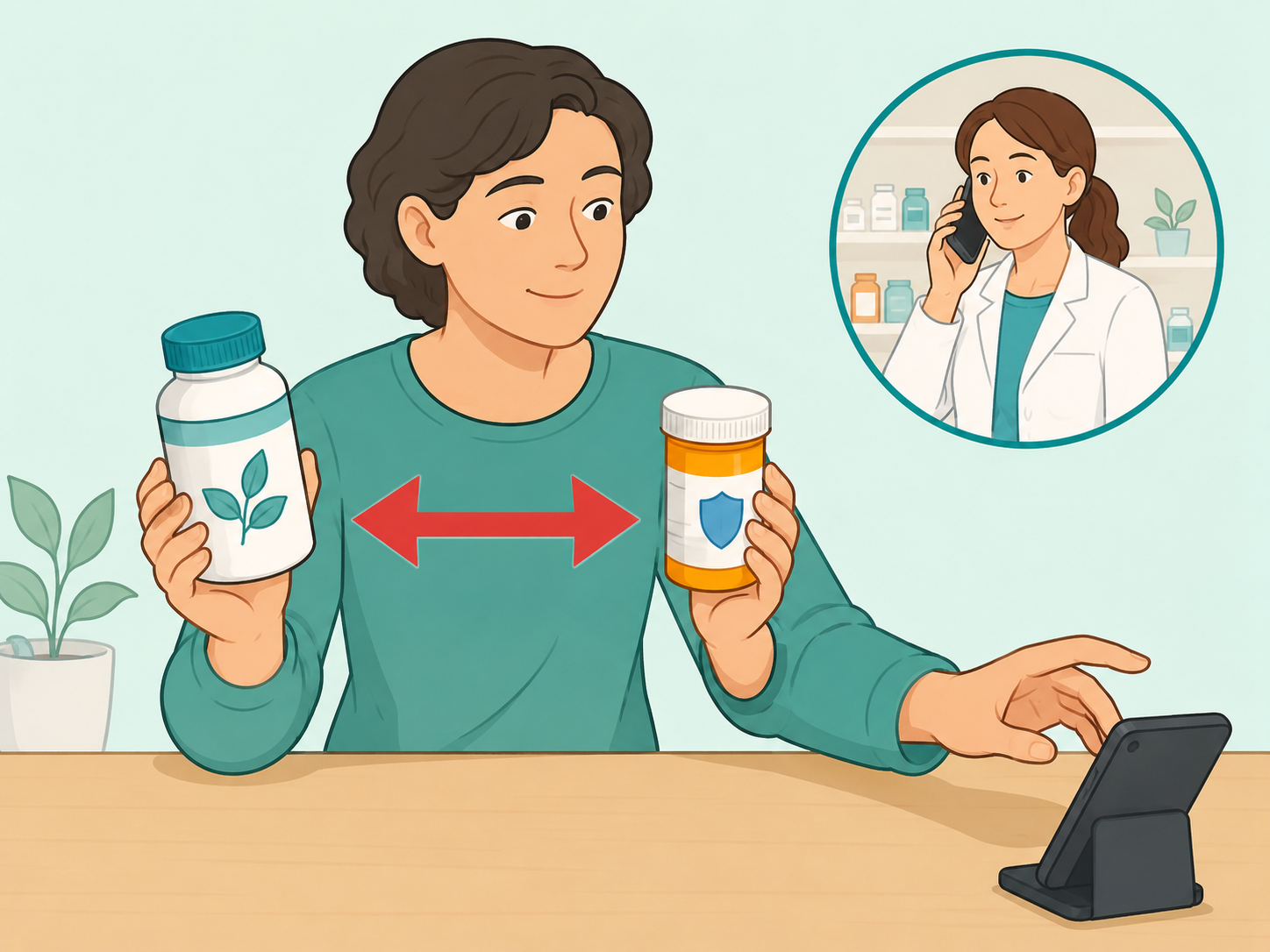
Ask before taking magnesium with certain antibiotics
Pause magnesium and ask a pharmacist for exact timing if you take tetracycline antibiotics such as doxycycline or quinolone antibiotics such as ciprofloxacin. NIH explains that magnesium can bind with these antibiotic classes and reduce absorption, and MedlinePlus gives specific spacing cautions for doxycycline and ciprofloxacin. Do not guess the timing, because different antibiotics have different instructions.

Separate magnesium from osteoporosis medicines
Use extra caution with oral bisphosphonates such as alendronate, which are commonly prescribed for osteoporosis. NIH states that magnesium-rich supplements or medicines can reduce absorption of oral bisphosphonates, and MedlinePlus says alendronate should be taken first thing in the morning with plain water before food, drink, vitamins, antacids, or other medicines. Follow the exact schedule on your prescription rather than adding magnesium at the same time.
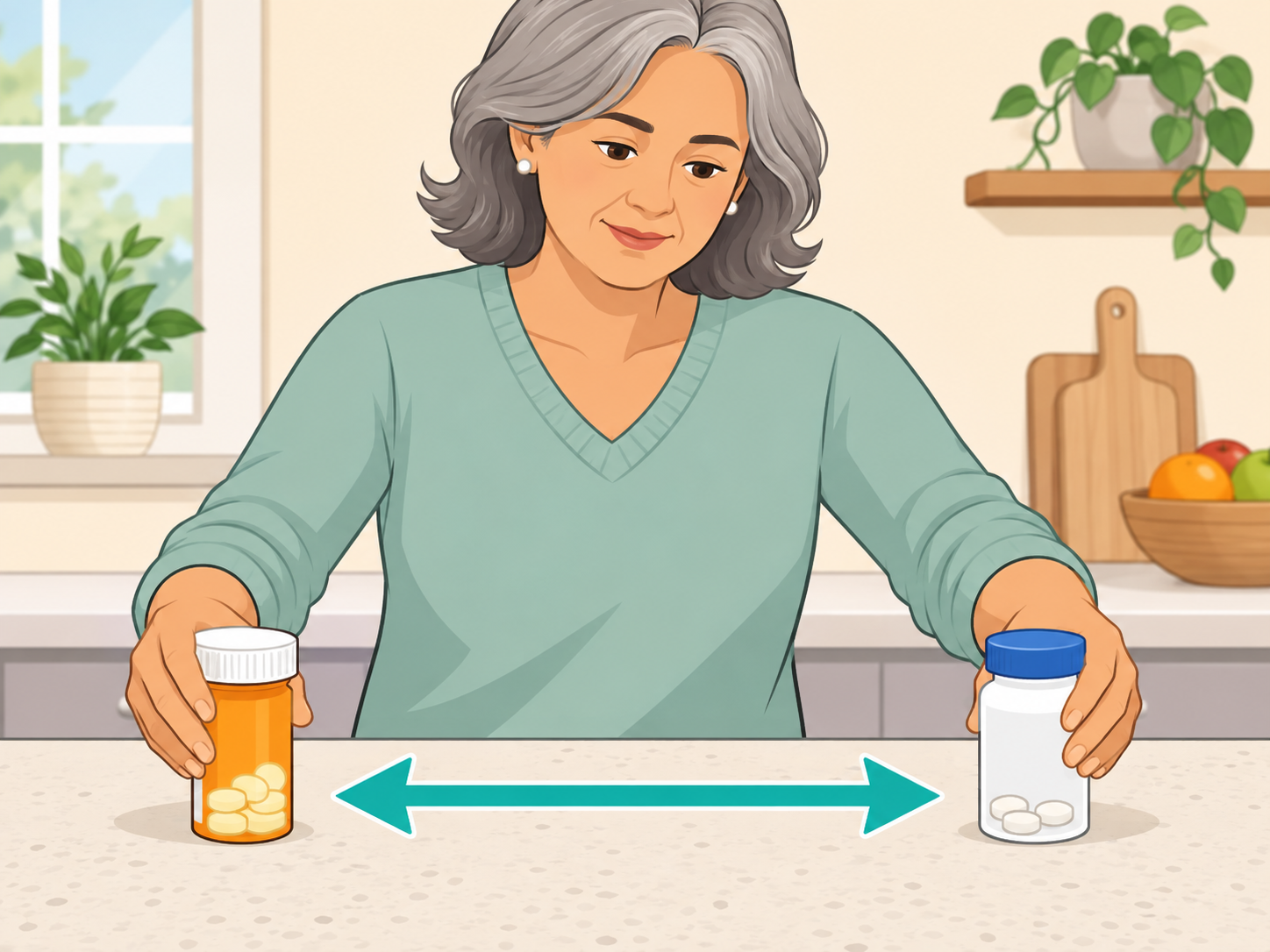
Ask about thyroid medicine timing
If you take levothyroxine or another thyroid replacement medicine, ask before adding magnesium, especially if it is in an antacid. MedlinePlus lists antacids and some magnesium-containing salicylates among products that should be discussed with a doctor or pharmacist before starting levothyroxine. The NHS also warns that antacids can affect how well other medicines work and may need to be taken at a different time.
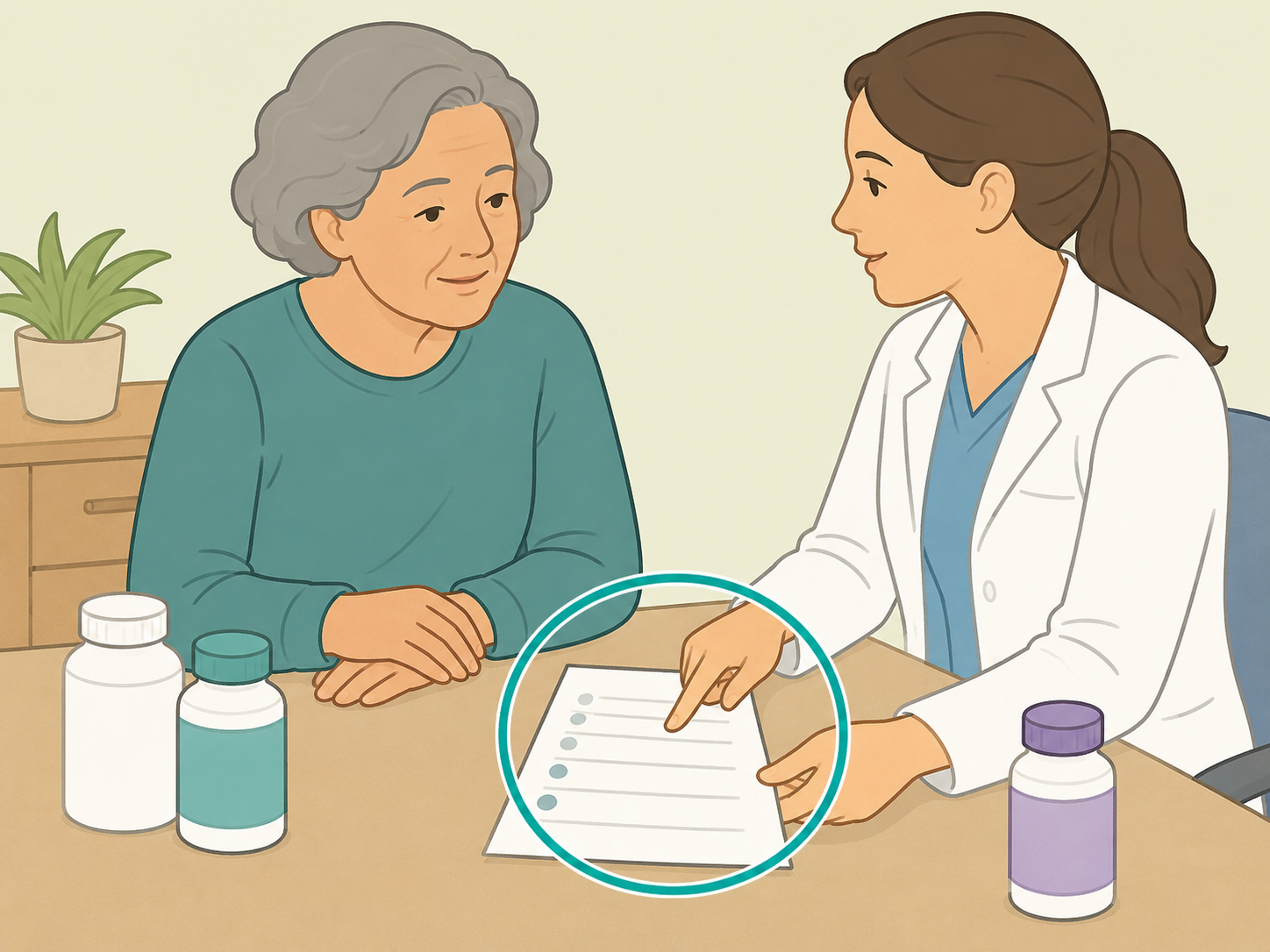
Review diuretics and acid-reflux medicines
Tell your clinician if you take water pills or long-term proton pump inhibitors such as omeprazole, esomeprazole, or lansoprazole. NIH reports that loop and thiazide diuretics can increase magnesium loss in urine, while potassium-sparing diuretics can reduce magnesium excretion, and long-term PPIs can be linked with low blood magnesium. This does not mean you should self-treat; it means your magnesium level may need professional monitoring.
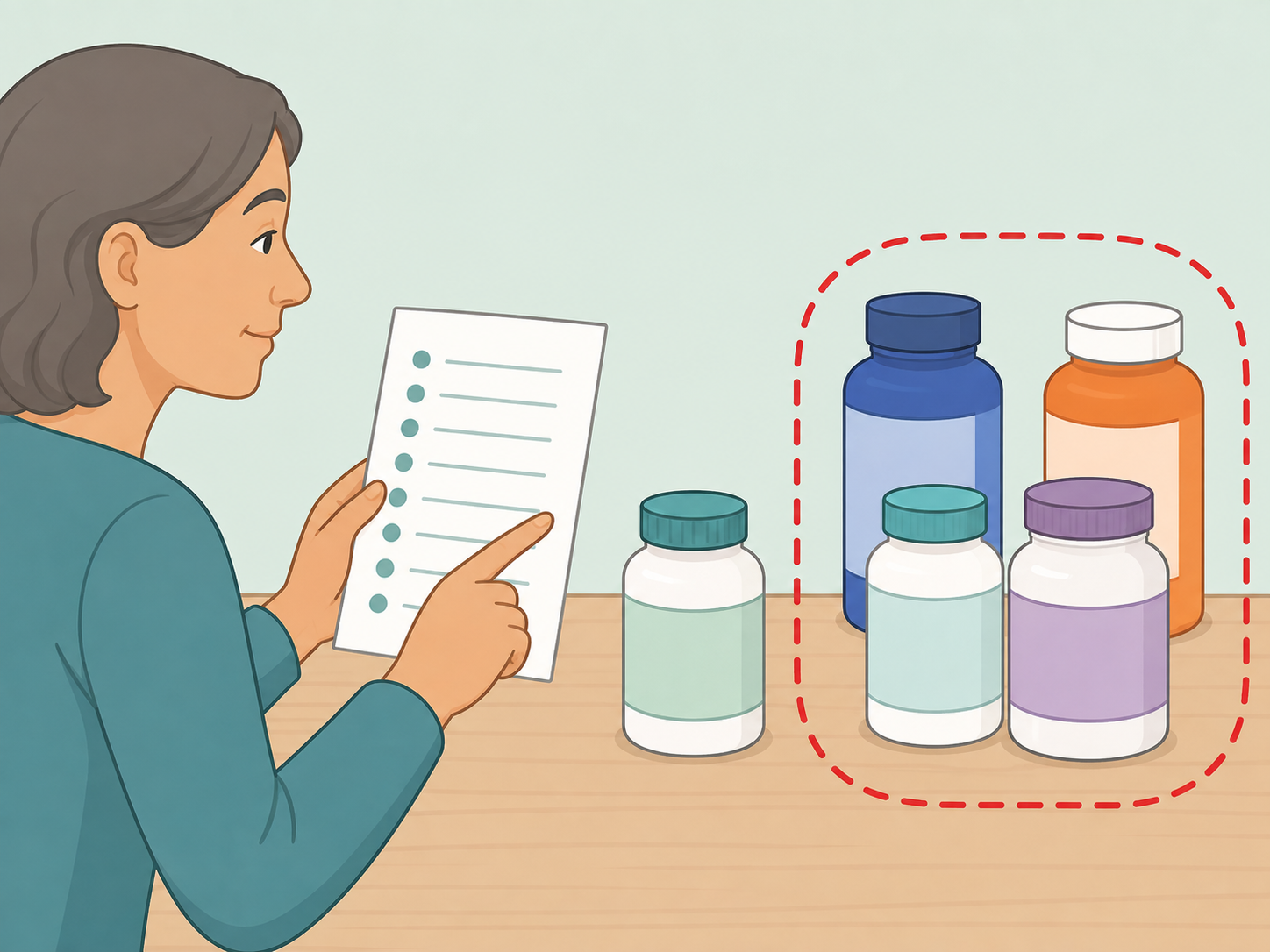
Be cautious with lithium, aspirin, and magnesium-containing medicines
Do not add magnesium on your own if you take lithium, aspirin products, or regular antacids or laxatives that contain magnesium. MedlinePlus lists lithium, aspirin, and magnesium-containing laxatives or antacids among medicines that can be relevant when checking magnesium levels. Ask whether you need a blood test or a safer timing plan.

Avoid self-treating if you have kidney, heart, or liver disease
Talk to a doctor or pharmacist before using magnesium if you have kidney disease, heart failure, liver disease, or a history of abnormal electrolytes. MedlinePlus says high magnesium levels are uncommon but most often happen when the body has trouble getting rid of magnesium, and the NHS advises people with kidney disease, liver disease, or heart failure to get advice before using some antacids. This is especially important with magnesium laxatives, which can deliver large amounts at once.

Seek medical help for concerning symptoms
Get medical advice promptly if you develop severe diarrhea, vomiting, unusual weakness, confusion, fainting, trouble breathing, a very slow or irregular heartbeat, or symptoms after taking too much magnesium. NIH warns that very high supplemental or medicine-based magnesium can cause serious effects, and MedlinePlus describes blood testing as a way to check abnormal magnesium levels. If symptoms feel urgent, call emergency services or poison control.
Summary
The bottom line: magnesium from food is usually not the concern, but supplements, antacids, and laxatives can interact with several medicines. If you take regular prescriptions or have kidney, heart, or liver disease, check with a pharmacist or doctor before adding magnesium.
Frequently Asked Questions
- Is magnesium from food a problem with medications?
- For most people, magnesium naturally found in foods is not the main concern. The bigger issue is concentrated magnesium from supplements, antacids, or laxatives, especially when taken close to certain medicines.
- Can I take magnesium with antibiotics?
- Do not take magnesium close to tetracycline or quinolone antibiotics unless your doctor or pharmacist gives you timing instructions. Magnesium can reduce how well some antibiotics are absorbed.
- Can magnesium be taken at night if I take morning medicines?
- Sometimes spacing magnesium at night is enough, but it depends on the medicine. Antibiotics, thyroid medicine, and osteoporosis medicines may have specific spacing rules, so confirm the schedule with a pharmacist.
- Should I stop my prescription medicine if I already took magnesium with it?
- Do not stop or change a prescribed medicine on your own. Call your pharmacist, doctor, or poison control if you are worried about a dose or symptoms.
- Are magnesium antacids the same risk as magnesium supplements?
- They can be. Some antacids and laxatives contain magnesium, so they may count as magnesium exposure and may also interfere with how other medicines work.
- Who should be extra cautious with magnesium?
- People with kidney disease, heart failure, liver disease, abnormal magnesium levels, or multiple daily medicines should ask a healthcare professional before taking magnesium supplements, antacids, or laxatives.
References
Reliable references aided in composing and refining this content.
- https://ods.od.nih.gov/factsheets/Magnesium-HealthProfessional/?redirect=false
- https://medlineplus.gov/druginfo/meds/a601074.html
- https://medlineplus.gov/druginfo/meds/a682063.html
- https://medlineplus.gov/druginfo/meds/a688016.html
- https://medlineplus.gov/druginfo/meds/a601011.html
- https://medlineplus.gov/druginfo/meds/a682461.html
- https://medlineplus.gov/lab-tests/magnesium-blood-test
- https://www.nhs.uk/medicines/antacids