
 Pin it
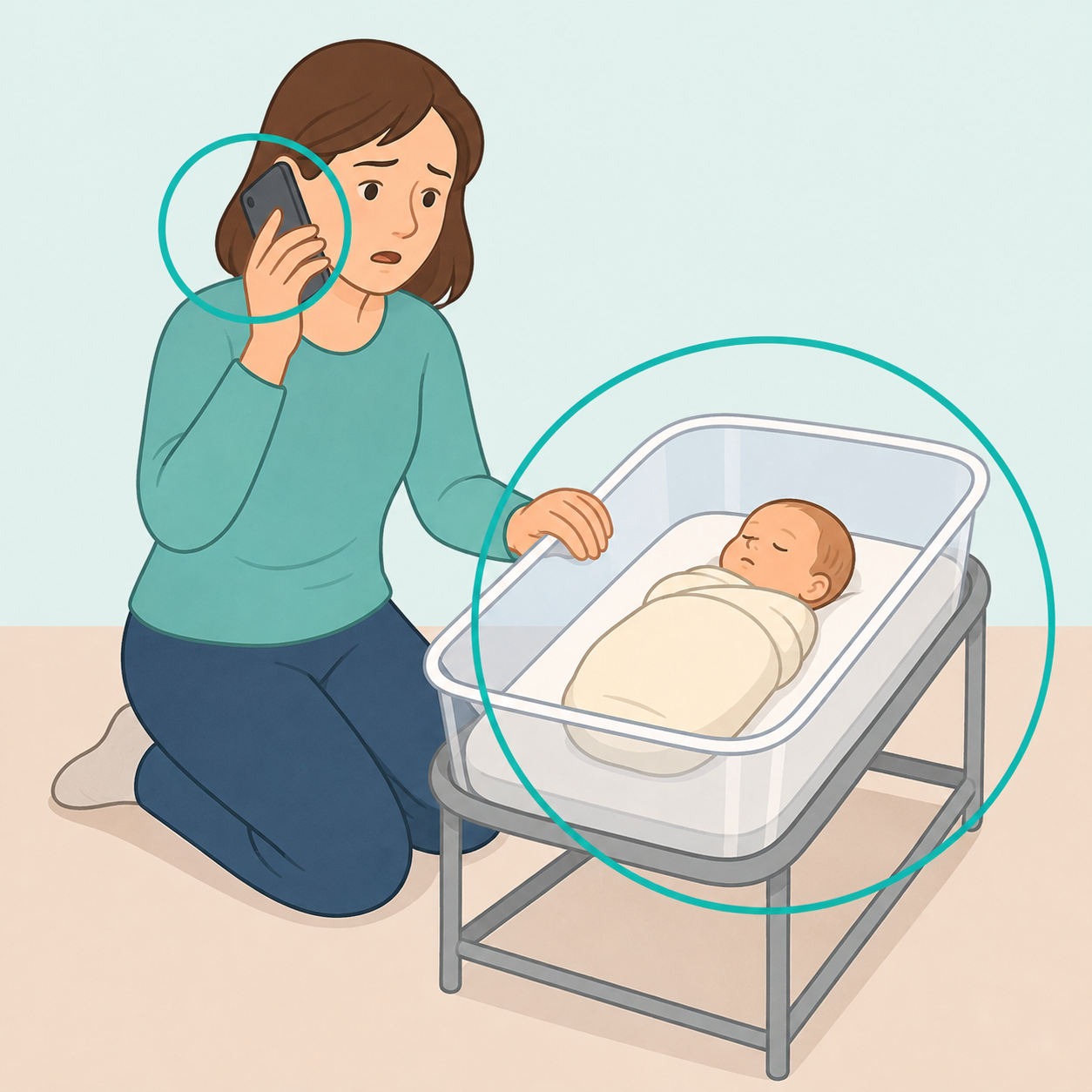
Finding a newborn left alone or without a capable caregiver is an emergency-minded situation, even if the baby looks calm. Your first job is to protect the baby, get appropriate help, and avoid making assumptions about why it happened. This guide explains practical steps to take while medical, family, or child-safety professionals get involved.
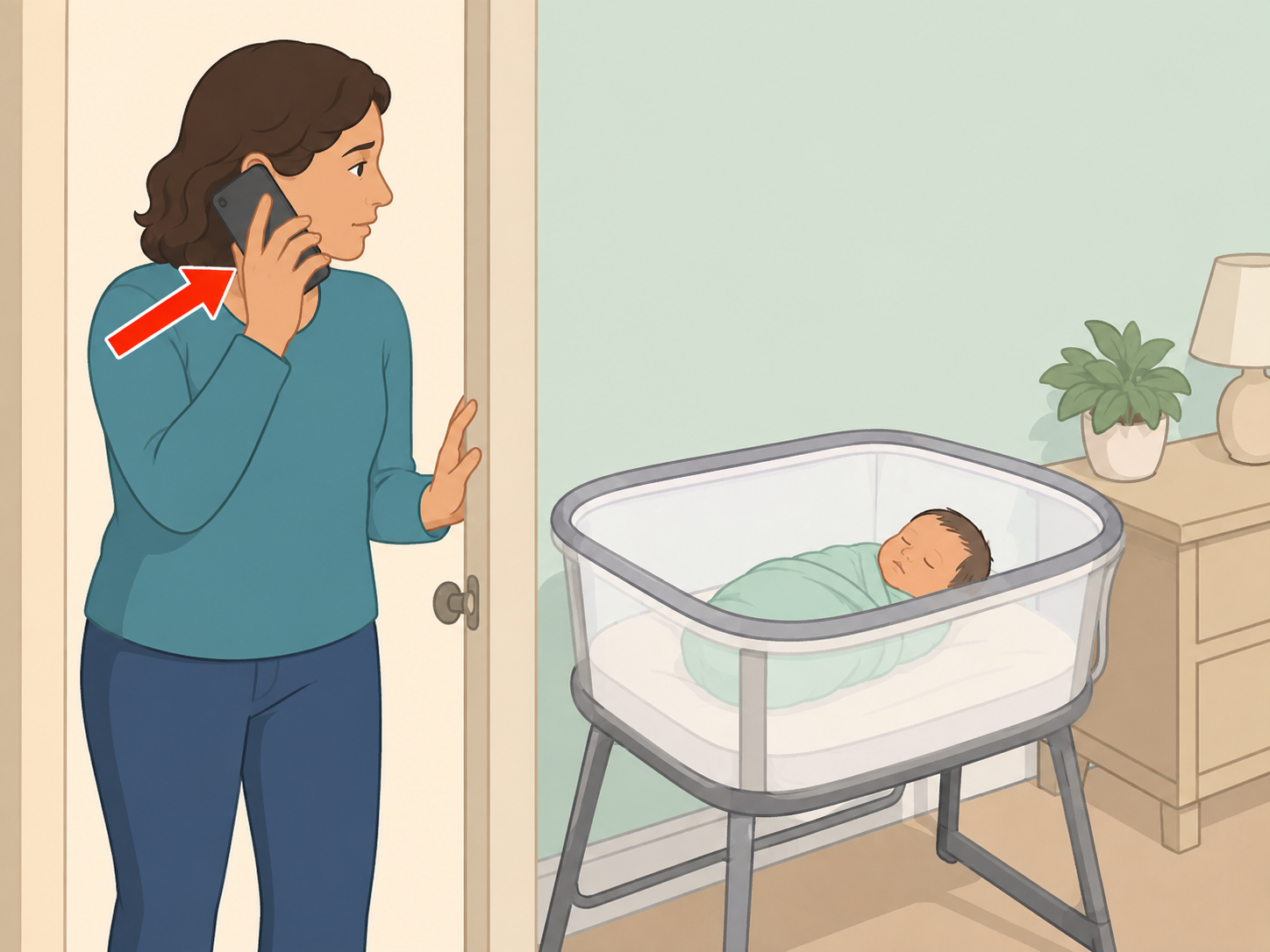
Call emergency services if anyone may be in danger
If the baby is alone, hard to wake, injured, having trouble breathing, or you cannot find a capable caregiver, call emergency services immediately. The NHS lists urgent warning signs in babies such as breathing difficulty, blue or grey skin, a weak continuous cry, or abnormal temperature, all of which need fast medical help.
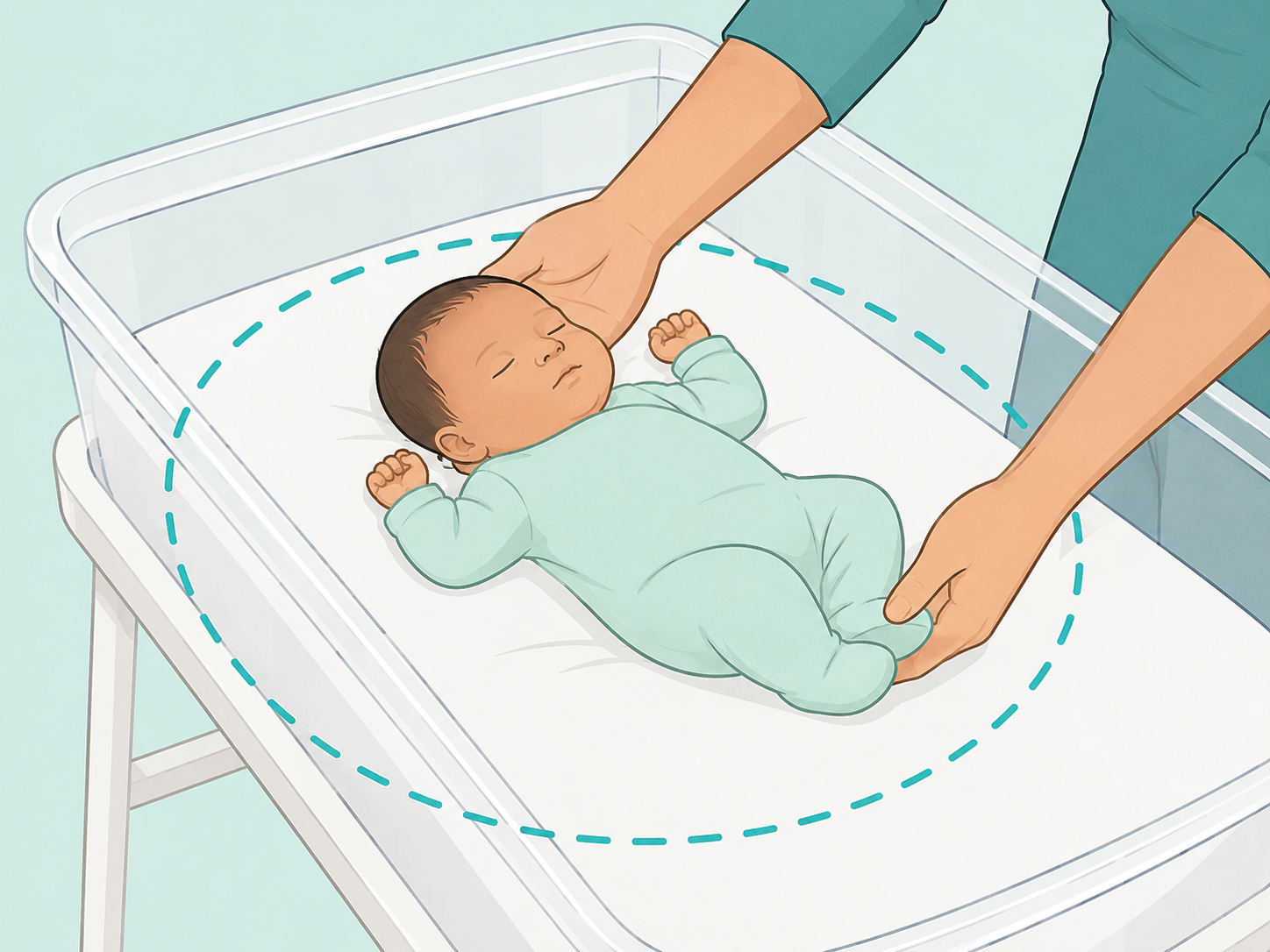
Move the baby to a safe sleep space
Place the newborn on their back on a firm, flat surface such as a crib or bassinet with only a fitted sheet. The CDC safe sleep guidance says to keep pillows, blankets, bumper pads, soft toys, and loose bedding out of the sleep area to reduce sleep-related risks.
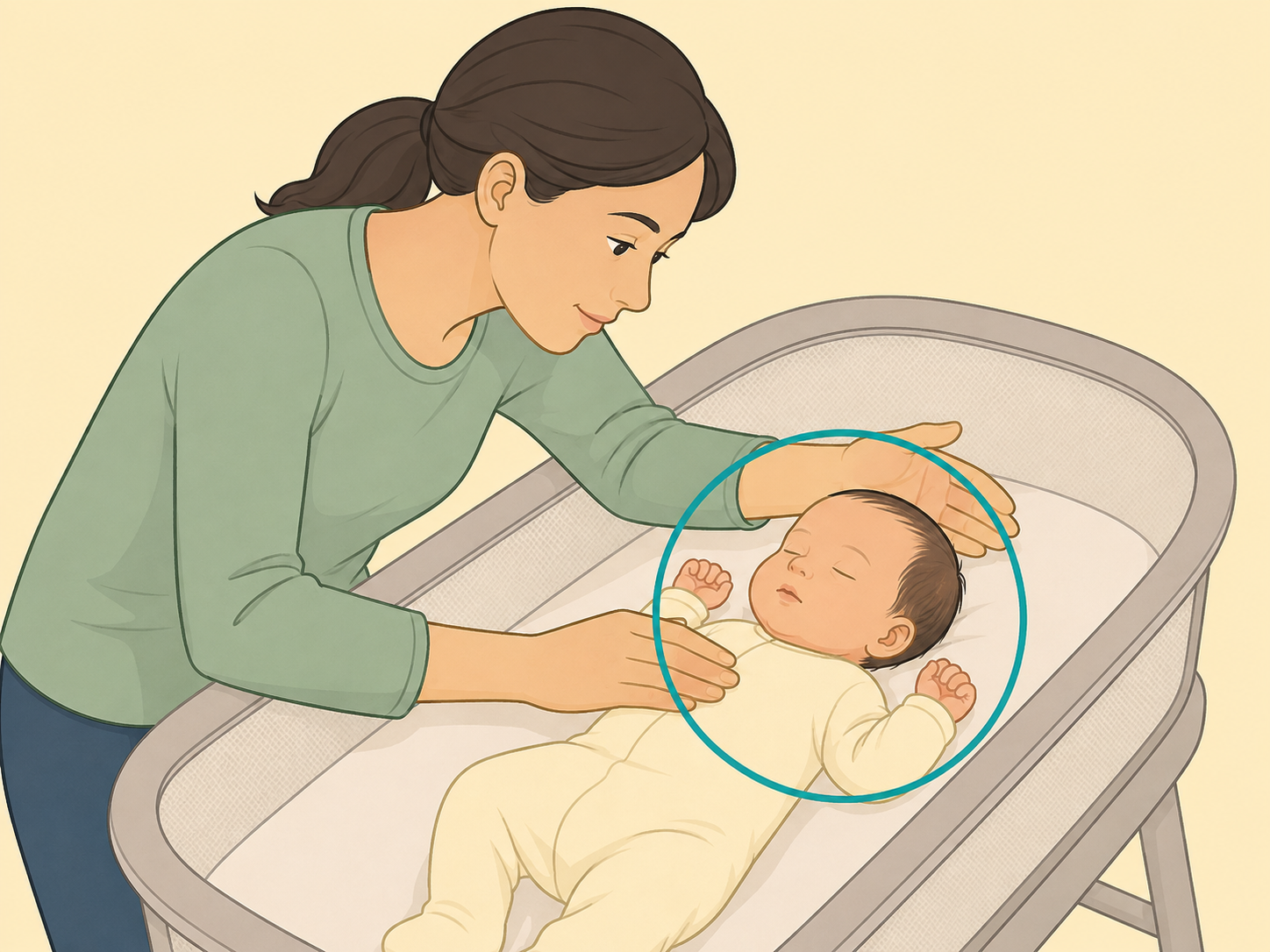
Check the baby’s breathing, color, and alertness
Look for steady breathing, normal skin color, movement, and whether the baby wakes or responds to gentle touch. Seek urgent care if the baby is very sleepy, limp, blue or grey around the lips, cold and clammy, feverish, or not acting normally, since young babies can become seriously unwell quickly.
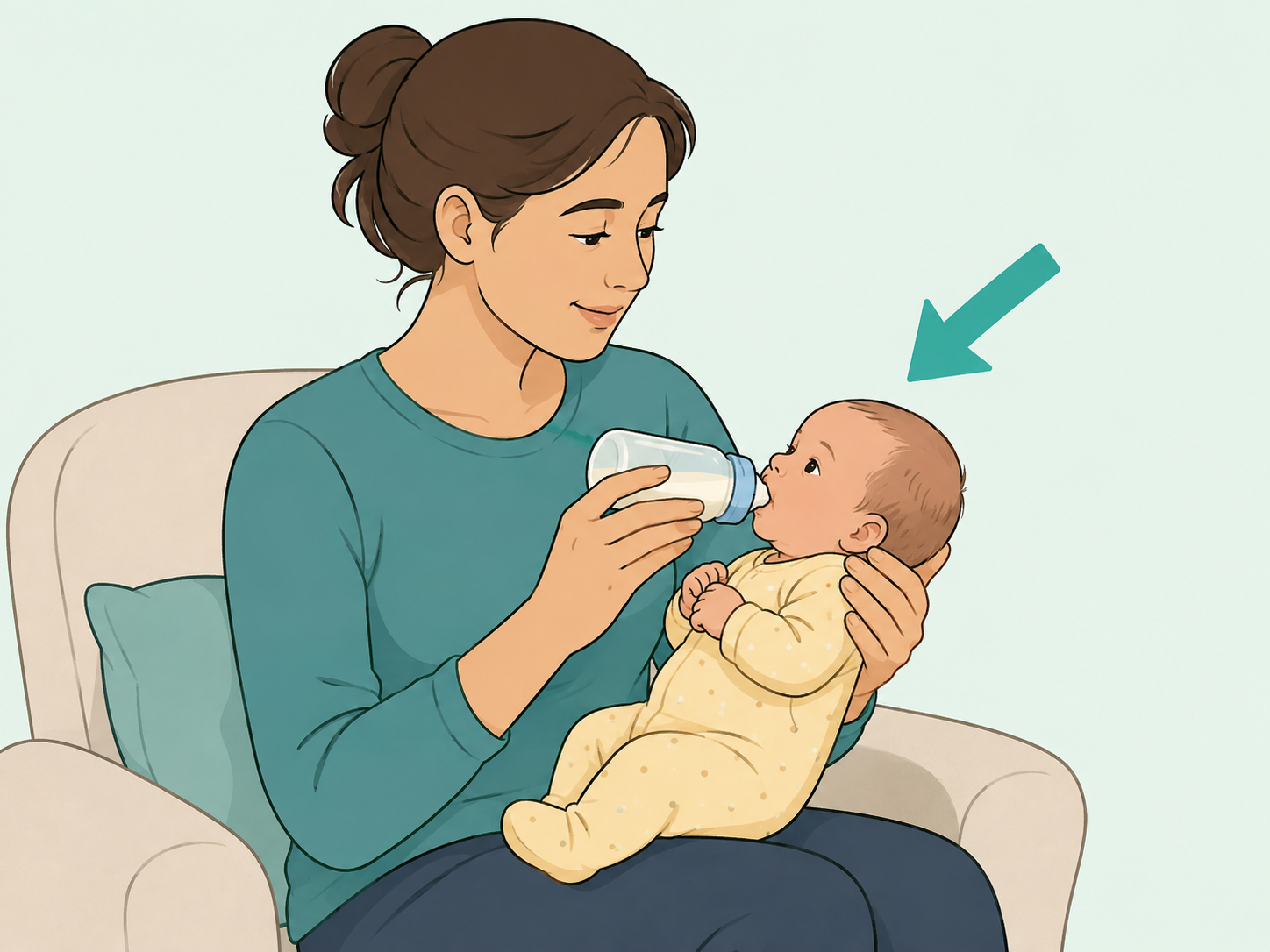
Offer only breast milk or formula if feeding is needed
If the newborn is awake, breathing normally, and showing hunger cues, offer breast milk or infant formula only. MedlinePlus explains newborn feeding patterns and notes that babies in the first 6 months need breast milk or formula, not water, cow’s milk, honey, or solid foods.
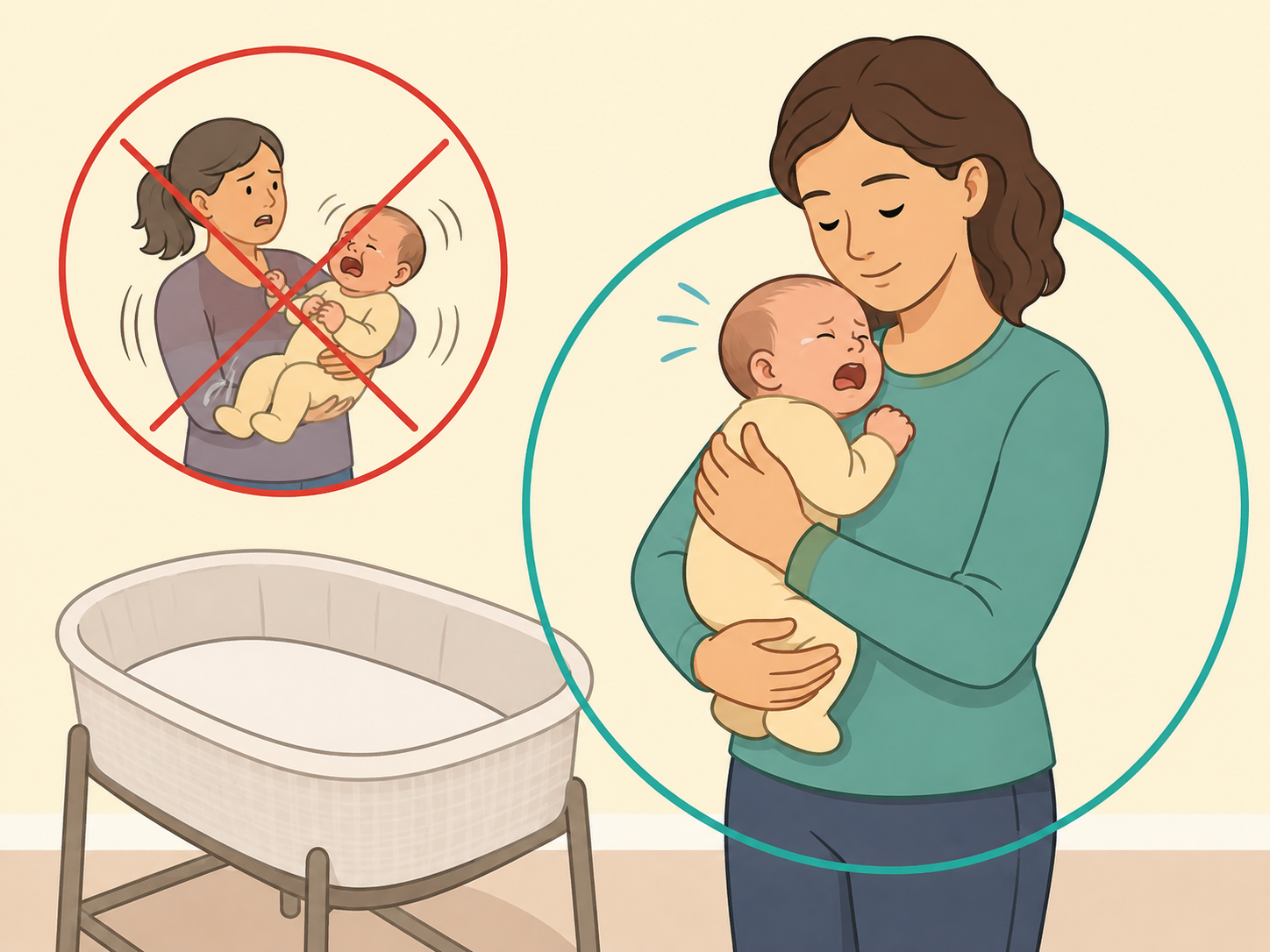
Soothe the baby gently and never shake them
If the baby cries, try holding them close, speaking softly, rocking gently, checking the diaper, and keeping the room calm. The CDC warns never to shake a baby; if you feel overwhelmed, place the baby safely on their back and step away briefly while help is on the way.
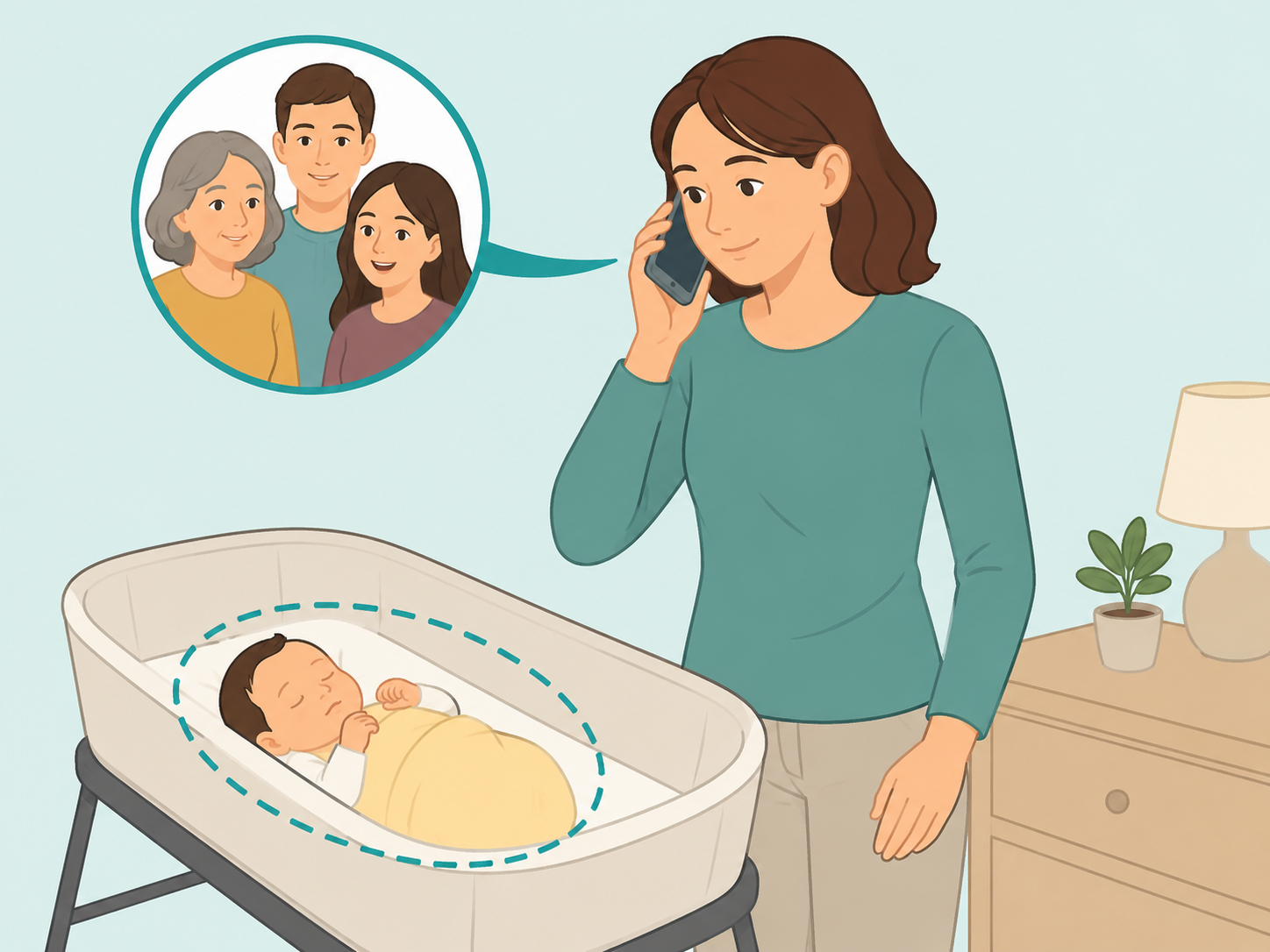
Look for the caregiver without leaving the baby alone
Call or message the parent, spouse, nearby relatives, or trusted neighbors, but keep the baby supervised while you do it. If you find the caregiver and they seem confused, detached, panicked, intoxicated, or unable to care for the baby, keep the focus on safety and ask another trusted adult or emergency responder to help.
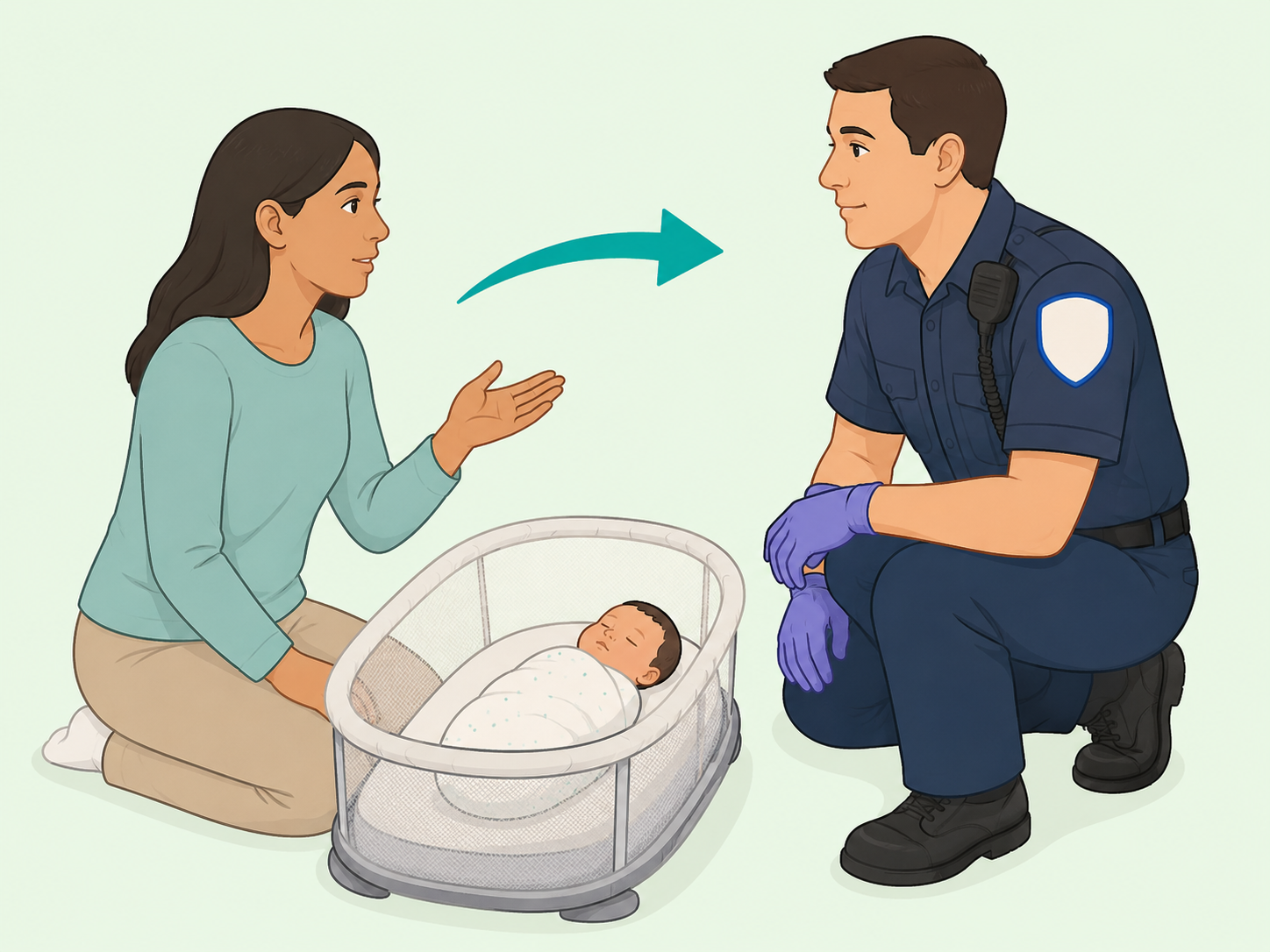
Report suspected neglect or abandonment to the proper agency
If a newborn was left without care and there is no clear safe explanation, contact local child protective services or law enforcement so professionals can assess the situation. The Children’s Bureau’s NDACAN FAQ directs people who suspect child abuse or neglect to local child protective services or law enforcement, because reporting rules and phone numbers vary by state.
Ask about safe surrender options if no caregiver can provide care
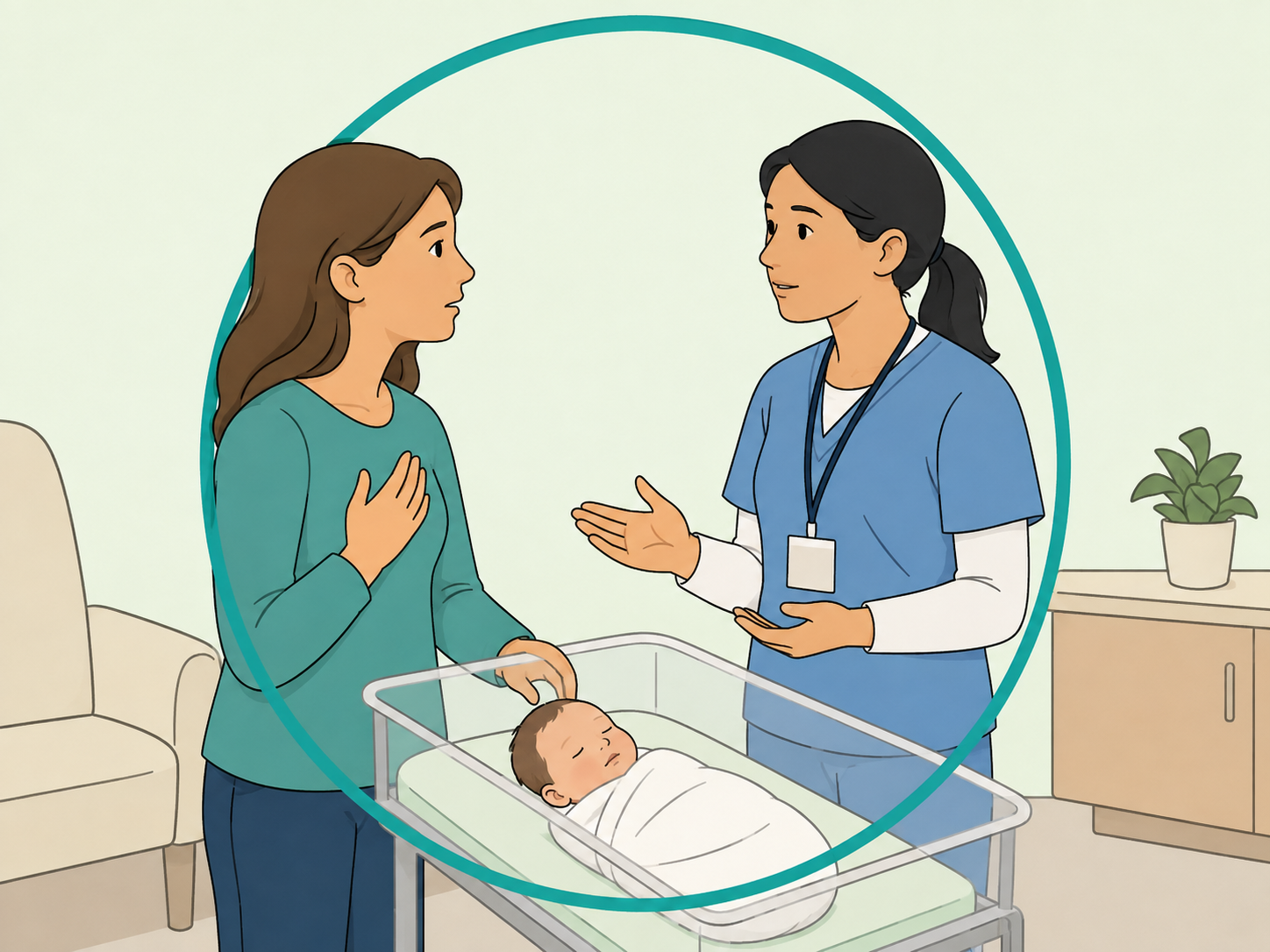
If a parent says they cannot safely care for the newborn, do not improvise a private handoff or leave the baby somewhere. Child Welfare Information Gateway explains infant safe haven laws, which create designated safe places for parents to relinquish newborns and vary by state.
Arrange medical and mental health follow-up
Ask emergency responders, the baby’s pediatrician, or a hospital to check the newborn and help the caregiver get support. MedlinePlus notes that postpartum depression can make it hard to care for a baby, and confusion, hallucinations, dangerous behavior, or thoughts of harm are emergencies that need immediate help.
Summary
The bottom line: treat an unattended newborn as a safety issue first. Call for help, keep the baby on a firm, empty sleep surface, watch for urgent warning signs, document what you found, and connect the family with medical and child-welfare support.
Frequently Asked Questions
- Should I call emergency services if the baby seems fine?
- Yes, if the newborn was truly left without a capable caregiver or you cannot confirm the baby is safe. Emergency responders can check the baby and help locate the appropriate medical or child-safety support.
- Can I put the baby on a couch or adult bed while I make calls?
- No. Use a firm, flat crib, bassinet, or similar clear surface when available. Keep pillows, blankets, toys, and loose bedding away from the baby.
- Should I feed the newborn right away?
- Only feed the baby if they are awake, breathing normally, and able to suck. Use breast milk or infant formula only, and call a clinician or emergency responder if the baby seems weak, hard to wake, or unable to feed.
- What if the parent may be having a postpartum mental health crisis?
- Treat it as a health concern, not a character judgment. Stay calm, avoid confrontation, and contact emergency or medical help if the parent seems confused, unsafe, severely distressed, or talks about harming themselves or the baby.
- Do safe haven laws mean I should move the baby somewhere else myself?
- No. Safe haven laws vary by state and are meant to prevent unsafe abandonment. If you have already found a newborn unattended, call emergency services or local child protective services instead of relocating the baby on your own.
- What details should I write down?
- Record the time you found the baby, where the baby was, the room temperature if relevant, who was present, any supplies nearby, and any attempts to contact the caregiver. Keep the notes factual and share them with professionals.
References
Reliable references aided in composing and refining this content.
- https://www.nhs.uk/baby/health/when-to-get-urgent-medical-help-for-babies-and-children-under-5
- https://www.cdc.gov/sudden-infant-death/sleep-safely
- https://www.medlineplus.gov/ency/patientinstructions/000712.htm
- https://www.cdc.gov/infant-toddler-nutrition/bottle-feeding/index.html
- https://www.cdc.gov/act-early/milestones/2-months.html
- https://medlineplus.gov/postpartumdepression.html
- https://www.ndacan.acf.hhs.gov/faq.cfm
- https://www.childwelfare.gov/resources/infant-safe-haven-laws