
 Pin it
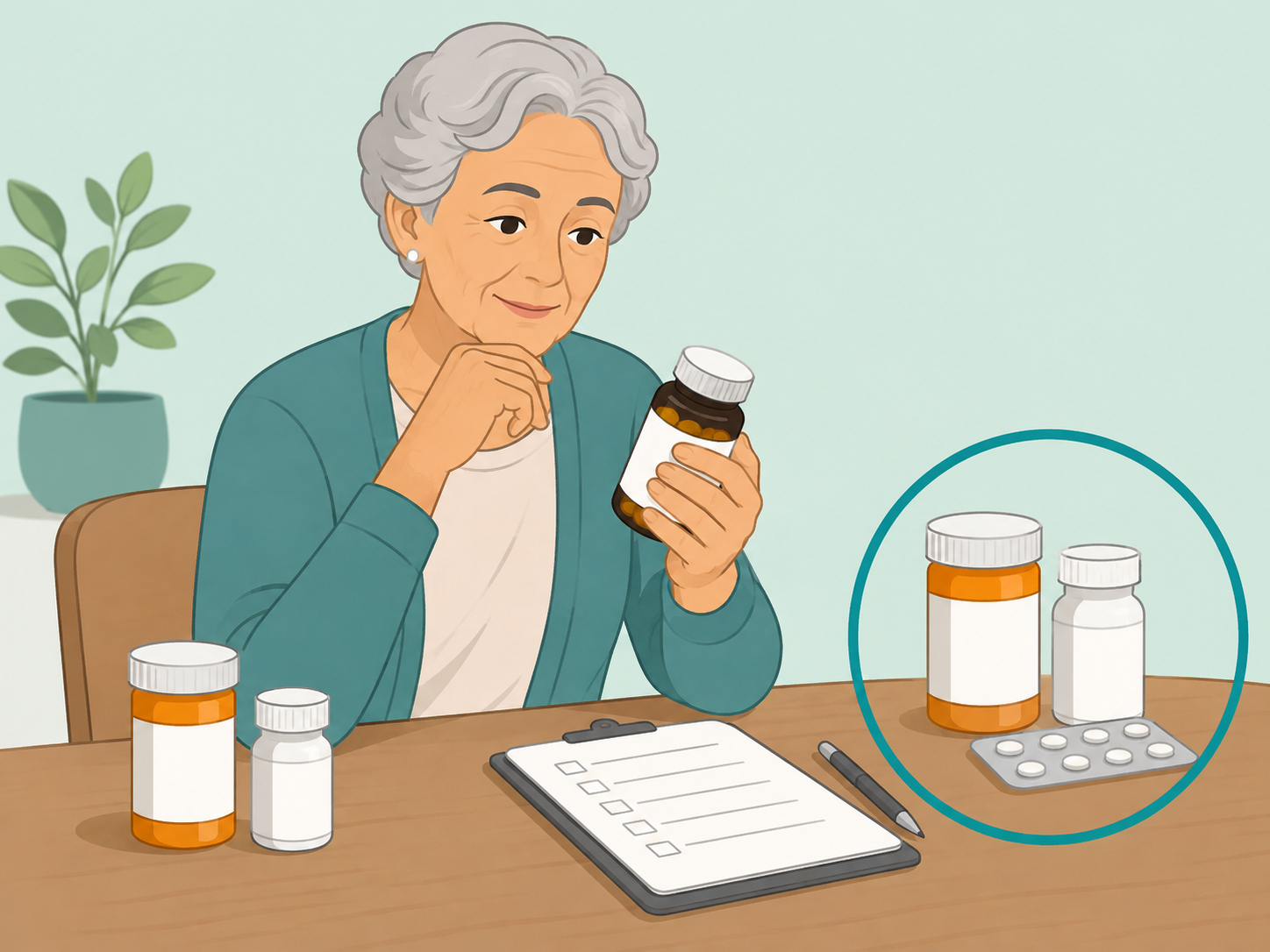
Vitamin B12 is important for healthy nerves, red blood cells, and DNA, and many adults over 60 pay closer attention to it. The warning is not that everyone should never take B12 with common medications. The real issue is that metformin and long-term acid reducers can lower B12 levels or absorption, so it is safest to review them with a health professional.
Check whether you take metformin
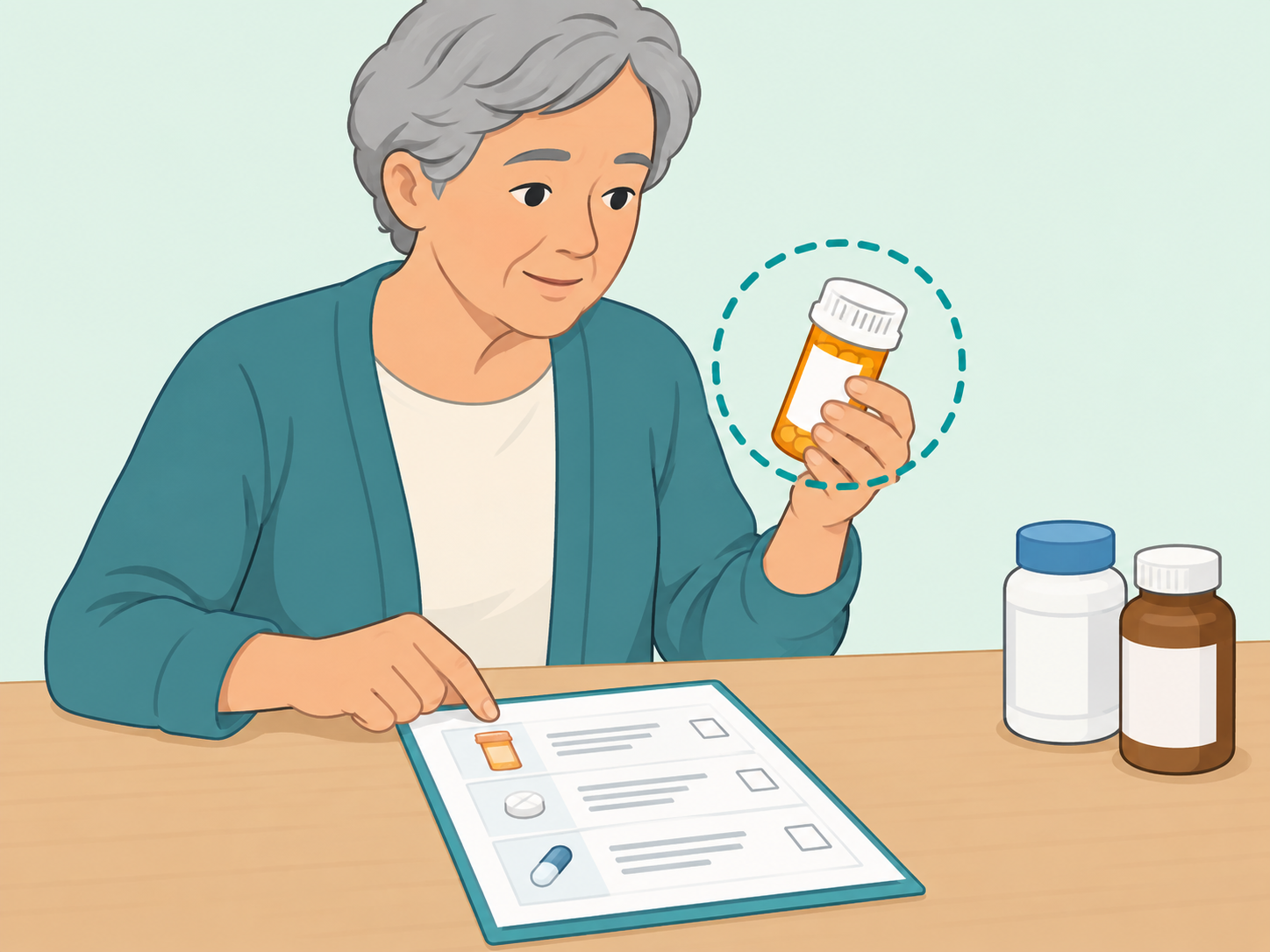
Look through your prescription list for metformin, which is commonly used for type 2 diabetes and prediabetes. The NIH Office of Dietary Supplements says metformin might reduce vitamin B12 absorption and lower blood B12 levels, especially with regular use. Do not stop diabetes medicine on your own; bring it up at your next medical visit.
Identify long-term acid-reducing medicines
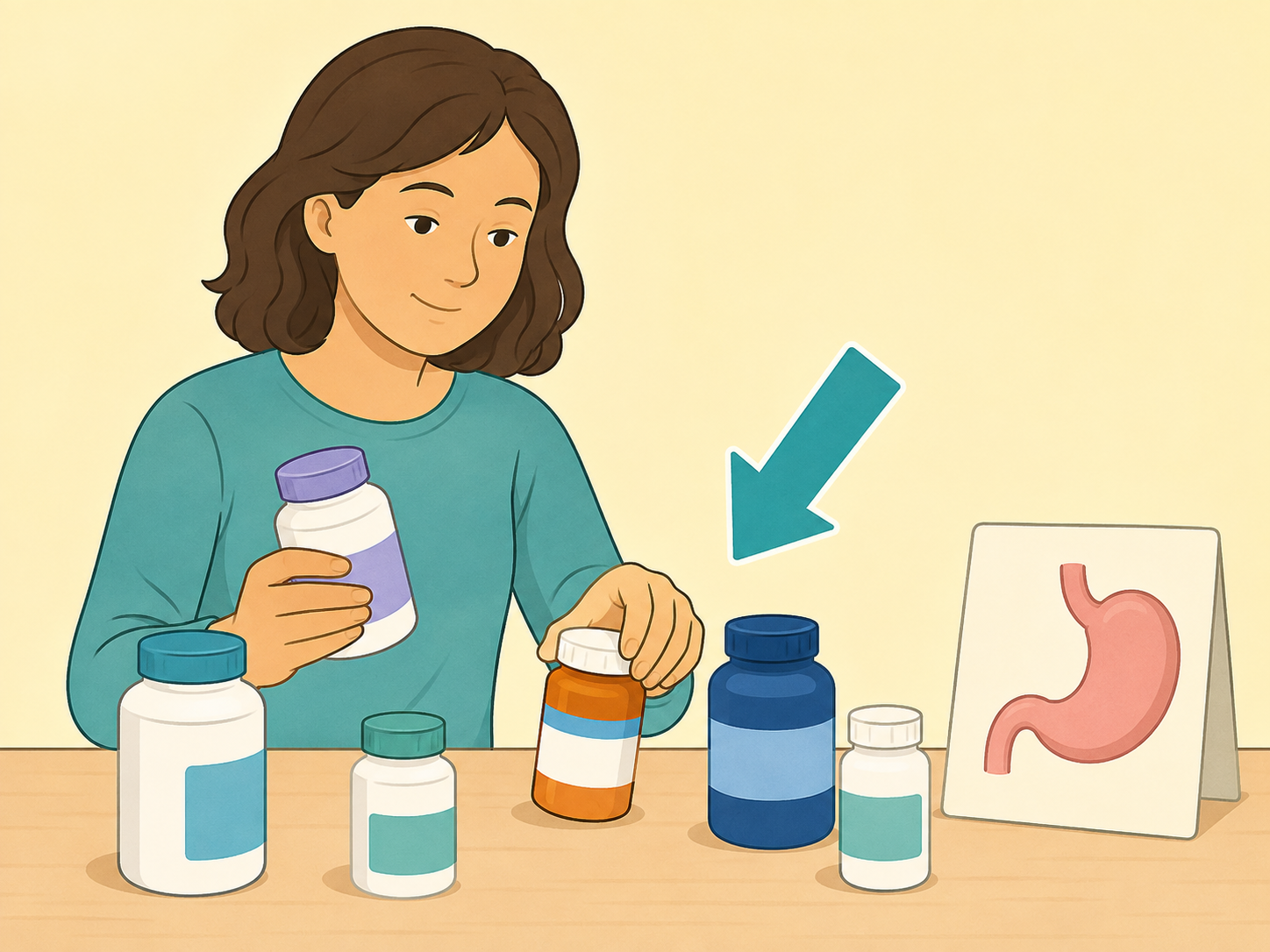
Check for proton pump inhibitors such as omeprazole, esomeprazole, lansoprazole, or pantoprazole, and H2 blockers such as famotidine or cimetidine. Mayo Clinic notes that daily acid-reducing medicine for a year or more has been linked with higher risk of B12 deficiency. Ask whether you still need the same dose and schedule, especially if the medicine was started years ago.
Understand what B12 does in the body
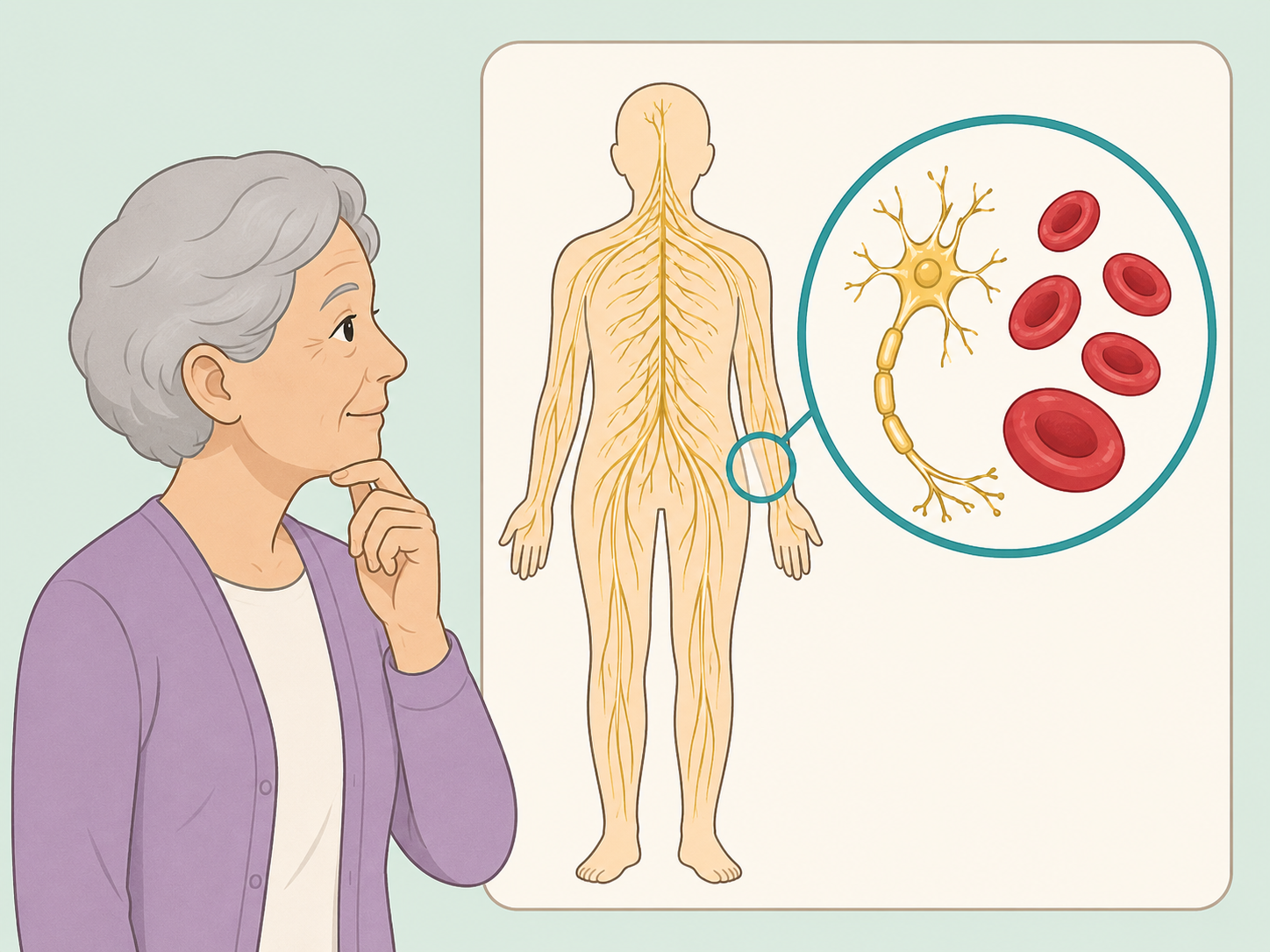
Vitamin B12 helps your body make red blood cells and supports nerve function and DNA production. The Cleveland Clinic explains that deficiency can cause physical, neurological, and psychological symptoms, and symptoms may appear slowly. This is why medication-related B12 issues are usually handled with testing, not guesswork.

Watch for signs of low B12
Pay attention to ongoing fatigue, weakness, pale skin, shortness of breath with exertion, a sore or swollen tongue, numbness or tingling in the hands or feet, balance problems, or confusion. MedlinePlus lists these as possible symptoms of vitamin B12 deficiency anemia and nerve involvement. These symptoms can have many causes, so use them as a reason to seek care rather than as a diagnosis.
Ask for the right blood tests
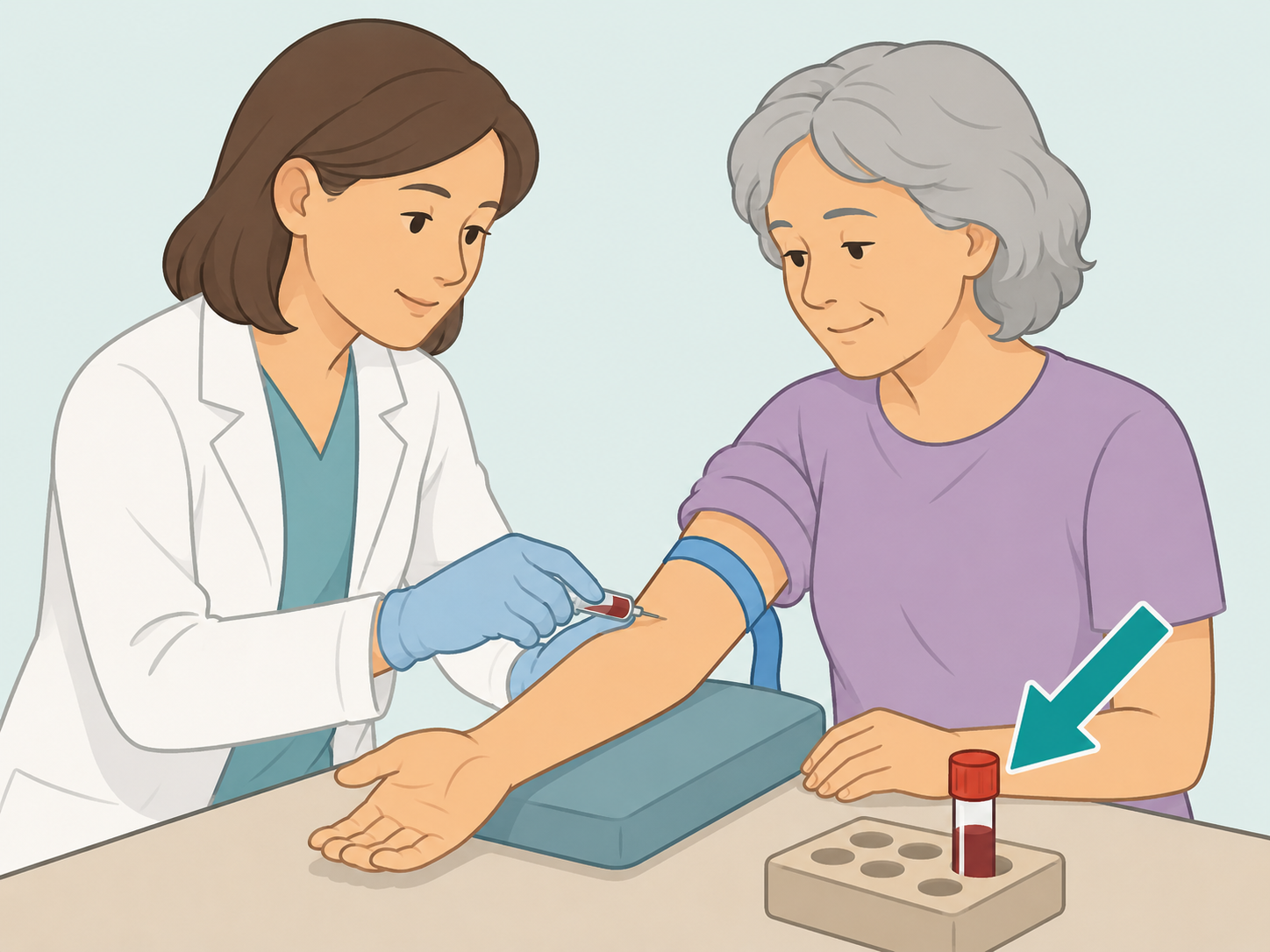
Ask your clinician whether a vitamin B12 blood test makes sense based on your age, medicines, symptoms, diet, and medical history. MedlinePlus says certain medicines, including metformin, H2 blockers, and proton pump inhibitors, may affect B12 test results or status. If your result is borderline, your clinician may use methylmalonic acid testing to help confirm a true deficiency.

Choose food and fortified sources first when appropriate
Include B12-containing foods if they fit your diet, such as fish, meat, poultry, eggs, milk, yogurt, and fortified foods. The NIH notes that adults over 50 may rely more on fortified foods or supplements because absorption from natural food sources can become harder with age. If you eat vegan or mostly plant-based, fortified foods or supplements are usually more important.

Review supplements with a pharmacist or clinician
Bring the exact B12 bottle, multivitamin, and medication list to a pharmacist or clinician before adding a high-dose supplement. Mayo Clinic lists several possible vitamin B12 medication interactions, including metformin, gastric acid inhibitors, colchicine, seizure medicines, and vitamin C supplements. A professional can help you avoid duplicate products and choose a form that fits your health history.

Know when to see a doctor
Contact a doctor promptly if you have numbness or tingling, trouble walking, worsening weakness, shortness of breath, confusion, vision changes, or symptoms that interfere with daily life. MedlinePlus warns that long-term B12 deficiency can cause nerve damage, and earlier evaluation can reduce the risk of complications. Seek urgent care for sudden severe weakness, chest pain, fainting, or new confusion.
Summary
The bottom line: vitamin B12 can be helpful after 60, but it should be handled calmly and medically if you take metformin or acid-reducing medicine. Keep taking prescribed medicines as directed, check your symptoms, and ask your clinician whether a B12 blood test or supplement is right for you.
Frequently Asked Questions
- Should I never take B12 with metformin?
No. Metformin may lower B12 absorption or blood levels, but that does not mean you should stop metformin or avoid B12. Ask your clinician whether you need a B12 test or supplement plan.
- Which acid reducers are linked with low B12?
Proton pump inhibitors such as omeprazole, esomeprazole, lansoprazole, and pantoprazole, and H2 blockers such as famotidine and cimetidine, have been linked with lower B12 levels when used long term.
- Can I diagnose B12 deficiency by symptoms alone?
No. Fatigue, tingling, balance changes, and memory problems can have many causes. A clinician can order blood tests such as a vitamin B12 level and sometimes methylmalonic acid to help confirm deficiency.
- Is vitamin B12 dangerous at high doses?
Vitamin B12 is generally considered low in toxicity, but high-dose supplements can still cause side effects for some people and may be unnecessary. Ask a health professional what dose and form fit your situation.
- What foods contain vitamin B12?
Vitamin B12 is naturally found in animal foods such as fish, meat, poultry, eggs, and dairy. Fortified cereals, fortified plant milks, and nutritional yeast can also provide B12.
- When should an older adult ask for a B12 test?
Ask about testing if you take metformin or acid reducers long term, follow a vegan or very limited diet, have digestive disease or stomach surgery history, or notice symptoms such as fatigue, numbness, tingling, balance trouble, or a sore tongue.
References
Reliable references aided in composing and refining this content.
- https://ods.od.nih.gov/factsheets/VitaminB12-HealthProfessional
- https://ods.od.nih.gov/factsheets/VitaminB12-Consumer
- https://www.mayoclinic.org/drugs-supplements-vitamin-b12/art-20363663
- https://www.mayoclinic.org/diseases-conditions/gerd/expert-answers/heartburn-meds-and-b12/faq-20348628
- https://medlineplus.gov/ency/article/000574.htm
- https://www.medlineplus.gov/ency/article/003705.htm
- https://my.clevelandclinic.org/health/diseases/22831-vitamin-b12-deficiency