
 Pin it
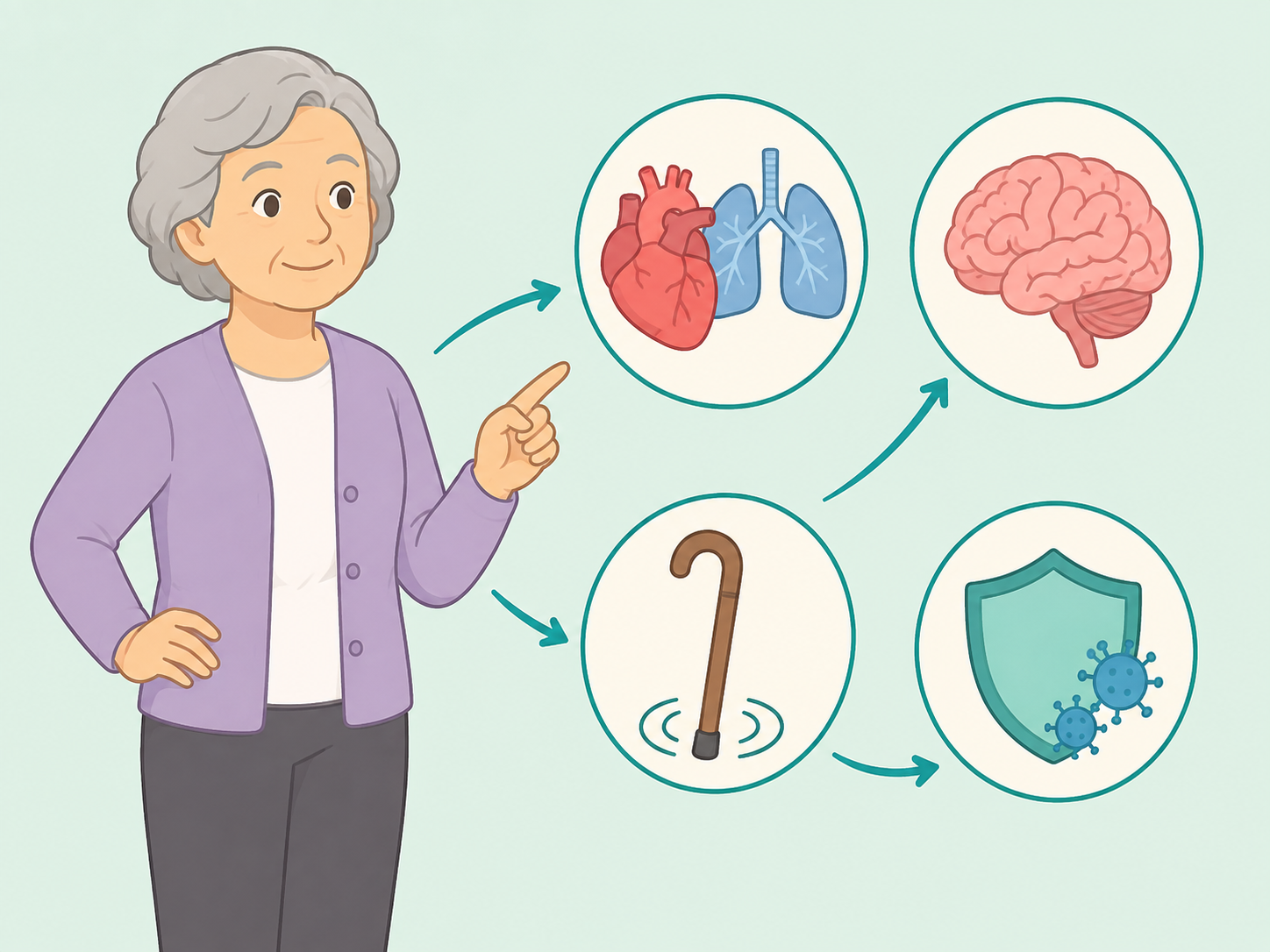
Life expectancy numbers can sound harsh, but they describe populations, not one person's future. This guide explains four big reasons many deaths cluster around the late 70s and 80s: chronic disease, accumulated frailty, injuries, and infections. It also shows how to read the numbers without treating them as destiny.
Read life expectancy as an average, not a deadline
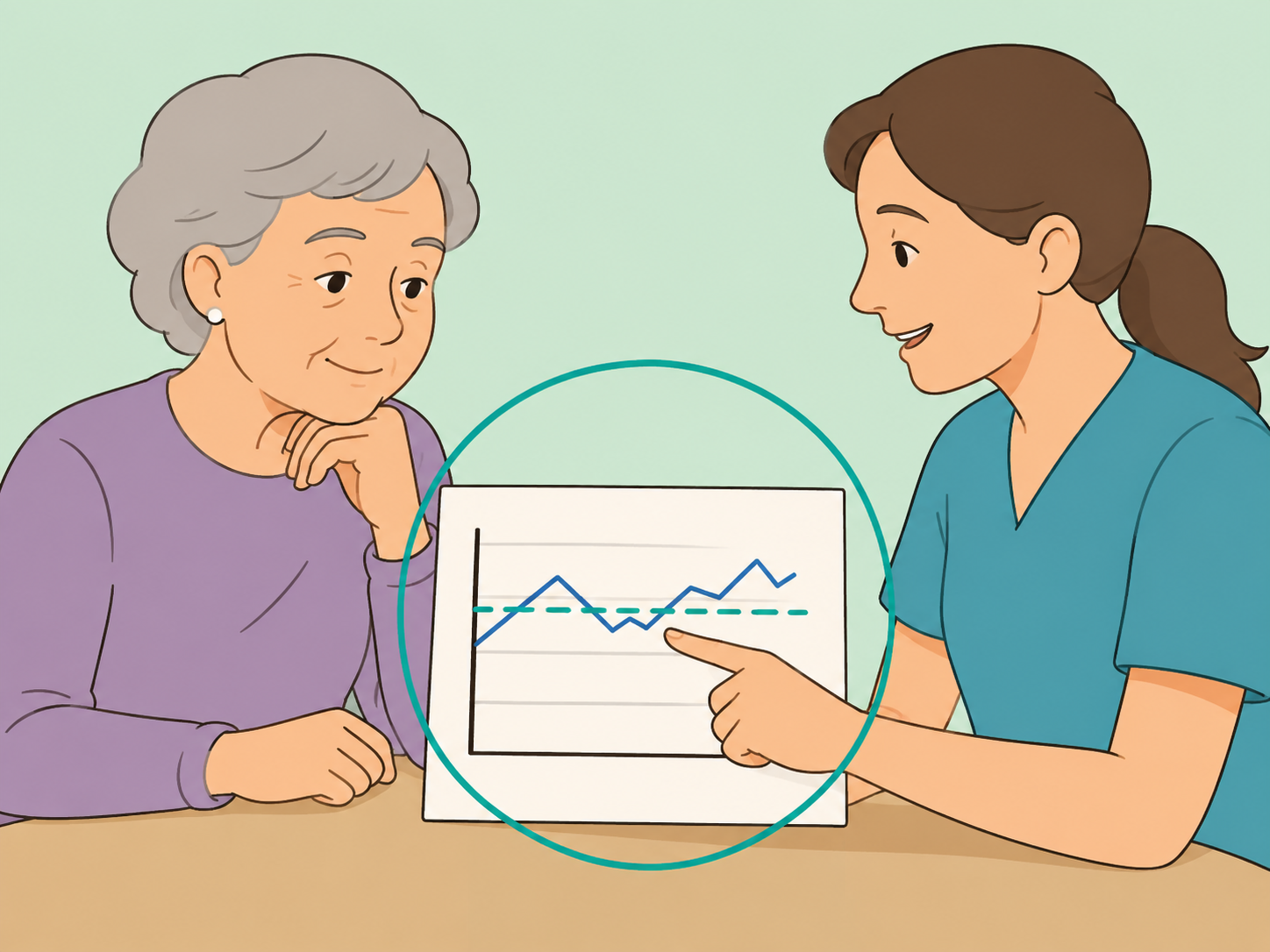
In the United States, CDC mortality data for 2024 estimated life expectancy at birth at 79.0 years, while life expectancy at age 65 was another 19.7 years on average. That means many people who reach 65 live well past 80, so the number is not a prediction for any one person. Use it as a population snapshot, not a personal expiration date.
Notice how death rates rise with age
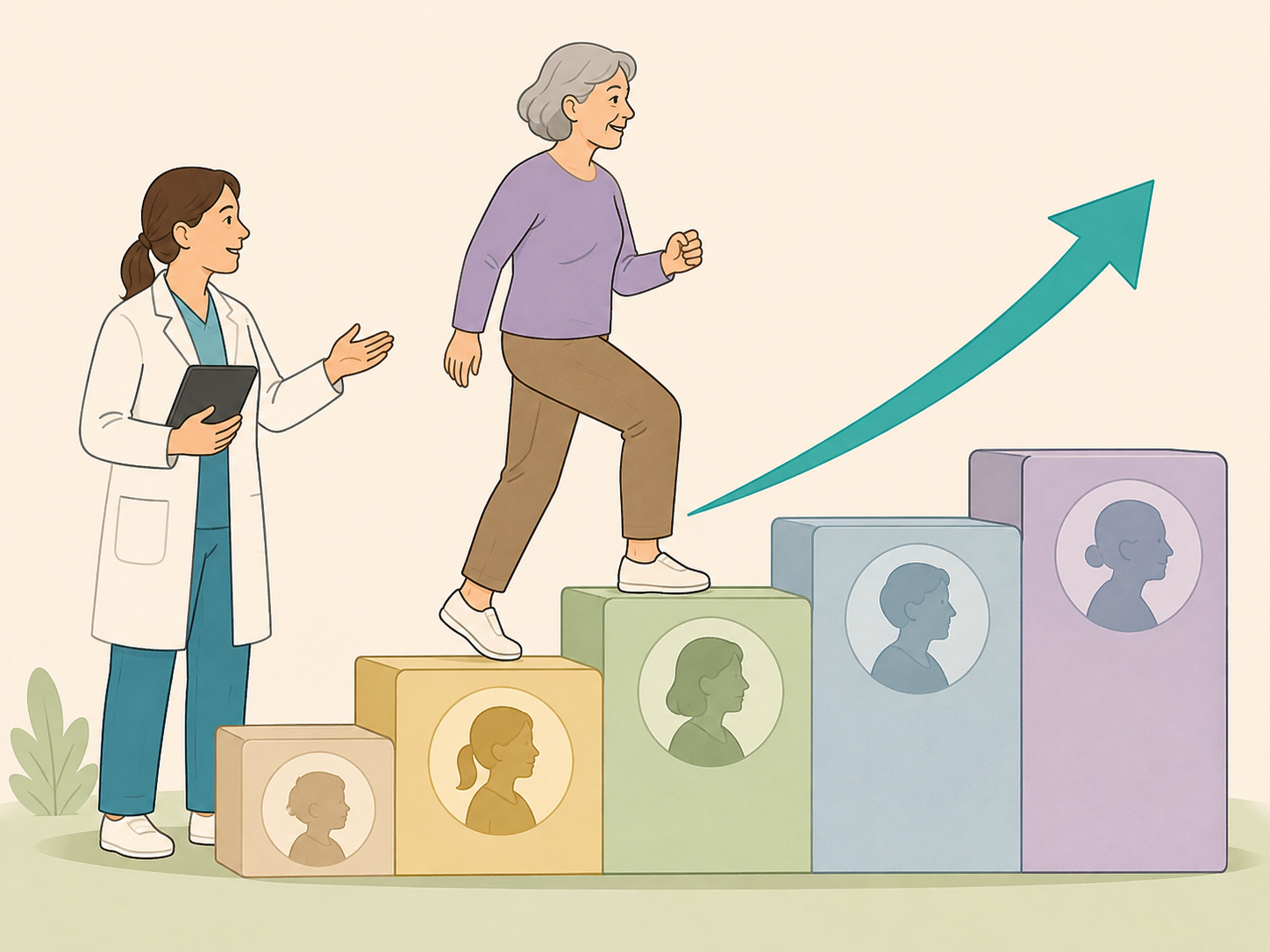
Age itself changes the baseline risk: the same CDC report shows much higher death rates in the 75-84 and 85-and-older age groups than in younger older adults. This happens because the body's repair systems, reserves, and ability to recover from illness tend to weaken over time. The key point is that age raises vulnerability, even before considering a person's specific diseases.
Look first at chronic diseases
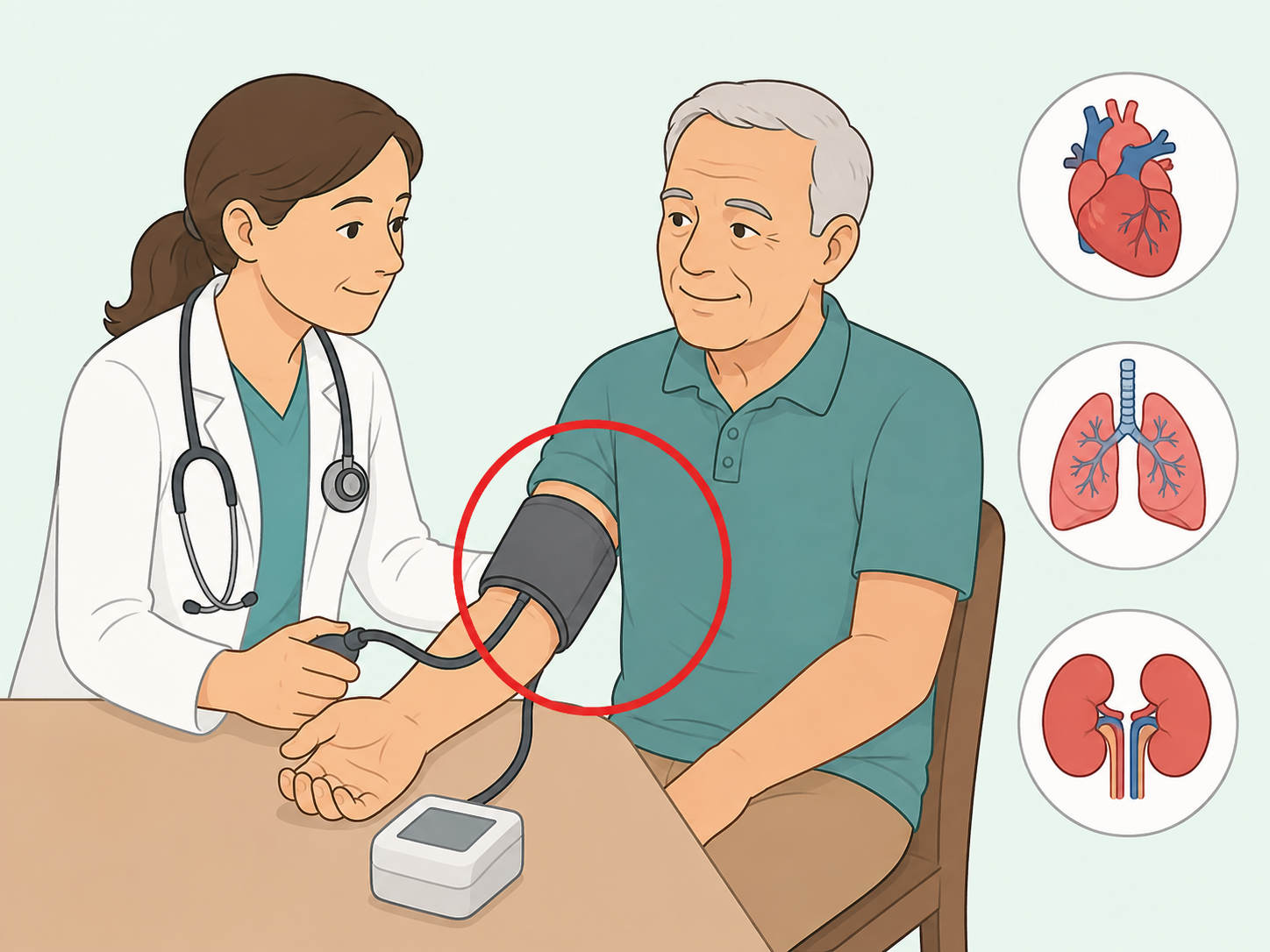
For adults 65 and older, the CDC lists heart disease, cancer, stroke, chronic lower respiratory disease, and Alzheimer's disease among the leading causes of death. These conditions often develop over years and can become harder to manage as organs and immune defenses age. This is the first major reason many lives do not extend far beyond the early 80s.
Understand how several conditions add up
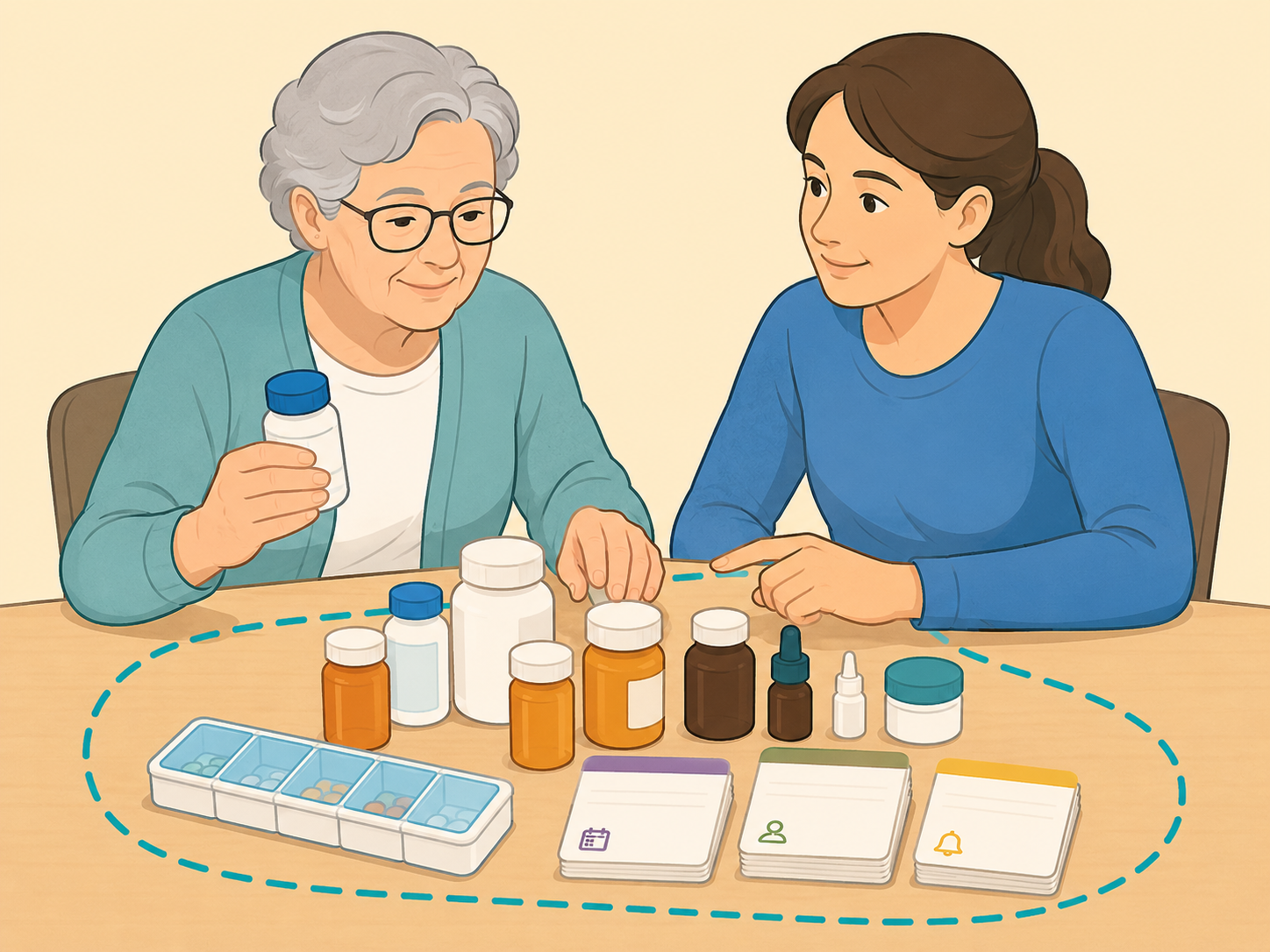
One illness is difficult enough, but many older adults live with more than one chronic condition at the same time. The CDC notes that more than 90% of adults 65 and older have at least one chronic condition, and multiple conditions can make medications, appointments, recovery, and daily function more complicated. This cumulative burden is the second major reason risk rises later in life.
Take brain changes and frailty seriously
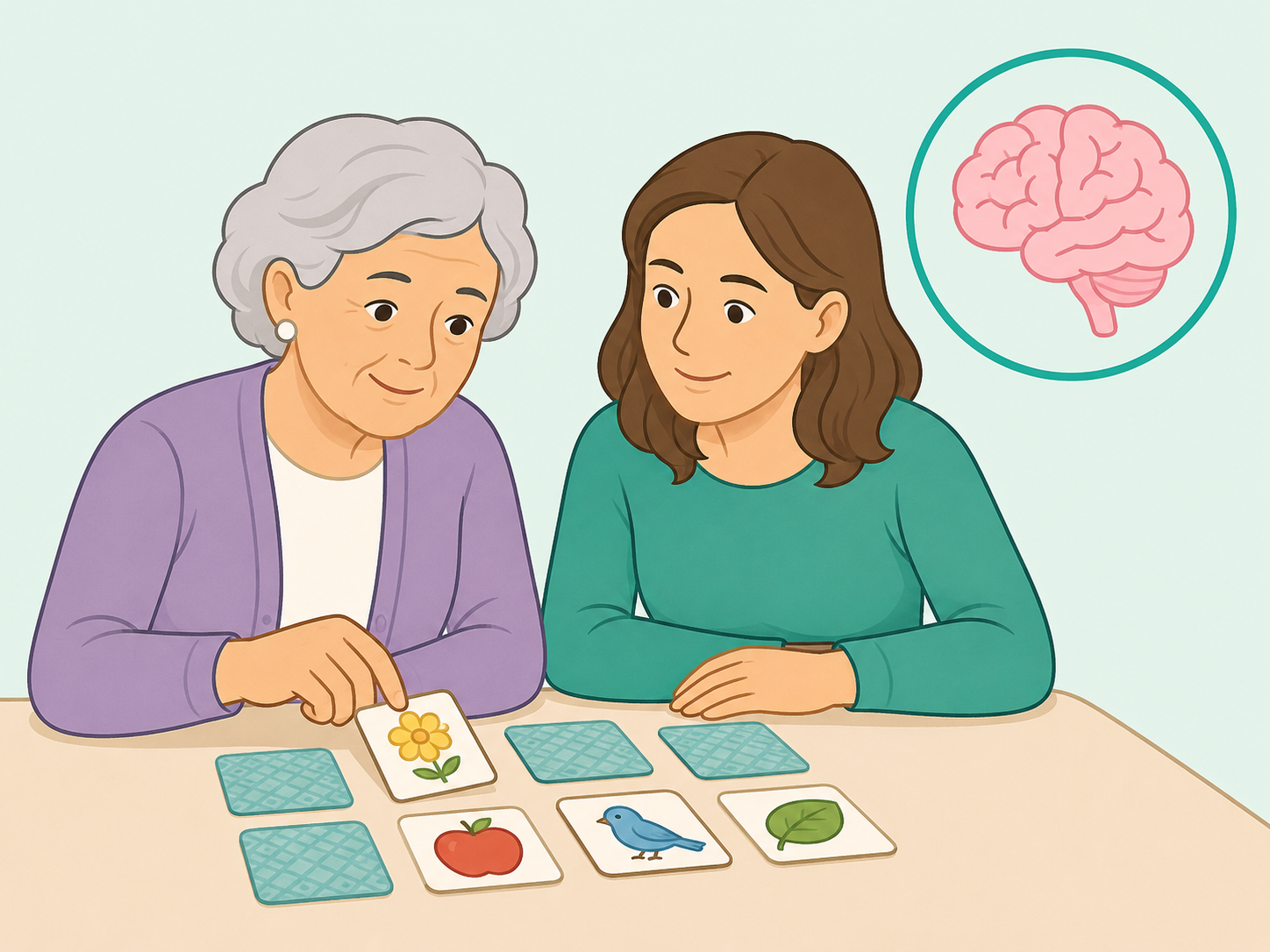
Alzheimer's disease and other dementias can affect memory, judgment, movement, eating, communication, and safety. The CDC explains that Alzheimer's risk increases with age and that it can eventually interfere with daily activities and response to the environment. This loss of independence and resilience is the third major reason very old age can become medically fragile.
Treat falls as a major health event
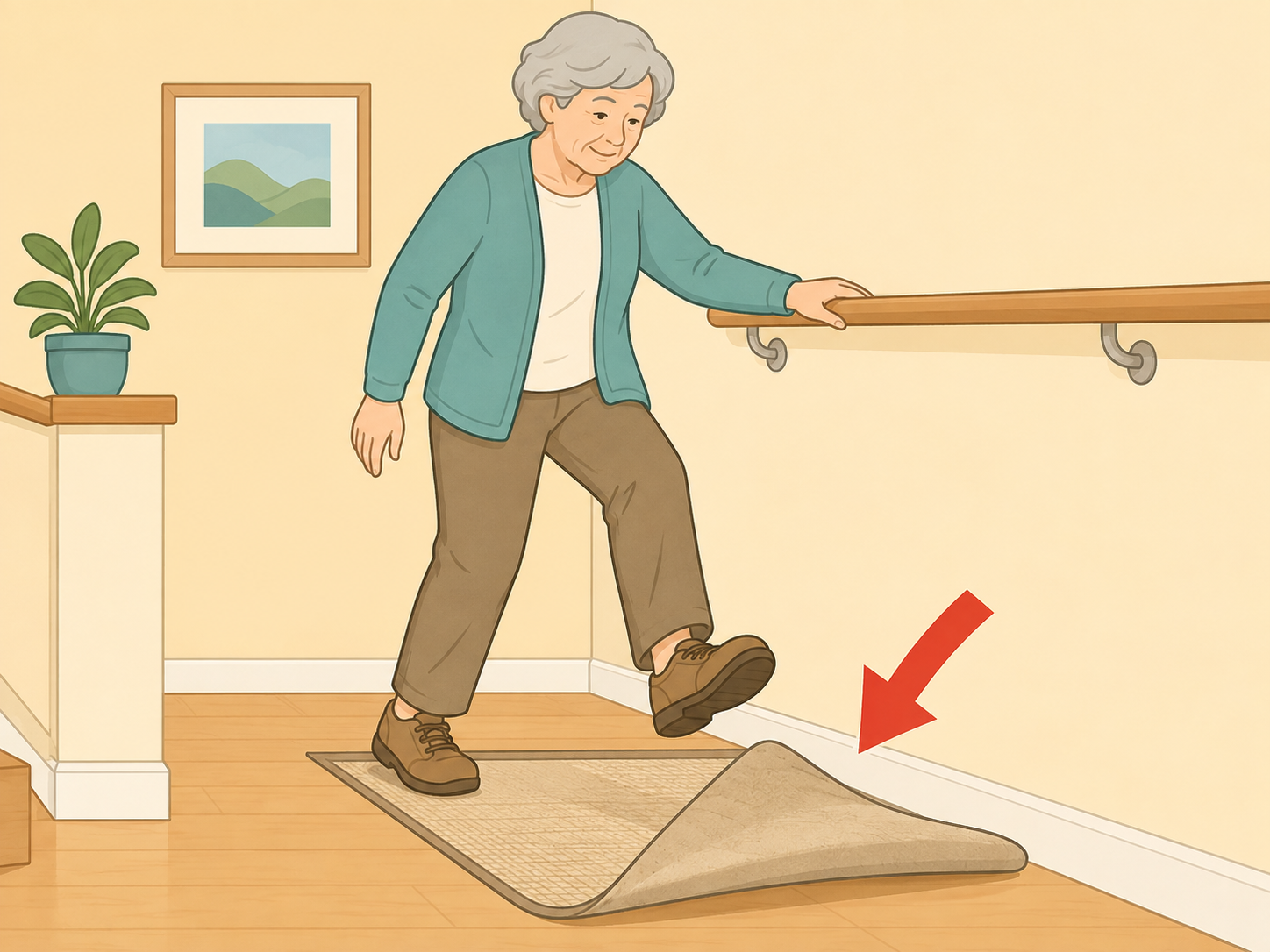
Falls are not just minor accidents in later life. The CDC reports that more than one in four older adults falls each year, and falls can cause hip fractures, head injuries, hospitalizations, and reduced independence. Injuries and the weakness that follows them are the fourth major reason some older adults decline quickly after 80.
Recognize that infections hit harder with age
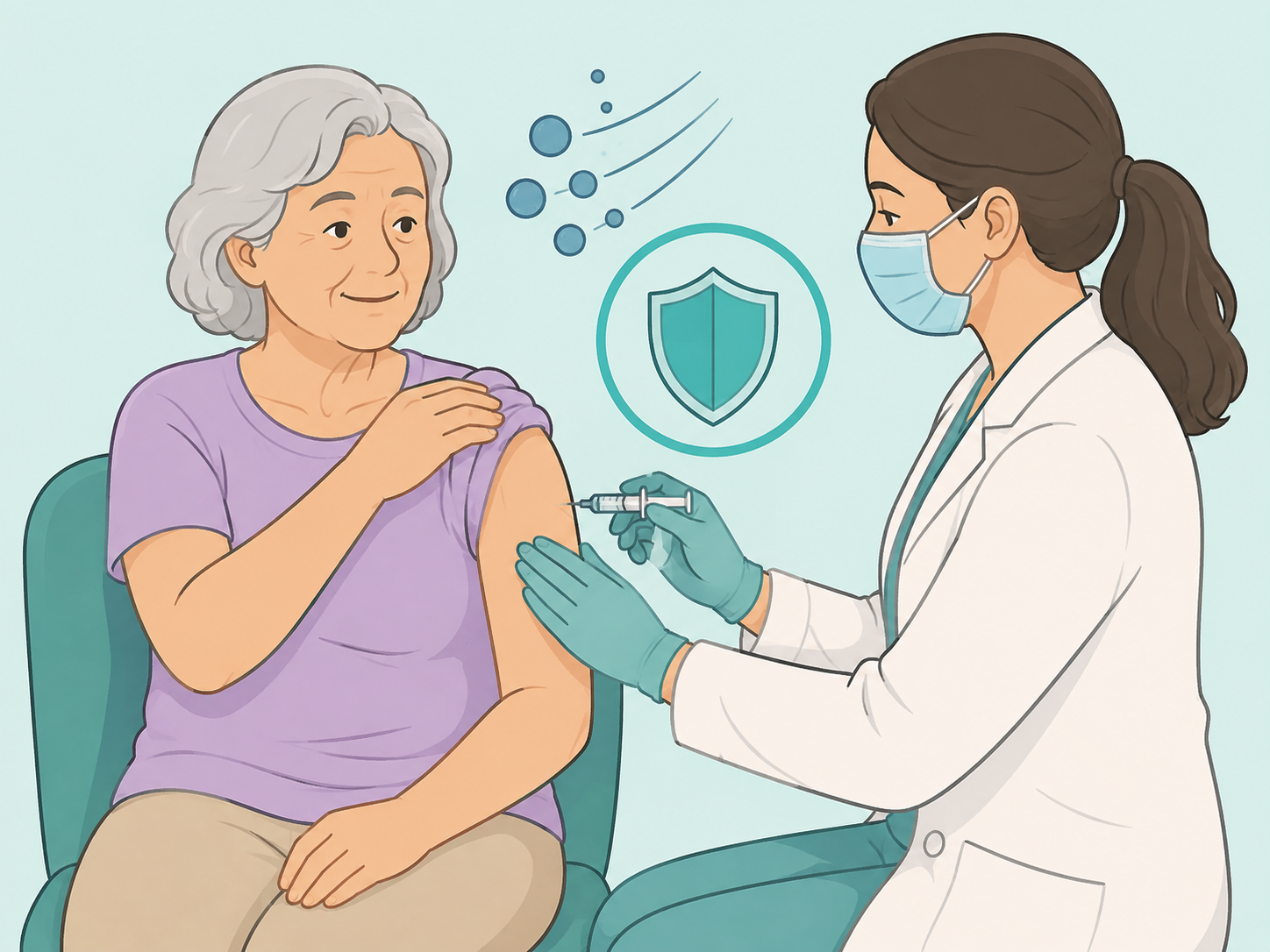
Respiratory viruses such as flu, COVID-19, and RSV can be more dangerous for older adults because immune systems change with age and chronic conditions are more common. The CDC says most deaths from respiratory viruses occur in people older than 65, with risk rising sharply as age advances. Staying current on recommended vaccines and seeking care early when sick can reduce preventable complications.
Support the basics that preserve function
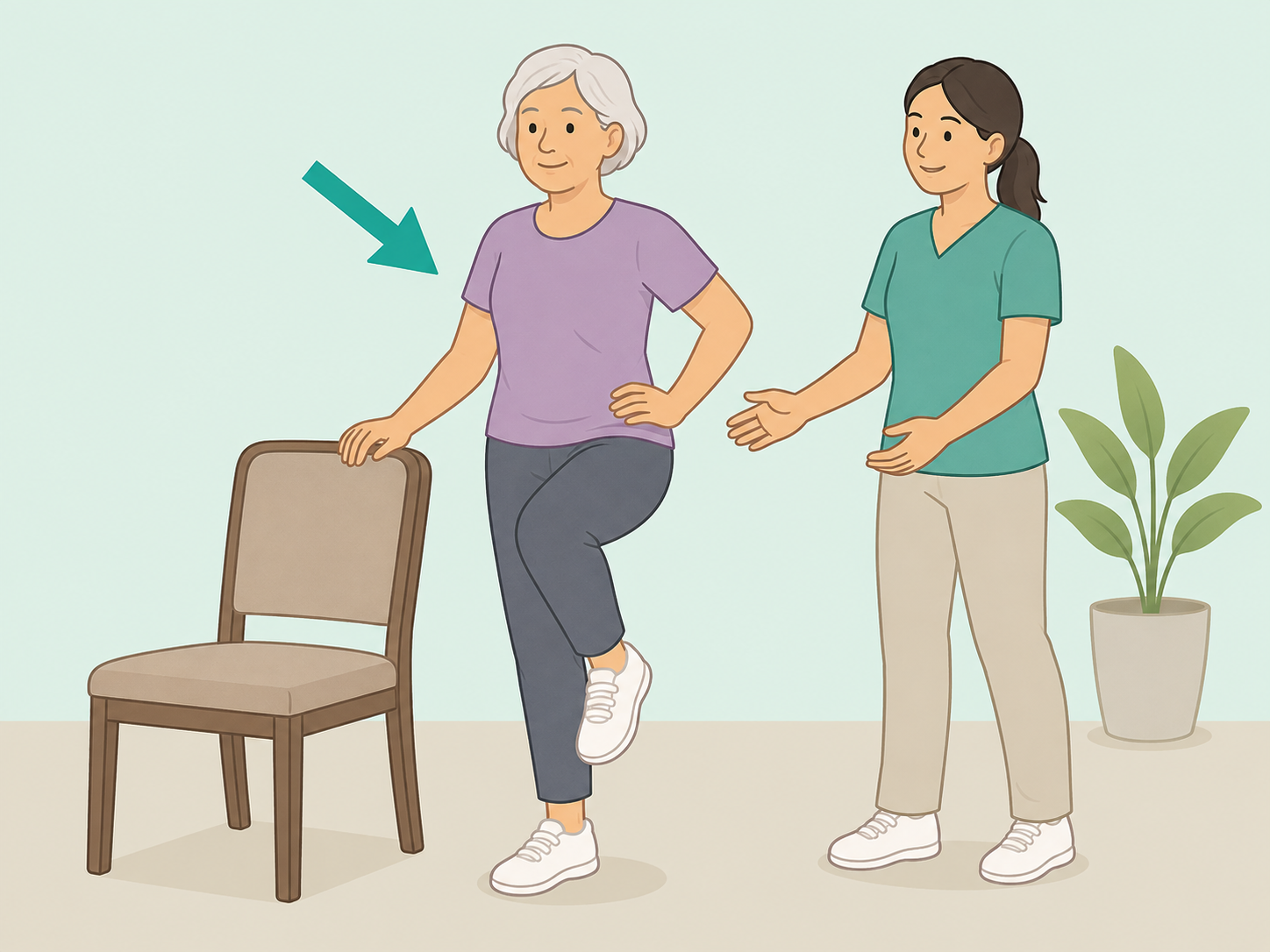
Healthy aging is not about controlling everything; it is about protecting strength, balance, heart and lung function, sleep, nutrition, and social support. MedlinePlus describes endurance, strength, balance, and flexibility activity as important types of exercise for older adults, with balance work helping reduce fall risk. Anyone with health problems or a long inactive period should ask a clinician what level of activity is safe.
Know when to seek medical help
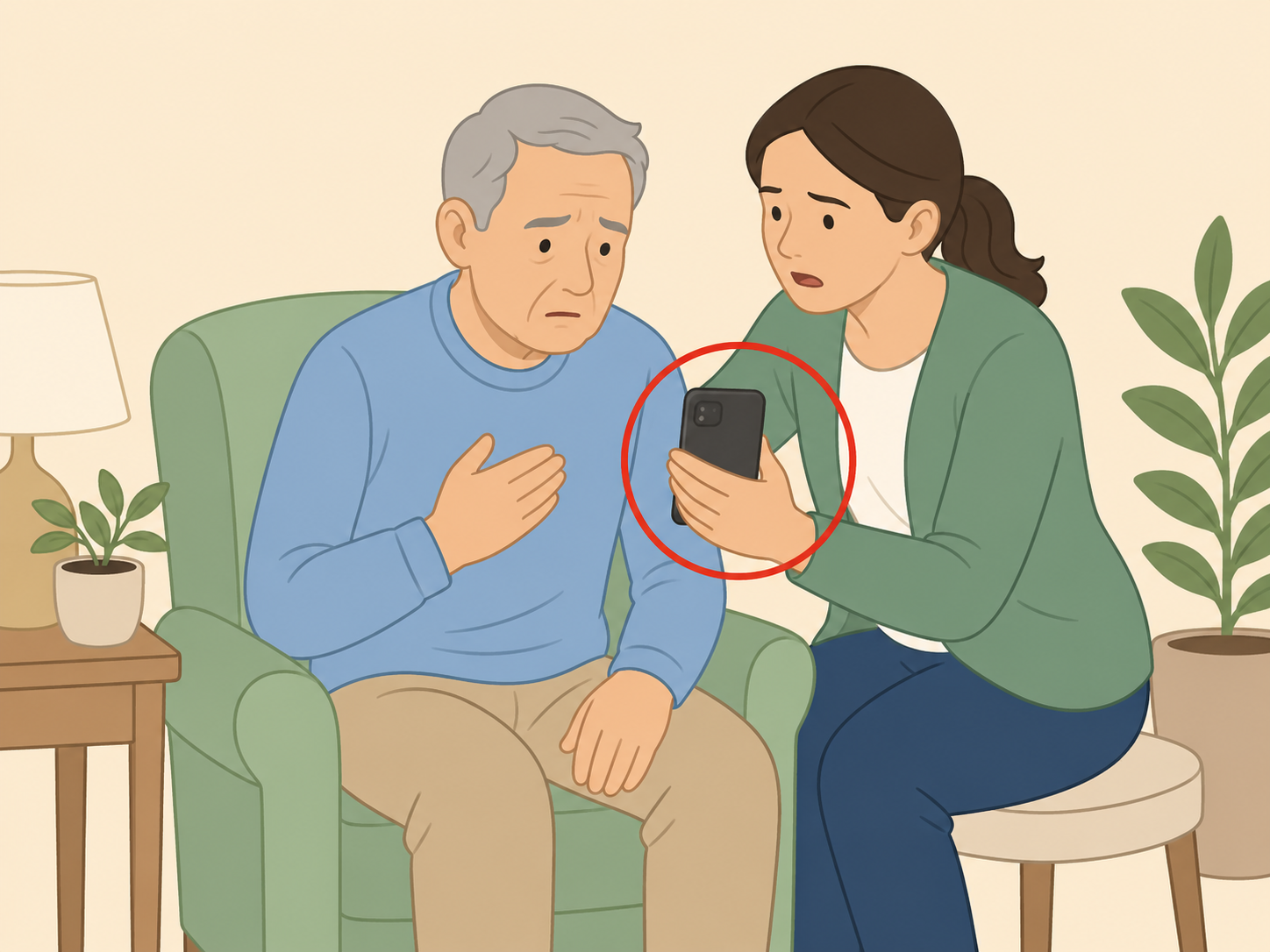
Get urgent help for chest pain, serious breathing trouble, sudden confusion, fainting, severe weakness, stroke-like symptoms, major injury, or any sudden change that feels dangerous. MedlinePlus lists breathing problems, chest pain, mental status changes, fainting, head injury, and sudden weakness as warning signs of a medical emergency. For slower changes, schedule a visit rather than waiting months for symptoms to become severe.
Summary
The bottom line: average lifespan often centers near 80 because health risks build with age, especially chronic disease, dementia and frailty, falls, and serious infections. Many risks can be lowered, but personal decisions should be made with a qualified health professional.
Frequently Asked Questions
- Does life expectancy mean most people die exactly around 80?
No. Life expectancy is an average across a population. Some people die much earlier, while many live into their late 80s, 90s, or beyond.
- What are the biggest medical reasons deaths increase after 80?
The main reasons are chronic diseases such as heart disease, cancer, stroke, lung disease, Alzheimer's disease, diabetes, and kidney disease, along with injuries and infections that are harder to recover from at older ages.
- Can healthy habits guarantee a longer life?
No habit can guarantee a longer life. However, staying active, not smoking, eating well, keeping up with vaccines, and managing chronic conditions can lower important risks.
- Why are falls so serious for older adults?
Falls can cause hip fractures, head injuries, loss of mobility, hospital stays, and fear of moving around. These problems can start a cycle of weakness and reduced independence.
- Is dementia a normal part of aging?
No. Mild changes in memory can happen with age, but dementia that interferes with daily life is not normal aging. New or worsening memory, judgment, or behavior changes should be discussed with a health care provider.
- When should an older adult seek urgent help?
Call emergency services for chest pain, serious breathing trouble, sudden confusion, fainting, stroke-like symptoms, a major fall, or a head injury. Prompt care matters more than waiting to see whether symptoms pass.
References
Reliable references aided in composing and refining this content.
- https://www.cdc.gov/nchs/products/databriefs/db548.htm
- https://www.cdc.gov/nchs/fastats/older-american-health.htm
- https://www.cdc.gov/chronic-disease/about/index.html
- https://www.cdc.gov/alzheimers-dementia/about/alzheimers.html
- https://www.cdc.gov/falls/data-research/facts-stats/index.html
- https://www.cdc.gov/respiratory-viruses/risk-factors/index.html
- https://medlineplus.gov/exerciseforolderadults.html
- https://medlineplus.gov/ency/article/001927.htm