
 Pin it
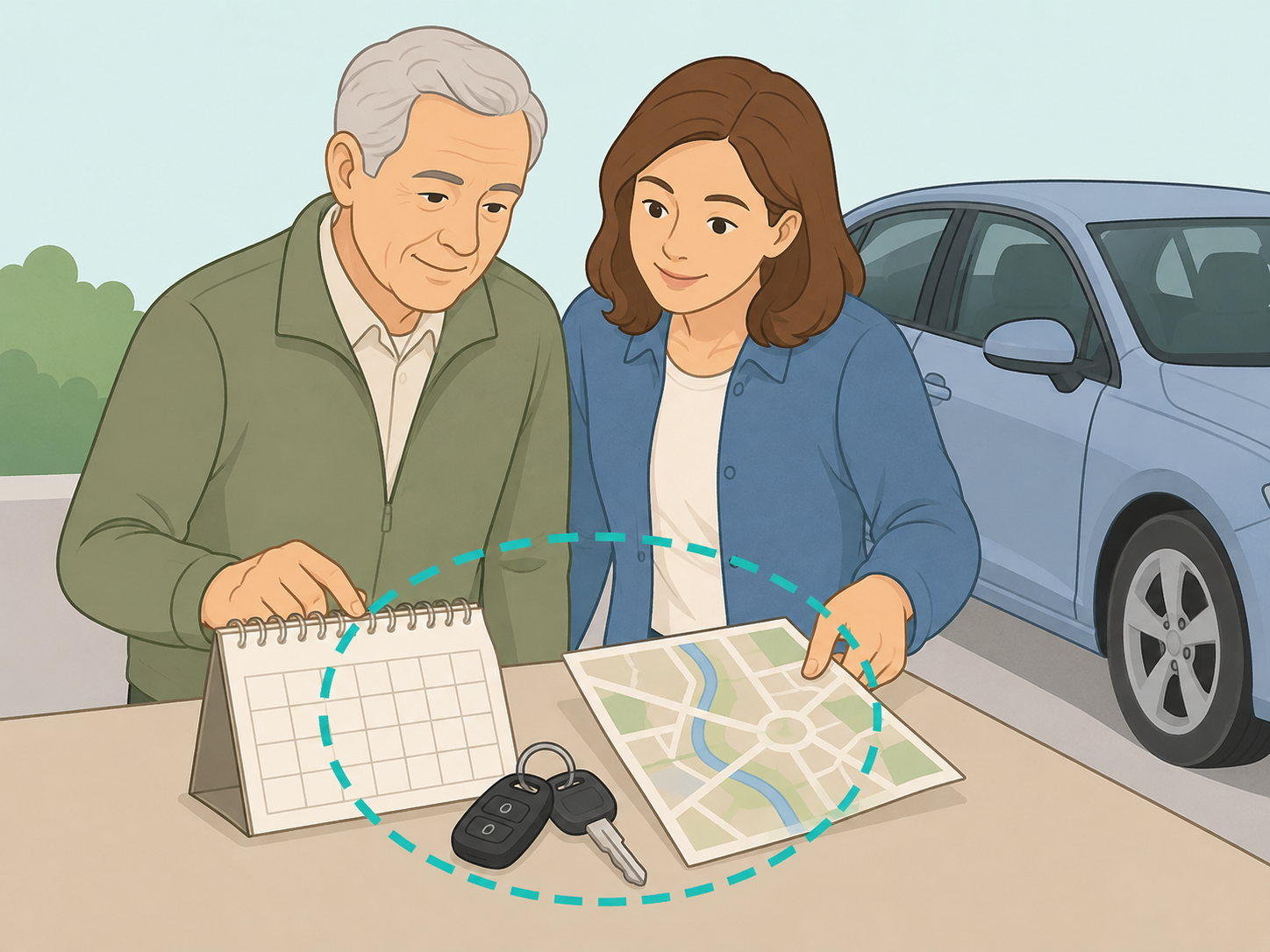
Giving up the car keys can feel like giving up independence, so the decision deserves care and respect. Experts do not recommend one exact age when every older adult should stop driving. Instead, this guide explains the warning signs to watch for, when to get medical or professional help, and how to plan transportation before driving becomes unsafe.
Base the decision on ability, not age
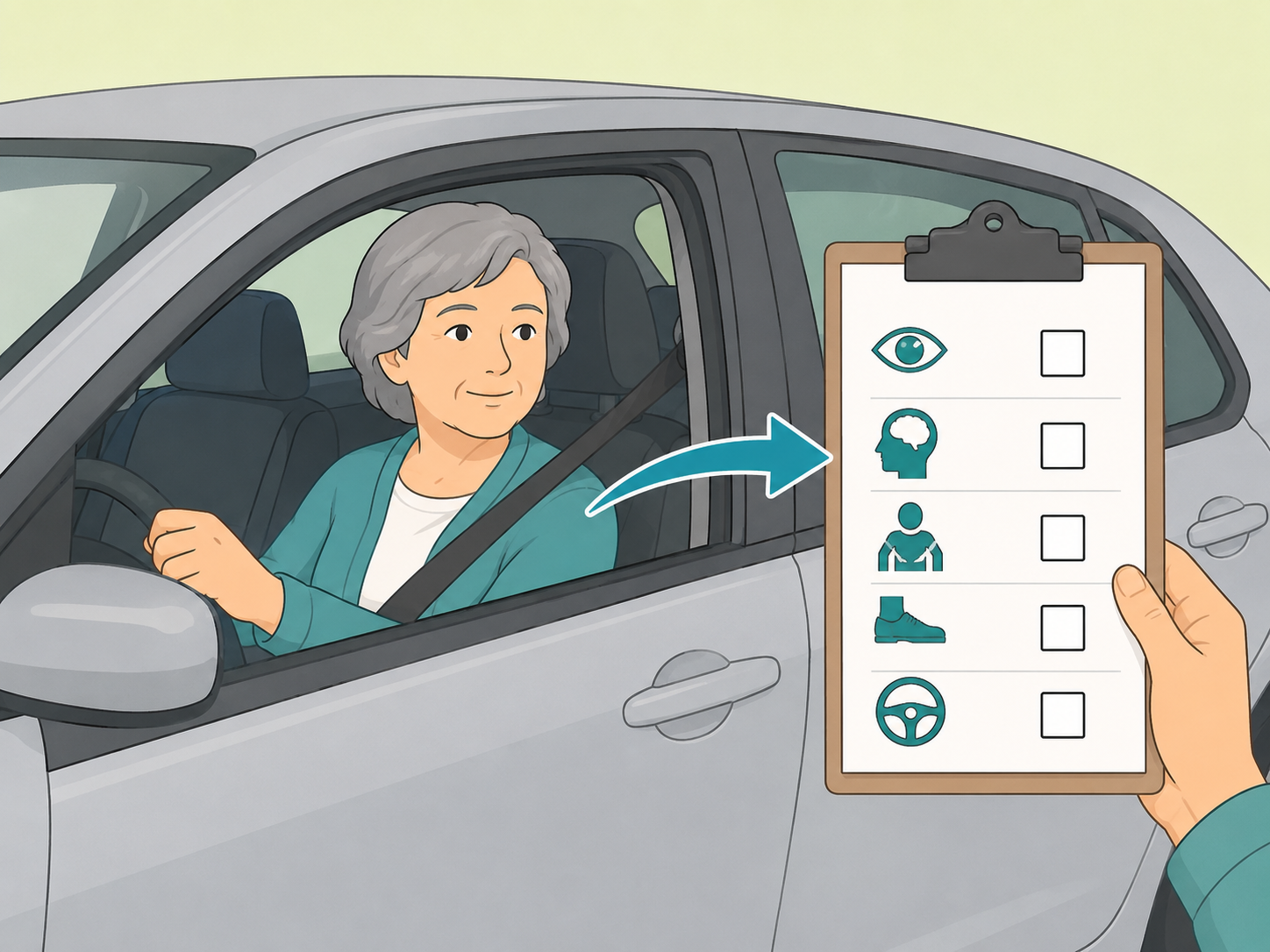
There is no single birthday when every older adult should stop driving. The National Institute on Aging says people age differently, so the decision should be based on driving skills, health, and safety concerns rather than age alone. Start paying closer attention if driving feels harder, loved ones are worried, or daily routes have become stressful.
Look for a pattern of driving warning signs
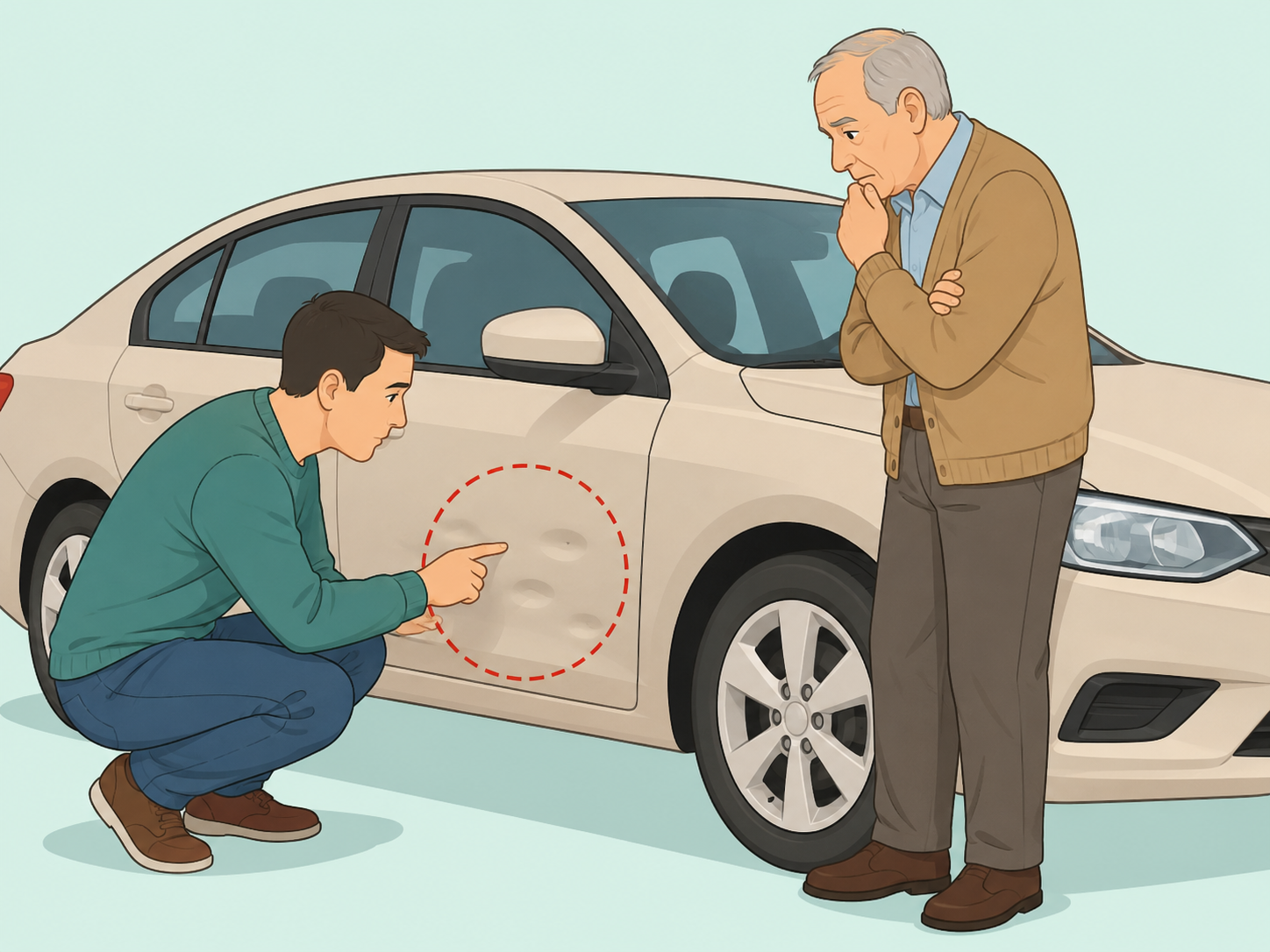
Watch for multiple crashes, near misses, unexplained dents, tickets, honking from other drivers, drifting lanes, or trouble judging gaps in traffic. The National Highway Traffic Safety Administration recommends assessing changes in vision, attention, reaction time, and physical fitness because these can affect driving safety. A repeated pattern matters more than one isolated mistake.
Check vision, hearing, movement, and reaction time
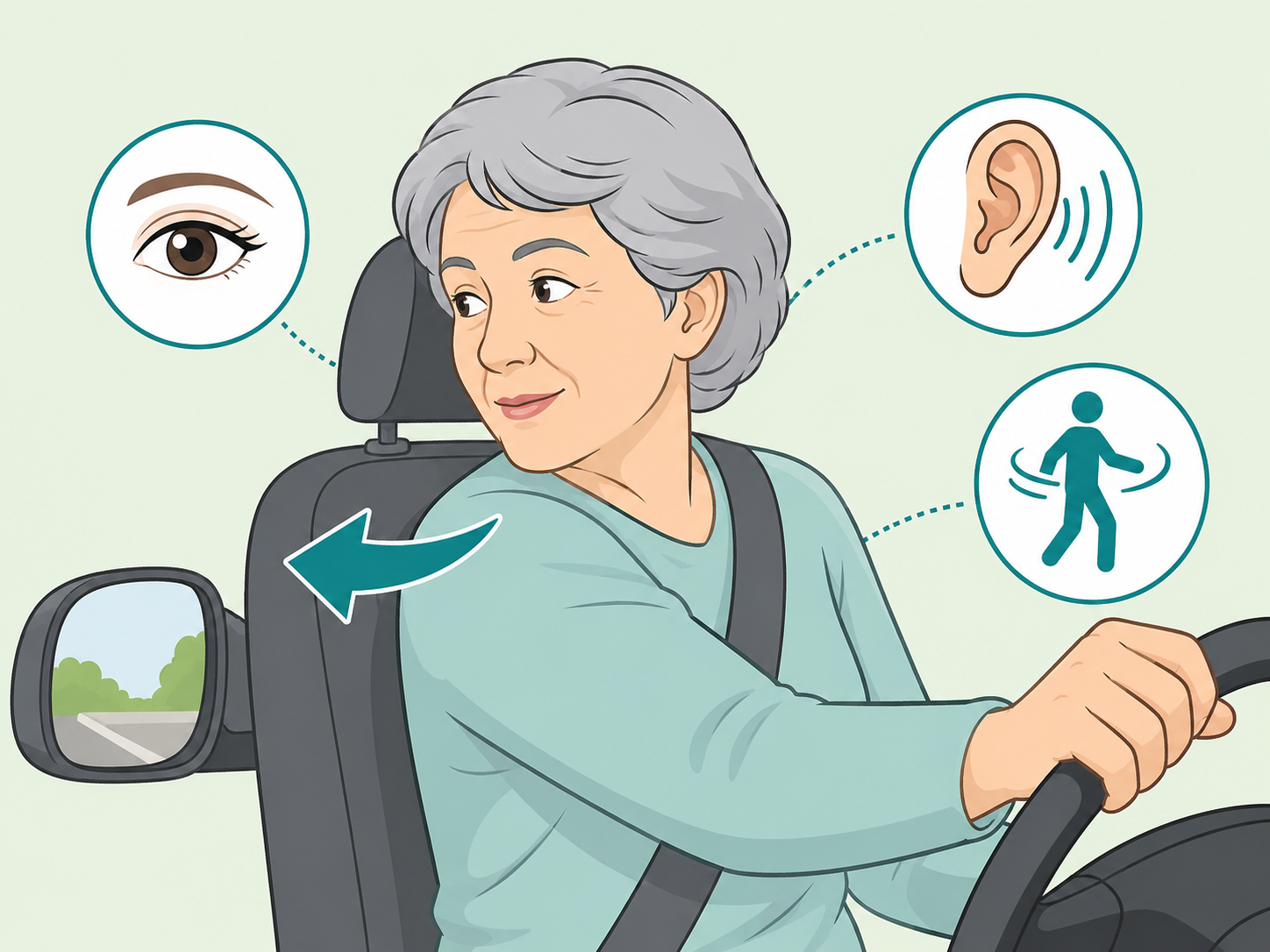
Driving depends on seeing signs and lane lines, hearing horns or sirens, turning to check blind spots, and moving quickly between pedals. The CDC notes that age-related changes in vision, physical function, reasoning, memory, diseases, and medications may affect some older adults' driving abilities. Schedule regular eye and hearing checks, and take stiffness, numbness, dizziness, or slower reactions seriously.

Review medicines before blaming age
Some prescription and over-the-counter medicines can cause drowsiness, dizziness, reduced alertness, or slower reactions. The NIA advises asking a doctor or pharmacist whether health conditions or medicines could make driving unsafe. Never stop or change a prescribed medicine on your own; ask for a professional review instead.
Watch closely for memory or dementia-related changes
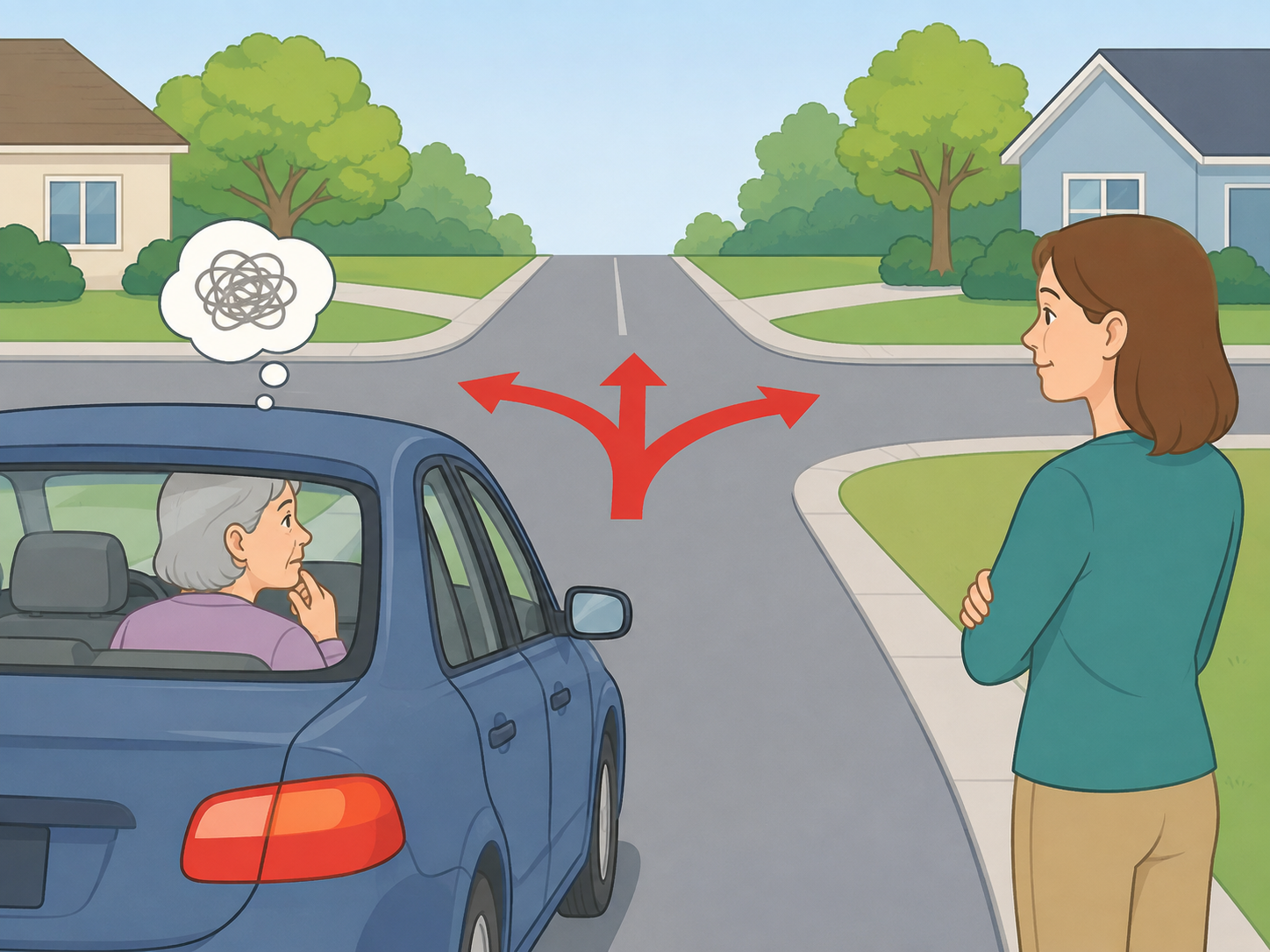
Getting lost on familiar roads, missing traffic signs, reacting slowly, drifting into other lanes, or becoming unusually agitated in traffic can be especially concerning. MedlinePlus explains that people with dementia may need regular driving tests and may eventually need to stop driving as judgment and memory change. Family members should monitor driving because the person may not recognize the problem.
Reduce risk before the situation becomes urgent
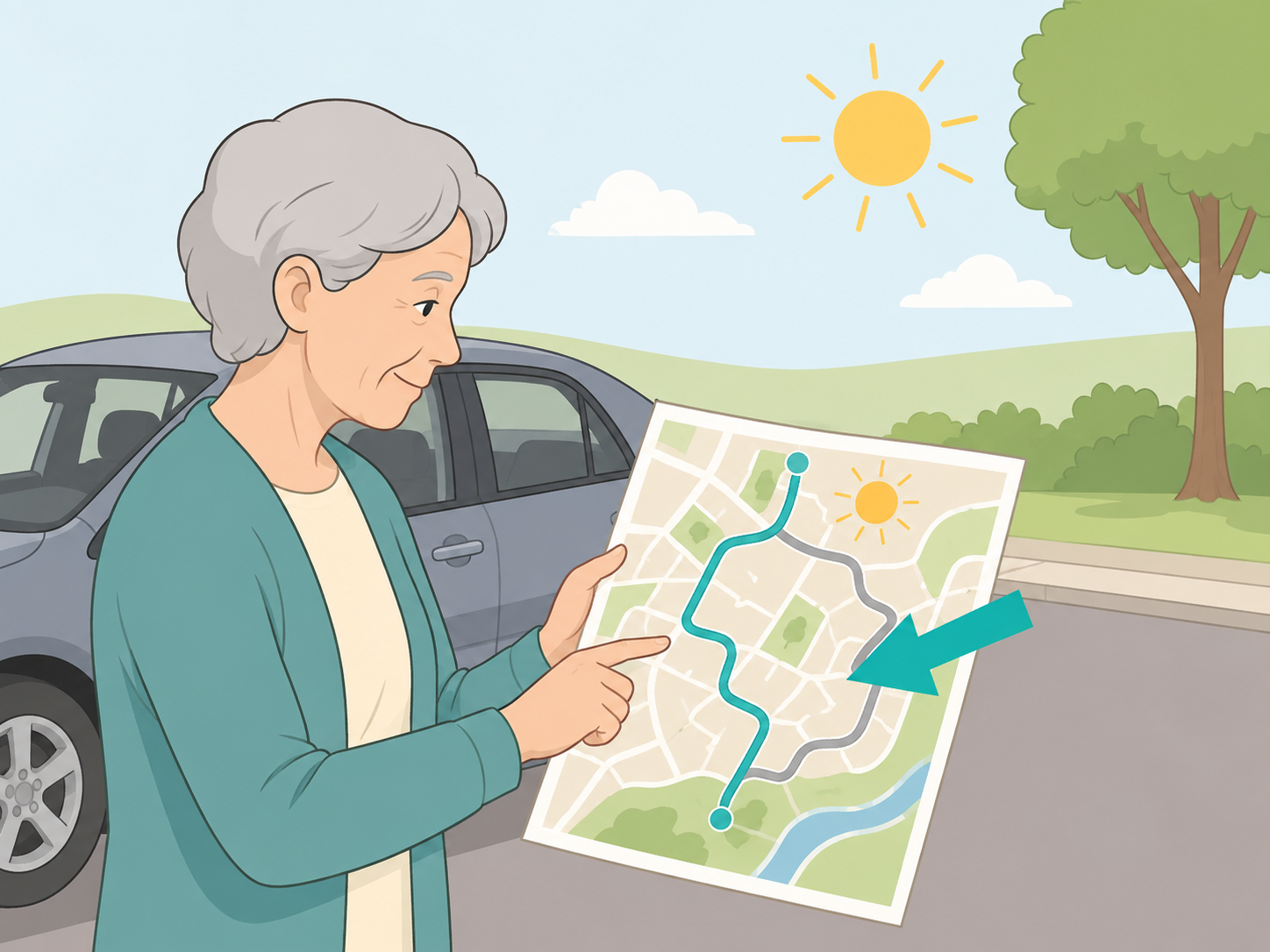
If warning signs are mild but real, limit driving to safer conditions while you arrange help. The CDC recommends driving in daylight and good weather, planning routes, leaving more following distance, and avoiding distractions. It may also help to avoid highways, heavy traffic, night driving, unfamiliar areas, and difficult left turns.
Ask for an objective driving assessment
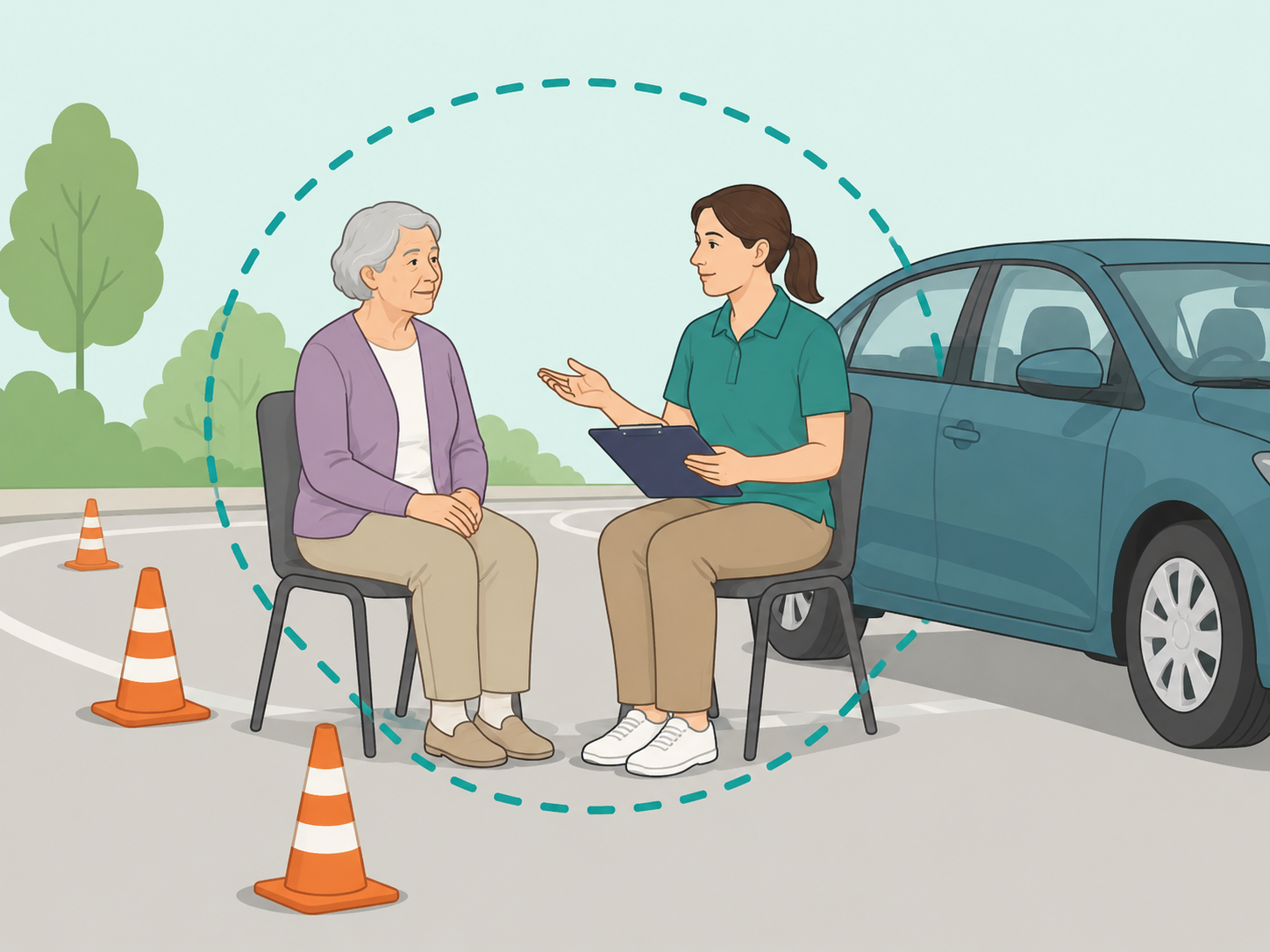
A driving rehabilitation specialist, occupational therapist, doctor, or state motor vehicle agency may help evaluate whether driving is still safe. The NHTSA self-assessment guidance can also help older drivers notice changes in vision, fitness, attention, and reaction time. A neutral assessment can make the conversation less personal and more practical.

See a doctor when safety concerns appear
Make a medical appointment if there are crashes, near misses, confusion, fainting, seizures, sudden vision changes, major sleepiness, new weakness, or trouble controlling the pedals or steering wheel. The NIA recommends talking with a doctor when health or driving concerns arise because medical conditions, injuries, and medications can affect driving skills. If a doctor recommends stopping or changing driving habits, treat that as a serious safety warning.
Build a transportation plan before giving up the keys
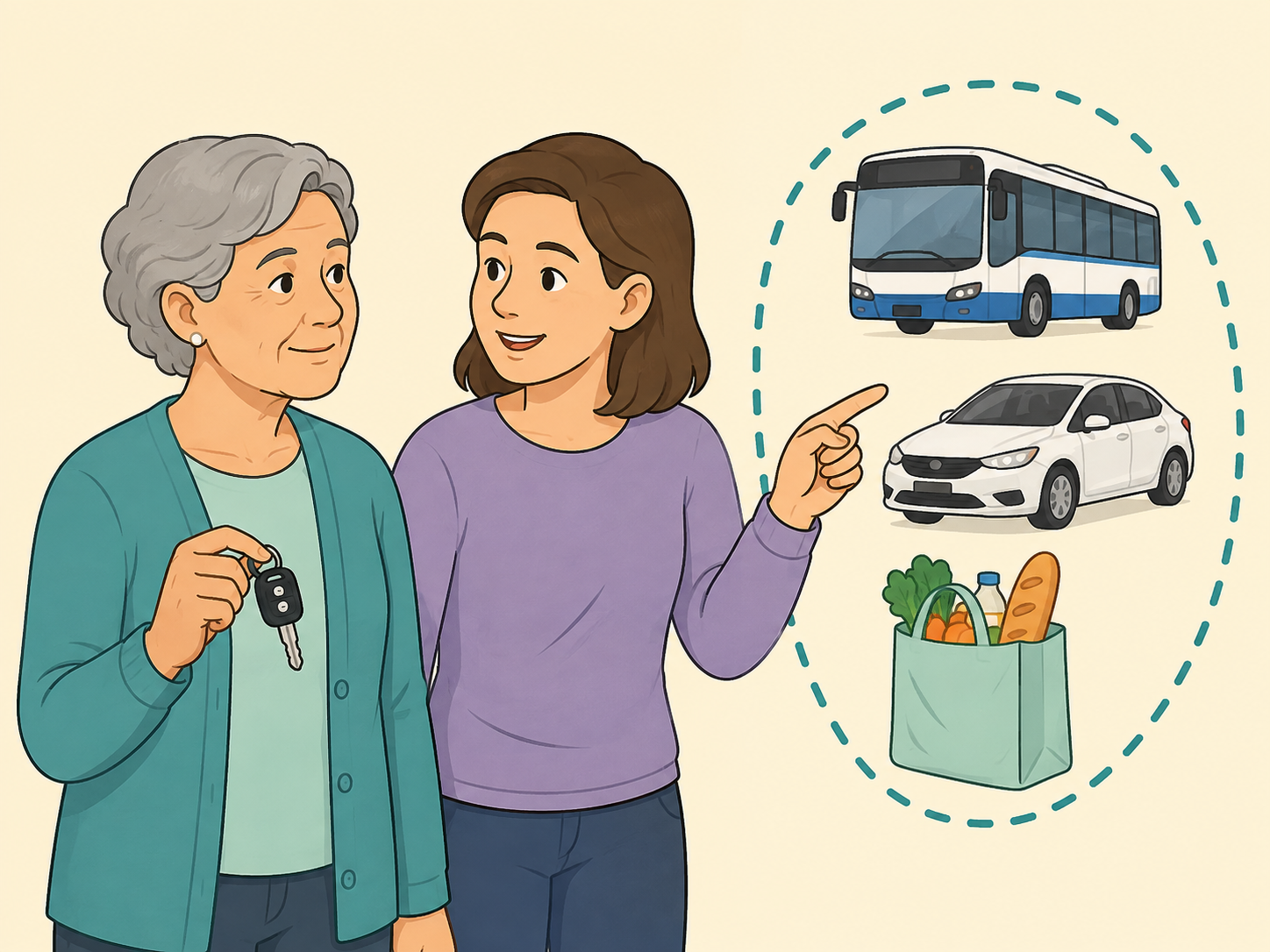
Stopping driving is easier when errands, appointments, groceries, prescriptions, and social visits already have a plan. The CDC MyMobility resources encourage older adults and caregivers to plan ahead for safe mobility and independence. Look into rides from family, public transit, senior transportation, rideshare services, delivery options, and local aging services before there is a crisis.
Summary
The bottom line: age alone is not the deciding factor. If driving mistakes, health changes, medication effects, confusion, or professional concerns are adding up, it is time to reduce driving, get an objective assessment, and plan safer ways to stay mobile.
Frequently Asked Questions
- Is there a specific age when seniors should stop driving?
No. The National Institute on Aging says there is not one recommended age to stop driving because people age differently. The safer approach is to look at driving performance, health changes, medications, and warning signs.
- What is the biggest warning sign that driving may no longer be safe?
Repeated problems matter most: crashes, near misses, new dents, getting lost on familiar roads, traffic tickets, or family concerns. One mistake may not settle the issue, but a pattern should prompt a serious conversation and assessment.
- Can an older adult keep driving with some limits?
Often, yes. Some people stay safer by driving only in daylight, avoiding bad weather, skipping highways or rush hour, and staying on familiar routes. Limits should be revisited if warning signs continue.
- Who can evaluate an older adult's driving?
A doctor can review health conditions and medications, and a driving rehabilitation specialist or occupational therapist may be able to assess driving skills. A state motor vehicle agency or doctor may help locate local assessment options.
- What if a person with dementia refuses to stop driving?
Ask the person's health care provider, trusted family members, or legal representative for help. MedlinePlus notes that as danger increases, caregivers may need to take practical steps to prevent unsafe driving while arranging other transportation.
- How can families make the conversation less upsetting?
Focus on safety, independence, and specific driving behaviors rather than age. Prepare transportation options first so the conversation is not only about loss, but also about how the person will keep getting to appointments, errands, and social activities.
References
Reliable references aided in composing and refining this content.
- https://www.nia.nih.gov/health/older-drivers
- https://www.cdc.gov/older-adult-drivers/about/index.html
- https://www.nhtsa.gov/road-safety/older-drivers
- https://www.nhtsa.gov/older-drivers/driving-safely-while-aging-gracefully
- https://medlineplus.gov/ency/patientinstructions/000028.htm
- https://www.cdc.gov/older-adult-drivers/mymobility/resources.html