
 Pin it
Headlines about everyday water containers and cancer can be frightening, especially when they mention young people. This guide explains how to choose and care for water containers safely without treating a viral claim as a diagnosis. It also covers liver cancer warning signs and when to talk to a health professional.
Question scary cancer headlines before acting
A headline about a young couple and a common water container does not prove the container caused liver cancer. Trusted cancer sources list established liver cancer risks such as hepatitis B or C, cirrhosis, heavy alcohol use, obesity, diabetes, smoking, and aflatoxin-contaminated foods, according to the CDC liver cancer overview and the National Cancer Institute. Use the headline as a reminder to improve safe storage habits, not as a reason to panic.
Choose containers made for drinking water
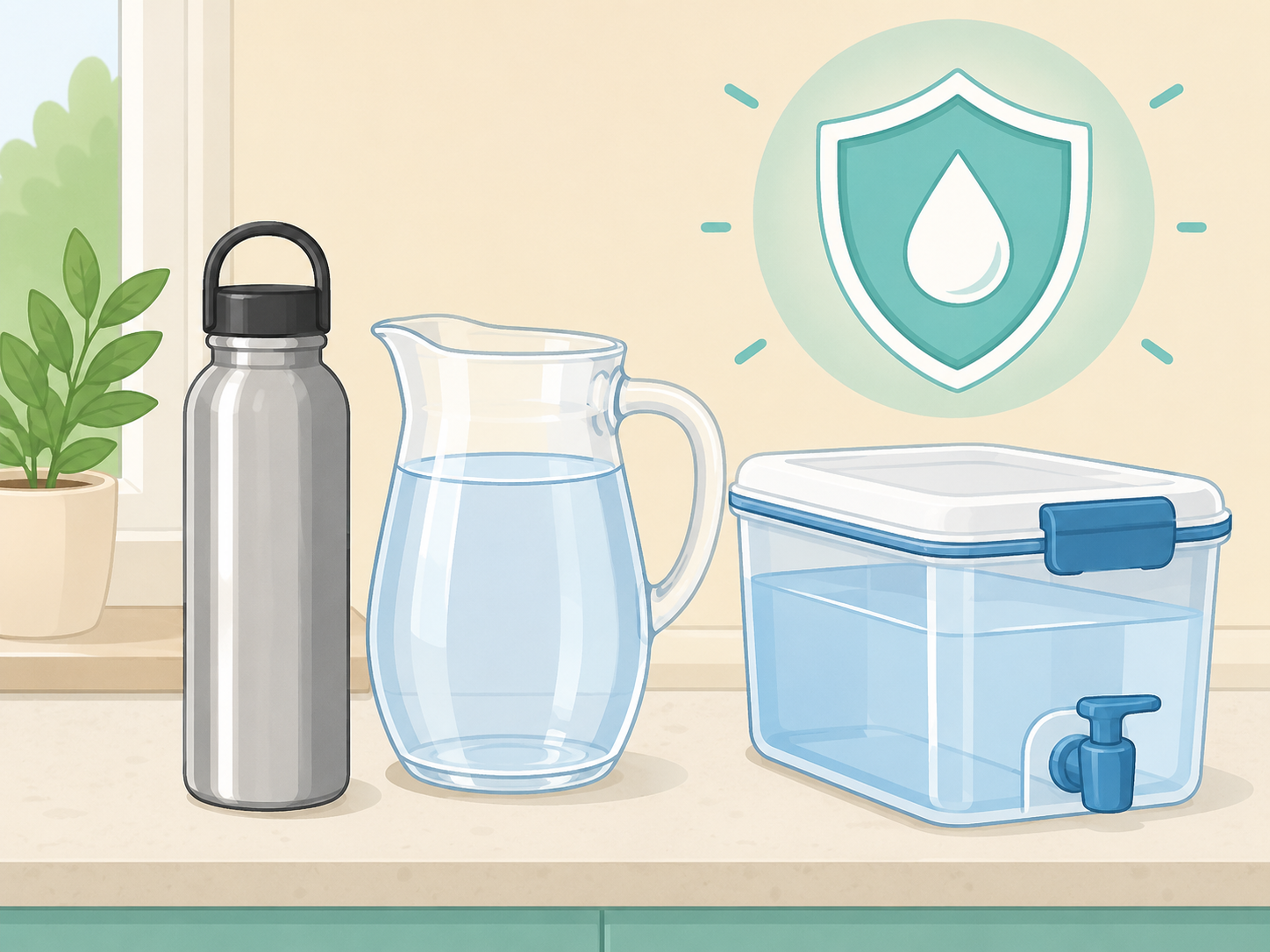
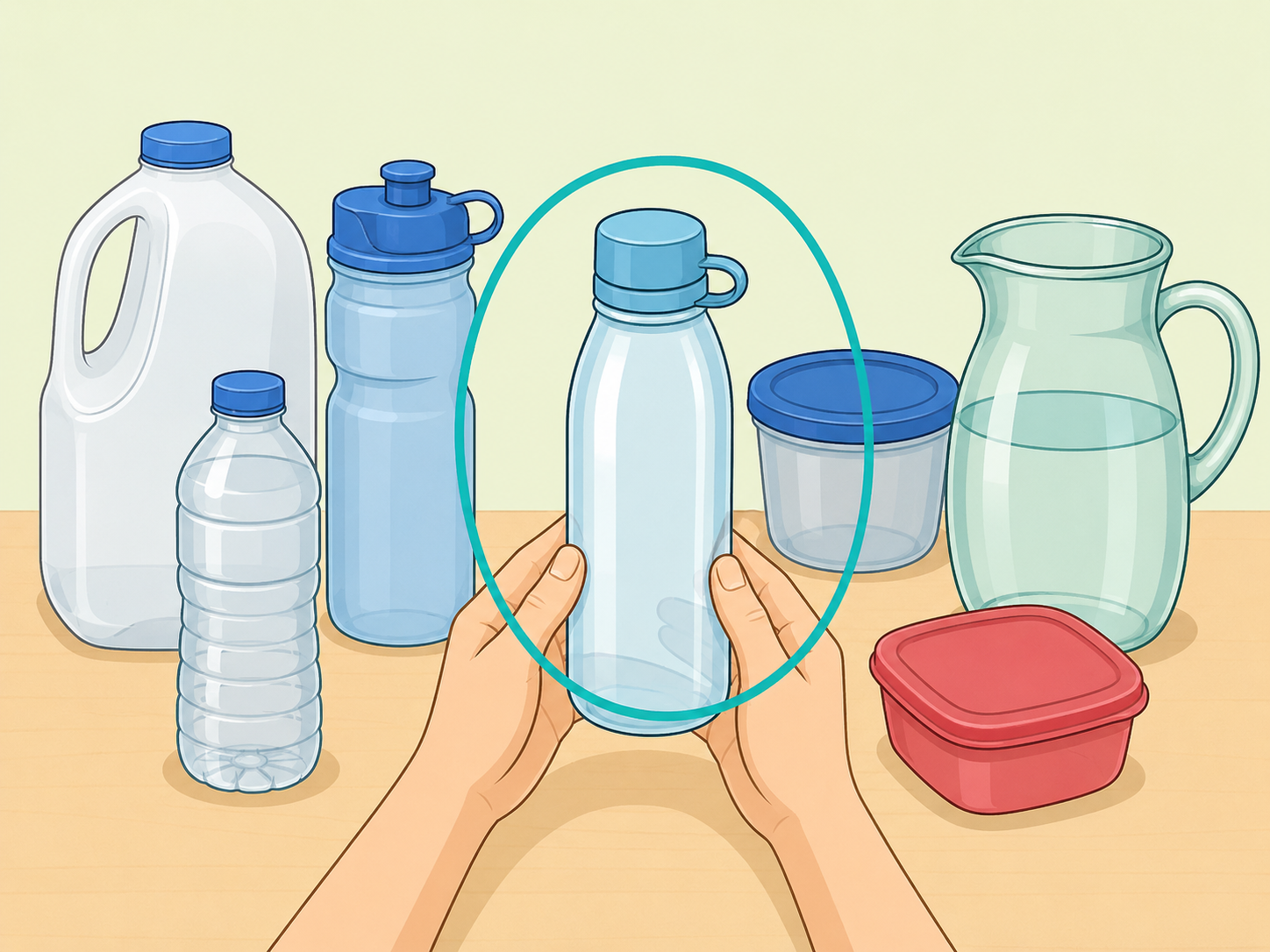
Use containers that are clearly intended for food or drinking water, rather than random household jugs. The CDC recommends durable plastic, ceramic, or metal containers with a tight cover and a narrow opening that lets you pour without dipping hands or cups inside. A handle and stable shape also make the container easier to carry without touching the drinking surface.
Never reuse containers that held toxic chemicals
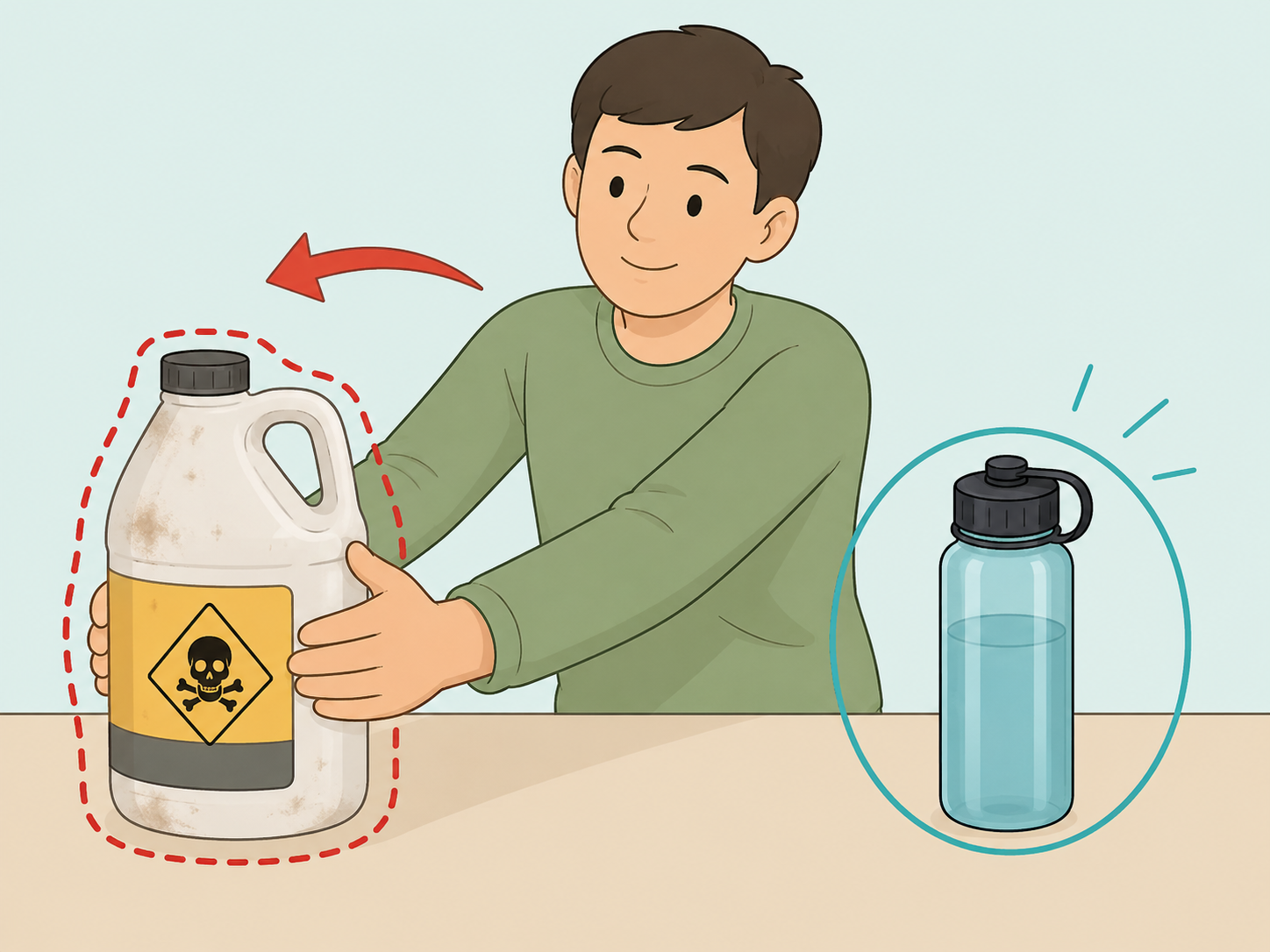
Do not store drinking water in bottles, drums, or jugs that once held bleach, pesticides, fuel, solvents, or other chemicals. CDC warns that toxic chemical residues can transfer into stored water even if the container looks clean. If you do not know what a container previously held, do not use it for drinking water.
Keep plastic containers away from heat
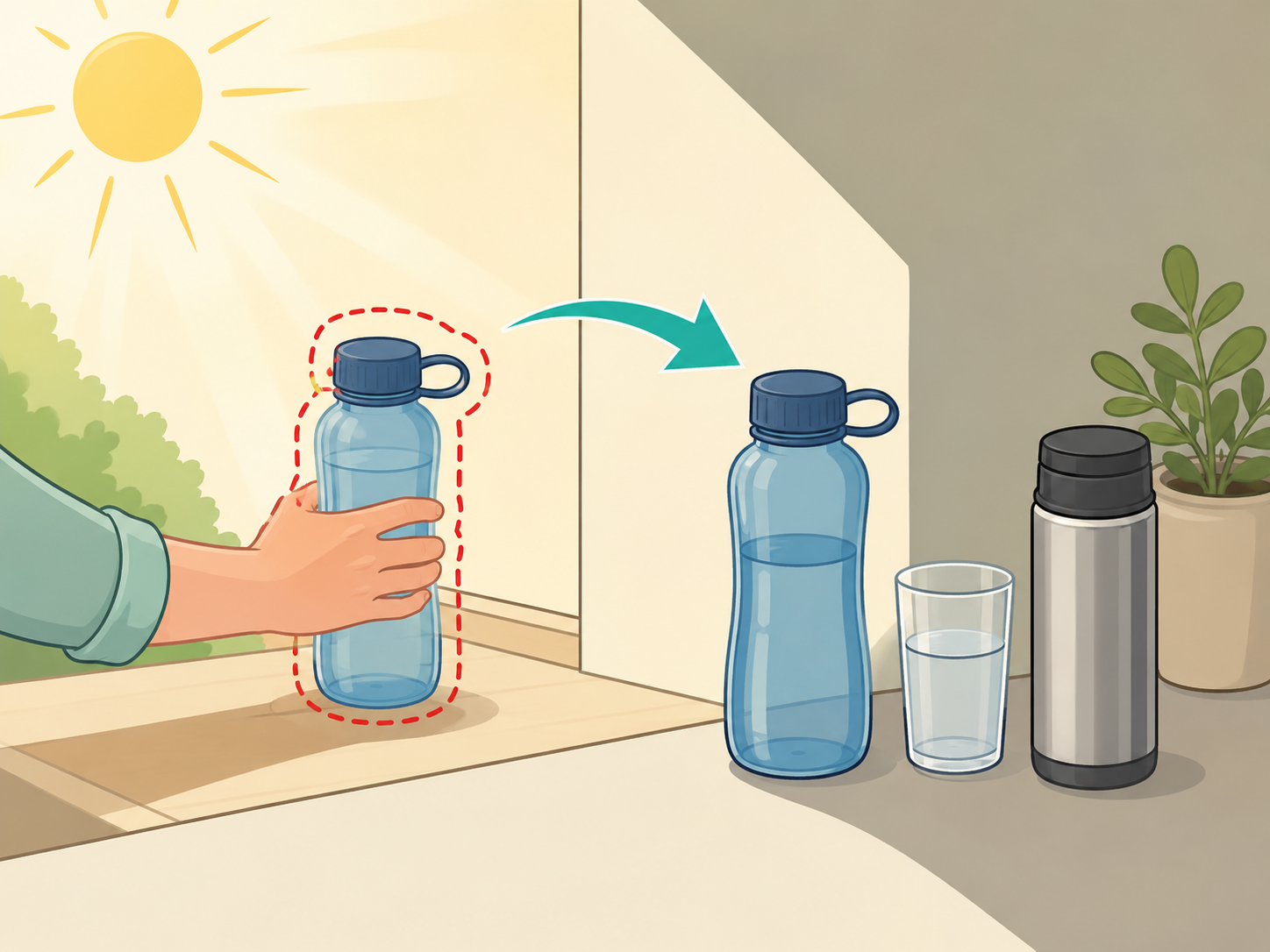
If you use plastic bottles or storage containers, avoid leaving them in hot cars, direct sun, or near stoves. NIEHS says BPA can leach from some polycarbonate containers into food or drinks and that leaching may depend more on temperature than container age, while the FDA states that current approved BPA uses in food packaging remain safe based on its review. If you are concerned, the NIEHS suggests choosing glass, porcelain, or stainless steel, especially for hot liquids.
Clean and sanitize storage containers regularly
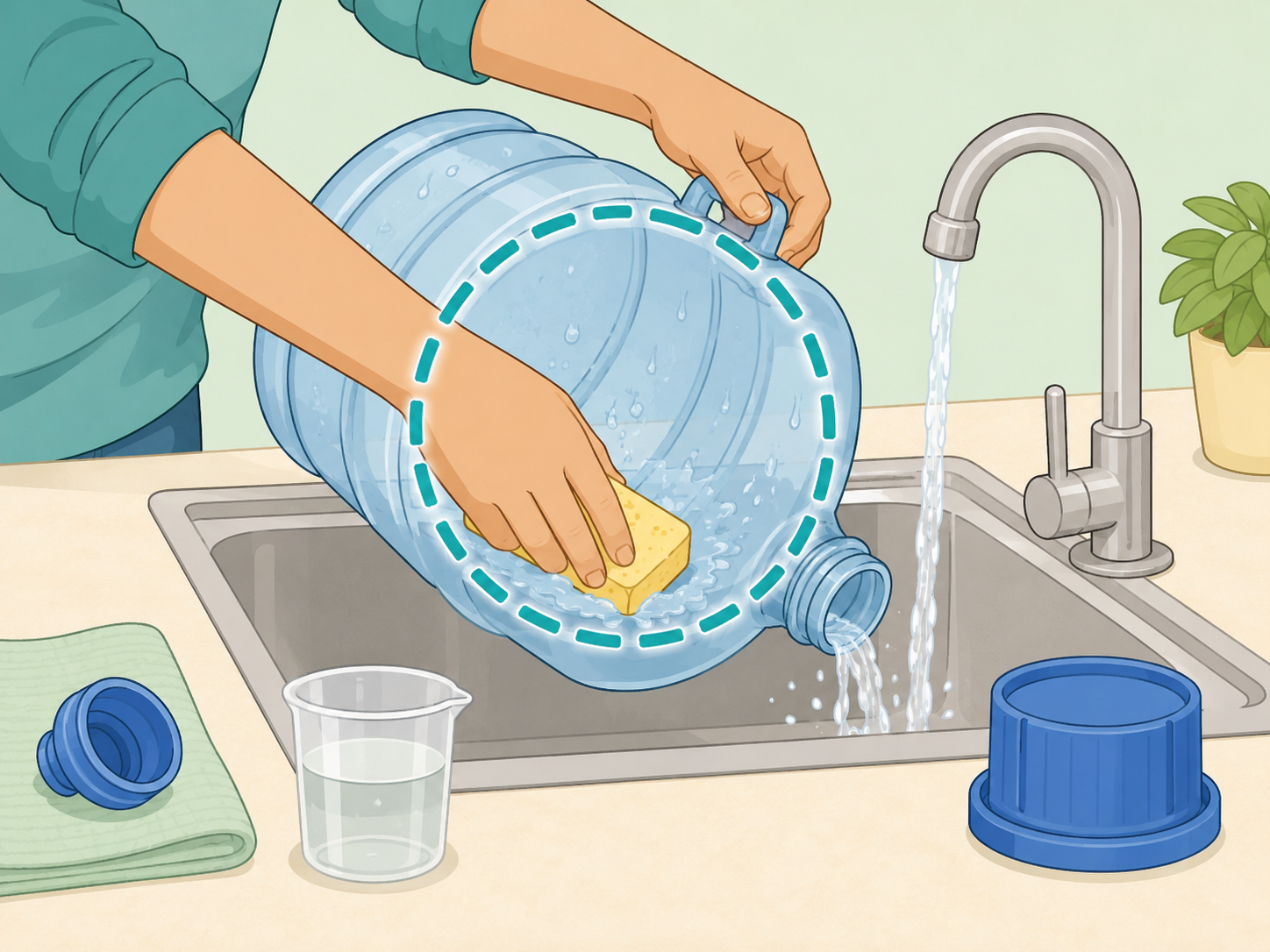
Wash water containers with soap and clean water, then rinse them well before refilling. For water storage containers, the CDC describes sanitizing with unscented household bleach that contains 5% to 9% sodium hypochlorite, using 1 teaspoon in 1 liter of water or 4 teaspoons in 1 gallon of water, then shaking so the solution touches all inner surfaces. Let the container air-dry or rinse it with safe water before use.
Store water in a cool, clean place
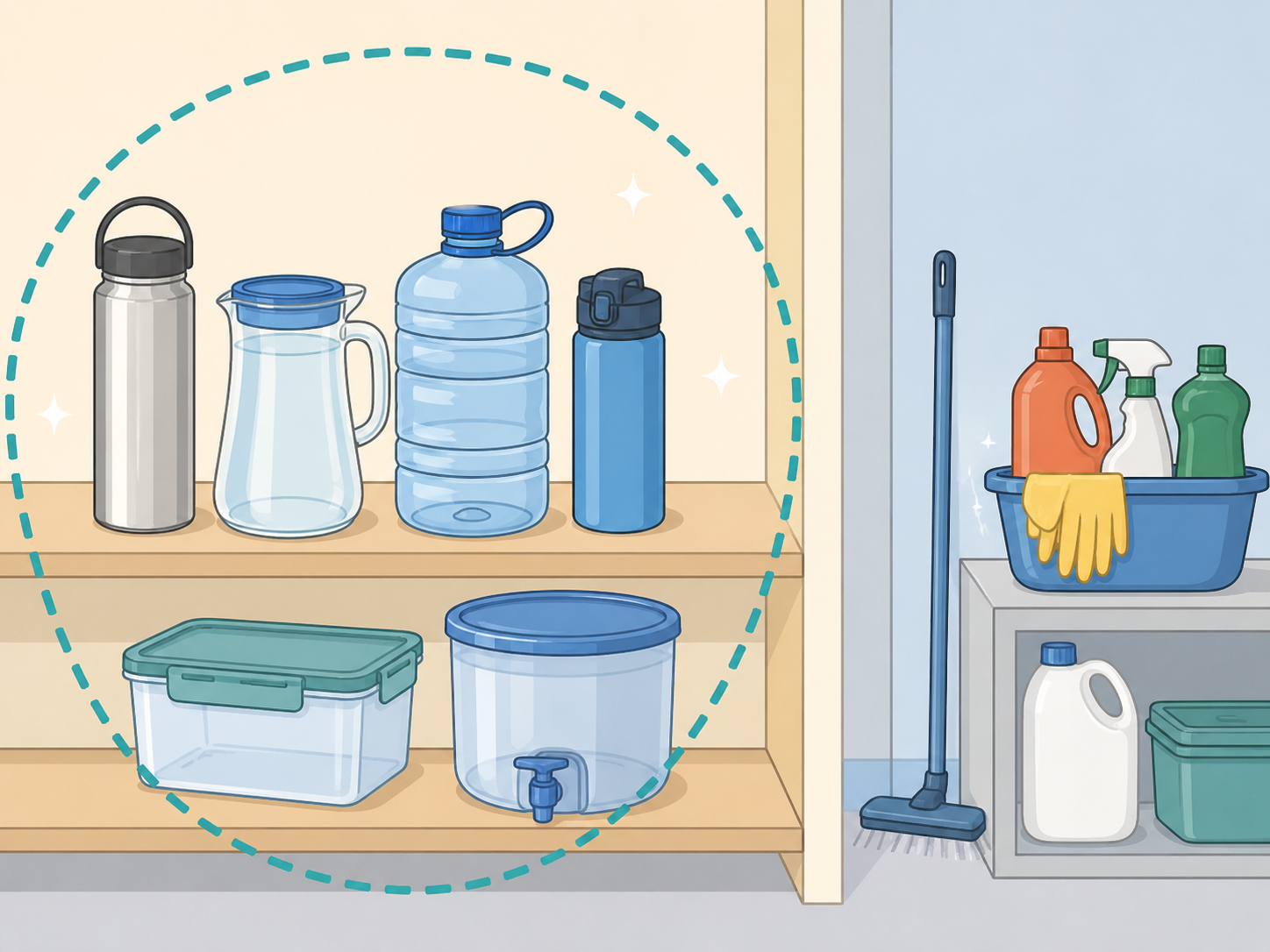
After filling a clean container, close the lid tightly and keep it in a cool place away from direct sunlight. The CDC also advises keeping stored water away from toxic substances such as gasoline and pesticides. Label containers for drinking water so they are not confused with cleaning or utility containers.
Replace damaged or hard-to-clean containers
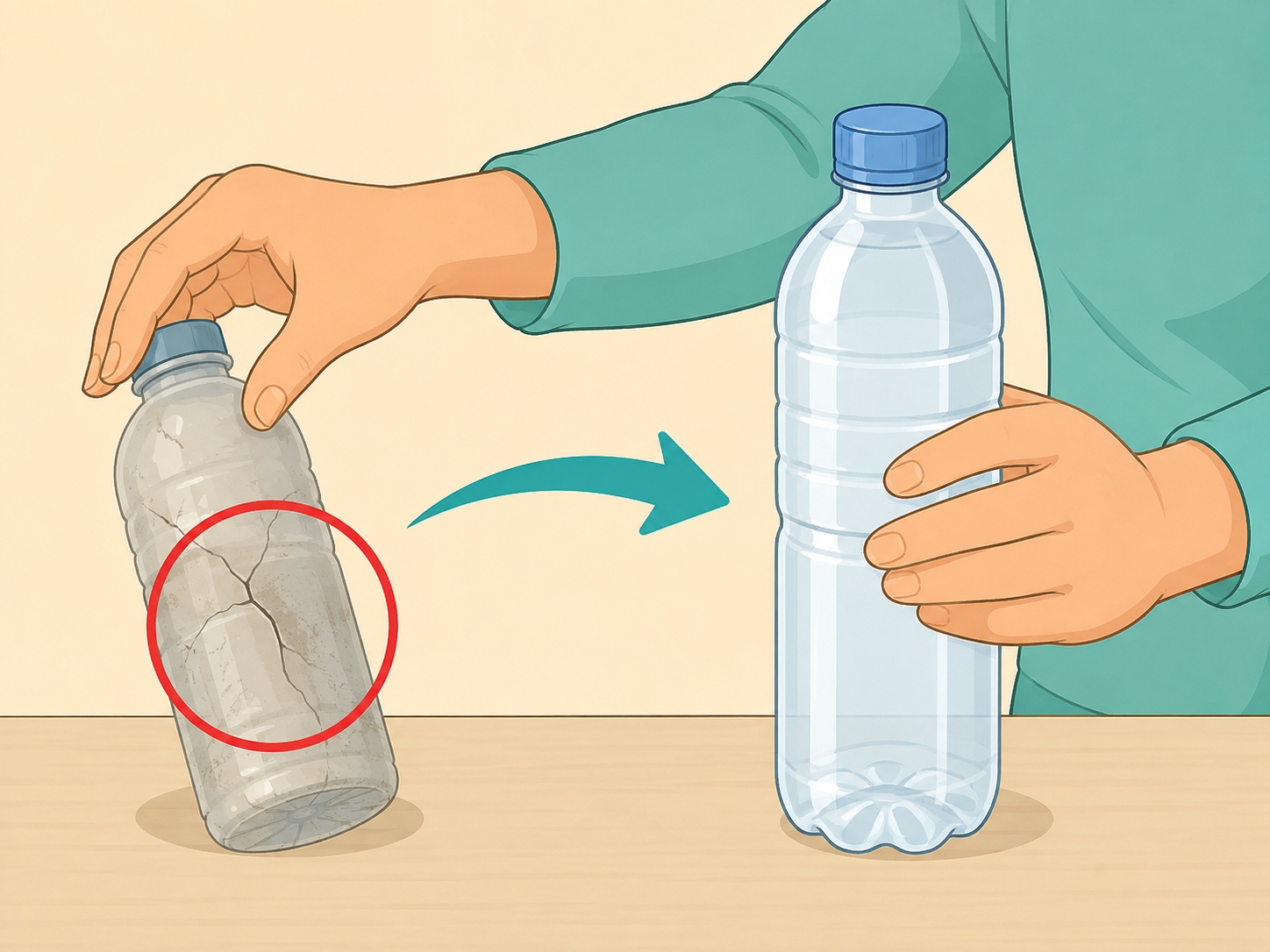
Throw out containers that are cracked, warped, badly scratched, cloudy, slimy, or holding odors after washing. Damage can make a container harder to clean and may mean it is no longer suitable for storing drinking water. Choose a replacement with a tight lid and an opening that is easy to clean without putting hands inside the water.
Watch for liver symptoms without self-diagnosing
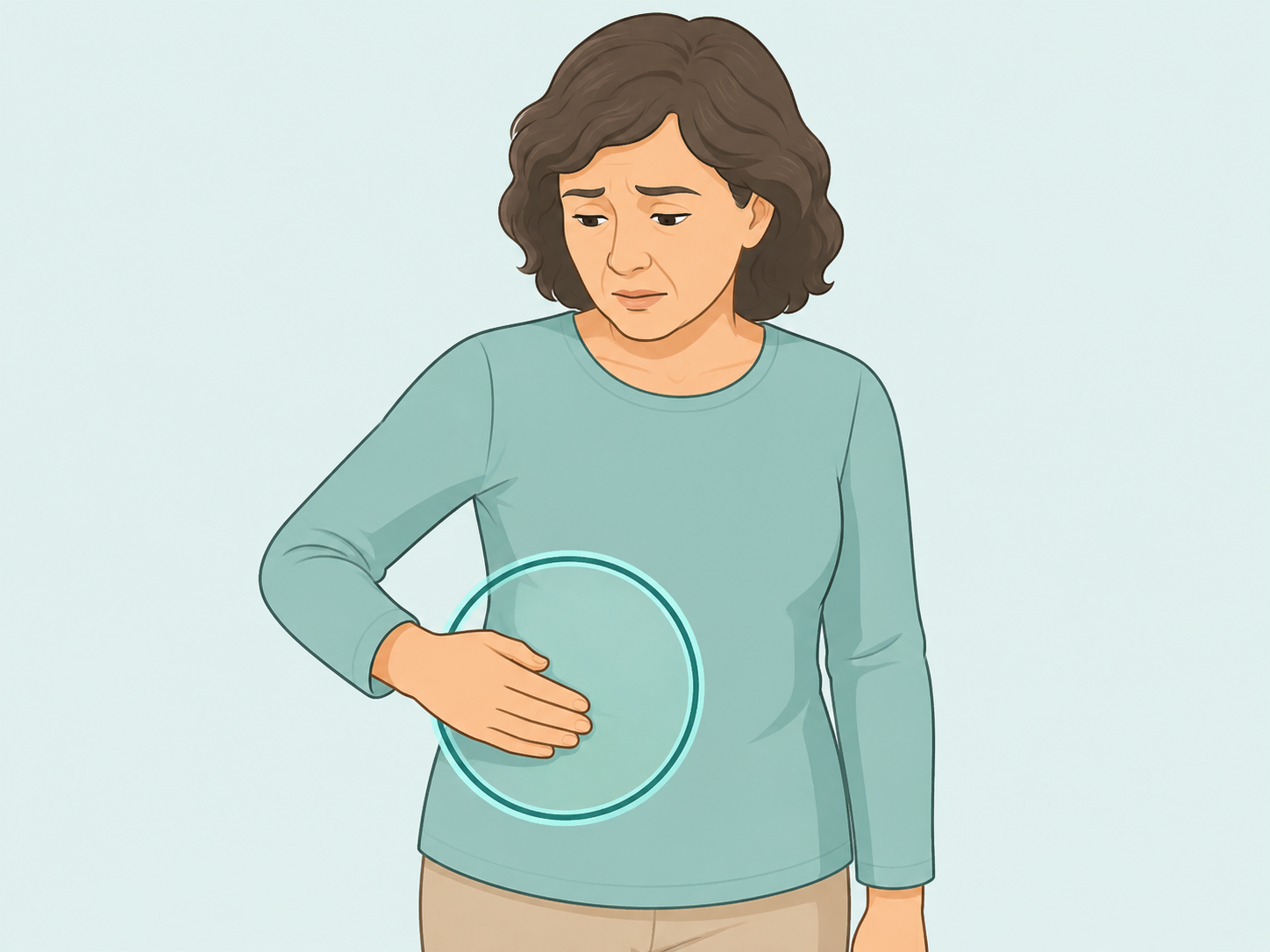
Liver cancer often has no obvious early symptoms, so symptoms alone cannot confirm or rule it out. Possible warning signs include unexplained weight loss, loss of appetite, upper abdominal pain, nausea, vomiting, weakness, abdominal swelling, yellowing skin or eyes, and pale stools, according to Mayo Clinic. Many other conditions can cause similar symptoms, so a clinician needs to evaluate them.
Talk to a doctor about symptoms or risk factors
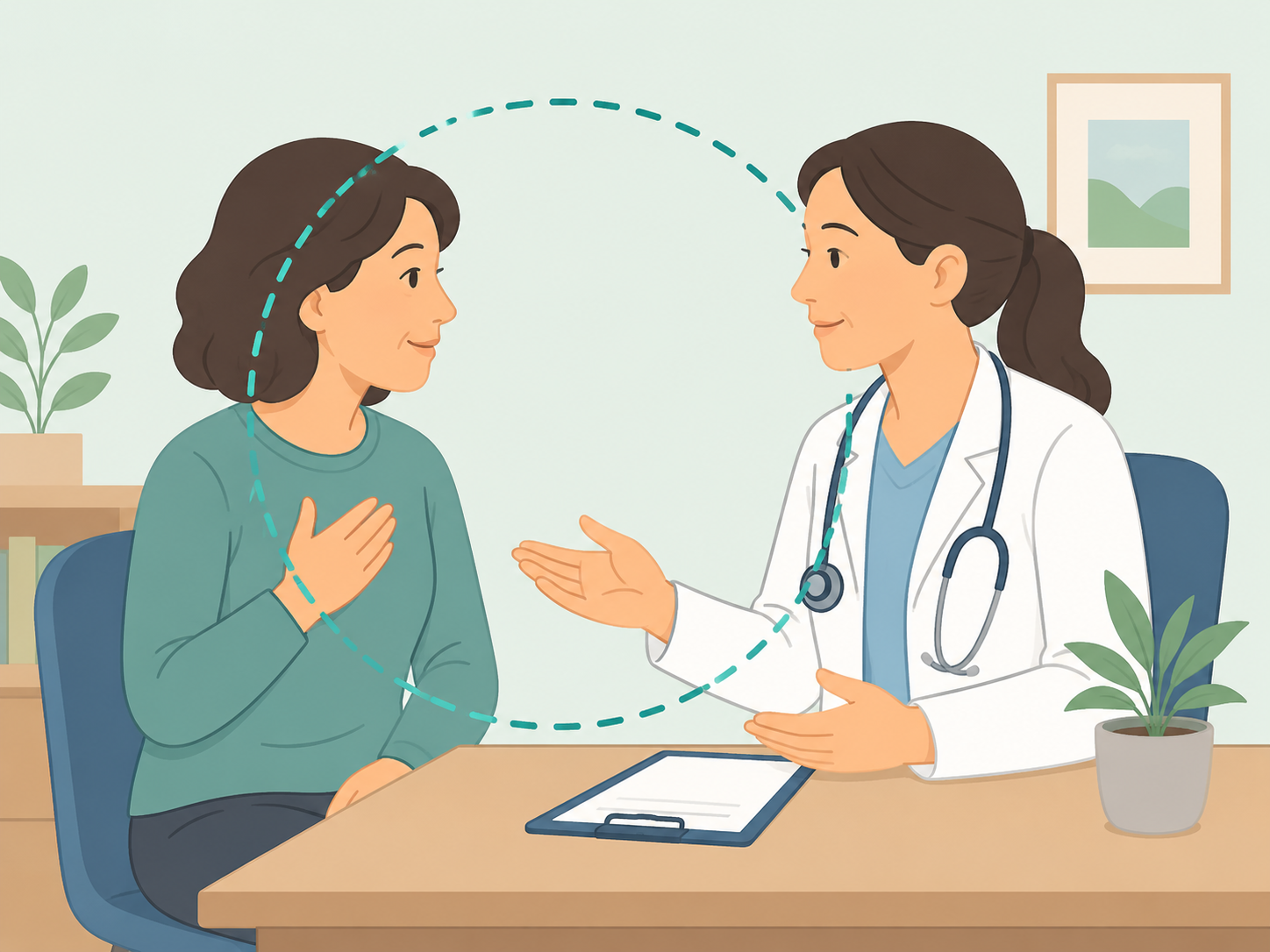
Make an appointment if you have ongoing upper-right abdominal pain, jaundice, unexplained weight loss, unusual swelling, easy bruising, or symptoms that do not improve. Also ask about liver health if you have hepatitis B or C, cirrhosis, heavy alcohol use, diabetes, obesity, fatty liver disease, or a family history that worries you. The CDC says people can lower liver cancer risk by getting hepatitis B vaccination, testing for hepatitis C, avoiding too much alcohol, not smoking, and maintaining a healthy weight.
Summary
The bottom line: use containers made for drinking water, clean and sanitize them regularly, keep them away from heat and chemicals, and do not rely on scary headlines to judge cancer risk. If you have liver symptoms or known risk factors, get medical advice promptly.
Frequently Asked Questions
- Can a plastic water bottle cause liver cancer?
No trusted health source says a single plastic water bottle directly causes liver cancer. Liver cancer risk is more strongly linked to factors such as hepatitis B or C, cirrhosis, heavy alcohol use, obesity, diabetes, smoking, and aflatoxin exposure.
- Which water container material is safest?
Use containers made for food or drinking water. CDC says safe water storage containers may be durable plastic, ceramic, or metal, and NIEHS suggests glass, porcelain, or stainless steel for people who want to reduce BPA exposure, especially with hot liquids.
- Should I throw away all plastic water bottles?
Not necessarily. FDA says current approved uses of BPA in food containers and packaging are safe, but you can choose BPA-free, glass, or stainless steel containers if you prefer to reduce plastic contact.
- How often should I clean a reusable water container?
Clean reusable bottles and storage containers regularly, and more often if they smell, look cloudy, feel slimy, or have been sitting with water for a long time. Follow the maker's instructions when available.
- Is it safe to store water in old chemical jugs?
No. CDC advises against using containers that previously held toxic chemicals such as bleach, pesticides, or petroleum products because residues can contaminate the water.
- What symptoms should make me ask about liver problems?
Talk to a doctor if you have unexplained weight loss, yellowing skin or eyes, upper-right abdominal pain, abdominal swelling, unusual tiredness, easy bruising, nausea, vomiting, or appetite loss.
References
Reliable references aided in composing and refining this content.
- https://www.cdc.gov/global-water-sanitation-hygiene/about/about-safe-water-storage.html
- https://www.fda.gov/food/food-packaging-other-substances-come-contact-food-information-consumers/questions-answers-bisphenol-bpa-use-food-contact-applications
- https://www.niehs.nih.gov/health/topics/agents/sya-bpa
- https://www.cdc.gov/liver-cancer/about
- https://www.cancer.gov/types/liver/what-is-liver-cancer/causes-risk-factors
- https://www.mayoclinic.org/diseases-conditions/liver-cancer/symptoms-causes/syc-20353659