
 Pin it
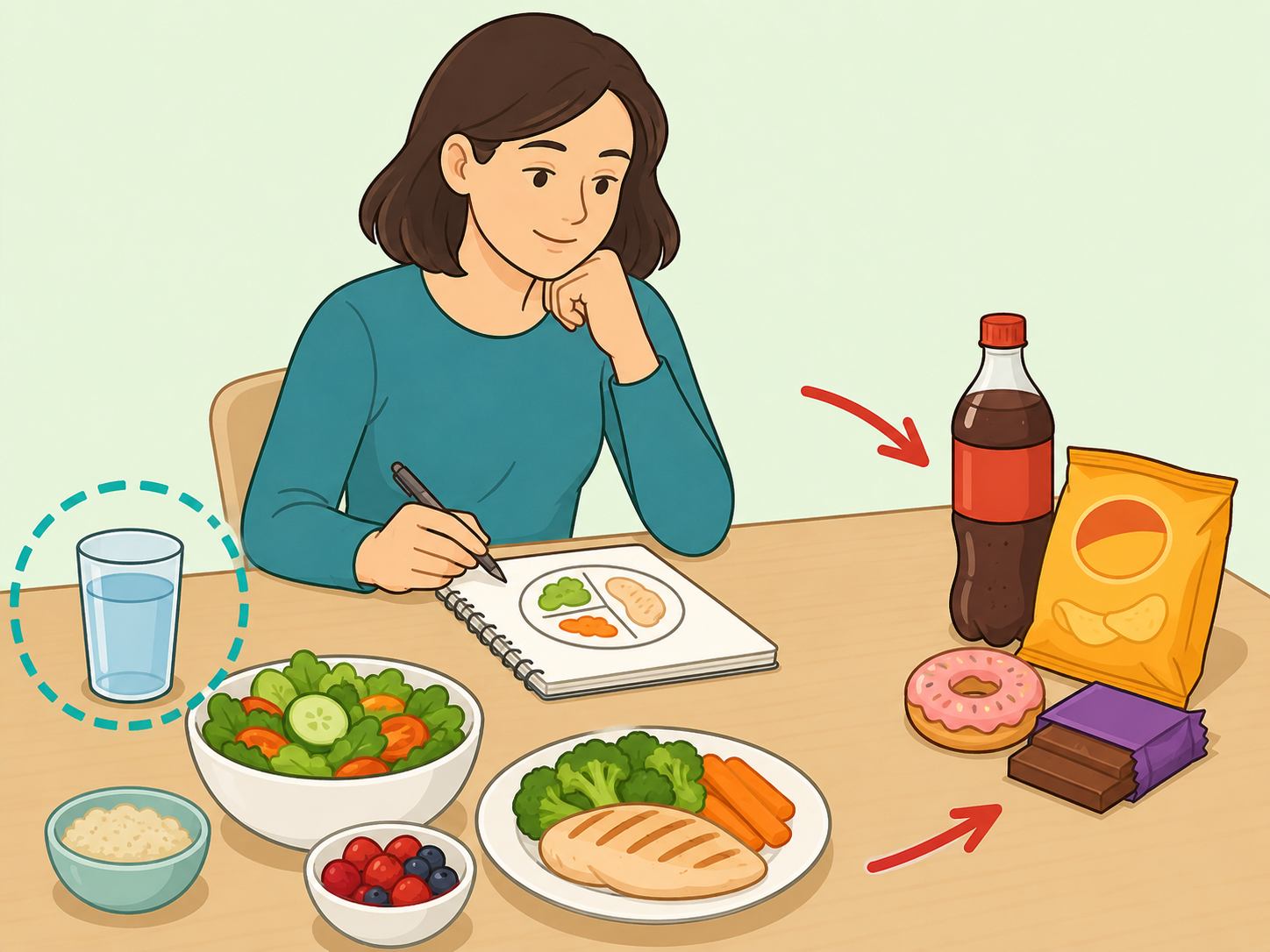
No single food can make your stomach flat, and belly size depends on calories, activity, age, genetics, digestion, and health conditions. This guide focuses on common foods and drinks that may contribute to bloating, extra calories, or water retention. Use it to notice patterns and build steadier habits, not as a crash diet.
Replace sugary drinks first
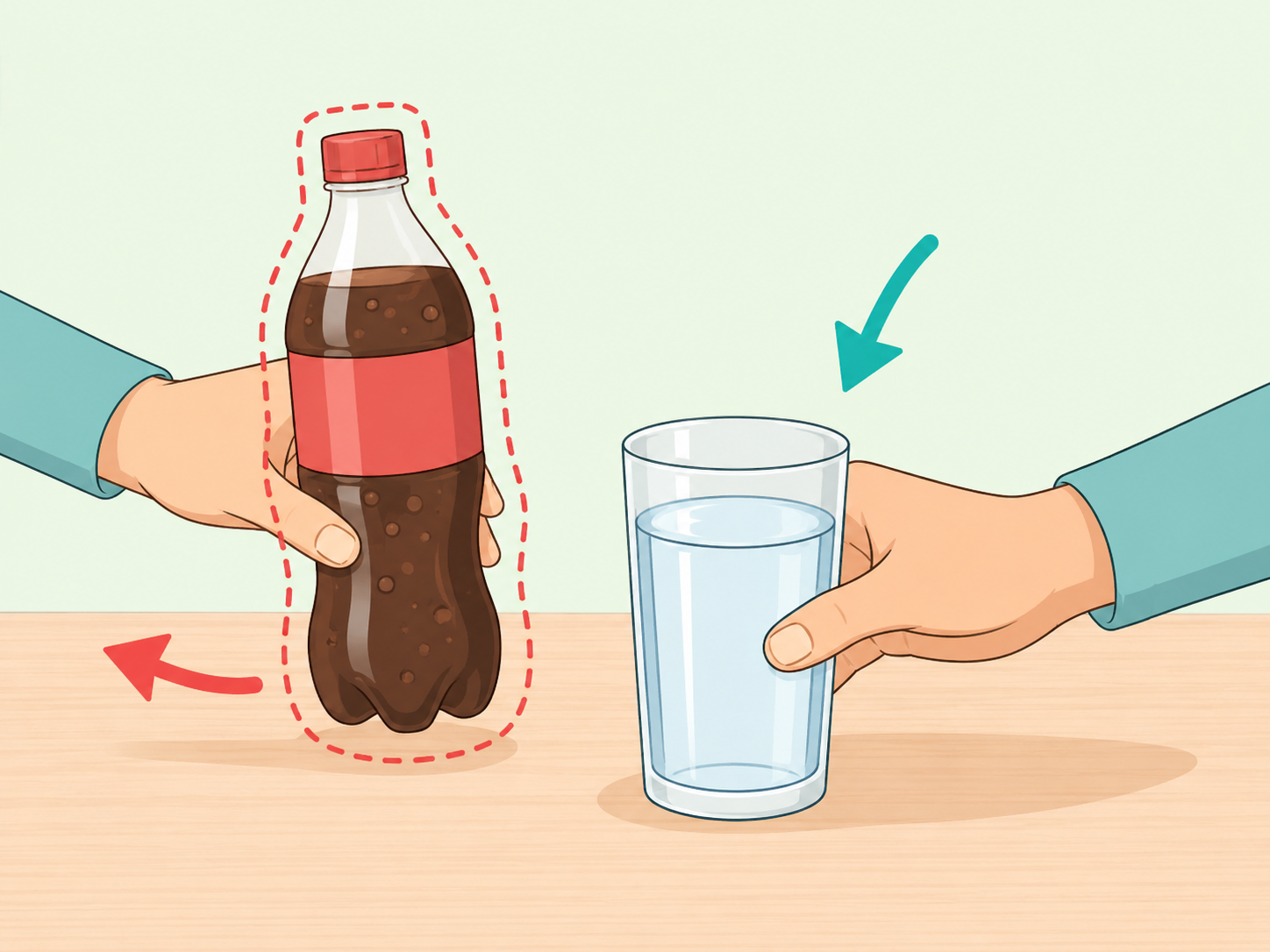
Start with regular soda, sweet tea, energy drinks, sweet coffee drinks, and fruit drinks because they can add a lot of sugar quickly. The American Heart Association notes that added sugars provide calories with little nutritional benefit, and Mayo Clinic recommends replacing sugary drinks with water or unsweetened beverages when working on belly fat. Choose water, unsweetened tea, or sparkling water if bubbles do not bother you.
Skip fizzy drinks and beer when you feel bloated
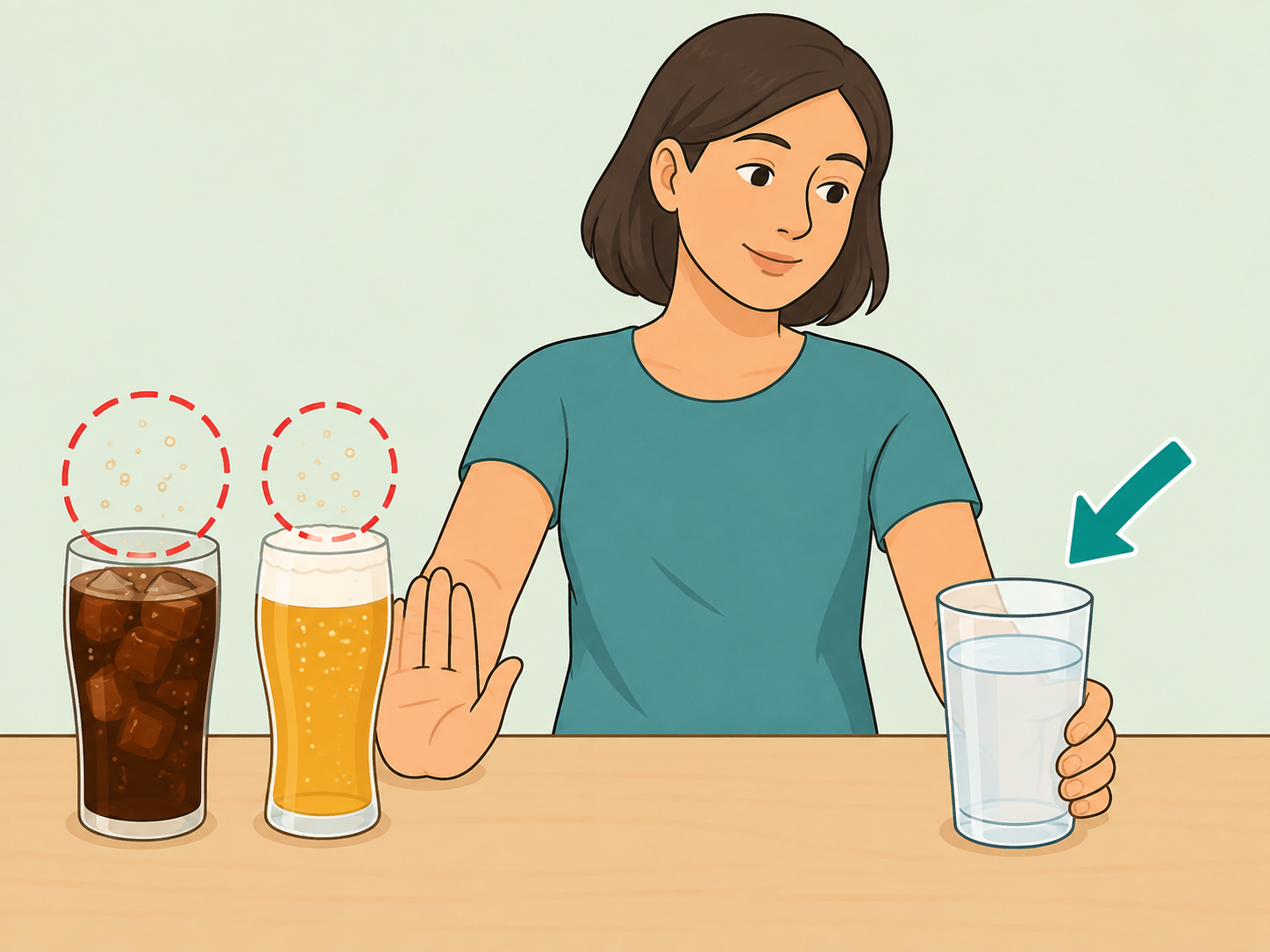
Carbonated drinks can make your stomach feel tighter because swallowed air and fizz can add to gas symptoms. The NIDDK lists fizzy drinks among habits doctors may suggest limiting for gas, and the NHS also advises cutting down on fizzy drinks and alcohol for bloating. If you drink beer, notice whether the combination of carbonation and alcohol triggers symptoms.
Keep fried foods for occasional meals
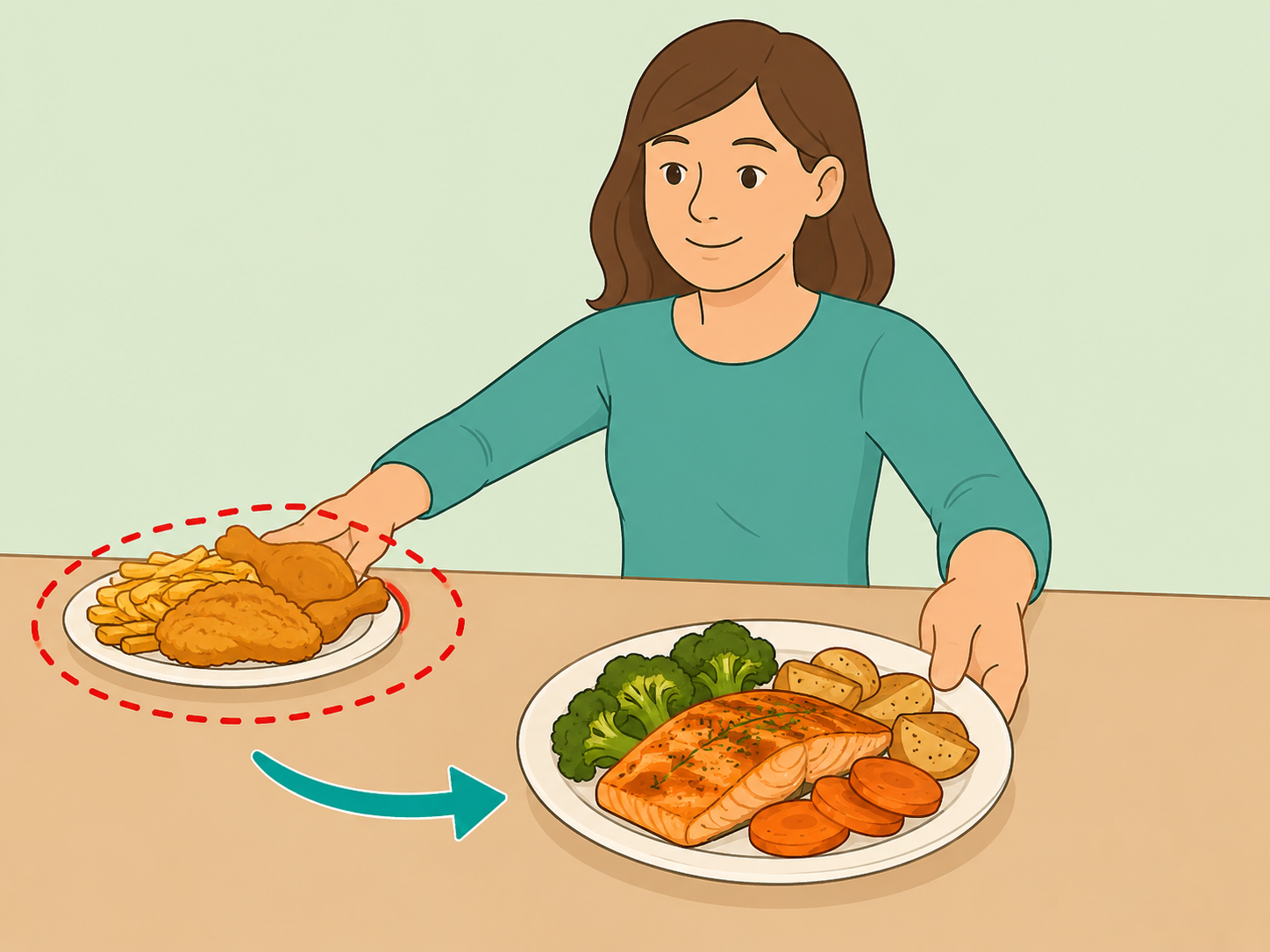
Fried foods, greasy fast food, and very rich meals can leave you feeling full and bloated for longer. The NIDDK explains that high-fat foods may increase bloating for some people. Choose grilled, baked, steamed, or sauteed meals more often, and keep portions smaller when you do eat fried food.
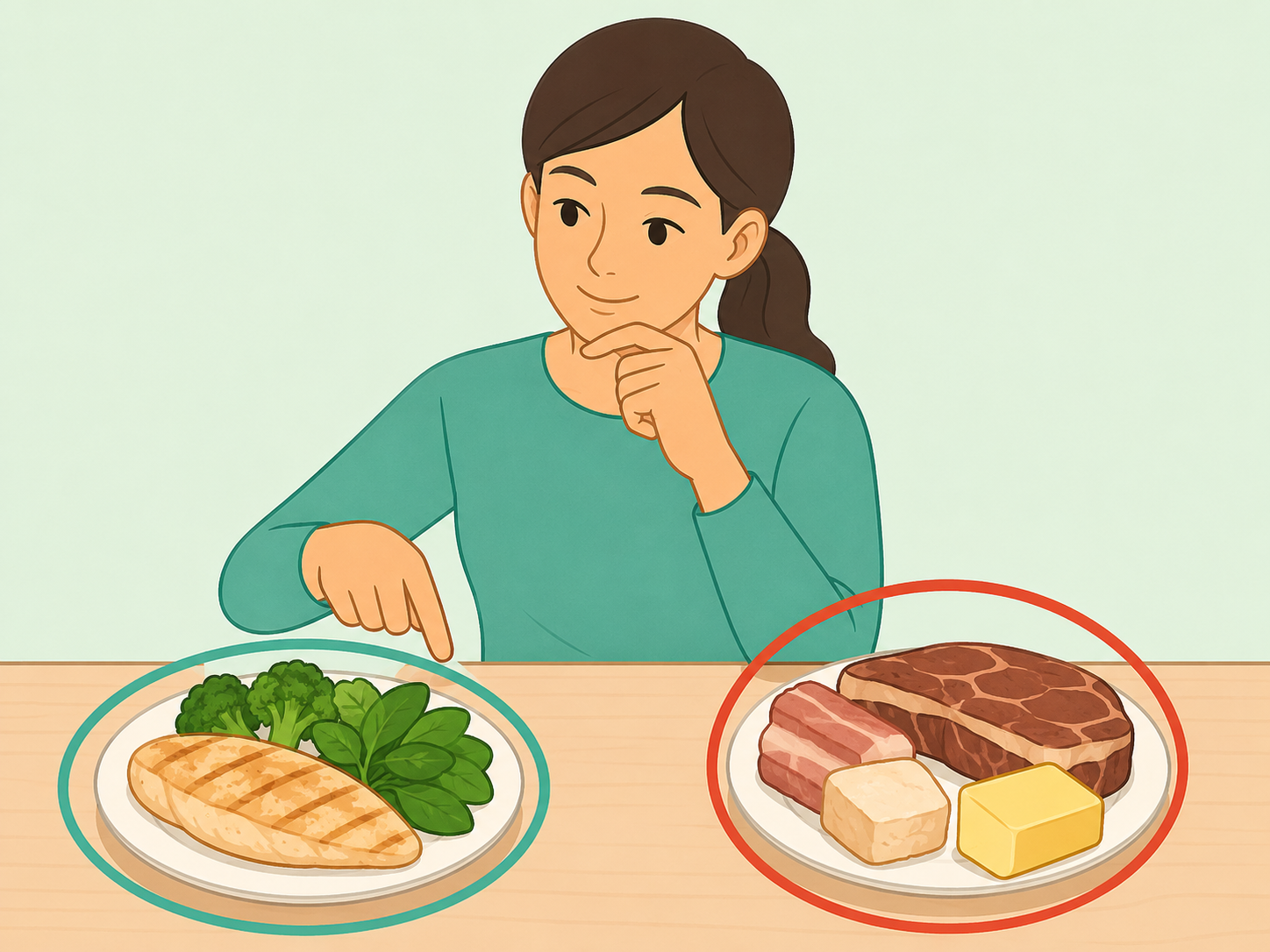
Limit fatty meats and full-fat dairy portions
Fatty cuts of meat, processed meats, butter, and high-fat dairy can make it harder to keep an overall heart-healthy eating pattern. Mayo Clinic suggests limiting processed meats and saturated fat while choosing lean protein and plant-based foods. Try fish, poultry, beans you tolerate, low-fat dairy, or smaller portions of richer foods.
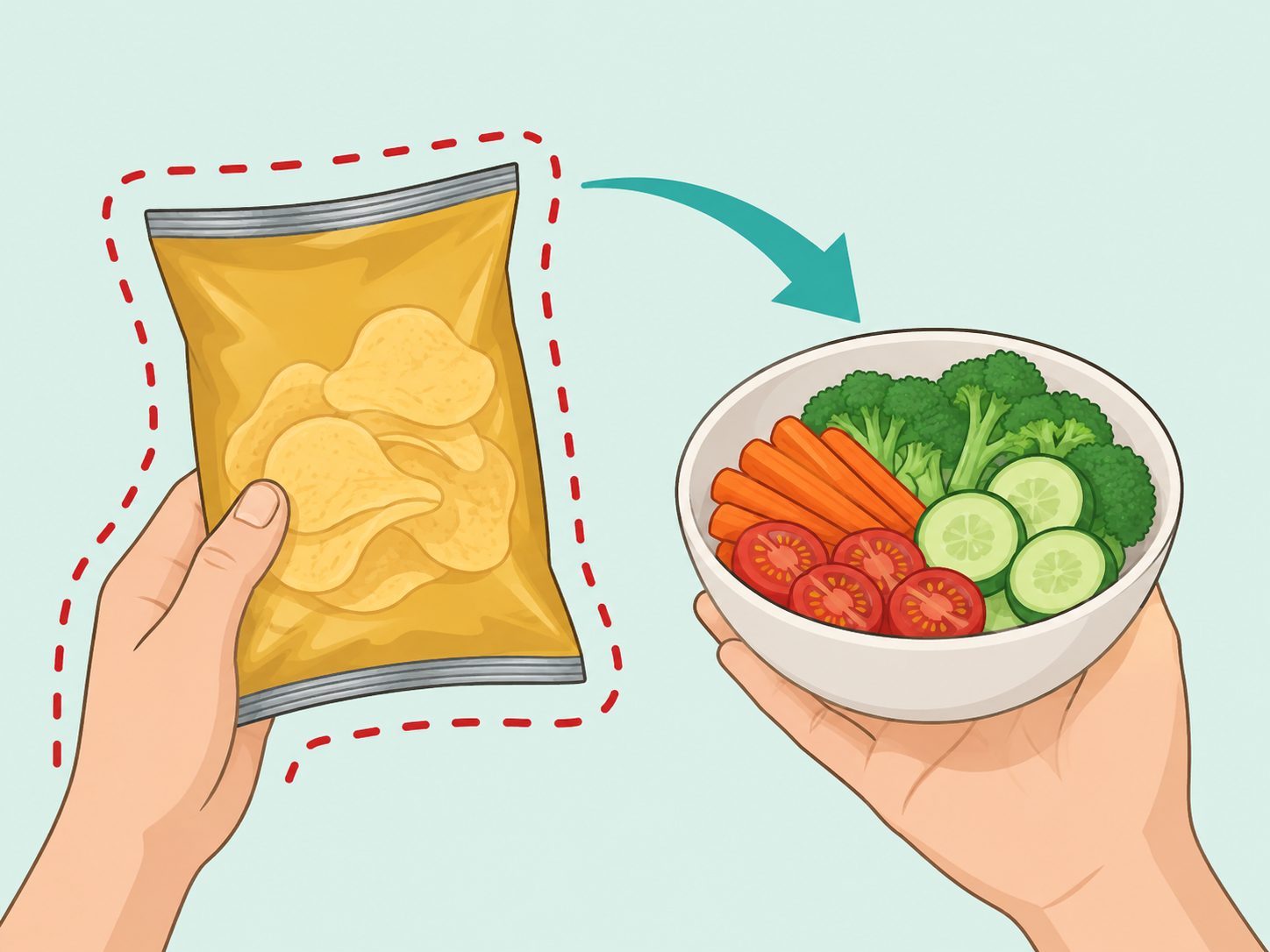
Watch salty packaged meals and snacks
Frozen meals, chips, packaged snacks, instant noodles, and deli-style foods can be high in sodium and are often easy to overeat. Cleveland Clinic notes that processed foods may be high in salt and fat, and salt can contribute to water retention. The American Heart Association recommends choosing foods lower in sodium, added sugars, and saturated fat.
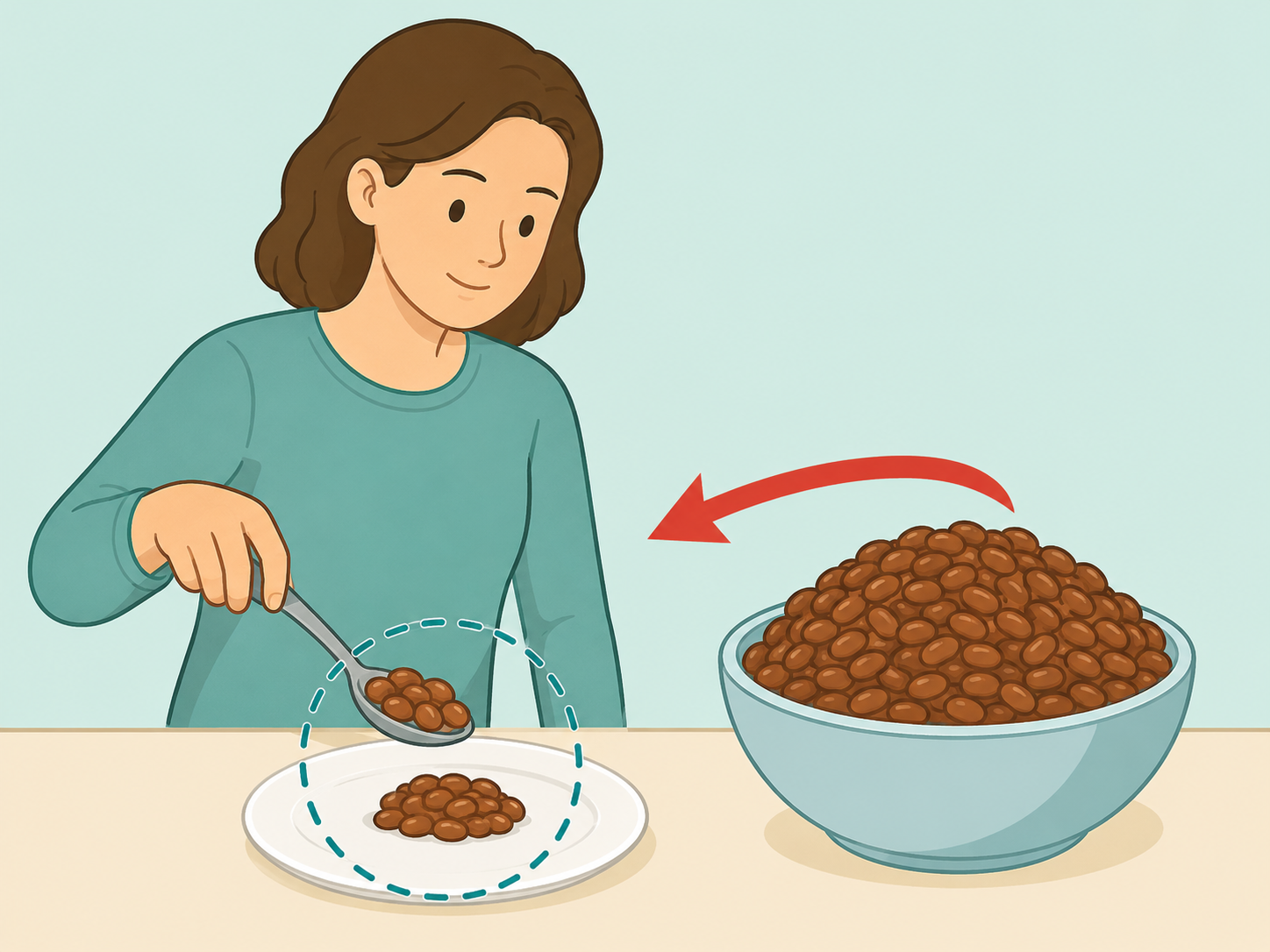
Test beans, peas, and lentils in smaller portions
Beans, peas, and lentils are nutritious, but they can cause gas for some people because certain carbohydrates reach the large intestine and are fermented by gut bacteria. The NIDDK includes legumes among foods that may lead to excess gas. Try smaller servings, rinse canned beans well, and track whether symptoms improve.
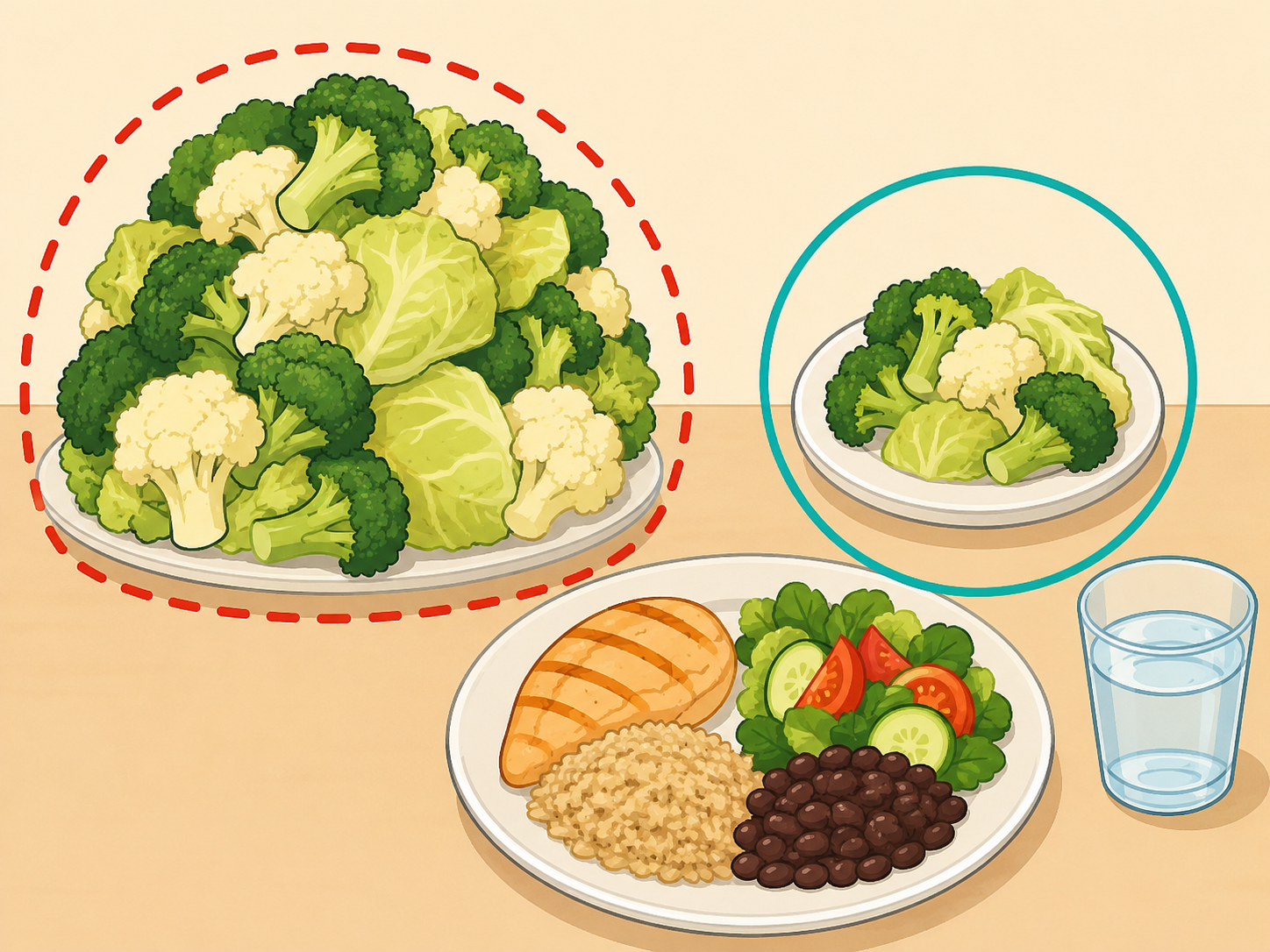
Go easy on cruciferous vegetables when they trigger gas
Broccoli, cauliflower, cabbage, kale, collards, and Brussels sprouts can bother some people, especially in large portions. The NIDDK names cruciferous vegetables as possible gas triggers, and the NHS advises limiting foods that are known to cause gas if they affect you. Cook them well and reduce portions rather than cutting out vegetables completely.
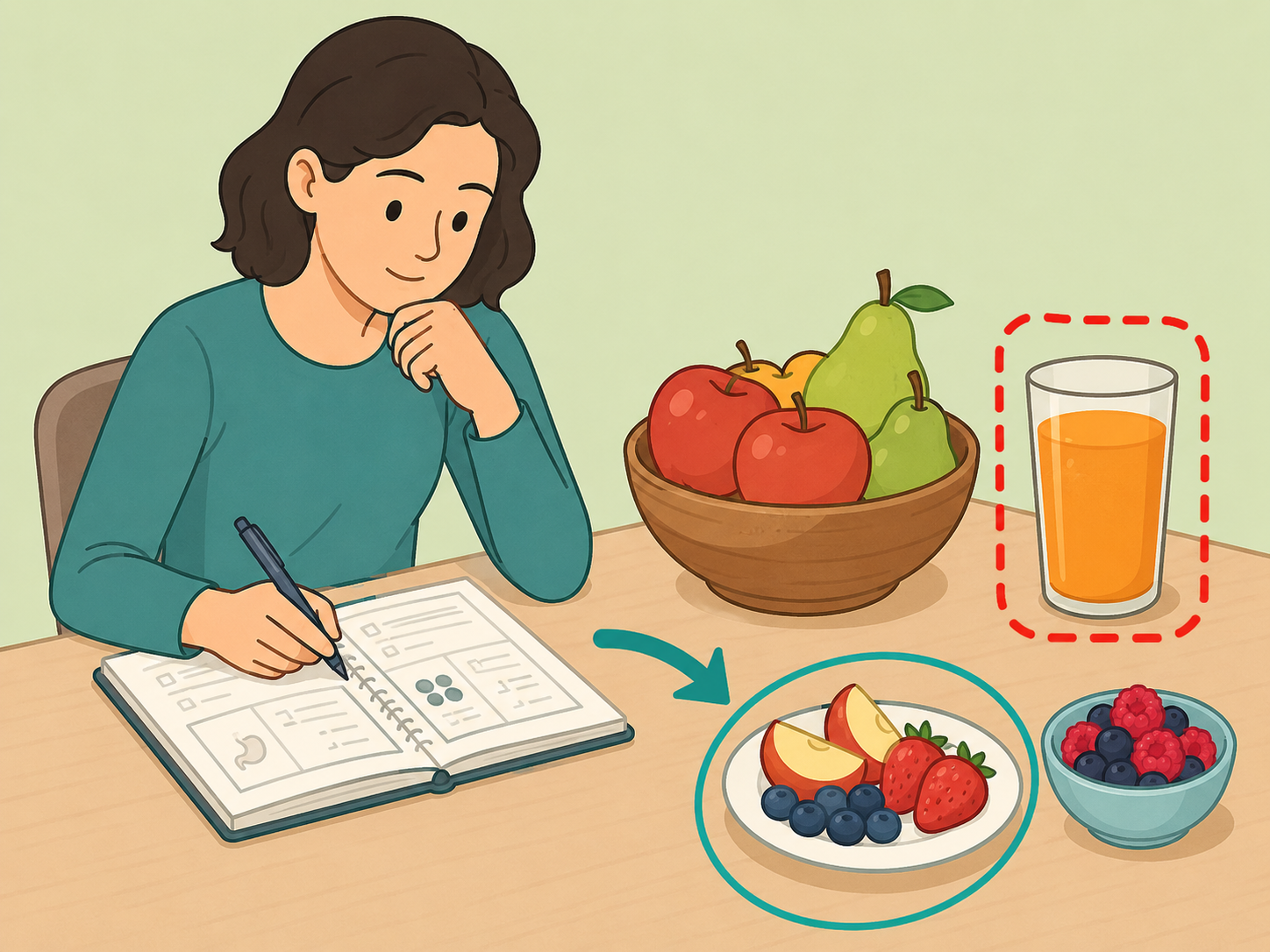
Notice apples, pears, fruit juice, and high-fructose drinks
Fruit is part of a healthy diet, but apples, pears, peaches, fruit juices, and high-fructose drinks can trigger gas symptoms in some people. The NIDDK lists certain fruits, fruit juices, and high-fructose corn syrup drinks as possible contributors to excess gas. If these foods bother you, try smaller portions or choose fruits you tolerate better.
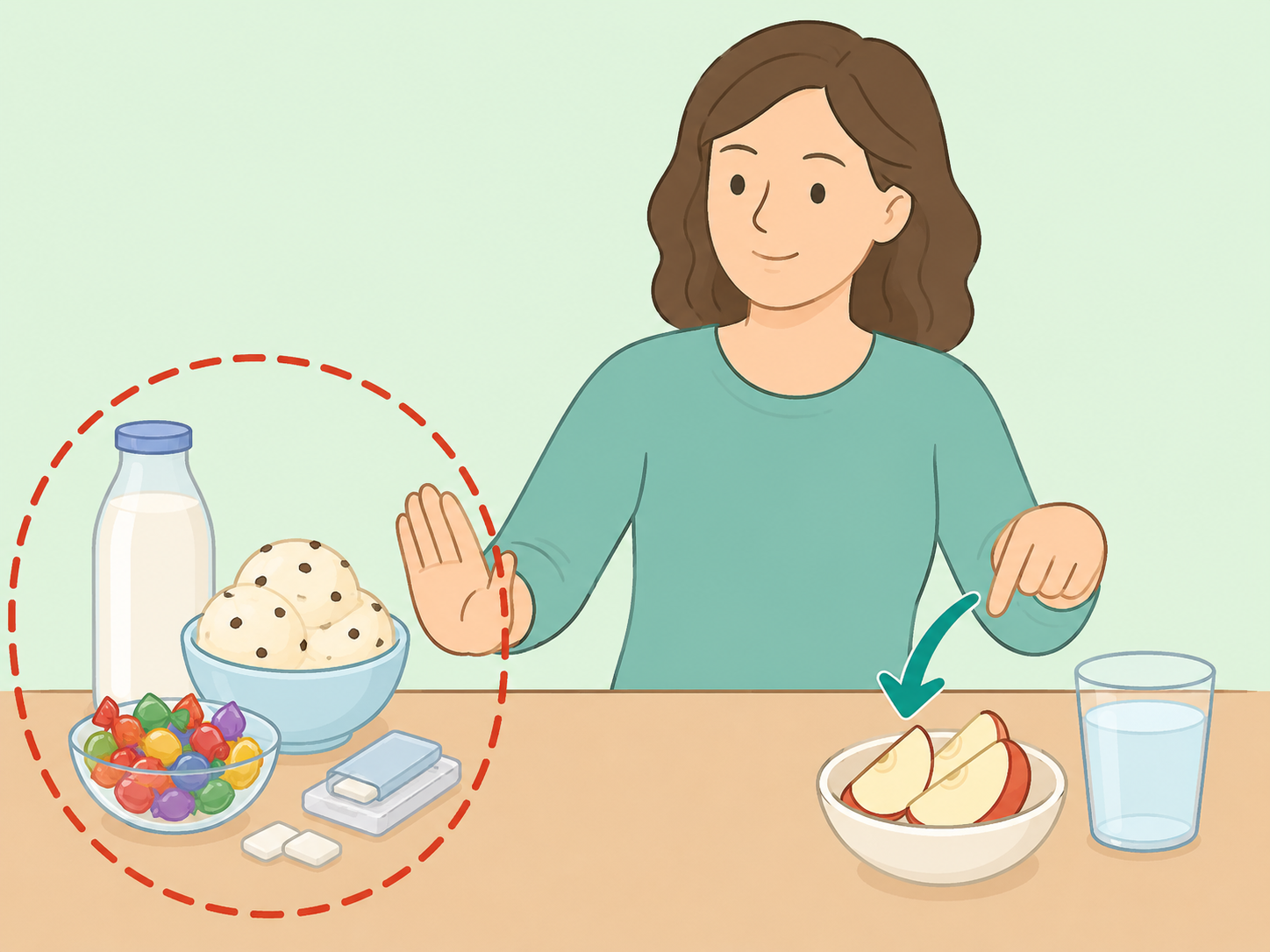
Check milk products and sugar alcohols
Milk, ice cream, yogurt, sugar-free candy, gum, and products sweetened with sorbitol, mannitol, xylitol, erythritol, or maltitol can cause bloating or gas for some people. The NIDDK identifies dairy products and sweeteners ending in -ol as possible gas triggers. If dairy bothers you, do not self-diagnose; track symptoms and ask a healthcare professional about lactose intolerance or other causes.
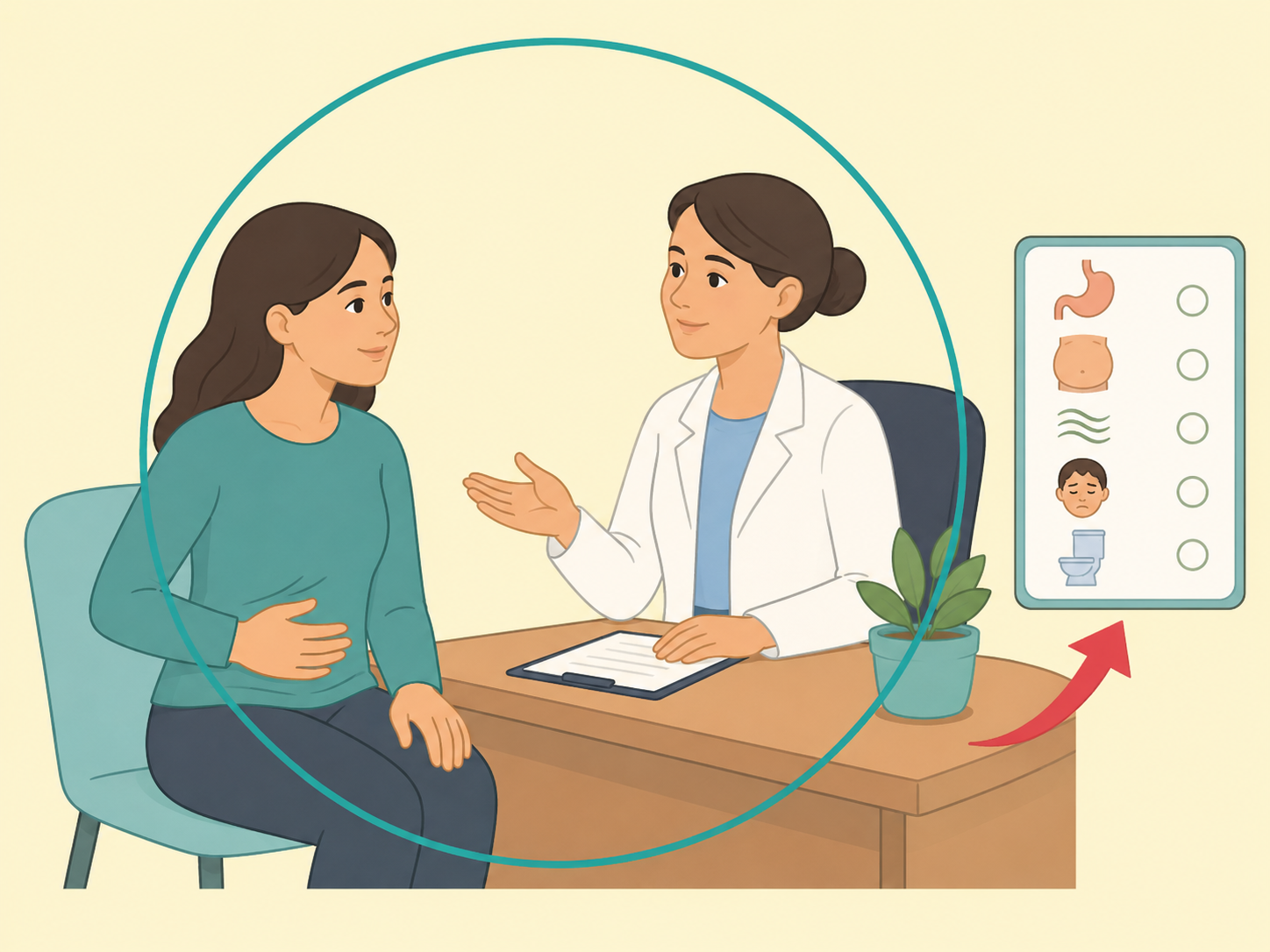
See a doctor if bloating is frequent, sudden, or severe
Food changes are not enough if bloating is persistent, very painful, sudden, or paired with other symptoms. The NHS says to seek medical advice for regular bloating, bloating that does not go away, unexplained weight loss, blood in stool, vomiting, fever, severe sudden pain, or trouble passing urine, stool, or gas. The NIDDK also recommends talking with a doctor if gas symptoms bother you, change suddenly, or come with pain, constipation, diarrhea, or weight loss.
Summary
The bottom line: a flatter-feeling stomach usually comes from consistent habits, not one forbidden food. Limit drinks and foods that commonly add sugar, salt, fat, gas, or personal intolerance symptoms, and get medical help if bloating is persistent, painful, sudden, or paired with other symptoms.
Frequently Asked Questions
- Can avoiding certain foods give me a flat stomach?
No. Food choices can reduce bloating for some people and support healthy weight habits, but no food list can spot-reduce belly fat or guarantee a flat stomach.
- Should I cut out beans and vegetables if they make me bloated?
Not automatically. Beans, lentils, broccoli, cabbage, and similar foods can cause gas in some people, but they also provide useful nutrients and fiber. Try smaller portions or track symptoms before removing healthy foods long term.
- Are sugary drinks worse than sugary foods for belly goals?
Sugary drinks are easy to overconsume because they add calories without much fullness. Replacing soda, sweet tea, energy drinks, and sweet coffee drinks with water or unsweetened drinks is a practical first step.
- Why does my stomach look flatter in the morning and bigger at night?
Many people feel less bloated after sleep and more bloated after meals, fizzy drinks, salty foods, or constipation during the day. Patterns matter more than one measurement or mirror check.
- Do I need a low-FODMAP diet for bloating?
Not unless a healthcare professional recommends it. Low-FODMAP diets are usually short-term, structured trials for certain digestive conditions, and they are best done with guidance from a doctor or registered dietitian.
- When is bloating a reason to call a doctor?
Get medical advice if bloating is frequent, does not go away, changes suddenly, is very painful, or comes with weight loss, vomiting, fever, blood in stool, diarrhea, constipation, weakness, or trouble passing urine, stool, or gas.
References
Reliable references aided in composing and refining this content.
- https://www.mayoclinic.org/healthy-lifestyle/womens-health/in-depth/belly-fat/art-20045809
- https://www.niddk.nih.gov/health-information/digestive-diseases/gas-digestive-tract/eating-diet-nutrition
- https://www.niddk.nih.gov/health-information/digestive-diseases/gas-digestive-tract/symptoms-causes
- https://www.nhs.uk/symptoms/bloating
- https://my.clevelandclinic.org/health/symptoms/21740-bloated-stomach
- https://www.heart.org/en/healthy-living/healthy-eating/eat-smart/sugar/added-sugars
- https://www.heart.org/en/healthy-living/healthy-eating/eat-smart/nutrition-basics/aha-diet-and-lifestyle-recommendations