
 Pin it
Eating a banana every night can be part of a balanced routine, but it does not cause one predictable result for everyone. A banana provides carbohydrates, fiber, potassium, vitamin B6, and magnesium, according to Cleveland Clinic's banana nutrition overview. This guide explains what may happen, what to watch for, and when to get professional advice.
Set realistic expectations
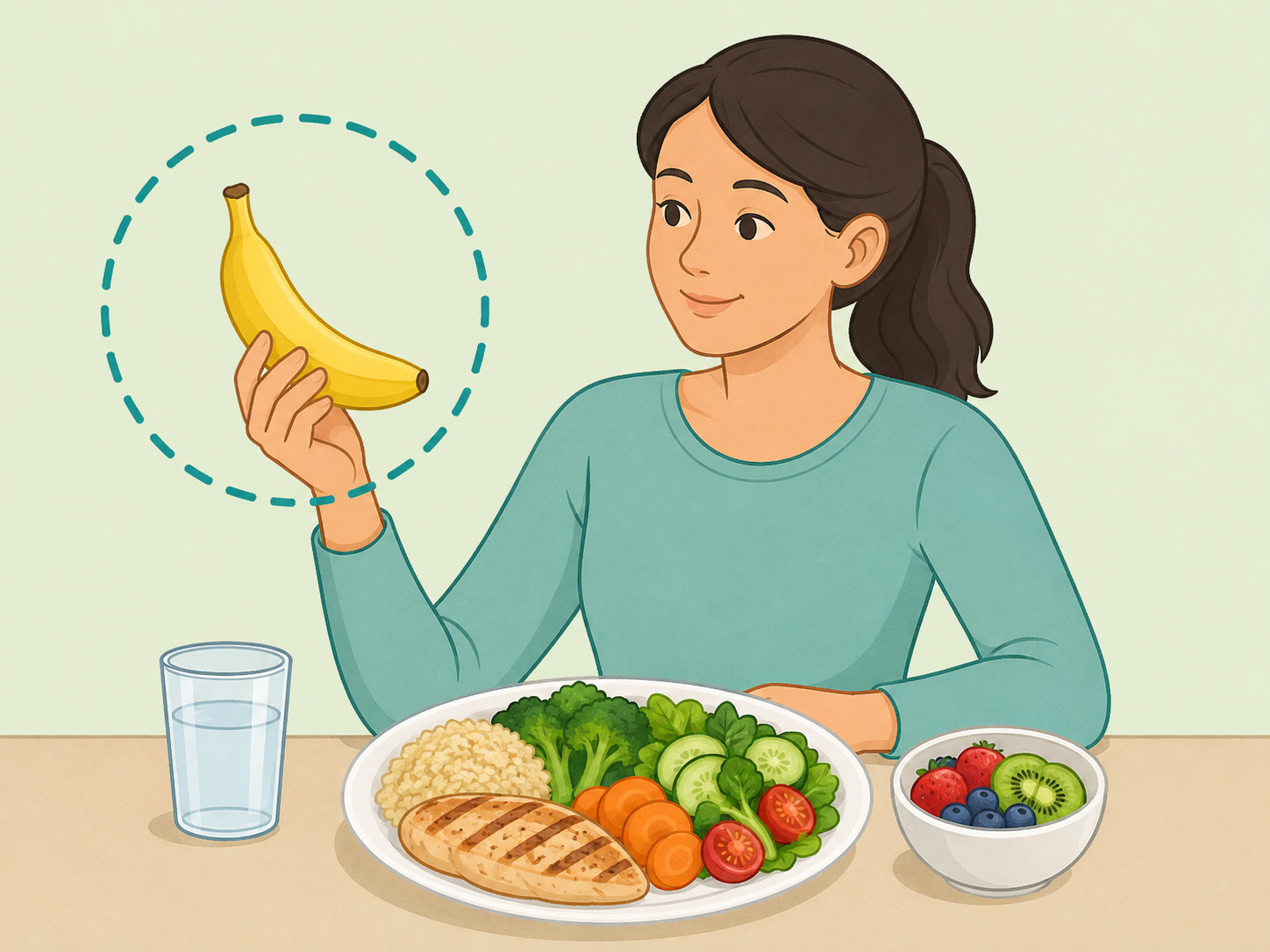
Eating a banana every night is more likely to add a convenient, nutrient-rich snack than to create dramatic changes. A medium banana has about 105 calories, 28 grams of carbohydrates, 3 grams of fiber, potassium, vitamin B6, and magnesium, according to Cleveland Clinic. Think of it as one food choice within your whole day, not a cure or a detox.
Count it as a carbohydrate-containing snack
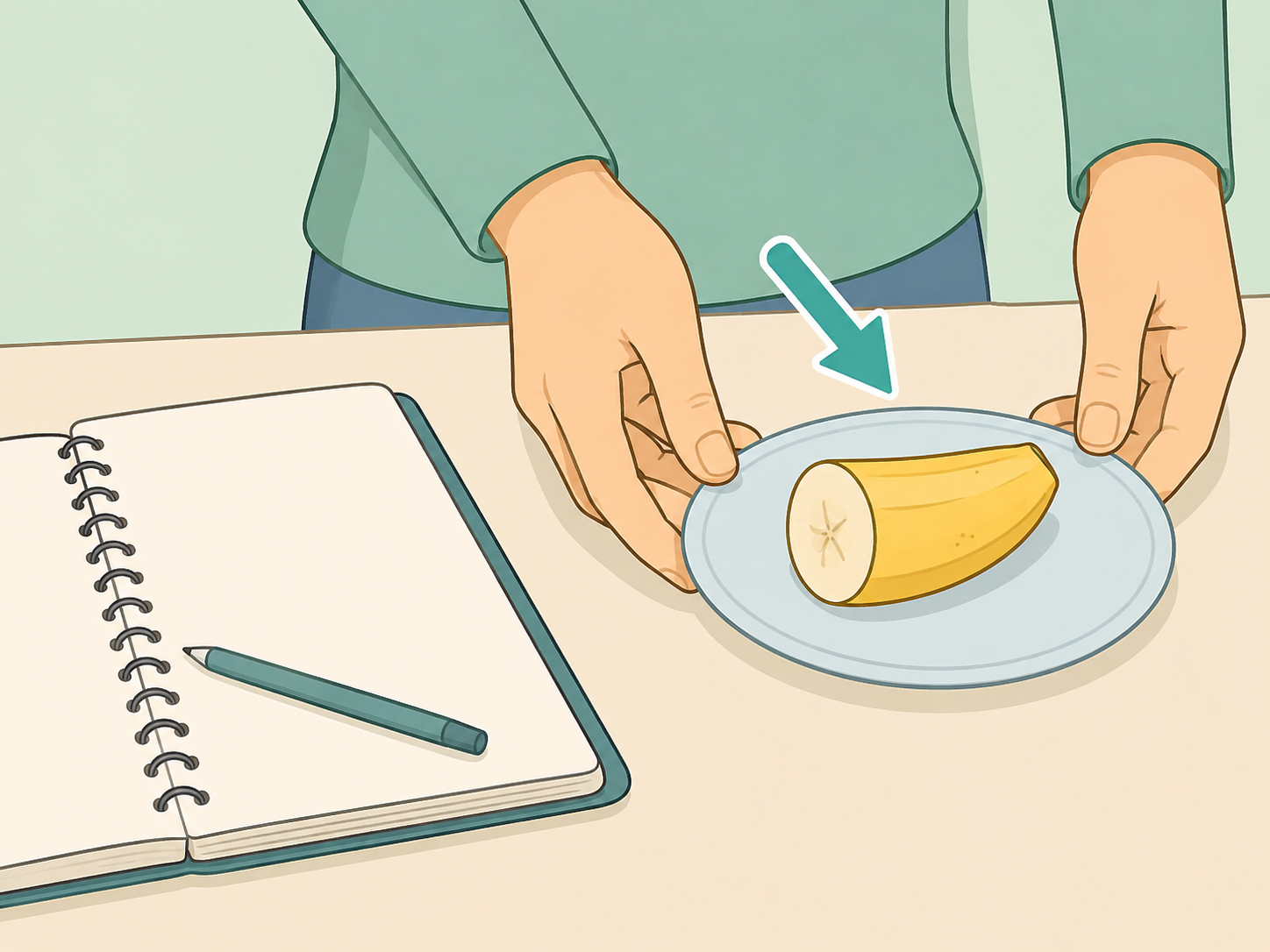
Bananas contain natural sugars and starches, so they matter if you track carbohydrates. The American Diabetes Association notes that fruit contains carbohydrate and should be counted as part of a meal plan. If a full banana feels like too much for your needs, choose a small banana or eat half.
Use it to replace less helpful bedtime sweets
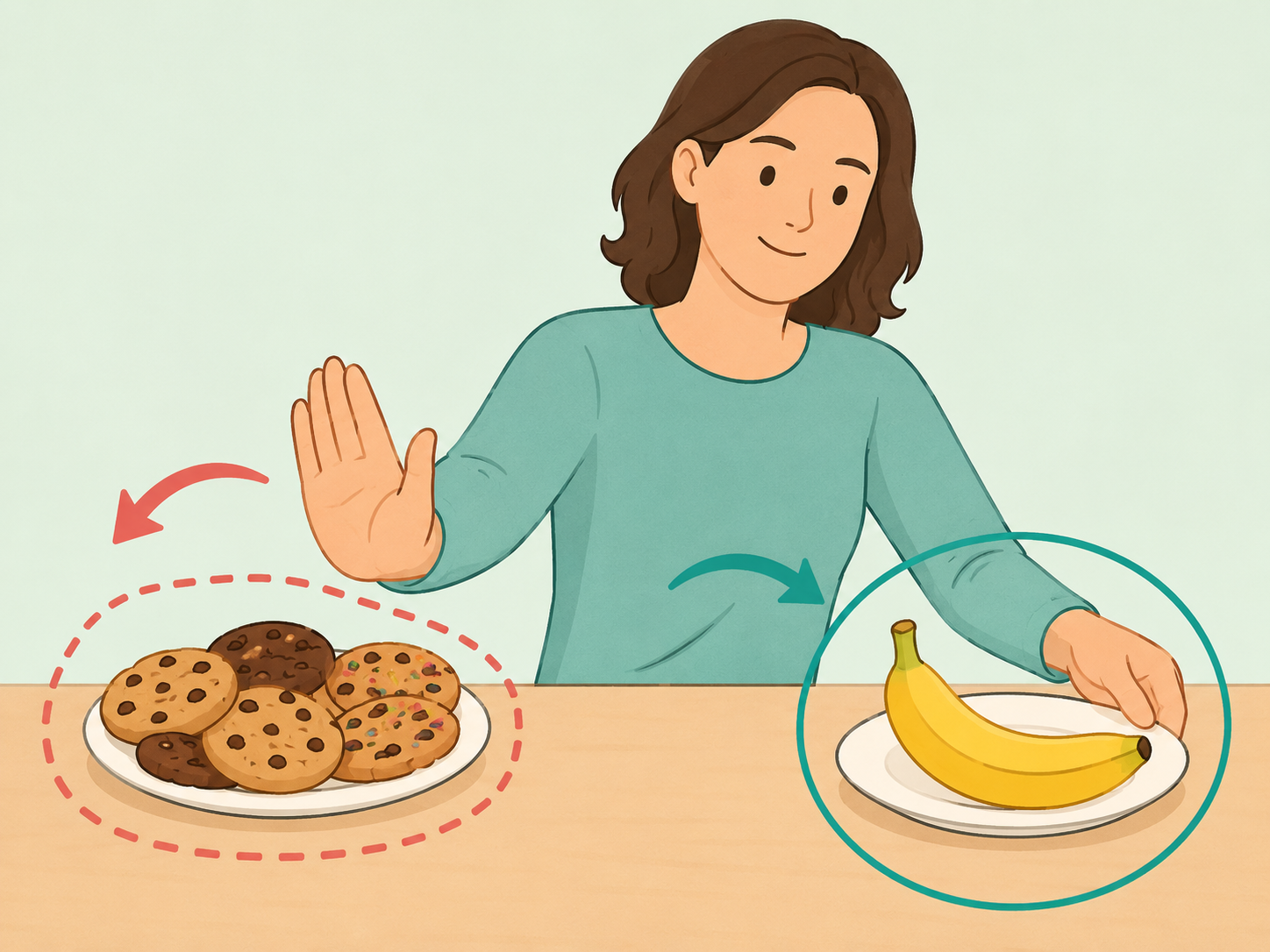
If you usually reach for candy, pastries, or sweet drinks at night, a banana can be a more nutritious swap. Whole fruit provides fiber, and Mayo Clinic explains that fiber can support bowel regularity and help you feel fuller. Keep the rest of the snack simple so it does not turn into a large late meal.
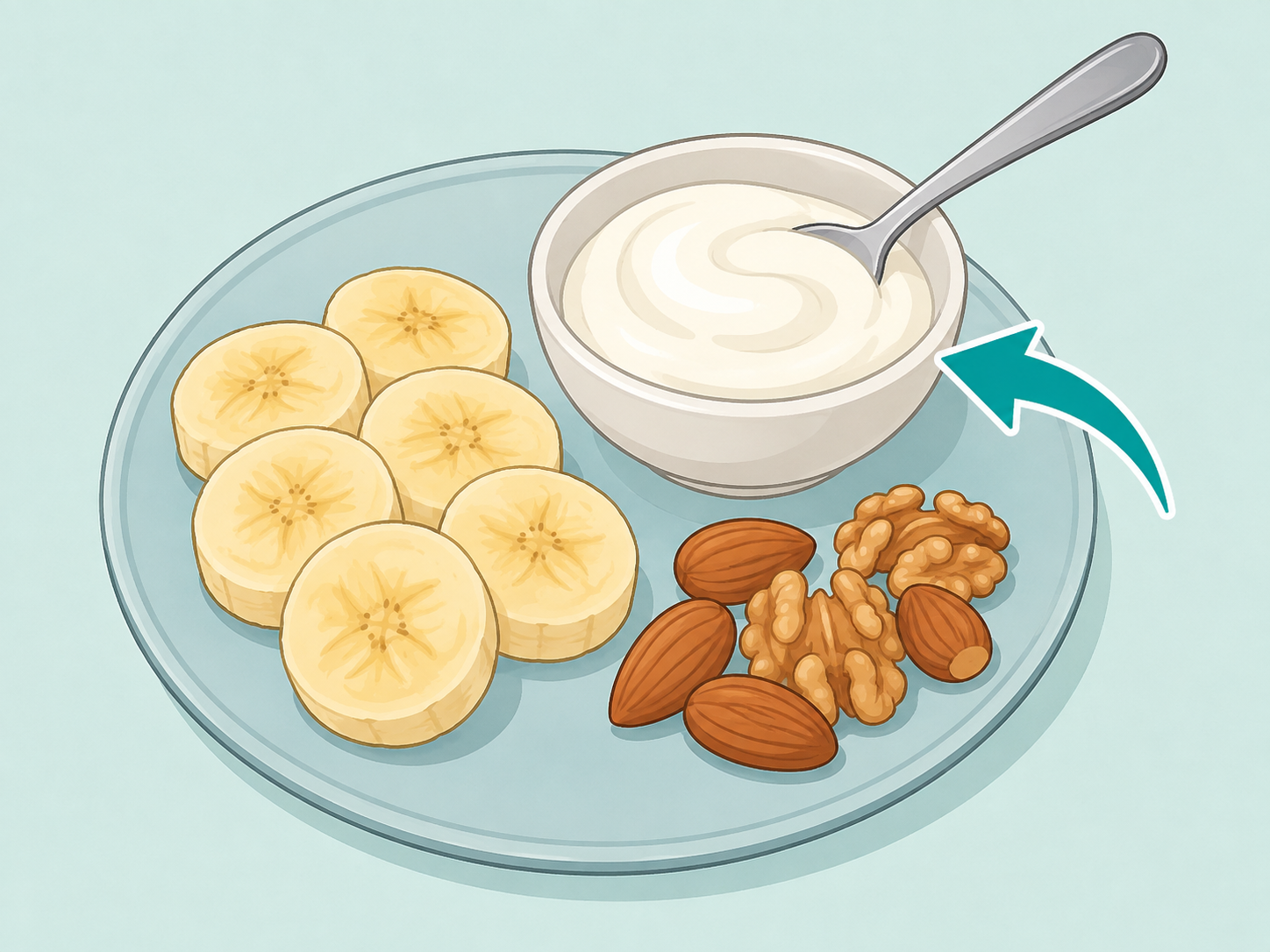
Pair it with protein or fat if you need steadier fullness
If a plain banana leaves you hungry or you are watching blood sugar swings, pair a smaller portion with plain yogurt, nuts, or nut butter. Cleveland Clinic notes that pairing bananas with a protein food can help with satisfaction and may soften the blood sugar rise from a ripe banana. Keep portions modest, especially late in the evening.
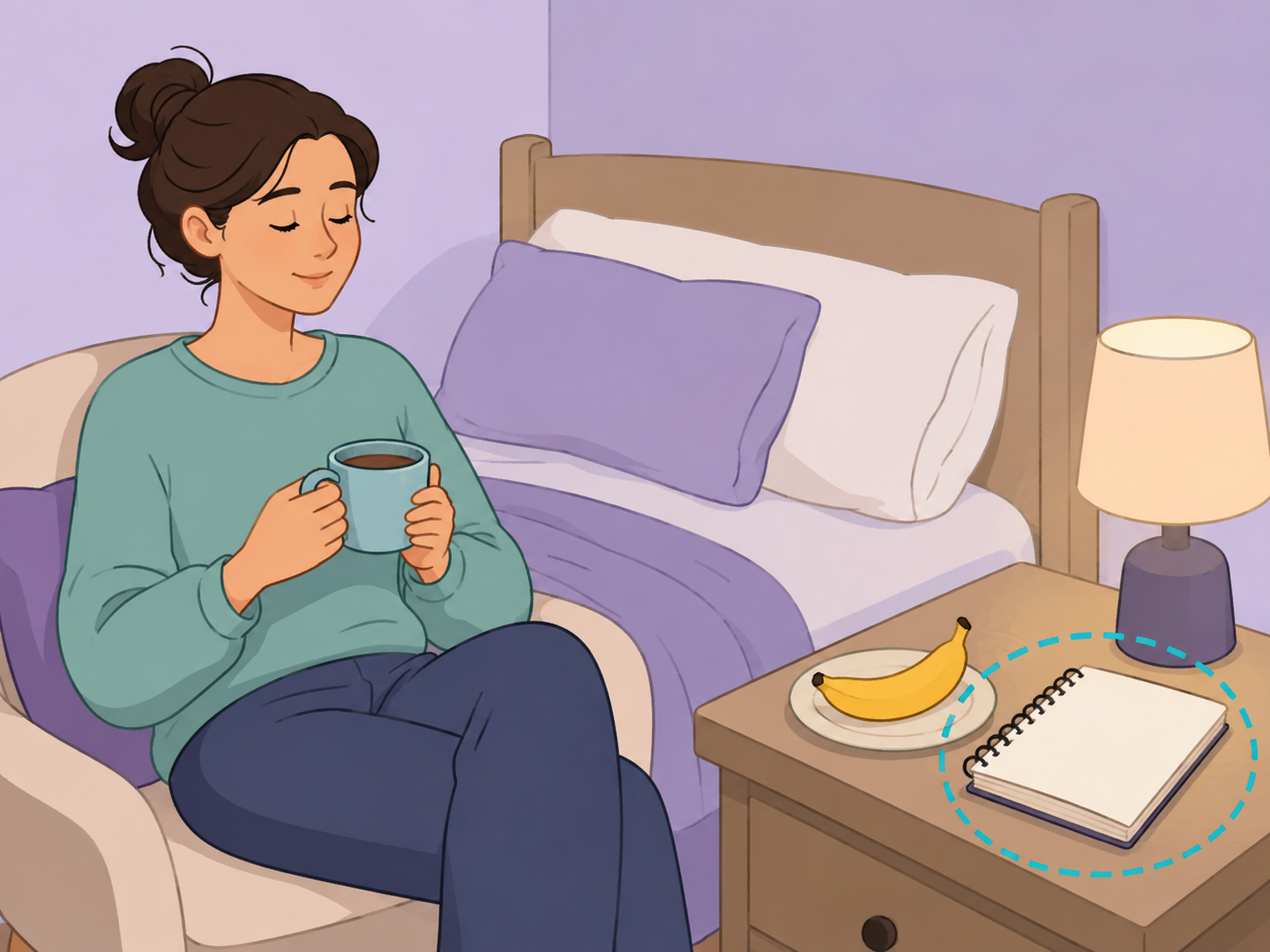
Treat sleep benefits as possible, not guaranteed
A banana before bed may feel calming because it is easy to digest and can prevent hunger, but it should not replace sleep care. One small PubMed-indexed study found improved subjective sleep scores after bedtime banana intake in adults with insomnia, but the study was small. The NCCIH cautions that evidence for many nonmedical sleep approaches is limited or inconsistent.
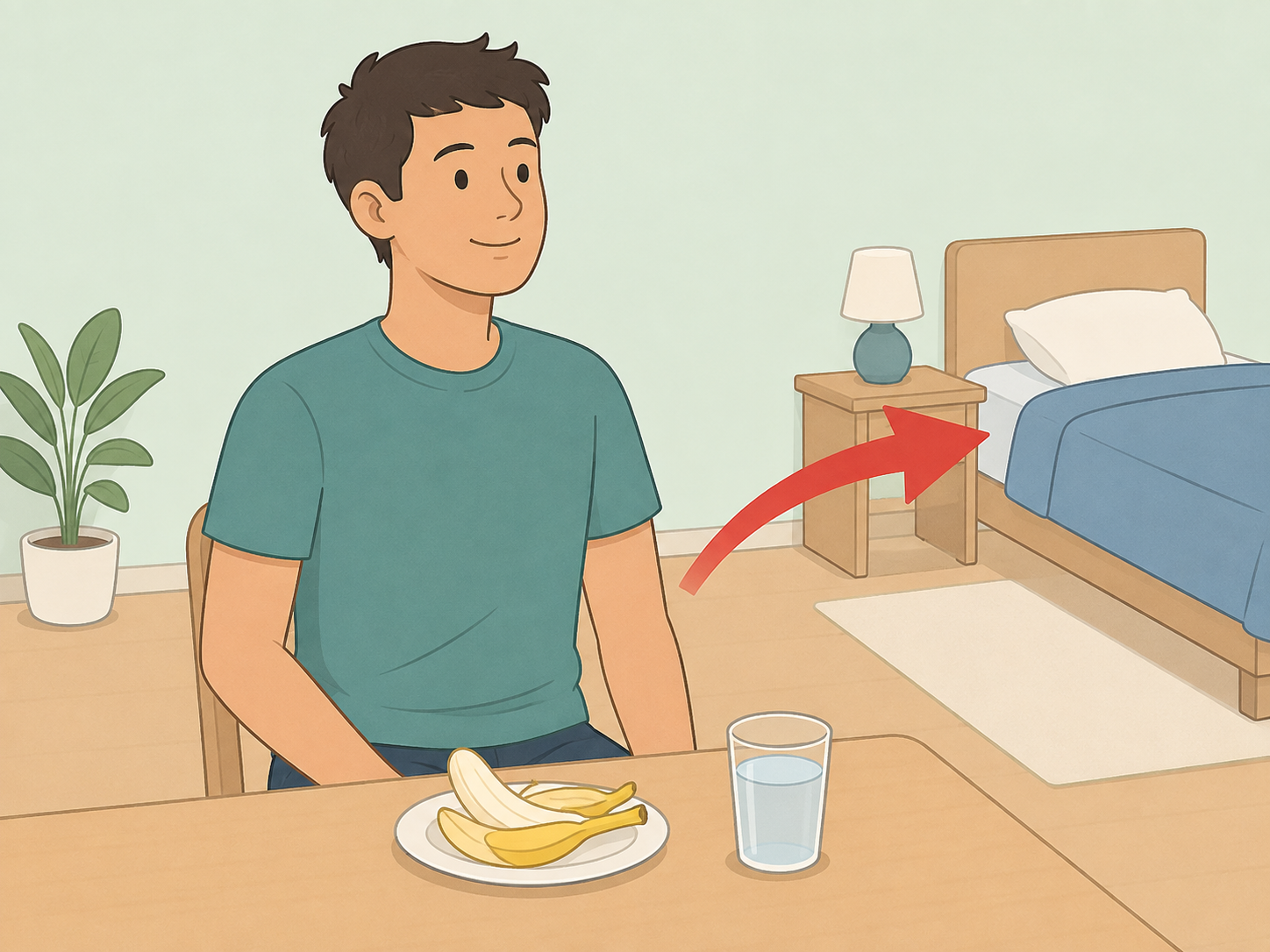
Leave time before lying down if you get reflux
If you have heartburn, reflux, or nighttime indigestion, eating anything right before bed may make symptoms worse. Mayo Clinic advises waiting at least 3 hours after eating before lying down for people managing acid reflux. Try having the banana earlier in the evening rather than as the last thing you do before sleep.
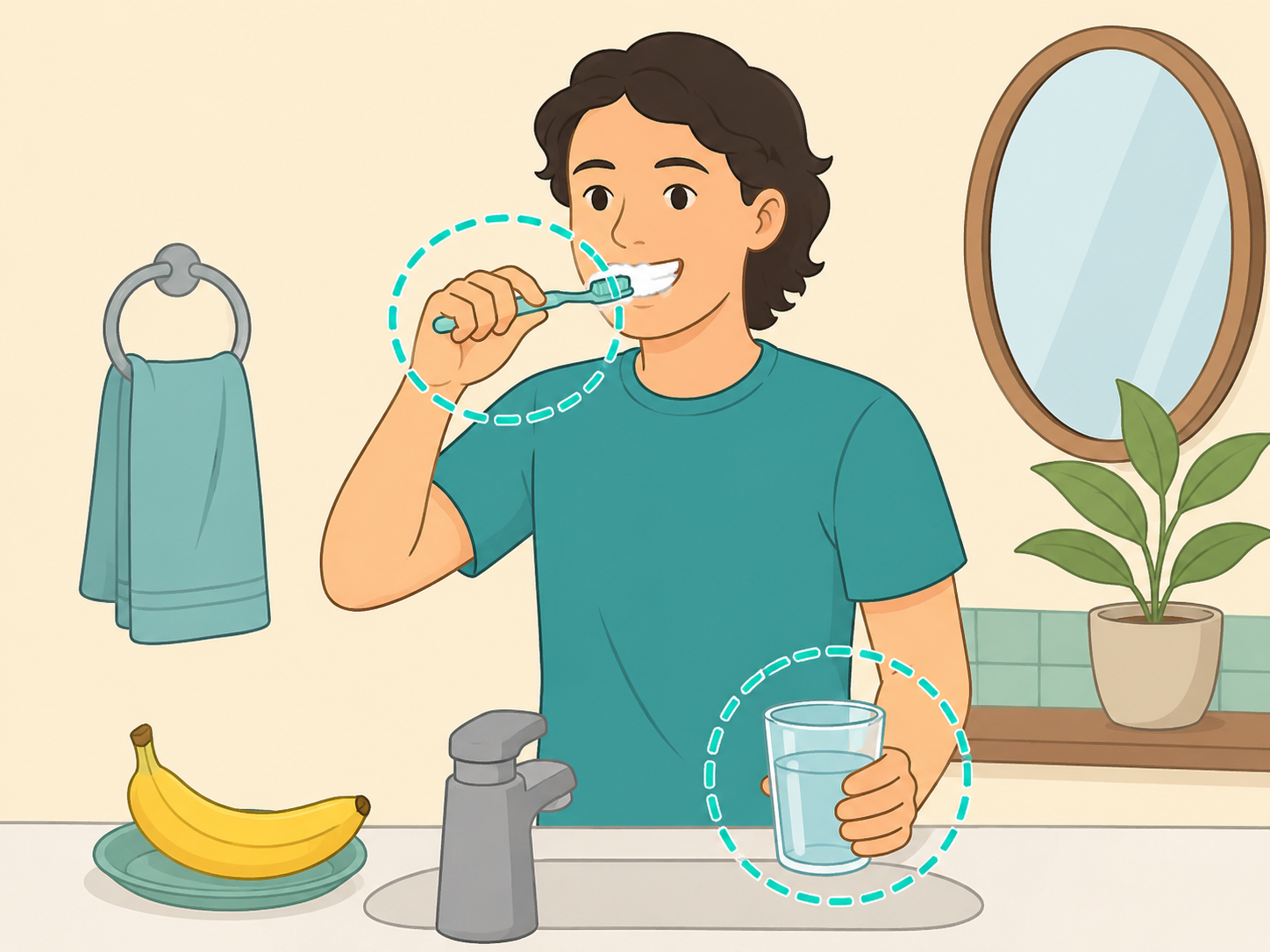
Protect your teeth after a nighttime snack
Bananas are nutritious, but a bedtime snack still leaves carbohydrates on your teeth. The American Dental Association's MouthHealthy guidance recommends limiting frequent snacking, drinking water, brushing twice daily with fluoride toothpaste, and cleaning between teeth. If you eat a banana at night, brush before going to sleep.
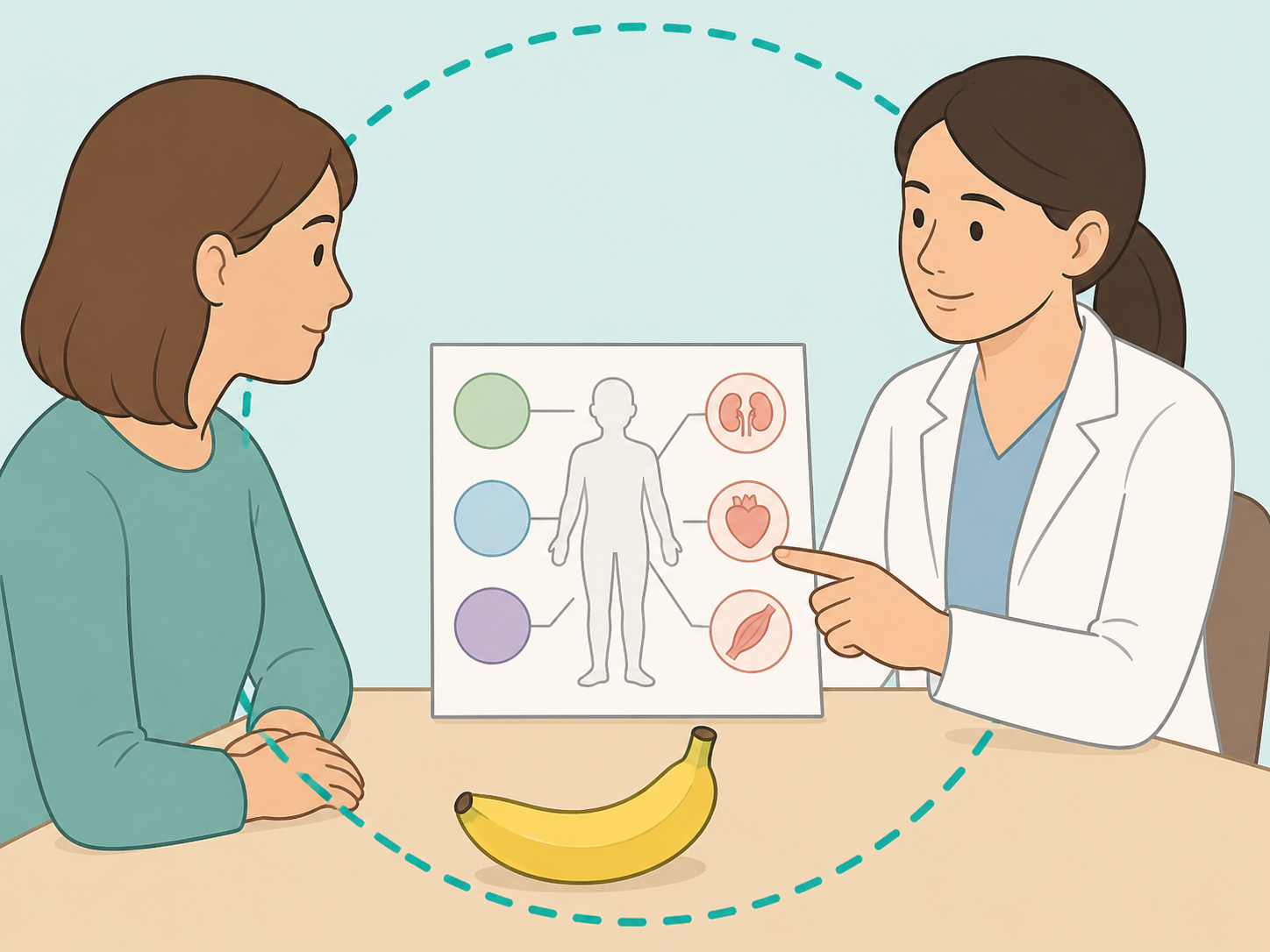
Watch potassium if you have kidney or medication concerns
Bananas are known for potassium, which the body uses for heart, muscle, and nerve function. MedlinePlus lists bananas as a potassium-containing fruit and says people with kidney problems, especially those on dialysis, should not eat too many potassium-rich foods unless their provider says it is safe. Also ask a clinician if you take medicines that can affect potassium levels.
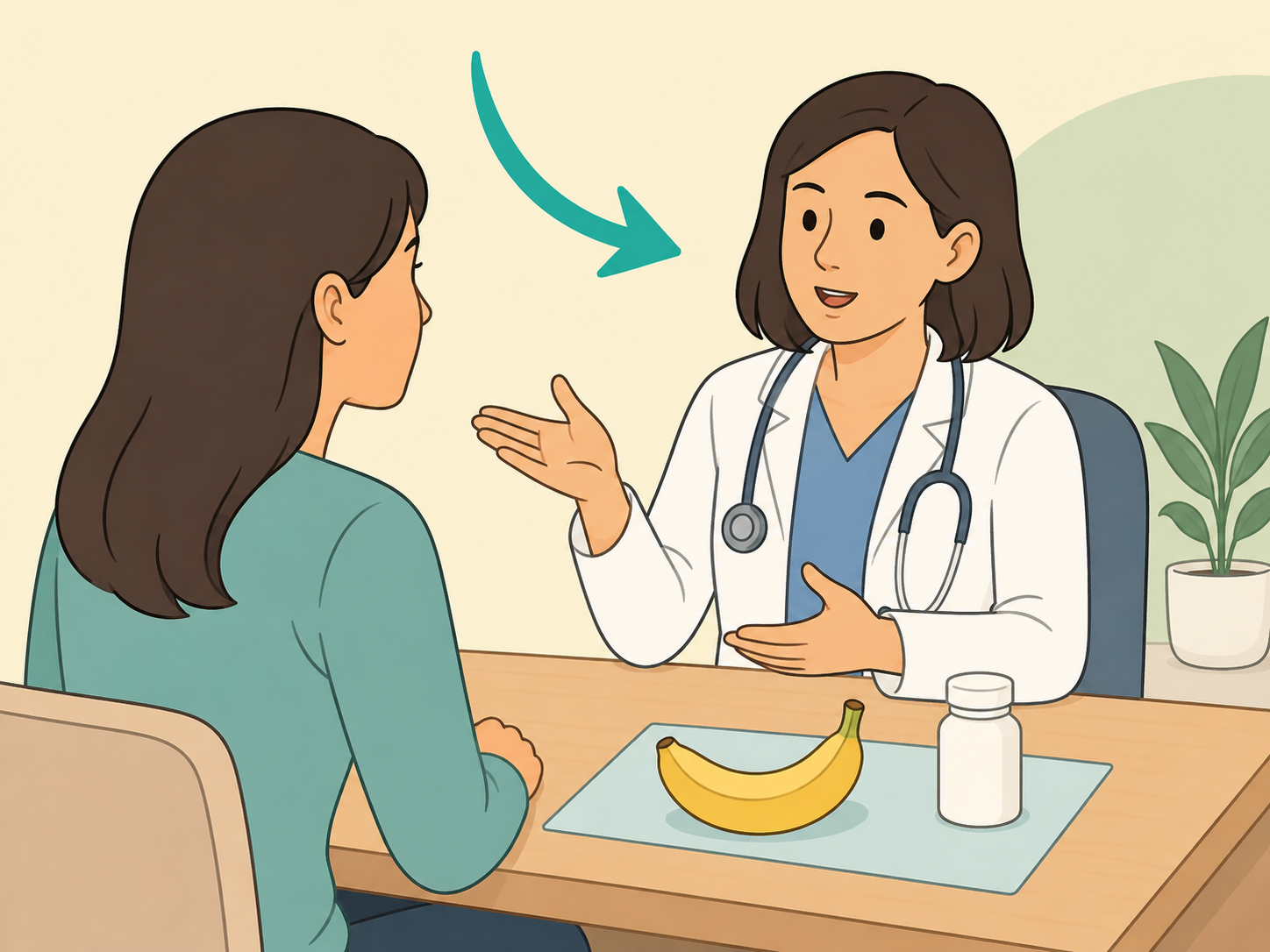
Talk to a doctor if symptoms or conditions change
Seek medical advice if nighttime eating is linked with frequent heartburn, trouble swallowing, vomiting, unexplained weight loss, allergic symptoms, or difficult-to-manage blood sugar. Ask your doctor or dietitian before making a nightly banana habit if you have kidney disease, diabetes, heart disease, or a potassium-restricted diet. Do not stop or change any prescribed medication because of something you eat.
Summary
The bottom line: a nightly banana is usually fine for many people when the portion fits their overall diet. Treat it as a snack with carbohydrates, give yourself time before lying down, and check with a health professional if you have diabetes, kidney disease, reflux symptoms, or medication-related potassium concerns.
Frequently Asked Questions
- Is it bad to eat a banana every night?
For many healthy adults, one banana at night can fit into a balanced diet. It may not be the best choice if you need to limit potassium, carefully manage blood sugar, or avoid bedtime snacks because of reflux.
- Will eating a banana before bed help me sleep?
It might help some people feel satisfied, and early research has looked at bedtime bananas in people with insomnia. The evidence is still limited, so do not treat bananas as a cure for sleep problems.
- Can eating a banana at night cause weight gain?
A banana itself does not automatically cause weight gain. Weight changes depend on your overall calorie intake, activity, sleep, health conditions, and eating pattern over time.
- Is a banana at night okay if I have diabetes?
Fruit can fit into many diabetes meal plans, but bananas contain carbohydrates. If you track carbs or use insulin, count the banana in your plan and ask your diabetes care team what portion works for you.
- Should people with kidney disease eat bananas at night?
People with kidney disease may need individualized potassium guidance. Do not add a nightly banana habit if your clinician or dietitian has told you to limit potassium-rich foods.
- Should I brush my teeth after eating a banana before bed?
Yes. A banana is a nutritious food, but any bedtime snack leaves food residue in your mouth. Brush with fluoride toothpaste before sleep and drink water if you snack earlier in the evening.
References
Reliable references aided in composing and refining this content.
- https://health.clevelandclinic.org/benefits-of-bananas?slug=benefits-of-bananas
- https://www.medlineplus.gov/ency/article/002413.htm
- https://diabetes.org/food-nutrition/reading-food-labels/fruit
- https://www.mayoclinic.org/diseases-conditions/gerd/diagnosis-treatment/drc-20361959?p=1
- https://www.mayoclinic.org/healthy-lifestyle/nutrition-and-healthy-eating/in-depth/fiber/art-20043983
- https://www.mouthhealthy.org/all-topics-a-z/diet-and-dental-health
- https://www.nccih.nih.gov/health/sleep-disorders-and-complementary-health-approaches
- https://pubmed.ncbi.nlm.nih.gov/39209357