
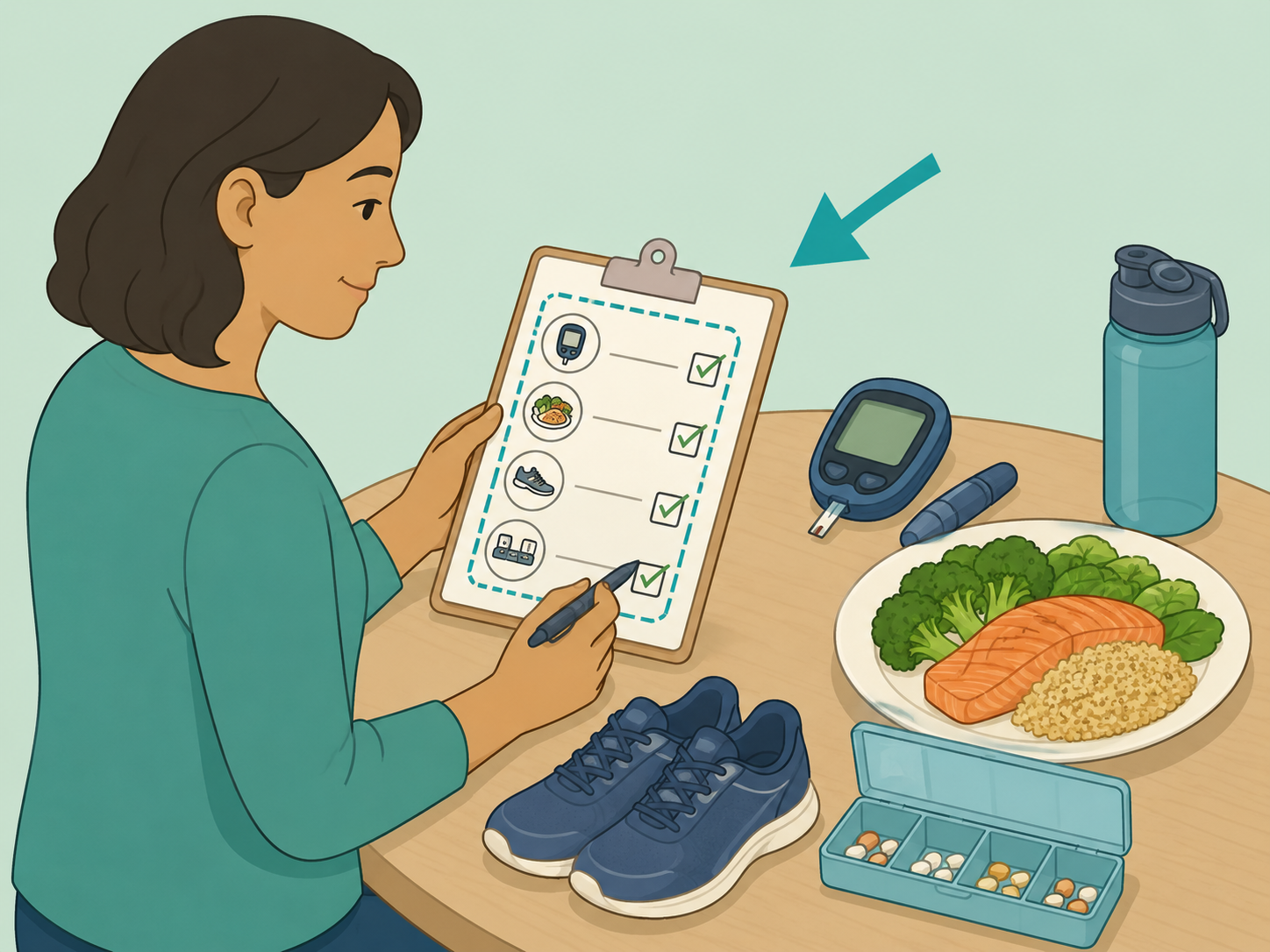
 Pin it
Diabetes advice online can be confusing, especially when it promises quick fixes or natural pancreas regeneration. This guide explains how to avoid common diabetes care mistakes and focus on evidence-based habits that support safer blood sugar management. It is not a substitute for care from your doctor or diabetes care team.
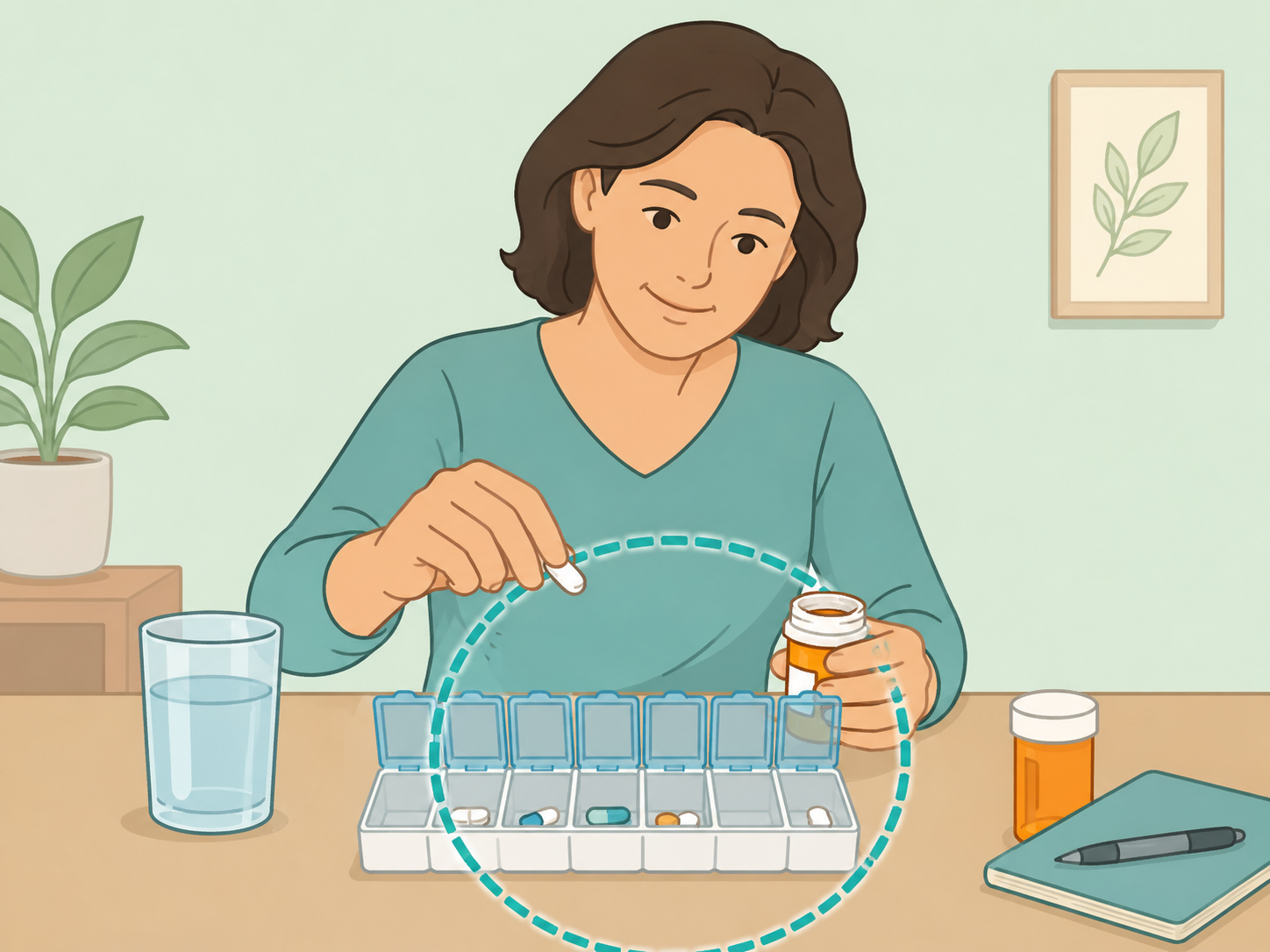
Follow your prescribed treatment plan
Take diabetes medicine exactly as your health care professional prescribed, even if you feel well or your numbers have improved. The NIDDK explains that diabetes care often includes medicine, blood glucose management, and a healthy lifestyle, and skipping doses can make blood sugar harder to control. If cost, side effects, or timing is a problem, ask your care team for help before changing anything.
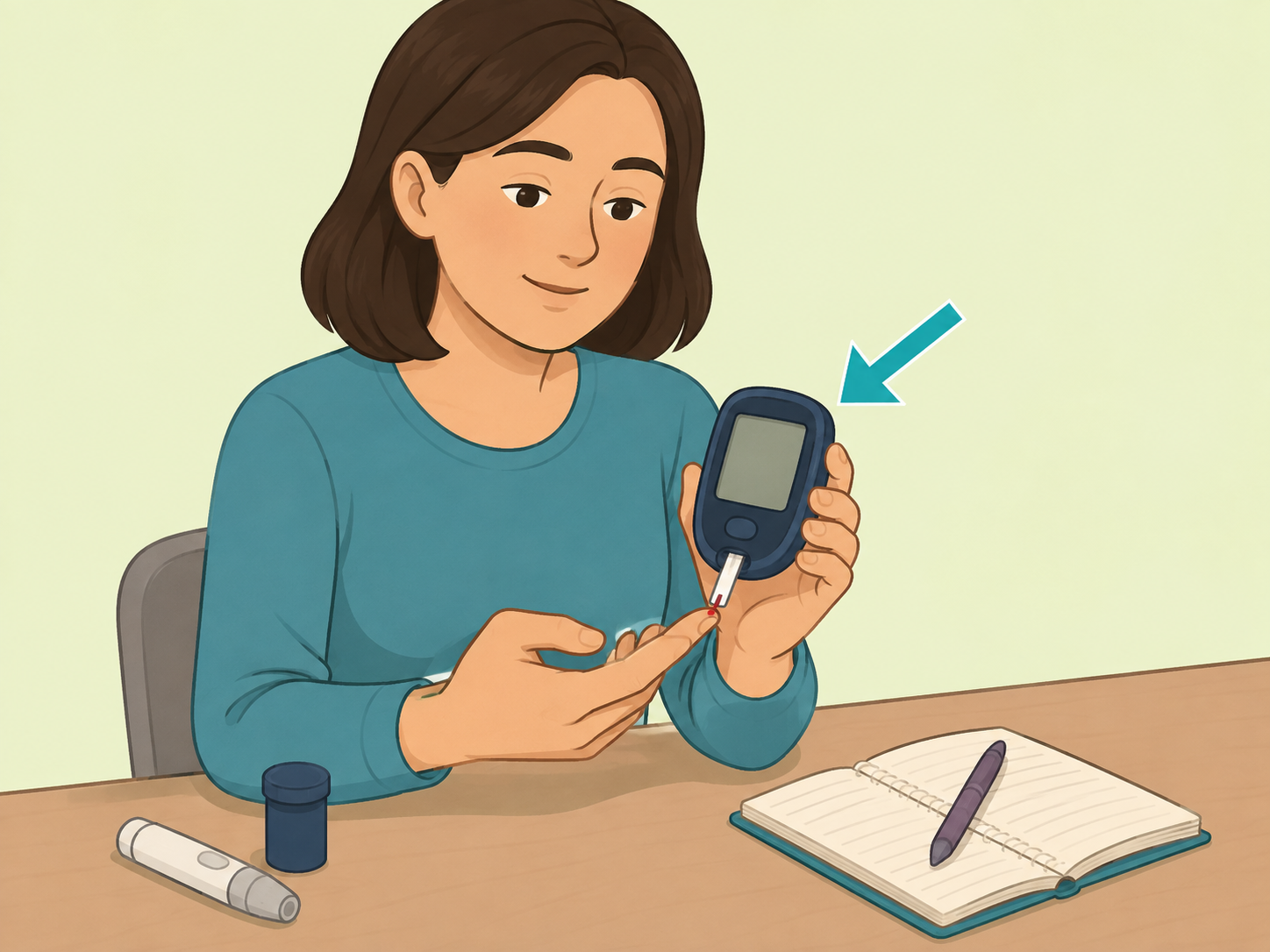
Check your blood sugar as directed
Use your meter or continuous glucose monitor on the schedule your clinician recommends, and write down patterns around meals, activity, stress, sleep, and illness. The CDC notes that checking blood sugar helps you see what makes it rise or fall, and some people need extra checks before or after physical activity. Bring your records to appointments so your care team can adjust your plan safely.
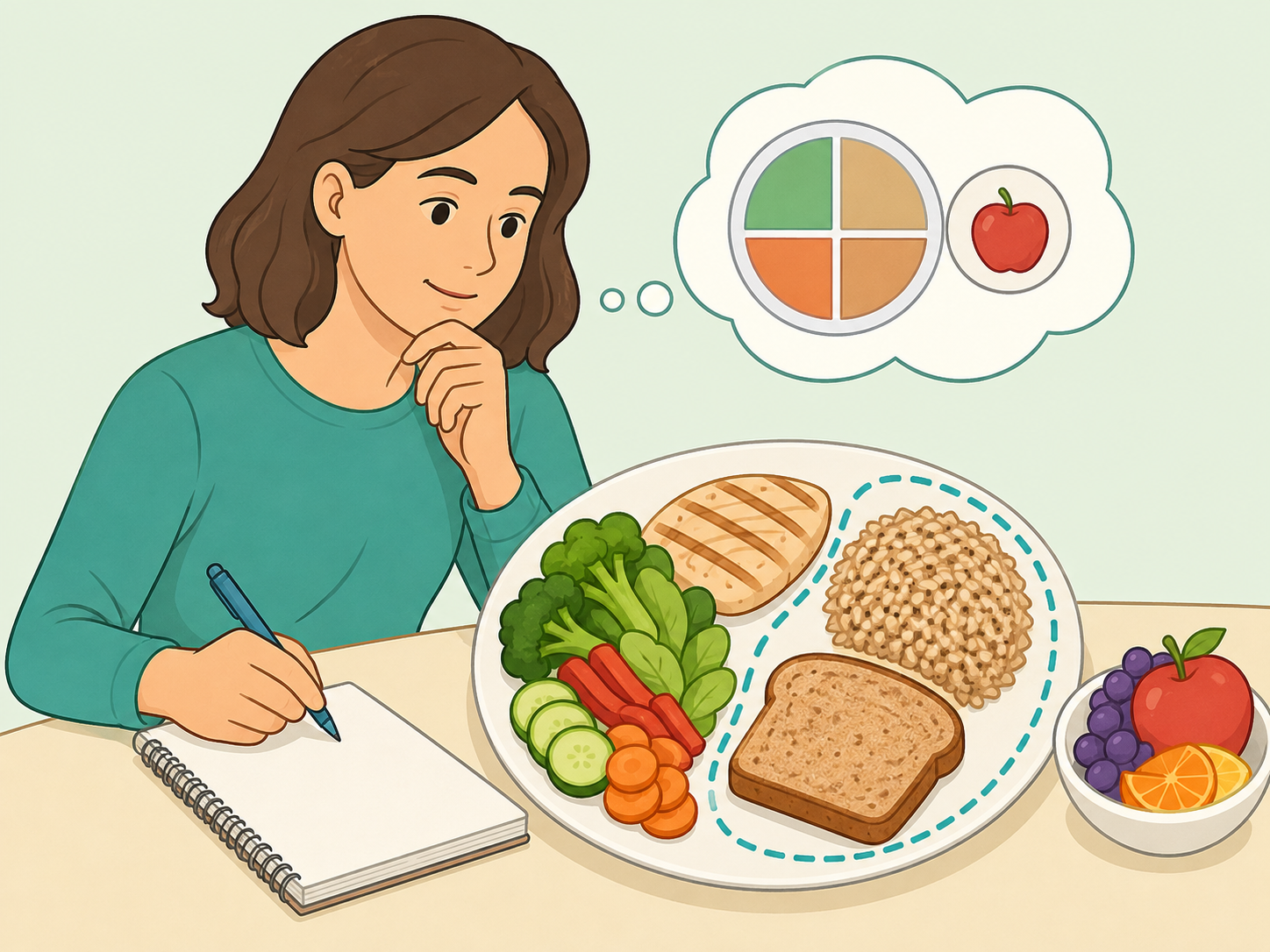
Do not skip meals or guess at carbohydrates
Plan meals and snacks around regular timing, portions, and carbohydrate awareness instead of guessing. Carbohydrates can raise blood glucose, and the NIDDK recommends choosing nourishing foods and drinks while keeping carbs in mind. If you use insulin or certain medicines, skipping meals can also increase the risk of low blood sugar.
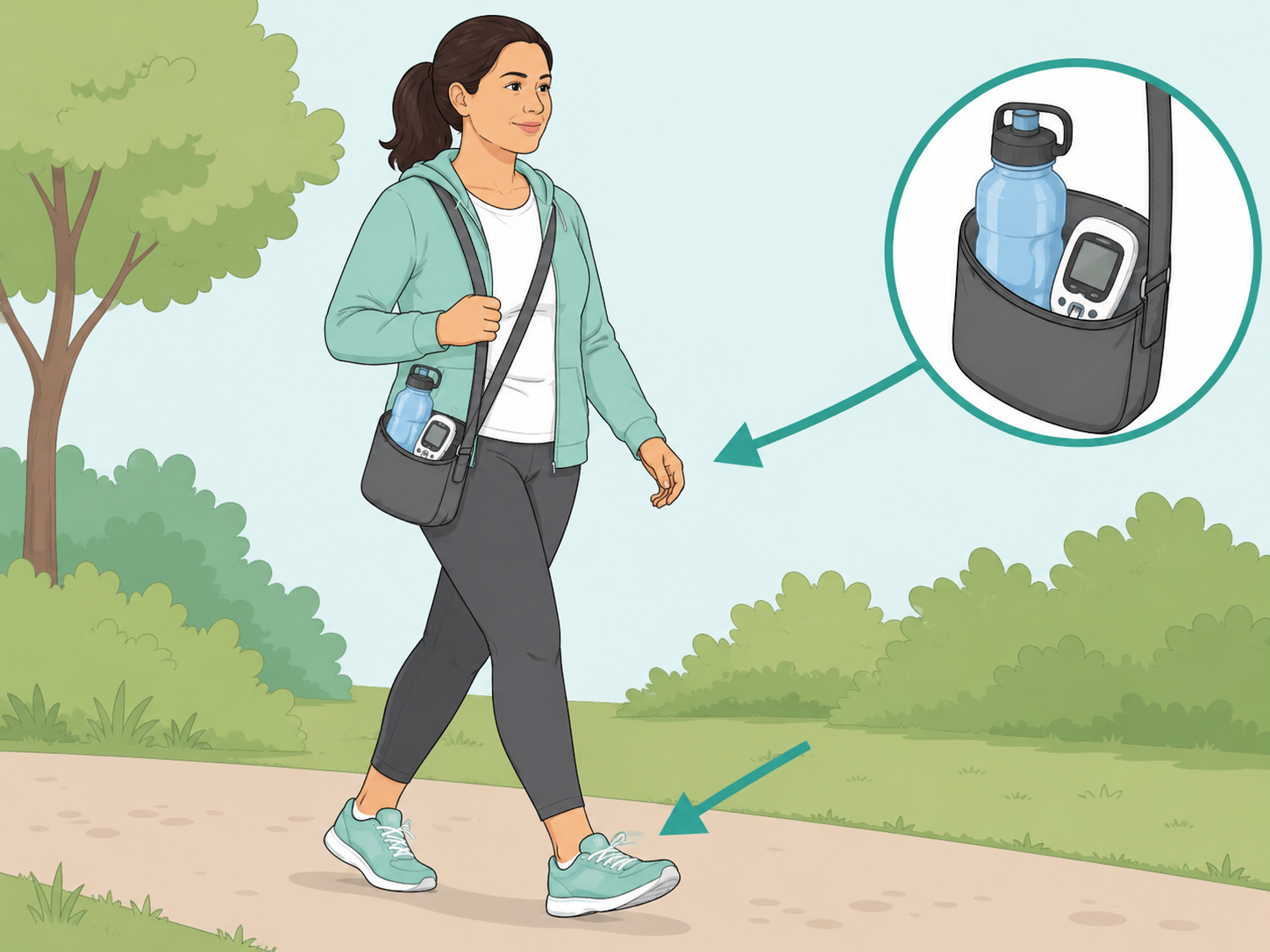
Build activity into your week safely
Aim for regular movement that fits your ability, such as walking, cycling, strength exercises, or chair-based activity. The NIDDK says physical activity can help manage blood glucose, blood pressure, cholesterol, sleep, mood, and weight. Ask your clinician how to exercise safely if you use insulin, have frequent lows, have foot problems, or are starting a much harder routine.
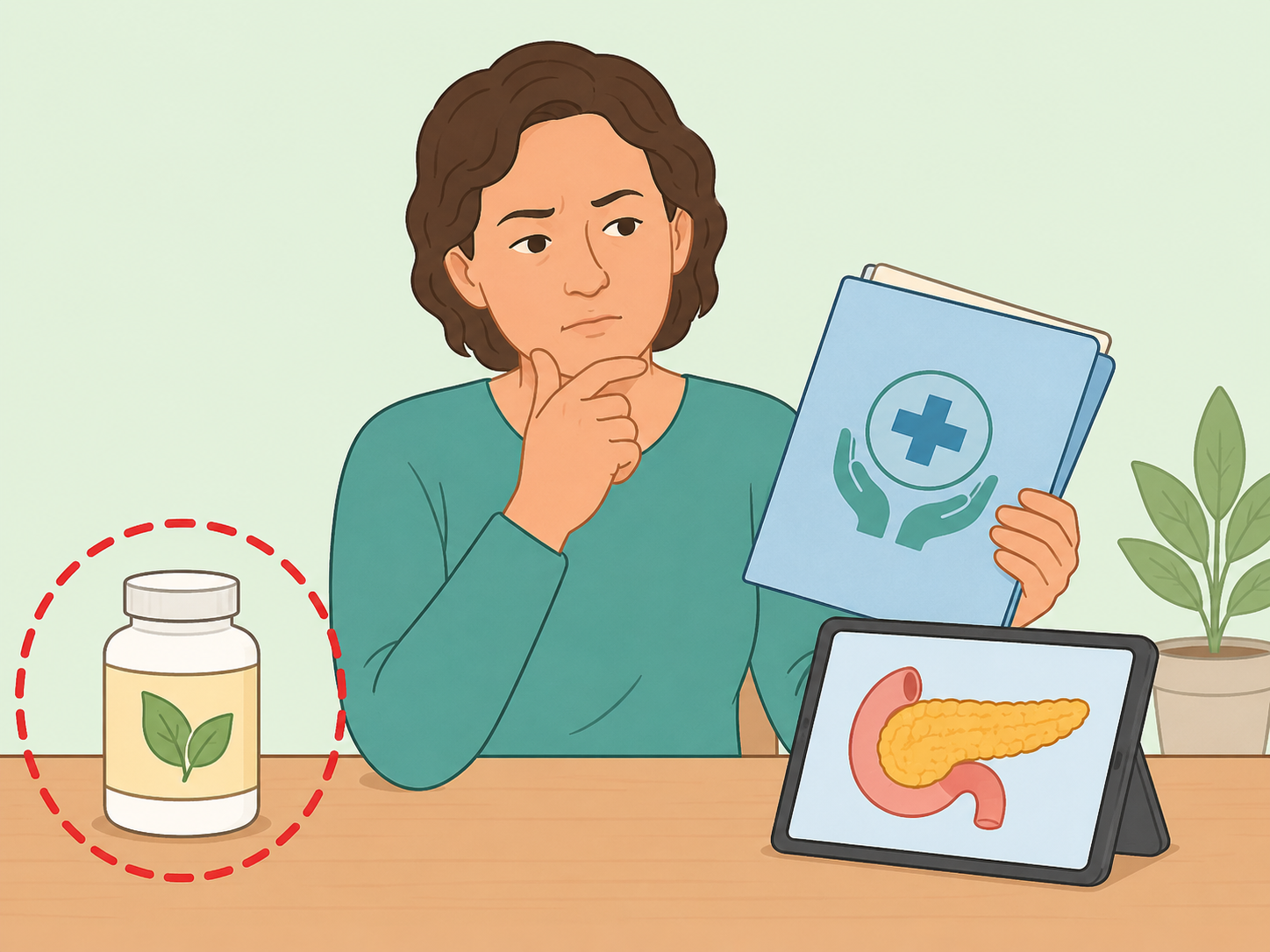
Question pancreas-regeneration promises
Be skeptical of any program that says a food, drink, herb, or secret routine will regenerate your pancreas or cure diabetes. Real pancreatic islet replacement is a specialized medical treatment for limited situations, and NIDDK describes islet transplantation as a medical procedure with donor cells, candidate limits, and risks. Daily habits can support diabetes management, but they are not a proven way to rebuild insulin-making cells.
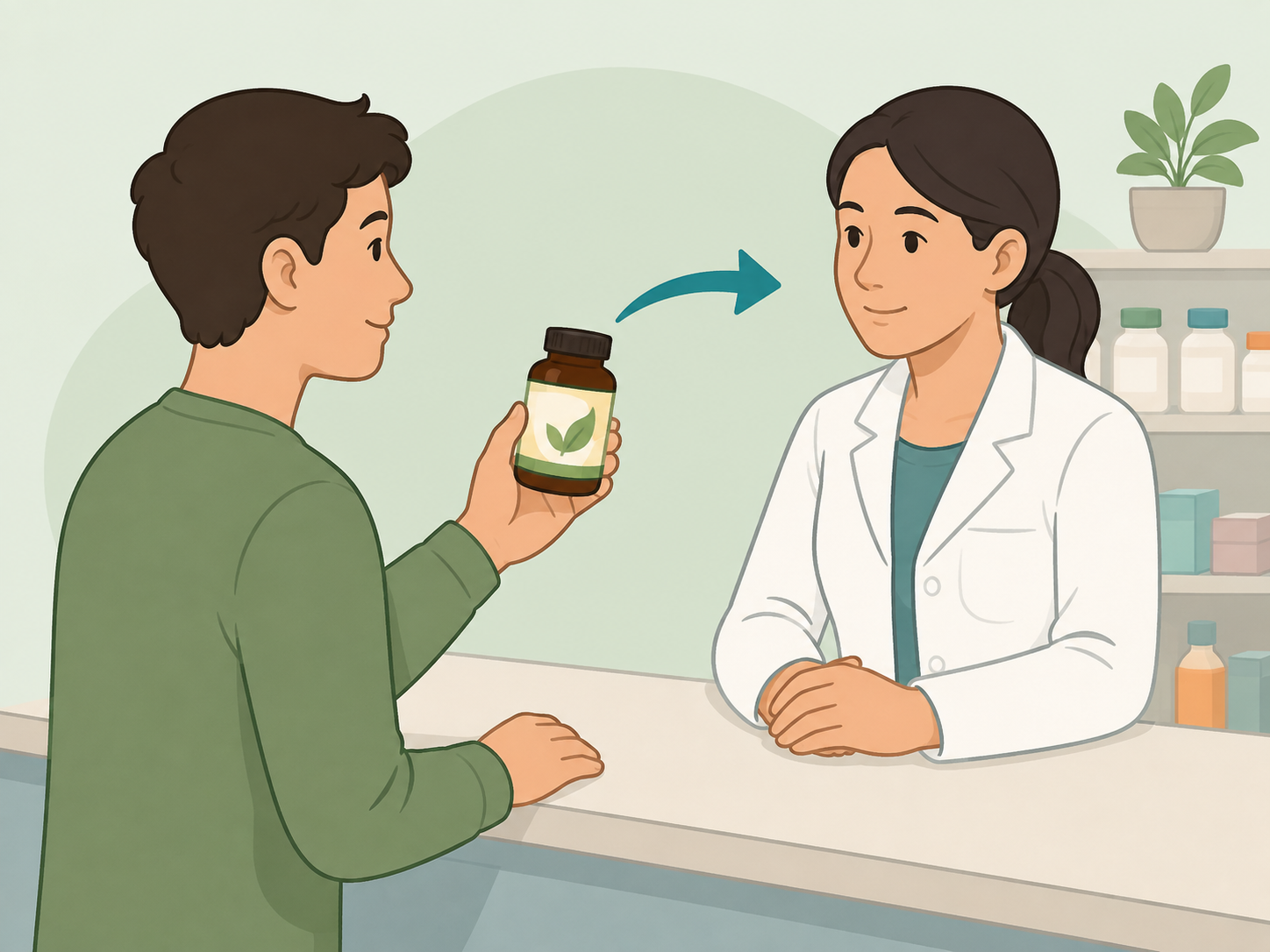
Check supplements with your care team first
Before trying cinnamon, chromium, berberine, detox drops, herbal capsules, or other natural products, show the label to your doctor or pharmacist. NCCIH reports that evidence for most diabetes supplements is unclear and some can cause harm or interact with medicines. Treat supplements as products with real risks, not as harmless extras.
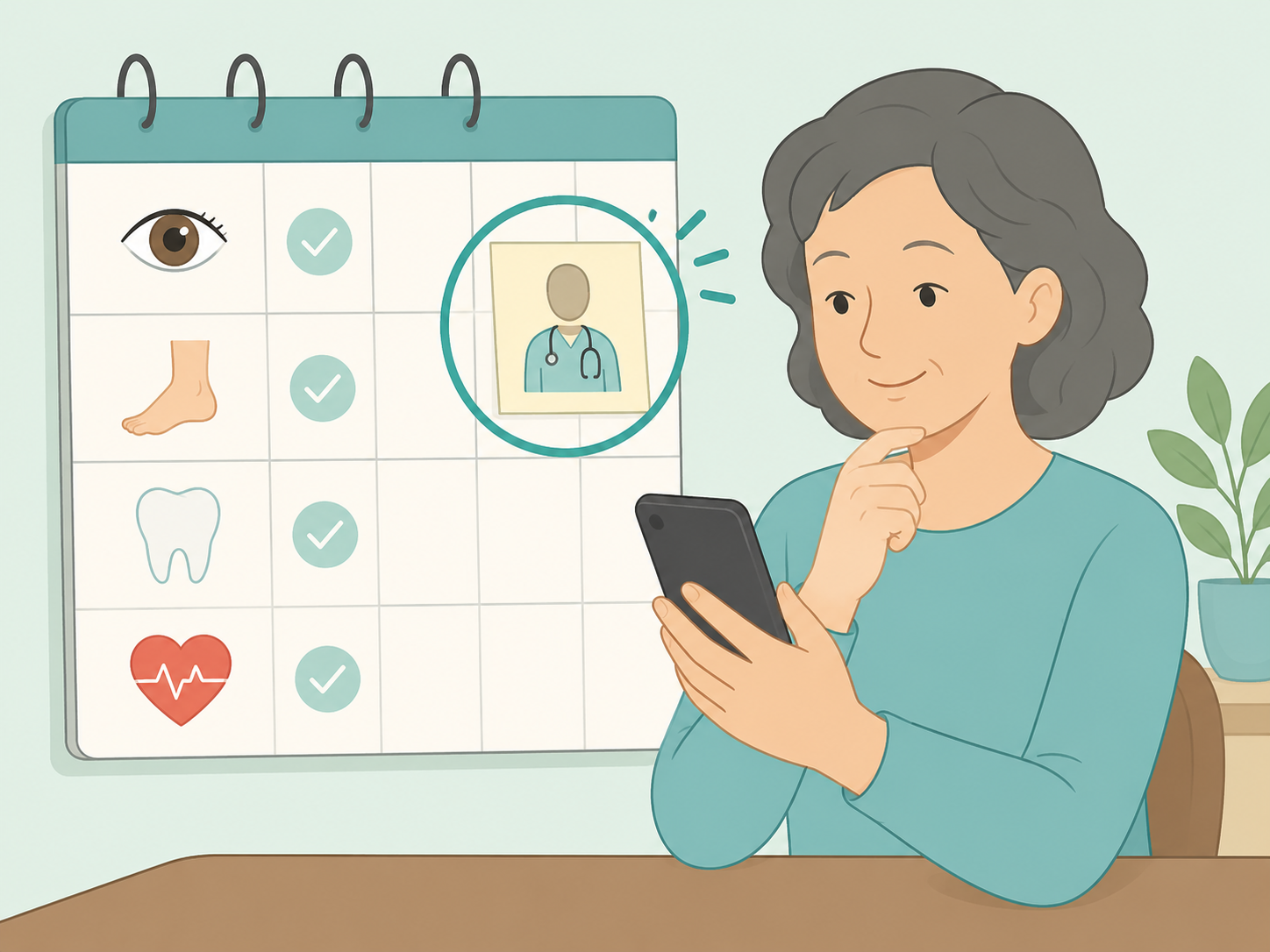
Keep routine checkups on the calendar
Do not wait for symptoms before getting diabetes follow-up care. Mayo Clinic recommends regular physical exams, eye exams, dental care, foot checks, vaccines, and attention to blood pressure and cholesterol for people with type 2 diabetes, and these visits help catch problems early. Ask how often you need A1C tests, kidney checks, eye exams, and foot exams.
Get help quickly for danger signs
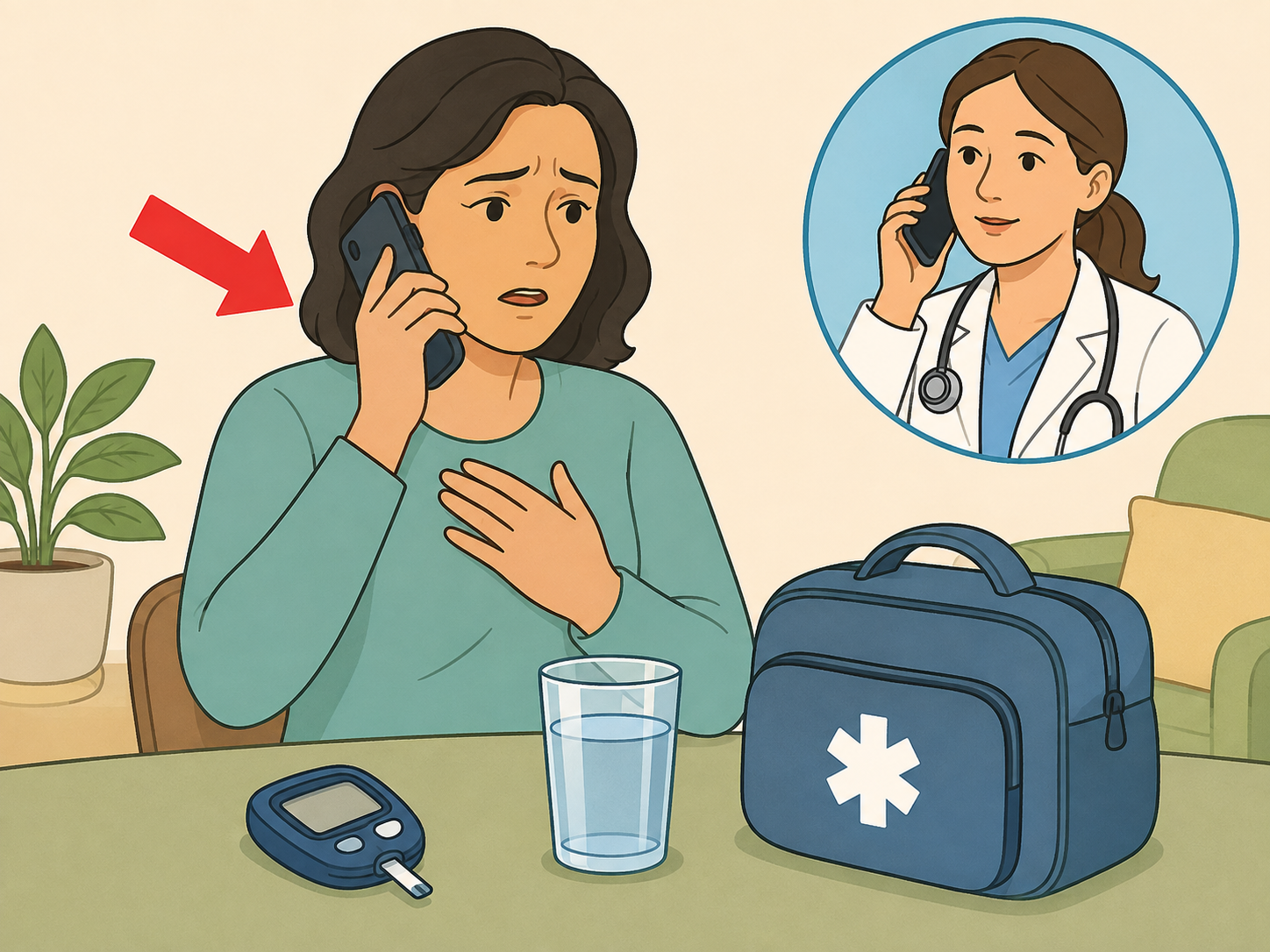
Contact your care team promptly if your blood sugar is often above or below your target range, or if you have repeated lows, new foot sores, vision changes, illness, vomiting, or symptoms that worry you. The NIDDK says very low or very high blood glucose can become a medical emergency, and diabetic ketoacidosis needs urgent treatment. Call emergency services for fainting, severe confusion, trouble breathing, or fruity-smelling breath.
Summary
The bottom line: avoid shortcuts that replace medical care, keep your daily diabetes routine consistent, and bring concerns about blood sugar, supplements, feet, eyes, or medicines to your health care team early.
Frequently Asked Questions
- Can diabetes be cured naturally by regenerating the pancreas?
- No proven supplement, food, or home routine has been shown to naturally regenerate the pancreas or cure diabetes. Some people with type 2 diabetes may improve blood sugar with weight, food, activity, sleep, and medicine changes, but this should be managed with a health professional.
- What is the biggest diabetes mistake to avoid?
- One major mistake is stopping, skipping, or changing prescribed medicine because you feel better or saw a natural cure claim online. Diabetes treatment changes should be made with your care team.
- Are cinnamon, berberine, chromium, or similar supplements safe for diabetes?
- Some supplements have been studied, but evidence is limited and they can interact with medicines or cause side effects. Ask your doctor or pharmacist before using any supplement, especially if you take insulin or other blood-sugar-lowering medicine.
- How often should I check my blood sugar?
- It depends on your diabetes type, medicines, and treatment goals. People who use insulin or have frequent lows often need more frequent checks, so follow the schedule your health care team gives you.
- When should high or low blood sugar be treated as urgent?
- Get urgent medical help for severe confusion, fainting, trouble breathing, fruity-smelling breath, repeated vomiting, or symptoms of very low blood sugar that do not improve with your usual treatment plan.
- Do I still need healthy eating and activity if I take diabetes medicine?
- Yes. Medicine, healthy meals, physical activity, sleep, and routine checkups work together. Do not treat lifestyle habits as a replacement for prescribed medicine unless your clinician changes your plan.
References
Reliable references aided in composing and refining this content.
- https://www.cdc.gov/diabetes/treatment/index.html
- https://www.niddk.nih.gov/health-information/diabetes/overview/managing-diabetes
- https://www.niddk.nih.gov/health-information/diabetes/overview/healthy-living-with-diabetes
- https://www.nccih.nih.gov/health/diabetes-and-dietary-supplements-what-you-need-to-know
- https://www.fda.gov/consumers/health-fraud-scams/questions-and-answers-fda-alerts-companies-stop-illegal-sale-products-claiming-treat-diabetes
- https://www.mayoclinic.org/diseases-conditions/type-2-diabetes/diagnosis-treatment/drc-20351199?lt=&p=1
- https://www.niddk.nih.gov/health-information/diabetes/overview/insulin-medicines-treatments/pancreatic-islet-transplantation