
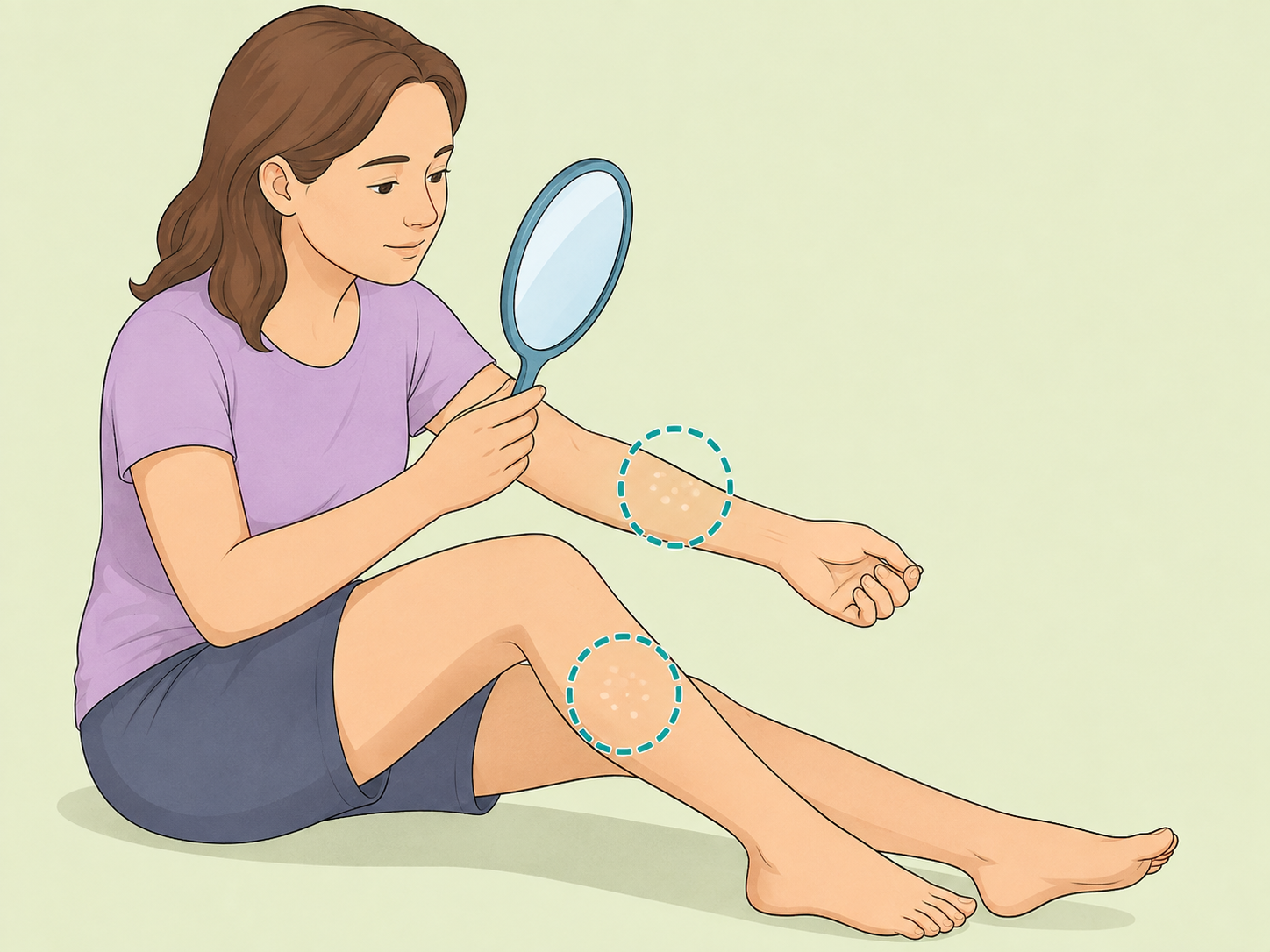
 Pin it
Small white spots on your arms or legs can be surprising, especially when they show up after years of sun exposure. One common cause is idiopathic guttate hypomelanosis, a harmless pigment change, but white spots can also come from other skin conditions. This guide explains what to look for, how to track changes, and when to get medical help.
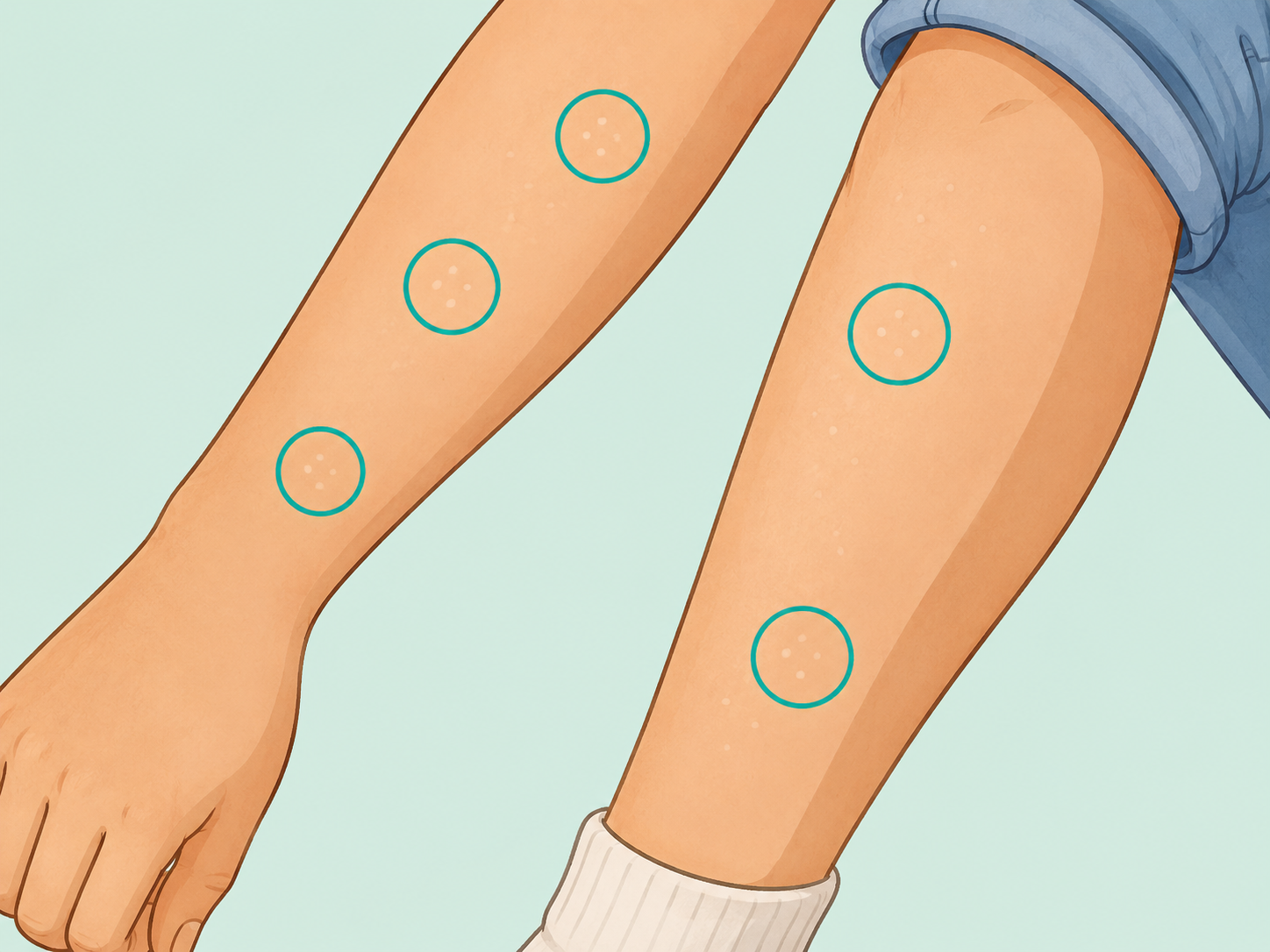
Look for the common pattern
Idiopathic guttate hypomelanosis often appears as small, flat, pale or white spots on sun-exposed areas such as the forearms and shins, according to Cleveland Clinic. These spots are usually smooth, round or oval, and not painful or itchy. They are often more noticeable after surrounding skin tans.
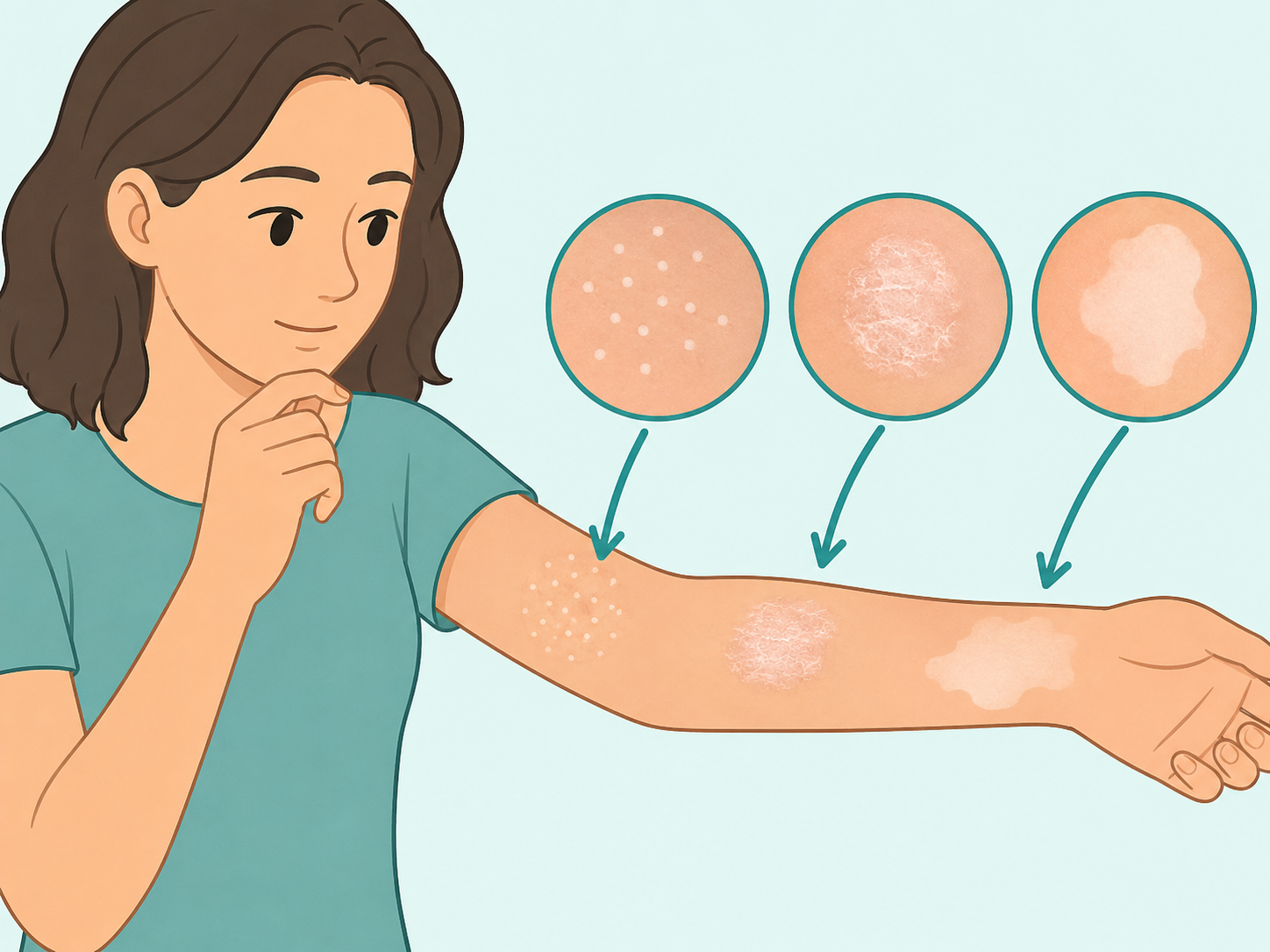
Compare the spots with other possible causes
Not every white spot is the same. Tinea versicolor may cause lighter or darker spots that can be dry, scaly, itchy, and more obvious in warm or humid weather, while vitiligo can cause patches of skin color loss that need a dermatologist’s diagnosis. A past rash, burn, scrape, or procedure can also leave lighter skin behind.
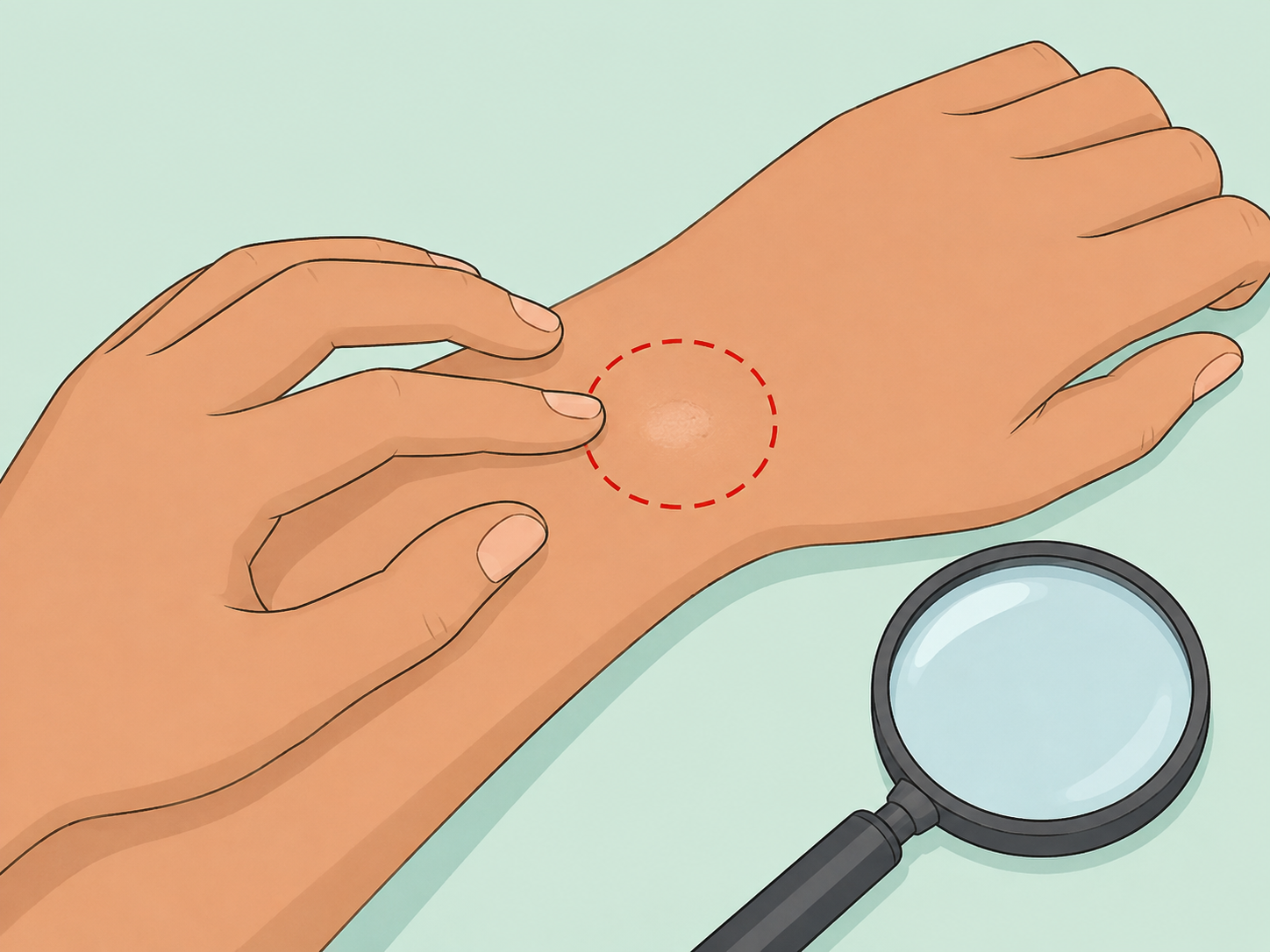
Check whether the spots are smooth, scaly, itchy, or sore
Feel the area gently and look in good light. IGH usually has no symptoms other than lighter skin, though DermNet notes that some spots can rarely look slightly thickened or scaly. Itching, pain, redness, crusting, or a rash-like pattern makes it more important to ask a clinician what is causing it.
Photograph the spots so you can track changes
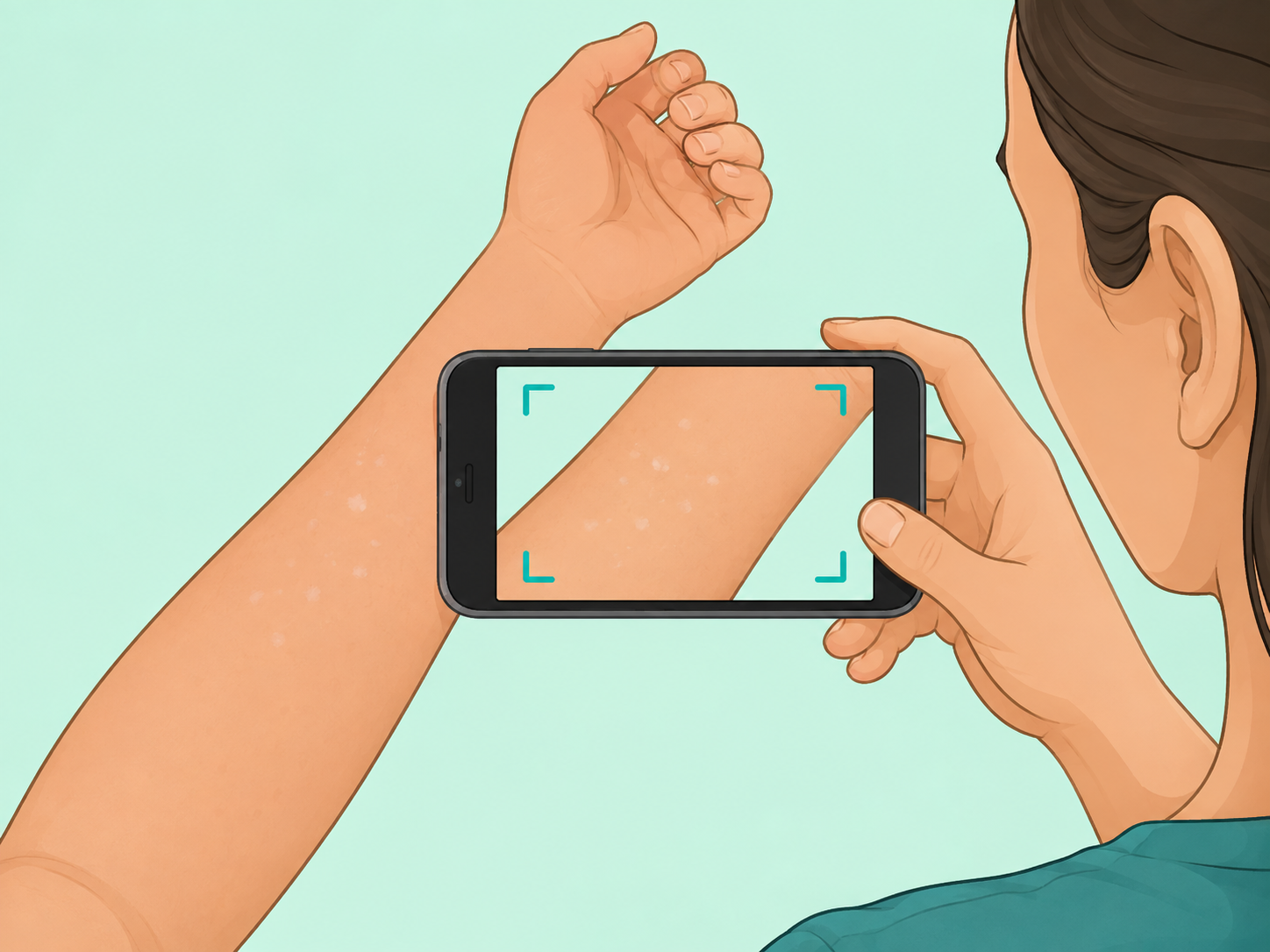
Take a clear photo in steady lighting and note the date, location, and whether the spots are new. MedlinePlus recommends checking your skin for new markings and changes in color, size, shape, or texture during a regular skin self-exam. This record helps you notice whether spots are stable, spreading, or changing.
Protect the area from more sun exposure
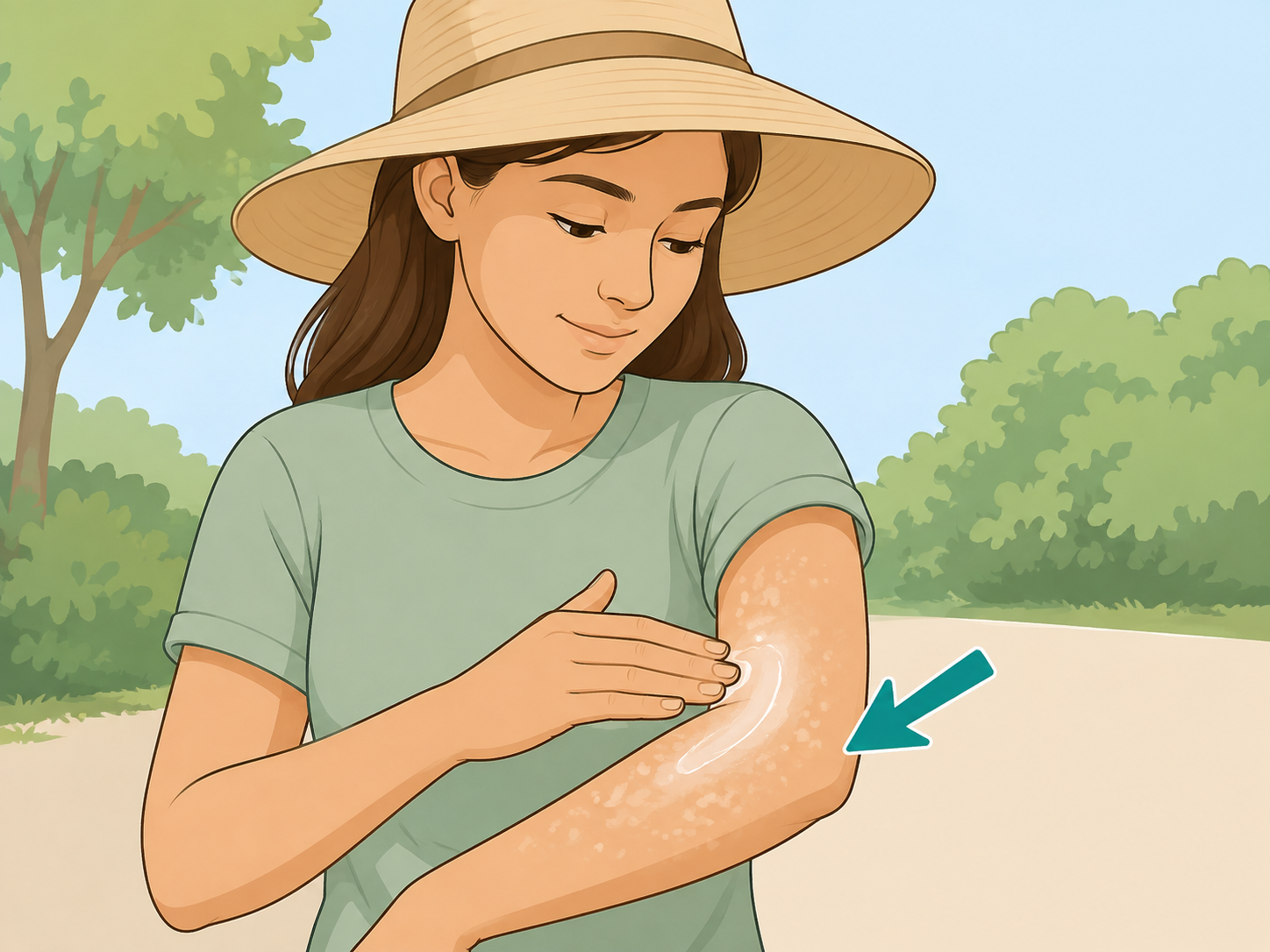
Use shade, sun-protective clothing, and sunscreen on exposed skin. The American Academy of Dermatology recommends a broad-spectrum, water-resistant sunscreen with SPF 30 or higher as part of sun protection. Sun protection will not erase existing IGH spots, but it helps protect your skin and may reduce contrast from tanning.
Skip harsh scrubs and unproven home treatments
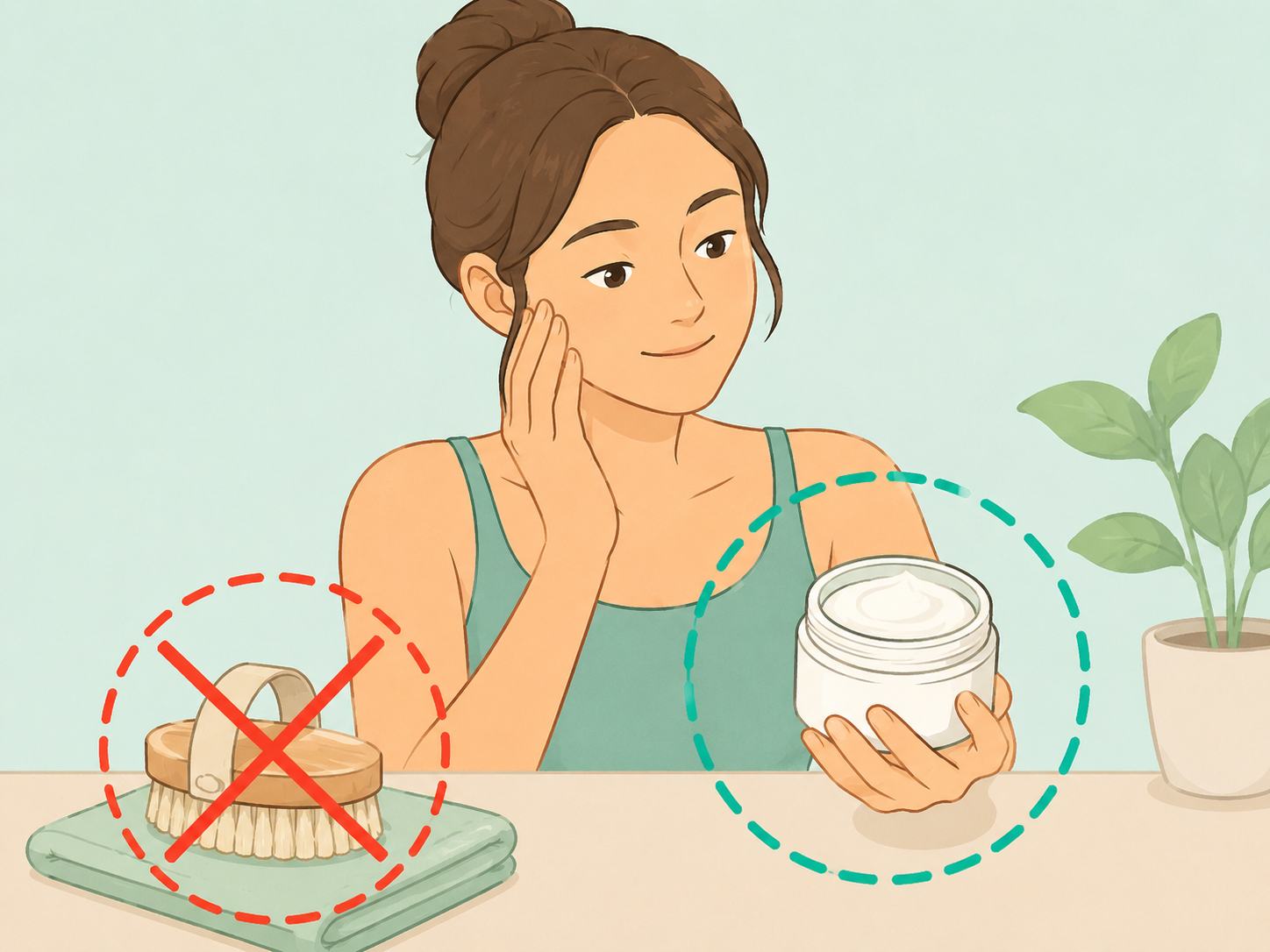
Do not sand, pick, bleach, or aggressively exfoliate the spots. Cleveland Clinic notes that home remedies such as apple cider vinegar, aloe vera, and ginger have not been shown in scientific studies to treat idiopathic guttate hypomelanosis. Use a gentle cleanser and moisturizer while you decide whether you want a medical opinion.
See a doctor if the spots change or concern you
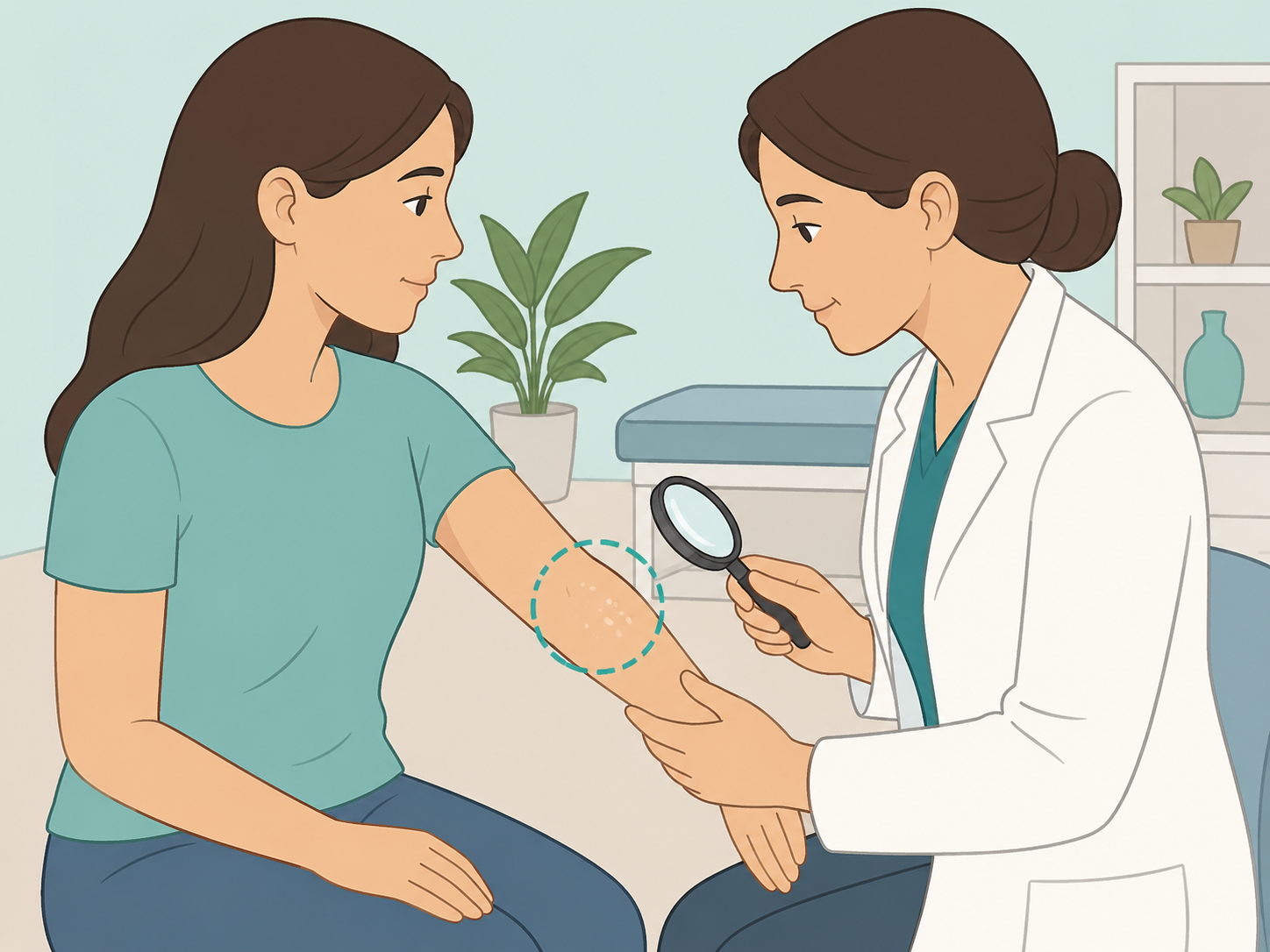
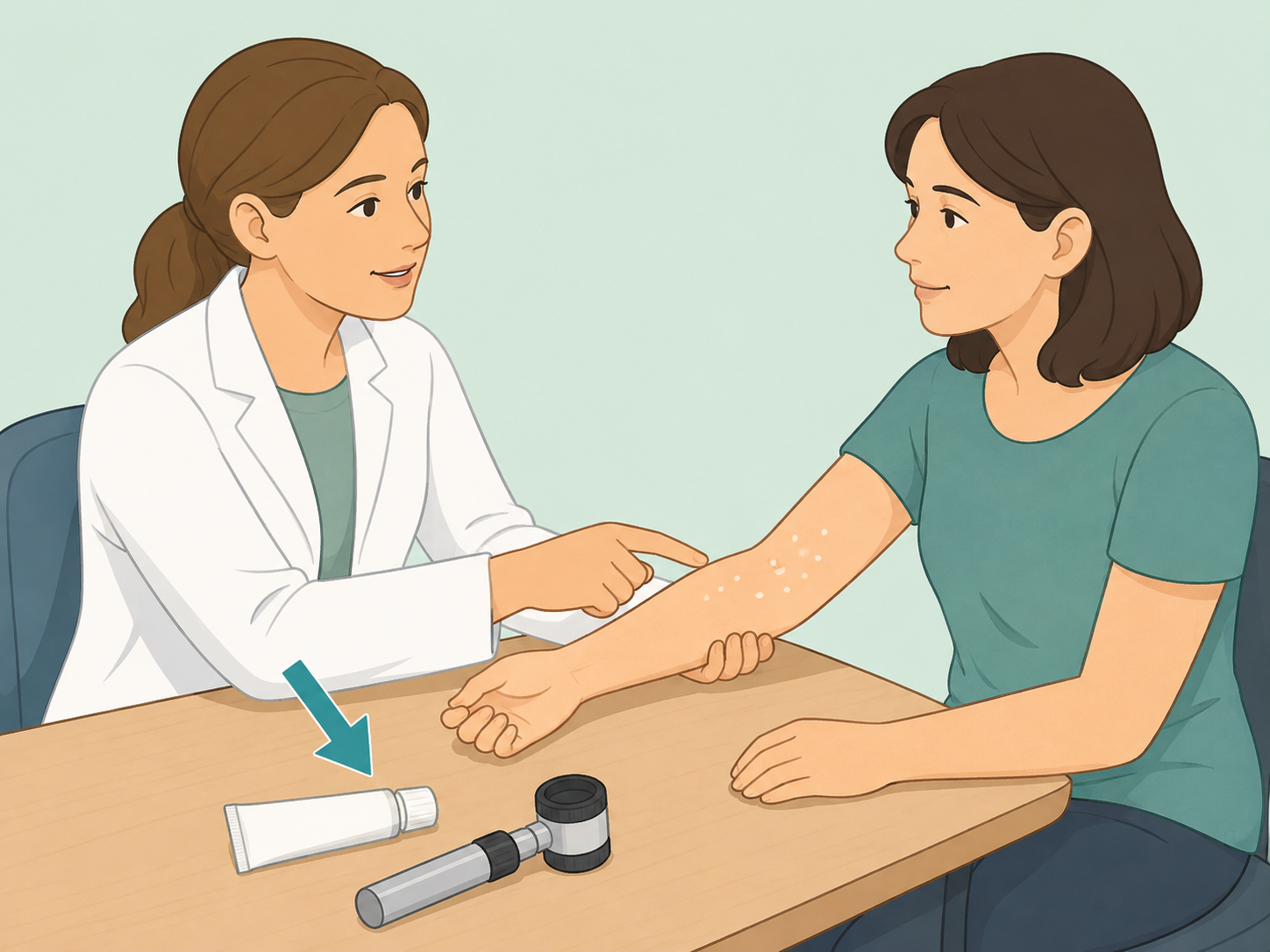
Make an appointment if a spot grows quickly, changes color or border, bleeds, does not heal, becomes painful, or looks very different from your other marks. MedlinePlus advises contacting a provider for new or unusual sores or spots and for skin marks that change in shape, size, color, or texture. You should also seek care if the light areas are spreading, involve the face, mouth, genitals, hair, or nails, or affect your confidence.
Discuss treatment only after you have a clear diagnosis
IGH usually does not need treatment, but a dermatologist can discuss options such as prescription topicals or procedures if the diagnosis is clear and the appearance bothers you. If the cause is vitiligo, tinea versicolor, or another condition, the approach is different, and the AAD notes that vitiligo treatment is individualized and works slowly. Do not start or stop prescription treatments without medical guidance.
Summary
The bottom line: tiny, smooth white spots on sun-exposed forearms or shins are often harmless idiopathic guttate hypomelanosis, but only a qualified clinician can confirm the cause. Protect your skin from the sun, avoid harsh home treatments, and get checked if spots change, spread quickly, itch, bleed, hurt, or worry you.
Frequently Asked Questions
- What are tiny white spots on my arms or legs usually called?
Many tiny, smooth white spots on sun-exposed forearms or shins are called idiopathic guttate hypomelanosis. They are pigment-light spots, but other conditions can look similar, so a dermatologist is the right person to confirm the diagnosis.
- Are small white spots on the arms or legs dangerous?
Idiopathic guttate hypomelanosis is considered benign and is usually a cosmetic concern. However, new or changing skin spots should be checked, especially if they bleed, hurt, itch, become scaly, or look different from your other spots.
- Do white sun spots go away on their own?
Idiopathic guttate hypomelanosis usually does not repigment on its own and may slowly increase with age. Treatment is not medically required, but a dermatologist can discuss options if the appearance bothers you.
- How can I tell if it is vitiligo instead?
You usually cannot tell for sure at home. Vitiligo can cause lighter, white, or pink patches and may require a Wood’s lamp exam or other evaluation by a dermatologist.
- Can a fungus cause white spots?
Yes. Tinea versicolor can cause lighter or darker spots that may be dry, scaly, itchy, and more noticeable after tanning. It often affects the trunk, but a clinician can tell whether a yeast overgrowth is involved.
- Should I scrub or use home remedies on white spots?
No. Harsh scrubbing can irritate skin, and there is not good evidence that home remedies reverse idiopathic guttate hypomelanosis. Use gentle skin care and ask a healthcare professional before trying medicated creams or procedures.
References
Reliable references aided in composing and refining this content.
- https://my.clevelandclinic.org/health/diseases/idiopathic-guttate-hypomelanosis
- https://dermnetnz.org/topics/idiopathic-guttate-hypomelanosis
- https://www.aad.org/public/diseases/a-z/vitiligo-treatment
- https://www.aad.org/public/diseases/a-z/tinea-versicolor-symptoms
- https://medlineplus.gov/ency/patientinstructions/000711.htm
- https://www.aad.org/public/diseases/skin-cancer/how-to-prevent