
 Pin it
Finding out that an anniversary or long relationship has been built around a major secret can feel disorienting. This guide helps you slow down, protect your safety, sort facts from fears, and decide what support you need. It is written for emotional wellbeing, not for judging whether you should stay or leave.
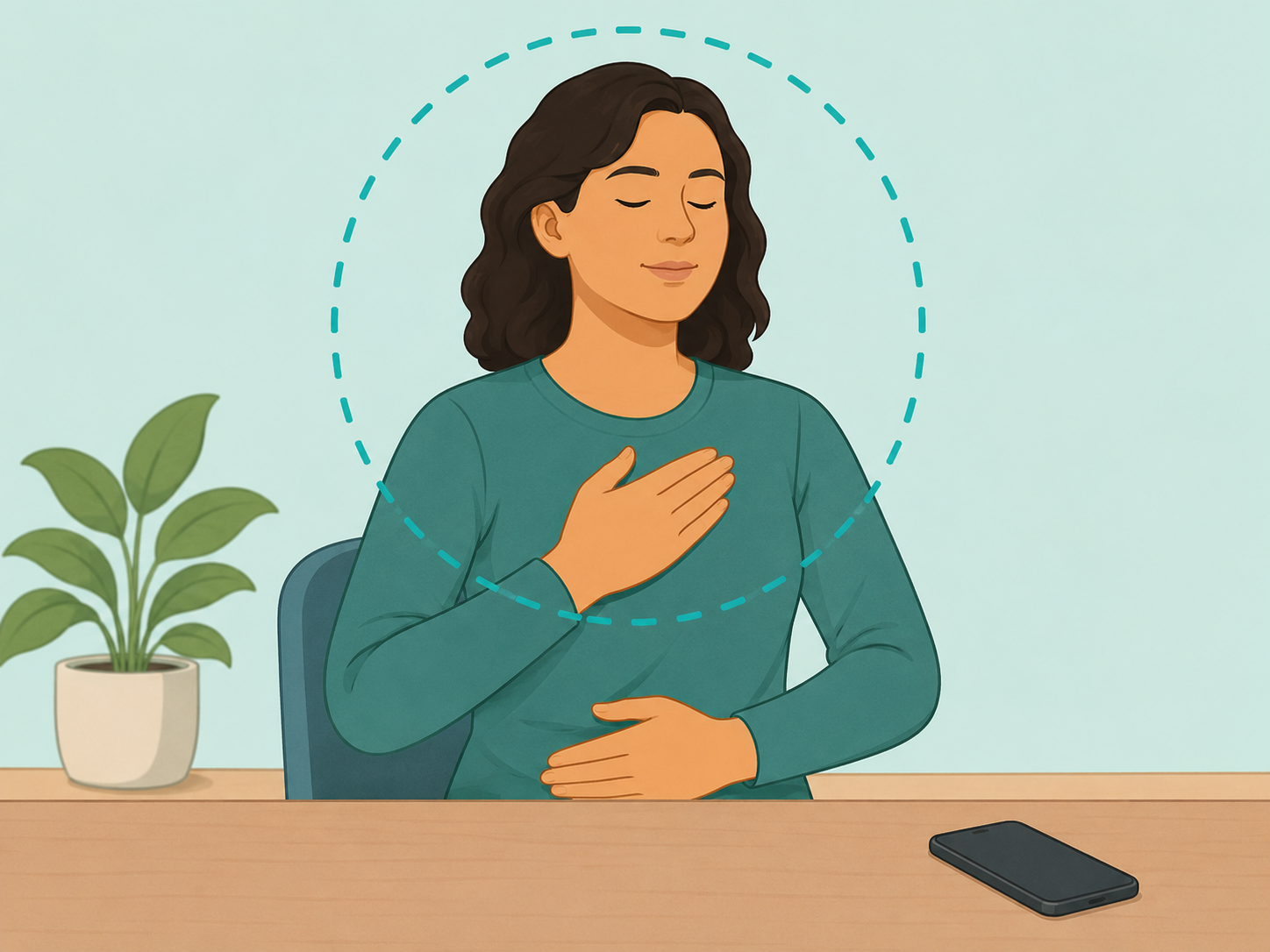
Pause before confronting or deciding
Give yourself time to breathe before you send messages, make accusations, or announce a final decision. A major deception can trigger intense stress, and MedlinePlus explains that long-term stress can affect sleep, mood, focus, and physical health. If you can, wait until you are calm enough to speak clearly and protect your own interests.
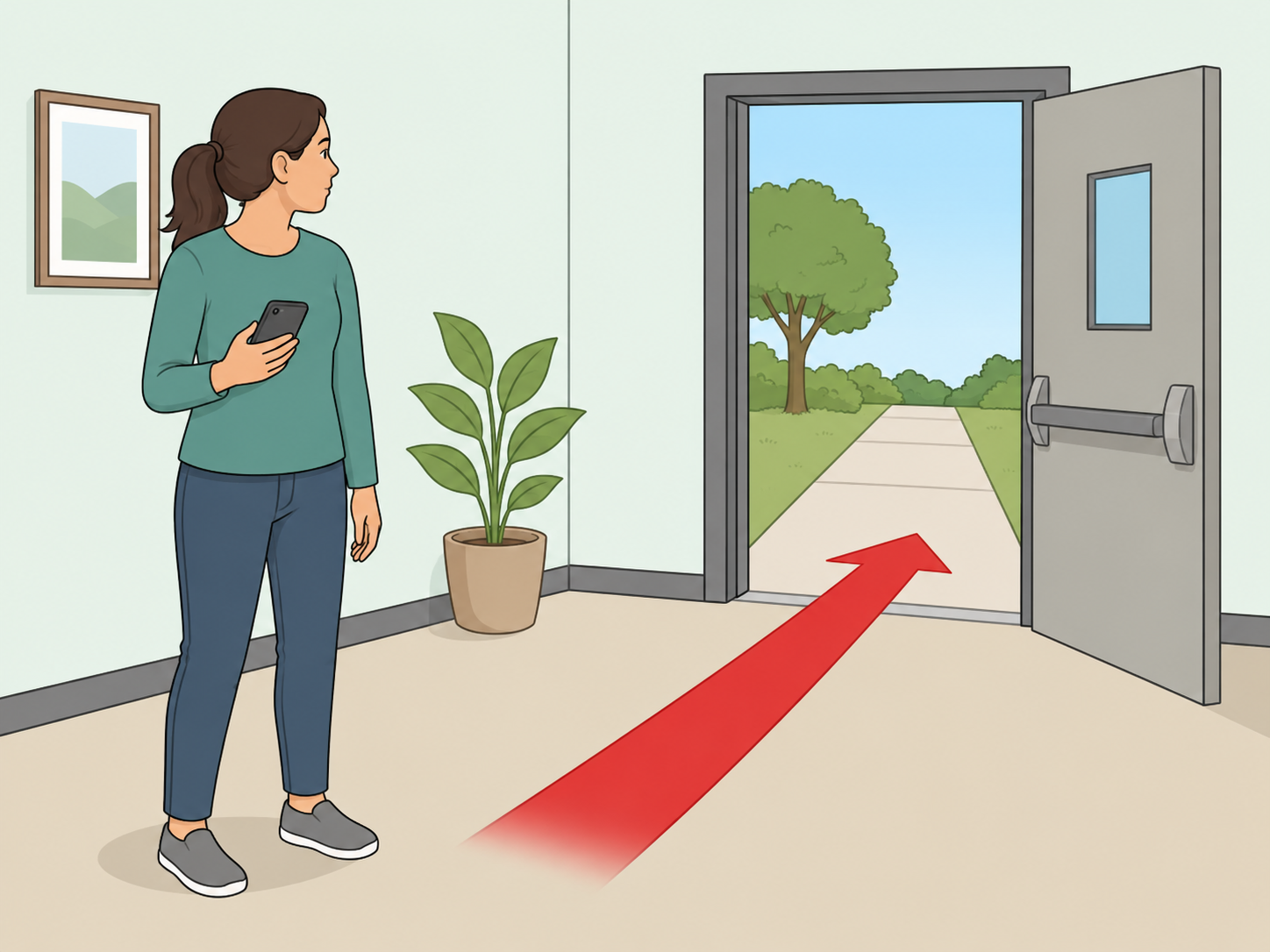
Check whether you are safe
Ask yourself whether the person has ever threatened, intimidated, controlled, monitored, or isolated you. The CDC includes psychological aggression and controlling behavior in intimate partner violence, and the National Domestic Violence Hotline describes emotional abuse as behavior meant to control, isolate, or frighten someone. If any of that fits, do not confront them alone or share your plans before you have support.
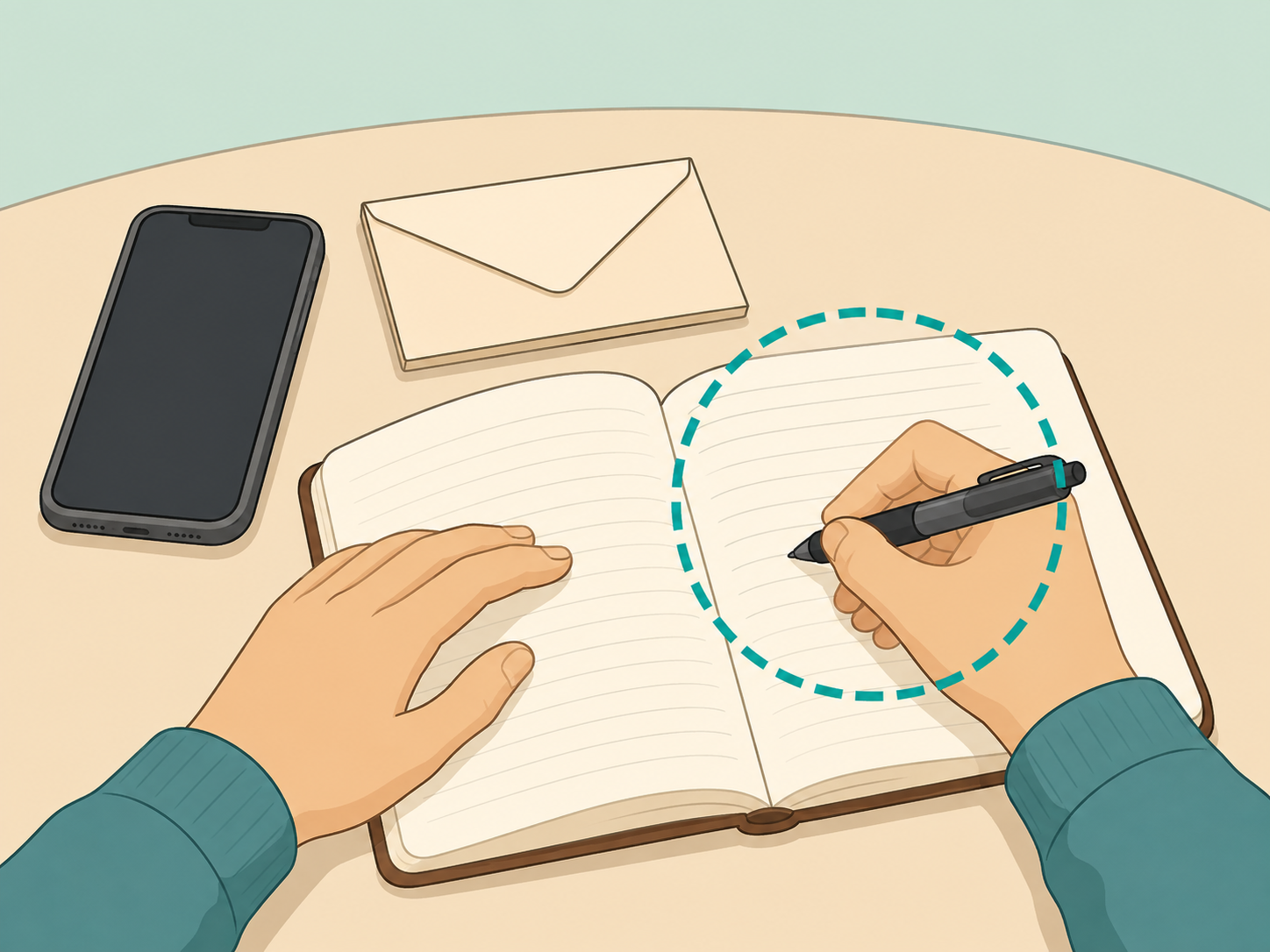
Write down what you know
Make a private record of the dates, messages, accounts, conversations, and facts you can verify. Keep it factual rather than filling gaps with guesses, because shock can make details feel tangled. If digital privacy is a concern, use a secure place the other person cannot access.
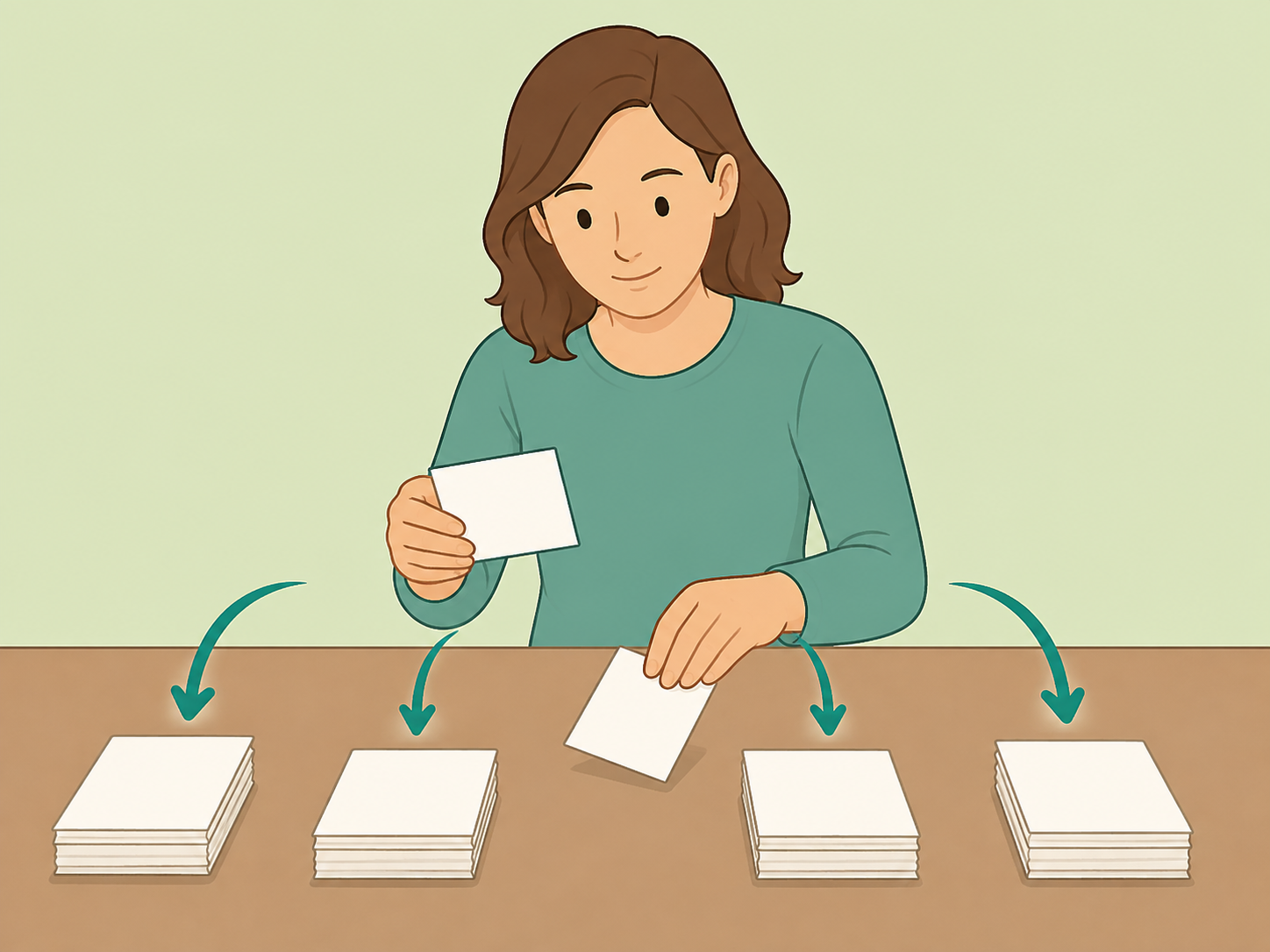
Separate facts from explanations
List what is confirmed, what is suspected, and what still needs an answer. Research on betrayal trauma and romantic relationship functioning links betrayal by someone close with lower psychological wellbeing and changes in trust, so it makes sense if your mind keeps trying to solve everything at once. Slowing the question down helps you ask for specific information instead of chasing every possibility.
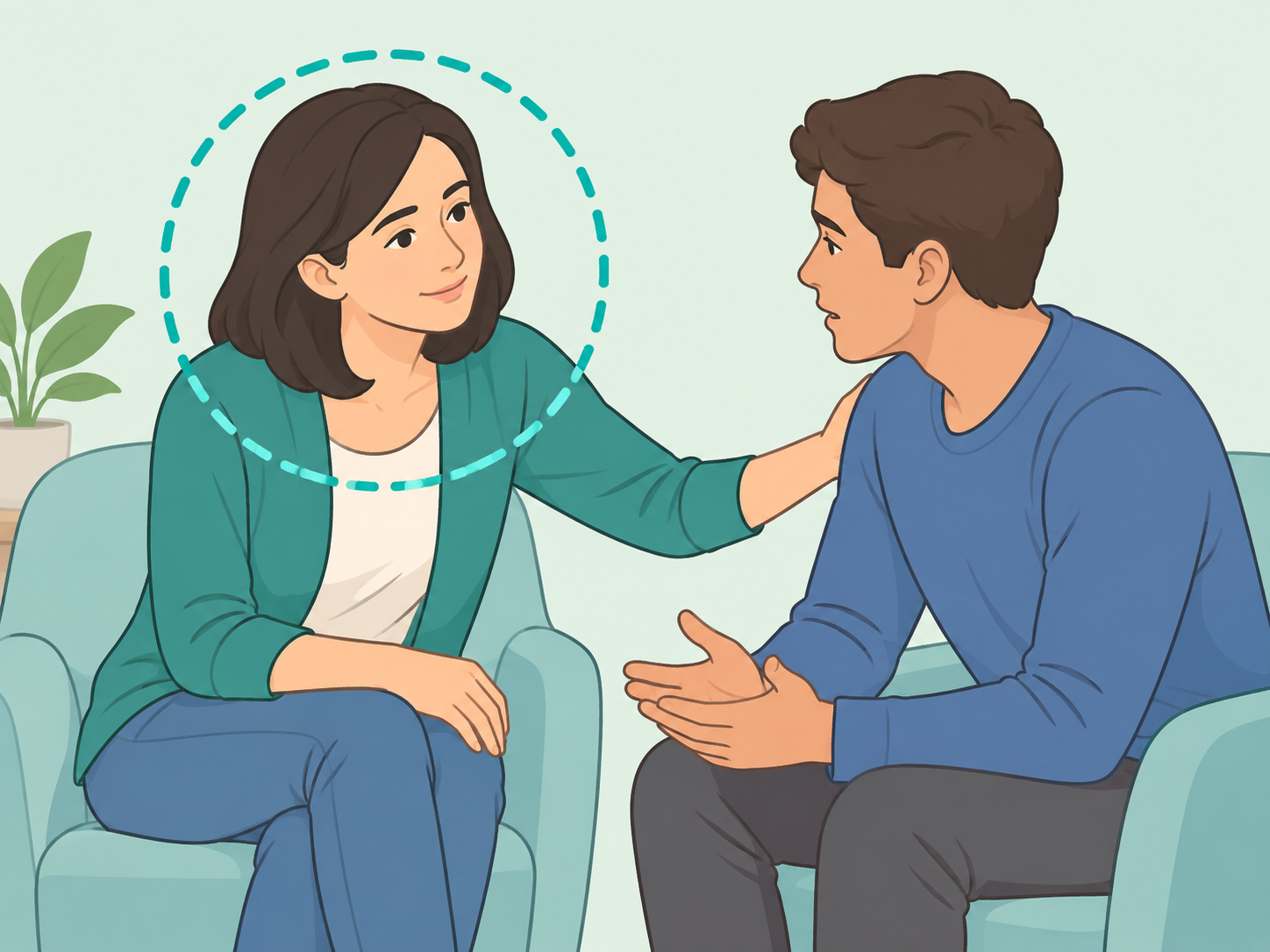
Tell one trustworthy person
Choose someone steady who can listen without pushing you into a decision. The NHS notes that supportive relationships can protect mental wellbeing and help with stress and anxiety. Be clear about what you need, such as privacy, a place to stay, help thinking through options, or simply someone to sit with you.
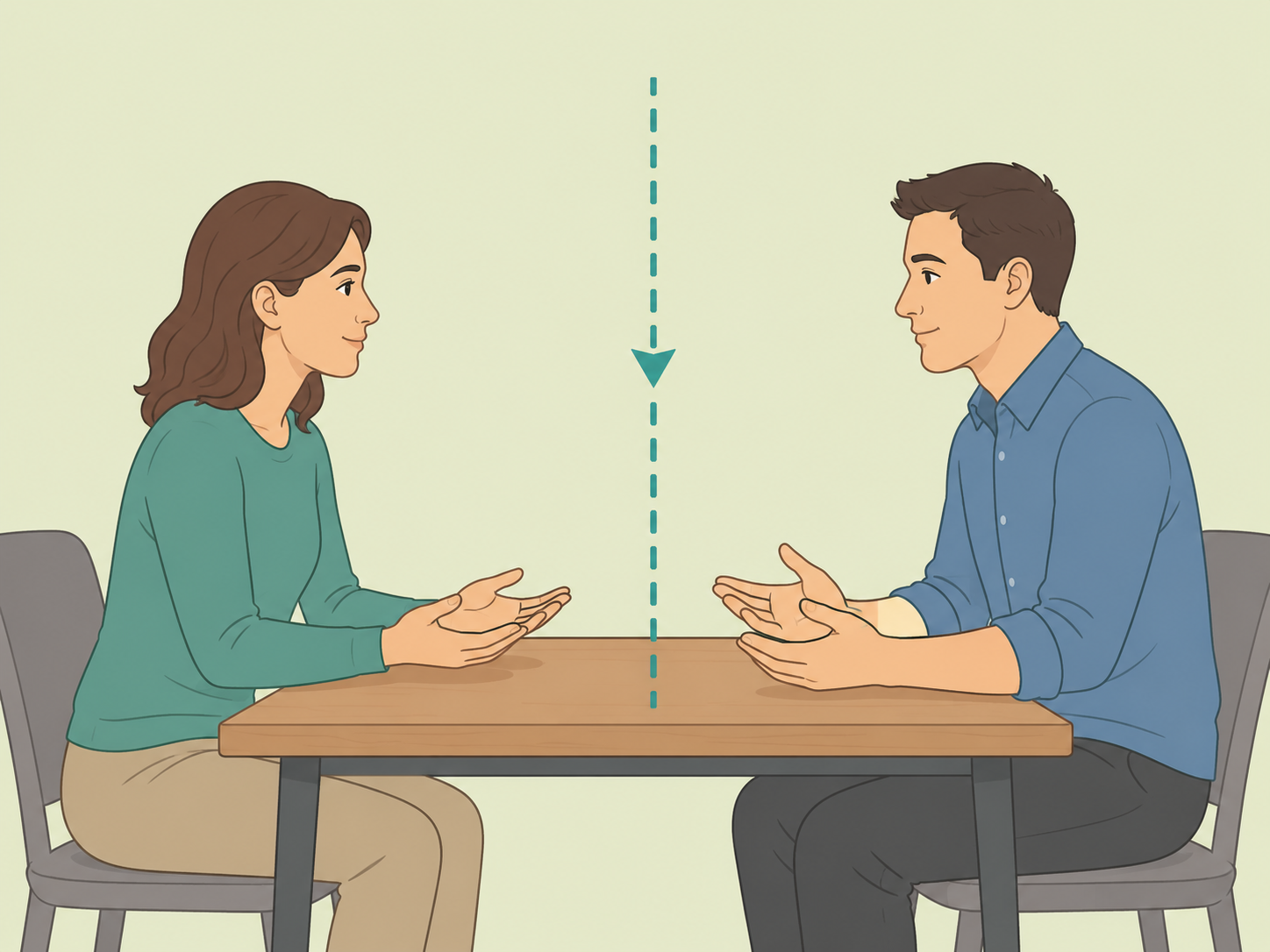
Set boundaries for the first conversation
Before you talk, decide what you are willing to discuss, where the conversation will happen, and when you will stop. Healthy communication includes open conversation and listening, but the NHS also recommends setting boundaries in relationships. You can say that you need honest answers, no shouting, no blame-shifting, and time to think afterward.
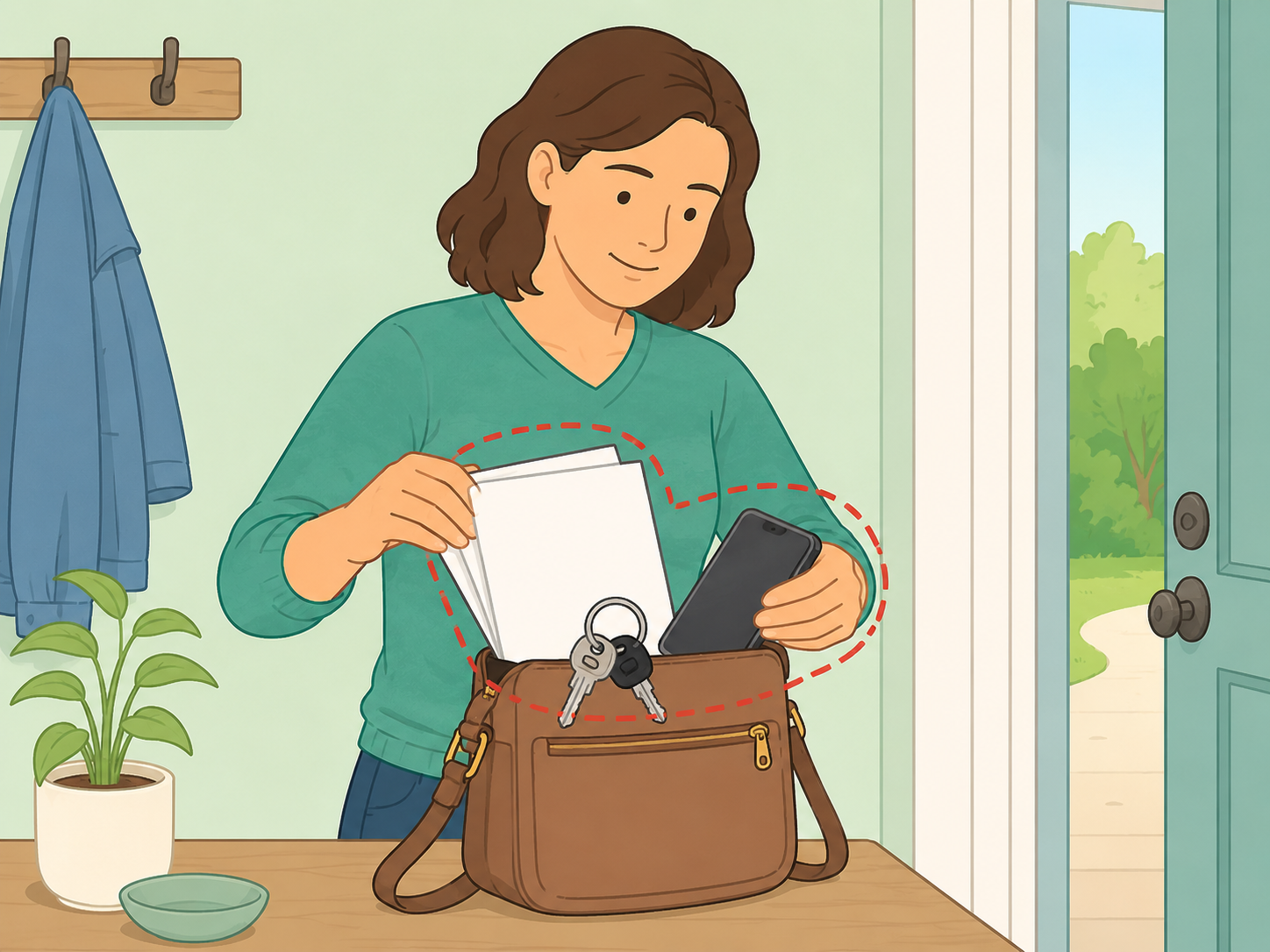
Make a safety plan if control or abuse is present
If the deception is tied to threats, stalking, monitoring, financial control, or fear, make a practical plan before changing the relationship. The National Domestic Violence Hotline says a safety plan is a personalized plan to improve safety while experiencing abuse, preparing to leave, or after leaving. Include safe contacts, important documents, medication, money access, transportation, and a place you can go.
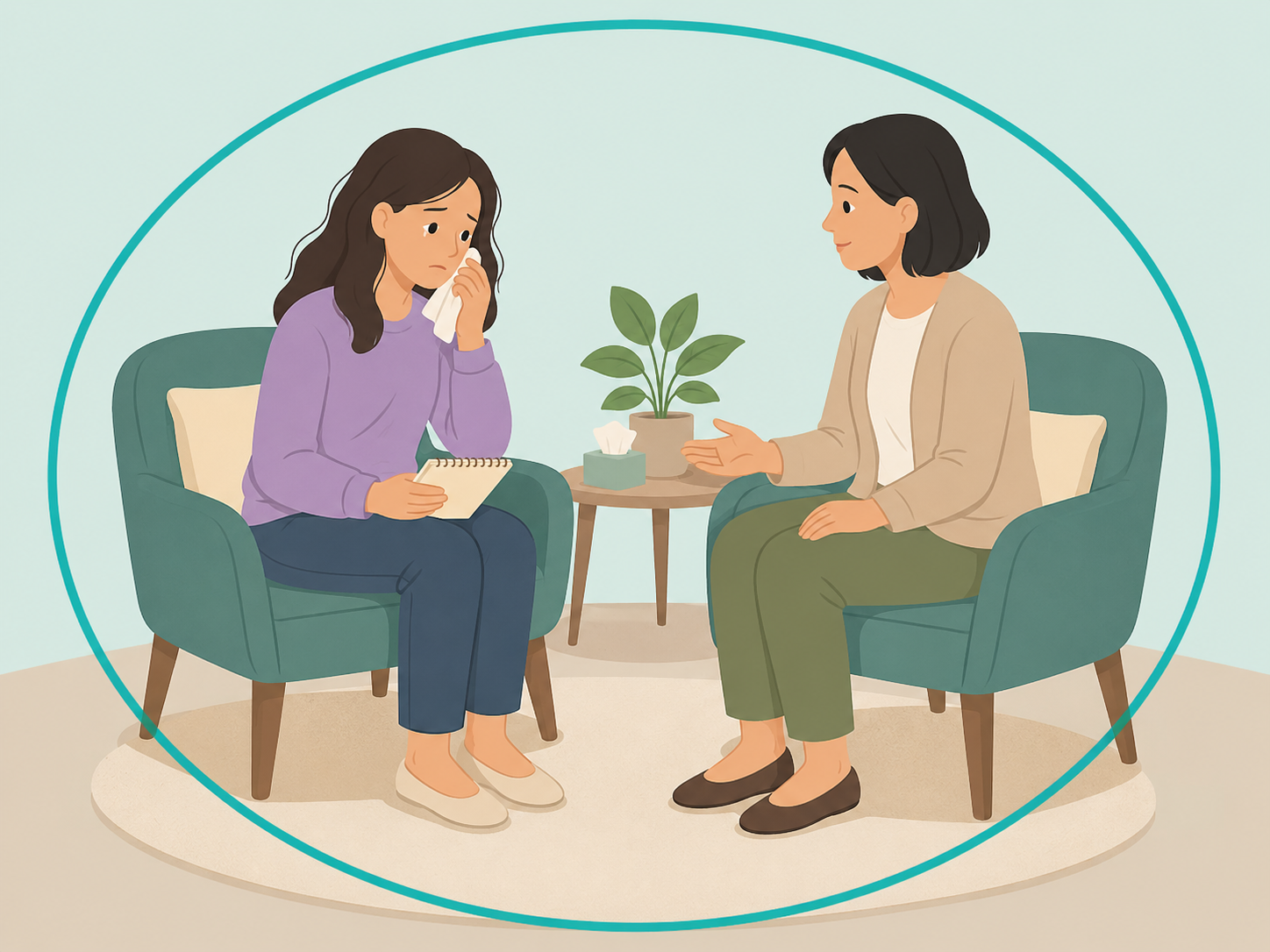
Get professional help if the stress is affecting daily life
Consider a doctor, therapist, counselor, or qualified mental health professional if you cannot sleep, eat, focus, work, or function normally. MedlinePlus recommends seeking help for severe stress symptoms lasting 2 weeks or more, and the Mayo Clinic says psychotherapy can help with life stresses, conflicts, and major changes. Talking therapies can also help people work through difficult feelings, anxiety, depression, PTSD, and relationship problems according to the NHS.
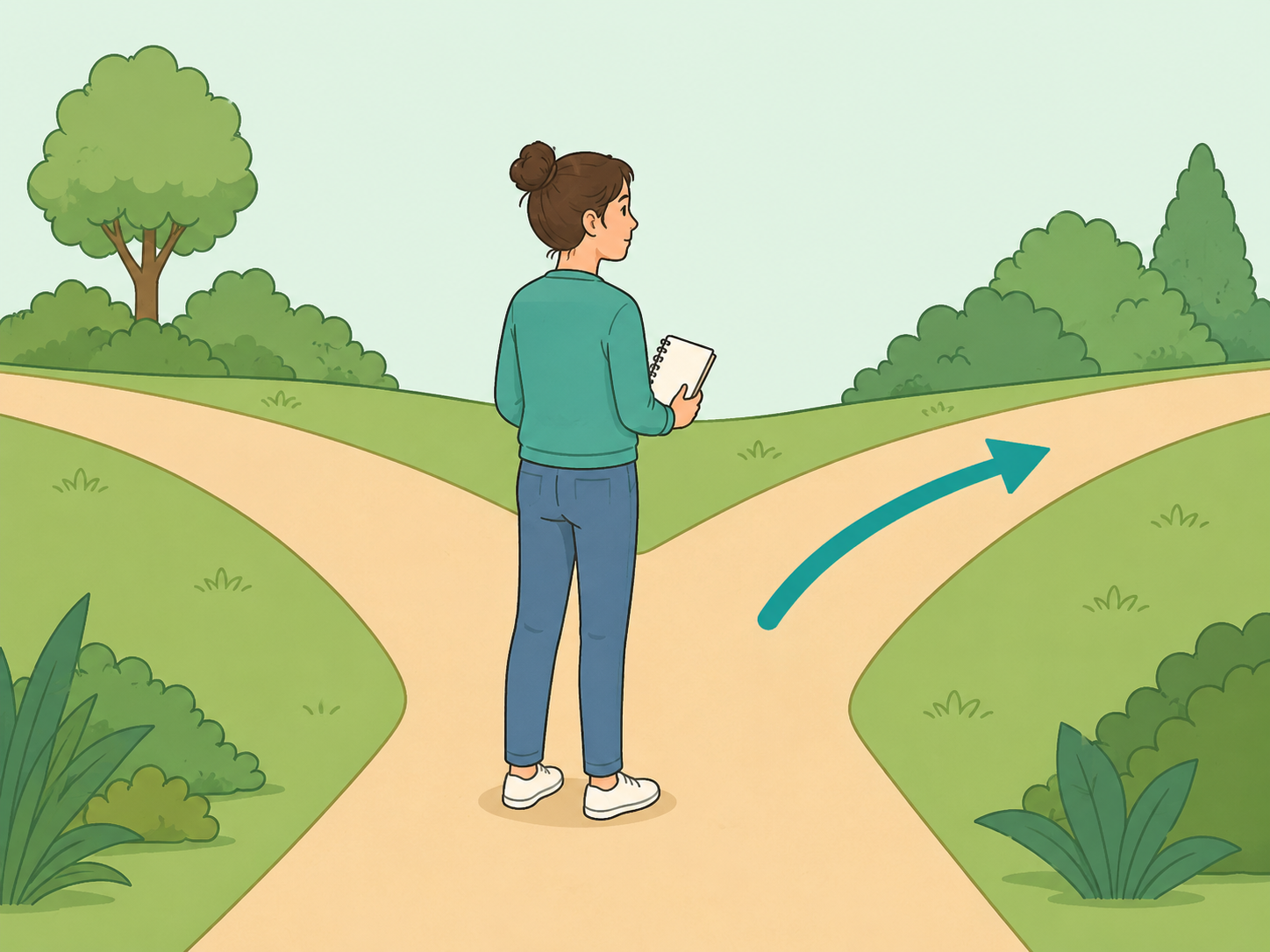
Decide the next step on your own timeline
After the first shock passes, decide what you need before choosing whether to rebuild, separate, pause contact, or seek legal or financial advice. Look for consistent actions over promises, especially honesty, respect for boundaries, and willingness to get help. You are allowed to take time, ask for support, and change your mind as new facts become clear.
Summary
The bottom line: take the discovery seriously, but do not let shock make every decision for you. Stabilize first, check for safety concerns, document what you know, get outside support, and give yourself time to choose the next step.
Frequently Asked Questions
- Is it normal to feel numb after discovering a long deception?
Yes. Shock, anger, sadness, confusion, and numbness can all happen after a major breach of trust. Focus first on basic needs like sleep, food, safety, and support.
- Should I confront the person right away?
Not always. If you feel unsafe, overwhelmed, or unsure what you know, it is reasonable to wait, write down the facts, and talk with a trusted person or professional first.
- Can trust come back after years of lying?
Sometimes trust can be rebuilt, but only with consistent honesty, accountability, changed behavior, and time. You do not have to decide the future of the relationship in one conversation.
- What if the other person says I am overreacting?
Your reaction is still real, even if the other person disagrees. If they repeatedly dismiss your feelings, blame you for their behavior, or make you question your reality, treat that as a serious warning sign.
- Do I need couples therapy or individual therapy?
Individual therapy can help you sort your feelings and choices without pressure. Couples therapy may help only if both people are safe, honest, and willing to take responsibility for the work.
- When should I get urgent help?
Get urgent help right away if you feel in danger, feel unable to cope, have thoughts of harming yourself, or are using alcohol or drugs more than usual to get through the shock.
References
Reliable references aided in composing and refining this content.
- https://pubmed.ncbi.nlm.nih.gov/22375806
- https://medlineplus.gov/stress.html
- https://www.nhs.uk/every-mind-matters/lifes-challenges/maintaining-healthy-relationships-and-mental-wellbeing
- https://www.mayoclinic.org/tests-procedures/psychotherapy/about/pac-20384616?p=1
- https://www.cdc.gov/intimate-partner-violence/about/index.html
- https://www.thehotline.org/resources/what-is-emotional-abuse
- https://www.thehotline.org/plan-for-safety/create-your-personal-safety-plan
- https://www.nhs.uk/tests-and-treatments/talking-therapies