
 Pin it
Leaving an unsafe relationship can be complicated, especially when a partner is controlling, threatening, or likely to escalate. This guide explains how to make a practical safety plan, gather support, protect your privacy, and know when to seek urgent help. You do not have to prove anything or win an argument before choosing safety.
Recognize unsafe or controlling behavior
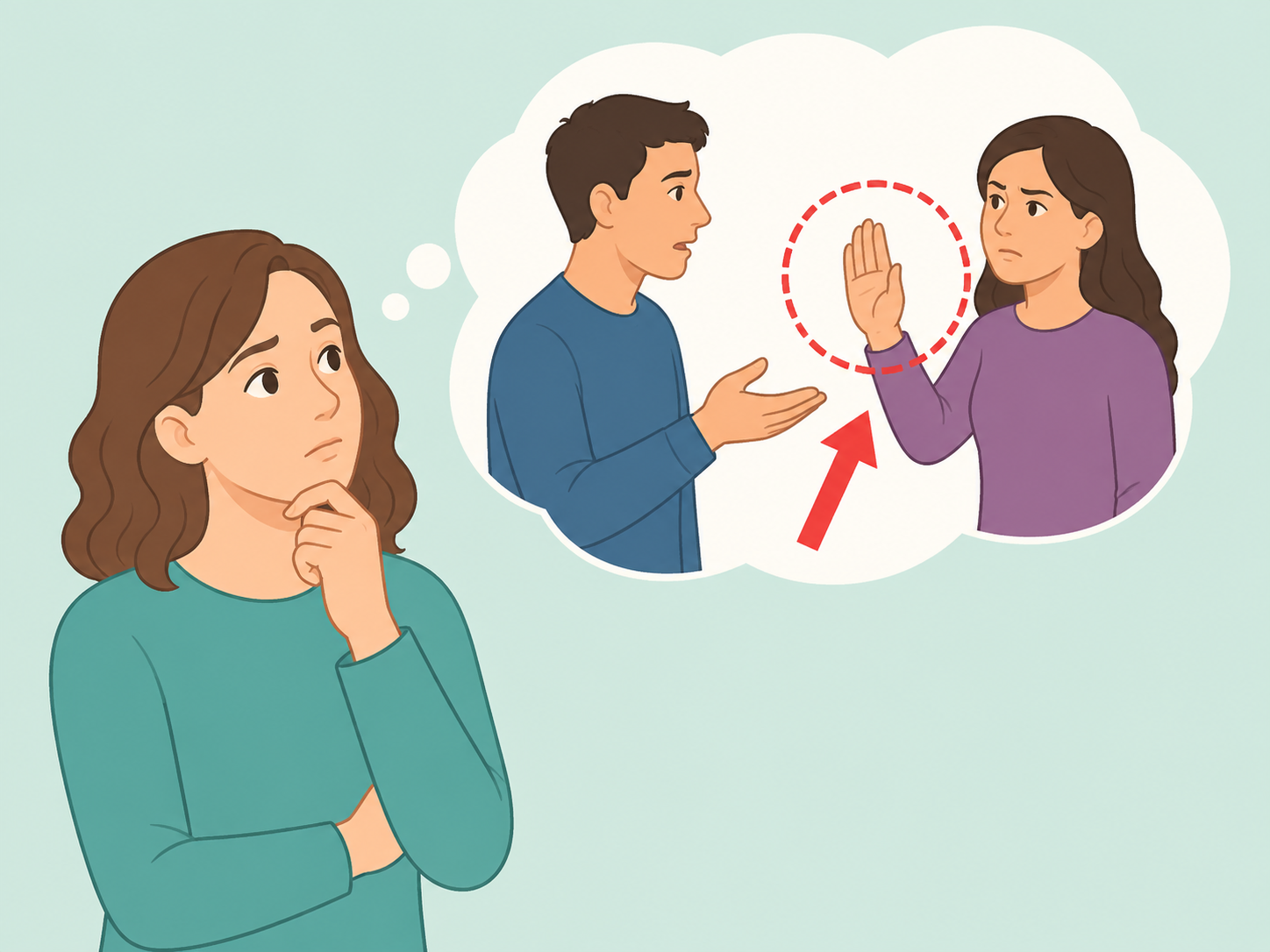
Abuse is not limited to physical harm; CDC describes intimate partner violence as behavior that can include physical violence, sexual violence, stalking, and psychological aggression. Warning signs can include isolation, threats, financial control, intimidation, forced sex, or being afraid to make ordinary choices, according to MedlinePlus domestic violence guidance. If you are changing your behavior because you fear your partner's reaction, treat that as a serious safety signal.
Put immediate safety before belongings or explanations
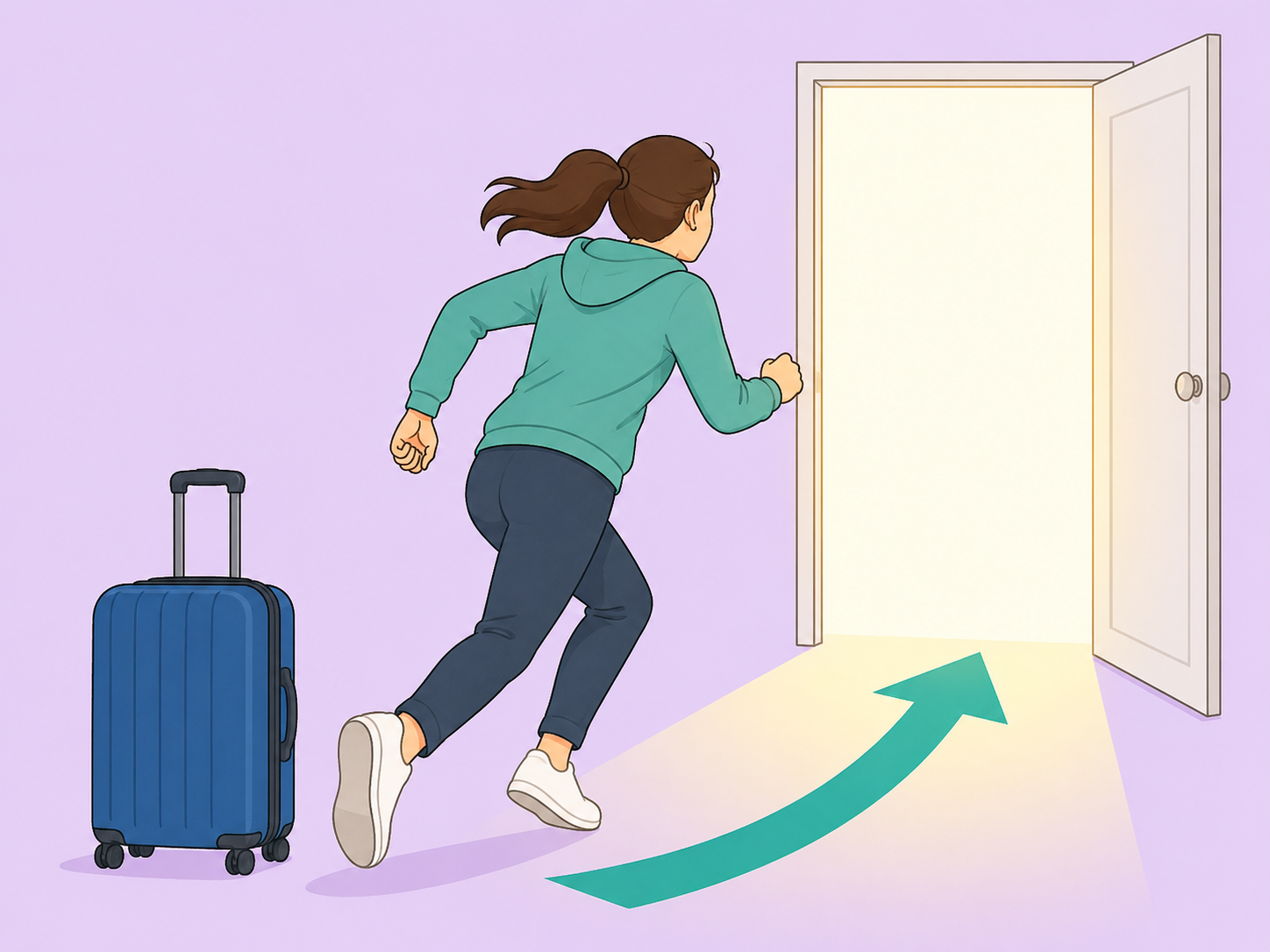
If you are in immediate danger, call local emergency services or get to a safer place before trying to pack, document, or explain. The Office on Women's Health says that if you are in a medical emergency, you should call 911 or go to the nearest emergency room, and its leaving an abusive relationship guide stresses that safety comes first. A quiet departure, even at an inconvenient hour, may be safer than a confrontation.
Talk to one confidential helper first
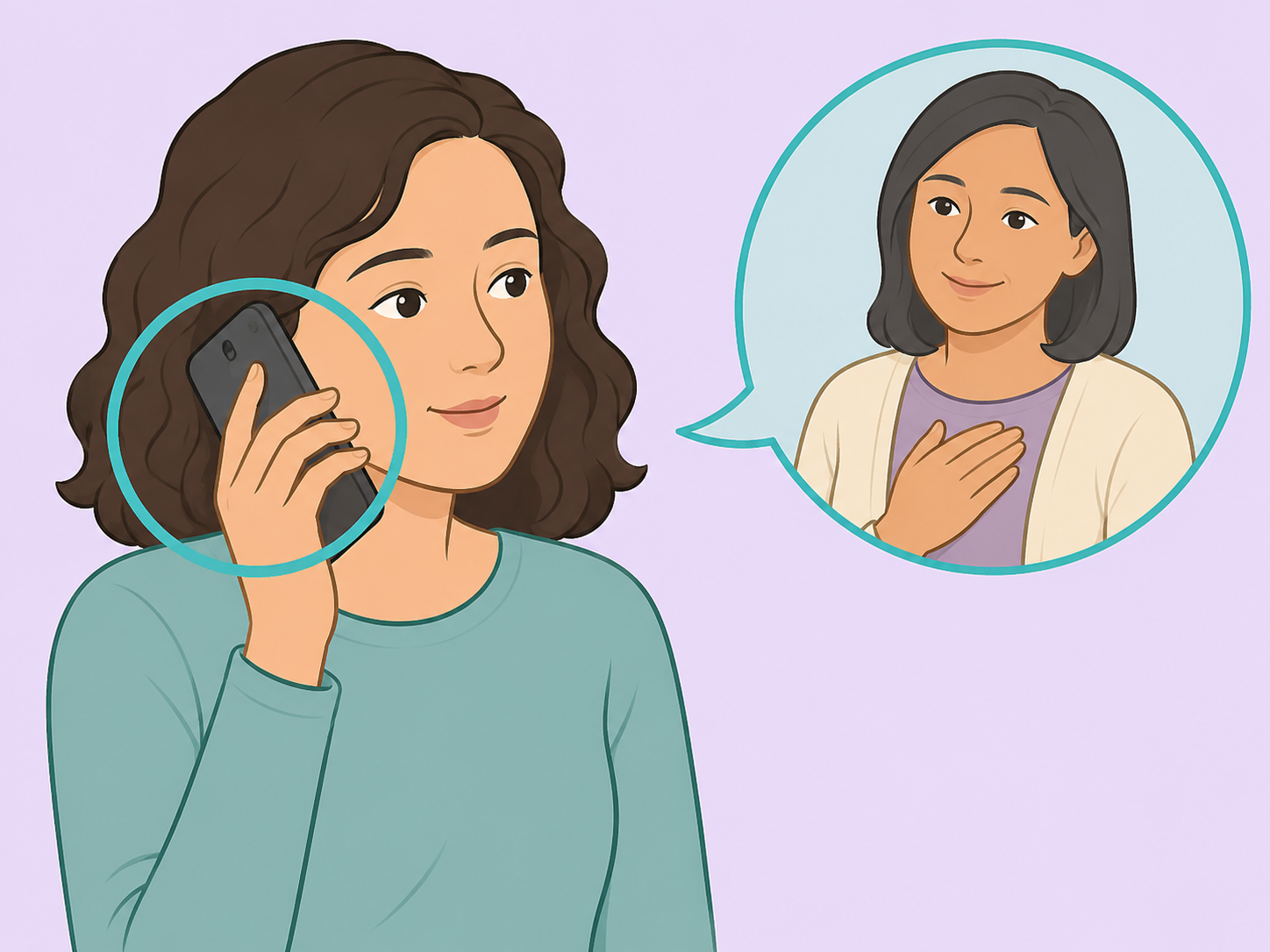
Choose someone who will not reveal your plans, such as a trusted friend, family member, doctor, counselor, workplace HR contact, shelter advocate, or hotline advocate. The Office on Women's Health recommends talking only to people who will not tell the abusive partner. In the U.S., the National Domestic Violence Hotline can help with safety planning by phone at 1-800-799-7233, text, or chat.
Create a simple safety plan
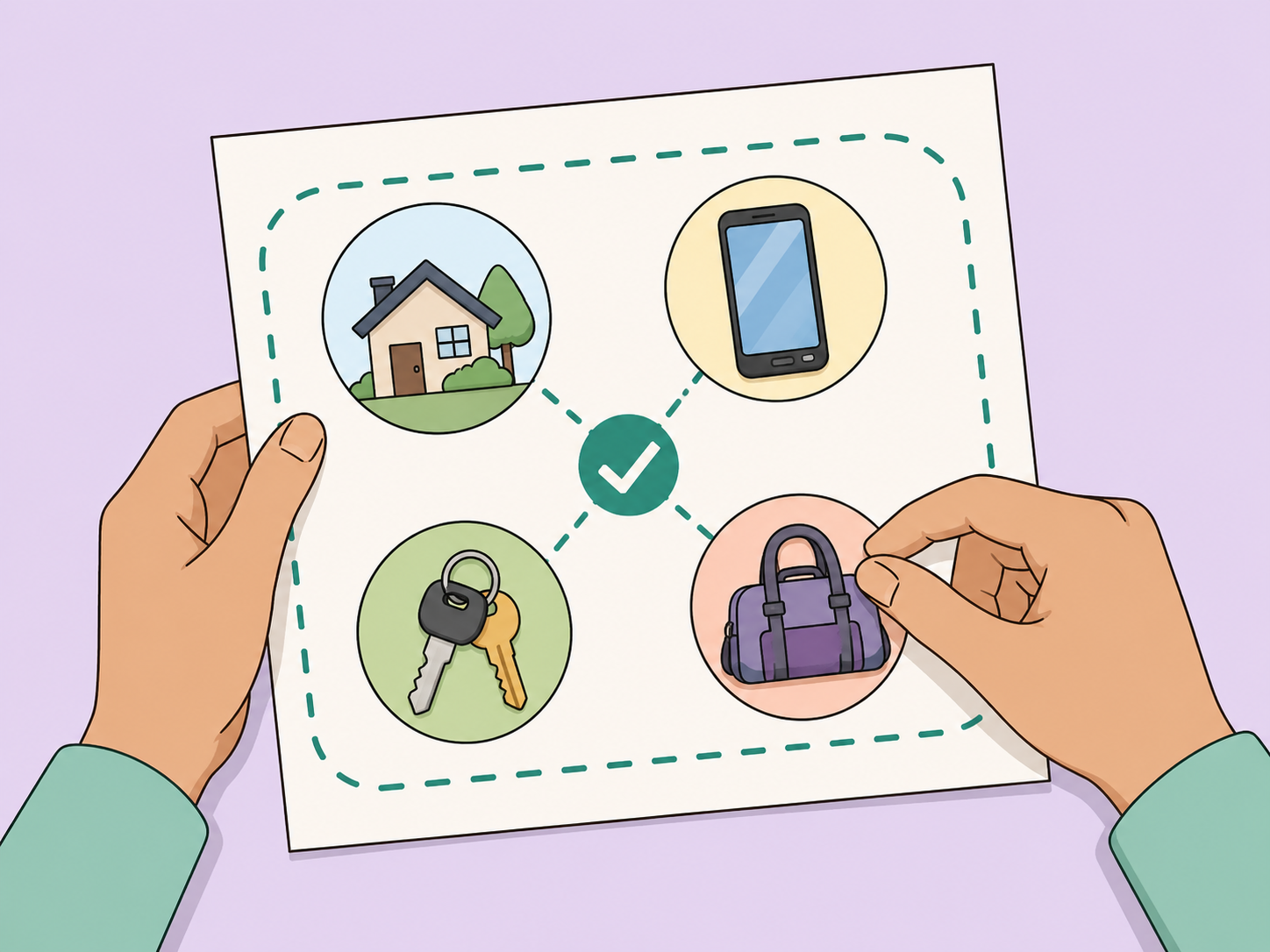
A safety plan is a set of steps for what you will do if your partner becomes violent or if you decide to leave. The National Domestic Violence Hotline safety planning page recommends making a personalized plan that fits your situation, children, pets, work, school, and technology risks. Include where you will go, how you will get there, who will know, and what signal means you need help.
Choose a safe destination and code word
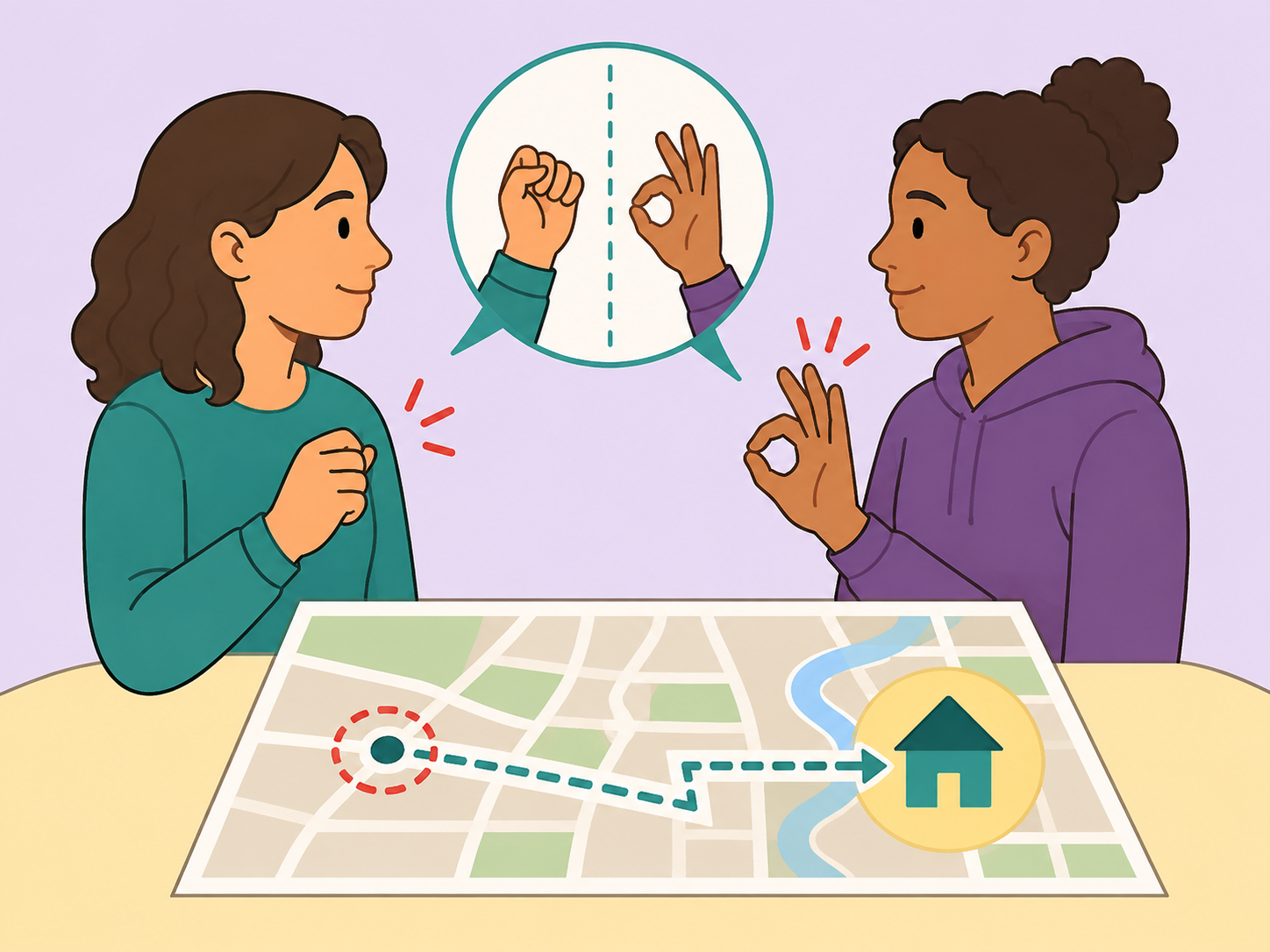
Pick at least one place you can go quickly, such as a trusted person's home, a shelter, a police station, or another public safe place. The Office on Women's Health suggests identifying safe friends, safe places, and a code word that tells others you are in danger without alerting the abuser. If possible, agree in advance on who will pick you up and where.
Pack essentials where they will not be found
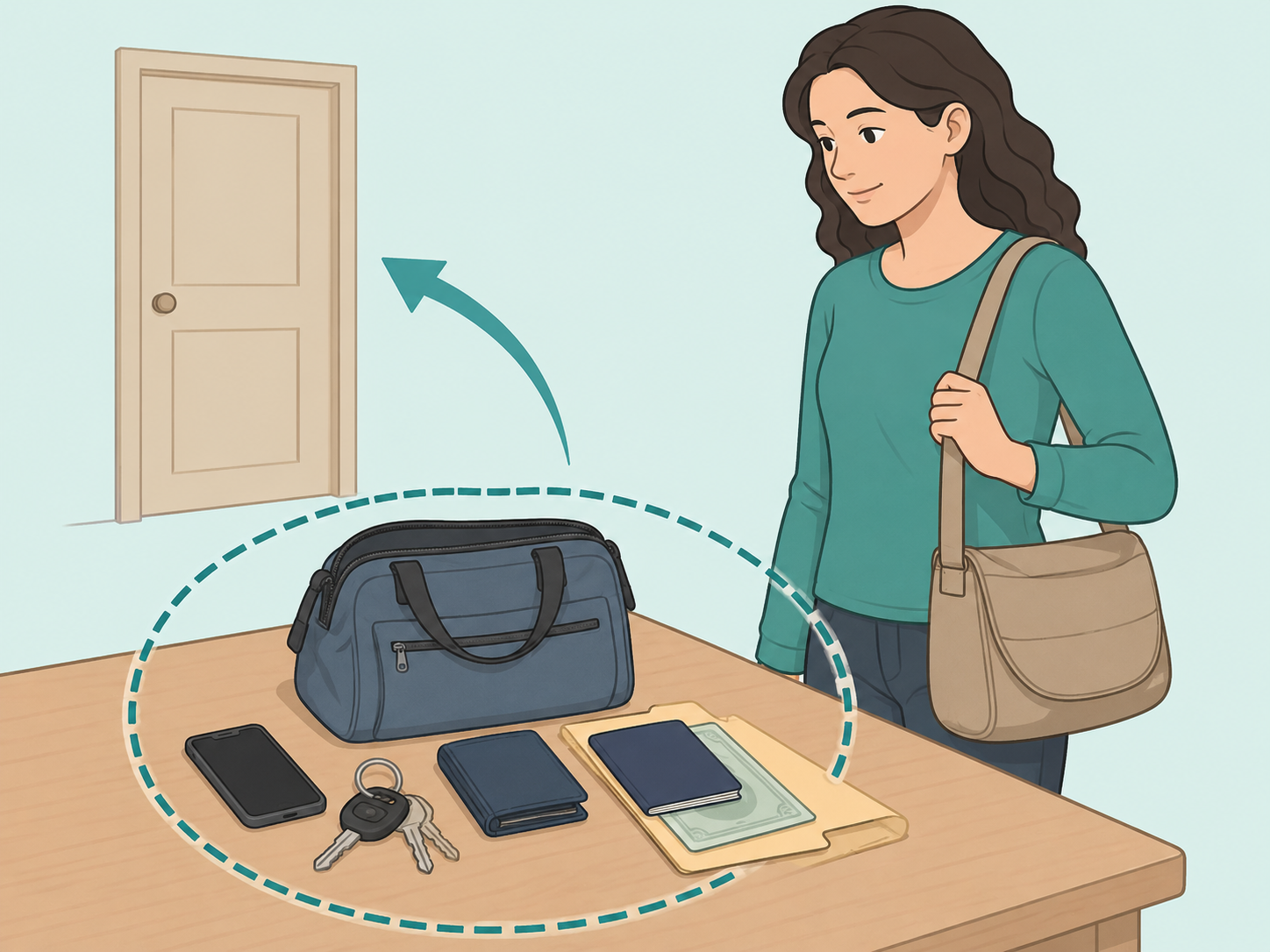
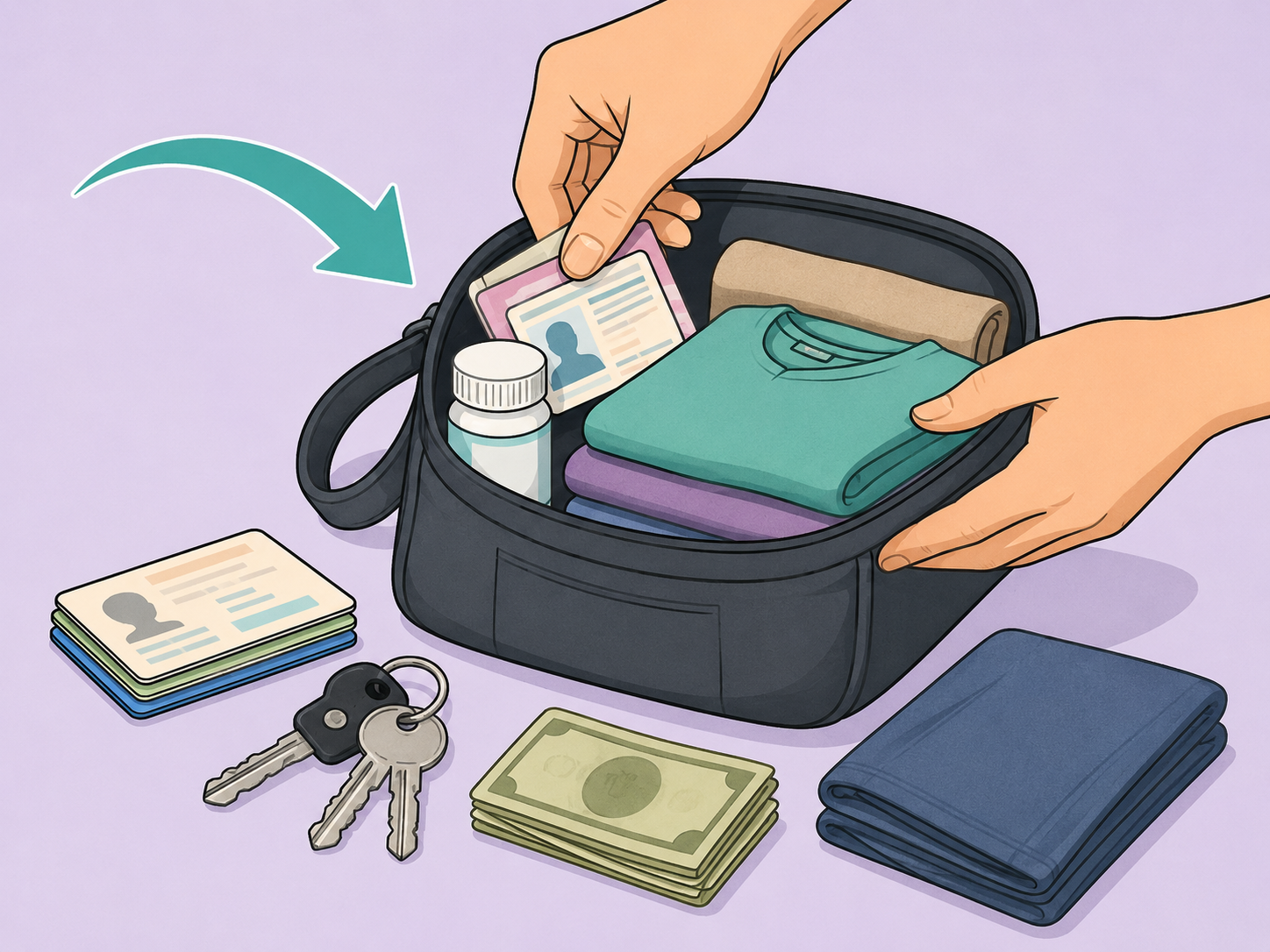
If you can do it safely, gather identification, birth certificates, Social Security cards, passports, medications, keys, money, cards in your name, legal papers, insurance cards, medical records, and important phone numbers. The Hotline's leaving checklist lists identification, legal papers, emergency numbers, medications, clothing, and safe phone access as useful items to bring. Keep the bag or copies with someone safe rather than somewhere your partner may search.
Protect your digital trail
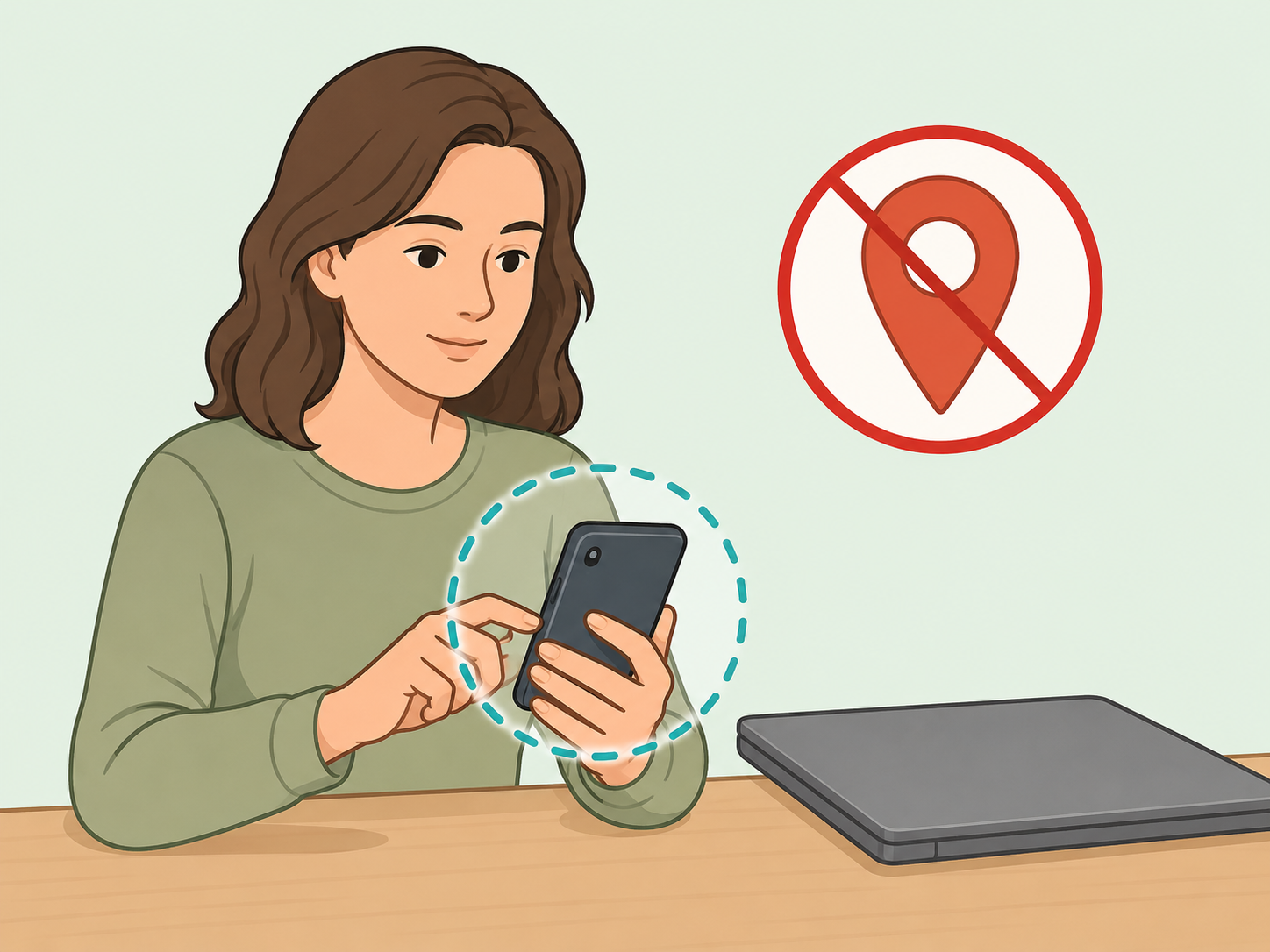
If your partner monitors devices, use a safer phone or computer that they cannot access, such as a trusted friend's device or a library computer. The Safety Net Project's technology safety plan advises survivors to consider safer devices when computer, tablet, or phone monitoring is possible. Avoid sudden account changes if they could alert your partner; ask an advocate to help you decide the safest order.
Leave at the safest time available
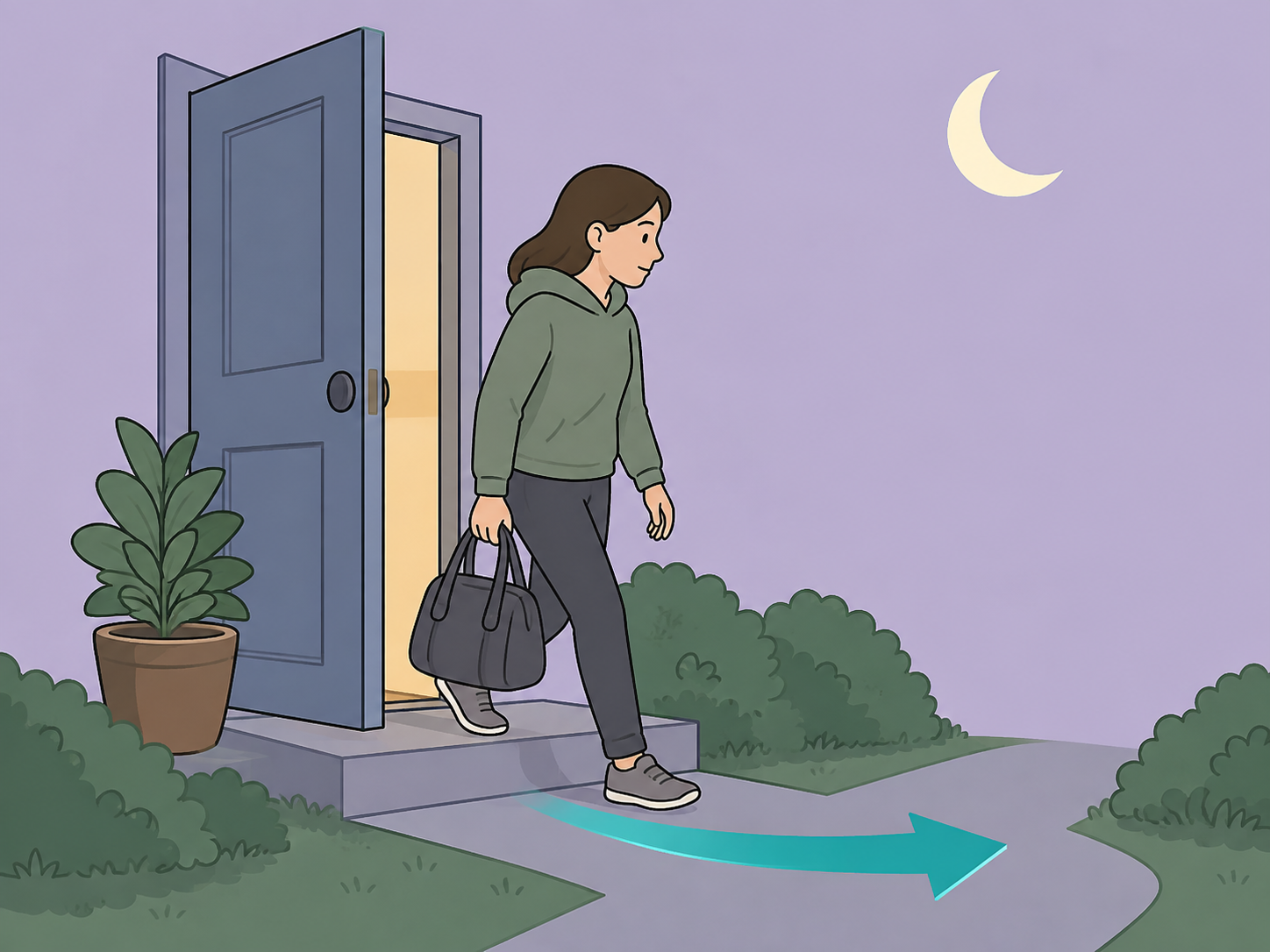
Choose the time when the risk of being stopped, followed, or confronted is lowest, even if that means leaving quietly while your partner thinks the argument is over. The NHS advises being careful who you tell if you decide to leave because the person abusing you should not know where you are going. Do not leave a note, announce the plan, or return alone for belongings if that could increase danger.
Seek medical, emergency, or legal help when needed
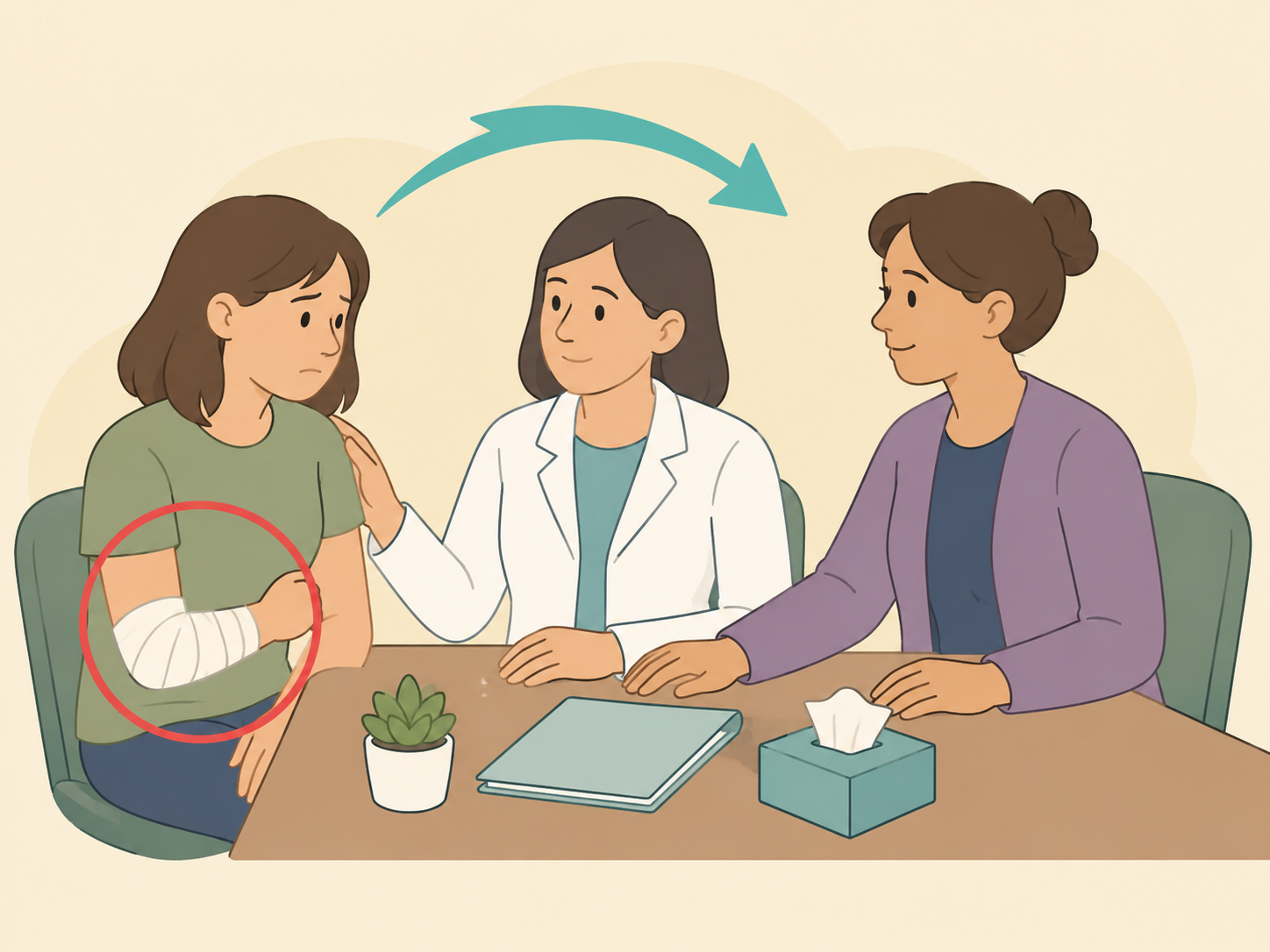
Get medical care if you are injured, pregnant, sexually assaulted, strangled, hit in the head, threatened with a weapon, or worried about your health. MedlinePlus advises getting medical care for injuries and calling police if you are in danger. A local domestic violence program can also help you understand protective orders, shelter options, and legal advocacy without forcing you to make every decision at once.
Build support after you are away
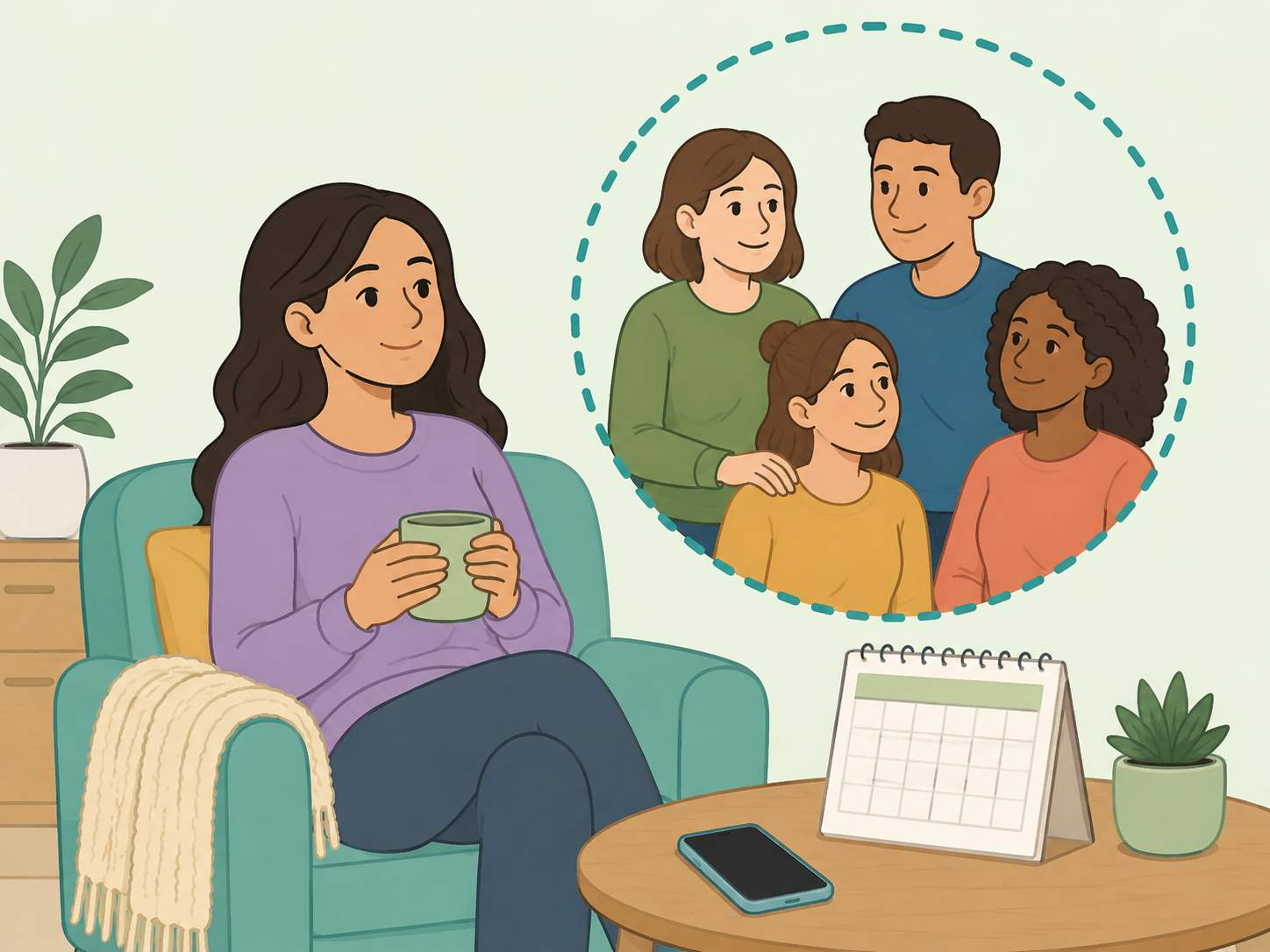
Once you are in a safer place, update only the people who need to know, and ask them not to share your location. The MyHealthfinder relationship violence guide notes that domestic violence agencies can offer emotional support, safety planning, and referrals. Consider counseling, victim advocacy, school or workplace safety planning, and changes to routines if stalking or retaliation is a concern.
Summary
The bottom line: a safer exit is usually planned quietly, with trusted help, essential items ready, digital privacy considered, and emergency support available. Your safety and the safety of any children or pets comes before belongings, explanations, or trying to make the other person understand.
Frequently Asked Questions
- Is it okay to leave without telling my partner first?
Yes, if telling them could put you in danger. Safety planning resources often recommend keeping plans confidential from an abusive or controlling partner until you are safe.
- What should I take if I have to leave quickly?
Take yourself, children, pets if possible, medications, identification, keys, money, cards in your name, legal papers, and essential records. If you are in immediate danger, leave without delaying for belongings.
- What if I have no money or nowhere to go?
A domestic violence hotline or local advocacy program may help you find shelters, transportation options, legal resources, and community support. In the U.S., the National Domestic Violence Hotline is 1-800-799-7233 and also offers chat and text options.
- Can my phone or accounts reveal my plan?
They can. Shared devices, shared accounts, location sharing, browser history, and phone records may expose searches or messages, so use a safer device if you think you are being monitored.
- Should I save evidence of abuse?
If it is safe, save threatening messages, photos of injuries or damage, police or medical records, and dates of incidents. Do not risk being harmed to collect evidence.
- When should I call emergency services?
Call local emergency services right away if you or someone else is in immediate danger, injured, being threatened, or unable to leave safely. In the U.S., call 911.
References
Reliable references aided in composing and refining this content.
- https://womenshealth.gov/relationships-and-safety/domestic-violence/leaving-abusive-relationship
- https://www.thehotline.org/resources/leaving-an-abusive-relationship
- https://www.thehotline.org/plan-for-safety
- https://www.cdc.gov/intimate-partner-violence/about/index.html
- https://www.medlineplus.gov/ency/patientinstructions/000816.htm
- https://www.nhs.uk/live-well/getting-help-for-domestic-violence
- https://www.techsafety.org/resources-survivors/technology-safety-plan
- https://odphp.health.gov/myhealthfinder/healthy-living/mental-health-and-relationships/watch-warning-signs-relationship-violence